
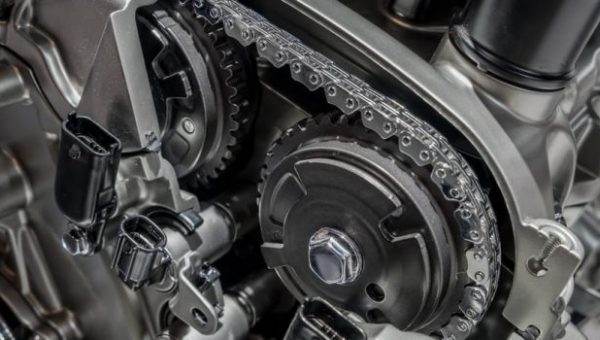

These devices are essential components for an internal combustion engine to function properly with maximum efficiency. In this article, we will detail what they are, where the camshaft sensor is located, what they do, and common problems with the device that may occur.
WHAT IS A CAMSHAFT SENSOR?
A camshaft sensor or camshaft position sensor is a device that determines the precise position and speed of the crankshaft in conjunction with the crankshaft sensor. It is typically located at the top of the engine, either on one or both cylinder heads, on top of the engine block, or, in some cases, on the intake manifold. A camshaft sensor sends this data to the vehicle’s Engine Control Module (ECM), which allows the ECM to determine the amount of fuel injected into the combustion chamber, as well as the timing of its ignition. The information from both sensors enables the engine control unit to determine the top dead center of the first cylinder.
SYMPTOMS OF CAMSHAFT SENSOR MALFUNCTIONS
A faulty device can lead to several problems. If the information relayed by the sensor is off by just a few fractions of a second, it can still cause engine knocking, reduced power, and poor acceleration. In extreme cases, the engine may even stall or shut down. Sometimes, the result is also that the transmission shift solenoids no longer function and the gears cannot shift properly. Poor timing can also cause the fuel injectors to operate for too long, wasting fuel and leading to a buildup of liquid gasoline in the combustion chamber. Ultimately, ignoring the symptoms of a failing camshaft position sensor can prevent the engine from starting at all, leaving the vehicle stranded. Fortunately, one of the most common symptoms of a malfunction is the “check engine” light illuminating on the dashboard.
HOW TO CHECK FOR A FAULTY CAMSHAFT POSITION SENSOR
After recognizing the symptoms listed in the paragraph above, it’s a good idea to check the device itself for any potential damage. What causes a camshaft position sensor to malfunction can vary, so a proper inspection is necessary. Locate the sensor at the position mentioned above or consult your vehicle’s make and model documentation to determine its location if you cannot find it. If the sensor itself shows no visible damage, check its wiring and electrical connectors. If any of the wires or cables are broken, corroded, damaged, or poorly secured, you may have found the culprit. If the vehicle has a modern onboard diagnostic system, the engine control unit may also indicate an error code that can be scanned with a DIY scan tool or at a properly equipped garage to determine the location of the sensor malfunction.
HOW TO REPLACE A FAULTY CAMSHAFT SENSOR
Once you have determined that the sensor itself is the cause of all your problems, you can either replace it yourself or take your car to a garage to have the part replaced with a functioning one by expert mechanics. Replacing it yourself should generally not be attempted unless you have some experience in car or vehicle maintenance and have access to the appropriate tools and a safe, dry place to perform the repairs. If all these conditions are met, however, you can proceed with replacing the camshaft position sensor yourself. Note that the exact location and installation method of the sensor may vary from vehicle to vehicle, so take the time to consult the relevant documentation before attempting to remove it from your car’s engine.
- Locate the sensor. Once you know where it is, you can move on to the next steps.
- Disconnect the negative battery cable. Gently remove the negative battery cable from the camshaft sensor and set it aside where it won’t be in the way.
- Remove the sensor’s electrical connector. This should be fairly straightforward and only involve pressing a tab. Otherwise, use a flathead screwdriver or another appropriate tool.
- Unscrew the sensor. The camshaft sensor will be mounted using a number of screws. Loosen them using the appropriate tool. Keep these screws in case the new sensor does not come with any.
- Remove the old sensor. Now that it’s no longer connected to anything, the sensor should be easily removed by pulling it out. If not, check if it’s still connected to something.
- Install a new sensor. Mounting the sensor should work as simply as removing the old one. Align it properly and push it into place.
- Screw in the sensor. Use the mounting screws and securely fasten the new sensor in place. Use the same tool as before.
- Reconnect the sensor’s electrical connector. Connect all the cables to the positions they were in on the old sensor.
- Reconnect the negative battery cable. Reconnecting it will complete the installation of the new camshaft position sensor.
WHAT TO DO AFTER REPLACING THE CAMSHAFT SENSOR
There are really only two options here, and they depend on how the installation process went. If everything works fine, continue driving your car without worry or concern and pat yourself on the back (but not while driving). You have successfully replaced the part. If your car still has issues or is in an even worse condition, well, you really should consult a garage for repairs.