
BYD’s Strategic European Push with Plug-in Hybrid Tech
The Chinese automotive giant BYD is deepening its commitment to the European market with a significant new product development. Having established a foothold with its successful all-electric models, the company is now turning its attention to plug-in hybrid electric vehicle (PHEV) technology tailored for European drivers. This strategic move involves the development of a new compact PHEV sedan, signaling a broader and more diversified attack on a key global market.
Leveraging Proven Platform for New Powertrain
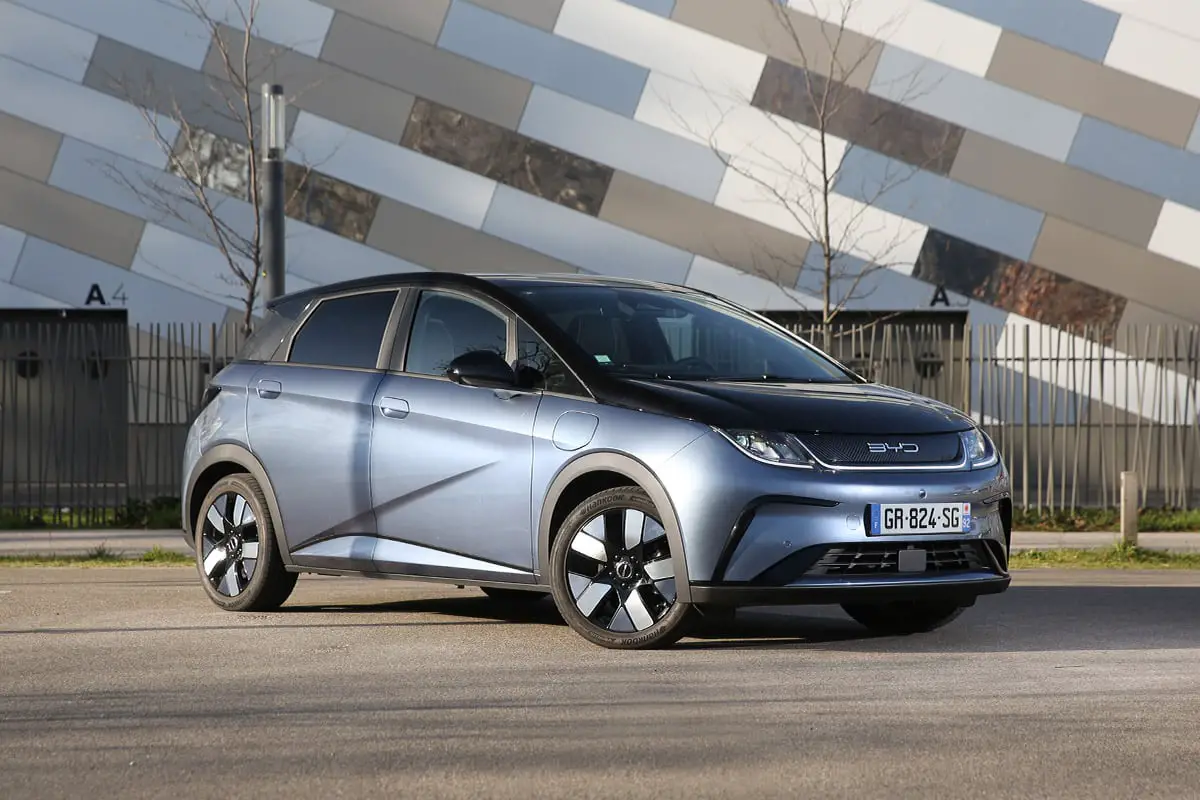
Industry reports indicate this upcoming model will likely utilize the modular platform underpinning the popular BYD Dolphin EV. This approach allows BYD to accelerate development and ensure reliability by using a known architecture, while integrating its advanced hybrid powertrain. The compact sedan segment remains highly competitive in Europe, and a PHEV offering could appeal to consumers seeking the flexibility of electric driving for daily commutes with the security of a gasoline engine for longer journeys.
Addressing European Market Specifics
The development is not merely a rebadging exercise. BYD engineers are reportedly focused on adapting the vehicle to meet specific European demands, which include dynamic driving characteristics, stringent safety standards, and connectivity features expected by local consumers. This tailored strategy demonstrates BYD’s long-term vision for Europe, moving beyond being an electric vehicle disruptor to becoming a full-line automotive manufacturer capable of competing in multiple powertrain segments.
A Broader Competitive Landscape
The introduction of a BYD compact PHEV sedan would directly challenge established European and Asian brands in a core market segment. It represents a crucial step in BYD’s plan to offer a complete portfolio, giving customers a choice between pure electric and plug-in hybrid vehicles. This expansion could significantly alter market dynamics, offering consumers advanced technology often at a more competitive price point, thereby increasing pressure on traditional automakers to accelerate their own electrification and pricing strategies.