
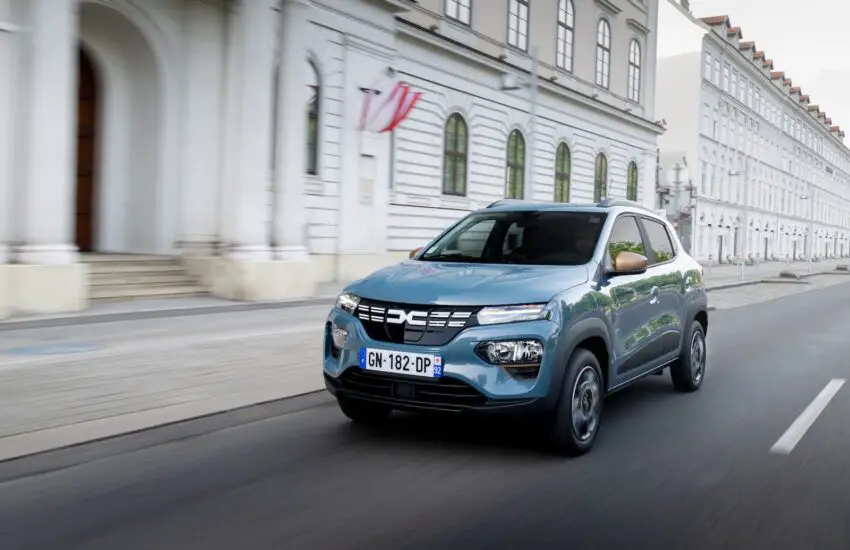
Your Guide to the Used Dacia Spring
The Dacia Spring has become a common sight on the used car market. As Europe’s most affordable new electric vehicle, its second-hand versions offer an even more accessible entry into EV ownership. This guide covers the key points to consider when evaluating a used Spring, helping you make a smart purchase.
Market Price and Model Variations
Prices for a used Dacia Spring vary significantly based on age, mileage, and trim. Early models (launched in 2021) are now available at a substantial discount compared to their original price. It’s crucial to distinguish between the standard 45-horsepower version and the more powerful 65-horsepower model introduced later, which offers slightly better performance. Higher trim levels, like the “Extreme,” include features such as a rearview camera and a more advanced media system.
Evaluating Battery Health and Range
Battery condition is the most critical factor for any used EV. The Dacia Spring’s official WLTP range is approximately 230 kilometers for newer models, but real-world range, especially in colder weather or with frequent highway use, will be lower. When inspecting a vehicle, check if the charging cable is included and try to ascertain the battery’s State of Health (SoH) if possible. A consistent charging history and avoidance of frequent rapid charging are positive indicators for long-term battery longevity.
Key Inspection Points Before Purchase
Beyond the electric powertrain, conduct a standard used car inspection. Examine the interior for wear on seats and controls, as some materials are basic. Check all electronics, including the infotainment screen and charging port door mechanism. Verify the service history to ensure any required software updates have been performed. Given its city car nature, also inspect the bodywork and wheels for scratches or curb damage from urban driving.
Weighing the Pros and Cons
The used Dacia Spring’s primary advantage is unbeatable value for entering the electric market. Running costs remain very low. Its main limitations are its limited range, modest power suited primarily for city and suburban use, and simple interior finish. It is an ideal second car or urban runabout, but not a vehicle for long-distance commuters.