
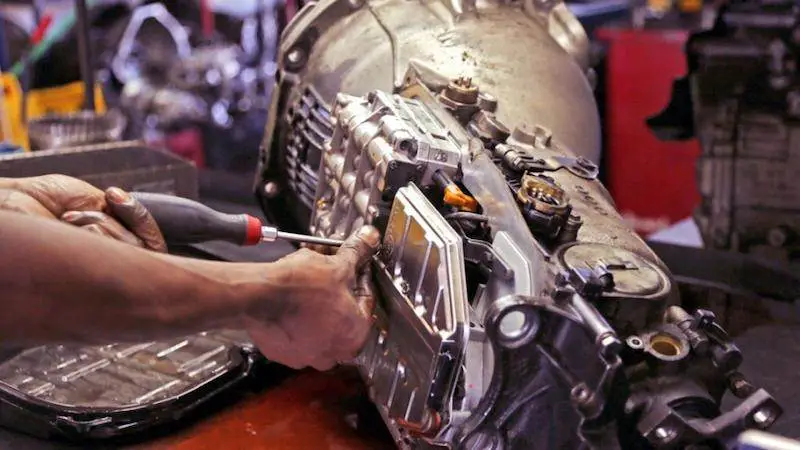
A car’s transmission system functions properly when the moving parts inside the transmission are well-lubricated and not damaged by the intense heat generated during their operation. The fluid in the transmission plays a crucial role in ensuring the vehicle’s gears shift correctly. Black transmission fluid is a red flag indicating several issues within the system.
What is the purpose of transmission fluid?
Transmission fluid is an important catalyst that helps the engine parts inside the gearbox to cool down and operate smoothly and stably. The role of transmission fluid in manual transmission vehicles: For manual transmission vehicles, the transmission fluid acts as a lubricant, coolant, and cleaner for the internal friction parts.
In an automatic car, automatic transmission fluid (ATF) serves both as a gear lubricant and a hydraulic fluid. By reducing friction between the various components of the system, the fluid undergoes extreme heat cycles, which can change its color. As the car’s mileage and age increase, it may turn black due to burning or the accumulation of debris.
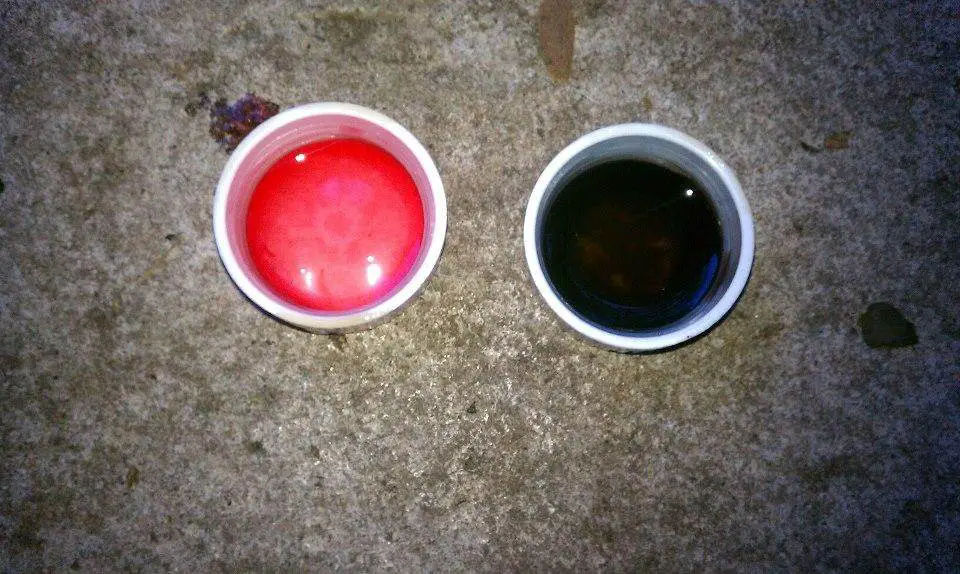
The transmission oil in new cars is usually red, sometimes pink or light brown. However, the color of the transmission fluid changes over time due to the hard operation that occurs when we drive the car. When you check that the fluid has turned black, you should immediately change the oil with a new one to avoid damaging the transmission system.
Black transmission fluid means that its lubricating effect has been completely disabled due to oxidation. This can lead to acceleration problems, gear shifting issues, and in the worst case, transmission failure. Regular inspection and prompt cleaning can avoid such consequences.
Black Transmission Fluid: Measures to Take
When the fluid looks like tar or has a distinct burnt smell, you can take some measures:
Clean the entire system
The general recommendation is to drop the pan and properly drain the entire transmission. You should replace the filter and refill with the correct fluid recommended in the owner’s manual. Using the wrong type, incompatible with the vehicle, can lead to disaster for the entire transmission system.
Do not flush
Do not flush black transmission fluid. This method can cause too much damage by pushing dirt and other large particles or debris into the small spaces and crevices of the transmission system. There is also the risk of dislodging tiny but important objects or delicate transmission parts.
Never fill a dirty transmission system
Are you considering putting fluid into a dirty automated transmission (over 150,000 miles) with black fluid? Not a good idea! Several transmission parts may have already been destroyed when the fluid smells burnt, appears too thick, or has a visible layer of deposits. Replacing only the fluid can lead to complete transmission failure.
The new fluid can further degrade the system by transferring sludge into small crevices. The best thing to do in such cases would be to change the entire transmission system. It costs a lot of money, but at least the risk of a transmission failure in the middle of a highway will not be present.
Transmission Fluid Colors: What Do They Mean?
One fact you may not know is that over time, the color of the transmission fluid will change. This can be due to the vehicle operating in harsh weather conditions or the friction between the parts of the transmission system. There are several cases where a change in transmission oil color can indicate that our vehicle is experiencing problems:
Light Brown
Over time, the transmission fluid will change from light red to light brown. In this case, you can still be reassured and you do not need to change the fluid because the transmission fluid still has a good lubricating effect.
Dark Brown
From this stage, the transmission fluid is contaminated. At this point, the fluid no longer effectively lubricates the transmission system. If you still try to use this oil, it will easily cause damage.
Black Fluid
Black transmission oil means that its lubricating effect has been completely neutralized due to oxidation. In this case, you should immediately change to new fluid to avoid damaging the transmission system.
Light Pink
It may seem unbelievable, but if the oil turns light pink, there is a high chance that the transmission system contains mixed water, which could easily damage the gears.
Watch more:
Final Words
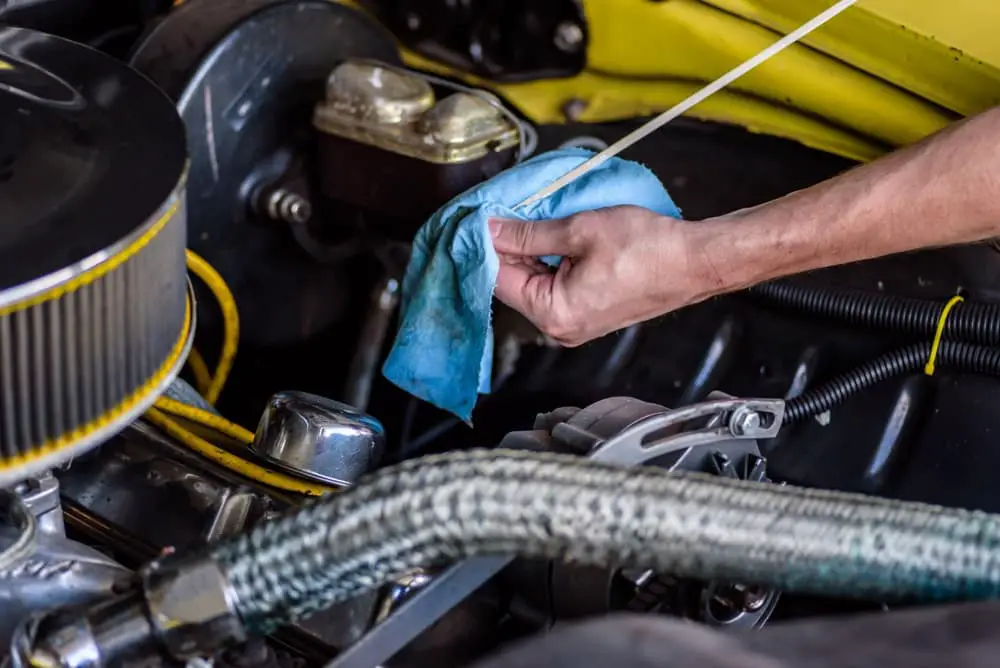
In a nutshell, if you see black transmission fluid, replace it with the correct one, avoid flushing, and change all transmission parts if there is a burnt smell. Use a dipstick to check the fluid’s condition at regular intervals.