
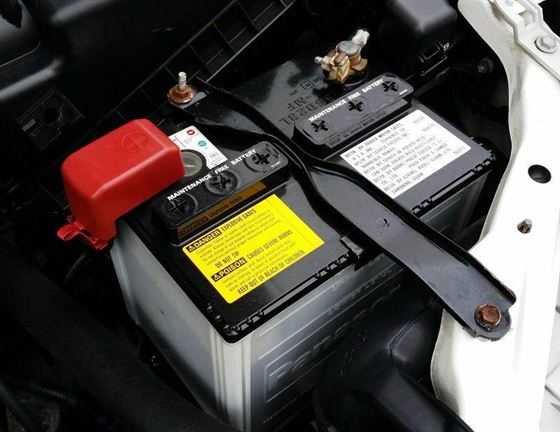
Car battery lifespan is influenced by many factors, including weather conditions, driving habits,… This article will present these reasons and how to extend car battery life.
Car batteries play an important role in car operation. The car battery’s function is to transform chemical energy into electrical form.
It provides a significant amount of current on demand to power onboard electrical devices, lights, and to start the engine.
Normal Lifespan of a Car Battery
Depending on the weather where you live, your driving habits, and the condition of your charging system, a car battery’s lifespan is nearly 3 to 5 years under normal conditions.
However, “normal” here is simply not normal. It is determined by many factors mentioned in theory but is rarely achieved.
To be precise, “normal” in this case means the battery is fully charged and connected to a reliable and consistent charging system.
Furthermore, it does not undergo extremely high temperatures and powers a large number of accessories. In fact, these accessories such as GPS receivers, MP3 players,… or vibrations, extreme temperatures really put a strain on the battery.
Before delving deeper into the subject, know that a car’s battery lifespan is fixed and you cannot extend it beyond this lifespan.
Nevertheless, you can certainly prevent batteries from dying prematurely by knowing the factors that have negative effects on car battery life and by following simple car battery maintenance tips.
Factors That Can Impact Battery Lifespan
Lack of Maintenance
It is clear that if a lead-acid car battery is not regularly maintained, the average lifespan of a car battery will be significantly reduced.
There are plates of materials such as lead and lead dioxide inside the plastic case, which are suspended in a mixture of water and sulfuric acid creating an electrolyte solution.
This mixture allows electrons to flow between the plates, which essentially constitutes electricity. A series of factors can impact this chemical reaction.
Vibrations from rough travel or a poorly secured battery can loosen or damage the plates. Additionally, if the temperature is too high, it can accelerate the chemical reaction and reduce battery life.
This is the reason why some batteries are covered with an insulating sleeve to control extreme temperatures.
Bad Driving Habit
One of the main factors negatively impacting car battery lifespan is driving style. Starting the car wastes a huge amount of electricity, so the charging system must step in to replenish the battery.
If you take many short trips, the battery is never fully charged. This constant state of undercharge causes acid stratification. Inside the battery, the electrolyte solution has the top half of the solution as light acid and the other half as heavy acid.
The light acid layer corrodes the plates while the heavy layer will compensate for the car’s electrical needs, which reduces battery life, even if the battery seems to function during routine tests.
Extreme Temperature
Another factor that obviously impacts a car battery’s lifespan is weather conditions. The ideal temperature for batteries to perform at their best is between 19 and 32 degrees Celsius.
Even though extremely high temperatures can lead to a considerable decrease in the battery’s usage cycle, extremely low temperatures also lead to a reduction in the battery’s overall capacity.
Therefore, you should try to maintain optimal operating temperatures to extend vehicle battery life.
Charge Rate and Voltage
The charging speed of a car battery is not stable. Thus, a charge controller is used when recharging car batteries to help regulate the charge rate and voltage.
Furthermore, there will be an ultimate failure if the VRLA battery is excessively overcharged. Make sure that if you own a Gel battery, a fully charged state should be between 13.8 and 14.1 volts.
For an AGM battery, consider 14.4 to 14.6 volts. And your battery is already fully discharged if your voltmeter reads between 11.8 and 12.0 volts.
Signs of a Car Battery Problem and Time to Change
Symptoms of a Faulty Car Battery
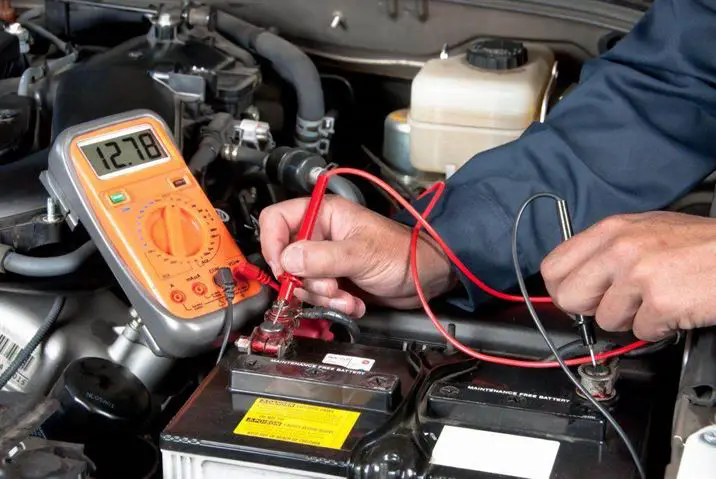
A dead battery is the clearest sign of a car battery problem. You can test a battery with electronic testers available at most auto shops and even at a few auto parts stores.
A mechanic will check the condition of the car battery and advise you whether it needs to be replaced or not. You should have the technician check your car battery’s condition whenever you perform an oil change and routine vehicle maintenance.
Another sign of a car battery problem is the battery itself. Take a look. You probably have a leak if there is corrosion or spots.
If your battery is covered with a case or an insulating sleeve, remove it from time to time to see what’s happening underneath. You need to pay attention to your car’s battery and perform a few small tests to minimize the risk of being stranded on your way.
Time to Change
A slow start or onboard electronic components acting erratically, such as flickering headlights, are the warning that you need to change your battery.
You should check the battery every six months for swelling or a strange smell like rotten eggs, which means there is something wrong inside and it needs to be changed.
Furthermore, some vehicles are equipped with a dashboard warning light to alert you to what is wrong.
Car Battery Life: How to Make It Last Longer
Routine Inspection, At Least Once a Month
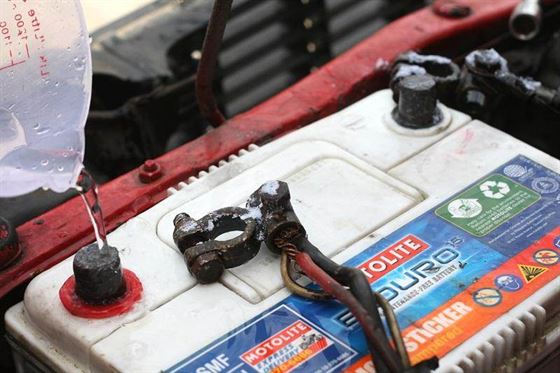
Terminals corrode over time, leading to the destruction of the connection between the battery and the vehicle. You cannot stop it, but regular maintenance will keep them clean of any buildup. Acidic or alkaline properties dissolve this corrosion.
Thus, you can scrub the areas with an anti-seize lubricant, a mixture of baking soda and water, or cola to remove the corrosion. Then, rinse with water and dry with a piece of cloth. Rub a little petroleum jelly on the affected areas to prevent future erosion.
Do Not Turn On Accessories at Idle
The battery is designed to provide sudden power for ignition, not to supply energy to electronic devices and other equipment for an extended period.
Furthermore, the alternator generates electricity and charges the battery when the engine is running.
Thus, headlights, radio, and other electronic devices when the car is idling put unnecessary strain on the battery and damage it in the long term.
Avoid Short Trips as Much as Possible
Power cells take a minimum amount of time to be fully charged and operate at full power. Operating them when they are not fully functional will only affect battery performance. You must drive the vehicle often and for longer periods. Shorter trips will ultimately lead to a decrease in car battery lifespan.
Proper Storage is Essential for Prolonged Non-Use
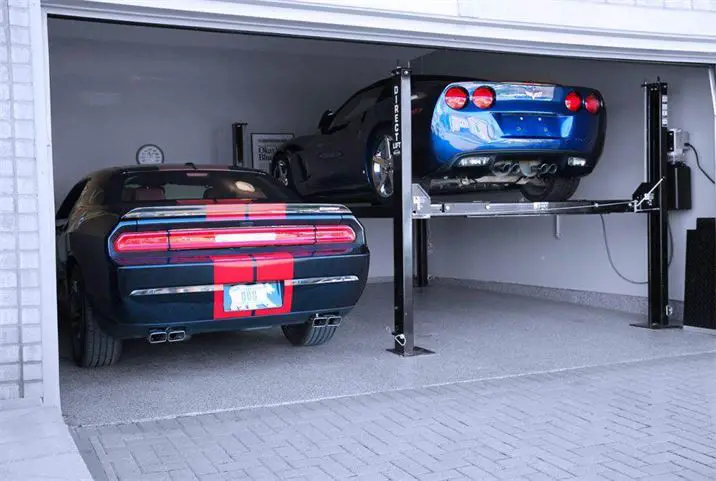
Prolonged periods of inactivity are not good for either the automobile’s health or the battery. You must drive the car regularly so that the electrical cells retain adequate charge.
If your precious Mercedes-Benz is only contributing to the garage’s aesthetics most of the time, store the battery in a temperature-controlled room. Put it on a maintenance charger from time to time to keep it operational.
Use a Charger
It is common to find a flat car battery upon returning from vacation. This happens because accessories continue to consume power even when the car is not running. You can use a solar or ordinary charger that will power the electronic devices.
Thus, the fully charged state will extend your car battery’s life, whether you take the car for frequent short trips or leave it unused for weeks.