
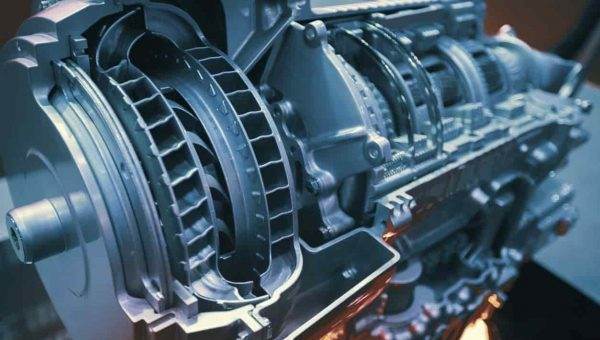

After the engine, an automatic transmission is the most complex and expensive mechanical component in your car. To function properly, an automatic transmission must be filled with a specific fluid that is maintained at a precise level. Automatic transmission fluids serve several purposes. They transmit power, operate hydraulic systems, provide lubrication, preserve seal flexibility, protect internal transmission components, and act as cooling fluids. To maintain these capabilities, the automatic transmission fluid level must be checked regularly, and the fluid may need to be replaced periodically at the intervals recommended by the vehicle manufacturer.
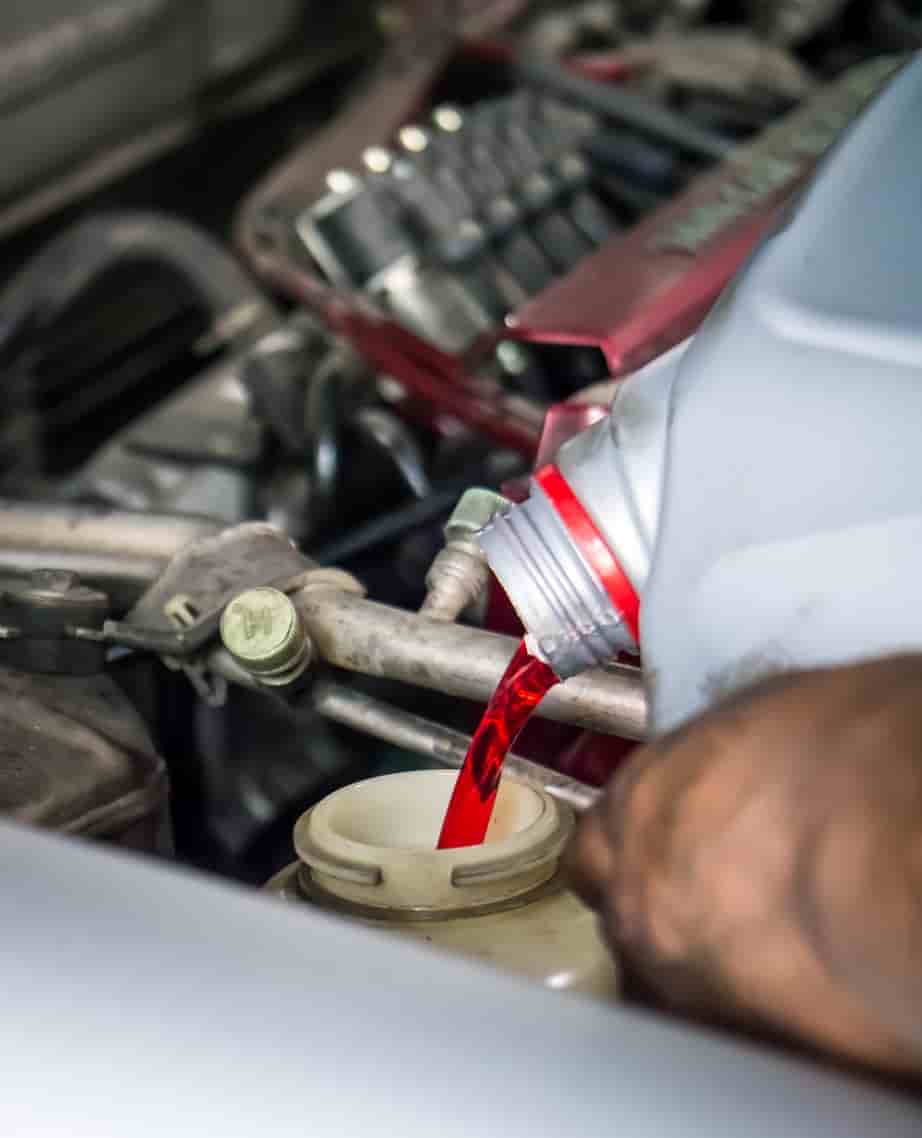
Modern automatic transmission fluids are carefully formulated chemical compounds and are often developed for specific transmission designs. While some companies market “universal” transmission fluids, most car manufacturers have proprietary specifications for the fluids used in their automatic transmissions. Failure to use the appropriate fluid can affect shift quality, reduce transmission lifespan, and void your car’s warranty. When refilling or changing transmission fluid, ensure that the product used by the auto repair shop meets the requirements outlined in your owner’s manual.
Automatic transmissions have become marvels of precision and durability in recent years. Many recent model cars use “lifetime” synthetic transmission fluids and have sealed transmissions without a dipstick to check the fluid level. As long as the transmission does not leak, the fluid will remain at the correct level. Even some cars with dipsticks use “lifetime” fluids that never need changing or are only changed at extended intervals that may exceed 100,000 miles.
On vehicles equipped with dipsticks, the automatic transmission fluid level should be checked monthly with the transmission at full operating temperature and the engine idling. Approximately 15 minutes of driving is usually needed to fully warm up the transmission. You can check the fluid level in six easy steps:
1. Stop the vehicle on a level surface, set the parking brake, and let the engine idle.
2. Press the brake pedal and move the gear selector through all gear positions, pausing for a few seconds in each. Then place the transmission in park or neutral as specified in your owner’s manual.
3. Open the hood, locate the transmission dipstick, and carefully remove it, making sure to avoid any hot or moving engine parts.
4. Wipe the dipstick with a cloth and note the level marks near its end. Some dipsticks have a mark for FULL and another for ADD, some have small holes indicating maximum and minimum oil levels, and some have crosshatched marks to designate the acceptable fluid range.
5. Insert the dipstick fully into its tube, then remove it and read the level.
6. If the fluid level is at or below the ADD mark, add enough fluid to bring the level up to the FULL mark. Do not overfill. Typically, the distance between the ADD and FULL marks equals one pint of fluid.
When checking the fluid level, also inspect its color. New automatic transmission fluid has a red or pink tint. Red-amber to medium brown fluid has been in service for some time, but such color change is normal and is not a reason for immediate fluid replacement. However, dark brown or black color is a sign of deteriorated fluid that should be changed. Fluids that appear milky or have a burnt smell indicate more serious transmission problems that require diagnosis by a qualified auto mechanic as soon as possible.
As mentioned earlier, many newer cars never need transmission fluid changes, or changes are only needed at extended intervals. However, millions of cars on the road still require regular transmission fluid replacement. The recommended intervals for this maintenance vary depending on the car’s factory maintenance schedule and whether the vehicle is used in normal or severe service. In some cases, the transmission contains a filter that is changed along with the fluid. Consult your owner’s manual to identify the appropriate intervals for your car and the type of driving you do.
When having transmission fluid changed, ensure that the auto repair shop uses replacement fluid that meets the car manufacturer’s specifications. It is also very important that the transmission is not overfilled, as this would cause fluid foaming that could lead to further transmission problems.