
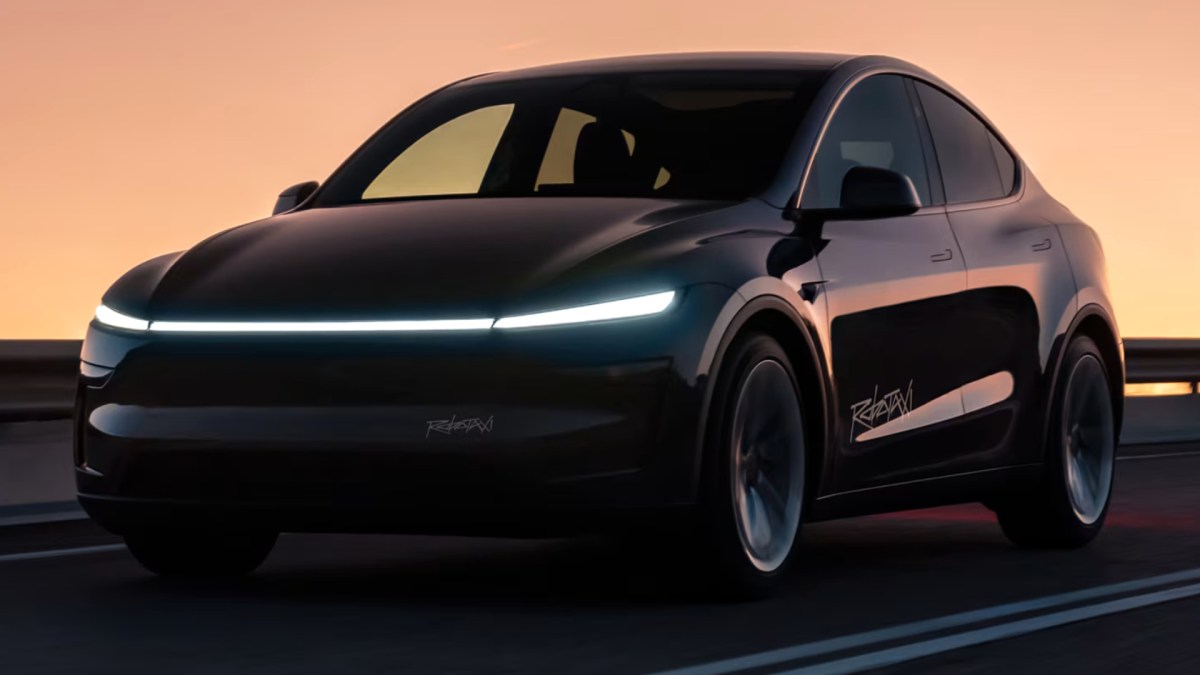
Arizona Approves Tesla Autonomous Ride-Hailing
Arizona has granted Tesla regulatory approval to operate its robotaxi service for passenger transport, clearing the final hurdle before commercial deployment. This landmark decision permits Tesla’s autonomous vehicles to function without human safety monitors behind the wheel, marking a significant advancement in self-driving technology implementation.
Safety Concerns Amid Accident Reports
The authorization comes despite seven documented accidents during the experimental phase initiated in Austin last July. While details of these incidents remain under review, regulators have determined that Tesla’s safety protocols meet Arizona’s requirements for driverless operations. The state’s transportation department emphasized that all autonomous vehicle operators must maintain insurance and reporting standards equivalent to traditional ride-hailing services.
Technological Milestone for Autonomous Transportation
Tesla’s achievement represents a crucial step forward in the commercialization of fully autonomous vehicles. Unlike previous iterations that required human oversight, these robotaxis will operate independently using Tesla’s advanced neural network and sensor suite. The system continuously processes real-time data from cameras and sensors to navigate complex urban environments while responding to dynamic road conditions.
Industry Impact and Future Deployment
This regulatory breakthrough positions Tesla competitively in the rapidly evolving autonomous mobility sector. Arizona’s favorable regulatory environment has attracted multiple autonomous vehicle developers, though Tesla becomes the first to receive passenger transport authorization without safety driver requirements. The approval sets precedent for other states considering similar regulations and accelerates the timeline for widespread autonomous ride-hailing services.
Commercial operations are expected to commence within upcoming months, initially focusing on metropolitan areas with detailed digital mapping. The service will integrate with Tesla’s existing mobile platform, allowing users to summon autonomous vehicles through familiar application interfaces. This development signals a transformative shift in transportation paradigms and urban mobility solutions.