
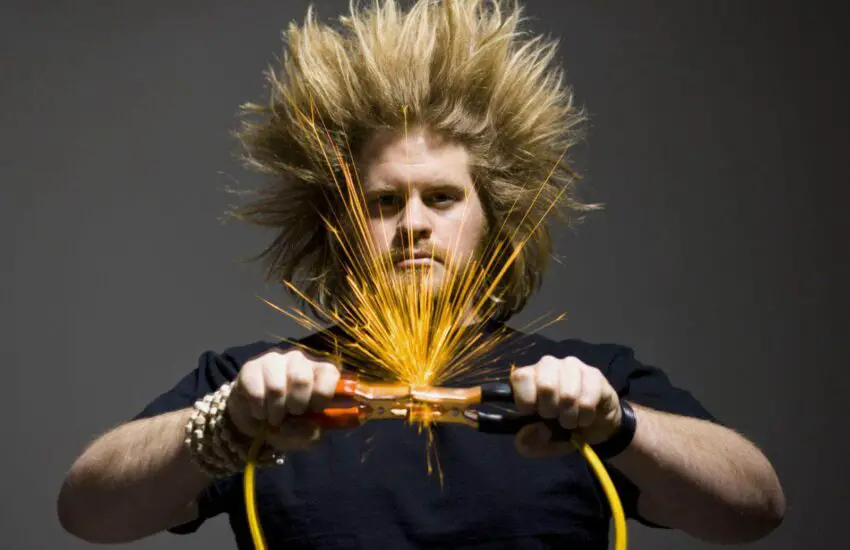
No matter how much you spent on your car, you will need to jump-start it sooner or later. However, starting a car is quite simple, but some issues, such as sparking, can occur when starting your car. Sparking when jump-starting a car is always a suspicious situation. Whether it’s sparks from the jumper cables or anything else, it’s important to know the reason for the spark and its consequences before it’s too late.
So, let’s see if sparking is safe or not.
Is Sparking When Jump-Starting a Car Safe?
There can be many reasons behind sparking when you try to start your car. You must be very careful when connecting the battery terminals with the cables. And facing such a situation while doing this can lead to dangerous circumstances.
1. Sparking – Normal or Strange?
When you stand in front of the car battery holding those cables, even a small spark can lead to greater danger. Sparking when jump-starting a car is worse than anything you’d want to see in your car. Follow every step of the car jump-starting method and try not to leave any gaps between the steps. The sudden spark could surprise you, and the chances of you hitting your head on the hood are higher. Moreover, hydrogen emission is a natural phenomenon of the battery. A small spark can cause an explosion that can blow acid onto everything, including you.
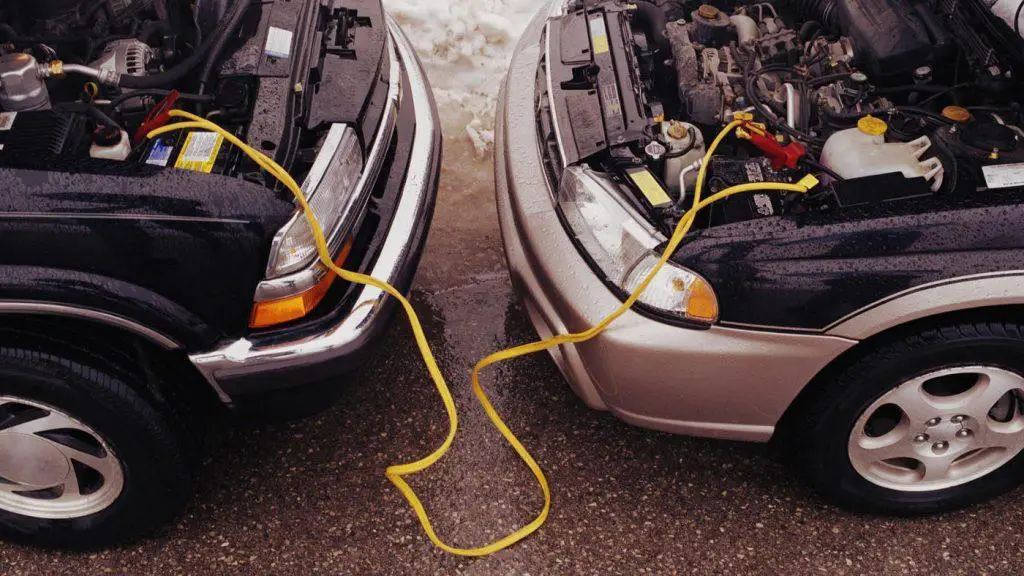
Additionally, sparking at the connections is a sign of a discharged battery that exceeds about 10 A, which is dangerous for voltage spikes. If the spark comes from detachments, the situation could be worse than you think. The inductance may have been affected when the power is cut off and can generate a spark of a hundred volts.
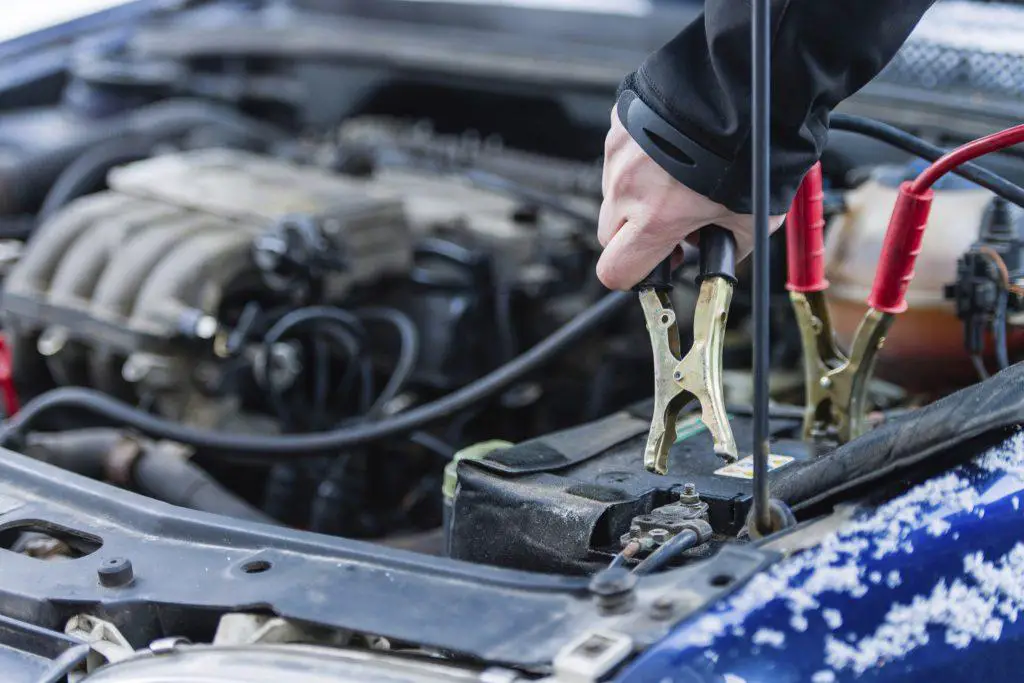
In any phase, if you get a spark while proceeding with the jump-start, carefully attach the red jumper cable to the positive terminal of the good battery and the other to the positive terminal of the dead battery. Now, attach the black cable to the negative terminal of the good battery and the other cable to the grounding point of the dead battery.
2. The Right Way
If there is still sparking, leave it. Some car models have this feature where the battery grounding point is meant for sparking. It is not dangerous at all. Whether you are jump-starting for the first time or repeatedly, the correct method must be followed in every possible way. If you are unsure about the procedure, contact experts immediately. They will handle the situation and also share some maintenance tips with you.
Follow the steps below to learn more about this process:
Use the Appropriate Cable
Use sturdy, high-quality jumper cables specifically designed for jump-starting vehicles. The cables must be properly insulated and in good condition.
Turn Off Your Vehicles
Turn off both vehicles before connecting the jumper cables, including all electrical components such as the radio or headlights, to avoid power surges and reduce the risk of sparking.
Connect the Cable
Connect the positive (+) and negative (-) terminals of the jumper cables in the order of the dead battery and the good battery terminals. It is important to connect them in the correct order and ensure a secure connection.
Keep Cables Away from Moving Parts
Ensure the jumper cables are clear of any moving parts, such as engine fans or belts. Make sure they are placed away from hot surfaces or areas that could cause damage or pose a safety risk.
Maintain a Safe Distance
Once the cables are connected, step away from the engine compartments and keep bystanders at a safe distance. If sparking occurs, it is best to move away from the immediate area to avoid potential injury.
Start the Donor Vehicle
Start the engine of the donor vehicle (the one with the good battery) and let it run for a few minutes. This will help charge the dead battery.
Start the Stalled Vehicle
Try to start the stalled vehicle. If it starts properly, let it run for a while to allow the alternator to recharge the battery.
Disconnect the Cables
Once the stalled vehicle is running, carefully disconnect the jumper cables in the reverse order of connection (negative first, then positive). Avoid letting the clamps touch each other or any metal surfaces.
Remember, if you are unsure about jump-starting a car or if there are safety concerns, it is always best to seek help from a professional or roadside assistance service.
Watch more:
The Verdict
The battery becomes inefficient over time. So, replace the old battery with a new one before you face sparking while jump-starting a car. Be cautious and stay safe with the right guidelines.