
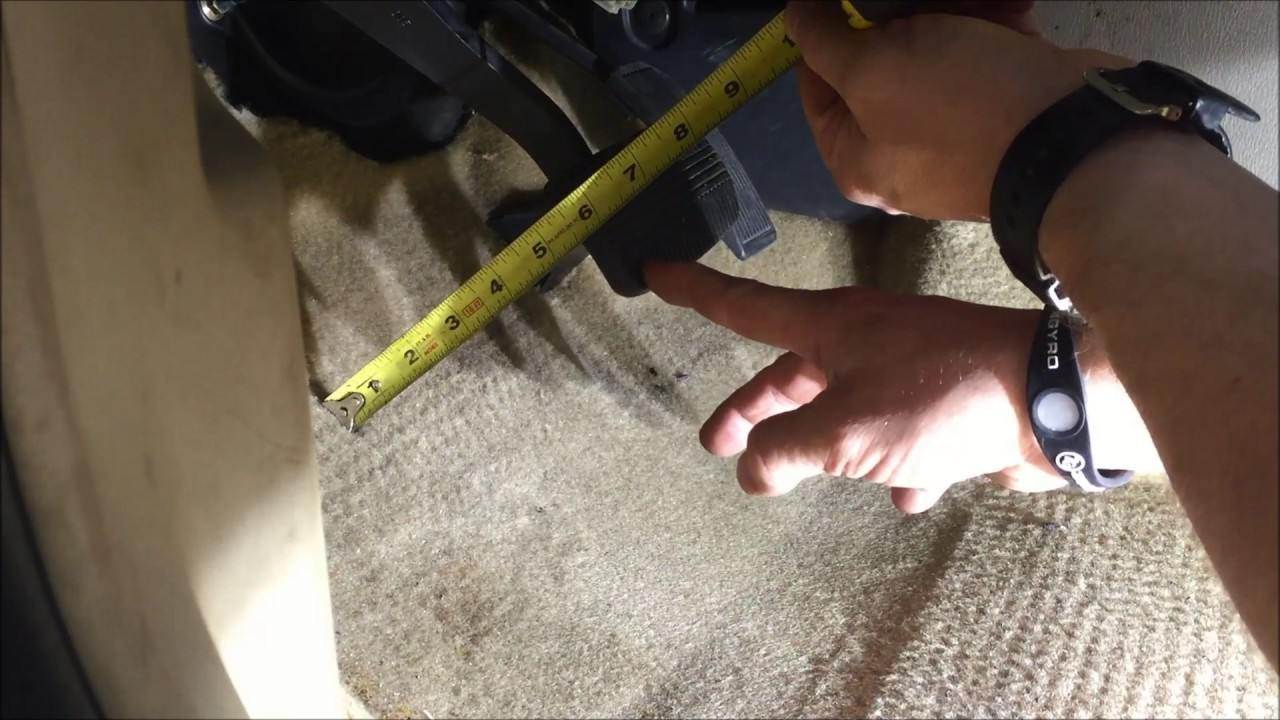
Adjusting the brake pedal height in a car may seem like a daunting task, but with the right tools and a bit of know-how, it’s a piece of cake. We’ll explain how to adjust the height and why it’s necessary to correct it. We’ll also provide you with some helpful tips to make the process go as smoothly as possible. So, whether you have experience with technical know-how or you’re doing this for the first time, read on.
Why is adjusting the brake pedal height necessary?
Isn’t it obvious enough? Without a fully functional brake pedal, driving a car is very risky. A brake pedal with an incorrect height will produce a faster or slower response, which is quite dangerous.
As a driver, you must have full control over the brake pedal. Otherwise, the car won’t stop as quickly as you’d like. When the brakes are set too high, they drag on the ground when you press hard enough. Setting the height below the correct level will make the pedal feel soft.
Incorrect adjustments can cause accidents because drivers don’t anticipate that their brakes won’t work as quickly. It’s also possible for your car to skid uncontrollably in high-speed turns due to this lack of brake responsiveness.
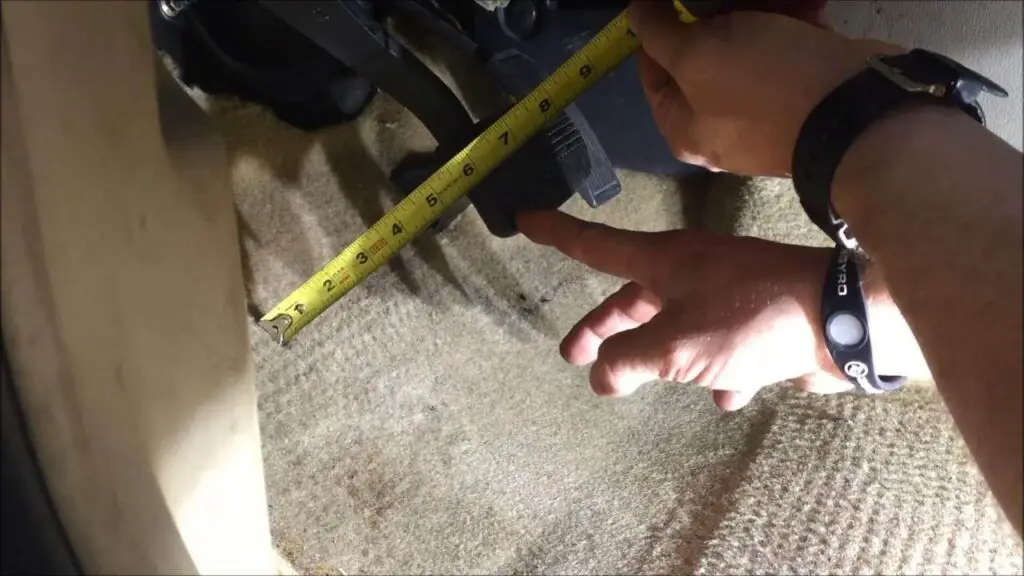
How to adjust the brake pedal height in a car
If you’re unsure about the amount of play there should be in the brake pedal or the maximum height, it’s best to leave this job to a professional. That said, here are the general steps on how to adjust the brake pedal height:
What to look for:
- The push rod should be parallel to the ground – if it’s not, you’ll need to adjust it accordingly.
- Make sure there is a bit of play in the brake pedal so you can apply pressure without having to press the brakes.
Conclusion
Adjusting the brake pedal height isn’t as difficult as it seems. But amateurs may still feel overwhelmed. If you’re unsure, consult a professional mechanic before trying it yourself. Good luck!