
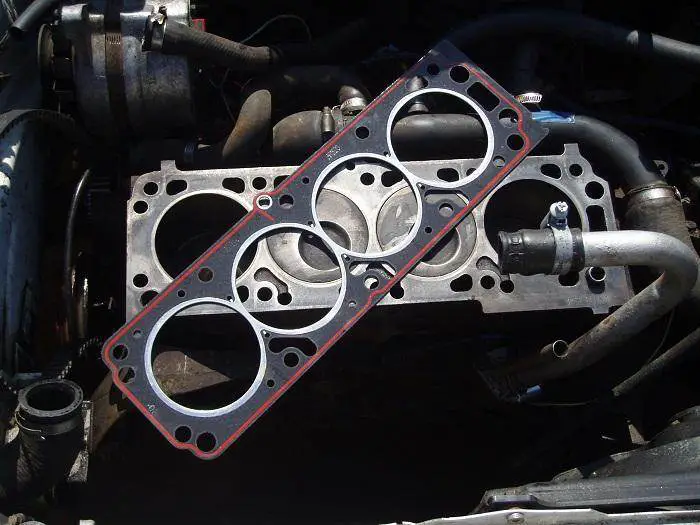
Due to a cracked head gasket, an engine may consume more oil or coolant. Therefore, it is extremely vital to troubleshoot the symptoms of a cracked head gasket.
What is a Head Gasket?
First, if you are still wondering what a head gasket is, we have an answer for you now!
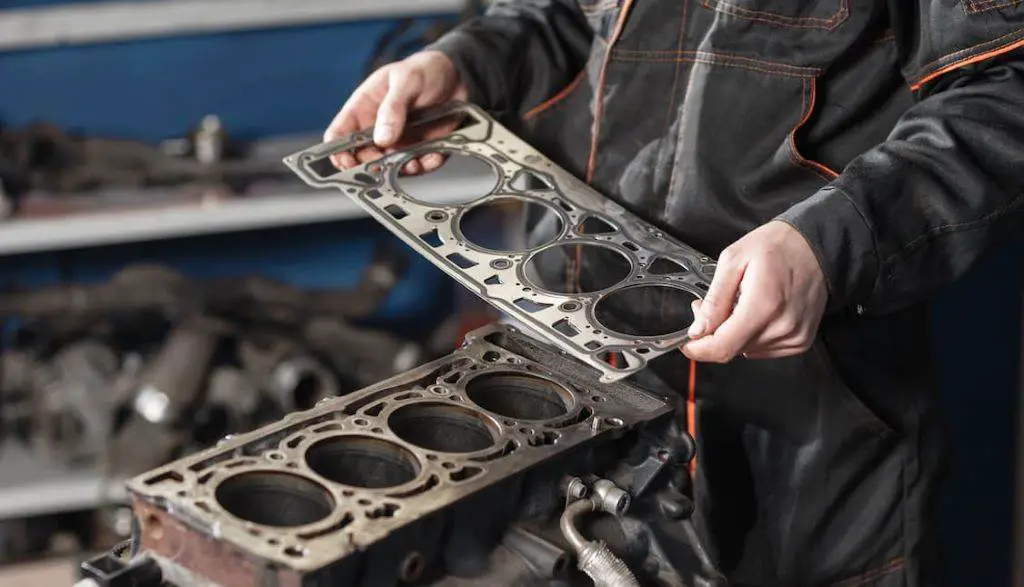
The head gasket is an essential component of a vehicle’s engine system, nestled between the engine block and the cylinder head.
The main function of a head gasket is to seal the internal combustion process so that the two highly flammable fluids—coolant and oil—do not mix.
Now that we understand what a head gasket is, it is necessary to know the symptoms of a cracked head gasket to avoid higher costs due to additional engine damage caused by driving with a cracked head gasket.
In fact, this issue even occurs frequently in Subaru and has become a stain on the company’s impressive record of manufacturing first-class vehicles. To understand the symptoms, it may be helpful to understand why a head gasket can fail.
Symptoms of a Cracked Head Gasket
The symptoms of a bad head gasket are sometimes difficult to diagnose and cost a great deal of money in repair or replacement. The problem with a head gasket starts with a simple leak in the cooling system.
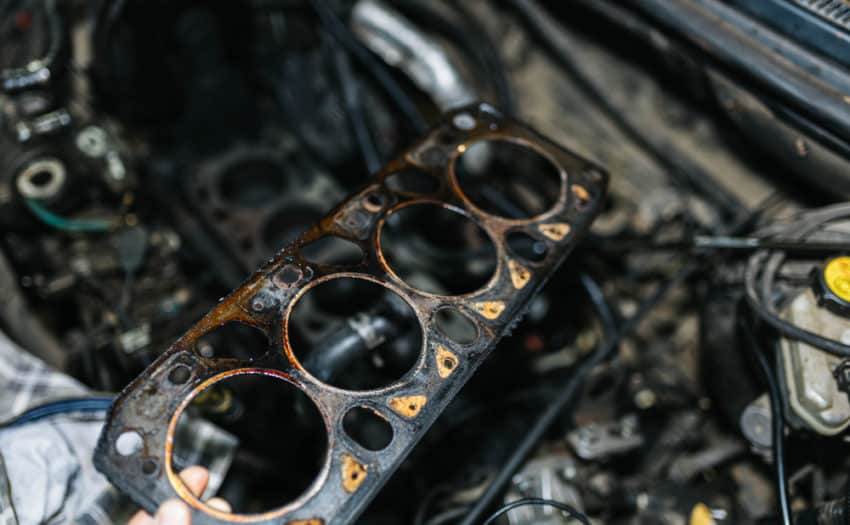
However, it will become a more serious problem if it goes unnoticed due to irregular maintenance. Let’s now look at the symptoms of a cracked head gasket with Car From Japan!
Engine Overheating
The reason may be a lack of coolant or the combustion process. Of course, this can lead to many other problems. For example, metal components may expand, which will cause cracks or deformations.
Engine overheating is one of the most common signs, but not the only one, of a cracked head gasket. So, a simple overheating engine does not mean the head gasket needs to be repaired.
Drop in Coolant Levels
If the coolant level drops more quickly than normal, your car likely has a problem with the head gasket. A cracked head gasket can cause a leak, which will be tested by pressurizing your cooling system and monitoring the pressure loss.
Engine Misfires
When coolant leaks into an engine cylinder, it misfires. Thus, a misfiring engine can be a possible symptom of a faulty head gasket.
Excessive Smoke from the Exhaust
When a large amount of coolant leaks into the cylinders, the smoke from the combustion process comes out of the exhaust system. This usually happens when the initial leak is not addressed in time.
Milky Engine Oil
Another symptom of a cracked head leak is milky white oil. Because coolant leaks into your combustion chamber, it will seep past your piston rings and end up in your oil.
Over time, the oil will mix with this fluid to take on a milky white color. On your dipstick and around the engine oil cap are where you can easily notice this symptom.
How to Avoid a Cracked Head Gasket?
We all know that prevention is better than cure. So you should perform regular car maintenance to avoid all symptoms of a cracked head gasket.
Otherwise, the repair work will drain your wallet very quickly. There are three methods you can use to reduce the risk of head gasket cracking.
- Your combustion chamber should be kept under as low pressure as possible
- Avoid overly advanced timing or carbon buildup in the engine
- Do not downshift to slow your car and restart at any time if your car is equipped with a manual transmission.
Cracked Head Gasket Repair
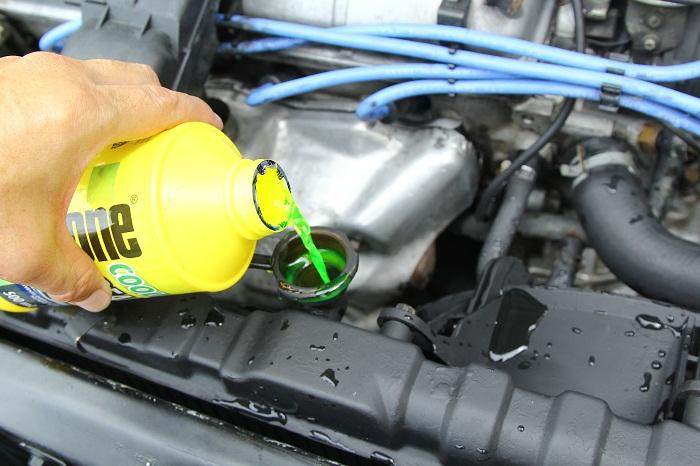
A cracked head gasket is easy to repair if you can detect the leak early on. There are many sealing products available in auto repair shops. You just need to add the sealant to the radiator, and the leak will be sealed while you drive.
The type of sealant will depend on the number of engine cylinders and the extent of the leak. Normally, sealants will work for small leaks.
However, your car will need a head gasket replacement if the problem is not detected early. You may need to repair the engine block and cylinder head or completely replace the engine only.
A gasket replacement requires the removal of a number of engine components. Reassembling all these parts requires specific torque settings to ensure proper installation.
FAQ on Cracked Head Gasket
- How long does a blown head gasket last?
When a gasket blows, it can cause significant damage to your vehicle, so it is essential to understand the warning signs and what you need to do to fix it.
A car with a blown head gasket normally does not last more than a month, depending on the severity of the leak or hole.
- Is it hard to fix a blown head gasket?
It is not easy to replace the head gasket. It requires a superior understanding of the engine and how its components work together.
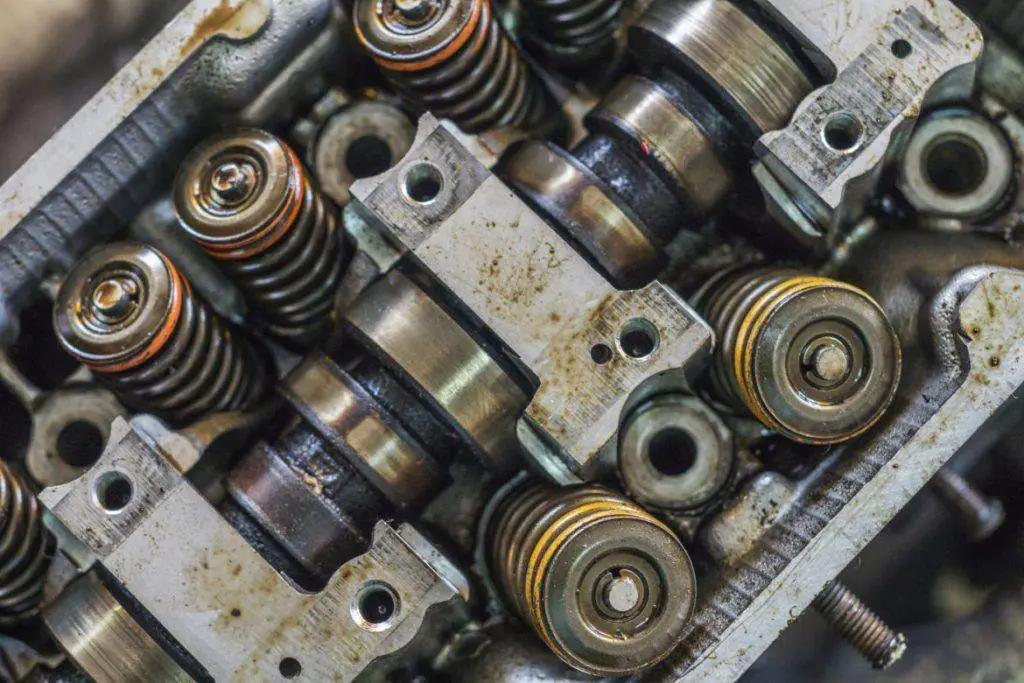
Due to the depth of today’s engines, the exhaust manifold, cylinder head, and intake valves must be removed to access the head gasket.
- How much to replace a head gasket?
The head gasket replacement itself is not expensive, but the labor involved in the job requires a large sum of money. In fact, repairing a head gasket is one of the most expensive engine repair jobs.
The typical cost of repairing a head gasket is about $1,000 to $2,000, but this is not due to high material costs but to labor, as we mentioned.
- What temperature damages the head gasket?
If the engine temperature exceeds 115°C, the head gasket and cooling system can be pushed beyond their usual limits.
The impact is virtually certain if the engine temperature exceeds 126°C. Poor-quality gasoline, which is often responsible for excessive pressure on the cylinder head, is another reason that can contribute to gasket failure.
- Does a blown head gasket make noises?
Since the combustion chamber is not sufficiently sealed, the combustion of fuel and air will be limited. You may notice that your car’s performance has decreased, and you may even hear an exhaust leak or dull idle noises, which is a clear indicator of a blown head gasket.
- Is it safe to drive with a cracked head gasket?
Most problems with your vehicle’s head gasket start with a minor crack before being fully blown.
If these cracks are not properly addressed, they will enlarge over time, leading to additional damage and more expensive repairs. That is why you should never drive with a damaged head gasket!
- Will a car start with a blown head gasket?
When your engine does not start due to a faulty head gasket, you will notice the following symptoms: The engine cranks but does not turn over. The battery drains more quickly with each engine rotation. Even if the starter is engaged, the engine does not start.
Watch this video from 2CarPros for a tutorial of 6 easy tests to detect a blown head gasket in a car engine!