
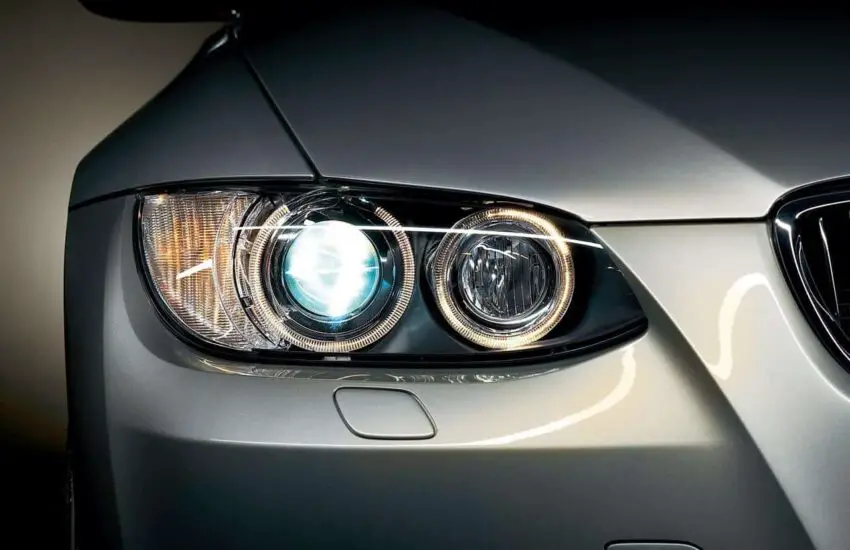
Automotive headlight technology is not complex. But they can fail in several ways, which can confuse a new car owner. If your headlights stop working suddenly, you need to determine what type of failure it is and take the necessary steps. This time, we will discuss the reasons why the headlights don’t work but the high beams do.
Why Don’t the Headlights Work But the High Beams Do?
Remember that most headlight problems are related to the electrical supply or the bulbs. There are specific elements to check when you face this problem. You can still drive when the high beams work, but this is by no means a safe practice, especially at night. Keeping your high beams on constantly will blind oncoming drivers, thus increasing the risk of accidents.
Here are the main reasons why the headlights don’t work, but the high beams are:
Bulbs
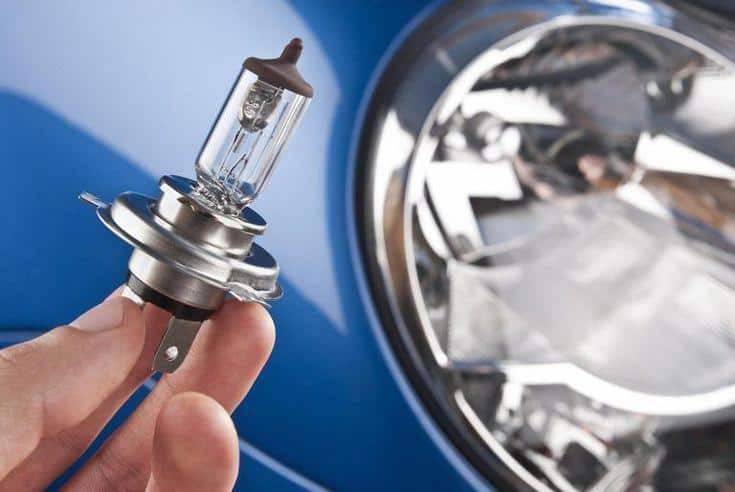
Bulbs are the first things to check when your low beams don’t work. The reasons are simple. When you turn on the headlights, it’s almost always the low beams. High beams are only required on specific occasions. Thus, normal headlights burn out faster than high beams.
Want to change them yourself? Be careful because the installation procedure for one type of bulb differs from another. Poor quality work means you will spend more money on bulbs.
Fuse or Relay
Every automotive electrical system is equipped with fuses to protect against many electrical problems. A power surge blows these fuses. If this happens to the headlight circuits, the bulbs won’t light up.
Many headlights are equipped with a relay that diverts electrical power between the low beams and high beams. When it fails, it might still send power to the high beams but not to the low beams.
Sockets
All bulbs are plugged into a socket. Corrosion, a poor ground, or other issues can damage the sockets and disrupt the power flow to the bulbs. If only the low beam sockets are faulty, it will result in the headlights malfunctioning but the high beams working.
It is unusual for both sockets to be damaged at the same time. But the lights are wired together in some vehicles. Thus, any problem with one will also stop powering the other. No high beams will be affected as they are on a separate circuit.
Wiring
The headlights will not receive power if their wiring is bad. Connections to the wires can come loose, or some rodents might chew on them. In this case, the high beams will work if their cables are in good condition.
So these are the most likely reasons for disrupting the headlights’ operation without affecting the high beams. Troubleshooting these issues is easy, but call a mechanic if you have no idea about headlights and experience in handling electrical systems and circuits.
Headlights Don’t Come On But High Beams Work: Try to Fix Them
If your headlights don’t come on but the high beams work, it can indicate a few possible problems. Here are some troubleshooting steps you can follow:
Check the Fuses
Locate your vehicle’s fuse box and check the fuse related to the headlights. Refer to your vehicle’s owner’s manual to find the specific fuse for the headlights. If the fuse is blown, replace it with a new one of the same amperage. Test the headlights to see if they work.
Inspect the Headlight Relay
The headlight relay controls the electrical power to the headlights. A faulty relay can prevent the low beams from turning on while allowing the high beams to function. Locate the headlight relay, usually found in the engine compartment fuse box or a separate relay box. Replace the headlight relay with another similar relay (like the horn relay) and see if the low beams start working. If so, the original relay may be faulty and needs replacement.
Check the Headlight Switch
The headlight switch may have a separate setting or position for low beams and high beams. Make sure the switch is correctly set to the low beam position. If the switch is faulty, it may not make the proper contact to activate the low beams. Consider replacing the headlight switch if necessary.
Inspect the Wiring and Connections
Examine the wiring and connections associated with the headlights. Look for any loose, damaged, or corroded connections. Repair or replace any faulty wiring or connectors as needed.
Remember to exercise caution when working with your vehicle’s electrical components. If you are unsure about a step, it is best to seek professional help to avoid potential damage or injury.