
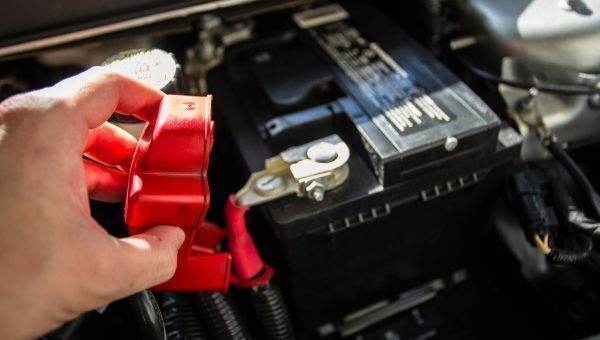

There is no simple answer to the question of how long a car battery will last, but it is possible to offer some generalizations based on decades of industry experience. To start, we know that the lifespan of a car battery varies depending on three key factors: time, heat, and vibration. Let’s examine each one more closely.
Like humans, car batteries age over time and have a limited lifespan. Even under ideal operating conditions, batteries gradually deteriorate until they can no longer provide enough power to start an engine. Automobile usage habits also contribute to battery aging. Cars driven primarily on short trips may not allow the battery to fully recharge, and batteries in vehicles parked for long periods naturally discharge. In both situations, using a maintenance charger like the Battery Tender will keep the battery fully charged and extend its lifespan.
Heat facilitates the chemical reaction that batteries use to generate electricity, but it also increases the battery’s degradation rate. In cooler northern climates, a battery may last five years or more, but in hot southern regions, about three years is more typical. Batteries also live in a harsh environment under the hood where temperatures can easily exceed 200 degrees Fahrenheit in hot weather. To combat this heat, automakers may mount the battery in an insulated area, install a heat shield on the battery, or move the battery outside the engine compartment, often under the rear seat or trunk floor.
The final key factor in battery life is vibration, which causes physical breakdown of the battery’s internal parts. To minimize the effects of vibration, special hold-down hardware keeps batteries in place and prevents them from moving. Missing or loose fasteners can significantly reduce battery life.
Although less common than the factors above, a faulty charging system will also reduce battery life. Persistent undercharging or overcharging accelerates battery aging. Some newer cars equipped with Absorbent Glass Mat (AGM) batteries require careful control of charging rates for maximum battery life, and the automaker may even adjust the charging strategy as the battery ages. Finally, allowing a car battery to fully discharge will significantly shorten its lifespan, even if it can be recharged and put back into service.
You may have a battery problem if the starter cranks the engine slowly or if the battery/charging warning light is on. Another indicator of a weak battery on older cars is dim incandescent headlights, particularly at idle. However, not all failing batteries reveal themselves through obvious symptoms.
To avoid being stranded by a battery issue, have the battery inspected at every oil change to ensure the cable connections are clean and tight and the hold-down hardware is secure. Once a battery reaches three years of age, have it tested annually. The test will identify if the battery has deteriorated to the point where its replacement is recommended to prevent an unexpected failure. In most areas, members can call the AAA Mobile Battery Service to have a battery tested and replaced (if necessary) at their home or workplace.
There is no “one-size-fits-all” battery suitable for every car. The battery type, physical size, terminal configuration, and Cold Cranking Amps (CCA) or Ampere-hours (Ah) are all important factors that ensure the proper fit and operation of a battery. Installing an incorrect battery can negatively affect your vehicle’s electrical system and cause significant damage if the terminal locations create a short circuit with nearby components. If you are unsure which battery to buy, ask your auto mechanic or consult the vehicle owner’s manual.
Batteries are either conventional lead-acid or the more advanced AGM design mentioned previously. Most cars on the road today use conventional batteries, but some models use AGM batteries which are highly spill-resistant and better able to handle repeated discharges and recharges, as occurs in cars equipped with engine stop-start systems to improve fuel economy. Since charging systems are often optimized for the battery type, AAA recommends always replacing a battery with the same type that came factory-installed in the car.
The group number, for example Group 24, is an industry standard that defines the battery’s physical size, its hold-down configuration, as well as the type and location of its terminals. Selecting a battery with the same group number as the original equipment battery will ensure a secure fit, adequate clearance, and no cable/terminal issues. It will also allow for the proper reinstallation of the important battery heat shield, if present.
Some imported vehicles use batteries conforming to European or Asian battery standards. In many cases, a standard group number battery will fit with minor or no modifications, but pay special attention to ensure the installation poses no problems. Application guides are available where batteries are sold, and you can trust the AAA Mobile Battery Service to install the correct part. In a limited number of cars, the vehicle design makes a factory replacement battery the only viable option.
Cold Cranking Amps, for example 650 CCA, is a standard industry measure of the electrical power a battery can deliver at zero degrees Fahrenheit. Never confuse this rating with “Cranking Amps” (CA), a rating based on an easier test that produces inflated numbers. Some import automakers state battery power requirements using an Ampere-hour rating, for example 78 Ah. This rating is based on the number of minutes a battery can deliver a specified level of electric current, typically 20 amps.
To avoid electrical system problems and a trip to the repair shop, never install a battery with a CCA or Ah capacity lower than that recommended by the vehicle manufacturer. A higher capacity battery will also work if it fits properly, but it is usually unnecessary and may have a shorter lifespan in hot climates.
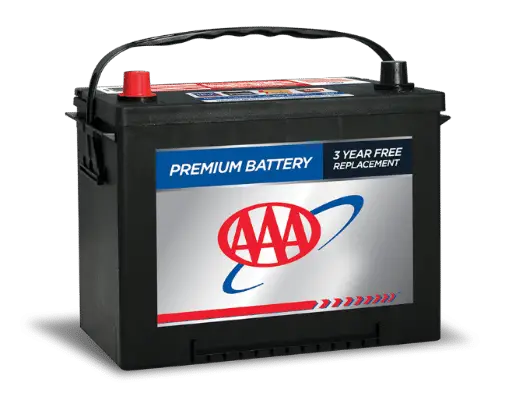
When your car needs a new battery, always buy one from a high-volume seller with fresh stock. You don’t want a battery that has already lost a significant portion of its lifespan sitting on a shelf. Also look for a battery with a long full-replacement warranty. Quality batteries offer free replacement for three years or more if a problem occurs during that period. A warranty that enters a pro-rated replacement period earlier will require a partial payment to replace the battery once the full-coverage period has expired.