
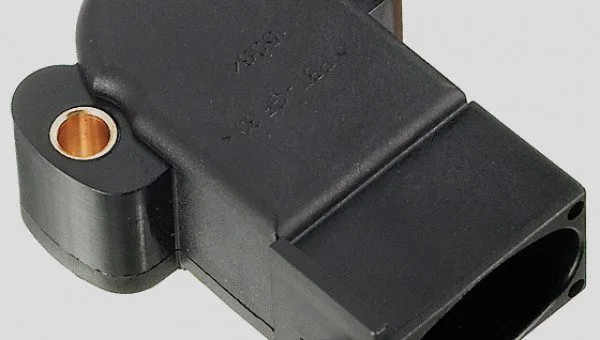
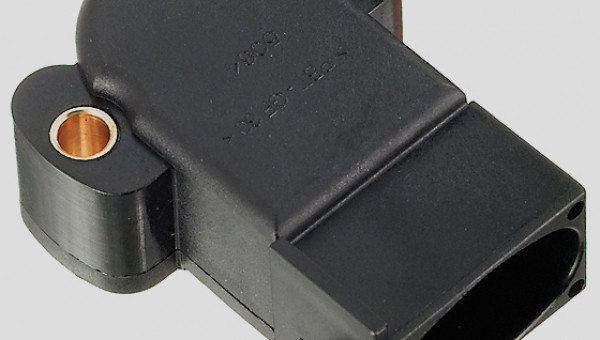
Although part of the fuel injection system, the TPS and throttle body temperature sensor control specific aspects of the fuel/air mixture.
The modern fuel-injected combustion engine relies on the efficient mixing of fuel and oxygen to operate. This is the task of the fuel injection system – which is topped with a throttle body and includes several components that assist in this process. The Throttle Position Sensor (TPS) and the throttle body temperature sensor are the two most important elements of the throttle body. Although they seem similar, they are actually two individual parts that work together to effectively mix fuel and air.
In this article, we will explain the difference between a throttle position sensor and the throttle body temperature sensor, and describe some of the common warning signs of failure or issues, so you know when maintenance or replacement is warranted.
What is a Throttle Position Sensor?
The throttle position sensor is an essential component of the fuel management system installed on the throttle body. Its main job is to ensure that the correct mixture of fuel and air is delivered by the fuel injection system, through the intake, and into the combustion chamber. Like any other sensor, the TPS is designed to collect data. In this case, it monitors the position of the throttle relative to the engine’s RPM or rotational speed. The collected data and the signal it produces are sent to the ECU or ECM, which then breaks down the data to adjust the fuel-air mixture.
The TPS can fail in several specific ways – such as a poor electrical connection, excessive clogging from carbon deposits or other debris, or an internal failure of the sensor itself. When the sensor fails, it is usually a gradual problem, and when it does, it displays one of these 4 common symptoms:
- Check Engine Light Comes On: The check engine light triggers when an OBD-II fault code is created and stored in the computer. A failure or gradual failure of the TPS will send an electrical signal to the ECU and activate a code that will trigger the check engine light.
- Poor Fuel Economy: When the TPS is not functioning correctly, the air/fuel ratio will likely result in a rich condition – where more fuel is burned than should be. This can lead to increased fuel consumption.
- Inconsistent Engine Idle: In some cases, a damaged TPS will cause an inconsistent engine idle speed that runs too slowly or may even stall.
- Lack of Acceleration: It is also common for engine performance (acceleration) to decrease when the TPS is damaged.
What is the Throttle Body Temperature Sensor?
The throttle body temperature sensor (sorry, it doesn’t have a cool acronym like TPS), is also attached to the throttle body and collects data to enable efficient fuel combustion. Specifically, it is designed to measure the temperature of the air/fuel mixture flowing through the throttle body, into the intake manifold, and eventually into the combustion chamber. The temperature of the air/fuel mixture is important because if the mixture is too hot, it will vaporize more quickly than it should. A colder vapor will struggle to burn with the original ignition systems.
The sensor also measures the temperature of the throttle body itself, as this directly affects the fuel/air mixture. It collects the data, sends it to the ECU, where it adjusts the fuel/air mixture to add more fuel (to cool) or remove fuel (to increase temperature). If damaged, it will produce one of these 3 symptoms:
- Poor Engine Performance: As explained above, the temperature of the air/fuel mixture is critical for efficient combustion. When the sensor is damaged, it transmits inaccurate data, which can significantly reduce engine performance. You will notice that it takes more pressing of the accelerator pedal to get the car to respond.
- Excessive Moisture from Exhaust: Another minor symptom of a damaged throttle body temperature sensor is excessive moisture coming from the exhaust system. This usually occurs when the fuel mixture is too rich. This issue is also linked to failing emissions tests.
- Frequent Stalling: It is also common for the engine to stall when the throttle body temperature sensor fails.
Although both the throttle position sensor and the throttle body temperature sensor transmit information to the ECU, they are very different in their specific tasks. The TPS checks the amount of air/fuel mixture supplied to the engine, while the throttle body temperature sensor controls the temperature of the air/fuel mixture and the actual throttle body.
The key to properly diagnosing what is causing poor fuel efficiency, stalling, or inconsistent idling is to have a professional mechanic come to your location to perform an on-site inspection. Although each of these sensors triggers a fault code, many of these codes are related to both components, making diagnosis by fault code alone problematic.