
Everything You Need to Know About the Idle Air Control Valve
When the engine is running but the vehicle is not moving, it means it is idling. During this time, the number of revolutions per minute (RPM) inside the engine can vary depending on the operating conditions.
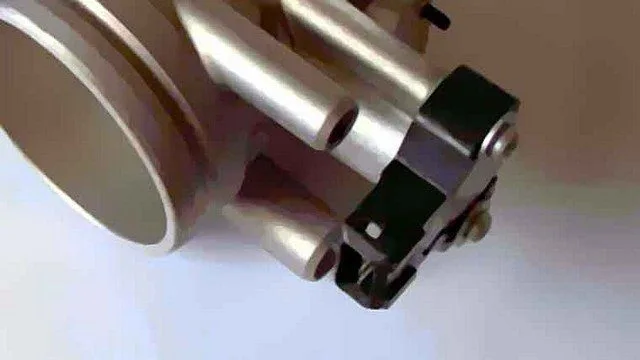
The idle air control valve plays a crucial role in managing the engine’s idle speed. This valve regulates the air supply and adjusts the RPM as needed by the engine. It is connected to the throttle body, near the intake manifold, and is controlled by the engine control unit. The latter adjusts the idle speed based on parameters such as engine load and temperature.
Table of Contents
- How an Idle Air Control Valve Works
- Symptoms of a Faulty Idle Air Control Valve
- Irregular Idle Speed
- Check Engine Light On
- Rough Idle
- Engine Stalling
- Stalling Under Load
- Cost of Replacing the Idle Air Control Valve
1. How an Idle Air Control Valve Works
Engine speed corresponds to the number of revolutions per minute (RPM). Depending on the vehicle’s operating conditions, the idle air control valve adjusts this speed by increasing or decreasing it.
For example, if the engine is under heavy load or heating up quickly, the valve changes the air supply to adapt the engine speed. This regulation ensures the proper functioning of the engine and prevents issues related to excessive load or overheating.
The engine control unit continuously receives information about the engine’s temperature and load. Based on this data, it adjusts the idle air control valve to maintain an optimal speed.
2. Symptoms of a Faulty Idle Air Control Valve
A faulty idle air control valve can cause various malfunctions. If not replaced promptly, these issues can lead to more serious breakdowns.
2.1 Irregular Idle Speed
A failing valve disrupts the stability of the idle speed. You may notice random variations in the idle speed: sometimes too high, sometimes too low. These fluctuations will be visible on the dashboard tachometer.
2.2 Check Engine Light On
The check engine light comes on when a problem is detected. A faulty idle air control valve can be the cause. If the control unit detects irregularities in the engine speed, it will trigger the alert.
Of course, other factors can also turn on this light. Therefore, it is recommended to have the vehicle diagnosed as soon as possible.
2.3 Rough Idle
A functioning valve ensures a smooth idle. When it is defective, the idle becomes irregular and generates significant vibrations when the vehicle is stationary.
2.4 Engine Stalling
A faulty idle air control valve can cause frequent engine stalling, making driving difficult or even impossible. The problem may occur shortly after starting and gradually worsen.
2.5 Stalling Under Load
In some cases, activating equipment such as the heater or air conditioning can cause the engine to stall if the valve is faulty. The steering wheel may also feel unstable. A temporary solution is to turn off these devices and let the engine cool down.
3. Cost of Replacing the Idle Air Control Valve
If a diagnosis reveals a malfunction of the idle air control valve, it will need to be replaced. The average cost for this operation ranges between $120 and $500.
- Part: between $45 and over $400
- Labor: around $70
The final price depends on the vehicle model and the mechanic’s hourly rate. Most of the time, this repair takes less than an hour, except for vehicles with more complex systems.
Conclusion
The idle air control valve is an essential component for the proper functioning of the engine. A failure can lead to idle problems, frequent stalling, and increased fuel consumption. If suspicious symptoms arise, it is recommended to have this part diagnosed and replaced quickly to avoid more costly repairs in the long term.