
Driving during the winter season can be very unpleasant, especially if you don’t have the heater running in your car.
Yes, you can wear warm clothes, but it’s not a good idea to go out looking like a shoplifter, and it’s not very comfortable either.
There’s simply nothing like a good heater to keep you warm and cozy in your car.
Problems with the heating system are quite common. In this article, we discuss the most common reasons why you have no heat in your cabin.
Reasons why there is no heat in your car’s cabin
Your car’s heating system is quite complex, and many parts could have failed, resulting in a lack of heat from the system. However, on newer cars, the system is advanced and has a control unit that manages all the flaps and motors. For this reason, you can often use an OBD2 scanner to easily locate faulty parts.
Here are some of the reasons why your car cabin has no heat.
1. Not enough coolant in the car
The most common issue when you have no heat in the cabin is actually a low coolant level. Open your hood and check the coolant level (when the engine is cold).
Your car’s heater basically works by absorbing heat from the coolant flowing through your engine. The engine has a fairly high operating temperature (195 – 220 Fahrenheit), which quickly warms up the coolant. The coolant has a long cycle where it flows from the radiator to the engine and back to the radiator, where it eventually reaches the heater core. So, if you feel your heater isn’t working, even though your engine has warmed up properly, it’s time to check your coolant level.
The coolant is usually stored in a small container slightly separate from the radiator. If it’s not, you can add antifreeze or even water to bring the coolant level back to the maximum. If the problem persists, there’s something else troubling your heating system.
2. Faulty thermostat
A car’s thermostat regulates and measures the engine’s temperature. It determines how much water should be released to keep the engine at the optimal temperature. Fortunately, it’s very easy to check for a faulty thermostat.
You need to start your car cold and keep an eye on the temperature gauge. If the temperature indicator rises after a few minutes, it means your thermostat is working, but if it doesn’t rise at all, there’s a malfunction. If the temperature rises halfway, you need to open the radiator to see if it’s working. If it still doesn’t work, your thermostat isn’t the cause of the problem.
3. Air lock in the coolant pipes
So, the thermostat is working perfectly, and there’s enough water/coolant in the radiator. The other thing that can go wrong is an airlock in the heating system. Sometimes, dirt or air can block the heating and cooling system, making it hard for the heater core to function. If you have some experience in removing airlocks, clearing this airlock should be just as easy. The radiator has a bleed screw, or more simply, an air outlet that allows you to vent air from the pipes.
All you have to do is locate the air bleed screw on the radiator and start the car. Once the engine is running and the radiator fan starts, unscrew the bleed screw, and after a while, you’ll hear a sharp hissing sound from the outlet. That’s the airlock being removed. If any of these instructions seem too complicated, you can always get help from a friend, or better yet, a mechanic who will do the job for you.
4. Broken heater controls
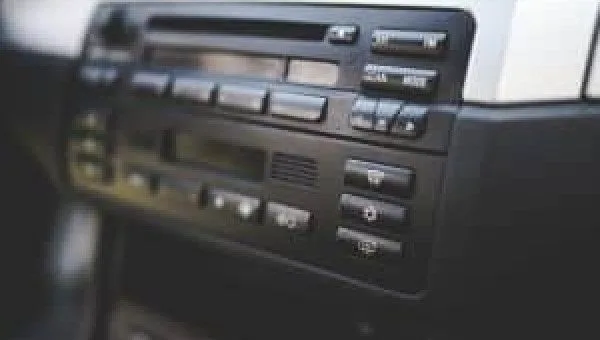
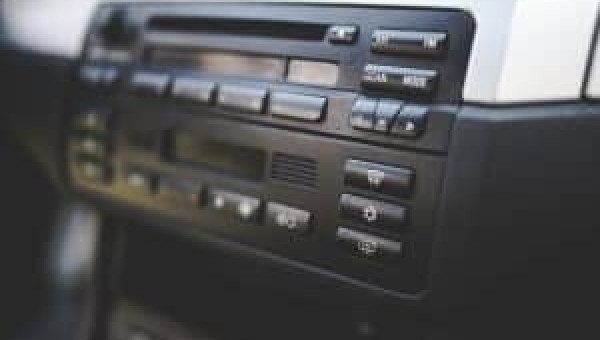
car heater cabin
The heater is controlled via a series of controls available inside the car. You can adjust the temperature and other settings while sitting in your car. Therefore, if nothing else works, it’s possible that only the controls are stuck or broken.
These controls are made of cheap materials like plastic, making them very vulnerable to damage. There are many YouTube videos online that show you how to fix heater controls, but if you’re not a DIY enthusiast, you can invest in new controls. They’re quite cheap, so you won’t feel the pinch in your pocket.
In some cases, you’ll need to replace the entire heater control unit.
5. Broken heater flaps/motors
Under your dashboard are flaps that regulate the airflow or coolant flow through your heater core. If any of these flaps/electric motors are faulty, there’s a high chance your heater won’t work as intended.
If you have a newer car with electric motors on the flaps – you’ll most likely get an error code when you scan the system with a diagnostic computer.
You can also locate the flaps and try to see if they move when you adjust the heater control.
6. Clogged heater core
If nothing seems to work, it’s possible that your heater core has gone bad, meaning you’re about to take a trip to the mechanic. The heater core is the heart of the heating system, so it’s obvious that if the heater core fails, your entire heating system will fail.
The heater core is an expensive component, and replacing it is often a challenging task because it’s usually installed deep under the dashboard. The mechanic would charge you around $600 to $1,000 depending on your car’s make and model. Out of this total cost, the radiator itself is charged from $100 to $250.
The real culprit is the labor cost, as you may have noticed, because the labor cost for such a job is typically high.