
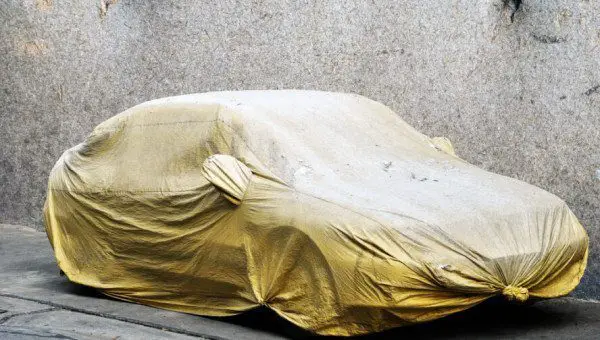

There are times when you need to park your car for an extended period when you are on vacation, in winter, or when using alternative means of transportation.
Proper storage protects your car from the elements and rodents.
But how do you prepare your car and prevent it from rusting when you’re not using it?
1. Fill the Tank
Many people would think to do the opposite. But the gas tank is made of metal, and when not in use, moisture seeps in and causes it to rust. If you plan not to use the car for a while, fill it with gas and a stabilizer. Depending on the manufacturer’s type, it is recommended to use one ounce of stabilizer with 3 to 5 gallons of gas.
In addition to filling up the car, the engine oil should also be changed. Used oil will thicken when not in use and can cause engine problems when you try to drive the car.
2. Identify the Right Storage Location
The ideal spot for a car should be well-ventilated and free from moisture. It should also be sealed against rodents. Rodents cause devastating damage to a car’s seats and electrical components. Clean the car in this regard and ensure there are no food particles.
You can also wax the exterior. Cleaning the interior with a vacuum will ensure that no mold develops during your absence.
3. Check the Paperwork
If you are not using your car for more than six months, it is advisable to ensure all paperwork is in order. You may also need to inform your insurance agent that you will not be using the car. This will protect you if something happens to the car.
If you decide not to renew your insurance, it is advisable to set up reminders so you do not drive an uninsured car upon your return.
4. Put the Car on Jack Stands
Unused tires develop uneven wear. This is because the entire weight of the car is concentrated in one area of the tire. Use jack stands to relieve pressure on the car’s tires. Make sure the tires are properly inflated when you leave the car. It is also recommended to deflate the tires to 10 psi less than the recommended tire pressure.
This will prevent the tires from tearing. However, newer tires are designed to overcome flat spots, which are removed by the time you drive the car.
5. Remove the Battery Terminals
Battery terminals are prone to corrosion if not used for a long time. If you remove the terminals, you prevent your battery from draining and having to restart it upon your return. You can perform this simple procedure with pliers.
6. Use a Car Cover
A car cover protects your car from moisture and thus from rust. It also keeps your car clean and free from the elements. The car cover should completely cover the exterior of the car.
7. Lubricate the Car
To prevent your doors from freezing, lubricate the hood, doors, and trunk with silicone or white lithium grease for the tires and graphite grease for the locks. Upon your return, you will have no trouble opening your doors or trunk.
8. Regular Driving
If you are traveling for months, you may want someone to come by from time to time to take the car for a drive. Batteries lose their charge when not used for a long time. A road test with the car ensures that the moving parts are lubricated. During the road test, you can turn on the air conditioning to ensure it is still working.
You can also clean it of mold and rodents. If you have no one to help, disconnect the negative terminal of the battery. However, this will reset the car’s clock and other things that use the battery. An alternative is a maintenance charger. With this device, you connect part of the terminal to the wall outlet. This prevents the battery from losing its charge.
9. Avoid Using the Parking Brake
If you do not plan to use your car for a long time, it is advisable to use wheel chocks instead of the parking brake. The fusion of brake pads and discs occurs when you park the car for an extended period. You will have difficulty driving the car upon your return.
10. Keep Rodents Away
Rodents love a dump, and a garage is a favorite spot. They find fertile grounds in the hood and trunk of the car. The destruction caused by rodents is highlighted by loose wires that can cause electrical shocks. To keep rodents away, you can cover the exhaust system and air intake openings.
Peppermint is known to repel rodents. You can spray some on cotton balls and then place them in strategic locations where rodents like to hide. For those who are a bit adventurous, you can set mouse traps in the garage or use rat poison.
11. Checklist for Your Return
Upon your return, you should properly check the car before taking it out for a drive. This includes inflating the tires, checking the brake discs for rust, and filling all engine fluids. The windshield wipers may be cracked, and you will need to replace them.
Check under the hood for rodent infestation. You must clean the car properly, both inside and out. When all this is done, connect the battery terminals. Fill the engine with the necessary fluids and circulate the engine oil through all engine parts. Your car is now ready for a drive.
Conclusion
There are times when you need to travel for business or pleasure and will not need your car. Proper preparation of the car prevents rodents and moisture from damaging it. The tires should be slightly deflated while the battery terminals are disconnected.
When you are done, you should clean the interior and exterior of the car and put a cover on it. Spray peppermint on cotton balls and place them strategically in the car to keep mice and rats away.