
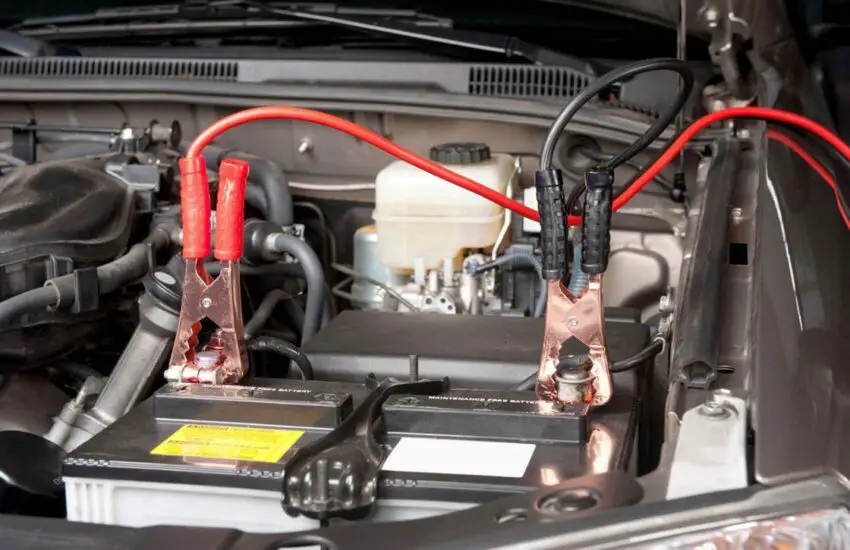
A car battery provides the electrical energy needed to start a car’s engine. It also stores the extra electricity created by the alternator. With a dead car battery, you won’t be able to operate several of the car’s electrical accessories.
But the question is, why does this happen? There are many reasons behind a car battery failure.
Causes of a Dead Car Battery
With a dead car battery, you’ll end up stranded and, of course, with no way to start your car. In this situation, the best thing to do is call a mechanic. But it’s important to know the common reasons for a car breakdown.
1. Leaving the Car Headlights On
Although most cars have an automatic light shut-off system, without this feature, leaving the headlights on is the main reason for a dead car battery. The headlights easily drain the battery and require a jump start.
2. Using Car Accessories
If you use various car accessories while leaving the key in the on position, your vehicle’s battery will drain fairly quickly.
Since the battery must provide electricity to start the engine, using accessories such as the radio and other infotainment systems leads to battery loss.
3. Poor Charging
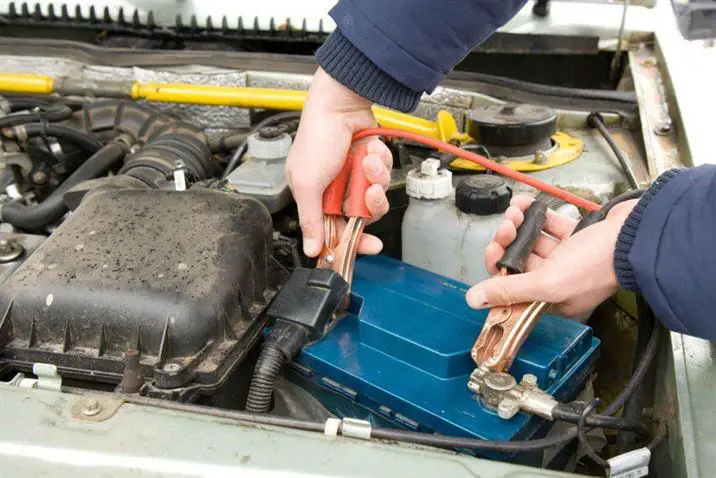
If the charging system doesn’t do its job properly, the car battery will drain even while in use. Some cars power the headlights, radio, and other systems from the car’s alternator. This drains the battery faster if there’s a charging issue.
How Long Does It Take to Charge a DEAD Car Battery
A set of factors determine how long it takes to charge a car battery.
- The condition of the battery
- Availability of remaining charge after previous use
- The power of the charger
- The setting on the charger to charge the battery
This means a high-capacity charger would only take 4 to 5 minutes to fill the battery. In contrast, if the charger is low-powered, it can take about 24 hours to fully charge a dead battery.
Another important point not to overlook is the capacity of the battery you’re charging. For example, a 12-volt battery will take longer than a 24-volt battery. Along with that, the condition of the battery also plays a key role.
This directly affects the time needed to charge it. A maintained battery containing sulfuric acid and distilled water will certainly take less time. Furthermore, if the charger used for the battery is more powerful, it will take less time to charge.
For example, a 2-amp charger may take 24 hours to charge a 24-volt battery, while a 3-amp charger will take less than a day to charge a 12-volt battery.
FAQ on Charging a DEAD Car Battery
- How long does it take to charge a dead car battery using a battery charger?
Charging times vary depending on the charger’s amperage and the battery’s capacity. On average, a standard car battery can take 4 to 12 hours to fully charge with a 10-amp charger.
- Can I recharge a dead car battery using my vehicle’s alternator?
Although an alternator can provide some charge, it is not designed to fully charge a dead battery. Prolonged use can strain the alternator and lead to an incomplete charge.
- Is it safe to quick charge a dead battery for a faster result?
Quick charging can damage the battery and reduce its lifespan. It is advisable to use a slow or maintenance charger for a gradual and safe recharge.
- Can weather conditions affect charging time?
Extremely cold temperatures can slow down charging due to decreased battery chemical activity. Warm weather generally allows for more efficient recharging.
- Does the age of the battery impact charging time?
Older batteries may take longer to charge as their capacity decreases over time. In some cases, old batteries may not hold a full charge.
- How can I tell when the battery is fully charged?
Some chargers have indicators that show when the battery is fully charged. Otherwise, a voltmeter can help monitor the battery voltage, which should stabilize once fully charged.
- Should I disconnect the battery from the vehicle while charging?
It is safer to disconnect the battery before charging to avoid potential electrical issues. Removing the negative cable is recommended to prevent sparks.
- Can I jump-start a dead battery to reduce charging time?
Jump-starting provides a quick boost, but it will not fully charge a dead battery. Subsequent charging is necessary to restore the battery’s energy.
Watch this video from Ratchets And Sockets to learn 3 easy tricks to start a car that won’t start!
- Will a higher amperage charger charge the battery faster?
Although a higher amperage charger can charge faster, it is essential to match the charger’s amperage to the battery’s specifications to avoid damage.
- Can I leave the battery charging overnight?
Charging a battery overnight with a suitable charger is generally safe. However, unattended charging for too long can damage the battery.
- What is the difference between a maintenance charger and a regular charger?
A maintenance charger provides a low, constant charge over a long period, ideal for maintaining battery health. A regular charger offers a higher charge rate for faster charging.
- Can a deeply discharged battery take longer to charge?
Deeply discharged batteries may take longer to charge due to the need to replenish more energy. It is essential to follow recharging guidelines to avoid overcharging.
A DEAD car battery can cause problems for the owner at any time and anywhere. Keep an eye on your battery’s condition and charge it regularly. Remember the main causes and some maintenance tips to avoid a battery failure and an embarrassing situation.