
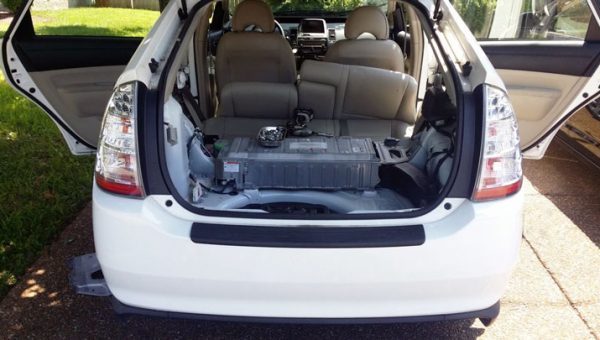

Over the past two decades, a sort of revolution has taken place in the automotive industry. Hybrid electric vehicles are now offered in abundance by almost all major car manufacturers, including Toyota, Honda, Ford, Chevy, Lexus, and many others.
While such a notion might have seemed like science fiction thirty years ago, hybrid electric power is here to stay and appears to play an increasingly important role in how we commute. However, concerns about the longevity of hybrid electric batteries persist for many current and potential hybrid owners.
In fact, many fear that the cost and frequency of hybrid battery replacement outweigh the fuel savings achieved by using hybrid vehicles. This often leaves drivers feeling conflicted and searching for answers.
If you currently have questions or concerns of this nature, read on to learn everything you need to know about hybrid electric vehicle batteries, including the important question, “how long do hybrid car batteries last?”.
Types of Hybrid Batteries
Today, manufacturers use several types of hybrid batteries in their production efforts. Each of these individual battery types varies somewhat in their construction and mode of operation.
Here are the three main types of hybrid electric car batteries.
Lithium-ion
Lithium-ion batteries offer improved lifespan and are gaining popularity with car manufacturers. These batteries typically come with longer warranties, exceeding 100,000 miles, and offer short charging times.
However, lithium-ion batteries tend to be relatively expensive compared to other types of hybrid batteries.
Nickel-Metal Hydride
Nickel-metal hydride (NiMH) batteries are by far the most commonly used of all hybrid electric car batteries. Batteries of this nature are stable and exhibit predictable usage characteristics.
Nickel-metal hydride batteries are also less expensive than lithium-ion batteries, as they have been on the market for a long time now. This type of battery has been a staple of Toyota Prius production for two decades.
Lead-Acid
Lead-acid batteries are perhaps more reliable than any other form of battery on the market. However, their capabilities and storage potential are relatively limited.
The average lead-acid battery is only capable of continuously operating a vehicle for an average of 10 miles in fully electric mode and 20 miles in hybrid mode. Therefore, lead-acid batteries are much more practical in a hybrid situation.
Average Lifespan of a Hybrid Car Battery
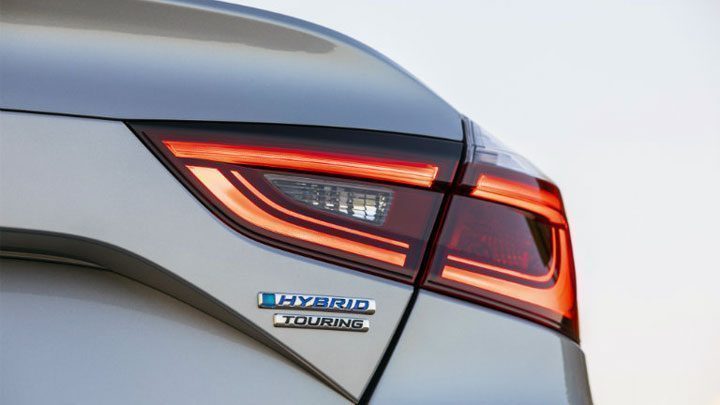
One of the biggest misconceptions related to hybrid electric batteries is that they have a relatively short lifespan. This leads to apprehension about dealing with the cost of expensive battery replacement multiple times throughout the applicable lifespan of a vehicle.
The truth is that the vast majority of hybrid owners will only need to replace their main battery once throughout their vehicle’s lifespan.
In fact, it is extremely rare to hear of a vehicle’s hybrid battery being replaced more than twice, even in extremely high mileage scenarios.
Most car manufacturers claim that their hybrid batteries have an average lifespan of 80,000 to 100,000 miles. However, it is relatively common to hear of a well-maintained hybrid battery lasting 150,000 to 200,000 miles.
This means that even in the worst-case scenario, a vehicle would need to average 240,000 miles before perceptibly reaching the point of requiring a third battery replacement. As with any battery, good maintenance is key to hybrid battery longevity.
Hybrid Battery Replacement Cost
The best places to order parts?
The relative cost of hybrid battery replacement can vary significantly from one scenario to another. However, services of this nature are decreasing day by day, as manufacturers use cost-saving measures and battery technology improves.
On average, drivers can expect to pay between $2,000 and $8,000 for hybrid battery replacement. While this may seem like a wide range of potential prices, there are a significant number of variables that go into calculating these costs.
Over time, a greater number of good used hybrid batteries are available from recovered wrecks. These batteries can usually be purchased at a significantly reduced cost and can then be installed by a qualified service professional.
In this scenario, the lower end of the aforementioned price range applies.
However, if a new hybrid battery needs to be purchased and the installation proves to be rather lengthy, leaving room for increasing labor costs, one can expect to pay higher fees.
In any case, any qualified service center should be able to provide you with an accurate quote before installation begins.
What Affects a Hybrid Battery Lifespan?
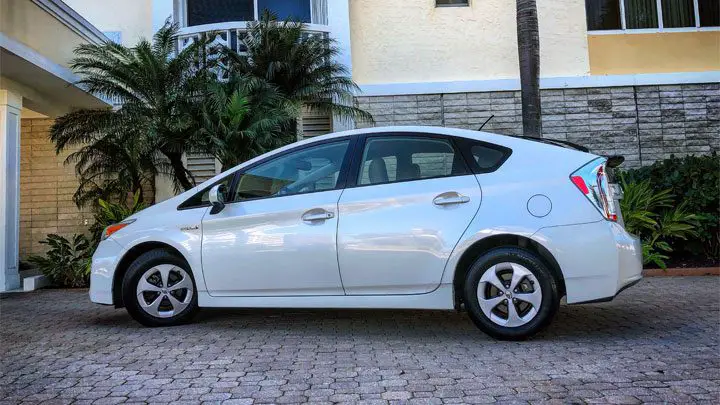
Many factors affect the lifespan of a hybrid electric battery. The most important of these factors are as follows.
#1 – Charging Routine
To maximize the longevity of a hybrid battery, it is imperative to follow all charging guidelines provided by the manufacturer.
Never plug in your hybrid for a quick 5-minute charge before leaving with an almost depleted battery. It is always best to fully charge a hybrid whenever necessary.
#2 – Temperature Fluctuations
Hybrid electric batteries are designed to operate within a specified temperature range. If a battery of this nature is forced to operate outside this range for extended periods, damage can result.
Regularly driving a hybrid vehicle in regions like Arizona or parts of Canada will reduce its battery’s lifespan, much like a normal car’s battery life is affected.
Most hybrid batteries use a dedicated cooling fan to prevent overheating. It is advisable to have a qualified maintenance technician regularly check the proper operation of this cooling fan.
#3 – Frequency of Maintenance
Most manufacturers specify that a hybrid battery should be tested at predetermined maintenance intervals. Skipping such checks can certainly harm your battery’s lifespan.
If one or more weak battery cells are detected, while all other cells appear to be functioning as expected, reconditioning efforts can be made to extend the unit’s lifespan.
When Should You Replace a Hybrid Battery?
Due to the cost associated with purchasing and installing a hybrid battery, preventive replacement is generally not advised.
A hybrid battery should be replaced when a questionable health test is recorded during routine maintenance, or when the first signs of an imminent failure become obvious.
Most car dealerships that sell hybrid electric vehicles will check your vehicle’s battery as a free service. These regular tests will provide you with some level of information about when replacement is justified.
Similarly, a number of symptoms often occur when a hybrid battery is on its last leg, informing you when the need for replacement is imminent.
These symptoms include shortened charge life, irregular state of charge fluctuations, reduced fuel consumption, and increased engine dependency.
Does Your Car Warranty Cover Battery Replacement?
All manufacturers provide some level of coverage regarding the hybrid electric batteries present in their vehicles. The duration and extent of this warranty often vary significantly from one manufacturer to another.
In all cases, if a battery dies during its coverage period, replacement should be provided free of charge or on a pro-rata basis.
Here are some examples of hybrid electric battery warranties currently offered by various manufacturers.
| Manufacturer | Warranty Duration |
|---|---|
| Toyota / Lexus (2020+) | 10 years or 150,000 miles |
| Toyota / Lexus (2019 and older) | 8 years or 100,000 miles |
| Honda | 8 years or 100,000 miles |
| Ford | 8 years or 100,000 miles |
| Hyundai | 10 years or 100,000 miles |
| Kia | 10 years or 100,000 miles |
| Chevrolet | 8 years or 100,000 miles |