
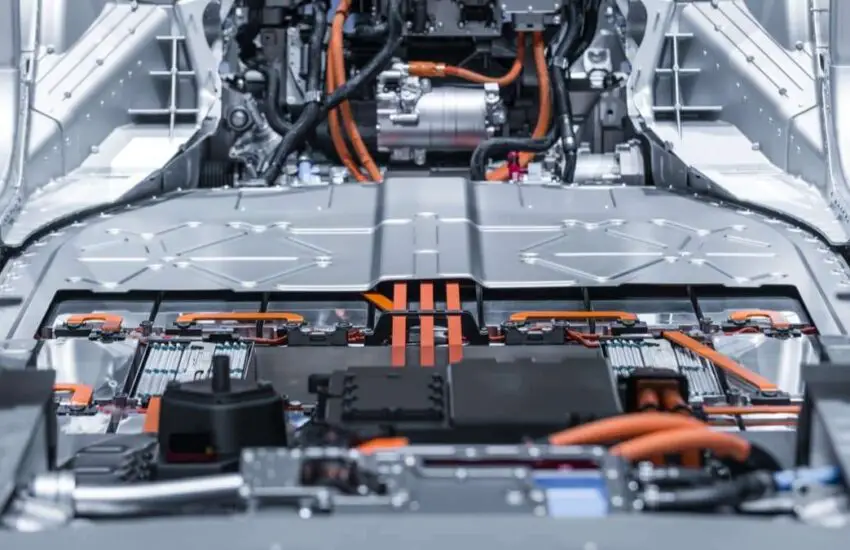
Whether you’ve decided to purchase an electric car or currently own one, you’re bound to have some questions. One of the most frequently asked questions is: how long do electric car batteries last?
In this article, we discuss everything you want to know about the EV battery. We look at its lifespan, the typical battery warranty, and highlight a few ways to protect the EV battery’s lifespan.
How Long Do Electric Car Batteries Last?
The majority of electric car manufacturers agree that the battery should last 200,000 miles or more. Based on normal driving standards, this could be 10 to 15 years on average. However, Tesla is working on creating a million-mile battery, which would significantly improve lifespan.
Still, it’s impossible to tell you precisely how long the battery will last in the long term. Many factors affect its lifespan, beyond the company that manufactured it and the car it’s in.
When you compare this lifespan to that of a typical internal combustion engine battery, you see a big difference. Most traditional vehicles contain a battery that only lasts about five years. Furthermore, these batteries aren’t as essential as in the electric vehicle. Electric cars require fewer battery replacements and less maintenance overall than comparable gasoline or diesel cars, making them even more attractive to today’s consumers.
What is the Warranty Period for an Electric Car Battery?
No one wants to deal with replacing an electric car battery, which is why it’s important to know the length of the car manufacturer’s warranty. The federal government requires all manufacturers to offer a minimum warranty of eight years and 100,000 miles on the battery. However, California requires a battery warranty of 10 years/150,000 miles.
Over the years, technology will only improve. Companies will be able to create not only more durable batteries but also batteries offering longer range.

Why Do Electric Vehicle Batteries Degrade?
There are many reasons why electric vehicle batteries degrade. One of the most significant factors includes the temperatures at which the batteries are used and stored. If you use the batteries in a hotter area, their lifespan might not last as long. Heat is hard on batteries, as is extreme cold. For optimal lifespan, you want to use the batteries in a temperate climate.
Additionally, charging cycles affect the battery’s potential. Charging cycles are defined as the discharging and charging that occurs. One might think that not using the battery would extend its life, but that’s not necessarily the case either. Even without using the battery, it will continue to degrade.
How to Maintain an EV Battery for a Longer Lifespan
1. Follow the Car Manufacturer’s Guidelines
As with any car, you should always follow all guidelines set by the manufacturer. This tip couldn’t be truer than with an electric car. In the owner’s manual, you’ll find the best guidelines for creating optimal battery performance.
Each manufacturer recommends something different, so it’s important to follow these guidelines more than any others. Each company uses different battery technology, so the car manufacturer knows what’s best.
2. Monitor Temperatures
EV batteries don’t handle extreme temperatures well. Generally, a liquid-cooled battery has better retention because it’s able to maintain lower temperatures. However, you should still think about how you use and store the batteries.
If you can drive and park at moderate temperatures, you should see the longest lifespan. Even if you can’t, you can take some steps to protect the batteries. Park in a shaded spot to keep temperatures low and keep your vehicle in a garage to ensure a more controlled climate.
3. Avoid Fast Charging
With fast chargers available everywhere, consumers are flocking to this technology to stay on the road. That said, fast charging isn’t necessary all the time. You can use DC fast charging occasionally, such as when you’re on a trip.
Nevertheless, you want to minimize how often you use this technology. Charging it more slowly will better maintain the battery’s lifespan. There are some chargers that offer you different rates for better customization. For example, EV Connect allows you to choose the solution that best fits your needs.
4. Don’t Overcharge
You don’t want to leave your electric vehicle plugged in longer than necessary. What you might not know is that you can easily overcharge EV batteries, which reduces their lifespan. Overcharging causes detrimental effects on the battery’s negative electrode.
When you overcharge the EV battery, dendrites begin to form on the anode. This formation can lead to a sudden change in voltage, causing an increase in the battery’s internal resistance. When you overcharge the battery, you’ll also see a rise in internal temperature, leading to the possibility of a battery fire or thermal runaway.
What Happens to Old Electric Vehicle Batteries?
Once an EV battery reaches the end of its lifespan, you want to know what will happen to it. Manufacturers continue to work on ways to best reuse or recycle dead batteries. If the battery is completely dead, it needs to be separated from the metals it contains. These metals will be reused and the rest will be disposed of. However, only about half of these materials are currently recyclable. We expect this to change over the next few years.
If the batteries still have some capacity, there are other ways to use them. Batteries can be moved to the home as backup since they work very well with solar panels to provide some electricity.
Cost of Replacing an Electric Car Battery
In most cases, you won’t need to pay for the electric car battery replacement if it fails prematurely. In case of a manufacturing defect, replacing EV batteries should be covered by the extended warranty offered by manufacturers. You should know your car’s battery warranty and remember to transfer it, if applicable, if you buy a used EV.
The cost of replacing an EV battery depends on several factors. If the batteries are low capacity, they won’t cost as much as a Tesla battery. On top of that, you need to account for the money spent on labor to replace the batteries. Only qualified technicians should work on your electric vehicle, as it’s dangerous to handle the system. It’s not the same as replacing the battery in your gasoline car. You should never attempt to do it yourself at home.
That said, you could spend between $5,000 and $20,000 to install new batteries. The good news is that prices have dropped significantly over the past year when considering the increase in capacity. With this in mind, we should continue to see the same trend. You might spend just as much on batteries in a few years, but they should have a longer lifespan and better range, thus ensuring much better value.