


It’s hard to find a modern car that doesn’t have electronic stability control or a variation of it.
ESP has been credited with reducing many road accidents on the roads.
However, many people are confused when they hear DSC, VSA, ESC, or VDC, but all these terms work in the same way. Each manufacturer has its own system.
For example, Volvo uses Dynamic Stability and Traction Control (DSTC) while the ESP system comes from Volkswagen, but the systems are very similar.
The ESP light means there is a problem with your electronic stability program system or you are driving on a slippery surface.
ESP stands for Electronic Stability Program and is manufactured by Volkswagen. When you drive on slippery surfaces, the ESP light illuminates and flashes on your dashboard when it is active.
If the light is steady, you have a problem associated with your electronic stability program.
How does the ESP system work?

ESP does not work alone. It operates in conjunction with traction control and anti-lock brakes (ABS). Modern cars have an onboard computer that monitors most of the car’s functions.
If a wheel slips, ESP will control the other wheels by reducing power and applying brakes to correct your car’s stability.
ESP can also instruct the car’s engine to reduce power if your car is driving dangerously. This will then influence the power delivered to the individual wheels. This is useful when, for example, you keep spinning the car on icy ground, but there is no traction on the wheels. Power will be reduced; therefore, allowing you to have more grip on the wheel.
6 Causes of an ESP Warning Light
- Faulty ABS sensors
- Faulty ABS tone rings
- Faulty throttle body
- Faulty brake pedal switch
- Faulty steering angle sensor
- ABS wiring issues
ESP works with ABS. This makes it difficult to immediately identify the root cause of the problem.
To determine the issue causing the ESP light, it is always recommended to check the fault codes with a diagnostic scanner.
Here is a more detailed list of the most common causes of an ESP light.
Faulty Wheel ABS Sensors
The wheel sensors send information about the speed of each wheel to the ABS control unit. The ABS control unit then measures this information and applies the necessary solutions when one or more wheels slip.
If an ABS sensor fails, it may think a wheel is slipping, but it is not, which will cause the light to come on.
Faulty ABS Rings

The same applies to ABS rings. The ABS sensor measures the wheel speed from the ABS rings, and it happens that these rings break, which will cause it to measure the wrong speed.
Faulty Throttle Body
The throttle body is used to control the power output of the ESP system when your car is skidding. If there is something wrong with the throttle body, it will cause the ESP light to come on.
Faulty Brake Pedal Switch
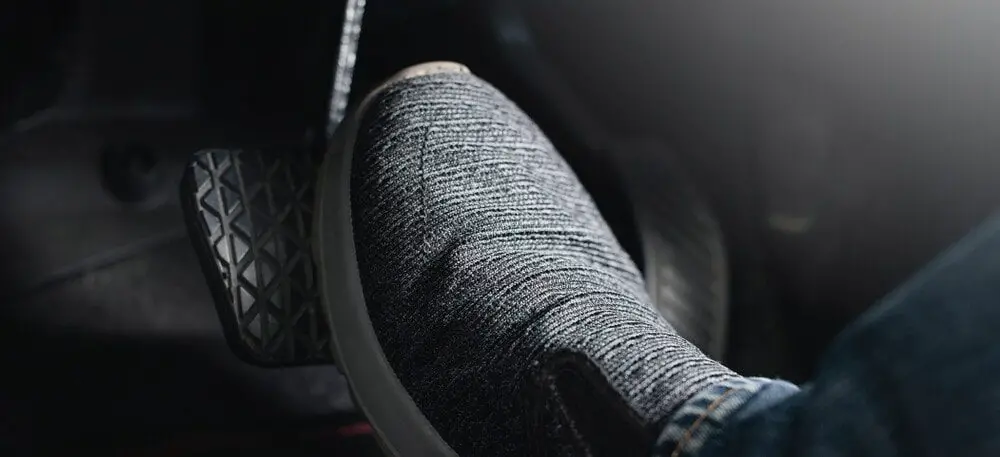
The ESP system needs to know when you press the brake pedal. For this function to work correctly, a brake pedal switch is installed on your brake pedal.
If this switch is faulty and sends incorrect information, the ESP light may come on.
Faulty Steering Angle Sensor
The ESP system also uses the steering angle to calculate what to do in case of skidding. If your steering angle sensor is faulty or not programmed correctly, it can cause the ESP light to come on.
ABS Wiring Issues
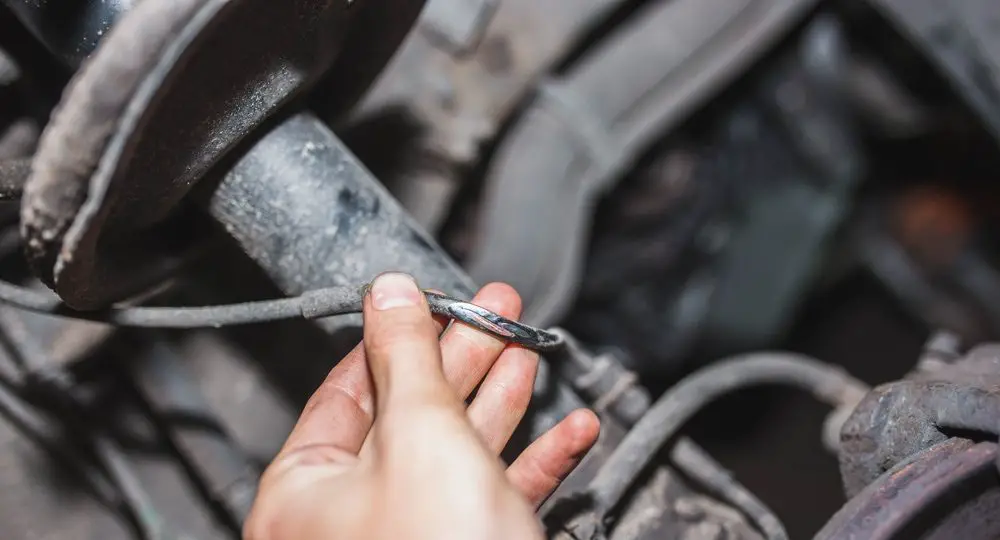
You also have wiring from the ABS control unit to each wheel sensor at each wheel. These wires move a lot due to the suspension, which can often damage the wiring as your vehicle ages.
The simplest method to see this is to measure the ABS sensors from the connector plug of the control unit. To do this, you need to consult a repair manual for the correct pinout.