

Everyone likes their car to work well with all accessories and functional hardware in place. What makes them work? Undoubtedly, it’s the alternator.
It is a coconut-sized device that circulates electrical energy throughout the vehicle’s functional hardware. It can happen that alternator bearing noise becomes a concern.
Although you might link this to an upcoming failure, knowing the exact scenario can prove to be a blessing.
Diving Deeper into the Case of Alternator Bearing Noise
If you have a faulty alternator, the car battery is likely to be affected. Whether it’s dirt or changing weather conditions; alternators can wear out over time. In turn, alternator bearing squealing could be something that dominates your thoughts.
Conjectures can add to stress, but by possessing the required knowledge, you can solve the problem.
What is an Alternator?
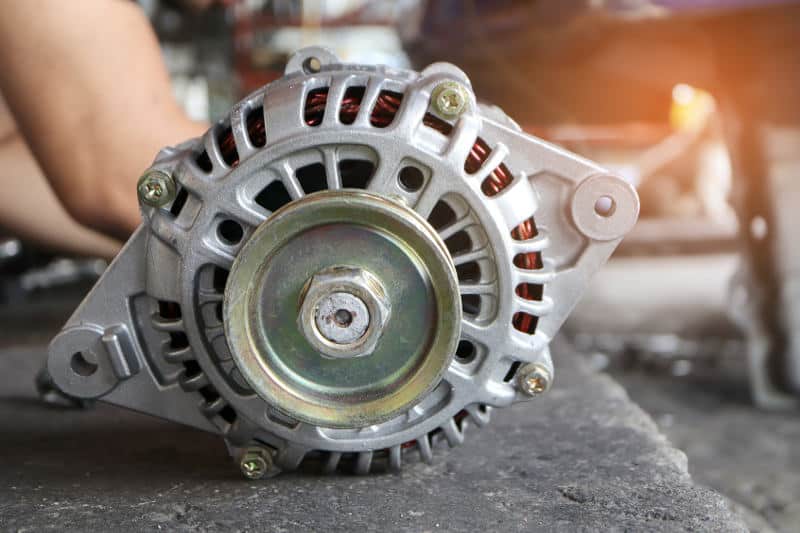
As part of the automobile charging mechanism, an alternator generates electrical power for the various components of the vehicle. The device is lightweight and smaller in size.
The alternator is placed near the front of the engine and is capable of producing alternating current using a process called electromagnetism.
Regarding its operation, when the engine runs, the crankshaft drives the drive belt. This, in turn, leads to the rotation of the pulley present on the rotor shaft.
As a result, the alternator transmits the mechanical energy from the engine to the car’s accessories in the form of electrical energy.
There may come a time when alternator bearing noise can give you sleepless nights. Let’s see why this happens.
Bearing Failure
One of the most common failures that the alternator is prone to is bearing failure. The alternator operates in such a way that all the parts it contains rotate to produce electrical energy.
One of these components is the needle bearing which, in turn, facilitates the free rotation of the rotor inside the stator.
When the bearings tend to fail, the rotation of the rotor would be directly hindered. This can occur due to the buildup of heat and dirt around the alternator.
You will notice a grinding noise that can lead to alternator failure. That’s why it’s important to address the issue as early as possible rather than putting things off until tomorrow.
The Certainty Test
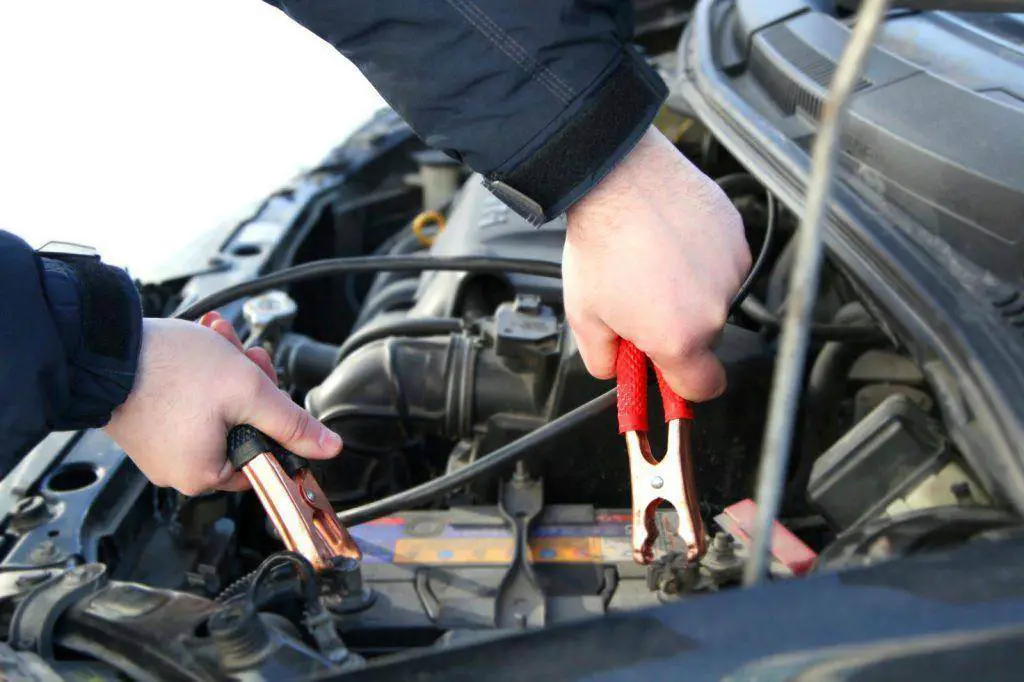
When alternator bearing noise bothers you, performing a certainty test can prove useful. One such test involves starting the car with a booster engine. Once the car’s engine is started, remove the jumper cables.
If the car’s engine stops shortly after, the alternator is to blame. And if the car continues to run, the battery may need to be recharged.
Another test is checking the headlights. Start the car and have someone check the headlights. Keep the car in “park mode” and press the accelerator pedal.
If the headlights tend to dim or if they go out completely, it’s the alternator that’s at fault. You can also refer to maintenance tips to learn about the consequences of a faulty car battery.
How to Avoid Alternator Bearing Noise
Prevention is key to avoiding alternator bearing noise and potential failures. Here are some preventive measures:
- Regular Maintenance: Follow the maintenance schedule recommended by your car manufacturer to ensure timely inspections and replacements.
- Use of Quality Parts: When replacing components, opt for high-quality parts to ensure durability and reliability.
- Keeping the Alternator Cool: Overheating can accelerate bearing wear. Ensure your alternator stays cool to prolong its lifespan.
FAQ on Alternator Bearing Noise
- Is Alternator Bearing Noise Dangerous?
Alternator bearing noise is a warning sign of potential problems. While it is not immediately dangerous, ignoring the noise can lead to more serious issues and breakdowns.
- Can I Drive with a Noisy Alternator Bearing?
While it is possible to drive with a noisy alternator bearing, it is not advisable. Continuing to drive can cause further damage and potentially leave you stranded.
- How Much Does It Cost to Replace an Alternator Bearing?
The cost of an alternator bearing replacement can vary depending on the make and model of your vehicle, as well as labor costs in your area. It is best to get quotes from different mechanics for an accurate estimate.

- Can I Lubricate the Alternator Bearing to Reduce Noise?
Lubricating the alternator bearing may lead to a temporary reduction in noise, but it will not solve the underlying problem. Replacement is the best long-term solution.
- Can Alternator Bearing Noise Lead to a Dead Battery?
Yes, a faulty alternator bearing can lead to charging issues, resulting in a dead battery and rendering your vehicle unusable.
- Does WD-40 Spray Stick to an Alternator?
Spark plugs, distributors, alternators, and batteries can all benefit from the use of WD-40 to prevent moisture ingress and avoid corrosion. Additionally, you can use it to facilitate the removal of spark plugs, especially if they are rusty or corroded.
- Is Washing the Alternator Safe?
Pressure washing your engine compartment would not be a good idea as it could damage seals and lead to further problems. However, it is advisable to use water rather than a petroleum-based engine degreaser when cleaning alternators.
- How Long Will a Noisy Alternator Bearing Last?
The lifespan of a noisy alternator depends on a number of variables, including the degree of wear it has undergone and any other parts that might be operating due to a lack of power.
It can travel up to a few thousand miles before failing if it is in its early stages.
Wrap Up
If you are facing alternator bearing noise, it is recommended to completely replace the bearings or the noisy alternator. It would be in your best interest to contact an expert.
It must be understood that some problems are better handled by professionals who can resolve them in no time and very effectively.