
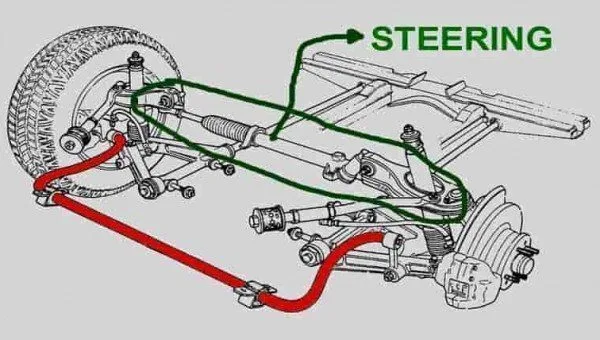
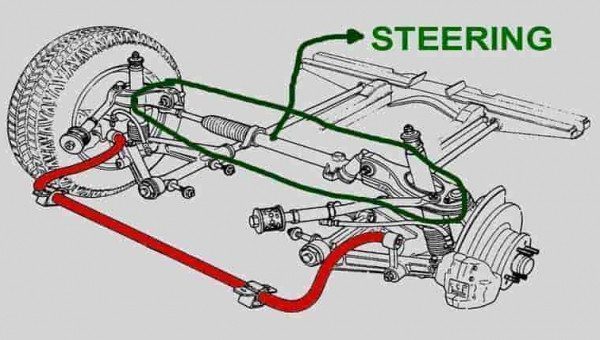
Today, all cars on the road have power steering. Otherwise, drivers would be forced to use all their strength to turn the steering wheel in a single direction.
This would certainly cause accidents, as drivers need to make their turn in a second or two. If they are forced to struggle with the steering wheel, they won’t be able to turn quickly enough in traffic. Thanks to the technological wonders of power steering, the driver doesn’t need much strength to turn their steering wheel.
There are two types of power steering that are still used today. There is hydraulic power steering and electric power steering. Each serves the same basic purpose of power steering by allowing you to easily turn the steering wheel. The difference between these two types of power steering is related to how they operate. We will go over each type now.
Hydraulic Power Steering
Hydraulic power steering is one of the earliest forms of power steering technology. This system is composed of various components and parts, such as a pump, pulley, drive belt, hoses, and power steering fluid. They all work together to create the hydraulic power that the steering wheel needs to turn so easily. But let’s look at how this pressure is created.
Your car’s engine contains a rotary vane pump that produces hydraulic pressure at the right moment. Whenever you turn or rotate the steering wheel, the pump generates more hydraulic pressure to increase the power of the force when you turn the steering wheel. The pressure increases because additional hydraulic fluid enters the hydraulic cylinder through the valves. Once this happens, the steering gear receives the pressure from the cylinder and moves the wheels with the steering.
Electric Power Steering
Electric power steering uses fewer components than hydraulic power steering. Electric power steering mainly relies on an electric motor to create the necessary pressure. The steering rack of this power steering system will contain the electric motor and valuable sensors. These sensors will measure the exact torque from the driver. In other words, when the driver turns the steering wheel, the motor generates a specific level of electricity to support the demand for that torque. Electricity will only be produced if the steering wheel is turned. This prevents wasting precious energy in the vehicle. It also means your engine will last longer and you won’t need to make repairs as frequently.
Conclusion
So, which type of power steering is the best? Most experts and car manufacturers will tell you that electric power steering is better. How could it not be? The electric power steering system is so simplified with only a few components. The hydraulic power steering system contains many components, which means it is more likely to fail. Then you will spend more money on the repair costs associated with this system.
Aside from the power steering systems themselves, let’s talk about their overall impact on the vehicle. Hydraulic power steering uses 90% more power and resources from the engine than electric power steering. With all this wear and tear on the engine, it will significantly reduce its lifespan. Despite its name, electric power steering does not require as much power to perform the same function. You can preserve your engine’s lifespan if you choose to use electric power steering in your vehicle. You won’t even need to do much maintenance on your vehicle either.
If you still prefer hydraulic power steering because it is more reliable, just be aware of all the additional costs associated with its maintenance and potential future repairs.