
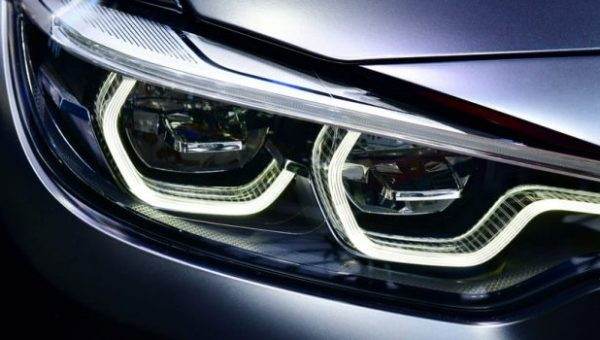
Car lights may not necessarily be considered the most important topic in driving, but knowing what each one is for and when to use them is basic knowledge that could prevent you from having an accident. They are essential for road safety, and drivers must maintain these lights responsibly. To learn more about car light maintenance, check out our blog articles and tips, such as this one on how to restore your headlights’ intensity.
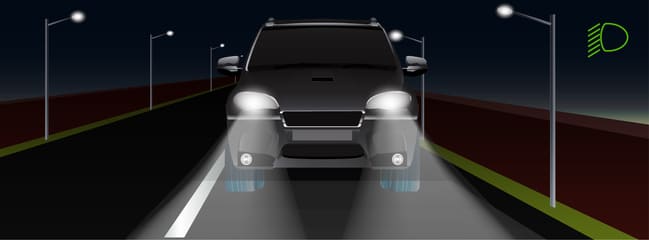
Dipped headlights, also called low beams, are the lights that drivers tend to use the most. They are located at the front of the car and are angled downward toward the road to increase visibility without dazzling other drivers or cyclists. These lights are not as bright as full beam headlights, but they are still bright enough to illuminate the road ahead of you. You can usually turn them on with a switch on a dashboard dial or an indicator stalk. Many new vehicles are equipped with sidelights that require no human intervention. They turn on automatically when the engine is running to ensure the car remains visible during the day.
When to Use Them:
Visibility is considered very poor when drivers can see less than 100 meters ahead of the vehicle. Broken headlights endanger the driver and everyone else on the road, especially when driving in the dark, as other cars won’t be able to see the vehicle. If you are caught driving with a broken bulb by the police in the UK, you could be fined around £60, receive penalty points, get a vehicle defect rectification notice, or even have the car taken off the road.
FULL BEAM/HIGH BEAM HEADLIGHTS
These are the brightest lights on a car, designed to help the driver see much farther when driving in the dark. They are angled higher than dipped headlights, which is why they are sometimes called high beams. The switch for these lights is normally located next to the one for dipped headlights.
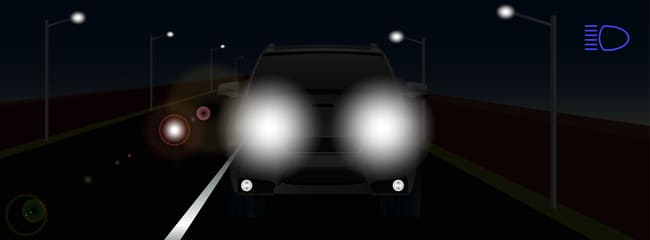
Knowing when to use these lights is of vital importance because if used inappropriately, it could cause a serious accident. Full beam headlights are only meant to be used when driving on unlit roads at night. They should be turned off when you encounter oncoming vehicles, are driving around left-hand bends, or are driving behind another vehicle, as the lights could dazzle other people on the road and cause a collision. Therefore, high beams should not be used in place of dipped headlights if one of the headlights is damaged.
FOG LIGHTS
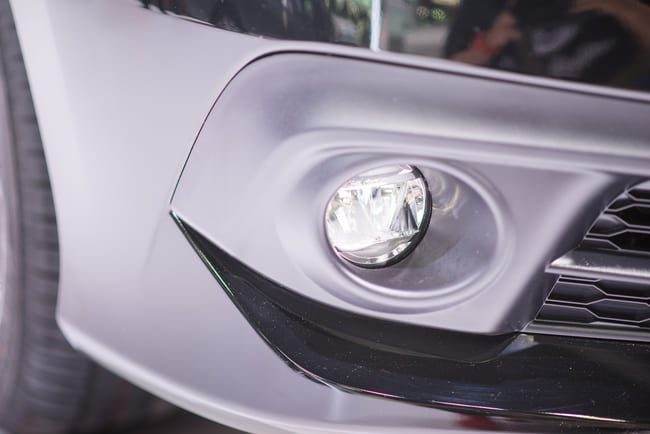
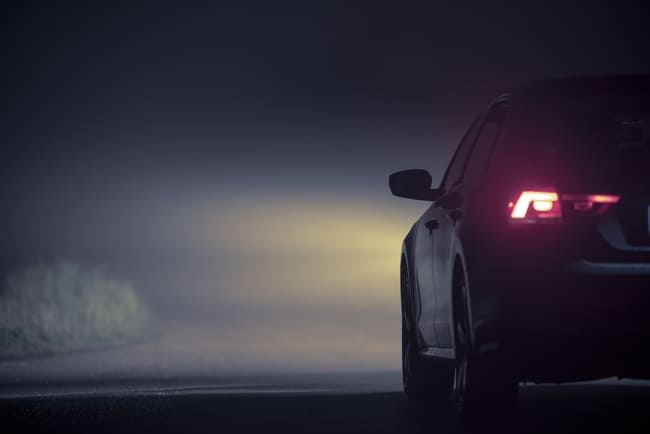
Fog lights are specially designed to increase visibility in foggy or misty weather conditions. Unlike full beam headlights, these lights are not reflected by the fog. They are installed lower on the vehicle, usually under the front bumper. Most modern cars have two sets of fog lights, one for the front and one for the rear of the vehicle. The front ones are usually green, and the rear ones are usually amber in color.
According to the Highway Code, they are strictly for visibility purposes and should only be used when you cannot see more than 100 meters ahead. Drivers should turn off the lights as soon as visibility improves to avoid dazzling other road users. You should also note that fog lights can also overpower brake lights because they are brighter than standard tail lights.
SIDELIGHTS
Sidelights, also called parking lights, are located at the front corners of the vehicle. They are not as bright as headlights and are sometimes used by drivers to maintain visibility when it is not dark enough to use headlights. When the sidelights are on, the tail lights are often activated at the same time, along with the rear license plate lighting.
The Highway Code states that drivers are required to use their parking lights when parked on a road with a speed limit of over 30 mph. They should also be used when the car is parked in a foggy area, as this will ensure your vehicle is visible to other drivers. The lights can remain on without draining the vehicle’s battery. They do not need to be activated if the speed limit is 30 mph or less and the car is facing traffic or parked in an official parking area.
TAIL LIGHTS
Tail lights are the small red lights at the rear of the vehicle. Unlike other lights, these do not need to be turned on and off manually, as they turn on/off automatically whenever the headlights are turned on/off. They help the driver behind the vehicle to see it and determine how far away it is.
BRAKE LIGHTS
Brake lights can be confused with rear components because they are located next to each other at the back and are both red. The lights turn on automatically whenever you apply your brakes to inform other drivers that your vehicle is slowing down. This also gives them enough time to slow down to avoid a collision or tailgating. For safety reasons, it is important to regularly check and maintain the lights. If you are caught driving without functioning brake lights, you risk fines and/or penalties.
INDICATORS
All licensed drivers must have a solid understanding of what indicators are for and how to use them. Every vehicle has four indicators located at the four corners of the vehicle, next to the headlights. They are used to signal to other drivers which direction you intend to turn when turning onto a different road, changing lanes, or stopping, for example. The lights turn on/off using the indicator stalk. They should turn off by themselves once you have turned the car. Unfortunately, drivers often make the avoidable mistake of indicating too early or too late.
HAZARD LIGHTS
Car hazard lights are the same lights that are used as indicators. As their name suggests, they are used to warn other drivers of potential hazards, such as obstructions or dangerous road conditions. There is usually a button on the dashboard that activates the lights. It can be identified by the distinctive triangular warning symbol.
The lights are meant to be used when the vehicle is stationary, to warn others that the car will temporarily obstruct the road. This is useful when you are forced to stop, have had an accident, or broken down. It is also possible to use them to warn others of an obstacle ahead of you when driving on the highway.