
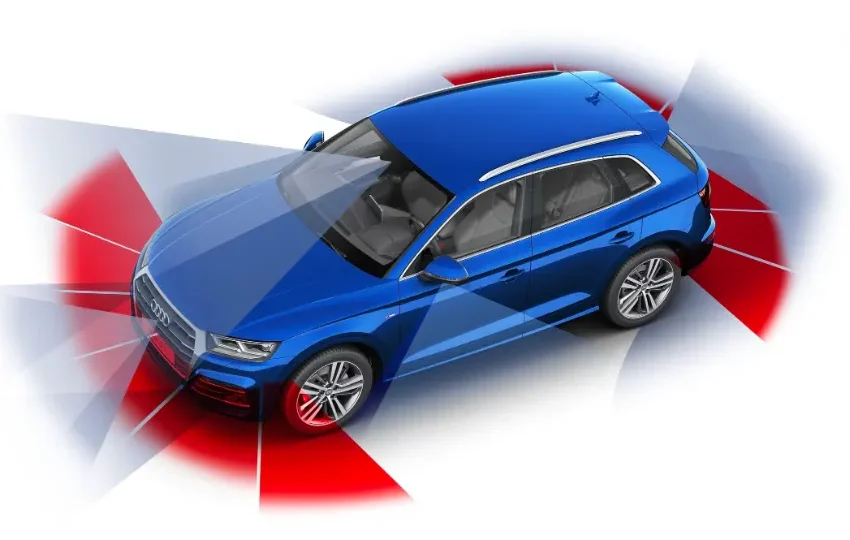
Whether it’s texting, talking, or playing with the radio, distracted driving is a well-documented cause of accidents. But unexpected medical emergencies are another risk that endangers drivers and their passengers, causing them to lose control of the vehicle they are driving. A new feature built into new cars could mitigate the impact of these unpredictable and often fatal events.
Next-generation advanced driver-assistance systems (ADAS) go even further in active safety and intervene more actively to prevent such accidents. Automatic emergency stop assist is a new technology that monitors the driver from inside the vehicle and leverages the already available highly autonomous driving technology to take control of the vehicle if the driver becomes incapacitated.
Road collisions precipitated by a medical emergency are relatively rare. The National Highway Traffic Safety Administration found that they account for only 1.3% of crashes, based on a 2009 study. It is difficult to find more recent data, but as the U.S. population ages, the risk of an accident due to a medical emergency is expected to increase.
What is automatic emergency stop assist?
Despite their similar names, automatic emergency stop assist is not the same as automatic emergency braking.
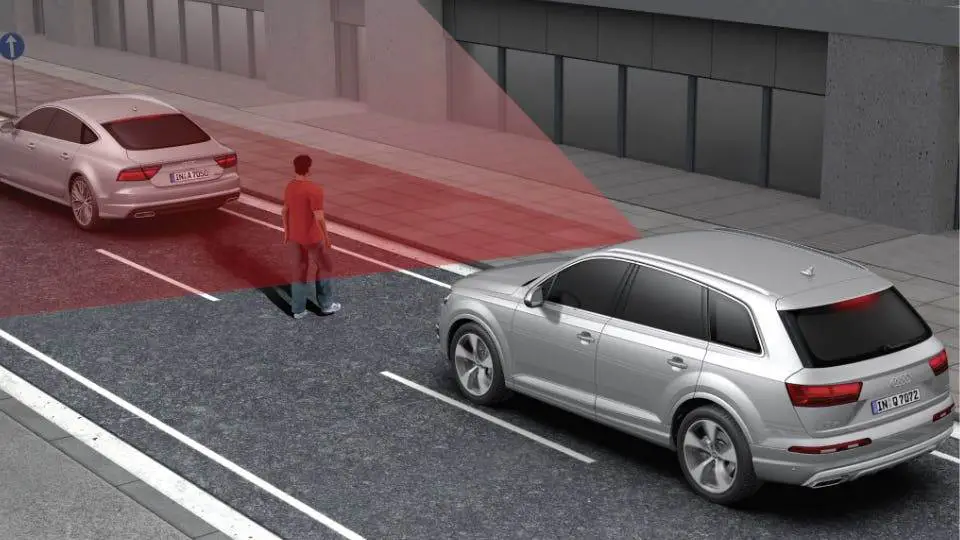
Automatic emergency braking uses radar or cameras (or both) to measure the speed and distance between the vehicles ahead. If it detects that the vehicle is at imminent risk of colliding with another vehicle or obstacle in front of it, it can warn the driver to apply the brakes. If the driver fails to apply appropriate pressure, the system will automatically engage the brakes to prevent or mitigate the severity of a collision.
With automatic emergency stop assist, it monitors the driver’s behavior inside the vehicle. These driver monitoring systems (DMS) work in conjunction with adaptive cruise control, lane-keeping assist, and other ADAS features that, when activated, can detect whether the driver is attentive or not. If inattention is detected, the DMS will attempt to alert the driver through a series of warnings that encourage them to resume control of the vehicle by turning their eyes to the road or placing their hands on the steering wheel, or both. If the driver does not respond, the DMS begins to take control of the vehicle and then attempts to bring the vehicle to a controlled stop.
How does automatic emergency stop assist work?
The technology used by automatic emergency stop assist varies by manufacturer and vehicle. Some systems use one or more infrared cameras facing the driver integrated into the vehicle’s cabin to track the pilot’s eyes and head position. The software can monitor head and eye movements in real-time to determine if the driver is starting to fall asleep or closing their eyes, even when wearing sunglasses, as shown in General Motors’ Super Cruise hands-free driving system. Most DMS, like Tesla’s Autopilot, measure pressure on the steering wheel to determine driver attentiveness.
If the system detects driver inattention, the vehicle may alert the driver through audible alarms, visual warnings, steering wheel vibrations, or brake jolts to bring attention back to the road. If the driver becomes incapacitated due to a medical emergency, if they are literally asleep or have passed out at the wheel, a takeover sequence will begin.
Depending on the manufacturer’s DMS procedures and the vehicle’s technological capabilities, the system may automatically bring the vehicle to a controlled stop in its lane or may attempt to pull over to the side of the road if equipped with lane-changing capability. Most systems will activate hazard lights, use their telematics system to contact emergency services, and unlock the doors to facilitate entry into the vehicle.
Which vehicles have automatic emergency stop assist?
Automatic emergency stop assist is a relatively new technology and started as an optional feature for luxury brands, such as Audi vehicles equipped with the optional “emergency assist.” The Audi Q2 and Q5 SUVs, which will soon be discontinued, have been equipped with the automatic emergency tool for several years.
Called “active emergency stop assist” in Mercedes-Benz vehicles, it is now a standard feature in many products of the German brand, like the pioneering S-Class, and the safety technology is slowly making its way into more mainstream brands.
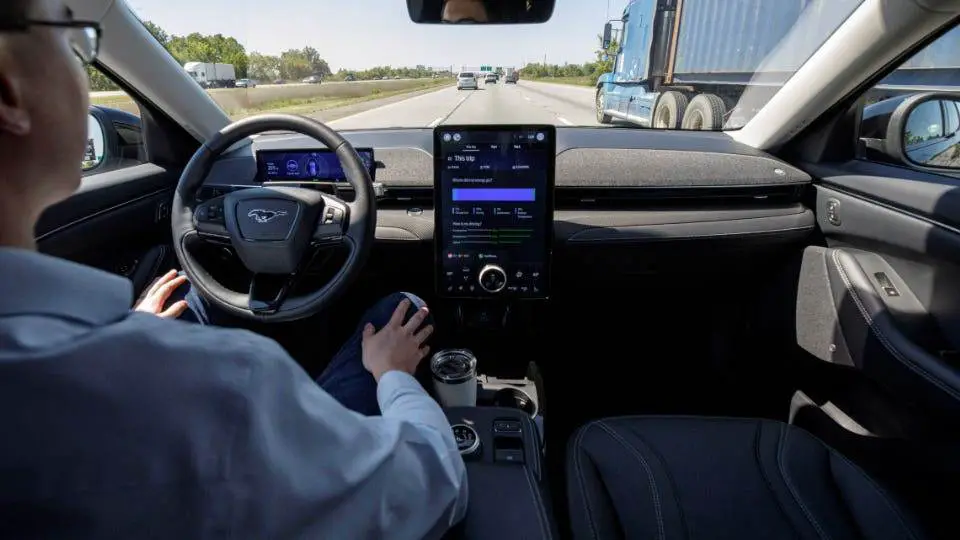
Some Cadillac, GMC, and Chevrolet models, like the Chevy Traverse, have enhanced automatic emergency braking, which works at higher speeds using radar and cameras. But for true driver monitoring, GM vehicles equipped with the Level 2 Super Cruise driver-assistance system (as on the Cadillac Escalade, GMC Sierra 1500, or Chevy Bolt EUV) monitor the driver’s gaze and head position when the hands-free system is active. Ford and Lincoln vehicles operating with BlueCruise and ActiveGlide, respectively, like the Ford Mustang Mach-E and Lincoln Navigator, also have similar driver monitoring technology that can stop the vehicles if it detects the driver is not paying attention to the road.
Will vehicles be required to have automatic emergency stop assist?
While the European Union passed a law in 2020 requiring all new vehicles manufactured after June 2022 – and those retrofitted after 2024 – to be equipped with camera-based driver monitoring systems, the United States has not imposed similar requirements on automakers. The new regulation is expected to prevent 140,000 serious injuries in the EU.
Although similar legislation targeting distracted driving has been introduced in the United States, Congress has not yet passed it. The bills would require technology to detect driver impairment and distraction in all new vehicles by 2027.
Until it is required, automatic emergency stop technology may remain a life-saving feature that only luxury product buyers can afford. But if you are buying a car for older or highly distracted drivers, it could be an important add-on to consider when navigating through the options.