
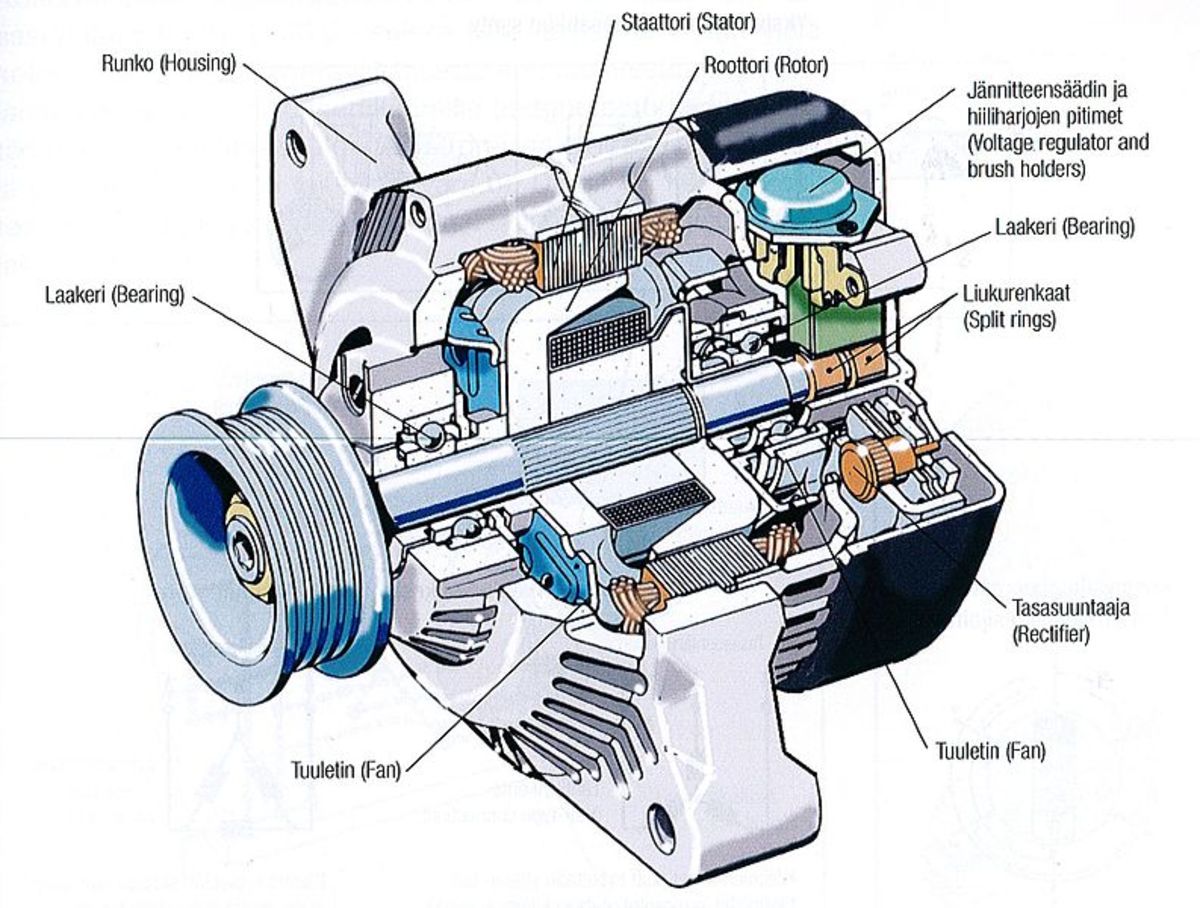
Alternator and charging system problems can affect your vehicle in different ways. You might notice:
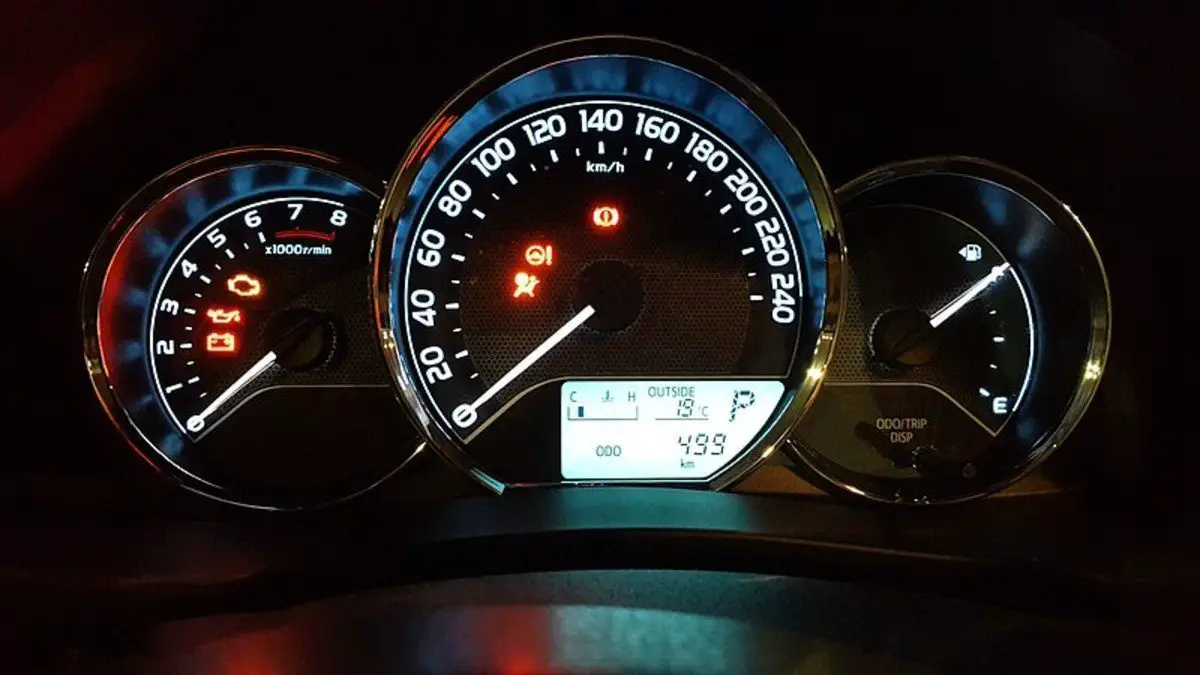
- your ALT or CHARGE warning light comes on
- your engine is hard to start and cranks slowly, or doesn’t start
- your battery requires a lot of water
- your alternator is making noise
- or your headlights suddenly dim.
These problems and others can be caused by a charging system failure.
Before you start replacing components hoping to solve the problem, you need to determine which component or components are causing you trouble. Often, it is possible to diagnose and fix the problem yourself using a few simple tests and tools.
The sooner you find out what is causing problems, the better. You will prevent a faulty component from ruining other parts of the system, which would make your repair more expensive.
This practical troubleshooting guide will help you find out what you need to know, using a few simple checks you can do at home using a test light or a digital multimeter (DMM) and possibly a few other common tools.
It’s a good idea to have the vehicle’s repair manual (or a good aftermarket manual) for your car’s make and model on hand. It will help you identify wires, specific components, and may suggest specific tests recommended by your manufacturer.
If you want to test the system’s condition as a starting point for diagnosis, perform the tests described in the following section, “General Charging System Check.”
However, if you need help with a specific problem with your charging system (for example, an overcharging or undercharging condition, a dead battery, or a noisy system), go to the “Charging System Problems and Potential Causes” section.
Hint
I. Common Symptoms of a Bad Alternator or Charging System
II. General Charging System Checks
III. Charging System Problems and Potential Causes
IV. Troubleshooting Unusual Charging System Voltage Drops
The battery warning light should go out when your engine is running.
I. Common Symptoms of a Bad Alternator or Charging System
Warning Light On
Usually, the first sign that your charging system is failing is a “Battery,” “ALT,” or “CHARGE” warning light that illuminates on your dashboard while driving. This means that for some reason, the alternator has stopped charging the battery and your car is running on battery power. If the light only comes on intermittently, it usually indicates worn or faulty carbon brushes in the alternator. But remember that the light doesn’t always mean there is a bad part; the light can be triggered by a sensor giving a bad message.
Engine Cranks Slowly or Not at All
When the battery is undercharged, the engine cranks slowly or doesn’t start at all. Review the next section on “General Charging System Checks” and, if necessary, consult the “IV. Troubleshooting Unusual Charging System Voltage Drops” section further down in this article.
Battery Overheating and Using Too Much Water
An overcharged battery causes the battery to overheat. You find yourself adding water to the battery frequently. If the problem is not resolved in time, it can damage your battery. In addition to going through the next section, be sure to check section IV below on “Troubleshooting Unusual Charging System Voltage Drops”
Noises Under the Hood
Squealing, whining, or grinding noises coming from the engine can be caused by faulty alternator components, a loose or worn serpentine belt, or a faulty belt tensioner. Refer to the “Checking Alternator Noises” subsection later in this article.
Lights
If you notice that the headlights, dashboard, or interior lights are dimming, either your battery is undercharged, or there is one or more faulty diodes inside the alternator. Check your battery and refer to the “Checking Alternator AC Voltage Leakage” subsection further down in this article.
Check the drive belt for adjustment and the tensioner for proper operation. | Source
II. Six Tests for the Charging System in General
These series of charging system checks help diagnose the general condition of your charging system. They can help you confirm that you actually have a problem in your charging system and locate the source of the problem.
1. Perform a Visual Inspection of the System
With the engine off, open the hood and visually inspect the various components of the charging system. Look for a worn or loose drive belt, alternator connection problems, loose alternator mounting bolts, and corrosion and dirt around the battery case and cables.
When inspecting the drive belt, check the adjustment. If necessary, adjust the belt using your owner’s manual or your car’s repair manual. Inspect the belt for signs of cracks, cuts, shiny spots, deterioration, or other signs of wear or damage. Change the belt and belt tensioner at the interval recommended by the manufacturer.
2. Check for Wiring Problems
Inspect the wires and connections at the back of the alternator, at the remote voltage regulator (if applicable), and at the battery. Look for connector corrosion, damaged wires, and burnt and missing insulation that could suggest an electrical short circuit.
3. Do This If the Warning Light Stays On or Flickers
Follow these steps:
Start the engine and set the parking brake. Set the transmission to Neutral (manual) or Park (automatic).
Connect a voltmeter between the battery terminals.
While watching the voltmeter display, start wiggling the wires at the back of the alternator, battery, and remote voltage regulator (if there is one).
If the voltage reading on the meter display increases when wiggling one of the wires, you have found a bad electrical wire or connection.
Instead of using a voltmeter, you can ask an assistant to watch the dashboard warning light to see if it goes out when you wiggle various wires and connectors. Once the light goes out, you have found the problematic connector or wire.
4. Check Alternator Noises
Bad alternator bearings, rectifiers, rotor shaft, stator winding, slip rings, brushes, and other parts inside the alternator with mechanical or electrical problems can become noisy.
Here is a test you can do: Use a length of vacuum hose to listen for alternator noises. The hose will amplify the noise if it’s coming from the alternator. But be very careful of moving parts during this test.
Start the engine.
Place one end of the hose against your ear and move the other end around different points on the alternator body.
Listen for whining noises (this may indicate a bad diode or an overcharging condition), grinding (bad bearing), squealing, or any other abnormal noise. If necessary, have your alternator checked.
5. Check for Undercharging and Overcharging
The next three tests are best performed using a load tester, but you can still use your digital voltmeter. To do this, you measure the system voltage while the system is under load.
5a. First, measure the battery’s base voltage to ensure your battery is fully charged.
Turn on the high beam headlights for 10 seconds, then turn them off.
Wait two minutes.
Measure the battery voltage at the battery terminals with your digital multimeter. You should get between 12.4 and 12.6 V. This means your battery is fully charged. If you get a reading lower than 12.4 V, charge the battery before continuing.
5b. Measure the Charging System’s No-Load Voltage
Have an assistant start the engine and hold the engine speed at about 1500 RPM.
Measure the voltage at the battery terminals with your digital multimeter. You should get 0.5 to 2 volts more than the base voltage. If you get more than 2 volts above the base voltage, your alternator is probably overcharging the battery or the battery is faulty. Other potential problems are a faulty voltage regulator or a problem in the charging system wiring. As part of your wiring checks, refer to the “Troubleshooting Unusual Charging System Voltage Drops” section below.
5c. Measure the Charging System’s Load Voltage with a High-Draw System Measurement.
Have an assistant start the engine and hold the engine speed at about 2000 RPM. Turn on all electrical accessories like the air conditioning, blower motor, headlights, defroster, and windshield wipers. But do not turn on the heated windshield if your vehicle has one; the alternator voltage can spike to over 100 V and this could be dangerous.
Take a voltage reading at the battery terminals. Your reading should be at least 0.5 volts higher than the base voltage for your system to be able to meet the demands of the electrical system. Otherwise, the charging system cannot meet the demand and charge your battery. This fault could indicate a faulty alternator or voltage regulator. Refer to the “Troubleshooting Unusual Charging System Voltage Drops” section below to check for wiring problems that could cause this condition.
NOTE: These measurements correspond to an ambient temperature of about 70°F. Charging voltage will increase as the temperature drops and charging voltage will decrease as the temperature rises. So keep this in mind when taking your measurements.
6. Check for Alternator AC Voltage Leakage
Alternators use diodes to rectify the alternating current produced by the alternator into direct current. When one or more diodes go bad, the alternator can cause all sorts of problems. An AC voltage leak, for example, can cause your lights to dim and drain your battery’s power. Usually, you can detect this leak by measuring the AC voltage at the battery terminals using a digital multimeter.
Start and let the engine idle.
Set the parking brake and your transmission to Park (automatic) or Neutral (manual).
Set your meter to a low AC voltage range and take your measurement.
If you detect even a small amount of AC voltage, replace the alternator.
Once you have determined the system’s condition, you can proceed to the next section to focus on potential problems that may be causing the charging system condition.
III. Charging System Problems and Potential Causes
To speed up your diagnosis and repair, look for the system condition that most closely resembles your problem and review the potential causes described for that condition. Some checks or tests may be suggested as applicable.
1. If the Battery Seems to Stay Undercharged
You have already charged your battery several times and you just found out the battery is undercharged again. Before blaming your battery or the alternator, here are some preliminary checks you might want to do.
a) Check the drive belt or serpentine belt, especially if you haven’t replaced it in the last five years. Make sure the belt has the proper tension. Look for signs of wear or damage such as cuts, shiny spots, missing chunks. Today’s serpentine belts show no signs of wear, even when they need to be replaced. Use a belt wear indicator or check your maintenance schedule for the replacement interval suggested by your car’s manufacturer. You can find the schedule in your car’s owner’s manual or in your repair manual.
b) Along with the drive belt, also check the belt tensioner. Make sure it spins freely and is quiet. Car manufacturers recommend replacing the tensioner at the same time you replace the drive belt.
c) Make sure your battery connections are tight and clean. However, just because the terminals look clean doesn’t mean they are tight and in good condition. Look for damage to the cable and the terminal itself that could prevent proper electrical current flow.
d) Check your battery yourself or take it to your local auto parts store. Many of these stores will test your battery for free.
e) There is a parasitic battery drain that is stealing power from your battery.
A quick test is to connect a test light in series between the positive battery cable and the positive battery terminal. If the test light illuminates, there is an electrical leak in one of the systems.
First, unplug the electrical connector from the alternator. If the test light goes out, the alternator is causing the drain. Otherwise, locate the parasitic drain.
f) Don’t overlook the starter: a failing starter can draw excessive current during operation, thus draining the battery. If necessary, have your starter or starting system tested.
2. If the System Seems to Be Overcharging
Besides test results, another potential sign that your battery is being overcharged is that your battery terminals keep accumulating corrosion.
Here are some checks you want to do:
Make sure all connections at the alternator, remote voltage regulator (if applicable), and battery are clean, tight, and in good condition.
Check your battery or have it tested at your local auto parts store. A faulty battery cell can cause the alternator to overcharge the good battery cells.
Look for a bad voltage regulator and alternator voltage circuit. Consult your vehicle repair manual if necessary.
Make sure you have good ground connections at the alternator (alternator case) and voltage regulator, especially if your vehicle uses a remote voltage regulator. The grounds should be free of rust and the alternator and remote voltage regulator mounting bolts should be clean and tight.
Check the alternator’s rectifier or have your alternator checked at the auto parts store.
Also perform the tests described in the Troubleshooting Unusual Charging System Voltage Drops section below.
3. If the Alternator Is Not Charging the Battery
When your tests indicate an undercharging or no-charging condition:
Make sure the drive belt is not loose or worn.
If necessary, borrow a good battery just to run the engine and verify that your drive belt and belt tensioner are working properly.
Manually check the belt tensioner for proper operation. Make sure the tensioner pulley spins freely and quietly. Check that it is not damaged.
Manually turn the alternator pulley and make sure it spins smoothly. If any of the bearings have seized, it will not allow the alternator to spin freely.
Check that the connections at the battery, alternator, and remote voltage regulator are clean and tight.
Look for a blown fuse or fusible link. Consult your vehicle’s repair manual if necessary to locate the alternator fuse or fusible link.
Perform the tests described in the “Troubleshooting Unusual Charging System Voltage Drops” section below.
4. If the Engine Is Making Noise
Noise can be a sign of alternator problems when it’s coming from the charging system. The next checkpoints will help you isolate the source of the noise.
Check the drive belt or serpentine belt. Look for signs of wear or damage like cuts, shiny spots, or missing chunks on the belt. A worn belt can squeal during operation.
Also check the belt tensioner for proper operation and damage. It should spin freely.
Make sure the alternator is properly mounted. Loose mounting bolts can cause misalignment and noise from the alternator drive belt and its drive pulley.
Check the alternator for noises. Refer to the General Charging System Checks section for a simple procedure to do this.
5. If the Lights Dim While the Engine Is Running
Most alternators use diodes inside a rectifier to convert alternating current (AC) to direct current (DC) for use by the system. When one or more diodes deteriorate, AC current can leak into the electrical system. Sometimes you can notice this when the headlights, dashboard warning lights, and other interior lights dim while the engine is running. To test your alternator for AC current leakage, refer to the Checking Alternator AC Voltage Leakage subsection in the previous section.
IV. Troubleshooting Unusual Charging System Voltage Drops
A charging system voltage drop check can help you locate the source of an undercharging or overcharging condition due to wiring or connection problems between the battery and the alternator.
1. Start the engine and let it idle. Set the parking brake and set the transmission to Neutral (manual transmission) or Park (automatic transmission).
2. Turn on the high beam headlights, AC, windshield wipers, and other accessories to provide a load on the system. Have