
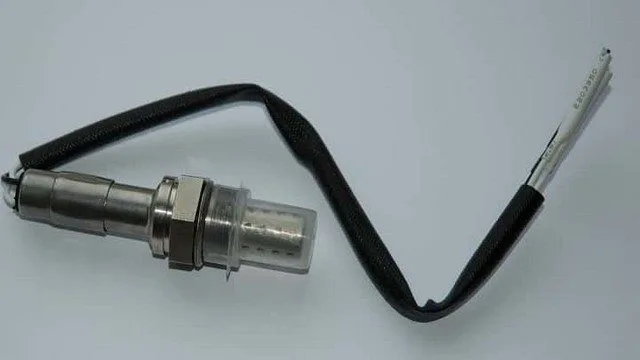
The oxygen sensor is located inside the exhaust manifold of a vehicle. Its purpose is to keep track of the level of oxygen that remains unburned in the exhaust system as the exhaust leaves the engine.
This way, the mixture of fuel, oxygen, and gas can be properly assessed because it will indicate to the computer whether there is too much oxygen or not enough.
Then, whatever the sensor indicates, the computer will make the appropriate adjustments to provide more oxygen or less oxygen.
The vehicle’s oxygen sensor must be in perfect working condition so that the internal combustion of air and fuel can be balanced. If the oxygen sensor were to be damaged or malfunction, the entire internal combustion process of the engine would be at risk. Below are the main symptoms you will experience when the oxygen sensor deteriorates in your vehicle.
Poor Vehicle Performance – The vehicle will run very poorly. You will notice a lot of stalling when trying to accelerate the vehicle and just a general sluggishness in how the vehicle moves. This will become dangerous when you are on the road where maintaining a certain speed or level of performance is crucial for everyone’s safety and security.
Fails a Smog Test – If you go to have an emissions test on your vehicle and it fails, it is likely because your car is producing too much carbon emissions or not enough. In either case, there is a 50% chance that this is caused by faulty oxygen sensors. This is a statistic discovered by the Environmental Protection Agency and the California Air Resource Board.
Bad Smell – Have you noticed a rotten egg smell coming from your exhaust? This is probably an early warning sign that something is wrong with your oxygen sensor. If not addressed, this rotten egg smell can even spread inside your car, making it a very unpleasant experience while driving. You’d better take care of it right away.
Check Engine Light is On – An early warning sign that your vehicle has a bad oxygen sensor is when the check engine light on the dashboard comes on. Although this can happen for various reasons, the simplest reason is due to a bad oxygen sensor. Regardless, you should always take your car to a mechanic as soon as you see the check engine light come on.
It could mean a number of problems with your engine, and you certainly don’t want to risk leaving them for too long.
Poor Fuel Mileage – When you have a bad oxygen sensor, the fuel and air mixture will likely be very rich.
In other words, much more fuel will be consumed in the internal combustion process. This means your kilometers per liter will decrease because your car will use more gasoline to travel fewer miles. So, if you notice that you have to fill up your gas tank more than usual, it is probably due to a bad oxygen sensor.
Oxygen Sensor Replacement Cost
To replace an oxygen sensor, the average cost will start at $198 and go up to $276. The price will depend on the make and model of your vehicle as well as the auto repair shop you take your vehicle to. These total costs consist of labor costs, which range on average from $44 to $56, and parts costs, which range on average from $154 to $220. Additional fees and sales taxes may also be added to these prices.