
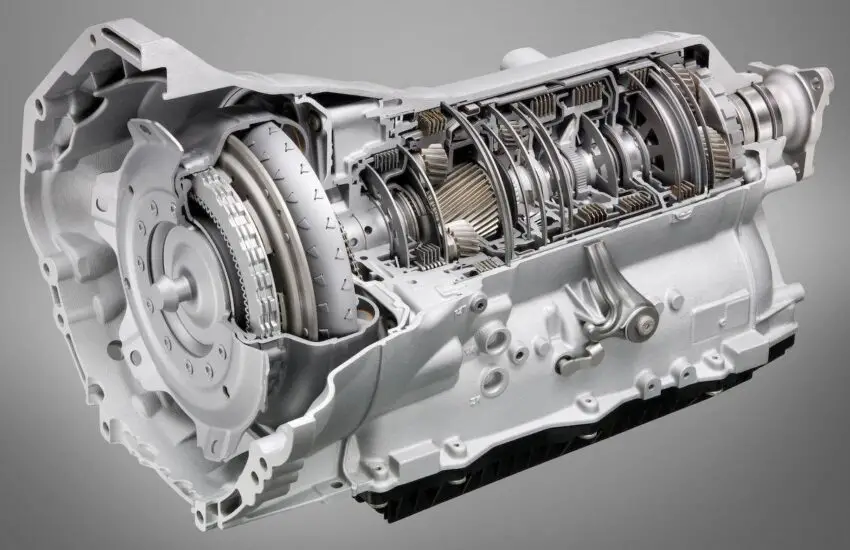
The 6 Common Automatic Transmission Problems, There are two types of transmissions with which vehicles can be built. These are either an automatic transmission or a manual transmission. If you are planning a long car trip out of town to a remote area and suddenly realize that your vehicle’s automatic transmission is not working.
Now, what is your solution for automatic transmission troubleshooting? This kind of situation doesn’t happen suddenly. However, your vehicle starts giving enough warning signals well in advance to detect such failures. For this reason, here is the list of automatic transmission problems.
Some of the Most Common Automatic Transmission Problems
If there is a mechanical problem with your vehicle, it will start making distinct sounds and show a lack of response from your vehicle. Not only that, it will release the unusual smell of burning fuel. In case of an electrical problem, the vehicle’s dashboard might even start indicating!
If you notice anything out of place in your vehicle, you must consider it a sign of a problem.
1. Transmission Fluid Level and Leaks
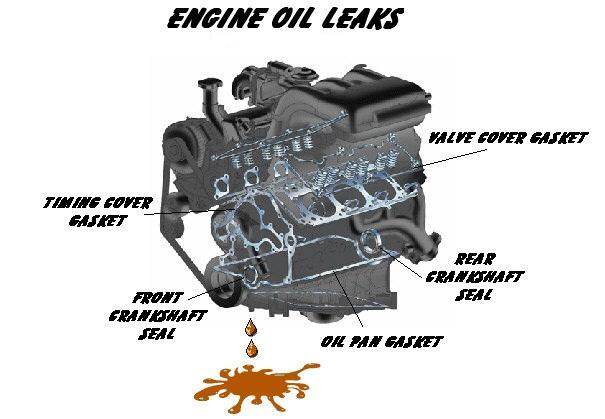
The most common problem is checking for or a leak in the transmission fluid level. If you see red or black fluid in the garage under your vehicle, it could be transmission fluid. Don’t panic and have your vehicle checked immediately. Automatic transmission problems can usually be avoided by timely changing the filter and fluid according to the manufacturer’s specifications.
2. Slipping Transmission
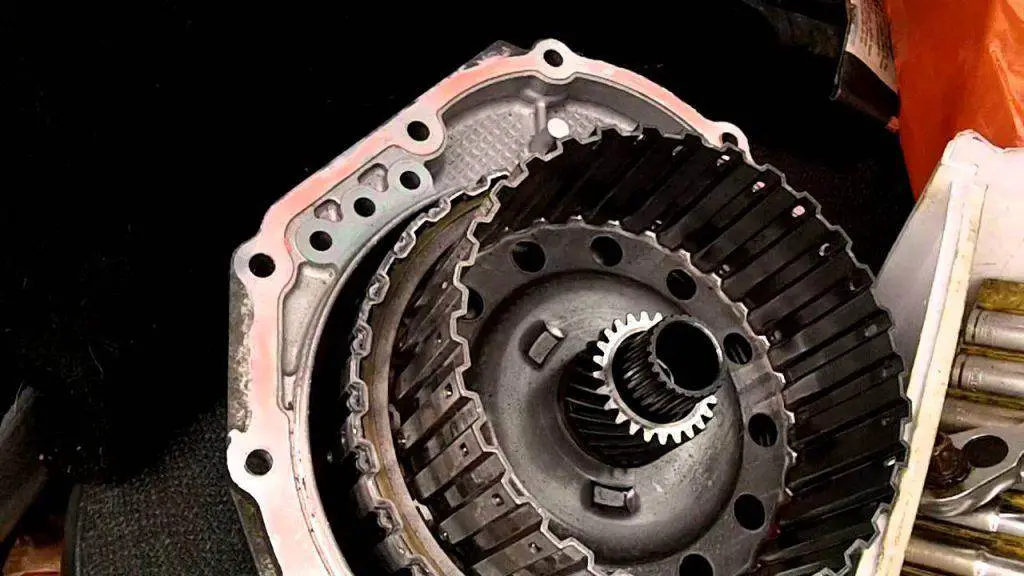
If you are driving in a certain gear and suddenly, the gear automatically shifts to another. An unusual sound from underneath the vehicle also appears. In some cases, your vehicle suddenly starts lacking power.
This could be a sign of wear on your transmission line. As terrifying as it may sound, you must have your vehicle checked immediately.
3. Electrical Component Failure

Imagine that while driving home, you detect damage in the vehicle’s speed sensor or in a fuse. You feel bad, right? Yet, it can get even worse as it could be an electrical component failure.
Of all the automatic transmission problems, this may prevent the electronic circuits from controlling the transmission. You will have a vehicle that cannot function properly. Unfortunately, your vehicle must resolve this issue as soon as possible.
4. Broken Flexplate
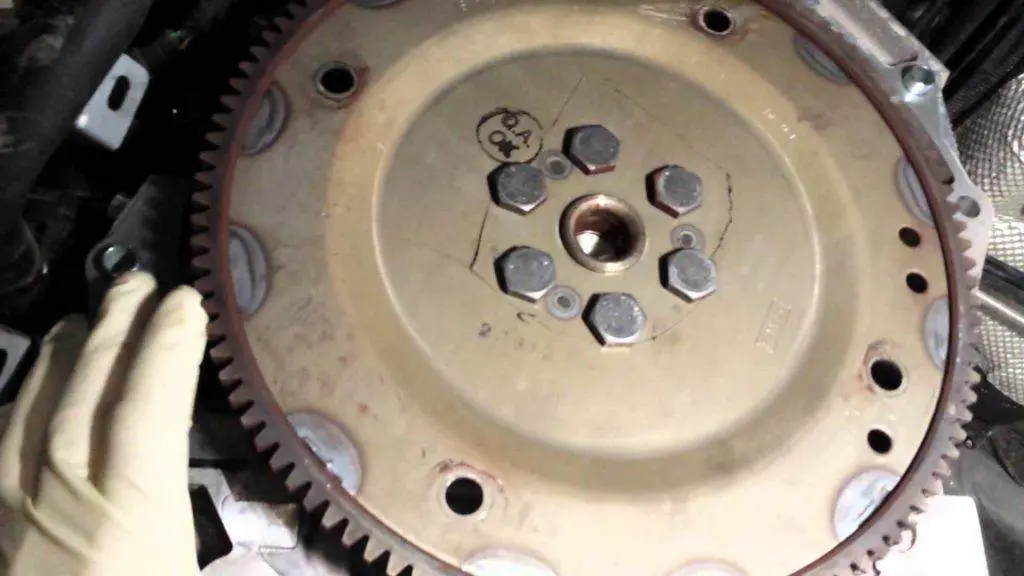
In the list of automatic transmission problems, a broken flexplate is the easiest to spot. You can check the condition of the flexplate just by looking.
A broken or damaged flexplate (also called a flywheel) will not transfer all the engine power to the transmission.
5. Gear Shift Lock
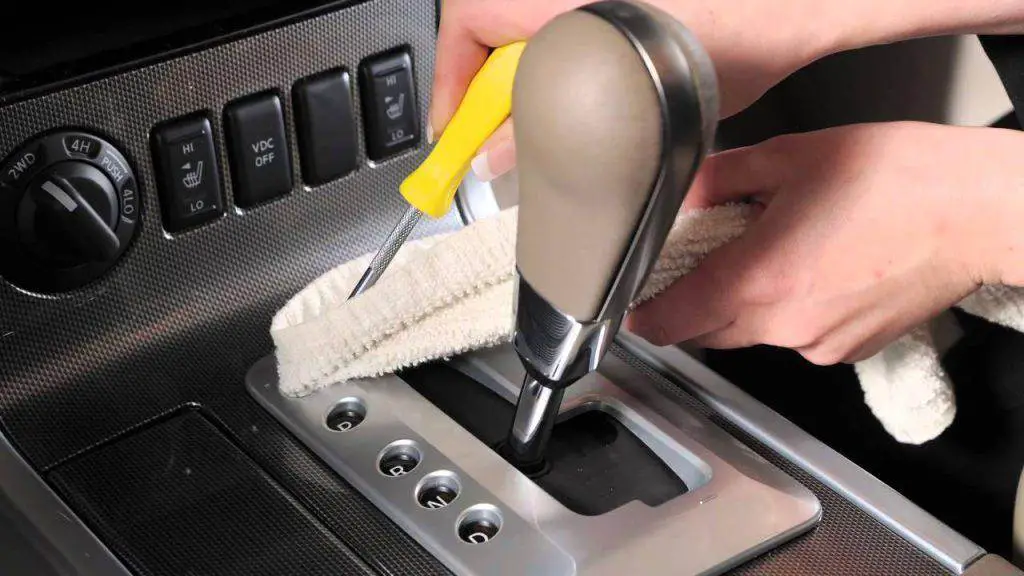
Imagine you can only drive down the street in first gear. Horrible, right? In the list of automatic transmission problems, the gear shift lock is by far the most dangerous. The vehicle shifts into first gear but refuses to shift to another gear. This could be caused by the transmission shift solenoid. It pushes transmission fluid throughout the system and if it’s broken or stuck, it might not transmit enough power while you’re driving. When automatic transmission problems occur, the gear shift lever unlock mechanism might be the best solution. Make sure you know how it works.
6. Transmission Overheating
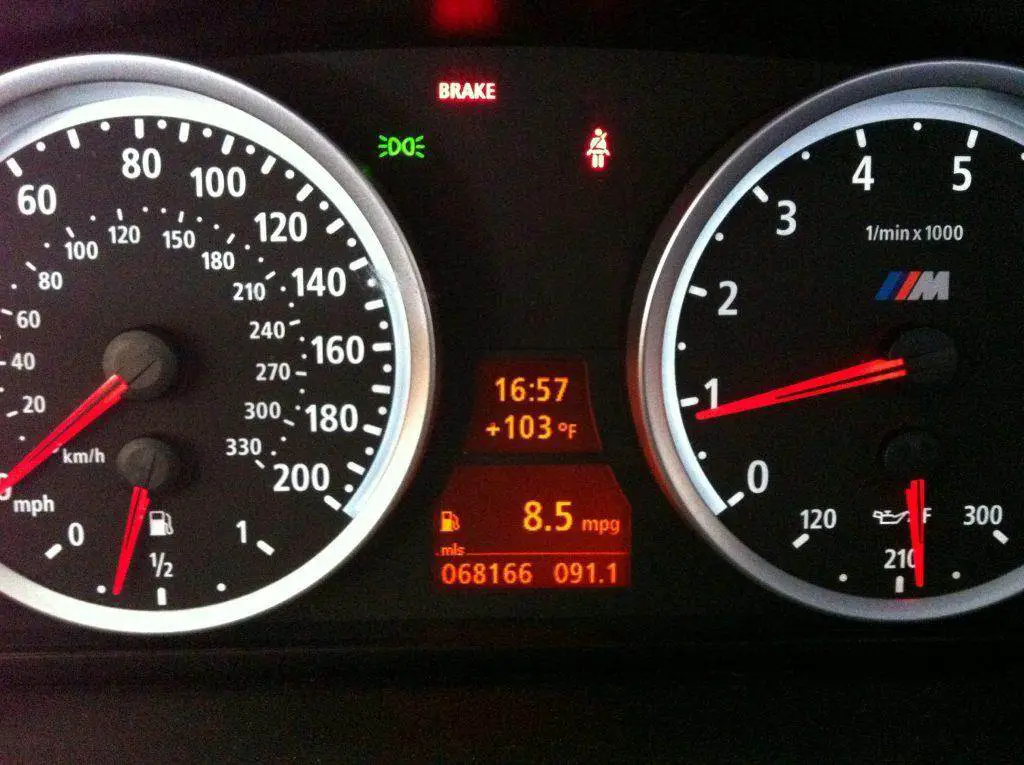
One of the automatic transmission problems that requires a lot of attention is the transmission overheating. Especially, if you own a Toyota car, it is a common issue among Toyota automatic transmission problems,
This usually happens due to burnt, dirty, or non-existent fluids. The driver must replace this fluid immediately to avoid further damage to the vehicle. Whenever you experience such problems with the transmission, you must take your vehicle to professional car mechanics.
Note: A few small notes when driving with an automatic transmission: use only your right foot for the accelerator and brake pedal; Always apply the brake when shifting manually and absolutely do not shift to N while driving.
Furthermore, some models using a limited-slip differential may have a manufacturing defect that causes a rattling noise when steering, and a loss of control in turns. Annoying idle sounds once again indicate that the transmission fluid needs to be changed or could be a sign of more serious mechanical damage. However, most noise is generated because the transmission bearings or gears are worn and need to be replaced.
Final Thoughts
An automatic transmission car is a type of car developed later, with many new improvements to bring the most comprehensive experience to the user. However, besides the remarkable advantages of an automatic transmission, this transmission still has some drawbacks or problems. I hope you find useful knowledge in our article. Feel free to comment any questions in the comment box below!