Voice Command Bug Cuts Headlights, Causes EV Highway Crash

A Fatal Flaw in Voice-Activated Controls

A routine voice command turned into a highway nightmare for a driver in China, exposing a critical safety flaw in modern vehicle software. The incident involved a Lynk & Co Z20 electric SUV, where a simple attempt to turn off an interior reading light via voice control led to the complete and sudden deactivation of the car’s headlights during a high-speed night drive.

How a Simple Command Triggered a System Failure

While driving on a dark highway, the driver issued a voice command intended for the cabin’s interior lighting. The vehicle’s AI assistant catastrophically misinterpreted the instruction, executing a command to shut down all exterior lights instead. This immediate plunge into darkness on an unlit road created a zero-visibility scenario, directly leading to a collision. This event highlights a dangerous disconnect between user intent and system interpretation in increasingly complex automotive software architectures.

The Broader Implications for Automotive Software Safety

This accident moves beyond a simple glitch; it represents a fundamental failure in safety-critical system design. It raises urgent questions about the validation processes for voice-activated functions that can control primary vehicle systems like lighting. The incident underscores the potential for cascading errors when multiple vehicle systems are interconnected through a central digital command hub without adequate fail-safes.

Rethinking Safety Protocols for the Digital Cockpit

In response to this critical vulnerability, a major software update has been deployed. The fix focuses on decoupling safety-critical functions from ambiguous voice commands. Key systems like headlights, braking, and steering are now isolated from broad voice control interpretations. This case serves as a stark reminder to all automakers that as vehicles evolve into software-defined platforms, rigorous, real-world testing of human-machine interaction is non-negotiable for passenger and road-user safety.

Rivian Launches RAD: A New Performance Division for Adventure EVs

Rivian Unveils RAD: A Performance Division for Electric Adventure

Rivian has once again demonstrated its keen understanding of its market and dedicated community. The electric vehicle maker, which began production only a few years ago, has officially launched its own in-house performance division: the Rivian Adventure Department, or RAD. This strategic move signals a new chapter for the brand, focusing on enhancing the capabilities that define its rugged, off-road identity.

The Strategy Behind the RAD Initiative

The creation of RAD is not merely about increasing horsepower. It represents a focused effort to deepen Rivian’s core promise of capability and exploration. By establishing a dedicated performance team, Rivian aims to develop specialized upgrades, optimized software calibrations, and exclusive hardware packages. These enhancements will be designed to push the boundaries of what its R1T pickup and R1S SUV can achieve in demanding environments, from rocky trails to deep sand.

What to Expect from the Rivian Adventure Department

Enthusiasts can anticipate RAD to offer performance-oriented packages that may include upgraded suspension systems for improved articulation and damping, more aggressive tire and wheel combinations, and tuned drive modes for specific terrains. Software updates could unlock advanced features for battery management and torque vectoring, providing even greater control off the paved road. This initiative allows Rivian to cater directly to its most adventurous customers who seek the ultimate electric exploration vehicle, straight from the factory.

Strengthening the Brand’s Adventure Ethos

The launch of RAD solidifies Rivian’s unique position in the EV landscape. While competitors focus on luxury or efficiency, Rivian doubles down on adventure and durability. This performance division will likely serve as an innovation hub, testing and integrating cutting-edge technology that will eventually trickle down to standard models. It’s a clear statement that Rivian is building not just electric vehicles, but purpose-built platforms for an active, outdoor lifestyle.

Underwater Car Loans Hit Record High in the US

The Growing Burden of Negative Equity on Auto Loans

A recent financial study has uncovered a troubling trend for American car owners. Over 25% of those who financed a new vehicle are now in a state of “negative equity” on their current auto loan. This means the amount they still owe to their lender exceeds the actual resale value of their car. This precarious financial position, often called being “upside down” on a loan, is reaching record levels and signals deeper economic pressures on household budgets.

What’s Driving the Negative Equity Crisis?

Several converging factors are responsible for this surge. The primary driver is the rapid depreciation of new vehicles. A car loses a significant portion of its value the moment it leaves the dealership, a decline that continues over the first few years. Compounding this natural depreciation are longer loan terms, now commonly extending to 72, 84, or even 96 months. While these lengthy terms lower monthly payments, they slow the rate at which borrowers build equity. Furthermore, consumers often roll over existing negative equity from a previous trade-in into a new, larger loan, creating a dangerous cycle of debt.

Consequences for Consumers and the Market

The implications of widespread negative equity are significant. For consumers, it severely limits financial flexibility. Selling or trading in the vehicle requires coming up with cash to cover the loan shortfall. In cases of a total loss from an accident or theft, standard insurance may not cover the full loan balance, leaving the owner responsible for the difference. On a broader scale, this trend can dampen the automotive market, as potential buyers feel trapped in their current loans and delay new purchases. It also increases the risk of default, which can impact lenders and the overall stability of consumer credit.

Financial experts advise buyers to make larger down payments, opt for shorter loan terms when possible, and thoroughly research a vehicle’s projected depreciation before signing a financing agreement. Understanding the total cost of ownership, beyond the monthly payment, is crucial to avoiding this expensive financial trap.

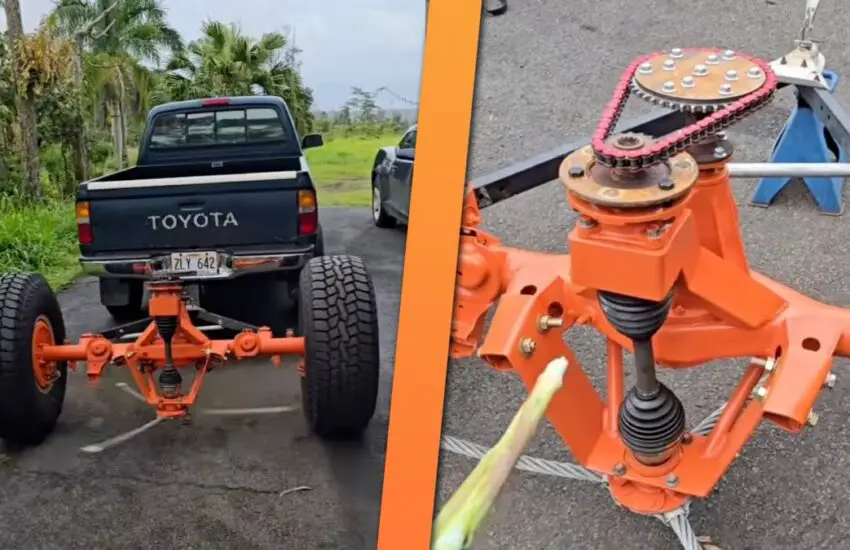
The Ultimate DIY Brush Cutter: Gear Reduction for Total Yard Domination

When Off-the-Shelf Solutions Aren’t Enough

In the world of yard maintenance, standard equipment often meets its match. Thick overgrowth, stubborn saplings, and wild terrain can render typical consumer tools ineffective. This is where ingenuity takes over. The story of one determined builder showcases how a custom-engineered solution, centered around extreme gear reduction, can create the ultimate brush-clearing machine.

Harnessing the Power of Gear Reduction

The core innovation of this formidable DIY build is its dramatic use of gear reduction. By significantly slowing down the output speed of a powerful motor, the builder achieves an immense increase in torque. This transformed force is then delivered to a heavy-duty cutting blade. Unlike high-speed trimmers that can snap or bog down, this low-speed, high-torque system plows through dense vegetation with relentless authority. It’s a brute-force approach that prioritizes unstoppable power over rapid cuts.

Engineering a Homemade Terrain Monster

Constructed from robust, repurposed components, this machine is built to conquer. Its frame is designed for stability over uneven ground, making it a true all-terrain vehicle for land clearing. The integration of the gear reduction system required careful fabrication to handle the tremendous stresses involved. The result is a unique, one-of-a-kind tool that reflects a deep understanding of mechanical principles and a refusal to be defeated by nature’s chaos.

The Spirit of Hands-On Problem Solving

Projects like this go beyond simple yard work; they celebrate self-reliance and creative engineering. The builder’s journey from concept to a roaring, functional machine embodies the DIY ethos. It proves that with technical skill and determination, you can forge a tool perfectly tailored to a specific, challenging need. This homemade brush cutter stands as a testament to the power of building your own solutions.

OBD2 Code P1506: Idle Air Control System Malfunction Explained

Understanding the P1506 Diagnostic Trouble Code

The OBD2 trouble code P1506 is a generic powertrain code that indicates a malfunction within the vehicle’s Idle Air Control (IAC) System. This system is a critical component of the engine management system, responsible for maintaining a stable and correct engine idle speed under varying conditions such as cold starts, accessory load (A/C, power steering), and engine temperature changes. When the Powertrain Control Module (PCM) detects that the actual idle speed deviates significantly from its programmed target speed for a sustained period, or if it cannot properly command the IAC valve, it will log code P1506 and typically illuminate the Check Engine Light.

What is the Idle Air Control (IAC) System?

The IAC system provides a controlled air bypass around the closed throttle plate. It consists of an electrically operated valve—the IAC valve—controlled by the PCM. By extending or retracting a pintle, the valve opens or closes an air passage, allowing precise amounts of air to enter the intake manifold, thereby controlling engine idle speed independently of the driver’s throttle input.

How the PCM Detects a P1506 Fault

The PCM continuously monitors engine speed (RPM). It has a pre-programmed “desired idle speed” map based on coolant temperature, electrical load, and other factors. If the actual RPM remains too high or too low compared to this target for a specific duration, and the PCM’s adjustments via the IAC valve commands are ineffective, it determines a system malfunction and sets code P1506. It may also detect faults in the IAC valve’s control circuit, such as open or shorted conditions.

Symptoms and Common Causes of Code P1506

Ignoring a P1506 code can lead to poor drivability, increased fuel consumption, and potential stalling in dangerous situations. Recognizing the symptoms is the first step in diagnosis.

Primary Symptoms of a P1506 Code

  • Erratic or High Idle Speed: The engine may idle consistently too high (e.g., 1500-2000 RPM) or surge up and down.
  • Low Idle or Stalling: The engine may idle very roughly, dip excessively, or stall completely when coming to a stop or at startup.
  • Illuminated Check Engine Light: The MIL is always on with a stored P1506 code.
  • Poor Cold Start Performance: Difficulty starting or maintaining idle when the engine is cold.
  • Idle Doesn’t Drop with Accessories: Idle speed doesn’t increase when the A/C is turned on, potentially causing the engine to stall.

Most Frequent Causes of P1506

  • Faulty Idle Air Control (IAC) Valve: The most common cause. The valve can become clogged with carbon deposits, its internal motor can fail, or the mechanical pintle can stick.
  • Vacuum Leaks: Unmetered air entering the intake manifold post-throttle body can fool the PCM, making IAC corrections ineffective.
  • Electrical Issues: Problems in the IAC valve circuit, including damaged wiring, poor connections, corroded terminals, or a blown fuse.
  • Dirty or Faulty Throttle Body: Heavy carbon buildup around the throttle plate and IAC air passages can restrict airflow and cause the valve to stick.
  • Failed Powertrain Control Module (PCM): Rare, but a malfunctioning PCM that cannot properly control the IAC valve can set this code.

Step-by-Step Diagnostic and Repair Procedure

A systematic approach is essential to correctly diagnose a P1506 code. Avoid the common mistake of replacing the IAC valve immediately without proper testing, as the root cause may be elsewhere.

Step 1: Preliminary Checks and Visual Inspection

Begin with a thorough visual inspection. Check for any obvious vacuum leaks by listening for hissing sounds and inspecting all vacuum hoses, intake manifold gaskets, and the PCV system. Examine the wiring harness and connector to the IAC valve for damage, corrosion, or loose pins. Use your scan tool to check for any other codes that may point to a related issue (e.g., mass airflow sensor codes).

Step 2: Testing the Idle Air Control Valve

First, test the valve electrically. Disconnect the IAC valve connector and measure its resistance across the terminals with a multimeter. Consult the vehicle’s service manual for specifications (typically between 7-15 ohms). An infinite reading indicates an open coil, while a very low reading indicates a short. Next, perform a functional test. With the engine off, you can often command the IAC valve open and closed using a bidirectional scan tool, listening for a clicking sound and observing pintle movement.

Step 3: Checking the IAC Valve Circuit and Power

If the valve tests good, the problem may be in the wiring or PCM driver. With the connector disconnected and the ignition key ON (engine off), use a multimeter to check for reference voltage (usually 12V) at the appropriate pin in the harness connector. Also, check for continuity in the wires back to the PCM. A wiring diagram is crucial for this step.

Step 4: Cleaning and Reassembly

If the IAC valve is only dirty, careful cleaning can resolve the issue. Remove the valve (consult manual for torque specs) and use a throttle body cleaner specifically designed for this purpose—**never use carburetor cleaner**, as it can damage internal seals. Clean the valve’s pintle and the air passages in the throttle body. Ensure all carbon is removed and the pintle moves freely.

Step 5: Clearing the Code and Final Verification

After repairs (cleaning, wiring repair, or valve replacement), clear the P1506 code with your scan tool. Start the engine and allow it to reach normal operating temperature. The idle should stabilize at the correct RPM. Perform a test drive, paying special attention to idle behavior during stops, with the A/C on and off. Use the scan tool to monitor live data, specifically “Desired Idle RPM” vs. “Actual RPM” and IAC valve position counts to verify the system is responding correctly.

Professional Insights and Cost Considerations

While a P1506 diagnosis can be a DIY project for experienced enthusiasts, understanding the professional context and costs is valuable for all vehicle owners.

Repair Cost Breakdown

Costs vary widely by vehicle make and labor rates. A new IAC valve typically ranges from **$50 to $250** for the part alone. Labor for diagnosis and replacement can add **$75 to $150**. If the issue is a vacuum leak or wiring problem, costs may be lower but require more diagnostic time. Cleaning the IAC valve and throttle body is the most cost-effective solution if it addresses the fault.

When to Seek Professional Help

If you lack advanced diagnostic tools (bidirectional scan tool, multimeter, access to wiring diagrams) or are uncomfortable testing electrical circuits, seeking a professional mechanic is advisable. Misdiagnosis can lead to unnecessary parts replacement. A professional technician can also perform a smoke test to pinpoint elusive vacuum leaks that are difficult to find visually.

In summary, code P1506 points directly to the engine’s idle speed control system. A methodical diagnosis focusing on the IAC valve itself, its electrical circuit, and the integrity of the intake air system will reliably lead to the correct repair, restoring smooth and stable engine idle operation.


Understanding and Fixing Volkswagen OBD2 Code P1505: Idle Air Control System Malfunction

What is Volkswagen OBD2 Code P1505?

OBD2 diagnostic trouble code P1505 is a manufacturer-specific code primarily associated with Volkswagen, Audi, and other VAG group vehicles. Its generic definition is “Idle Air Control System Malfunction.” This code indicates that the vehicle’s Engine Control Unit (ECU) has detected an irregularity in the system responsible for managing and stabilizing the engine’s idle speed. Unlike a simple sensor code, P1505 points to a broader system failure, meaning the ECU cannot properly control the amount of air bypassing the throttle plate when the accelerator is not pressed. A stable idle is critical for emissions, fuel economy, and overall drivability, making this a code that should not be ignored.

Common Symptoms of a P1505 Code in Your Volkswagen

When the idle air control system fails, the symptoms are directly related to the engine’s inability to maintain a proper air-fuel mixture at low RPMs. Drivers often notice these issues, especially when the engine is cold or under electrical load (like when using air conditioning or power steering).

Primary Symptoms You Will Notice

  • Erratic or Fluctuating Idle Speed: The RPM needle may surge up and down between 500 and 1500 RPM while stopped.
  • Engine Stalling: The engine may stall when coming to a stop, when the clutch is depressed (manual), or when shifting into gear (automatic).
  • High or Low Idle: The engine may idle consistently too high (e.g., 1200 RPM) or too low (e.g., 500 RPM with noticeable vibration).
  • Illuminated Check Engine Light (CEL): The CEL is always on with a stored P1505 code. In some cases, the vehicle may also go into a “limp mode” or fail an emissions test.

Secondary and Intermittent Symptoms

  • Rough idle, particularly when the A/C compressor cycles on.
  • Difficulty starting, especially on cold mornings, as the system cannot provide the necessary “fast idle.”
  • Poor fuel economy due to incorrect air-fuel ratio at idle.

Root Causes and Diagnosis of P1505

Diagnosing P1505 requires a systematic approach, as the code signifies a system fault, not a failed component. The issue could be mechanical, electrical, or a problem with the ECU’s control logic. Always start with a visual inspection and the simplest, most common causes before moving to complex components.

Step 1: Visual and Basic Mechanical Inspection

Begin by checking for obvious issues that affect airflow into the engine.

  • Vacuum Leaks: Inspect all vacuum hoses, intake boot, and gaskets (especially the throttle body and intake manifold gaskets) for cracks, disconnections, or brittleness. A vacuum leak introduces unmetered air, confusing the IAC system.
  • Dirty Throttle Body & IAC Valve Passage: Carbon buildup can restrict or block the small air bypass channel controlled by the IAC valve, preventing proper operation.
  • Faulty PCV System: A stuck-open Positive Crankcase Ventilation valve can create a large vacuum leak.

Step 2: Electrical Circuit Diagnosis

If no leaks are found, the next step is to test the electrical integrity of the IAC system.

  • IAC Valve Connector & Wiring: Check the wiring harness to the IAC valve for damage, corrosion, or loose pins. Look for chafed wires or poor connections.
  • Power and Ground Test: Using a multimeter, verify that the IAC valve is receiving proper voltage (typically 12V on one pin) and has a good ground.
  • Resistance Test: Unplug the IAC valve (a 2 or 3-pin connector). Measure the resistance across its terminals. Consult a service manual for your specific VW model, but typical values range from 7 to 15 ohms. A reading of infinite (open) or zero (short) indicates a failed valve.

Step 3: Advanced Diagnostics and Component Testing

If electrical checks pass, deeper investigation is needed.

  • IAC Valve Actuation Test: With a bidirectional OBD2 scanner, you can often command the IAC valve to open or closed positions. Listen for a distinct clicking sound from the valve. No sound suggests a stuck or dead valve.
  • Throttle Body Adaptation: On many modern VWs, the ECU “learns” the throttle body’s resting position. If the battery was disconnected or the throttle body was cleaned/replaced, this adaptation may be lost. Use a capable scanner to perform a “Throttle Body Alignment” or “Basic Settings” procedure.
  • ECU Software/Flash: In rare cases, a software glitch in the ECU can cause this code. A dealership or specialist may reflash the ECU with the latest software.

Repair Solutions and Cost Estimation

The repair path depends entirely on the root cause identified during diagnosis. Here are the most common fixes, listed from least to most expensive.

Common Fixes for P1505

  • Clean the Throttle Body and IAC Passages: This is often the first and most effective step. Remove the throttle body, clean it thoroughly with a dedicated throttle body cleaner (not brake cleaner), and ensure the small IAC air channel is clear. Cost: $20 (DIY) to $150 (shop).
  • Replace Vacuum Hoses/Intake Boot: Fixing a vacuum leak is crucial. Replace any damaged hoses or the intake air boot. Cost: $30 – $150 (parts).
  • Replace the Idle Air Control Valve: If the valve fails electrical or actuation tests, replacement is necessary. On some VW models, the IAC valve is integrated into the throttle body assembly. Cost: $100 – $400 (part only).

Complex and Costly Repairs

  • Replace the Entire Throttle Body Assembly: For models with an integrated IAC motor or if the throttle position sensor is also faulty. This often requires a software adaptation. Cost: $300 – $800+ (parts and labor).
  • Repair Wiring Harness or ECU: Damaged wiring requires splicing or harness section replacement. A faulty ECU is the least common but most expensive cause. Cost: $500 – $2000+.

Professional Note: After any repair—especially cleaning the throttle body, replacing the IAC valve, or replacing the throttle body—you must perform a throttle body adaptation procedure using a professional OBD2 scanner. Simply clearing the code may not be sufficient, and the idle problem may persist or return immediately.

Understanding and Fixing Subaru P1505: Idle Air Control Valve Malfunction

What is Subaru OBD2 Code P1505?

When your Subaru’s check engine light illuminates and a scan tool reveals the diagnostic trouble code (DTC) P1505, it points directly to a fault in the engine’s idle speed control system. Specifically, P1505 is defined as “Idle Air Control Valve Malfunction.” This code is manufacturer-specific to Subaru (and some Suzuki vehicles), meaning its parameters are set by Subaru engineers. The Idle Air Control (IAC) valve is a critical component managed by the Engine Control Module (ECM). Its primary function is to regulate the engine’s idle speed by allowing a metered amount of air to bypass the closed throttle plate, ensuring a smooth and stable idle under various conditions such as cold starts, accessory load (A/C, power steering), and engine warm-up. A malfunction triggers the P1505 code, alerting the driver to a problem that can affect drivability and emissions.

Symptoms and Causes of a P1505 Code in Your Subaru

Ignoring a P1505 code can lead to worsening drivability issues and potential stalling, which is a safety hazard. Recognizing the symptoms early is key to a simpler repair.

Common Symptoms of P1505

  • Erratic or Unstable Idle: The RPM needle may fluctuate wildly, surging up and down without driver input.
  • Stalling: The engine may stall when coming to a stop, when the A/C compressor kicks on, or during deceleration.
  • Rough Idle: The engine may shake or vibrate excessively while at a stop.
  • High or Low Idle Speed: The idle may be persistently too high (e.g., 1500 RPM) or too low (e.g., 500 RPM and dipping).
  • Illuminated Check Engine Light (CEL): The CEL is always on with a stored P1505 code. In some cases, the vehicle may also go into a “limp mode,” limiting power.
  • Hard Starting: Difficulty starting, especially when the engine is cold, due to incorrect air/fuel mixture at startup.

Primary Causes of P1505

  • Faulty Idle Air Control (IAC) Valve: The most direct cause. The valve’s internal stepper motor can fail, or the valve can become mechanically stuck.
  • Clogged or Dirty IAC Valve and Passages: Carbon and oil vapors from the PCV system can build up over time, gumming up the valve pintle and the air bypass passages in the throttle body, preventing proper movement.
  • Electrical Issues: Problems in the wiring harness connecting the IAC valve to the ECM. This includes broken wires, corroded connectors, loose terminals, or damaged insulation causing a short or open circuit.
  • Failed IAC Valve Connector: The plastic connector itself can crack or have loose pins.
  • Throttle Body Issues: Excessive carbon buildup on the throttle plate or bore can disrupt airflow, confusing the ECM’s idle control strategy.
  • Vacuum Leaks (Less Common, but Possible): A significant unmetered air leak downstream of the Mass Air Flow (MAF) sensor can cause idle instability that the IAC valve cannot compensate for, sometimes setting a P1505 alongside lean codes.

Step-by-Step Diagnostic and Repair Guide for P1505

Diagnosing P1505 requires a methodical approach, starting with the simplest checks. You will need a basic set of hand tools, a digital multimeter (DMM), and an OBD2 scan tool capable of reading live data.

Step 1: Preliminary Checks and Visual Inspection

Begin by clearing the code with your scan tool and taking the vehicle for a test drive to see if it returns immediately. Perform a thorough visual inspection:

  • Locate the IAC valve (typically attached to the throttle body).
  • Inspect the wiring harness and connector for obvious damage, corrosion, or loose connections. Gently wiggle the connector with the engine running to see if the idle changes.
  • Check for any audible vacuum leaks (hissing sound) around the intake manifold and throttle body hoses.

Step 2: Testing the Idle Air Control Valve

With the engine off and the key out, disconnect the electrical connector from the IAC valve. Using your digital multimeter set to resistance (Ohms Ω), measure the resistance between the two terminals on the valve itself. Consult a Subaru service manual for exact specifications, but typical resistance for a working IAC valve stepper motor is between 20-80 Ohms. A reading of infinite resistance (open circuit) or zero Ohms (short circuit) indicates a faulty valve. You can also apply 12 volts briefly to the terminals (observing polarity) to see if the valve pintle extends or retracts; this should be done cautiously.

Step 3: Cleaning the IAC Valve and Throttle Body

Often, a simple cleaning resolves P1505. Remove the IAC valve from the throttle body according to your vehicle’s service manual. Use a dedicated throttle body and intake cleaner (non-chlorinated). Spray the cleaner on the valve pintle and the spring, gently working the pintle in and out to free it. Do not use excessive force. Clean the mating surface on the throttle body and the air bypass passages thoroughly. Also, clean the throttle plate and bore. Allow all components to dry completely before reassembly.

Step 4: Electrical Circuit Diagnosis

If the valve tests fine, the problem is in the wiring or ECM. With the IAC connector disconnected and the ignition ON (engine off), use your multimeter to check for power and ground at the harness connector. One pin should show battery voltage (approx. 12V), and another should show a good ground. Using a wiring diagram, you can also perform a continuity test from the ECM pins to the IAC connector pins to check for breaks in the wires.

Step 5: Replacement and Final Steps

If all tests point to a failed IAC valve, replacement is necessary. Use a high-quality OEM or reputable aftermarket part. After installing the new valve and reassembling everything, clear the P1505 code. Start the engine and allow it to reach normal operating temperature. The ECM may need to perform an idle relearn procedure. This often involves idling the car for 10-15 minutes, then driving it through a specific cycle (e.g., steady highway cruise, deceleration). Consult your repair manual for the exact idle relearn process for your Subaru model, as it can vary.

Prevention and Professional Advice

Preventing a recurrence of P1505 involves regular maintenance. Using high-quality engine oil and changing it at recommended intervals minimizes oil vapor entering the intake via the PCV system, reducing carbon buildup. Periodically inspecting and cleaning the throttle body and IAC valve (every 60,000-90,000 miles) as part of a major service can prevent issues.

When to Seek a Professional Mechanic

If you are not comfortable with electrical diagnostics, if the problem persists after cleaning and visual inspection, or if you suspect a deeper issue like a faulty ECM, it is time to consult a professional Subaru technician. They have access to advanced factory scan tools and wiring diagrams to pinpoint the fault efficiently, saving you time and potential misdiagnosis. Addressing a P1505 code promptly restores your Subaru’s smooth idle and reliable operation, ensuring both performance and safety.

OBD2 Code P1505 MINI: Idle Air Control Valve Malfunction Explained

Understanding the P1505 Code in Your MINI

The OBD2 diagnostic trouble code P1505 is a manufacturer-specific code primarily associated with BMW and MINI vehicles. In simple terms, it indicates a fault within the idle speed control system. More specifically, the vehicle’s Engine Control Module (ECM) or Digital Motor Electronics (DME) has detected an implausible signal, a performance issue, or a circuit malfunction related to the Idle Air Control (IAC) Valve Actuator. This critical component is responsible for managing engine idle speed by bypassing a precise amount of air around the closed throttle plate, compensating for engine load from accessories like the A/C compressor and ensuring smooth operation when the vehicle is stationary. When P1505 appears, it signifies that this precise control has been lost, leading to noticeable drivability problems.

What is the Idle Air Control (IAC) Valve?

The IAC valve, sometimes called an idle speed control valve or auxiliary air valve, is an electrically operated actuator controlled by the ECM/DME. It is typically mounted on or near the throttle body. Its core function is to regulate engine idle speed independently of the throttle pedal. By extending or retracting a pintle, it opens or closes an air bypass passage, allowing the ECM to maintain a target idle RPM regardless of engine load or temperature.

Common Symptoms of a P1505 Code in MINI Cooper

Ignoring a P1505 code can lead to worsening performance and potential stalling in dangerous situations. Drivers typically report one or more of the following symptoms, which may be intermittent at first:

  • Erratic or Rough Idle: The engine RPM may surge up and down (hunt) or feel lumpy and unstable when stopped.
  • Stalling: The engine may stall when coming to a stop, when the A/C cycles on, or when the transmission is shifted into gear.
  • High or Low Idle Speed: The idle may be consistently too high (e.g., 1200+ RPM) or too low (near stalling), even when the engine is fully warmed up.
  • Illuminated Check Engine Light (CEL): The P1505 code will trigger the MIL. In some cases, the vehicle may also go into a “limp-home” mode, limiting power and RPM.
  • Hard Starting: Difficulty starting, especially when cold, as the IAC valve cannot set the correct air intake for startup.

Primary Causes of the P1505 Fault

The root cause of P1505 can be electrical, mechanical, or related to air intake integrity. A systematic diagnosis is key.

  • Faulty Idle Air Control Valve: The most direct cause. The valve’s internal motor can fail, the pintle can become carbon-clogged and stick, or the internal gears can wear out.
  • Electrical Circuit Issues: Problems in the wiring harness connecting the IAC valve to the ECM. This includes broken wires, corroded connectors, poor contacts, or short circuits.
  • Vacuum Leaks: Unmetered air entering the intake manifold after the Mass Air Flow (MAF) sensor can confuse the ECM, making the IAC valve’s corrections appear faulty. Common leak points are cracked vacuum hoses, intake boot tears, or a faulty brake booster.
  • Throttle Body Issues: Excessive carbon buildup on the throttle plate or bore can disrupt airflow, interfering with the IAC’s function. A faulty Throttle Position Sensor (TPS) can also send incorrect data to the ECM.
  • Faulty Engine Control Module (ECM/DME): While rare, a malfunctioning control unit itself can be the source of the implausible signal code.

Step-by-Step Diagnostic Procedure for P1505

Before replacing any parts, follow this logical diagnostic sequence. You will need a professional OBD2 scanner capable of reading live data and a digital multimeter.

Step 1: Scan, Clear, and Verify

Use your scanner to confirm the presence of P1505. Record any other codes (like vacuum leak codes P0171/P0174). Clear the code and perform a test drive. If the code returns immediately or after a specific driving condition, the fault is active. If it takes a long time to return, the fault may be intermittent.

Step 2: Visual Inspection and Vacuum Leak Check

Perform a thorough visual inspection of the engine bay.

  • Check all vacuum lines, especially the large intake boot between the MAF sensor and throttle body, for cracks, tears, or loose connections.
  • Inspect the electrical connector at the IAC valve for corrosion, bent pins, or damage.
  • Listen for a distinct hissing sound indicative of a vacuum leak while the engine is idling roughly.

Step 3: Live Data and Functional Test

With the engine at operating temperature and idling, monitor live data on your scanner. Key parameters include:

  • Engine RPM: Check for stability.
  • IAC Valve Command/Duty Cycle: Observe the ECM’s commanded position. An extremely high or low command while idle is off may indicate the ECM is compensating for a mechanical issue (like a vacuum leak).
  • MAF Sensor Readings: Should be stable at idle.

Command the IAC valve open and closed using your scanner’s bidirectional controls if available. You should hear a distinct clicking or humming from the valve.

Step 4: Electrical Testing

If the valve doesn’t respond, disconnect its electrical connector. With the key in the ON position (engine off), use a multimeter to check for:

  • Power Supply: One pin should show battery voltage (~12V).
  • Ground Circuit: Check for a good ground.
  • Resistance: Measure resistance across the IAC valve terminals. Consult a repair manual for your specific MINI model (e.g., R50, R53) for the exact specification. An open circuit (infinite resistance) or a short (zero resistance) indicates a failed valve.

Repair Solutions and Replacement Guide

Based on your diagnosis, proceed with the appropriate repair. For the IAC valve itself, replacement is typically the solution.

Cleaning vs. Replacing the IAC Valve

If the valve is only mildly clogged with carbon, careful cleaning with a dedicated throttle body and intake cleaner may restore function. Spray cleaner on the pintle and moving parts, wiping away debris. Never force the pintle in or out. However, due to internal electrical motor wear, cleaning is often a temporary fix, and replacement is more reliable.

IAC Valve Replacement Procedure (General Overview)

Note: This is a general guide. Always consult a vehicle-specific repair manual.

  • Disconnect the negative battery cable.
  • Locate the IAC valve on the throttle body or intake manifold.
  • Disconnect the electrical connector.
  • Remove the two or three mounting bolts/screws.
  • Gently pull the valve from its seat. A new gasket or O-ring is usually required.
  • Install the new valve with the new seal, tighten bolts to specification, and reconnect the electrical connector.
  • Reconnect the battery. On many MINIs, an ECM/DME adaptation reset or throttle body adaptation is required using a professional scanner. This “teaches” the ECM the new valve’s parameters. Without this step, idle problems may persist.

Post-Repair Verification

After replacement and any necessary adaptations, clear all fault codes. Start the engine and allow it to reach normal operating temperature. Verify that the idle is smooth and stable. Test drive the vehicle, paying attention to stops and starts. Use your scanner to confirm no codes return and that live data for idle control appears normal.

OBD2 Code P1505 Mercury: Idle Air Control System Malfunction Explained

Understanding the Mercury P1505 Diagnostic Trouble Code

The OBD2 diagnostic trouble code P1505 is a manufacturer-specific code for Ford Motor Company vehicles, which includes the Mercury brand. This code directly translates to “Idle Air Control (IAC) System Malfunction”. It is a critical code that indicates the vehicle’s Powertrain Control Module (PCM) has detected an irregularity in the circuit or performance of the Idle Air Control system. This system is solely responsible for managing and stabilizing the engine’s idle speed under various conditions, such as when the A/C compressor engages, when electrical loads are high, or when the engine is cold. When P1505 appears, it signifies that the PCM cannot properly control the engine’s idle speed, leading to noticeable drivability issues.

What is the Idle Air Control (IAC) System?

The Idle Air Control system is a vital component of your Mercury’s engine management. It consists of an electrically operated valve, the IAC valve, and its associated wiring. The valve is typically mounted on the throttle body. Its primary function is to bypass a controlled amount of air around the closed throttle plate to regulate idle speed. The PCM constantly monitors engine conditions and sends commands to the IAC valve, instructing it to open or close a small plunger, thereby adjusting the air intake and maintaining a smooth, consistent idle.

How the PCM Detects a P1505 Fault

The PCM uses pre-programmed parameters to monitor the IAC valve’s operation. It checks for expected changes in idle speed when it commands the valve to move. If the actual engine speed (RPM) does not match the predicted speed after a command is sent, or if there is an electrical fault in the IAC circuit (such as an open, short, or erratic signal), the PCM will log the P1505 code after failing a specific number of drive cycles. It will then illuminate the Check Engine Light to alert the driver.

Symptoms and Common Causes of P1505 in Mercury Vehicles

Ignoring a P1505 code can lead to worsening performance and potential stalling in dangerous situations. Recognizing the symptoms is the first step in diagnosis.

Primary Symptoms of a P1505 Code

  • Erratic or Fluctuating Idle: The engine RPM may surge up and down while stopped.
  • Stalling: The engine may stall when coming to a stop, when the A/C turns on, or when shifting into gear (Drive/Reverse).
  • High or Low Idle Speed: Idle may be consistently too high (e.g., 1500 RPM) or too low, causing vibration.
  • Illuminated Check Engine Light: The MIL is on steady, indicating an active fault.
  • Hard Starting: Difficulty starting, especially when the engine is cold, due to incorrect air/fuel mixture at startup.

Root Causes of the P1505 Malfunction

The P1505 code points to a system failure, which can originate from several sources. A systematic approach is required to pinpoint the exact cause.

  • Faulty Idle Air Control (IAC) Valve: The most common cause. The valve can become clogged with carbon deposits, its internal motor can fail, or the plunger can stick.
  • Carbon Buildup in Throttle Body: Heavy carbon deposits around the throttle plate and IAC bypass ports can restrict airflow, preventing the IAC valve from functioning correctly.
  • Electrical Issues: Damaged, corroded, or loose wiring harness connectors to the IAC valve. Broken wires, poor grounds, or a blown fuse in the IAC circuit.
  • Vacuum Leaks: Unmetered air entering the intake manifold after the Mass Air Flow (MAF) sensor can confuse the PCM and mimic an IAC fault.
  • Faulty Powertrain Control Module (PCM): Rare, but a malfunctioning PCM that cannot send proper signals to the IAC valve can trigger this code.

Step-by-Step Diagnosis and Repair for Code P1505

Proper diagnosis saves time and money. Always start with a visual inspection and the simplest solutions before replacing components.

Step 1: Preliminary Checks and Visual Inspection

Begin by checking for other stored codes. A vacuum leak code (e.g., P0171, P0174) may be related. Perform a thorough visual inspection:

  • Inspect the IAC valve electrical connector for corrosion, bent pins, or looseness.
  • Check the wiring harness from the connector back to the PCM for any chafing or damage.
  • Verify all engine vacuum lines are connected and intact.
  • Listen for audible hissing sounds around the intake manifold and throttle body that indicate a vacuum leak.

Step 2: Testing the IAC Valve and Circuit

With the engine off, disconnect the IAC valve connector. Use a digital multimeter (DMM) to perform these tests:

  • Resistance Test: Measure the resistance across the two terminals of the IAC valve itself. Consult your Mercury service manual for specifications (typically between 7-13 ohms). An infinite reading indicates an open coil; a very low reading indicates a short.
  • Voltage Test: With the connector plugged in and the ignition key in the “ON” position (engine off), back-probe the connector terminals. You should read approximately 10.5 to 12.5 volts on one wire (power supply from the PCM).
  • Actuation Test: Some advanced scan tools can command the IAC valve to move. You should hear a distinct clicking sound from the valve as it cycles.

Step 3: Cleaning and Replacement Procedures

If electrical tests are good, the issue is likely mechanical.

  • Cleaning the Throttle Body and IAC Valve: Remove the IAC valve (usually two bolts). Use a throttle body cleaner and a soft brush to clean the valve’s pintle and the mating passages in the throttle body. Never immerse the valve in cleaner. Clean the throttle plate and bore.
  • IAC Valve Replacement: If cleaning doesn’t resolve the issue, replacement is necessary. Use a high-quality OEM or reputable aftermarket part. After installation, many vehicles require an Idle Relearn Procedure. This involves starting the engine, allowing it to reach operating temperature, and letting it idle with all accessories off for several minutes so the PCM can recalibrate.

Preventative Maintenance and Final Thoughts

Addressing a P1505 code promptly is essential for safety and engine longevity. A malfunctioning IAC system puts extra strain on the engine and can affect emissions.

How to Prevent Future IAC System Issues

  • Follow the manufacturer’s recommended service intervals for air filter replacement. A dirty air filter can lead to increased carbon buildup.
  • Use Top Tier fuel and consider periodic fuel system cleaner treatments to minimize carbon deposits.
  • Include throttle body inspection and cleaning as part of a major tune-up (e.g., every 60,000-100,000 miles).
  • Address any other engine performance issues immediately, as they can affect the IAC system’s operation.

Conclusion: Is P1505 a Serious Code?

Yes, the P1505 code is considered serious from a drivability and safety standpoint. While it may not cause immediate catastrophic engine damage, the symptoms—especially stalling—can create hazardous driving conditions. The repair is generally straightforward for a DIY enthusiast with basic mechanical skills and tools, often requiring only cleaning or a single component replacement. However, if diagnosis points to wiring issues or a faulty PCM, seeking professional automotive electrical expertise is highly recommended. Clearing the code with a scan tool after the repair will turn off the Check Engine Light, confirming the fix was successful.

Mazda P1505 Code: Idle Air Control System Malfunction Diagnosis & Repair

Understanding the Mazda P1505 OBD2 Diagnostic Trouble Code

The OBD2 trouble code P1505 is a manufacturer-specific code primarily associated with Mazda vehicles (and some Fords sharing platforms). It is defined as “Idle Air Control System Malfunction”. This code indicates that the vehicle’s Powertrain Control Module (PCM) has detected an irregularity in the circuit or performance of the Idle Air Control (IAC) system. The IAC system is crucial for maintaining a stable and correct engine idle speed under varying loads and temperatures, compensating for accessories like the A/C compressor or power steering pump being engaged.

Core Function of the Idle Air Control (IAC) System

When your foot is off the accelerator, the throttle plate is nearly closed. The IAC valve, typically mounted on or near the throttle body, acts as a bypass. It regulates the amount of air that flows around the closed throttle plate into the intake manifold. The PCM controls this valve based on inputs from various sensors to achieve the target idle RPM. A failure in this system disrupts this precise air management, leading to noticeable drivability issues.

Common Symptoms of a P1505 Code in Mazda Vehicles

Ignoring a P1505 code can lead to worsening performance and potential stalling in dangerous situations. Drivers typically report one or more of the following symptoms accompanying the illuminated check engine light.

Primary Drivability Issues

  • Erratic or Unstable Idle: The engine RPM may surge up and down (hunt) or fluctuate wildly at a stop.
  • Stalling: The engine may frequently stall when coming to a stop, when the A/C cycles on, or when shifting into gear (Drive/Reverse).
  • Incorrect Idle Speed: The idle may be consistently too high (fast idle) or too low (rough, lumpy idle).
  • Hard Starting: Difficulty starting, especially when the engine is warm, due to improper air/fuel mixture at startup.

Secondary and Intermittent Symptoms

  • Poor fuel economy due to incorrect air intake.
  • Lack of power when accessories place a load on the engine.
  • The check engine light may flash under severe misfire conditions caused by the unstable idle.

Diagnosing the Root Causes of P1505

A systematic approach is key to correctly diagnosing P1505. The cause can range from a simple dirty component to a complex electrical fault. Always start with the simplest and most common issues before proceeding to more involved tests.

Most Frequent Culprits

  • Faulty or Clogged Idle Air Control (IAC) Valve: Carbon buildup can seize the valve pintle or restrict the air passage. This is the #1 suspect.
  • Carbon Deposits in Throttle Body: Buildup around the throttle plate bore can disrupt the baseline airflow, confusing the IAC system.
  • Vacuum Leaks: Unmetered air entering the intake manifold after the Mass Air Flow (MAF) sensor creates a lean condition and makes idle control impossible. Check all vacuum hoses, intake gaskets, and the brake booster line.

Electrical and Mechanical Causes

  • Wiring Issues: Damaged, corroded, or shorted wires in the IAC valve circuit (power, ground, or control signal).
  • Poor Electrical Connections: A corroded or loose connector at the IAC valve or PCM.
  • Failed IAC Valve Motor/Coil: The internal stepper motor or coil windings can burn out, preventing the valve from moving.
  • Faulty Throttle Position Sensor (TPS): An out-of-spec TPS signal can provide incorrect throttle position data to the PCM.
  • Rare: Faulty Powertrain Control Module (PCM): While uncommon, a malfunctioning PCM that cannot properly control the IAC valve circuit can set this code.

Step-by-Step Diagnostic & Repair Procedure

Warning: Disconnect the negative battery terminal before starting electrical work. Allow the engine to cool before working near the throttle body.

Initial Inspection and Cleaning

1. Visual Inspection: Check all vacuum lines for cracks, brittleness, and secure connections. Inspect the wiring harness to the IAC valve for damage.
2. Clean the Throttle Body & IAC Passage: Remove the air intake duct. Use a dedicated throttle body cleaner (not carburetor cleaner) and a soft brush or cloth to clean the throttle plate, bore, and the IAC air bypass port. Do not spray cleaner directly into the IAC valve solenoid if it’s electronically connected.
3. Clean/Test the IAC Valve: For many Mazdas, the IAC valve is removable. After disconnecting it, clean the pintle and seat with appropriate cleaner. While removed, you can perform a basic bench test by applying 12 volts (check service manual for procedure) to see if the pintle extends/retracts. Clear the code after cleaning and test drive.

Advanced Electrical Diagnostics

If cleaning doesn’t resolve the issue, proceed with electrical tests. You will need a digital multimeter (DMM).
1. Check IAC Valve Resistance: Unplug the IAC valve connector. Measure the resistance between the specified terminals (refer to a Mazda service manual for exact specs, typically between 7-13 ohms). An open (infinite) or short (0 ohms) reading indicates a bad valve.
2. Check Circuit Voltage: With the key ON (engine off), back-probe the IAC connector. Check for reference voltage (usually 12V) on the power wire. Check for good ground.
3. Check for PCM Signal: Using a scan tool that can display live data, monitor the IAC “command” or “duty cycle” while the engine is running. It should change when you turn the A/C on/off. No change may indicate a PCM driver issue.

Repair and Final Steps

Based on your findings:
– Replace any cracked vacuum hoses.
– Replace the IAC valve if it fails electrical or mechanical tests.
– Repair any damaged wiring or connectors.
– As a last resort, and only after exhaustive testing, consider PCM diagnosis/replacement.
After repairs, clear the P1505 code with your OBD2 scanner. Perform a test drive, including multiple stop-and-start cycles and using accessories, to ensure the idle is stable and the check engine light does not return.