Ecological bonus for electric cars: China strengthens regulations, Germany increases budget

Ecological Bonus for Electric Vehicles: Strategic Developments in China and Germany
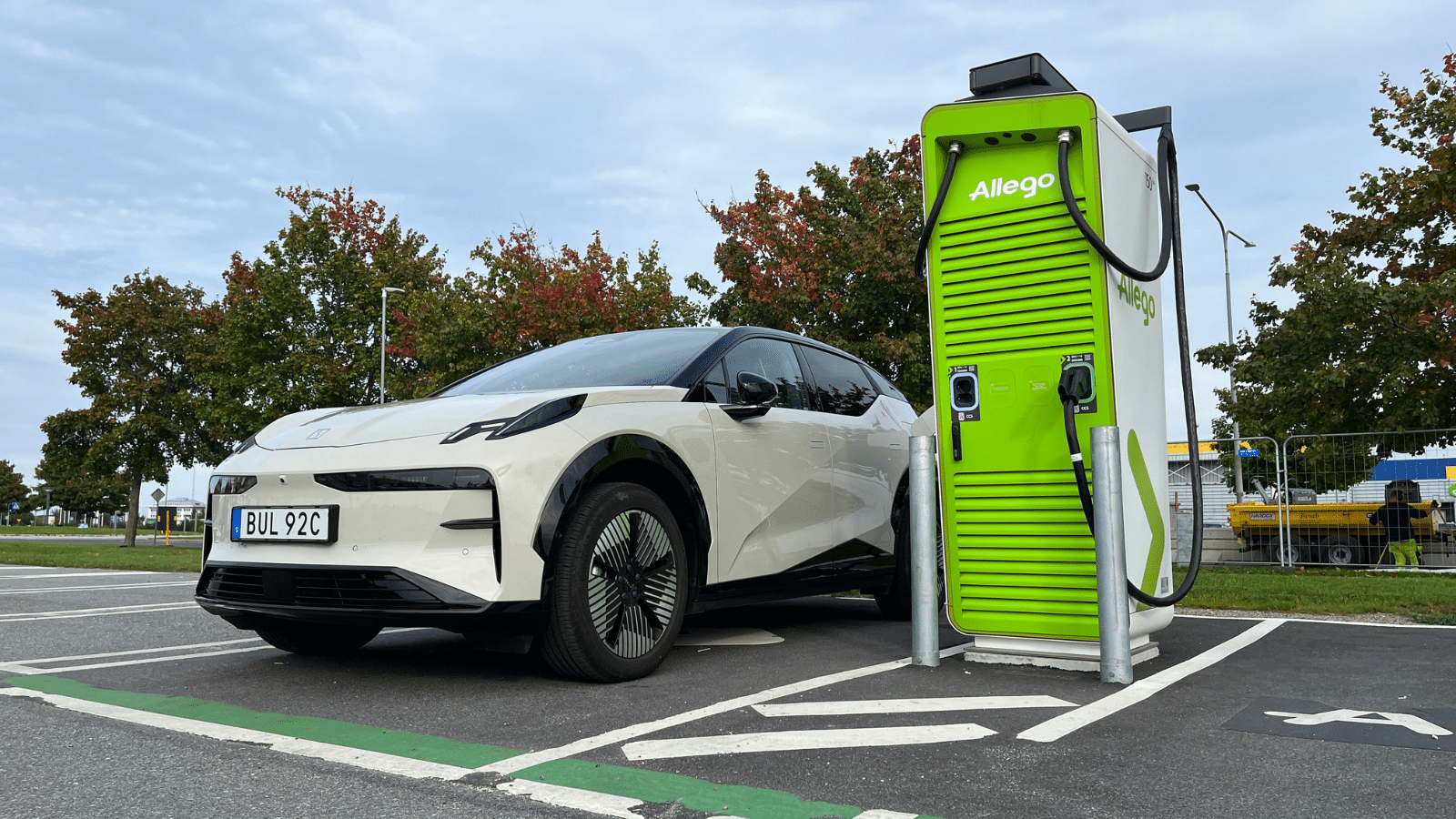
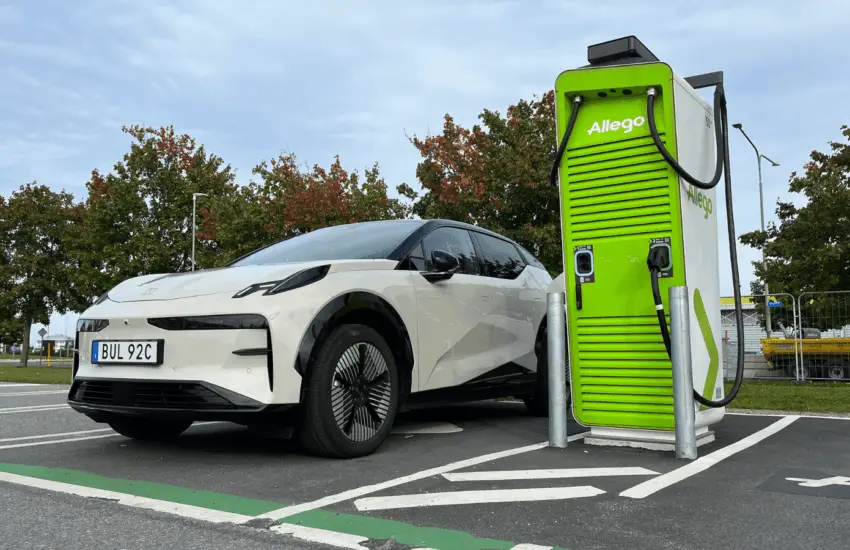
Zeekr X Electric Vehicle

The ecological bonus for electric vehicles is undergoing major transformations as we approach the end of 2025. Two global automotive powers, China and Germany, are adapting their incentive strategies with distinct yet complementary approaches to address the challenges of the energy transition.

China Tightens Its Ecological Incentive Policy

The Chinese government has decided to significantly strengthen the eligibility criteria for electric vehicle subsidies. This decision reflects a desire to optimize the use of public funds and steer the automotive industry towards more qualitative rather than quantitative production. The new regulations impose more demanding technical standards regarding range, energy efficiency, and battery durability.

This restrictive approach aims to eliminate the least performing models from the market while encouraging technological innovation. Manufacturers will now have to meet specific requirements regarding energy consumption, charging time, and electrical system safety. This regulatory evolution could reshuffle the deck in the Chinese market, the largest in the world for electric vehicles.

Germany Reinjects Funds into Its Incentive Program

Unlike the Chinese trend of tightening, Germany has chosen to increase the budget allocated to its ecological bonus program. This government decision demonstrates a strong political will to accelerate the adoption of zero-emission vehicles despite budgetary constraints. The additional funding will help maintain attractive subsidies for individuals and professionals.

The German program continues to cover a wide range of electric vehicles, from city cars to premium sedans, with varying aid amounts depending on the purchase price. This inclusive approach aims to democratize access to electric mobility across all socio-professional categories. German authorities are betting on a volume effect to achieve their climate goals in the transport sector.

Comparative Analysis of the Two Approaches

These divergent strategies reflect different industrial contexts and development phases. China, the global leader in electric vehicle production, is entering a maturation phase where quality takes precedence over quantity. With the Chinese market now well-established, public authorities can afford to be more selective in awarding aid.

Germany, on the other hand, is seeking to close its relative gap in the mass adoption of electric vehicles. The budget increase addresses the need to stimulate demand in a still-developing market. This expansionist approach is typically accompanied by communication campaigns aimed at informing consumers about the economic and environmental benefits of electric mobility.

Implications for the Global Automotive Industry

These policy developments directly influence the strategies of automotive manufacturers. Manufacturers operating in the Chinese market will need to accelerate their research and development investments to meet the new technical requirements. This situation could benefit companies already well-positioned in cutting-edge technologies.

In Europe, the German decision might encourage other countries to revise their incentive programs upwards. France, in particular, is closely watching these developments as it prepares its own roadmap for the years 2024-2027. Coordinating incentive policies at the European level remains a crucial challenge to harmonize the market and avoid competition distortions.

Outlook for Consumers

For electric vehicle buyers, these changes create both opportunities and uncertainties. In China, consumers will benefit from technologically more advanced products, but potentially at higher prices due to the tightening of eligibility criteria. The overall quality of the Chinese electric vehicle fleet is expected to improve significantly.

In Germany and more broadly in Europe, maintaining or even increasing ecological bonuses makes electric vehicles more financially accessible. This positive dynamic could accelerate the renewal of the vehicle fleet and contribute to achieving CO2 emission reduction targets. European consumers benefit from a stable incentive environment that favors purchasing decisions in favor of sustainable mobility.

The gradual convergence of technical standards and incentive mechanisms at the international level should, in the long run, harmonize the supply and facilitate consumer choice regardless of their geographical area.
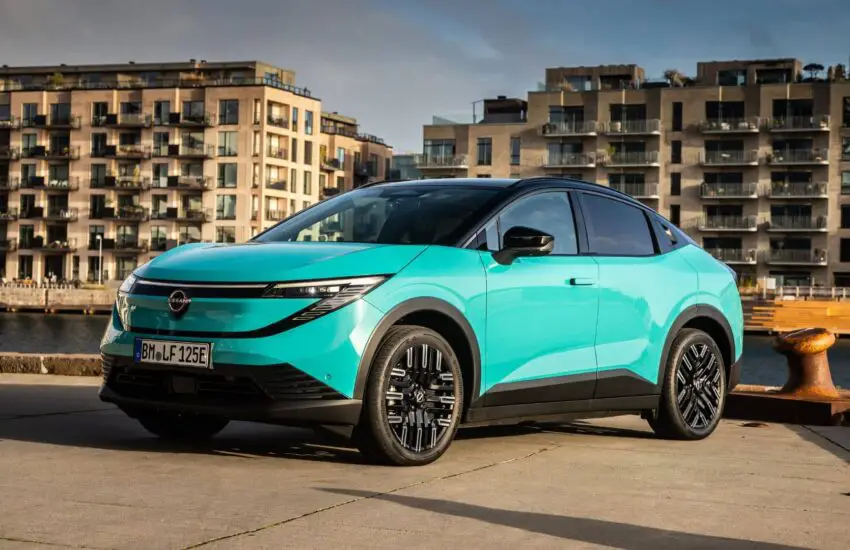
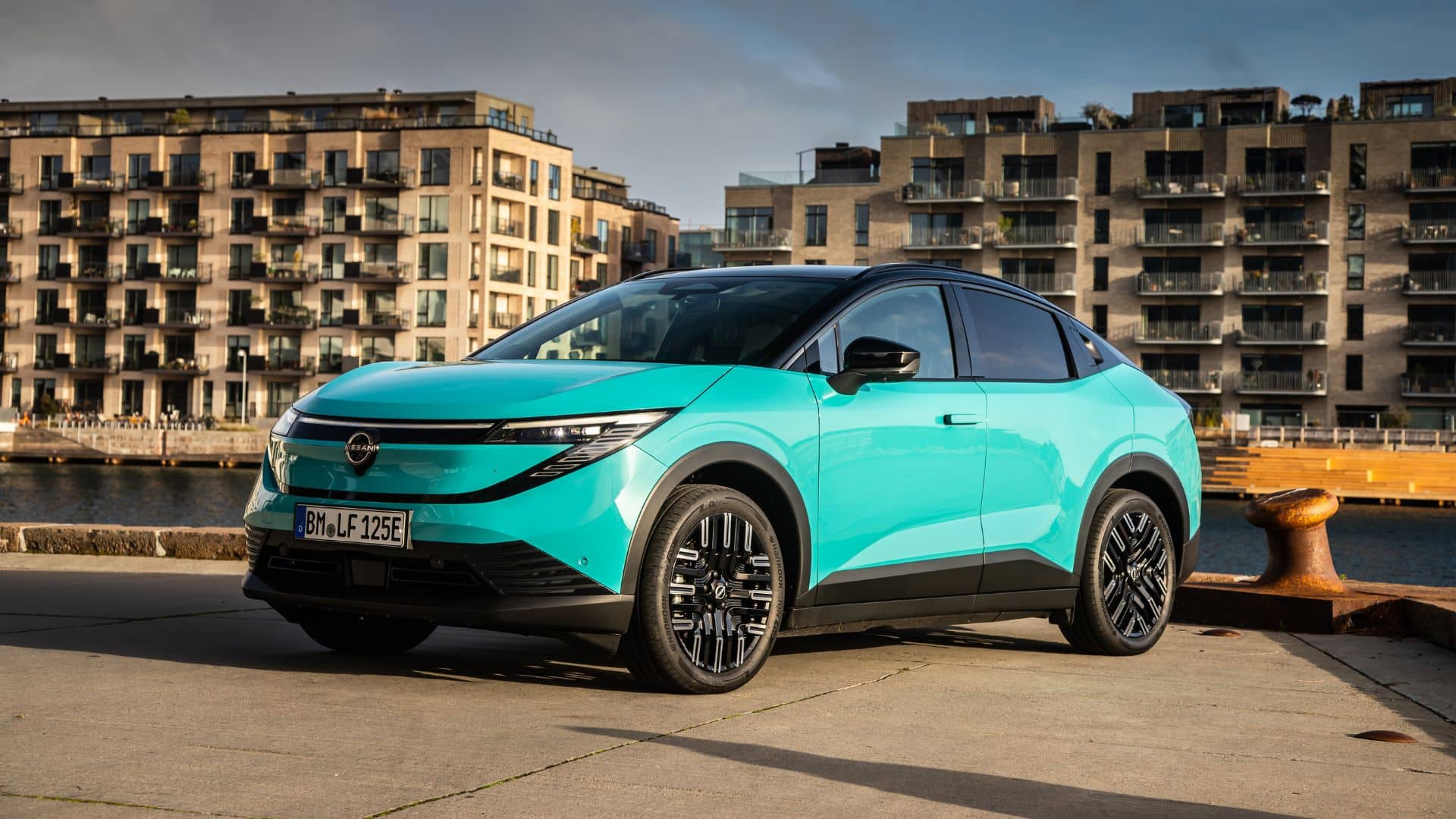
Nissan Leaf 2026: Can the Electric Pioneer Reconquer the Market?

Nissan Leaf 2026: Can the Pioneer of Electric Cars Become Queen Again?

Nissan Leaf 2026 electric car test First appearing in 2010, the elder stateswoman of modern electric cars paved the way for an entire generation of battery-powered automobiles. The Nissan Leaf made automotive history by democratizing electric mobility for the general public. Today, facing increasingly aggressive competition and rapidly evolving technologies, the question arises: can this iconic model reclaim its crown?

The Legacy of a Pioneer

Launched over fifteen years ago, the Nissan Leaf proved that a 100% electric car could meet the daily needs of millions of users. Its distinctive design and accessible philosophy attracted a diverse clientele, from urban to suburban drivers. The vehicle has constantly evolved to improve its range, performance, and comfort, adapting to the changing expectations of the market.

The Strengths of the 2026 Leaf

The 2026 version benefits from Nissan’s latest technological advancements. The battery offers improved capacity, enabling a truly usable range exceeding 400 kilometers in mixed driving cycles. The fast-charging system has been optimized to recover 80% of the capacity in less than thirty minutes on compatible charging stations. The interior has been redesigned with sustainable materials and advanced connectivity, while the ProPILOT driver assistance system evolves towards smoother and more intuitive semi-autonomy.

Challenges and Opportunities

The electric vehicle market has changed radically since the launch of the first Leaf. Traditional manufacturers and new entrants now offer increasingly high-performing and attractive models. To regain its dominant position, the 2026 Leaf must convince with its value for money, proven reliability, and well-established service network. Its history and brand recognition are major assets against competitors less experienced in electric vehicles.

Verdict on the Electric Renaissance

The Nissan Leaf 2026 represents more than just an update – it’s a strategic reinvention. By retaining the practical and accessible spirit that made it successful while integrating recent innovations, it has all the strengths to appeal to a new generation of motorists. If it manages to combine its unique heritage with a competitive value proposition, the electric pioneer could well make a remarkable return to the forefront of the automotive scene.

Democratizing electric vehicle charging in condominiums: the challenge of the new APREC collective

Democratizing Electric Charging in Condominiums

APREC, a recently formed collective, has set itself the ambitious mission of simplifying and democratizing the installation of electric vehicle charging stations in condominiums. This initiative addresses a growing need as the French electric vehicle fleet continues to expand.

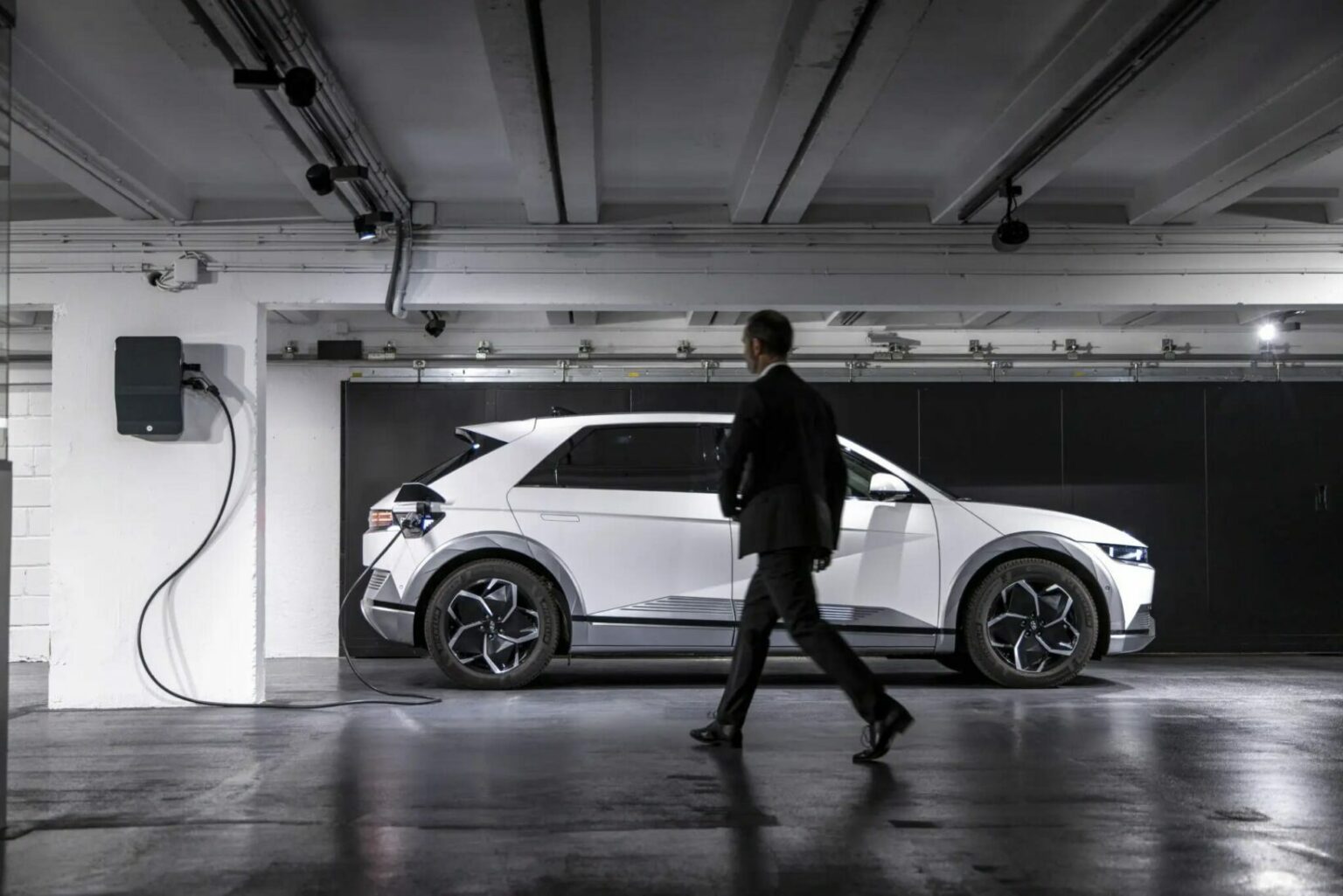
Collective parking charging

The Challenges of Charging in Multi-Unit Dwellings

Condominiums present a particular challenge for the installation of charging stations. Between technical, administrative, and financial issues, many property owners face complex obstacles. Setting up charging infrastructure requires coordination among all residents, a preliminary study of existing electrical installations, and often adaptation work.

Administrative procedures can seem daunting for many co-owners. Obtaining authorizations, voting in general meetings, choosing suitable technical solutions, and funding the work are all steps that slow down the deployment of charging stations.

The APREC Collective’s Approach

The APREC collective offers a structured methodology to support condominiums through this process. Their approach includes several essential components, from the initial diagnosis to the commissioning of the stations. The goal is to create a standardized framework that can adapt to the specificities of each condominium.

The collective’s technical expertise allows for a precise assessment of needs based on the number of vehicles, parking configuration, and available electrical capacity. This preliminary analysis is crucial for proposing realistic and economically viable solutions.

Benefits for Condominiums

The simplification provided by this collective offers several major advantages for residents. Firstly, it allows for the sharing of installation and maintenance costs, making the solution more financially accessible. Secondly, it ensures reliable technical expertise and compliance with current standards.

For co-owners, this means significant time savings and a reduction in technical risks. The property value of homes equipped with charging stations could also increase, providing an additional argument for investing in this infrastructure.

Future Prospects

The development of charging stations in condominiums is part of a broader energy transition. With the government’s goal of deploying hundreds of thousands of additional charging points in the coming years, initiatives like APREC’s will play a decisive role.

Democratizing electric charging in multi-unit dwellings is a crucial issue for the mass adoption of electric vehicles. It concerns millions of French people living in condominiums who wish to switch to electric but face technical and administrative barriers.

The success of this type of collective initiative could significantly accelerate the transition to more sustainable mobility in France. Feedback from the first equipped condominiums will help refine methods and offer even more effective solutions in the future.

Duracell enters the electric vehicle charging market: a new competitor emerges

Duracell Enters the Electric Vehicle Charging Market

A new competitor is entering the charging network scene. From its launch, it will be able to rely on its name: Duracell. This company, globally recognized for its batteries, is making its entry into the electric mobility universe with an innovative charging station.

Duracell E-Charge

A Strategic Transition Towards Sustainable Mobility

Duracell, an iconic manufacturer of batteries and accumulators, is extending its energy expertise to the electric vehicle charging sector. This diversification represents a natural evolution for the brand, which capitalizes on its reputation for reliability and performance. The launch of Duracell charging stations marks a significant step in the expansion of electric car infrastructure.

The Importance of a Reliable Charging Network

The development of electric vehicles comes with a growing need for accessible and high-performance charging points. Duracell’s entry into this sector provides an additional solution for electric car owners. The brand’s reputation inspires confidence in the quality and durability of its charging equipment.

Technical Features of Duracell Charging Stations

Duracell charging stations incorporate the latest technologies to ensure fast and secure charging. Designed to withstand various weather conditions, they meet international safety standards. The user interface is intuitive, providing a simplified charging experience for all drivers.

Compatibility and Performance

Duracell stations are compatible with the majority of electric car models available on the market. They offer different charging powers, adapted to the varied needs of users, whether for occasional or regular charging. The integrated technology guarantees optimized charging time without compromising vehicle battery longevity.

Impact on the Electric Charging Market

Duracell’s entry into the electric vehicle charging sector could reshuffle the market cards. The brand benefits from global recognition and an extensive distribution network, major assets for rapidly deploying its infrastructure. This arrival stimulates competition and could accelerate innovation in the field of charging solutions.

Development Prospects

Duracell plans a gradual deployment of its charging stations, starting with urban areas with a high density of electric vehicles. The strategy also includes installing stations on highway routes and in shopping centers. This approach aims to cover all the electric mobility needs of drivers.

Benefits for Electric Vehicle Users

Electric vehicle drivers will benefit from the reliability associated with the Duracell brand. The ease of use and robustness of the stations are significant assets. The service guarantee and maintenance provided by a renowned company represent additional advantages for users.

Reinforced Trust

Duracell’s reputation for quality energy products reassures consumers about the performance and safety of the charging stations. This pre-established trust could encourage the adoption of Duracell stations among a public already familiar with the brand.

The Future of Charging with Duracell

Duracell’s commitment to the electric car charging sector is part of a long-term vision. The brand plans to continuously enhance its solutions with innovative features, responding to the technological evolutions of electric vehicles. This initiative strengthens Duracell’s position as a major player in the field of energy solutions.

Mercedes Vision Iconic: an electric concept inspired by the past that commands attention

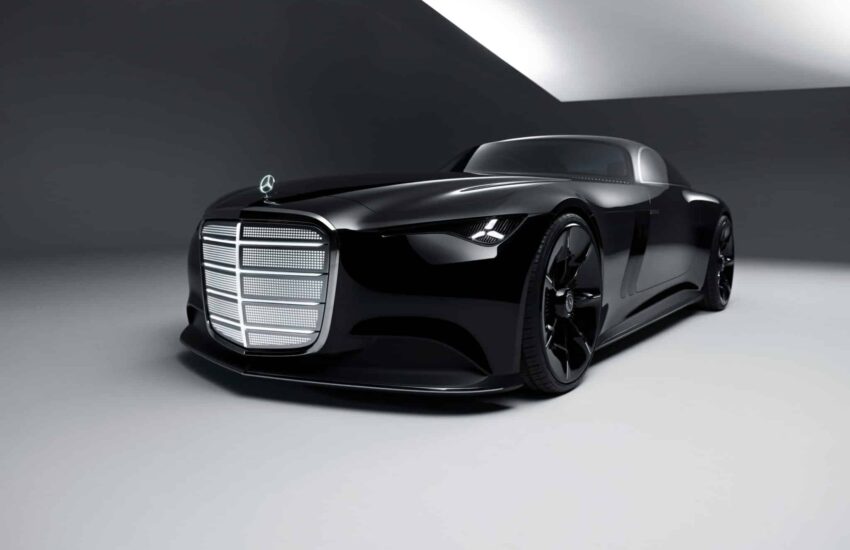
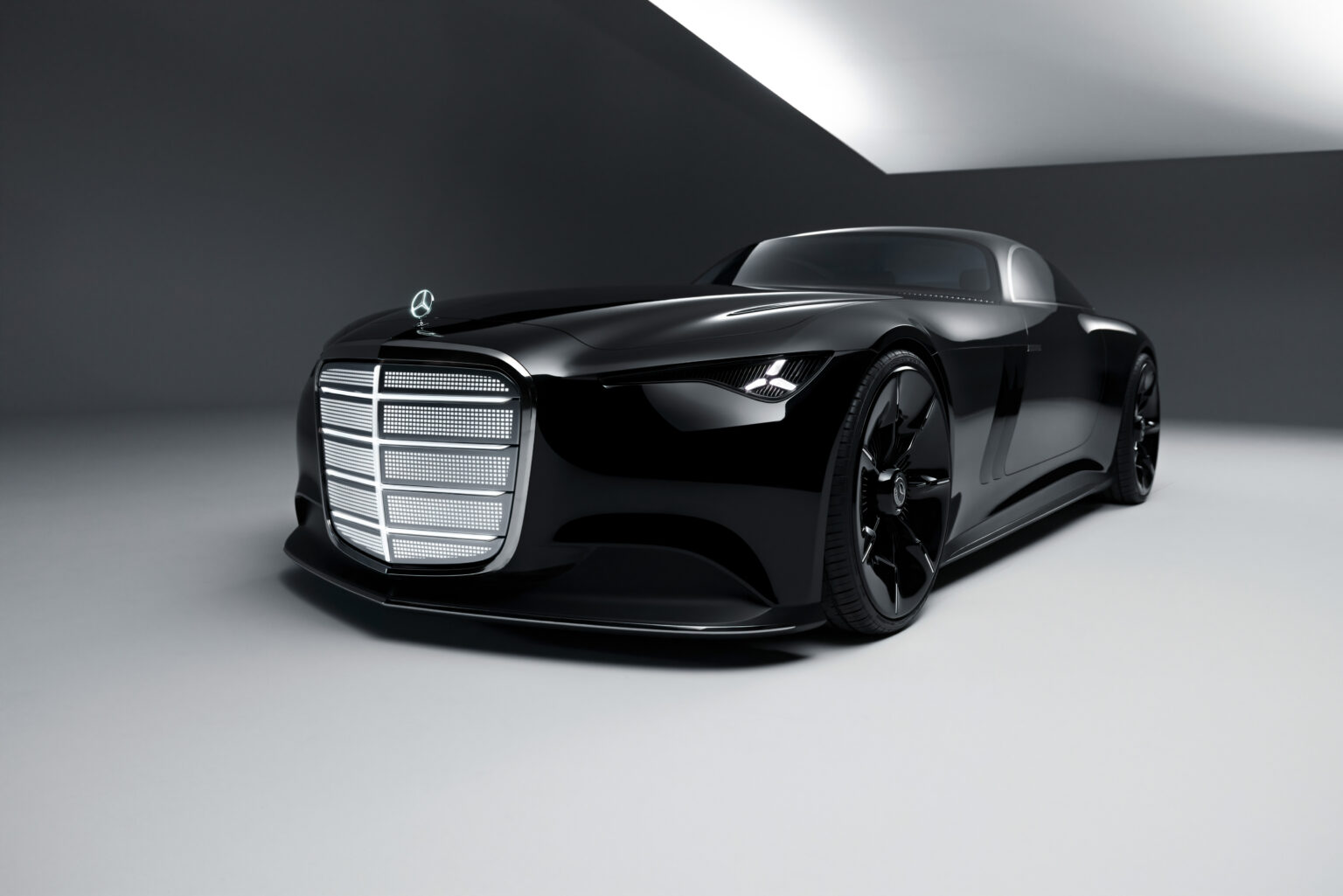
Mercedes Vision Iconic

The Stuttgart-based manufacturer has just unveiled a concept called Vision Iconic. A Mercedes unlike any other, inspired by the brand’s heritage and designed to envision the future of electric mobility.

The Stuttgart-based manufacturer has just unveiled a concept called Vision Iconic. A Mercedes unlike any other, inspired by the brand’s heritage and designed to envision the future of electric mobility.

A tribute to automotive heritage

The Mercedes Vision Iconic represents much more than just a concept car. This electric vehicle embodies a bold vision where the past meets the future. Mercedes-Benz designers have drawn from the brand’s prestigious archives to create an automobile that pays homage to iconic models while resolutely projecting itself into the future.

The silhouette of the Vision Iconic immediately evokes the timeless lines of classic Mercedes, but with a decidedly modern interpretation. The elegant curves and balanced proportions recall the excellence of German design while incorporating aerodynamic elements optimized for electric mobility.

Technological innovation serving design

This electric concept demonstrates how Mercedes-Benz envisions the future of sustainable mobility. The Vision Iconic incorporates cutting-edge technologies while preserving the very essence of the Mercedes DNA. The interior has been rethought to offer a unique driving experience, blending premium materials and advanced digital interfaces.

The design philosophy is based on the principle of “heritage forward” – a concept that involves reinterpreting historical codes with a forward-looking vision. Every detail, from the distinctive grille to the rear lights, testifies to this innovative approach that blends tradition and modernity.

Mercedes-Benz’s electric vision

With the Vision Iconic, Mercedes-Benz affirms its ambitious electric strategy. This concept previews the brand’s future productions in the premium electric vehicle segment. The focus is on range, performance, and the distinctive character that has always defined the star-branded automobiles.

The vehicle explores new solutions in energy efficiency and the integration of autonomous driving technologies. The sustainability approach is at the heart of the project, with the use of recycled materials and environmentally friendly manufacturing processes.

The future of automotive design

The Vision Iconic represents an important step in the evolution of automotive design. It demonstrates that it’s possible to create electric vehicles that possess soul and strong personality. By drawing inspiration from Mercedes-Benz’s rich heritage, designers have succeeded in creating a vehicle that evokes authentic emotion while being resolutely forward-looking.

This concept paves the way for a new generation of premium electric vehicles that sacrifice neither character nor elegance for the sake of technology. It sets a new standard for sustainable design and responsible innovation in the automotive industry.

Electric Kei cars: the return of small cars in Europe

Electric Kei Cars: Europe Reconnects with Its Automotive Roots

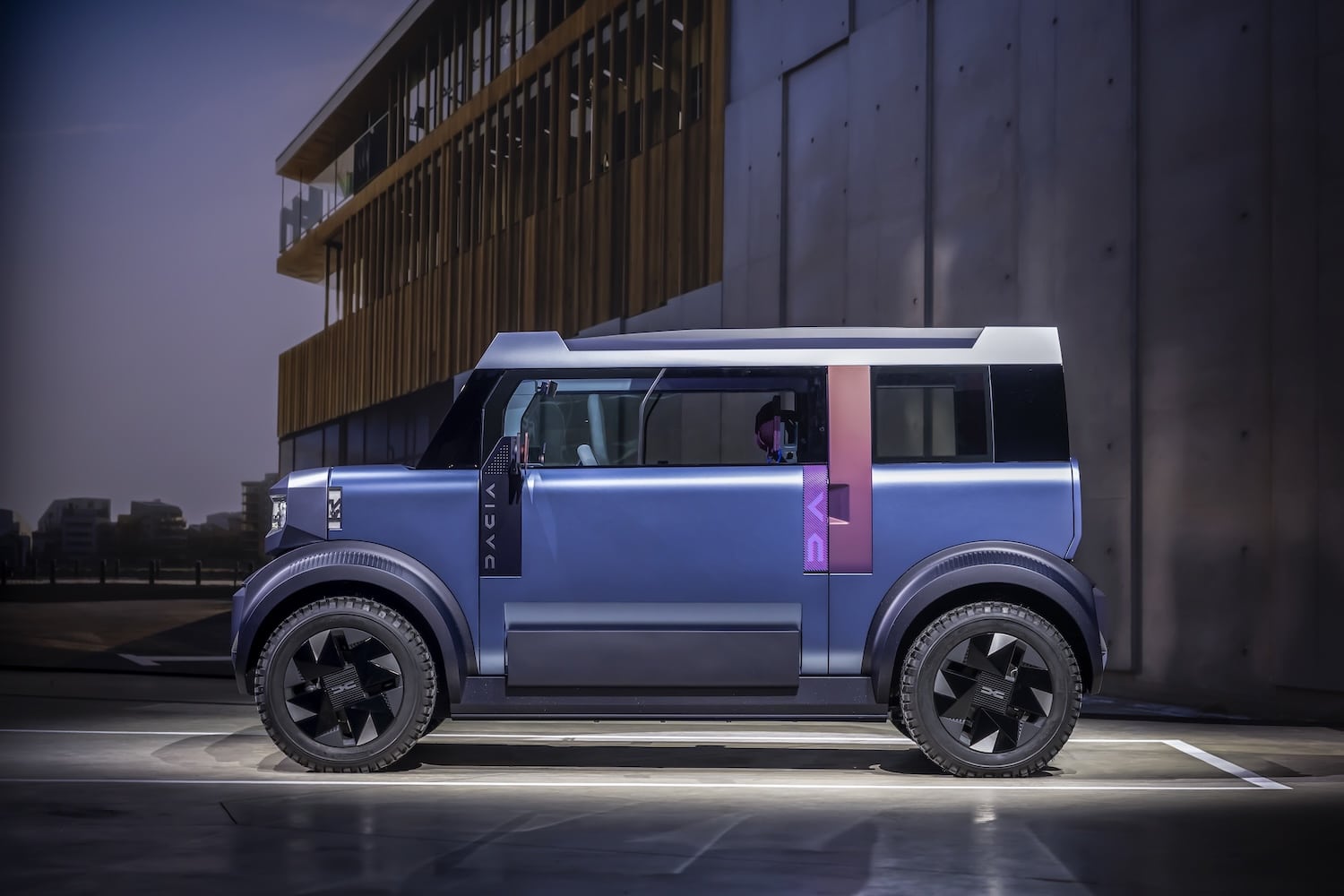
The European Union appears to be opening up to a category of modest and economical small cars, particularly by lifting certain regulations that hinder the growth of this segment. This direction marks a return to basics for the Old Continent, which could rediscover the spirit of the compact city cars that contributed to its success in past decades.

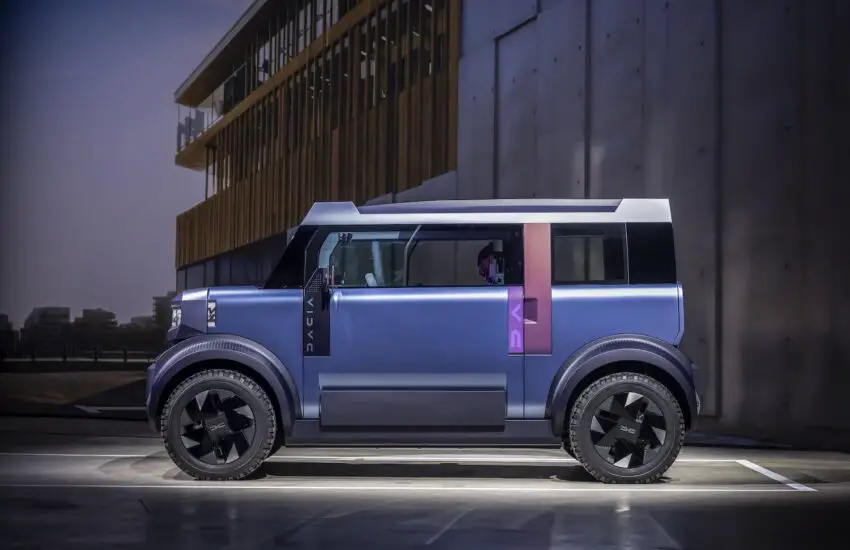
Electric kei car concept

What is a Kei Car?

Kei cars, short for “keijidōsha” meaning “light vehicle” in Japanese, represent a specific category of vehicles with strictly regulated dimensions and engine displacement. These urban automobiles are characterized by their extreme compactness, low fuel consumption, and affordable price. Originally developed in Japan to meet mobility needs in confined spaces, these vehicles could perfectly adapt to the challenges of modern European cities.

European Regulatory Evolution

Current European regulations impose safety and emission standards that are sometimes difficult to reconcile with the very concept of kei cars. However, facing environmental challenges and the increasing congestion of city centers, Brussels is considering relaxing certain provisions. This regulatory evolution could enable the emergence of a new generation of urban electric vehicles inspired by Japanese kei cars.

Advantages of Electric Kei Cars

The electrification of kei cars offers multiple advantages for the European market. These lightweight vehicles require smaller capacity batteries, which reduces their production cost and environmental impact. Their compactness makes them ideal for city driving and parking in tight spaces. Their range, although limited, perfectly matches the needs of daily urban commuting.

Impact on Urban Mobility

The introduction of electric kei cars in Europe could revolutionize urban mobility. Their reduced size would help decrease traffic congestion and facilitate parking. Their affordable price would make them attractive to a broad segment of the population, particularly young professionals and elderly people.

Challenges to Overcome

Several challenges remain for the adoption of kei cars in Europe. Safety standards must be adapted without compromising occupant protection. Charging infrastructure needs to be developed to meet the specific needs of these vehicles. Finally, the mindset of European consumers, accustomed to more spacious cars, will need to evolve.

Future Prospects

The return to automotive roots in electric version represents a unique opportunity for Europe to rethink its mobility. Electric kei cars could complement the existing offerings and address specific needs that conventional vehicles do not fully satisfy. This evolution is part of a broader trend toward diversifying transportation solutions and adapting to environmental constraints.

The transition toward smaller and more efficient vehicles could mark a turning point in European automotive history, combining technological innovation with a return to essentials.

Used electric cars: these 3 models struggling to find buyers

These 3 Electric Cars Sell Very Poorly in the Used Car Market

The used electric car market is experiencing sustained growth in France, but some models face notable resale difficulties. While sales of electric vehicles continue to progress, with 43,958 units sold in the third quarter of 2025, several electric vehicles are undergoing accelerated depreciation and struggling to attract buyers.

Used electric car

The Paradox of the Used Electric Car Market

The French electric automotive sector presents a dual face. On one hand, the overall demand for used electric vehicles keeps increasing, driven by environmental concerns and government incentives. On the other hand, some specific models are accumulating inventory days and seeing their residual value dangerously erode.

Factors Explaining These Resale Difficulties

Accelerated Technological Obsolescence

The rapid evolution of battery technologies and charging systems quickly renders some models outdated. Vehicles equipped with first-generation batteries, offering limited range and high charging times, become difficult to sell against new models benefiting from significant improvements.

The Cost and Availability of Spare Parts

Some manufacturers struggle to maintain an effective maintenance network for their electric vehicles. The difficulty in obtaining spare parts, particularly components specific to batteries and electronic systems, deters many potential buyers.

The Perception of Battery Lifespan

Concern about battery degradation remains a major obstacle to purchasing certain used electric models. Vehicles perceived as having less reliable battery technology or being more prone to degradation naturally face more difficulties in the used market.

Consequences for Owners

This situation creates a vicious cycle for owners of these problematic models. The low resale value discourages putting them on the market, while the low prices needed to attract buyers generate significant financial losses when changing vehicles.

Market Evolution Outlook

Experts anticipate a gradual normalization of the used electric car market. With the maturing of technologies and the establishment of clearer standards for assessing battery condition, some valuation gaps could narrow. However, models currently in difficulty will likely have to wait for the next generation of vehicles to see their image improve.

Advice for Potential Buyers

For consumers interested in buying a used electric car, it remains essential to meticulously check the battery’s condition, inquire about the availability of spare parts, and compare maintenance costs. Some less popular models can represent interesting opportunities if their price correctly reflects their limitations.

Automobile Awards 2025: the nominees and the vote for the French’s Favorite Car

2025 Automobile Awards: Discover the Competing Candidates

The 8th edition of the Automobile Awards is accelerating! Voting to elect the French People’s Favorite Car is open until October 31st on automobileawards.com. This year marks a turning point with 28 vehicles in competition, an absolute record that reflects the dynamism of the electrified automotive sector.

A Record Participation for the 2025 Edition

The 2025 Automobile Awards set a new record with no less than 28 models in competition. This impressive selection reflects the rapid evolution of the automotive market and the diversification of the electrified vehicle offerings. Automakers are deploying ambitious strategies to meet the expectations of French consumers, who are increasingly sensitive to environmental issues.

The Nominee Selection Process

The selection of the 28 finalist vehicles results from a rigorous process taking into account several essential criteria. Technological innovation, exterior and interior design, road performance, and range for electric models were carefully evaluated. Industry experts also considered the value for money and suitability for the specific needs of French drivers.

The Categories Represented

Among the competing vehicles, there is a remarkable diversity of models covering all market categories. Electric city cars stand alongside premium sedans, family SUVs, and commercial vehicles. This variety allows every type of motorist to find the vehicle that perfectly matches their daily use and mobility preferences.

The Growing Importance of Electrification

The 2025 edition of the Automobile Awards confirms the strong trend towards the electrification of the French car fleet. The majority of nominated models feature an electric or hybrid powertrain, demonstrating manufacturers’ commitment to the energy transition. Continuous improvements in range and charging times are making these vehicles increasingly attractive to the general public.

How to Participate in the Voting

French motorists have until October 31st to express their preference on the dedicated platform automobileawards.com. Voting is open to all drivers, whether they own the competing models or are simply car enthusiasts. This democratic consultation helps determine which vehicles best meet user expectations under real-world driving conditions.

The Impact of the Automobile Awards on the Market

The results of the Automobile Awards significantly influence the purchasing decisions of French consumers. Winners of previous editions have generally seen a notable increase in their sales following their distinction. These awards therefore serve as a reliable indicator of market trends and the models most appreciated by the public.

Innovations to Watch

Among the 28 nominees, several models stand out for their remarkable technological innovations. Advanced driver assistance systems, intuitive digital interfaces, and innovative charging solutions are among the features that could make a difference in this competition. Potential buyers will find this selection a valuable source of information for their next car purchase.

Exceptional promotion on the Nissan Juke hybrid: Save €4000

Great Deal on Nissan Juke Hybrid

The Nissan Juke hybrid is currently benefiting from an exceptional €4,000 discount, a rare opportunity to acquire this urban SUV at an advantageous price. This promotion is part of a commercial strategy aimed at making hybrid technologies more accessible to the general public.

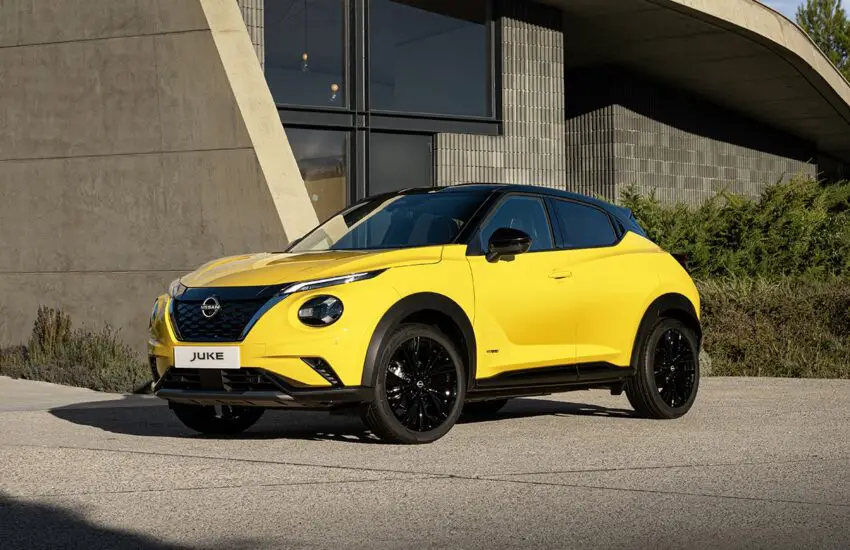
Nissan Juke Hybrid 2024

The Strengths of the Nissan Juke Hybrid

The Nissan Juke hybrid combines distinctive design with advanced technologies. Its hybrid system pairs a combustion engine with an electric motor, offering a more eco-friendly drive without compromising performance. Fuel consumption is significantly reduced in urban environments, where the electric motor takes over during startup and at low speeds.

Technical Specifications

The Juke hybrid incorporates a compact lithium-ion battery and a 36 kW electric motor. The transmission uses an innovative system that continuously optimizes power distribution between the two engines. The electric mode range allows for covering the majority of daily city trips with zero emissions.

Comfort and Connectivity

The Juke hybrid’s interior is designed for comfort and ergonomics. Sound insulation is enhanced, particularly appreciated in electric mode. The NissanConnect infotainment system offers advanced smartphone integration with a head-up display of essential information.

Safety and Driving Assistance

The Nissan Juke hybrid is equipped with the Nissan Safety Shield system, including forward collision warning, lane-keeping assist, and blind-spot detection. These technologies contribute to a safer and less stressful daily driving experience.

Design and Customization

The bold design of the Juke, recognizable at a glance, evolves in its hybrid version with distinctive elements such as specific wheels and hybrid badging. Customization remains a strong point with several color combinations and finishes available.

Space and Practicality

Despite its compact dimensions, the Juke hybrid maintains a spacious interior and a 354-liter trunk, practical for shopping or weekends. The sliding rear seats allow for adjusting the space as needed between passengers and luggage.

Benefits of Hybrid Technology

The hybrid technology of the Nissan Juke allows for a smooth transition towards more responsible mobility. Without the need for external charging, it offers all the benefits of electric driving in the city while retaining the necessary range for long trips.

Achievable Savings

Beyond the immediate €4,000 discount, the Juke hybrid enables substantial savings in use. The announced combined fuel consumption is particularly advantageous compared to equivalent combustion models, not to mention possible tax benefits in certain areas.

Conclusion

This promotion on the Nissan Juke hybrid represents an ideal opportunity to acquire a modern, economical, and eco-friendly vehicle. The combination of unique design, onboard technologies, and the significant discount makes it a particularly attractive offer in the hybrid urban SUV segment.

The Last 4 New Cars Equipped with a CD Player in 2025

Car CD Players: A Technology That Endures in 2025

A friend of mine named Mark recently bought a new car and lamented the disappearance of a specific feature: the CD player. It’s 2025, and it turns out he was wrong.

The Subaru Outback Surprise

During a recent weekend trip to Aspen via Denver, I had the chance to test the 2025 Subaru Outback. Imagine my surprise when I opened the center armrest and discovered a built-in CD player in this brand-new vehicle with only a few thousand miles on the odometer. Clearly, my friend Mark should have chosen a Subaru Outback. Ironically, he already owned two Outbacks before buying his latest car but didn’t opt for a third. Perhaps a misjudgment.

The 2025 Outback model I tested was the top-of-the-line Touring XT version, which includes the CD player as standard in the center console storage compartment. The base Touring version also offers this player as standard equipment.

Beyond Subaru: Other Models Persist

Even more surprising, the Outback is not the only new vehicle, nor even the only Subaru, to offer a standard CD player today.

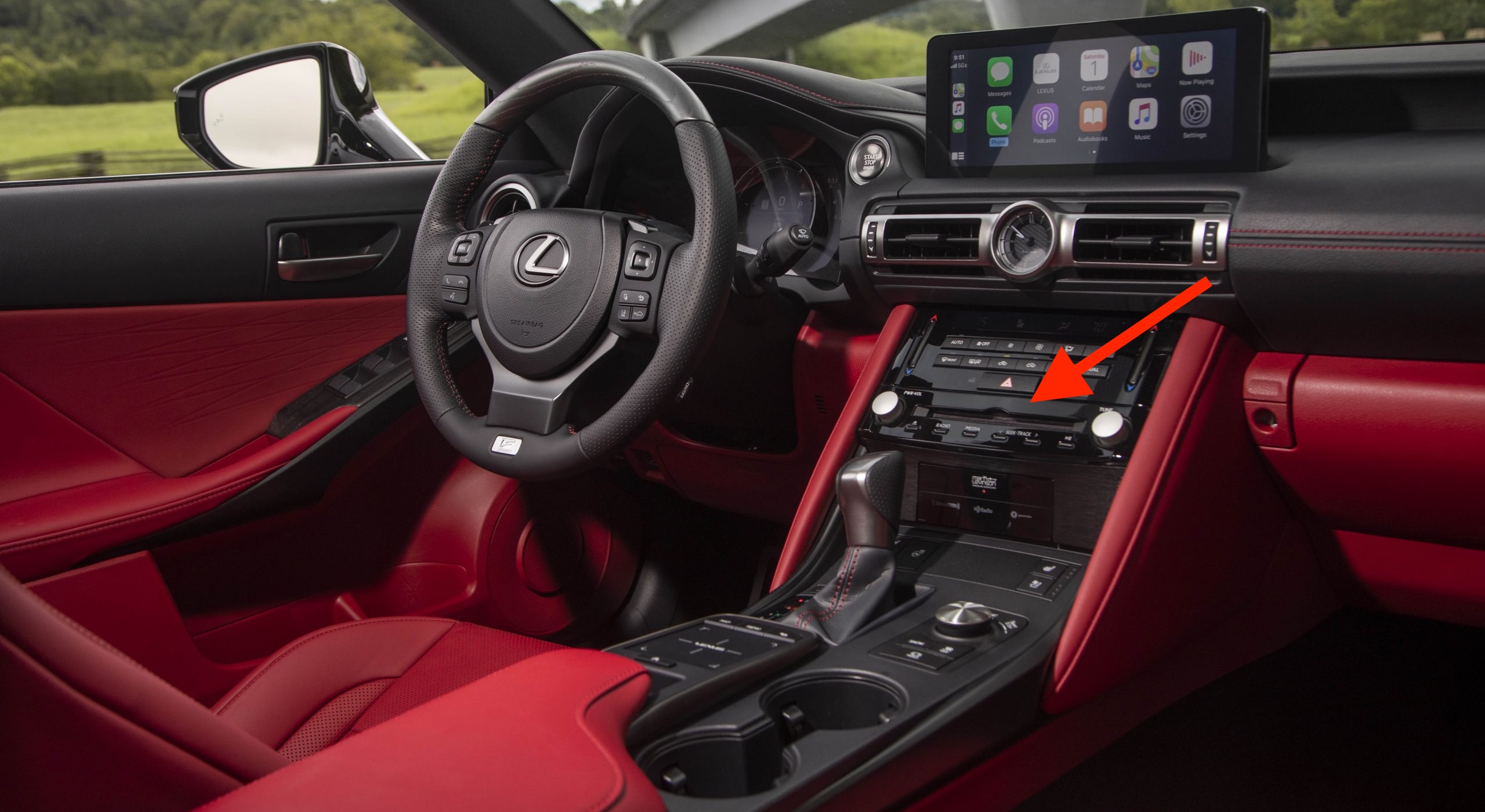
2025 Lexus IS

Lexus, The Last Bastion of the CD

The 2025 Lexus IS sedan and the RC coupe both integrate a CD player directly on the dashboard. The RC will be discontinued after 2025, while the IS will receive a third facelift for its current generation in 2026, leading to the definitive disappearance of the CD player from the Lexus lineup.

Subaru WRX: A Surviving Option

At Subaru, the Japanese manufacturer maintains the CD player as an option on the WRX, thus preserving this feature for purists of physical audio.

Why This Technological Persistence?

The continued presence of CD players in some new vehicles can be explained by several factors. First, residual demand from audiophiles who appreciate the superior sound quality of CDs compared to compressed streams. Second, the retention of an older customer base, less familiar with modern digital technologies. Finally, some international markets, particularly in Asia, maintain an active demand for this technology.

A Programmed Disappearance

The automotive industry is inexorably evolving towards digital connectivity. Modern multimedia systems now prioritize smartphone integration, audio streaming, and voice commands. The physical space occupied by CD players is becoming valuable for other functions, such as wireless chargers or additional USB ports.

Conclusion: Last Available Models

In this year 2025, only four new cars still retain a CD player: the Subaru Outback (standard), the Subaru WRX (optional), the Lexus IS (standard), and the Lexus RC (standard). These models represent the final vestiges of a technology that dominated car audio for nearly three decades, before giving way to modern digital solutions.