Ram 1500 Hemi V8: ‘Symbol of Protest’ Badge Officially Listed on Price Label

The Return of the V8 Hemi as an Automotive Symbol

Ram is powerfully celebrating the return of the V8 in its 1500 lineup, transforming this legendary engine into a true automotive manifesto. The rebirth of the Hemi V8 for the 2026 Ram 1500 goes beyond mere technical specifications to become a full-fledged statement.

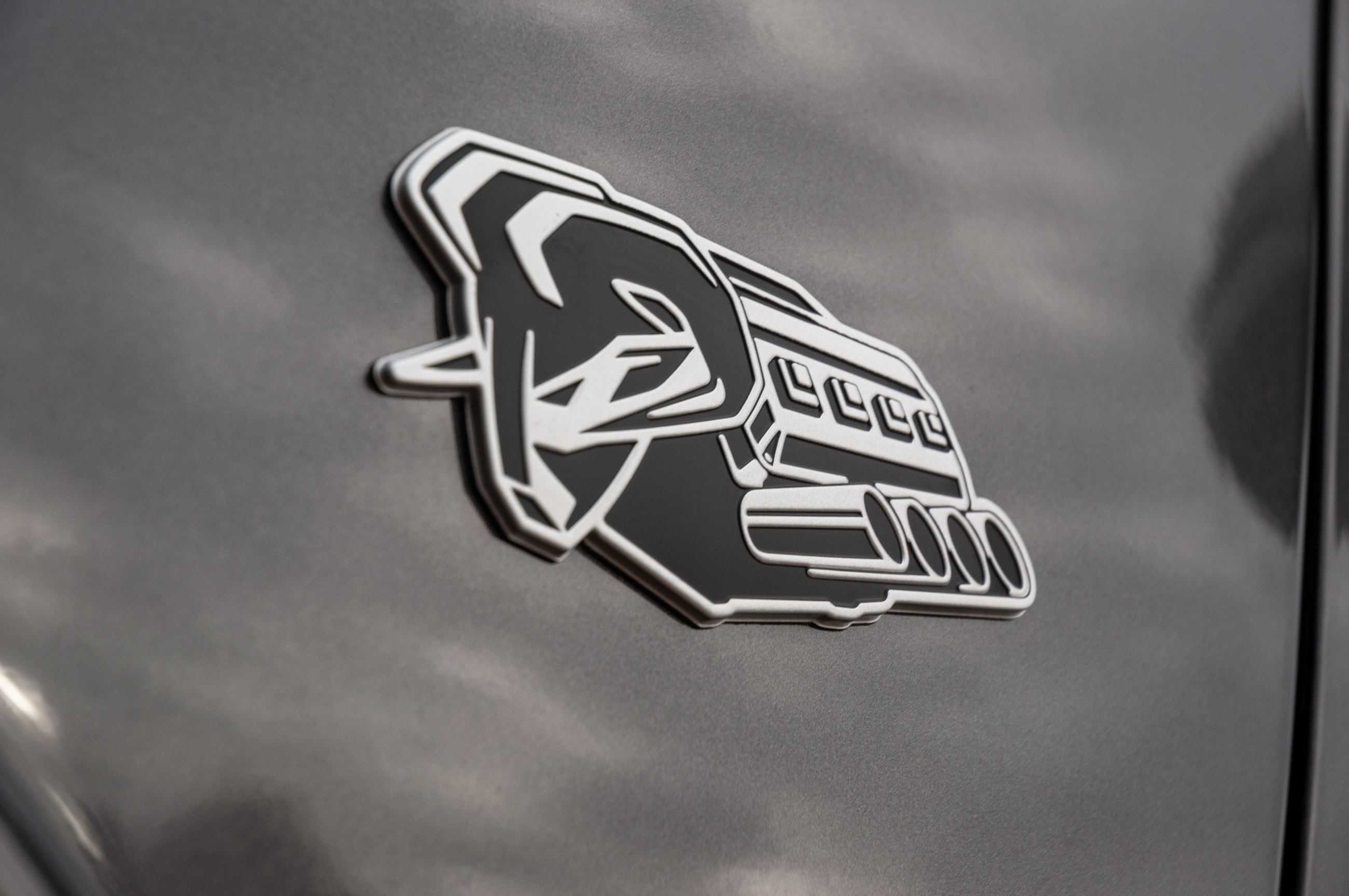
An Officially Listed ‘Symbol of Protest’ Badge

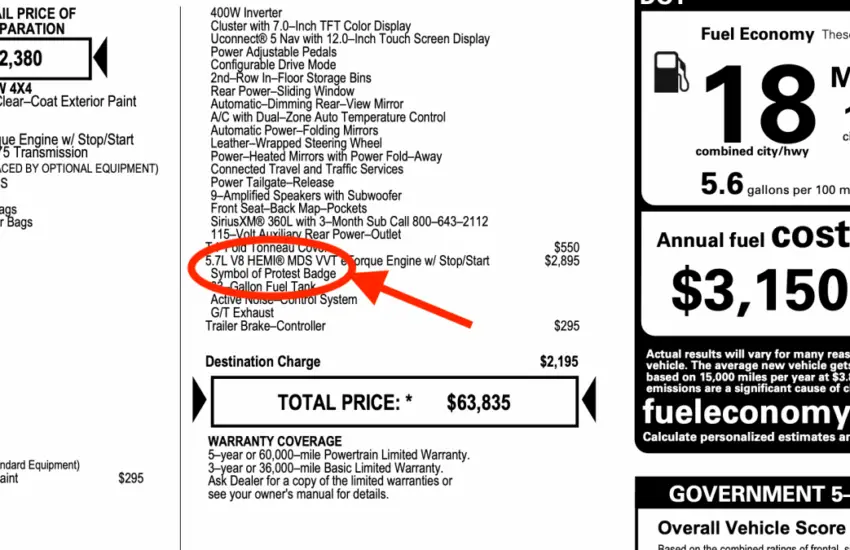
The automaker doesn’t just mention a ‘symbol of protest’ in its communication: it physically integrates this concept onto the vehicle. The ‘Symbol of Protest’ badge now appears as a distinct line on the vehicle’s price sticker, an unusual practice in the automotive industry.
2026 Ram 1500
The ‘Symbol of Protest’ badge on the front fender of the 2026 Ram 1500 Joel Feder

A Singularity in the Automotive Industry

This marketing approach stands out in the contemporary automotive landscape. Upon analysis, it appears difficult to find another manufacturer that specifically mentions an exterior badge on the official price sticker. Even the iconic Hellcat models didn’t display their exterior badges on these documents.

Dodge’s Legacy Serving Ram

The resurrection of the V8 under the Ram banner benefits from prestigious sponsorship. Tim Kuniskis, considered the father of the Hellcat and former CEO of Dodge, now oversees Ram’s operations. It’s under his leadership that the Hemi V8 makes its notable return, bringing with it all the expertise developed at Dodge.

A Bold Marketing Strategy

The initial announcement in June already presented the return of the Hemi V8 as an act of protest. Ram is now pushing the concept further by materializing this philosophy directly on the vehicle and in its official documentation. This approach demonstrates a desire to anchor the V8 in a broader narrative, beyond mere technical specifications.

The Badge’s Place in the Vehicle’s Identity

The ‘Symbol of Protest’ badge doesn’t just adorn the pickup’s front fender. Its inclusion on the price sticker gives it special status, transforming it into a full-fledged part of the vehicle’s equipment. This approach underscores the symbolic importance that Ram places on this V8 return in an automotive landscape increasingly focused on electrification.

A Response to Purists’ Expectations

By positioning the V8’s return as an act of protest, Ram speaks directly to traditional automotive enthusiasts. The badge thus becomes the standard-bearer of this philosophy, materializing resistance to current market trends. This targeted marketing approach seeks to resonate with a specific clientele attached to high-performance combustion engines.

The Impact on Vehicle Perception

The presence of the ‘Symbol of Protest’ badge on the price sticker changes the very perception of the vehicle. It transforms an aesthetic element into a full sales argument, creating narrative added value around the V8. This strategy could influence other manufacturers in their approach to traditional powertrains in the context of energy transition.

Tesla Full Self-Driving under federal investigation for traffic violations

New Investigation into Tesla’s Full Self-Driving System

U.S. federal authorities have launched a new investigation into Tesla’s driver assistance system, marketed under the misleading name “Full Self-Driving.” This decision follows multiple reports of Tesla vehicles violating traffic laws by running red lights and performing dangerous maneuvers in opposing traffic lanes.

🧐

Regulatory Context and Safety Concerns

This investigation occurs amid increased vigilance from regulatory bodies regarding autonomous driving technologies. The Full Self-Driving system, while featuring advanced driver assistance capabilities, does not enable complete vehicle autonomy. The commercial name has been regularly criticized for being potentially misleading, possibly causing users to misunderstand the technology’s actual capabilities.

System Operation and Limitations

The Full Self-Driving system combines several driver assistance features, including adaptive cruise control, lane keeping, and automated lane-changing capabilities. However, the technology requires constant driver supervision, who must remain attentive to the road environment and ready to take control at any moment. The recent observed violations raise crucial questions about the interaction between the driver and the system, as well as the system’s ability to handle complex traffic situations.

🚘

History of Regulatory Investigations

This is not the first time Tesla has faced close scrutiny from regulatory authorities. Several previous investigations have already focused on different aspects of the automaker’s driver assistance systems. These repeated investigations highlight the persistent technical and regulatory challenges posed by the development of autonomous vehicles, as well as the need to establish legislative frameworks suited to these emerging technologies.

Implications for the Automotive Industry

This new investigation could have significant consequences for the entire autonomous vehicle sector. The investigators’ findings could influence the future development of driver assistance systems, potentially leading to modifications in safety protocols, human-machine interfaces, or testing and validation requirements.

🏎

Technological Evolution Prospects

Despite these regulatory challenges, the race to develop autonomous driving continues across the automotive industry. Manufacturers and suppliers continue to invest heavily in research and development of increasingly sophisticated systems. The challenge lies in the ability to reconcile technological innovation and road safety, while building user and public trust in these new mobility technologies.

Potential Consequences for Tesla

The results of this investigation could lead to various corrective measures, ranging from mandatory software updates to restrictions on the use of certain features, or even vehicle recalls. Tesla will likely need to strengthen its safety protocols and potentially revise its communication regarding the actual capabilities of its Full Self-Driving system.

Lexus LX 700h: Lower Range Than an Electric Rivian R1S

Wack: The Gas-Powered Lexus LX 700h Has Less Range Than an Electric Rivian R1S

Concerns about electric vehicle range may not only be exaggerated but also misdirected. This realization ironically came to me while driving a gas-powered Lexus.

Surprising Range Comparison

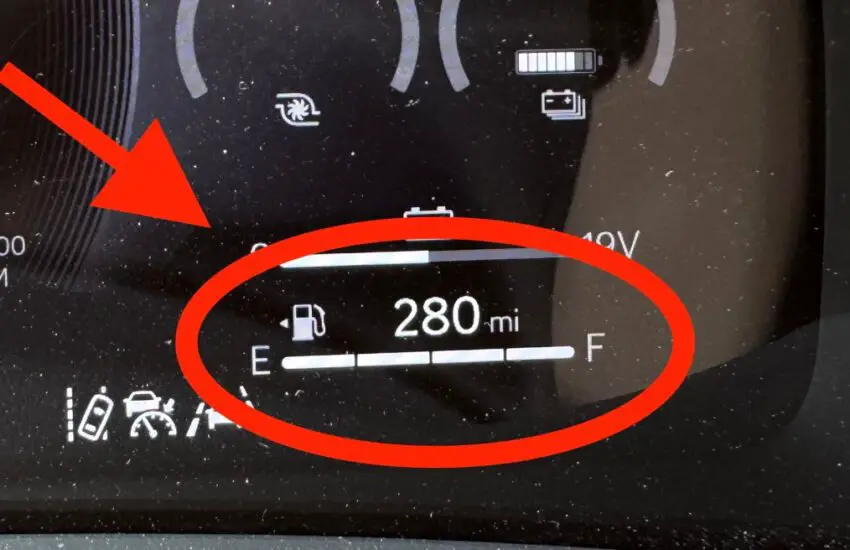
During a week-long test of the 2025 Lexus LX 700h hybrid, I took three road trips. From the first journey, I noticed that the maximum range of this hybrid off-road SUV might be limited to 280 miles, or even less. I’ll elaborate on this observation, but I immediately realized that on paper, the electric Rivian R1S offers greater range than the hybrid Lexus LX before needing to refuel, and this difference could hold true in real-world driving conditions. At the very least, the electric vehicle would compete with the gas-powered one.

Disappointing Energy Performance

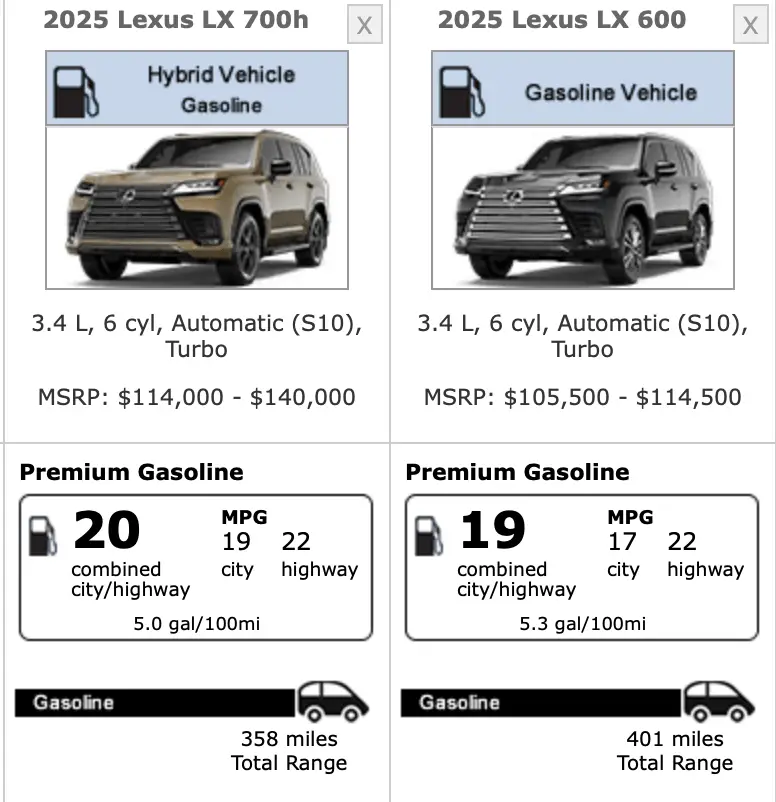
The EPA fuel economy estimates for the 2025 Lexus LX 700h are 19 mpg in the city, 22 on the highway, and 20 combined. For those following comparisons, these figures represent only a minimal improvement over the non-hybrid LX 600’s ratings of 17/22/19 mpg.

2025 Lexus LX EPA fuel economy ratings

Reduced Fuel Tank for the Hybrid Model

More problematic, the hybrid model’s battery significantly encroaches on space, forcing engineers to equip the hybrid version with a smaller fuel tank than the exclusively gas-powered LX. With a capacity of 17.97 gallons, the hybrid LX’s tank holds 3.17 gallons less than the non-hybrid model. This reduction results in an EPA-estimated range of 358 miles for the LX 700h, compared to 401 miles for the non-hybrid LX 600. These ranges are calculated based on city cycle fuel consumption.

Unexpected Advantages of Electric Vehicles

This comparison highlights an interesting paradox: an electric vehicle like the Rivian R1S can now compete with, or even surpass, the range of a high-end hybrid SUV under real-world usage conditions. While drivers traditionally worry about the limited range of EVs, this demonstration suggests that the gap is significantly narrowing.

Practical Considerations for Long Trips

For owners who regularly take long trips, the range difference between these two technologies becomes an increasingly relevant selection criterion. As electric charging infrastructure rapidly develops, the traditional range advantage of gas-powered vehicles is gradually diminishing.

Evolving Perceptions

This analysis challenges preconceived notions about electric vehicle limitations. As the automotive industry accelerates its electric transition, range comparisons between gas-powered and electric vehicles are becoming increasingly tight, fundamentally changing the criteria for evaluating automotive performance.

Porsche keeps keys and start buttons in its electric cars

Porsche Keeps Ignition Keys and Buttons in the Electric Era

While many automakers are removing physical interfaces in favor of all-digital solutions, Porsche is making the opposite choice. The German brand confirms that its electric vehicles, including the upcoming 2026 Electric Cayenne, will retain a traditional start button and physical keys.

A Preserved Porsche Tradition

Dirk Assfalg, Cayenne’s electronics manager, clearly stated that all Porsche models, regardless of their powertrain, will keep a start button located to the left of the steering column. This specific position is part of the brand’s DNA and will not disappear, even in a fully electrified future.

The Technological Paradox

Jonas Bierschneider, Porsche’s technology spokesperson, acknowledges however that there is “no technical need” for this start button in the Electric Cayenne. The vehicle functions perfectly with modern technologies: automatic unlocking when the driver approaches, immediate startup, and automatic shutdown when moving away.

Customer Demand

Calvin Kim, another Porsche spokesperson, explains this decision through the specific expectations of the brand’s clientele. “There are still Porsche customers who want us to have a key. They want a physical key.” This preference for tactile and concrete elements is observed even among some buyers who, in 2025, still request traditional metal keys.

Practical Operation of the Electric Cayenne

The Electric Cayenne thus combines tradition and modernity. The vehicle offers fully automatic operation comparable to Tesla and Rivian: unlocking upon approach, automatic activation, startup when the brake pedal is pressed. But it retains this physical interface so dear to purists.

A Preserved Identity

This decision aligns with Porsche’s overall philosophy of modernizing its vehicles without sacrificing the elements that make up its identity. While other manufacturers opt for the pure and simple removal of physical interfaces, Porsche chooses continuity, considering these elements as integral to the brand’s driving experience.

The Future of Automotive Interfaces

Porsche’s positioning raises interesting questions about the evolution of interfaces in automobiles. Should everything be digitized in the name of technical progress, or should certain physical elements be preserved to maintain a familiar user experience? Porsche has clearly chosen its side, favoring continuity and satisfying its loyal customers rather than complete disruption.

Volkswagen ID.Unyx 07: A Surprising Blend of Electric Sedan and SUV in China

Volkswagen ID.Unyx 07: A Bold Electric Concept

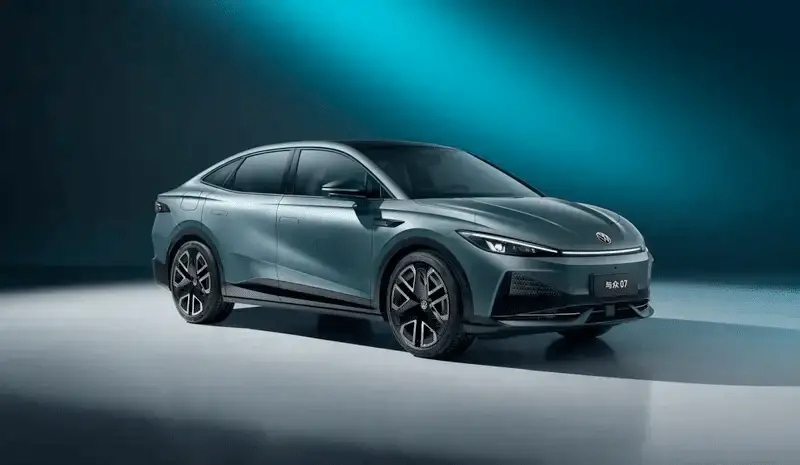
In China, Volkswagen has envisioned a curious blend of sedan and electric SUV with the ID.Unyx 07. This vehicle represents an interesting attempt to reconcile the aerodynamic elegance of a sedan with the practical and robust character of an SUV. As the Chinese automotive market continues to rapidly evolve towards electrification, manufacturers must constantly innovate to capture the attention of local consumers.

Volkswagen ID.Unyx 07

Volkswagen’s Electric Strategy in China

Volkswagen plans to launch at least four new electric models in China by 2026. This offensive is part of the group’s broader strategy to strengthen its presence in the Chinese electric vehicle market, where competition with local manufacturers is intensifying. The German brand is seeking to regain ground against Chinese companies like BYD, Nio, or Xpeng, which currently dominate the electric vehicle segment in the country.

Positioning of the ID.Unyx 07

The ID.Unyx 07 still belongs to Volkswagen’s previous generation of electric vehicles and is unlikely to achieve the expected success. Its hybrid design, although innovative, may not be enough to win over an increasingly demanding Chinese clientele accustomed to the technological innovations of local manufacturers. However, the vehicle illustrates Volkswagen’s experimental approach to testing different concepts in the Chinese market before launching its more refined new models.

Volkswagen’s Challenges in the Chinese Market

The Chinese automotive market represents a major challenge for all foreign manufacturers. Chinese consumers are particularly sensitive to onboard technologies, battery range, and infotainment systems. Volkswagen must quickly adapt its electric vehicles to these specific expectations to remain competitive. The transition to the new electric platform, planned for future 2026 models, should allow the brand to offer vehicles better suited to the tastes of Chinese buyers.

Innovation and Automotive Design

The concept of blending a sedan and an SUV is not entirely new, but Volkswagen applies it here with a distinctive approach. The ID.Unyx 07 combines the low, sporty line of a sedan with the raised ground clearance and interior space of an SUV. This approach responds to the growing demand for versatile vehicles capable of offering both the driving comfort of a sedan and the practicality of an SUV, all in a 100% electric format.

Future Prospects for Volkswagen Electric

Despite current challenges, Volkswagen maintains its commitment to electrification in China. The four new models planned for 2026 are expected to benefit from the lessons learned from vehicles like the ID.Unyx 07. The brand is also working on developing local partnerships to strengthen its battery supply chain and improve its connectivity systems, two crucial elements for success in the Chinese electric vehicle market.

Car News: Ferrari and Electric Twingo, Tesla Model Y in France, Dacia and MG Innovate

Ferrari and the Electric Twingo Unveiled

The automotive world is experiencing a week full of revelations with the unveiling of the new electric Ferrari and the zero-emission Twingo. These launches mark a significant step in the electrification of the global vehicle fleet, demonstrating the commitment of both historic manufacturers and mainstream brands towards more sustainable mobility.

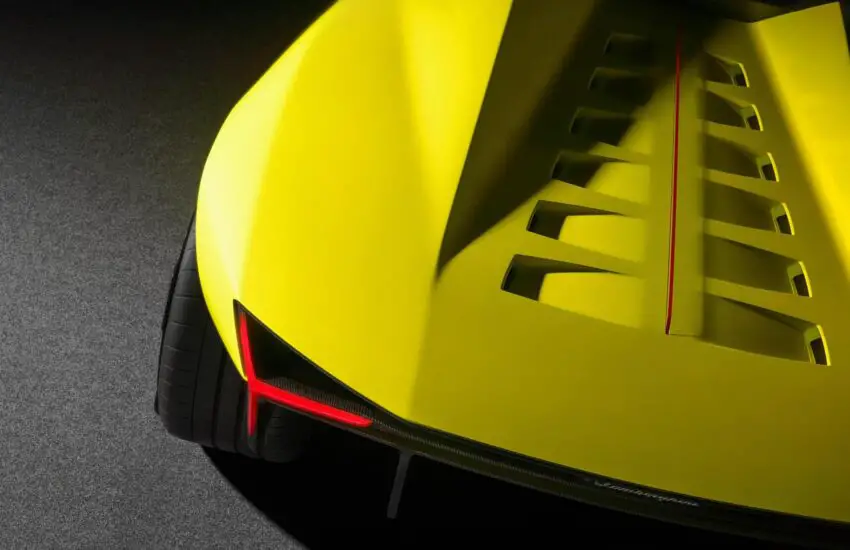
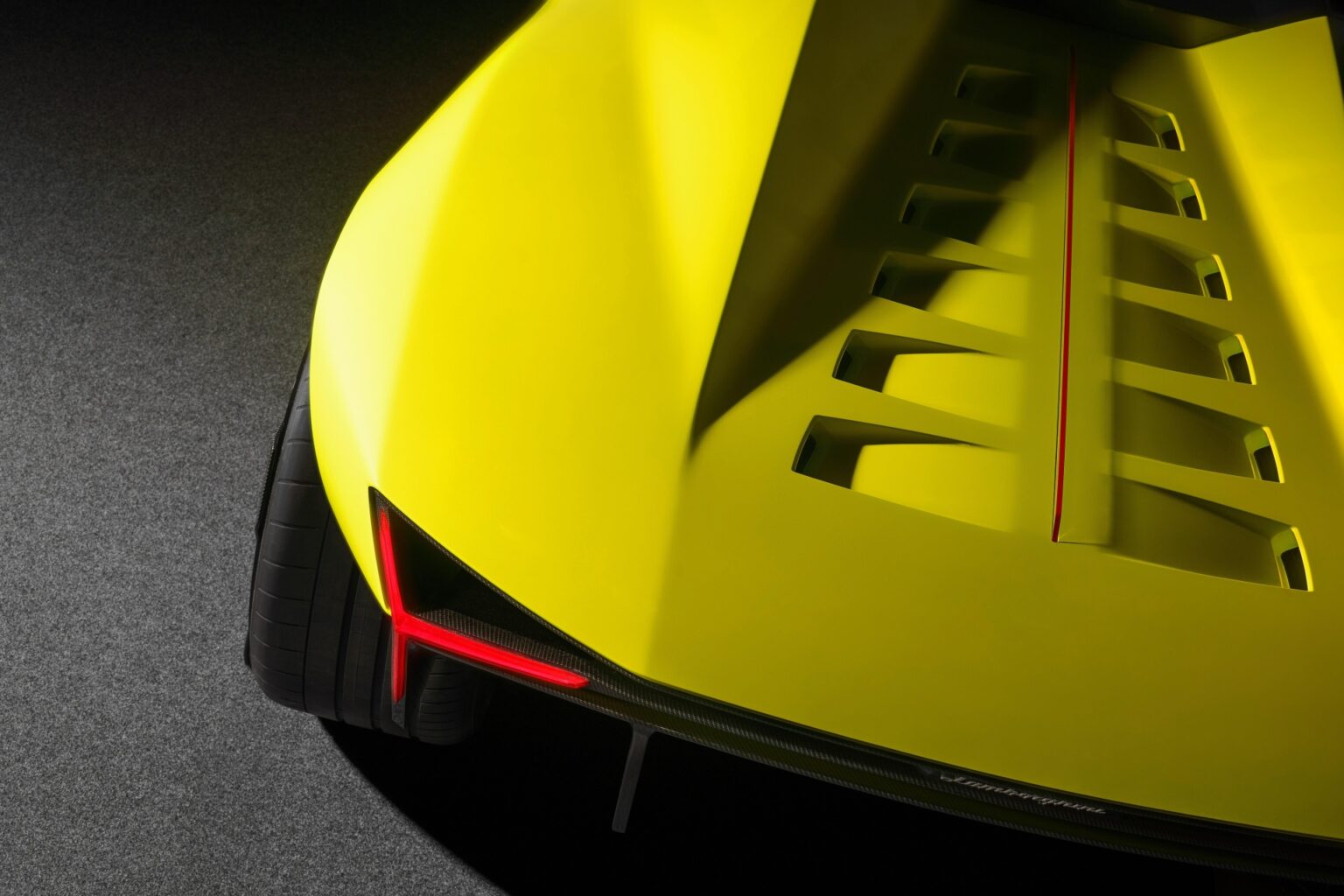
Lamborghini Manifesto

Ferrari’s Electric Strategy

Ferrari unveils its first 100% electric model, a revolution for the Italian brand known for its high-performance combustion engines. This vehicle embodies the manufacturer’s strategic shift towards electromobility while preserving the brand’s sporty and luxurious DNA. Technical details reveal impressive power and competitive range in the electric supercar segment.

The Electric Twingo: Accessibility and Urbanity

Renault presents the new electric Twingo, specifically designed for urban mobility. With its compact size and affordable price, this electric city car aims to democratize access to zero-emission mobility. Its technical features make it an ideal vehicle for daily urban travel, with a range suited to the needs of the majority of users.

Dacia Plays the Hipster in the Electric Market

Dacia surprises with an offbeat approach to the electric market, positioning its models as accessible and authentic alternatives. The Romanian brand capitalizes on its image as a pragmatic manufacturer while integrating the latest electric technologies. This strategy allows it to attract a young, urban clientele sensitive to ecological and economic arguments.

An Innovative Marketing Approach

Dacia’s Hipster positioning is reflected in original communication campaigns and recognizable design. The brand bets on authenticity and transparency, values that resonate particularly with new generations of car consumers. This disruptive approach could reshuffle the cards in the affordable electric vehicle segment.

Affordable Tesla Model Y Available in France

Tesla expands its offering in France with the marketing of the Model Y in a more accessible version. This electric SUV benefits from the technological expertise of the Californian brand while offering a competitive price. Its availability on the French market is a major development for the democratization of high-end electric vehicles.

Features and Performance

The affordable Tesla Model Y combines extended range, dynamic performance, and advanced onboard technologies. Its fast-charging system and dense Supercharger network in France make it a particularly attractive option for long trips. The spacious interior and generous trunk meet the needs of families.

MG Gives Away Cars: An Aggressive Commercial Strategy

The MG brand adopts a bold commercial approach by offering exceptional promotional deals. These special operations aim to increase the brand’s visibility in the European market and retain new customers. The Chinese manufacturer relies on compelling price arguments to carve out a place in the highly competitive European market.

Impact on the Automotive Market

MG’s offensive strategy could force other manufacturers to review their pricing positioning, particularly in the entry-level electric vehicle segment. Consumers thus benefit from a greater diversity of offers and advantageous commercial conditions.

The German Government and Its Contradictions on Electric Vehicles

Germany, the historic cradle of the automobile, faces political contradictions regarding the development of electric vehicles. Sometimes inconsistent government statements create regulatory uncertainty for manufacturers and consumers. This situation reflects the tensions between ecological ambitions and industrial realities.

Consequences for the European Automotive Industry

The fluctuating positions of the German government could slow down the electric transition in Europe, particularly affecting the investments of domestic manufacturers. This political uncertainty comes at a crucial time when the European automotive industry must face increased international competition, notably from China and the United States.

Outlook for the Electric Automotive Market

All these developments paint a picture of a rapidly changing automotive landscape. The diversification of offerings, innovative commercial strategies, and regulatory changes create a dynamic but complex environment. The coming months will be decisive for the future of electric mobility in Europe and the position of the various market players.

Toll exemption for electric trucks in Europe until 2031

Europe Makes a Move for Electric Trucks

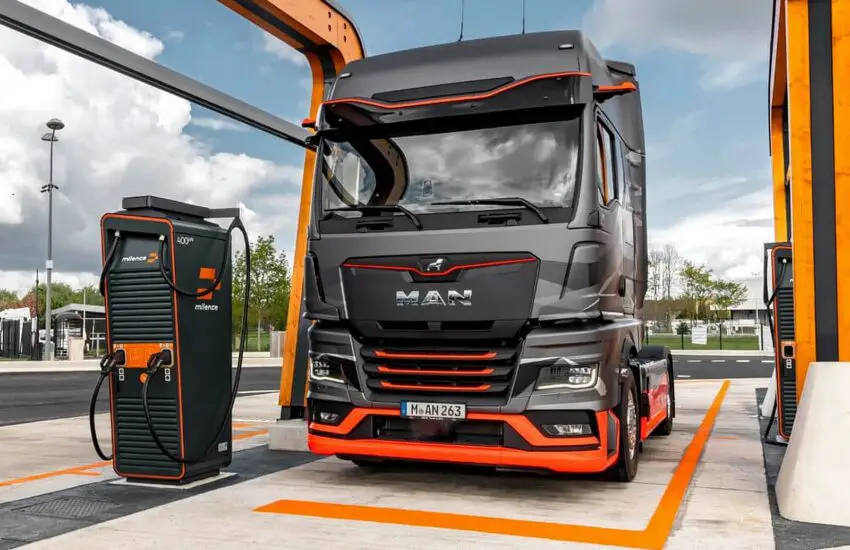
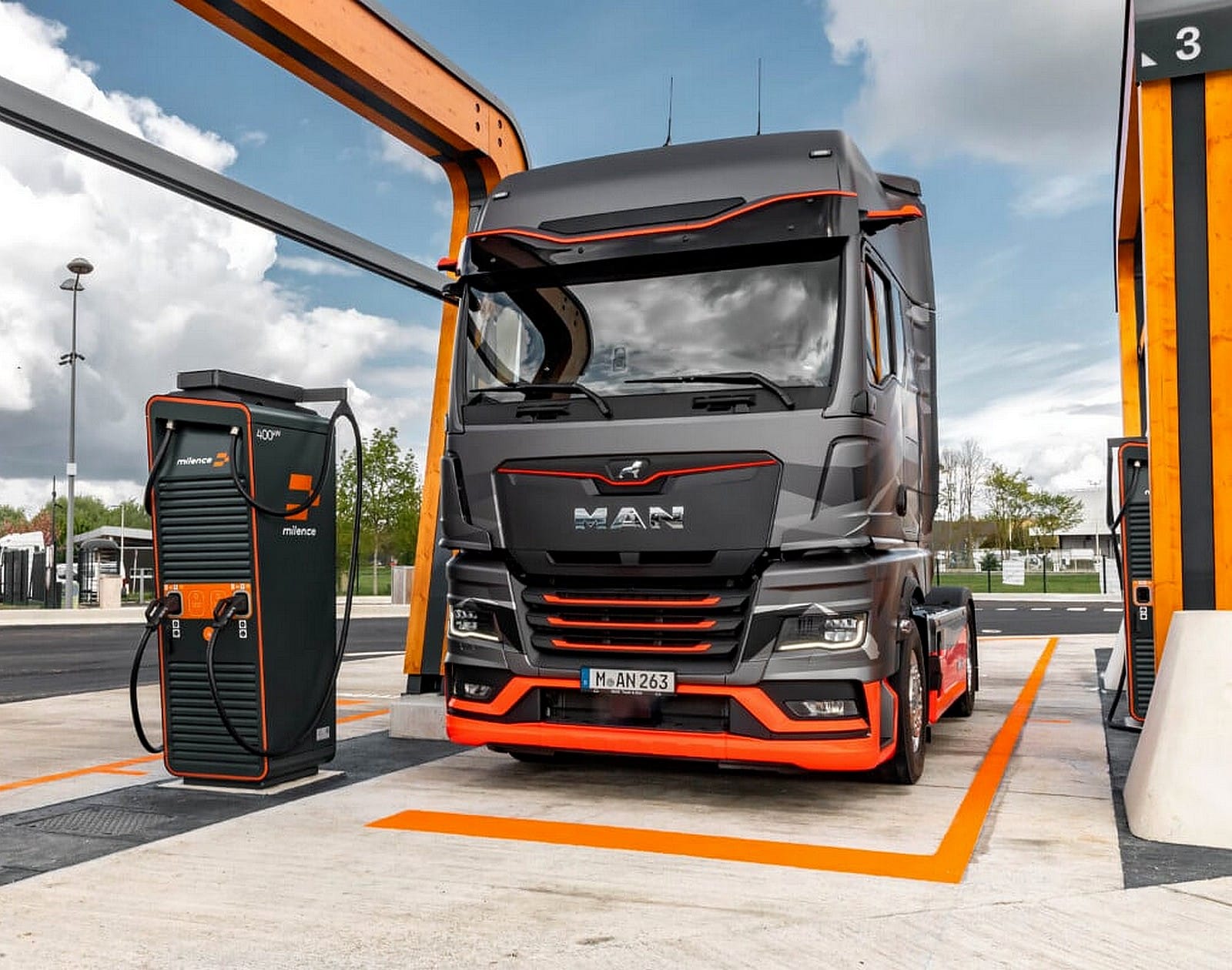
Electric truck

A historic decision has just been adopted by the European Parliament: zero-emission heavy goods vehicles will benefit from a full exemption from tolls until the end of 2031. This measure sends a strong signal in favor of the energy transition in the road freight transport sector.

A Strategic Economic Measure for Carriers

For transport companies, this exemption represents a considerable economic advantage. The cost of tolls weighs heavily on carriers’ operating budgets, potentially accounting for up to 15% of a fleet’s total expenses. Removing this financial burden for electric vehicles suddenly makes this emerging technology more competitive.

Carriers who invest in electric trucks will thus benefit from an accelerated return on investment. This measure partially offsets the higher purchase cost of electric heavy goods vehicles, which remains significant compared to traditional diesel models.

An Accelerator for Decarbonized Heavy Mobility

The transport sector accounts for nearly a quarter of greenhouse gas emissions in Europe, with heavy goods vehicles contributing significantly to this pollution. The European Parliament’s decision is part of an overall strategy to decarbonize road transport by 2050.

By exempting electric trucks from tolls, European legislators are creating a powerful financial incentive to encourage professional fleets to take the leap to electric. This approach complements other acquisition support schemes already in place in several Member States.

Outlook and Implications for the Sector

This decision comes at a pivotal time when manufacturers are beginning to offer electric truck models with ranges and load capacities compatible with professional needs. The toll exemption until 2031 provides sufficient visibility to secure carriers’ investments.

The measure is expected to stimulate demand and encourage manufacturers to accelerate the development of their electric range. It could also prompt infrastructure managers to deploy charging stations suitable for heavy goods vehicles more quickly along major highway routes.

A Significant Environmental Impact Expected

By promoting the adoption of electric trucks, this European policy will help improve air quality, particularly around heavily trafficked road corridors. The reduction in fine particle and nitrogen oxide emissions will have direct benefits for public health.

Furthermore, the reduction in noise generated by electric trucks compared to diesel engines will improve the living conditions for residents near major traffic routes, especially during the night when road transport noise can disrupt sleep.

This regulatory advance demonstrates Europe’s willingness to harmonize transport and energy transition policies. It is accompanied by other initiatives such as the deployment of charging infrastructure and the development of renewable energies to ensure that the electricity used by these vehicles is effectively clean.

Strategic Partnership to Deploy Electric Vehicle Charging Stations in Rural Areas

This New Partnership Should Facilitate the Installation of Charging Stations in the Countryside

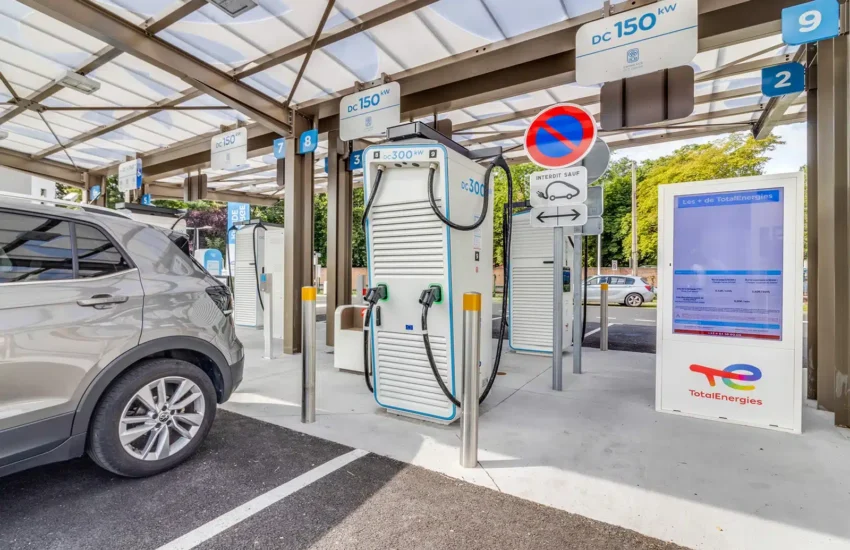
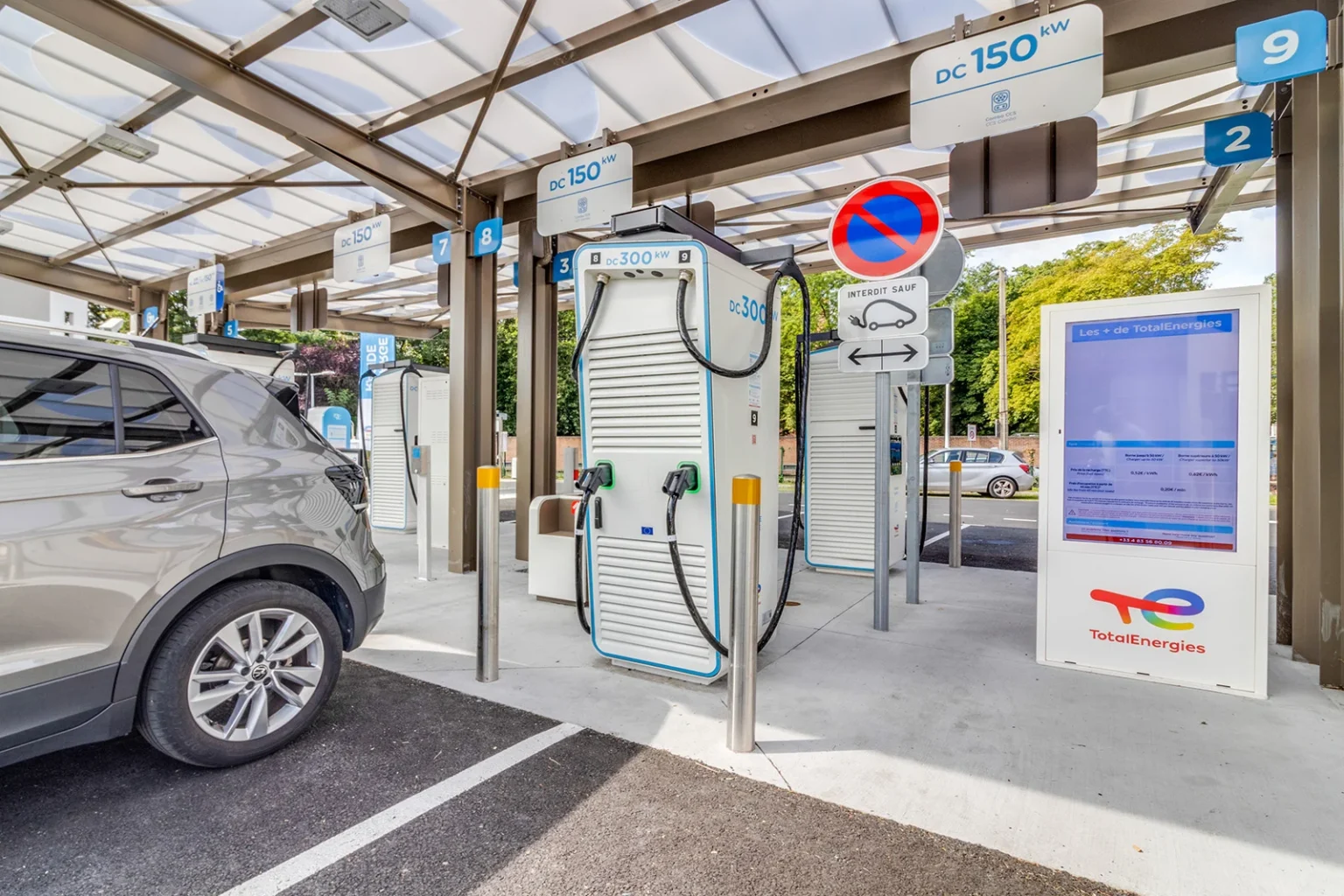
TotalEnergies and the Banque des Territoires are joining forces to create an investment platform aimed at improving the network of charging infrastructure. This system will support municipalities and local authorities in their projects to deploy charging stations for electric vehicles.

A Strategic Alliance for Rural Electric Mobility

The joint initiative between TotalEnergies and the Banque des Territoires represents a major step forward in the development of electric vehicle charging infrastructure. This collaboration specifically aims to address the chronic shortage of equipment in rural and suburban areas, where access to charging stations remains limited compared to urban centers.

An Innovative Financing Mechanism

The investment platform created by the two entities offers an innovative business model that allows local authorities to overcome the financial barriers traditionally associated with the deployment of charging stations. This system includes co-investment mechanisms tailored to municipal budgets and shared technical expertise to optimize the placement of infrastructure.

Personalized Support for Local Areas

Municipalities will benefit from personalized support from the feasibility study to the commissioning of the charging stations. This comprehensive support covers the analysis of local traffic, the identification of strategic locations, the technical sizing of installations, and the optimization of the financing plan.

Impact on the Energy Transition

This partnership is part of a broader dynamic of energy transition and the reduction of greenhouse gas emissions. By facilitating access to electric charging in rural areas, the system encourages the adoption of electric vehicles beyond dense urban zones, thus contributing to decarbonized mobility across the entire national territory.

Deployment Prospects

The program plans a gradual deployment over the next three years, with particular attention paid to areas identified as priorities in regional master plans. The goal is to create a coherent and homogeneous network ensuring a maximum distance between charging points, regardless of the territory.

Benefits for Local Authorities

For rural municipalities, this partnership represents an opportunity for economic development and territorial attractiveness. The presence of modern charging infrastructure provides an additional argument for attracting new residents and visitors, while meeting the growing needs of the local population for sustainable mobility.

The synergy between TotalEnergies’ energy expertise and the Banque des Territoires’ in-depth knowledge of local areas promises to significantly accelerate the national coverage of charging stations, thereby reducing range anxiety that still hinders the adoption of electric vehicles in sparsely populated areas.

Xpeng G6: The Electric SUV Adopts a Range Extender for Europe

Xpeng G6 Adopts Range Extender

Xpeng G6 REEV

In a few weeks, Xpeng will no longer be a brand dedicated exclusively to 100% electric vehicles. The Chinese manufacturer is making a strategic transition by equipping some of its models with a range extender, a technological innovation that could revolutionize the electric driving experience in Europe.

A Major Technological Evolution

The Xpeng G6, the brand’s iconic electric SUV, now incorporates a range extender that marks a turning point in Xpeng’s product philosophy. This hybrid solution significantly increases the vehicle’s range without relying exclusively on charging infrastructure. The range extender functions as an onboard generator that recharges the batteries while driving, offering unprecedented flexibility to users.

This approach addresses major concerns of European drivers regarding the range of electric vehicles. Long journeys become more accessible, reducing range anxiety and the need to meticulously plan each charging stop.

Strategic Positioning in the European Market

Xpeng has a significant competitive advantage to deploy this technology in the Old Continent. The manufacturer masters the entire value chain, from design to marketing, allowing it to optimize the integration of the range extender into the G6’s architecture.

The European market, particularly demanding in terms of quality and performance, represents an ideal playing field for this innovation. European drivers, often facing long-distance trips between different capitals, will find in this solution the ideal compromise between ecology and practicality.

Benefits of the Range Extender

The implementation of this technology offers several major benefits. Firstly, it significantly reduces time spent at charging stations, a crucial point for professional users or families making frequent trips.

Secondly, the range extender provides additional security in regions where the charging network is less dense. Rural and mountainous areas, often less equipped with electrical infrastructure, thus become more accessible to electric vehicles.

Finally, this solution represents a smooth transition to electromobility for consumers still hesitant to switch to 100% electric. It combines the ecological advantages of electric power with the peace of mind offered by extended range.

Implications for the Automotive Industry

This strategic evolution by Xpeng could influence the entire electric automotive sector. Traditional manufacturers are closely observing this innovation that could redefine market standards. Range extender technology may represent the necessary intermediate step before the advent of unlimited-range batteries.

The Xpeng G6 equipped with its range extender embodies this pragmatic vision of electric mobility, where technological innovation primarily serves user experience and the real needs of drivers.

Future Prospects

The successful deployment of this technology in Europe would pave the way for other similar innovations in the Xpeng lineup. The manufacturer could extend this solution to other models, thus creating a family of extended-range electric vehicles suitable for all user profiles.

This approach could also inspire other electric manufacturers to develop their own range extension solutions, thereby accelerating the mass adoption of electric vehicles in Europe and worldwide.

BMW maintains its excellent electric car sales performance in 2025

BMW’s Electric Car Sales Remain Strong

BMW iX3 50 xDrive Neue Klasse 2025

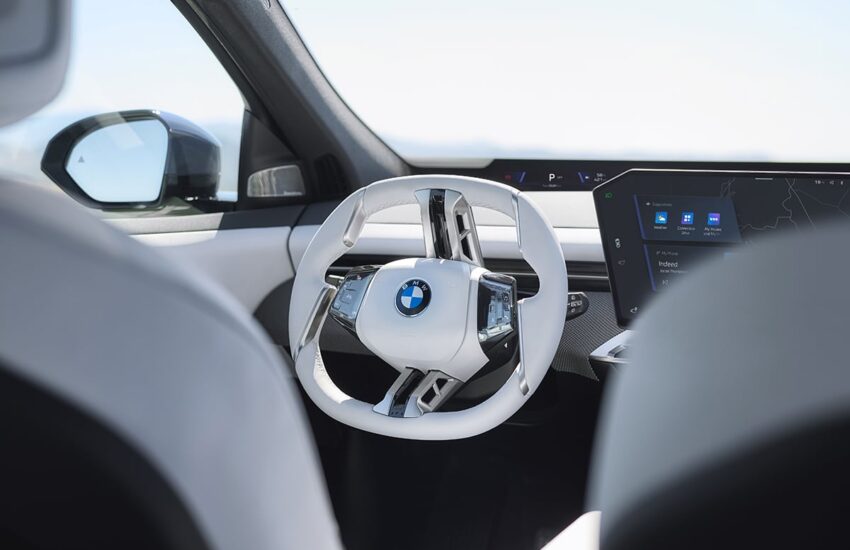
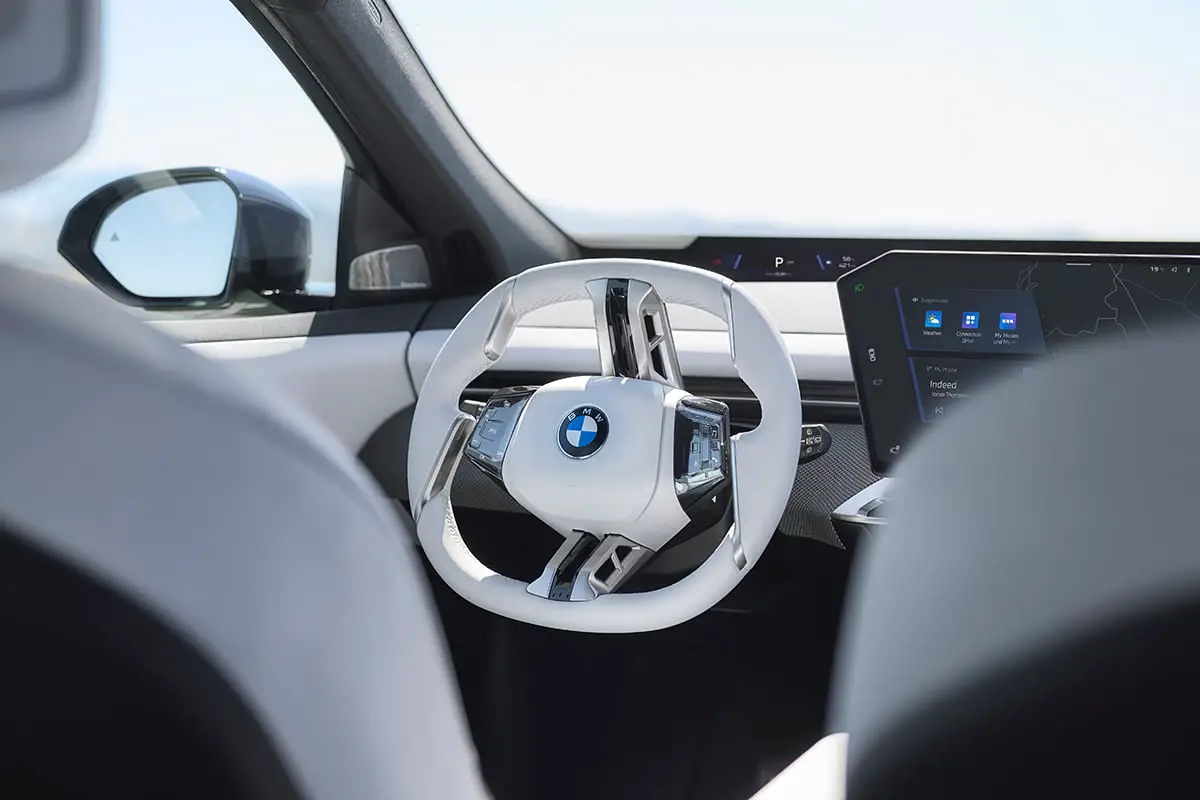
Electric car sales continue to perform well at BMW. The German brand delivered 102,864 battery-powered models during the third quarter of 2025. This marks the sixth consecutive quarter above the 100,000-unit threshold.

Sustained Growth in Electric Vehicles

BMW’s performance in the electric vehicle segment demonstrates a robust business strategy and growing consumer adoption. Maintaining this sales level for six consecutive quarters indicates a certain market maturity and increased buyer confidence in the Bavarian manufacturer’s electric offerings.

The Significance of Q3 2025

The third quarter of 2025 confirms the positive trajectory BMW has maintained for several years. With over 102,000 electric vehicles delivered, the automaker strengthens its position in the global electric mobility market. This performance occurs within the context of global energy transition and evolving environmental regulations.

BMW’s Product Strategy

BMW’s commercial success relies on a diverse and technologically advanced electric lineup. The various models offered meet the varied expectations of international markets, ranging from sedans to electric SUVs. Technological innovation, battery range, and driving performance constitute major assets in these vehicles’ appeal.

Electric Market Outlook

BMW’s ability to maintain such sales levels over an extended period demonstrates the vitality of the electric vehicle sector. Charging infrastructure, government incentives, and evolving mindsets contribute to this positive dynamic. Forecasts for upcoming quarters remain optimistic, with expectations of continued growth.

Impact on the Automotive Industry

These results significantly influence the entire automotive industry, prompting competitors to accelerate their transition to electric. BMW’s leadership position in this segment inspires new strategies and investments in clean technology research and development.

The Future of Electric Mobility

BMW’s consistent performance opens interesting perspectives for the future of sustainable mobility. The next generations of electric vehicles promise significant technological advances, improved range, and increased accessibility for a broader audience.