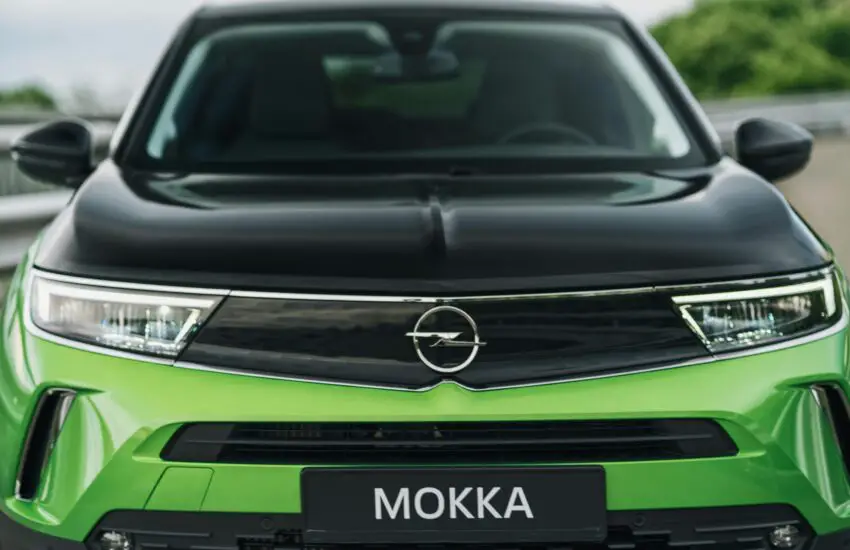
Renault inaugurates a laboratory in France to revolutionize electric car batteries

Renault Opens a Laboratory in France

Ampere, Renault’s subsidiary specializing in electric technologies, has just inaugurated the “Battery Cell Innovation Laboratory,” a research center dedicated to anticipating technological breakthroughs in the field of electric vehicle batteries.

Renault Ampere Battery Cell Innovation Laboratory This laboratory represents a major strategic investment for the Renault Group in the race for battery innovation. Located in France, it will focus research efforts on next-generation battery cell technologies.

The Objectives of the Battery Cell Innovation Laboratory

The new research center’s fundamental mission is to explore future battery technologies. Engineers and researchers will work on improving energy density, reducing charging times, and increasing battery lifespan.

The laboratory’s innovative approach combines fundamental research and industrial applications. Teams will study novel materials, revolutionary cell architectures, and sustainable manufacturing processes.

Strategic Importance for the French Automotive Industry

This initiative is part of a long-term vision to strengthen French industrial sovereignty in the electric vehicle sector. The laboratory positions France as a major player in battery research, an essential component representing a significant portion of an electric vehicle’s value.

The center will contribute to the development of a competitive battery industry in Europe, reducing dependence on Asian technologies. This technological autonomy is crucial for the future of the European automotive industry in the face of international competition.

Technological Challenges to Overcome

Laboratory researchers will need to overcome several major obstacles. Increasing energy density would enable greater range without adding weight to vehicles. Reducing charging times represents another critical challenge for the mass adoption of electric vehicles.

Battery durability and recycling are absolute priorities. The laboratory will explore circular solutions to minimize the environmental impact of batteries throughout their lifecycle.

Development Prospects

In the medium term, the laboratory’s discoveries could lead to batteries offering ranges exceeding 800 kilometers. Research on semi-solid batteries and lithium-metal technologies could revolutionize the market by the end of the decade.

Innovation will not be limited to performance. The laboratory will also study reducing production costs and optimizing manufacturing processes to make electric vehicles more accessible.

Impact on the French Automotive Ecosystem

This laboratory significantly strengthens the French electric mobility ecosystem. It will create highly skilled jobs and attract international talent in the field of battery research.

Collaboration with universities, research centers, and French startups will create a dense innovation network around battery technologies. This synergy will foster cross-disciplinary discoveries and accelerate technology transfer to industry.

The Ampere Battery Cell Innovation Laboratory thus represents a future investment for the French automotive sector, positioning Renault as a leader in sustainable electric mobility innovation.

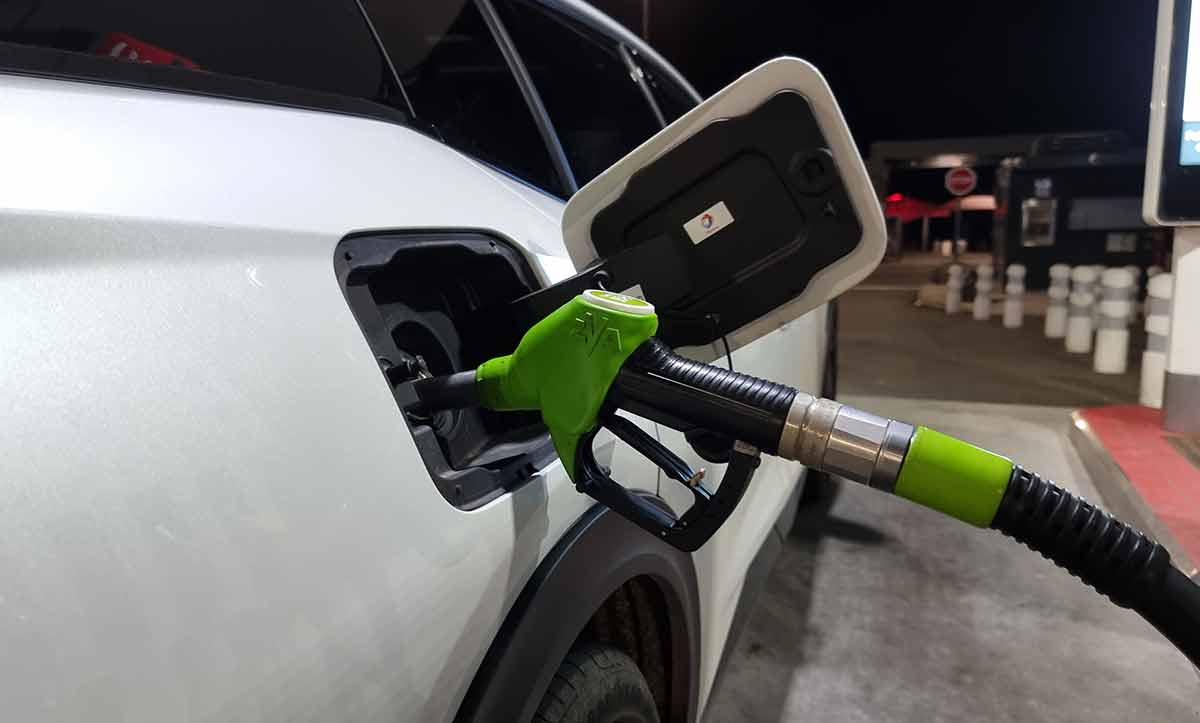
Biofuels and CO2 Emission Reduction: Eco-Friendly Solution or False Good Idea?

Are Biofuels Truly a Good Solution for Reducing CO2 Emissions?

Biofuels are often presented as a credible alternative to fossil fuels to reduce our environmental impact. However, this promise deserves in-depth analysis to understand its true implications.

The Principle of Biofuels

Biofuels come from plant or animal organic matter, unlike fossil fuels derived from mineral resources. There are mainly two categories: first-generation biofuels produced from food crops such as corn, sugarcane, or rapeseed, and advanced biofuels made from agricultural waste, forestry residues, or microalgae.

The Carbon Footprint of Biofuels

Theoretically, biofuels offer a significant climate advantage. During their growth, plants absorb CO2 through photosynthesis, creating a theoretically carbon-neutral cycle upon combustion. However, this idealized view does not account for the entire production process.

The manufacturing of biofuels involves energy-intensive steps: cultivation of raw materials, transportation, industrial processing, and distribution. Each phase consumes energy, often from fossil sources, which significantly increases the final carbon footprint.

The Overall Environmental Impact

Beyond CO2 emissions, the life cycle analysis of biofuels reveals other major environmental impacts. The development of dedicated crops can lead to significant deforestation, particularly in tropical regions where forests are converted into oil palm or soybean plantations.

This transformation of natural ecosystems into agricultural land releases enormous amounts of carbon stored in soils and biomass, sometimes completely canceling out the expected climate benefits. This is referred to as a “carbon debt” that can take decades to repay.

Competition with Food Crops

The use of agricultural land to produce biofuels instead of food raises important ethical and economic questions. This competition can contribute to rising prices of basic food products, particularly affecting the most vulnerable populations.

In some regions of the world, the conversion of land from food production to biofuel production has already shown concerning social consequences, questioning the sustainability of this sector.

Second and Third Generation Biofuels

Advanced biofuels, produced from agricultural waste, forestry residues, or microalgae, offer superior environmental benefits. They do not directly compete with food crops and utilize resources that would otherwise be wasted.

These next-generation biofuels have a better carbon footprint and reduce land use impacts. However, their technological development and large-scale deployment still present significant challenges.

The Role of Biofuels in the Energy Transition

Despite their limitations, biofuels still have a role to play in the energy transition, particularly for sectors that are hard to decarbonize, such as aviation or maritime transport. Their ability to be used in existing infrastructure represents a notable advantage.

The future of biofuels likely lies in a reasoned approach, combining process improvements, the use of sustainable raw materials, and the parallel development of other clean mobility solutions.

Perspectives and Alternatives

The issue of biofuels cannot be separated from a broader reflection on our mobility model. Reducing CO2 emissions also involves the development of public transport, optimization of logistics, vehicle electrification, and, fundamentally, an evolution in our travel behaviors.

Biofuels represent one piece of the energy puzzle but are not a miracle solution. Their contribution to reducing CO2 emissions closely depends on production methods, the raw materials used, and their integration into a diversified energy strategy.

Student Testimony: Rennes-Perpignan by Electric Car Opel Corsa-e

Student Testimonial: Rennes-Perpignan in an Opel Corsa-e

Opel Corsa-e charging

The start of the university year often means moving for future students. While some are lucky enough to find housing near their campus, others have to travel hundreds of kilometers to reach their new student city. This is the case for Gaëlle, who made the Rennes-Perpignan journey driving an Opel Corsa-e, demonstrating the viability of electric vehicles for long student trips.

The Challenge of Student Mobility in an Electric Vehicle

The journey between Rennes and Perpignan is about 1,000 kilometers, a considerable distance for an electric vehicle, especially when it’s a city car like the Opel Corsa-e. This testimonial highlights the concrete realities of daily electric vehicle use in the context of higher education. Trip planning, range management, and charging times are determining factors for this type of travel.

The Practical Experience of Long-Distance Electric Driving

Beyond technical specifications, the real driving experience reveals valuable lessons. The Corsa-e, with its advertised range of about 330 kilometers, requires rigorous organization for a journey of this scale. The charging infrastructure along the Atlantic axis to the Mediterranean proved sufficient but requires careful anticipation. Charging breaks naturally correspond to the driver’s rest times, creating a healthier and less tiring travel rhythm.

Economic Benefits for a Student

Financially, choosing an electric vehicle offers significant advantages for a student budget. The cost per kilometer is significantly lower than that of a combustion engine vehicle, especially over long distances. Reduced maintenance costs and potential purchase incentives are additional arguments in favor of student electric mobility. This experience shows that the initial investment can be amortized over the course of studies thanks to the savings made.

Adapting to the Constraints of Electric Travel

Gaëlle’s journey perfectly illustrates the evolution of attitudes towards electric mobility. Far from being perceived as limitations, charging breaks become moments of relaxation and work. Many service areas equipped with fast chargers allow for recovering 80% of the battery in about thirty minutes, the ideal time for a meal break or to get ahead with revisions. This flexibility fits perfectly into the student lifestyle rhythm.

Future Prospects for Student Electric Mobility

This testimonial opens encouraging perspectives for the future of student travel. As universities gradually develop their own charging infrastructure, the electric car is becoming an increasingly credible option for young people in higher education. The continuous improvement of ranges and the densification of the charging network help to remove the last psychological barriers. Gaëlle’s successful experience between Rennes and Perpignan proves that electric mobility is no longer reserved for daily commutes but now extends to major student travels.

Mercedes ELF: the revolutionary ultra-fast charging electric cargo bike

This Mercedes Electric Vehicle Can Handle Phenomenal Charging Power

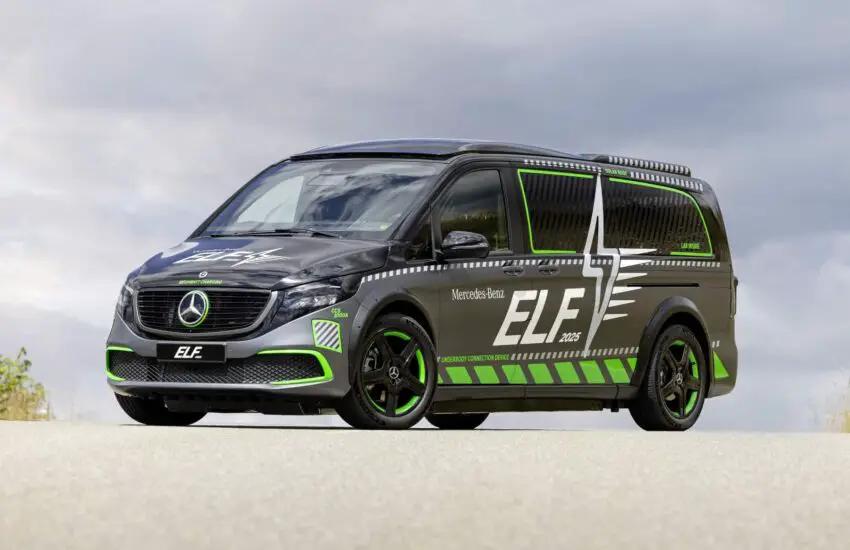
Mercedes-Benz unveils an experimental concept that pushes the boundaries of electric charging. Named ELF, this electric van represents a major advancement in sustainable mobility with its exceptional charging capabilities.

Mercedes ELF Electric Vehicle Mercedes presents an experimental concept capable of charging at exceptional speed. Named ELF, this electric van accepts both CCS and MCS charging and can regain 400 km of range in just 5 minutes.

A Revolution in Electric Charging

The Mercedes ELF sets new standards in energy efficiency. Its ability to recover 400 kilometers of range in just five minutes represents an unprecedented technological feat in the electric automotive industry. This exceptional performance results from years of research and development in thermal management systems and charge current optimization.

Dual CCS and MCS Compatibility

One of ELF’s major innovations lies in its dual compatibility with CCS and MCS charging standards. The CCS system remains the European standard for fast charging of passenger vehicles, while MCS represents the new standard dedicated to heavy commercial vehicles and freight transport. This versatility allows the Mercedes van to adapt to different charging infrastructures, whether urban charging points or stations dedicated to professionals.

Technology and Performance

The ELF’s design incorporates cutting-edge technologies to handle extreme charging powers. The battery system uses high-performance cells specifically designed to withstand intensive electrical currents without premature degradation. The advanced liquid cooling system maintains optimal battery temperature during ultra-fast charging, ensuring the longevity and safety of the entire system.

Implications for Professional Mobility

This revolutionary electric vehicle opens new perspectives for professionals needing to make long journeys with minimal downtime. Delivery companies, mobile technical services, and all professions requiring long range with maximum availability will find in the ELF a solution adapted to their operational constraints.

The Future of Electric Mobility

The Mercedes ELF concept foreshadows the evolution of electric utility vehicles. By demonstrating the technical feasibility of ultra-fast charging for vehicles in this category, Mercedes positions the ELF as a precursor to future standards. This innovation could accelerate the energy transition of the professional transport sector by removing one of the main barriers to the massive adoption of electric vehicles: charging time.

Outlook and Development

Although presented as an experimental concept, the ELF incorporates sufficiently mature technologies to consider series production in the coming years. The lessons learned from this project will certainly influence the development of the brand’s future electric models, both in the utility range and for passenger vehicles.

McDonald’s and Lidl: The Future of Electric Charging in Small French Towns

McDonald’s, Lidl: The Future of Charging in Small Provincial Towns

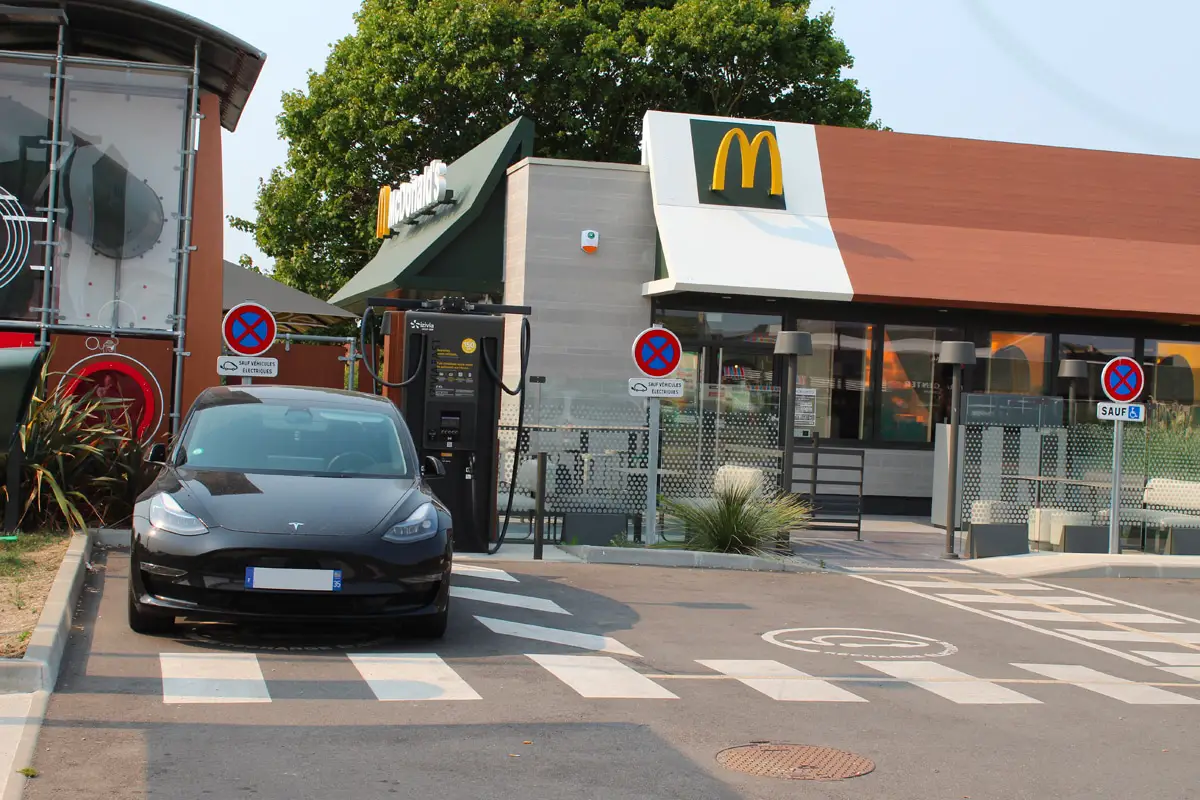
Tesla Model 3 charging at McDonald's La Guerche-de-Bretagne

In the French landscape of electric mobility, a silent revolution is underway. Major retail and fast-food chains are gradually becoming the pillars of charging infrastructure in rural areas and small towns.

The Transformation of Commercial Parking Lots

The parking lots of McDonald’s, Lidl, and other major chains are transforming into true 21st-century service stations. These spaces, once simply dedicated to parking, are becoming strategic points for electric vehicle charging. This evolution addresses a growing need in less densely populated areas.

The presence of charging stations in these commercial establishments completely transforms the experience for electric car users. Instead of wasting time during charging, drivers can now run errands or have a meal while their vehicle charges.

Rapid and Effective Development

In just a few years, the electric vehicle charging offering has seen remarkable expansion in many small French towns. Agglomerations of 4,500 inhabitants, like La Guerche-de-Bretagne, now see their urban landscape enriched with new charging infrastructure accessible to the general public.

This rapid deployment is explained by several factors. The chains already have the necessary spaces, suitable electrical supply, and regular traffic. Installing charging points therefore represents a relatively controlled investment for these economic players.

Benefits for Municipalities and Residents

For small provincial towns, this new approach offers multiple benefits. It allows for the development of charging infrastructure without significant public investment. Municipalities thus benefit from an essential service for their residents without having to bear the installation and maintenance costs.

Residents of rural and suburban areas see their electric vehicle autonomy significantly improved. The ability to charge during daily activities like shopping or lunch breaks removes a major barrier to electric vehicle adoption.

Complementarity with Existing Networks

These charging points in commercial settings complement the infrastructure already present on highways and in large urban areas. They form an essential territorial network to ensure coverage of less dense areas.

The location of these charging stations in places of daily life and consumption perfectly matches driver habits. The charging time, which can vary from 20 to 45 minutes depending on available power, ideally corresponds to the duration of a meal break or quick shopping trip.

Evolution Prospects

The model of charging integrated into commercial chains seems to promise a bright future. More and more players recognize the strategic interest of offering this service to their customers. This represents not only a competitive advantage but also an additional revenue stream.

In the medium term, we can anticipate standardization of equipment and an increase in available charging power. The next generations of charging stations will enable even faster charging, making the experience even more convenient for users.

This evolution towards diffuse charging integrated into the local commercial fabric could well represent the most sustainable solution for electrifying the French vehicle fleet, particularly in areas where population density does not justify the installation of dedicated charging stations.

7 Common Range Rover Evoque Engine Problems and Simple Solutions

7 Common Range Rover Evoque Engine Problems and Simple Solutions

The Range Rover Evoque combines modern design with the heritage of a prestigious British brand. Launched in 2011, it quickly gained popularity due to its compact dimensions, refined interior, and elegant aesthetics. The model has evolved over the years, and the current generation uses a 2.0-liter turbocharged four-cylinder engine paired with a nine-speed automatic transmission, producing approximately 249 horsepower and 269 lb-ft of torque. Despite these impressive specifications, the vehicle has developed a reputation for poor reliability. Many owners report mechanical and electrical issues, particularly concerning the engine and its associated systems. This article examines seven common engine-related failures and proposes accessible fixes. It also details essential technical information and maintenance tips to keep your Evoque in good working order.

1. Oil Leaks and Excessive Consumption

Many drivers notice that their Range Rover Evoque engine consumes more oil than expected. The 2.0-liter turbocharged engine often experiences leaks and high consumption due to worn seals or faulty piston rings. Oil leaking onto other components can create environmental hazards and cause additional damage if ignored. Signs include oil spots under the vehicle, a burning smell, or the low oil warning light.

Solution: Regularly check the oil level and inspect the underside of the vehicle for leaks. In case of excessive consumption, examine the rocker cover gasket, sump gasket, and oil filter housing. Replacing worn seals or rings is the long-term solution. Maintaining the correct oil level prevents engine wear while awaiting repairs. Always use high-quality parts when replacing seals.

2. Turbocharger Issues

The turbocharger may experience early failures, often caused by inadequate lubrication or carbon deposit buildup. Loss of power, bluish smoke from the exhaust, or unusual noises indicate a faulty turbo.

Solution: Strictly adhere to oil change intervals and use the manufacturer-recommended engine oil. Avoid shutting off the engine abruptly after high-speed driving. For repairs, entrust the diagnosis to a qualified professional.

3. Sensor Failures

Sensors, particularly the turbo pressure sensor and lambda probes, are prone to failure. These malfunctions can trigger the engine management light and affect performance.

Solution: An electronic diagnostic can identify the faulty sensor. Replacement typically uses standard parts available from dealers and authorized repairers.

4. Timing Belt Problems

The timing belt may show signs of premature wear, including cracks or fraying. A break can lead to catastrophic engine damage.

Solution: Rigorously follow the recommended maintenance schedule for replacement. Regular visual inspection by a qualified mechanic is advised.

5. Engine Overheating

Cooling system issues, such as thermostat or water pump failures, can cause overheating. The temperature warning light will then illuminate on the dashboard.

Solution: Regularly check the coolant level and inspect the system for possible leaks. Replace faulty cooling system components promptly.

6. Faulty Spark Plugs and Coils

Worn spark plugs or failing coils can cause misfires, power loss, and increased fuel consumption.

Solution: Replace spark plugs according to recommended intervals and check the condition of coils during regular maintenance.

7. Air Intake System Problems

Deposit buildup in the intake system, particularly the EGR valves and intake manifold, can reduce performance and increase consumption.

Solution: Periodic cleaning of the intake system helps maintain optimal performance. Use approved cleaning additives and have professional decarbonization done if necessary.

Regular and preventive maintenance remains the best strategy to prevent these common problems and ensure the longevity of your Range Rover Evoque. Always consult the maintenance manual for technical specifications and recommended service intervals.

Aluminum or Steel Wheels: Which Choice for Driving in Winter in Canada?

Aluminum or Steel Wheels for the Canadian Winter

Canadian winters are particularly extreme. Between heavy snowfall, icy roads, deep potholes, and salt-covered highways, drivers face conditions that test both vehicles and drivers. In such an environment, every component of your car matters, including the wheels.

The choice between aluminum and steel wheels is not just about aesthetics. It directly impacts safety, performance, and costs during winter driving. While aluminum rims are lighter and often more stylish, steel rims are known for their sturdiness and resistance to harsh conditions. Choosing the best wheels for your vehicle can make the difference between a safer, smoother drive and premature wear with unexpected expenses.

The Harsh Reality of Canadian Winters

Driving in winter in Canada isn’t just about installing winter tires. The weather conditions are brutal for your entire vehicle, especially your wheels.

  • Snow, ice, and slush. Roads are rarely predictable in winter. One day you’re driving on powder snow, the next you’re facing icy intersections or thick slush. Each situation reduces grip and increases the risk of skidding, requiring your wheels to work in perfect synergy with your winter tires to maintain control.
  • De-icing salt and its corrosive effects. Although salt helps melt ice and improves safety, it is also highly corrosive. Prolonged exposure can eat away at rims, causing pitting, flaking, and eventually structural weakness. Choosing wheels with strong protective coatings or materials less susceptible to corrosion can save you from costly repairs.
  • Potholes, gravel, and temperature variations. Freeze-thaw cycles wreak havoc on Canadian roads, creating potholes and uneven surfaces. Wheels must withstand repeated shocks and debris, while constant temperature fluctuations can affect material integrity.

Aluminum Wheels: Winter Pros and Cons

Aluminum wheels, often called alloy wheels, are prized for their modern look and performance. Their lightness helps reduce unsprung mass, which can improve steering responsiveness, handling, and braking efficiency. In winter, this increased responsiveness can offer better feedback on slippery roads.

However, aluminum is generally more sensitive to impacts and salt corrosion. Rim edges can be damaged by potholes or curbs hidden under snow. Moreover, although many models have protective coatings, a scratch or chip can expose the metal to corrosion.

Steel Wheels: Toughness Against Winter

Steel wheels are known for their durability and impact resistance. Their robust construction allows them to better absorb impacts from potholes or hidden obstacles, with a lower risk of cracking or deforming. If damaged, they are often cheaper to repair or replace.

Steel, however, is heavier, which can slightly affect fuel consumption and vehicle agility. Although it resists impacts well, it is more prone to rust if not properly protected. Most steel rims have an anti-corrosion coating, but chipped paint can quickly lead to oxidation.

Decisive Factors for Your Winter Choice

Several criteria should guide your decision based on your situation and priorities.

Durability and impact resistance are crucial if you regularly drive on poorly maintained or pothole-ridden roads. Steel wheels are often recommended in such cases.

Corrosion resistance is vital with heavy salt use. Both materials can be protected, but aluminum is naturally more corrosion-resistant, provided its coating remains intact.

Weight and performance may influence your choice if you prioritize dynamic driving. Lighter aluminum improves responsiveness, while steel offers increased sturdiness.

Finally, cost is a factor. Steel wheels are generally cheaper to purchase, making them an economical choice, especially if you plan to equip them with dedicated winter tires.

Conclusion: Which to Choose for the Canadian Winter?

The choice between aluminum and steel wheels for the Canadian winter mainly depends on your specific needs. If you seek toughness, impact resistance, and a controlled budget, steel wheels are ideal. If, on the other hand, you prioritize lightness, responsiveness, and aesthetics, and you mostly drive on well-maintained roads, aluminum will be more suitable.

Whatever your choice, ensure your wheels are in good condition, properly balanced, and paired with quality winter tires to maximize your safety during the cold season.

Essential BMW Accessories: The 10 Must-Have Items

Top BMW accessories every owner should consider begin with a careful selection of equipment that transforms the driving experience. Owning a BMW goes beyond simply using a vehicle – it’s embracing an automotive lifestyle combining luxury, performance, and exceptional engineering. These iconic cars embody German craftsmanship in all its splendor. For demanding owners, acquiring suitable accessories represents an opportunity to optimize comfort, style, and practicality while preserving the vehicle’s value.

Whether you drive a recent BMW or an older model, wisely chosen accessories bring real added value. Enhancement possibilities cover all areas, from technical optimizations to aesthetic refinements. To maintain your vehicle’s optimal performance, quality parts like replacement engines guarantee a driving experience faithful to BMW standards.

BMW Interior Protections

Original BMW floor mats and trunk protectors constitute a smart investment to preserve your vehicle’s interior. Custom-designed for each model, they offer optimal protection against dirt, sand, and liquids encountered daily. Their exceptional durability and perfect fit actively contribute to maintaining the vehicle’s resale value.

Advanced Multimedia Systems

Modern BMWs integrate sophisticated multimedia systems, but certain accessories perfect their use. Smartphone mounts, wireless charging interfaces, and enhanced navigation systems harmonize perfectly with the vehicle’s technological ecosystem. These equipment transform the cabin into a connected and intuitive environment.

Aesthetic Optimizations

High-performance alloy wheels represent one of the most popular accessories among BMW owners. Available in various finishes and dimensions, they enhance the vehicle’s appearance while contributing to its dynamic performance. Their aerodynamic design improves high-speed stability and reduces fuel consumption.

Enhanced Security Systems

Rearview cameras and parking assistance systems integrate discreetly into the BMW’s technological environment. These equipment improve safety during maneuvers while preserving the vehicle’s clean aesthetics. Their compatibility with original screens guarantees a seamless user experience.

Exterior Protections

Transparent protective films for headlights and lenses preserve lighting clarity and intensity. These high-resistance coatings protect against stone chips and scratches, thus maintaining the optimal lighting performance required for night driving.

Loading Accessories

BMW roof boxes and transport bars adapt perfectly to the vehicle’s lines. Their aerodynamic design minimizes impact on consumption while offering additional loading capacity for long trips or sports activities.

Engine Optimizations

Performance air intake systems and sport exhausts improve engine characteristics while developing a distinctive sound. These modifications preserve vehicle reliability while unleashing its dynamic potential.

Customized Lighting

LED ambient lighting kits transform the cabin atmosphere. With a customizable color palette, they create a tailored environment that adapts to the driver’s and passengers’ mood.

Winter Protections

Specific BMW winter tires and snow chains guarantee optimal mobility in difficult weather conditions. Their design respects the manufacturer’s technical requirements for maximum safety.

Each BMW accessory has been developed respecting the brand’s quality standards, ensuring perfect integration and optimal performance. Their selection should match your specific needs and driving style to truly enrich your automotive experience.

Surveillance Fire Training: A Safety Imperative in Automotive Garages

Why Fire Watch Training is Essential in Auto Repair Shops

In modern auto repair shops, fire risks are ever-present. Whether it’s welding, cutting, grinding, or handling highly flammable liquids, mechanics are constantly exposed to potential ignition sources. The presence of oil-soaked rags, brake cleaners, vapors, and fuel lines significantly increases these risks.

Although many shops implement basic safety protocols, few have staff specifically trained to identify and respond to fire hazards in real time. Fire watch personnel are responsible for monitoring high-risk work areas and intervening at the first sign of danger. They contribute to regulatory compliance and workplace safety by ensuring that no uncontrolled heat, sparks, or flames cause injuries or property damage.

The Content of Fire Watch Training Programs

Fire watch training prepares individuals to monitor high-risk tasks such as welding, flame cutting, or any hot work involving exposed metal and ignition sources. Participants learn to inspect the workspace before operations begin, identify combustible materials, verify the availability of appropriate firefighting equipment, and confirm the validity of required permits.

More importantly, a fire watch trainee learns to actively respond to a fire rather than remaining a passive observer. They must know how to trigger an emergency response, activate alarms, properly use fire extinguishers, and assist with evacuations if necessary. During training, mechanics and support staff simulate real workshop conditions and learn to operate safely in these environments.

The Critical Importance of the Role in Specific Situations

The need for this role becomes even more evident during work under a vehicle, inside a fuel tank, or near electrical systems. A spark in the wrong place can quickly escalate; trained fire watch personnel significantly reduce these risks. Situations where visibility is limited or confined spaces increase the concentration of flammable vapors require heightened vigilance.

The training also addresses the psychological aspects of monitoring, teaching participants to maintain constant attention despite common distractions in a workshop environment. Watch personnel learn to anticipate risky behaviors and communicate effectively with operators to prevent accidents before they occur.

Tangible Benefits for Auto Repair Shops

Beyond immediate safety, establishing a team trained in fire risk monitoring brings significant operational benefits. Shops benefit from reduced insurance premiums, improved regulatory compliance, and increased customer confidence knowing their vehicles are in responsible hands.

Regular training also helps create a proactive safety culture where every staff member becomes an active participant in risk prevention. This collective approach strengthens the workshop’s resilience in emergency situations and helps protect both people and material investments.

Why buy a new Toyota Camry in San Antonio?

Searching for a New Camry in San Antonio

When it comes to reliable, stylish, and versatile sedans, the Toyota Camry consistently ranks among the top in its class. Known for its long-term reliability, impressive fuel efficiency, advanced safety features, and refined driving experience, the Camry is a preferred choice for drivers across the country—and especially in San Antonio, Texas.

If you’re considering upgrading your vehicle or buying a new car, there are many reasons why searching for a new Camry in San Antonio could be your wisest decision. This guide details the key benefits of the Camry and explains why drivers in San Antonio are particularly well-positioned to enjoy everything this midsize sedan has to offer.

1. Toyota Camry: A Proven Performer

The Toyota Camry has been a pillar of the automotive industry for decades, recognized for:

  • Exceptional build quality
  • Low maintenance costs
  • Long lifespan
  • High resale value

With models ranging from fuel-efficient hybrids to sporty versions like the XSE V6, there’s a Camry for almost every type of driver.

In San Antonio, where daily commutes, hot climates, and weekend getaways are common, the Camry’s balance of efficiency, power, and comfort makes it the perfect choice.

2. Fuel Efficiency Suited for Texas Roads

Gas prices in Texas may be lower than in other states, but efficiency remains important—especially with increasing traffic and long commutes. The Camry offers one of the best fuel economies in its class:

  • Up to 39 mpg on the highway with the 4-cylinder engine
  • Up to 52 mpg combined with the Camry Hybrid

Whether you’re driving on Loop 410, heading to Austin for the weekend, or traveling on Texas highways, the Camry helps you save on fuel costs.

3. Comfort and Technology Tailored to the Texan Lifestyle

The Camry’s spacious and well-designed interior offers superior comfort, essential for long drives in the hot Texas climate. Features include:

  • Ergonomic seats and quality materials
  • Efficient air conditioning system
  • Advanced connectivity technologies
  • Available premium audio system

San Antonio drivers particularly appreciate these features during summer trips or regular business commutes.

4. Safety and Reliability for Complete Peace of Mind

Toyota includes advanced safety systems on all Camry models, including:

  • Toyota Safety Sense system
  • Automatic emergency braking
  • Lane keeping assist
  • Adaptive cruise control

These technologies provide valuable additional protection on the sometimes congested roads of the San Antonio area.

5. Exceptional Resale Value

The Camry maintains one of the highest resale values in the midsize sedan market. This financial advantage means your initial investment retains better value over time, an important asset for future resale or trade-in.

6. Adapted to San Antonio’s Climate and Infrastructure

The Camry’s design perfectly meets the specific conditions of San Antonio:

  • Efficient air conditioning for hot summers
  • Comfortable suspension for urban roads
  • Proven reliability for frequent travel
  • Well-established local dealer network

Conclusion: The Smart Choice for San Antonio Drivers

Searching for a new Toyota Camry in San Antonio represents much more than just a car purchase. It’s acquiring a vehicle that combines economy, comfort, safety, and reliability in a sleek, modern package. Whether you’re a daily driver navigating urban traffic or a road trip enthusiast exploring Texas, the Camry meets all your needs with excellence and sophistication.