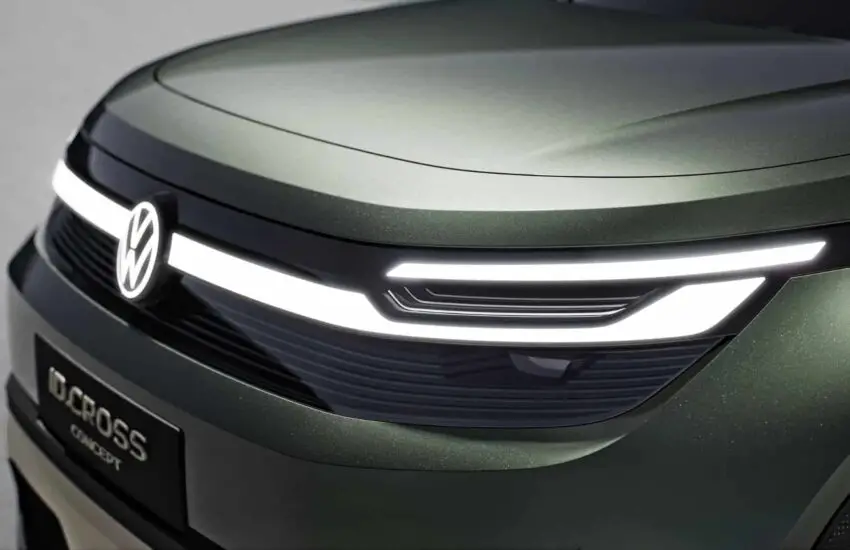
Volkswagen: Futuristic Design Secrets Revealed by Its Artistic Director

Volkswagen Reveals the Secrets of Its Future

Andreas Mindt, Volkswagen’s design director since 2023, is orchestrating a profound transformation of the German brand’s visual identity. This strategic evolution comes at a pivotal time for the automaker, as the entire industry navigates toward electrification and digitalization.
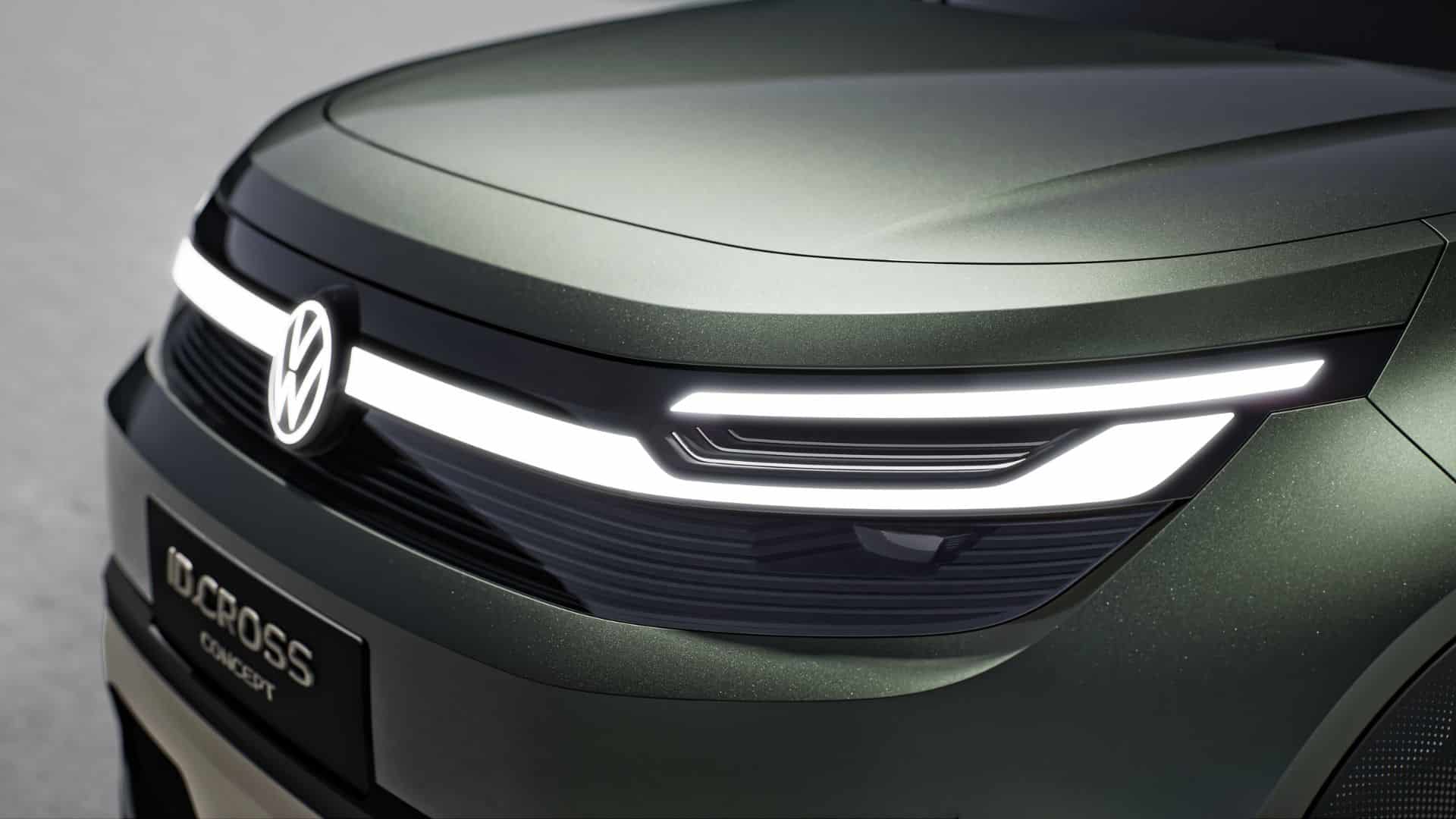
Volkswagen ID Cross 2025 electric SUV concept

The Design Philosophy of Andreas Mindt

The new artistic director of Volkswagen brings a refreshed vision that marks a return to the brand’s fundamentals while incorporating contemporary technological innovations. His creative approach revolves around several guiding principles: authenticity, simplicity, and emotion.

Mindt explains that his main goal is to create vehicles that establish an emotional connection with users. This approach contrasts with some current trends that favor an overly technological or cold aesthetic. The designer aims to reintroduce a human and warm dimension into Volkswagen’s creations.

Heritage and Innovation

Volkswagen’s new artistic direction draws inspiration from the brand’s rich heritage while resolutely looking toward the future. References to iconic models like the Beetle or the Combi are reinterpreted with modernity, creating a bridge between tradition and innovation.

This synthesis between heritage and futurism is particularly evident in the treatment of proportions and lines. The vehicles retain a recognizable silhouette while integrating aerodynamic elements optimized for electrification. The balance between form and function remains at the heart of the designers’ concerns.

Electrification as a Creative Catalyst

The transition to electric powertrains represents a unique opportunity to fundamentally rethink vehicle architecture. The absence of a conventional combustion engine frees up space and allows for more generous and innovative interior layouts.

Dedicated platforms for electric vehicles offer unprecedented flexibility for designers. This freedom translates into more spacious cabins, purer exterior lines, and a completely rethought user experience. The human-machine interface and onboard technologies become central elements of the design.

Volkswagen’s Lighting Signature

One of the most distinctive elements of Volkswagen’s new identity lies in the treatment of lighting. The front and rear light signature becomes a strong identity element, allowing for immediate recognition of the brand, even at night.

The headlights and taillights incorporate advanced LED technologies that transform these functional elements into true visual signatures. This approach is part of a broader trend where lighting becomes a full-fledged artistic medium.

Sustainable Materials

Sustainability deeply influences Volkswagen’s material choices. The manufacturer is actively exploring the use of recycled, renewable, and innovative materials to reduce the environmental footprint of its vehicles.

Interiors increasingly incorporate technical textiles made from recycled plastic bottles, natural fibers, and innovative composites. This attention to materials also extends to production processes, with optimized resource use and waste reduction.

Reinvented User Experience

Beyond pure aesthetics, Volkswagen’s new design direction places the user experience at the center of its concerns. The interaction between the driver and the vehicle evolves toward greater intuitiveness and personalization.

Interfaces become simpler and more immersive, while the interior space is designed as a true technological cocoon. The focus is on occupant well-being, with particular attention paid to ergonomics, acoustic comfort, and air quality.

The Long-Term Vision

The transformation of Volkswagen’s design is part of a long-term strategy that goes beyond mere aesthetic renewal. It involves repositioning the brand in the global automotive landscape and preparing its future in a rapidly changing sector.

This gradual but determined evolution should fully materialize in the next generations of vehicles, with enhanced consistency across the different models in the range. The brand is working to create an immediately recognizable visual identity while maintaining distinction between its various product lines.
Hybrid and Electric Car Promotions – October 2025 Offers

All deals on hybrid, plug-in hybrid, and electric cars

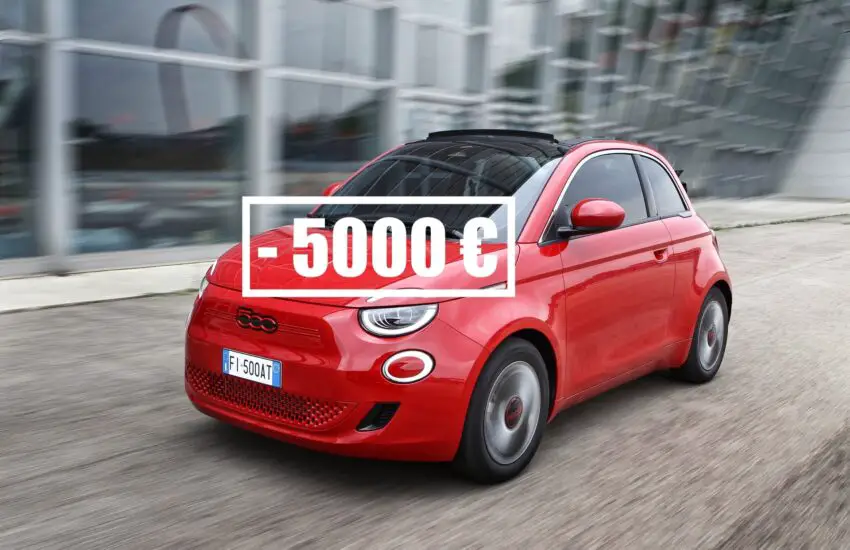
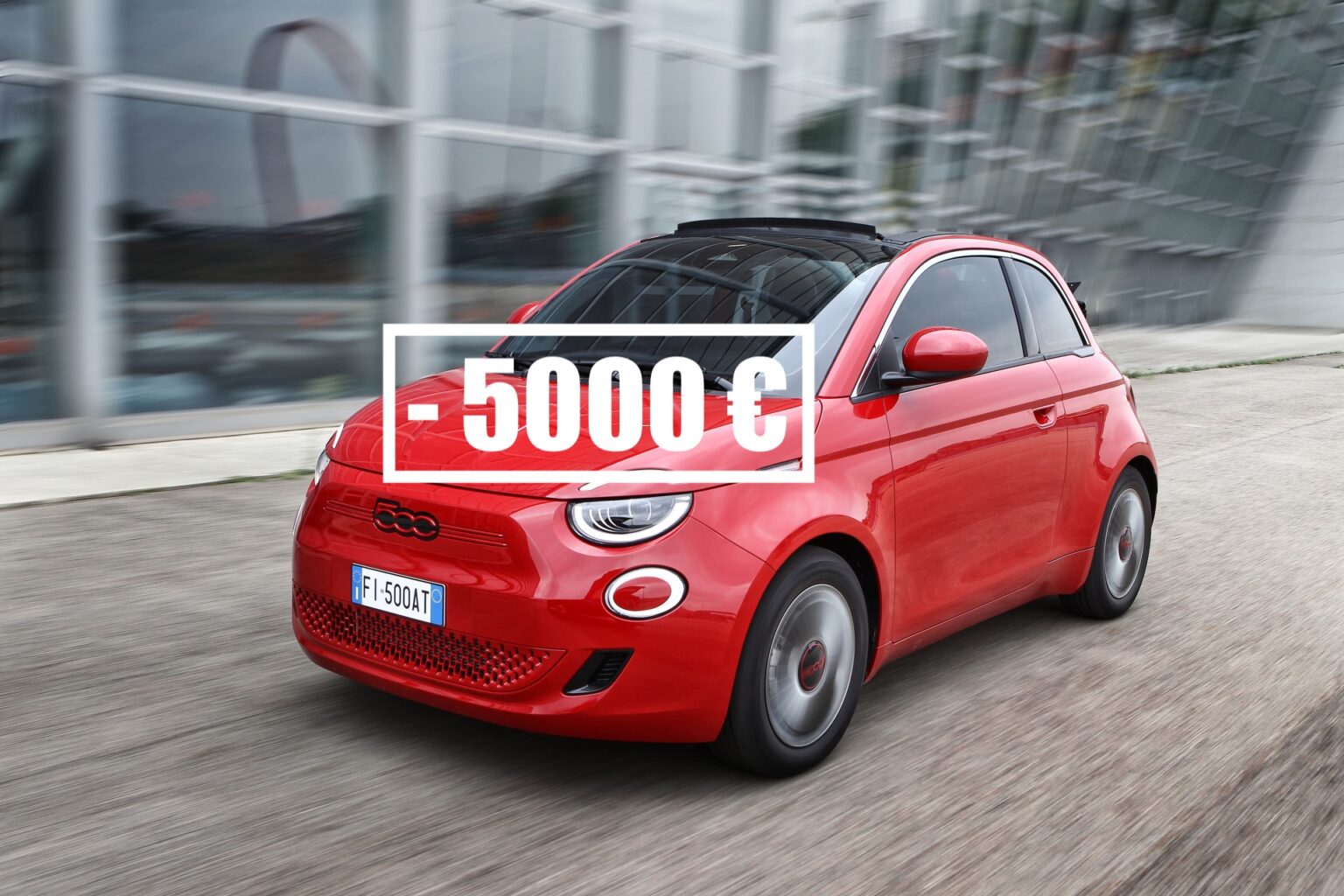
New red electric car

Are you looking for a good deal in the eco-friendly car market? October 2025 looks particularly interesting with attractive promotions on all alternative powertrain vehicles. Car manufacturers are deploying advantageous commercial offers to stimulate sales during this autumn period.

The electric vehicle market in October 2025

Fully electric vehicles are currently benefiting from significant discounts at most dealerships. Government incentives combined with manufacturers’ efforts make these models particularly competitive. The range of electric models has improved considerably in recent years, while charging times have been reduced thanks to technological improvements.

Charging infrastructure continues to develop across the country, with a notable increase in fast-charging stations on highways. This evolution greatly facilitates the daily use of electric vehicles, even for long trips.

The benefits of plug-in hybrids

Plug-in hybrid vehicles represent an excellent transition solution for many drivers. They allow you to benefit from electric range for daily trips while retaining the possibility of using the combustion engine for longer journeys. Current promotions make these models particularly financially attractive.

Plug-in hybrid technology has evolved significantly, with batteries offering increased capacity and more efficient energy management systems. The latest models available on the market offer electric ranges that can reach up to 80 kilometers in real-world conditions.

Conventional hybrids: an economical choice

Non-plug-in hybrid vehicles continue to appeal due to their simplicity of use and proven reliability. Not requiring a specific charging station, they constitute an ideal introduction to electrified mobility. Current promotions make them even more accessible.

These traditional hybrid models perform particularly well in urban and suburban environments, where their regenerative braking system allows for substantial fuel savings. The technology is now mature and offers a smooth and pleasant driving experience.

How to take advantage of the best offers

To benefit from the most advantageous promotions, it is recommended to compare offers between different dealerships. Some manufacturers offer direct discounts, while others opt for included services or preferential financing. The end of the commercial year deadline often encourages sellers to be more flexible in negotiations.

It is also important to consider the total cost of ownership, including insurance, maintenance, and energy consumption. Electrified vehicles generally have lower maintenance costs compared to traditional combustion models.

Outlook for the eco-friendly car market

The market for electrified vehicles continues its sustained growth, with an ever-increasing diversification of available models. European, Asian, and American manufacturers compete with innovation to offer vehicles that meet the varied needs of consumers.

Purchase incentives and tax benefits continue to play a decisive role in the development of this market. Industry professionals anticipate an acceleration in sales for the coming months, supported by constant technological improvements and a gradual decrease in prices.

Toyota denounces competitors’ mild hybrids as misleading solutions

Toyota Accuses Its Competitors of Selling Fake Hybrids

The war over hybrid labels is intensifying in the automotive market. Japanese manufacturer Toyota claims that the mild hybrids marketed by its rivals deliberately mislead drivers and confuse customers seeking genuine eco-friendly solutions.

Toyota C-HR+ Design

What is a True Hybrid Vehicle?

To understand the controversy, it’s important to distinguish between the different hybrid technologies available on the market. Full hybrid vehicles, like those developed by Toyota for decades, use a system where the electric motor and the combustion engine work in perfect synergy. This technology enables 100% electric driving for short distances and a significant reduction in fuel consumption.

The Problem with Mild Hybrids

Mild hybrids, also known as MHEVs, represent a much less advanced technology. They merely assist the combustion engine with a small electric motor, without the capability for autonomous propulsion in purely electric mode. Their impact on reducing emissions and fuel consumption therefore remains marginal compared to full hybrids.

Damaging Confusion for Consumers

Toyota’s position raises a crucial issue of consumer information. Potential buyers, attracted by the ecological and economic promises of hybrid vehicles, could end up with a technology that does not meet their expectations. This semantic confusion between full hybrids and mild hybrids blurs the environmental and technical message.

Toyota’s Expertise in Hybridization

With over 20 million hybrid vehicles sold worldwide since the launch of the Prius in 1997, Toyota has undeniable legitimacy in this field. The manufacturer has continuously refined its Hybrid Synergy Drive technology, which today represents the culmination of decades of research and development.

Regulatory and Environmental Stakes

This controversy comes in a regulatory context of increasingly strict CO2 emission standards. Automakers must comply with ever more demanding environmental norms, which sometimes pushes them to adopt borderline technical solutions to meet these targets without investing in more expensive technologies.

Impact on the Ecological Transition

The proliferation of mild hybrids could slow down the transition to truly sustainable mobility. By offering a partial solution presented as complete, these vehicles could delay the adoption of more effective technologies, whether they be full hybrids or 100% electric vehicles.

The Automotive Market’s Response

Faced with these accusations, Toyota’s competitors defend their technologies by highlighting their financial accessibility and technical simplicity. They argue that mild hybrids represent a first step towards electrification, more affordable for certain market segments.

The Importance of Transparency

This controversy underscores the need for clear and transparent information for consumers. The distinction between different hybrid technologies should be explained in all commercial communications, allowing buyers to make informed choices.

Market Evolution Perspectives

The debate over the definition of hybrid vehicles could influence future regulations and homologation standards. Standardization bodies and authorities might need to clarify the terminology and establish stricter criteria to qualify a vehicle as hybrid.

This technical controversy goes beyond the simple commercial framework and touches on fundamental issues of energy transition, consumer protection, and industrial ethics. It questions the responsibility of manufacturers in the information provided to the public and in their real contribution to reducing the environmental impact of automobile transport.

Kia EV3: exceptional promotion on the compact electric SUV

Kia EV3 Benefits from a Significant Discount

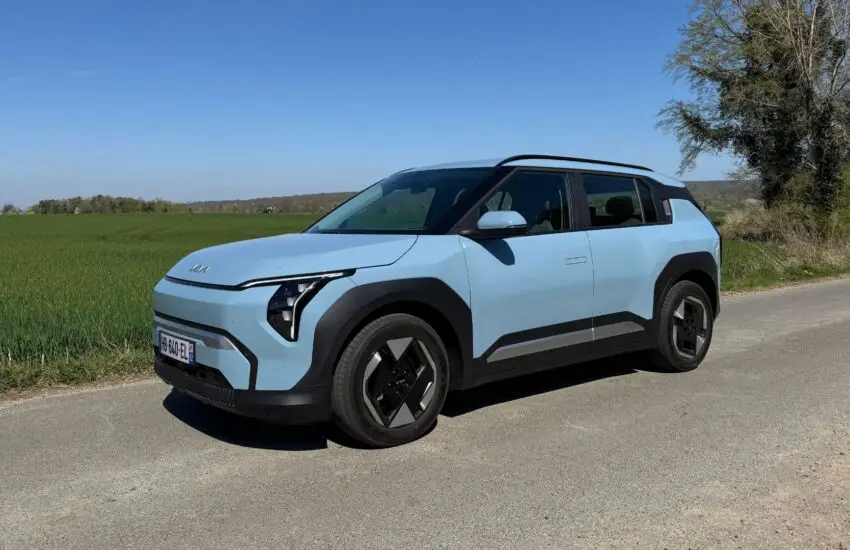
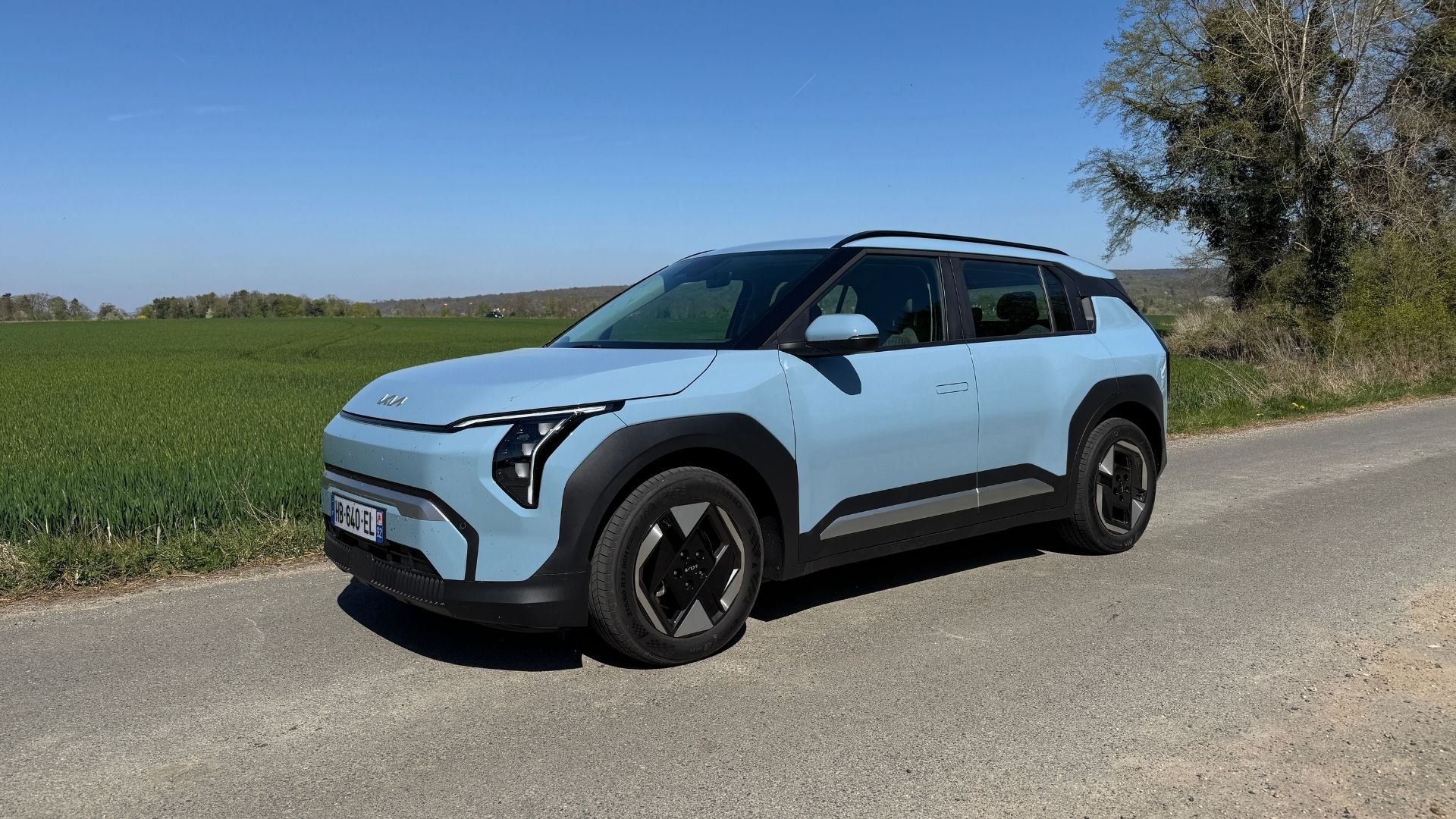
The electric vehicle market is undergoing significant evolution with the arrival of the Kia EV3, a compact SUV that appeals with its modern design and performance. Currently, this model is benefiting from an advantageous promotional offer, making it even more accessible to drivers looking to make their energy transition.

Kia EV3 2025 test drive

An Attractive Financial Opportunity

The €4,500 discount applied to the Kia EV3 represents substantial savings for buyers. This reduction positions the vehicle at a particularly competitive starting price of €31,490, making this electric SUV one of the most affordable in its category. This commercial strategy clearly aims to accelerate the adoption of zero-emission vehicles among a wider audience.

Technical Features of the Kia EV3

The Kia EV3 stands out with its compact dimensions ideal for city driving, while offering a spacious and comfortable interior. Its electric propulsion system ensures dynamic performance with brisk acceleration and immediate torque availability. The lithium-ion battery provides a range suitable for daily use, covering the majority of trips without requiring frequent recharging.

Onboard Equipment and Technologies

Inside the Kia EV3, occupants benefit from the latest technological innovations. The digital interface combines navigation, entertainment, and vehicle control functions. Driving aids include adaptive cruise control, a lane-keeping system, and parking assistance. The interior materials have been selected for their durability and low environmental impact.

Context of the Electric Car Market

The compact electric SUV segment is experiencing sustained growth, meeting the increasing consumer demand for vehicles that are both practical and eco-friendly. Manufacturers are competing with innovations to offer increasingly high-performing models at accessible prices. Government policies favoring electric mobility, combined with tax incentives, create a favorable environment for the development of this market.

Advantages of Electric Mobility

Adopting an electric vehicle like the Kia EV3 offers several advantages. The reduction in polluting emissions contributes to improved air quality in urban areas. Maintenance costs are generally lower than those of internal combustion engine vehicles, thanks to the simplified mechanics of electric motors. Charging at home or at public stations offers appreciable flexibility for users.

Future Prospects for Electric Vehicles

The automotive industry continues its investments in the electrification of its lineups. The next generations of batteries promise extended ranges and reduced charging times. The charging infrastructure is gradually becoming denser across the territory, with the deployment of fast chargers on highways and in public parking lots. These technical and infrastructural developments accompany the energy transition in the transport sector.

Practical Considerations for the Buyer

Before purchasing a Kia EV3, it is advisable to assess one’s range needs and charging possibilities. The home configuration, the presence of a dedicated socket or a wallbox, influences the user experience. Daily commutes and occasional trips determine the choice of version and options. The manufacturer’s warranty and after-sales services complete the decision criteria.

The Kia EV3 represents a serious option in the current electric automotive landscape. Its attractive pricing, strengthened by the ongoing promotion, makes it a particularly interesting vehicle for drivers looking to combine sustainable mobility with a controlled budget. The technological innovations integrated into this model ensure comfort and safety, while its performance meets the demands of modern driving.

Dacia Sandero hybrid: the new threat for the Renault Clio?

The Clio in Danger Against the Hybrid Sandero

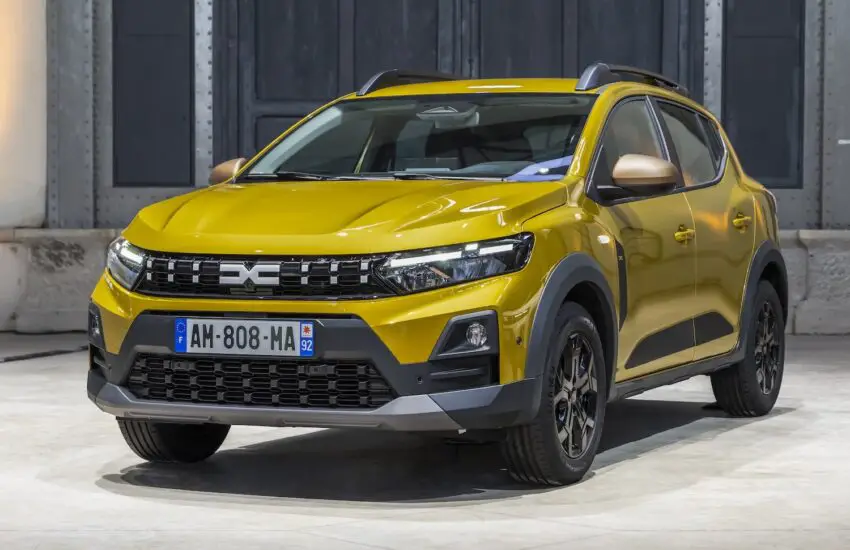
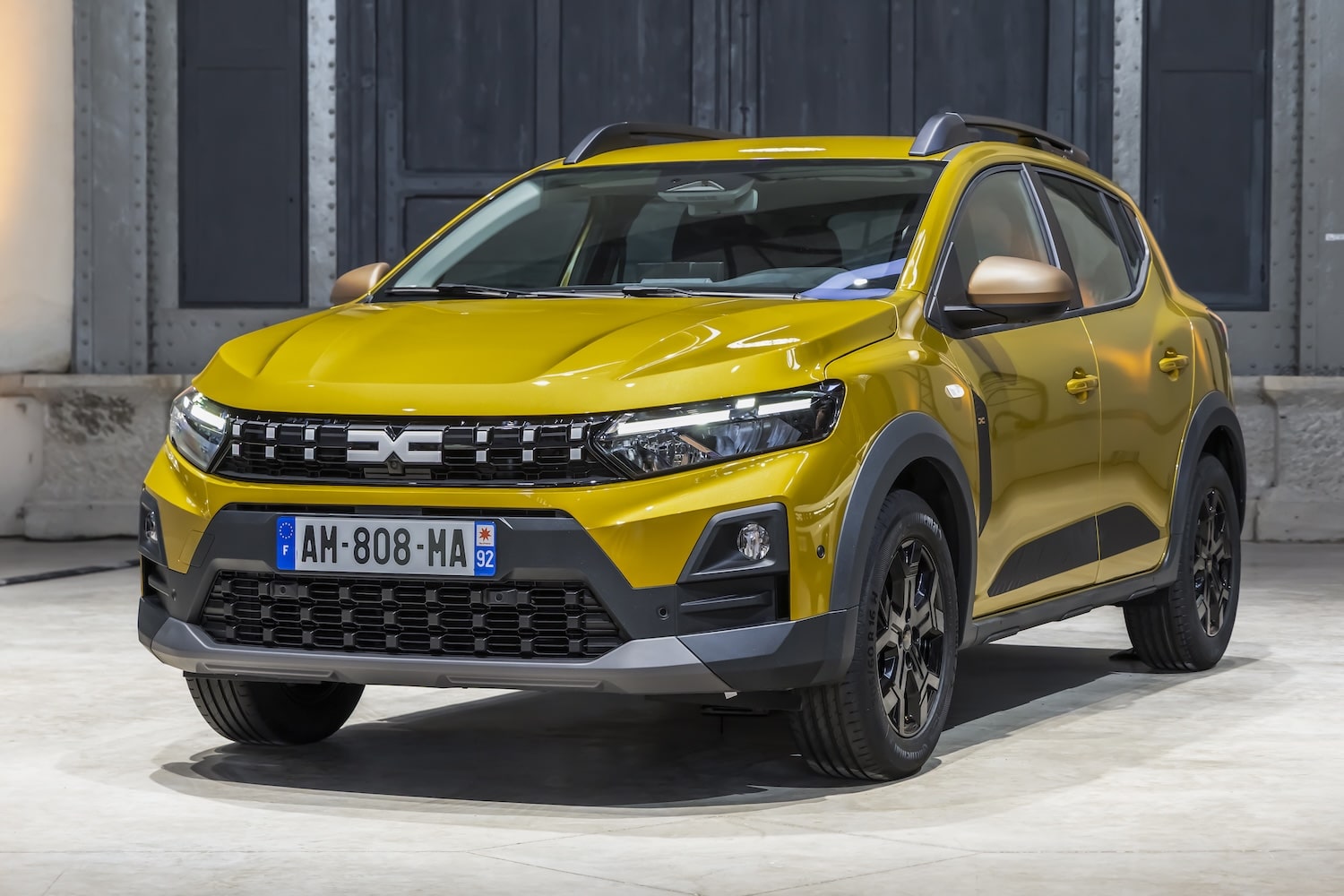
The announcement is official: Dacia will market a hybrid version of its Sandero Stepway, equipped with the same engine as the Renault Clio. This strategic decision could well reshuffle the deck in the affordable compact segment.

Dacia Sandero Stepway hybrid

Proven Technology for the Sandero

The hybrid system that will equip the Sandero Stepway is identical to that of the Clio E-Tech hybrid. This technology combines a gasoline internal combustion engine with an electric motor and a lithium-ion battery. The system allows for more economical driving and significantly reduces CO2 emissions.

The shift to hybrid represents a major evolution for Dacia, a brand traditionally positioned on gasoline and diesel engines. This transition is part of the Renault group’s strategy to generalize electrified technologies across all its brands.

Competitive Advantages of the Hybrid Sandero

The hybrid Sandero has several advantages over the Clio. Its traditionally aggressive pricing strategy could allow it to offer hybrid technology at a lower price than its direct competitor. This approach perfectly matches Dacia’s philosophy: offering well-equipped vehicles at accessible prices.

The hybrid system is expected to offer sufficient electric-only range for daily urban trips, while maintaining the versatility needed for long journeys. The announced combined fuel consumption should be around 4.5L/100km, a particularly competitive figure in this category.

Impact on the Compact Car Market

The arrival of the hybrid Sandero could indeed represent a serious threat to the Clio. Buyers looking for an economical and ecological car will now have the choice between two models sharing the same technology, but with distinct marketing and pricing positions.

This internal competition within the Renault group could stimulate innovation and push both brands to continuously improve their offerings. Consumers will benefit with more efficient and better-equipped vehicles.

Expected Technical Specifications

The hybrid Sandero is expected to adopt the same technical configuration as the Clio, with a combined power output of around 140 horsepower. The transmission will be via a multi-clutch automatic gearbox, offering smooth and pleasant driving.

The lithium-ion battery, with a capacity of approximately 1.2 kWh, will recharge during deceleration and braking. The system allows for 100% electric driving at low speeds and over short distances, ideal for city traffic.

Design and Features

The hybrid version of the Sandero Stepway will retain the robust and adventurous design that has been key to its success. A few specific badges will allow for visual identification. The generous interior space and the large 328-liter trunk will remain major selling points against the Clio.

In terms of features, Dacia is expected to offer the same connectivity and driving aids as on current top-of-the-line versions. The focus will be on energy efficiency with dedicated screens for consumption monitoring.

Sales Outlook

The launch of the hybrid Sandero is scheduled for the first half of 2026. The first official presentations will take place at major European auto shows. Prices have not yet been announced, but they are expected to be positioned between the current gasoline and diesel versions.

This market entry coincides with the tightening of anti-pollution standards in Europe. The hybrid Sandero will allow Dacia to meet environmental requirements while maintaining its accessible positioning.

Conclusion

The hybrid Sandero represents an important step in the evolution of Dacia and the automotive market in general. By offering hybrid technology identical to the Clio’s at a potentially lower price, Dacia could indeed threaten the position of the French compact.

This internal competition within the Renault group demonstrates the acceleration of the energy transition in the automotive industry. Consumers will benefit from a wider choice of accessible electrified vehicles, which should help further democratize clean technologies.

Dacia Spring electric 2026: major technical improvements without price increase

Dacia Spring Electric: Significant Technical Improvements

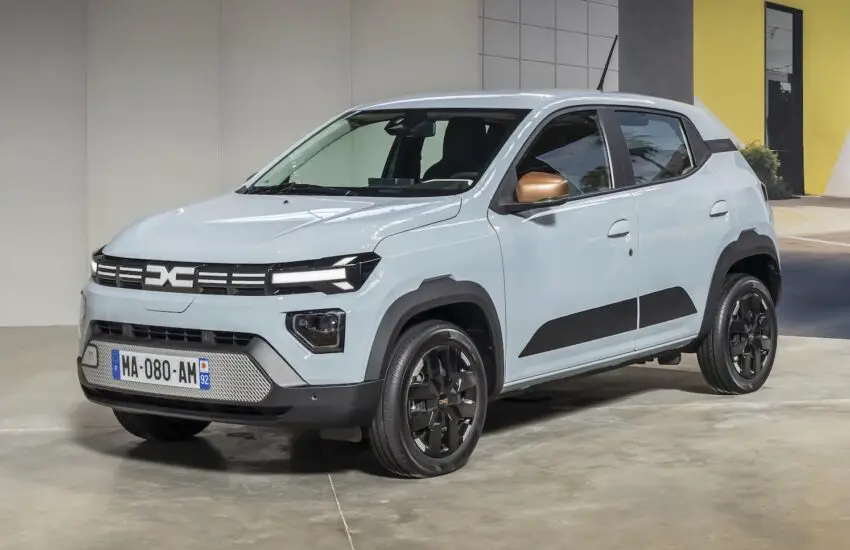
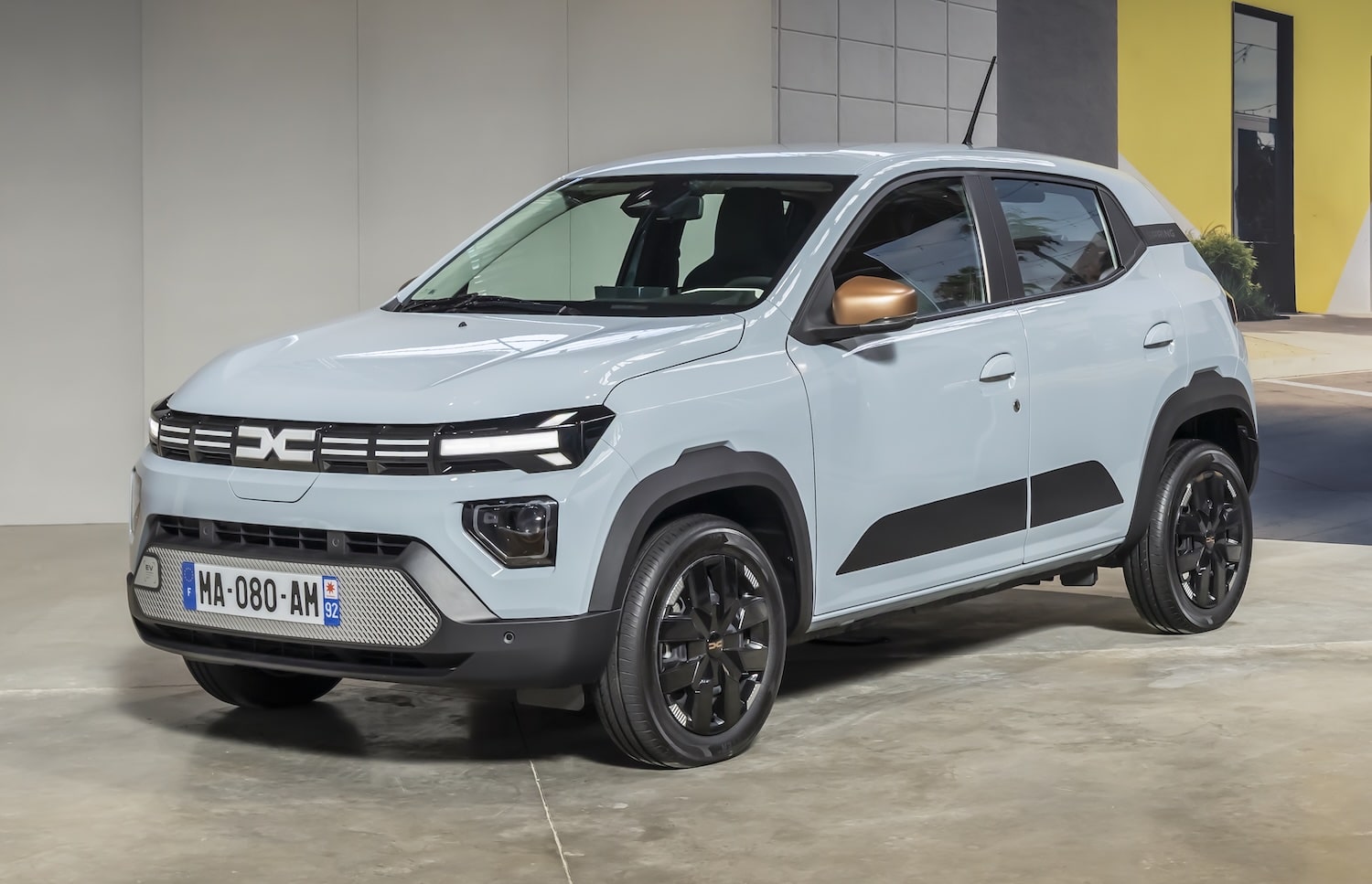
The Dacia Spring electric is undergoing a remarkable evolution for 2026 with the introduction of two more powerful powertrains and the adoption of an LFP battery, all without any price change. This technical update positions the vehicle as an even more attractive benchmark in the affordable electric car segment.

Dacia Spring Electric 2026 Dacia is updating the Spring once again, this time with two more powerful motors and an LFP battery. The car promises to be more performant and better suited to the daily needs of urban and suburban drivers.

A Reinforced Dual Powertrain

The major news is the arrival of two electric units benefiting from increased power. The first motor now develops 65 horsepower, while the second reaches 85 horsepower, offering a notable performance improvement without compromising range. This evolution meets the expectations of drivers seeking a more dynamic driving experience, particularly on highways or during overtaking.

LFP Battery Technology: Durability and Safety

The adoption of Lithium Iron Phosphate (LFP) technology represents a significant advancement for the electric Spring. These batteries are distinguished by their superior longevity, improved thermal stability, and resistance to aging, even after many charging cycles. Users thus benefit from a more durable battery requiring less maintenance.

Optimized Range and Charging

Despite the power increase, the range remains competitive thanks to the optimization of the energy management system. The electric Spring maintains a range suitable for daily journeys, while charging times are preserved thanks to compatibility with accelerated charging stations. The car retains its versatility for urban commuting and short intercity trips.

Preserved Design and Equipment

The exterior and interior aesthetics of the Spring evolve discreetly, with minor touches that modernize without revolutionizing. The cabin retains its functional layout and durable materials, in line with the brand’s philosophy. Standard equipment remains comprehensive with air conditioning, Bluetooth connectivity, and essential driving aids.

An Unchanged Pricing Policy

The most remarkable aspect of this technical evolution remains the maintenance of the pricing position. Dacia confirms its strategy of offering a technically improved electric car without a price increase, thereby strengthening its market appeal. This democratic approach allows a wider audience to access high-performing electric mobility.

Market Positioning

Faced with growing competition in the affordable electric vehicle segment, the 2026 Spring stands out due to its exceptional performance-to-price ratio. The technical improvements precisely address user feedback while retaining the fundamentals that made the model successful: simplicity, reliability, and accessibility.

Evolution Prospects

This technical update is part of a long-term vision for electrification at Dacia. The brand demonstrates its ability to evolve its models according to technological advancements while controlling costs. The 2026 version of the electric Spring paves the way for future innovations that could gradually extend range and performance without sacrificing accessibility.

Dacia Hipster: The Affordable Electric Revolution That Will Transform Urban Mobility

Dacia Hipster: The Next Affordable Electric Revolution

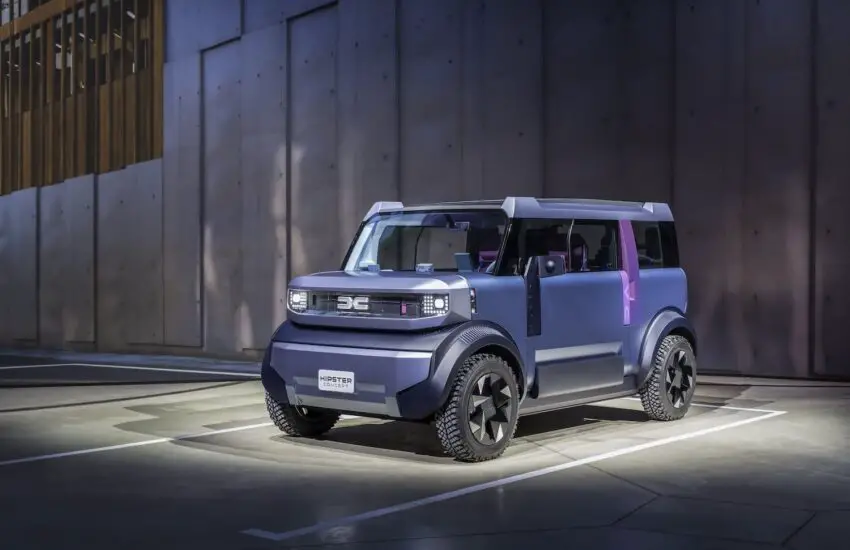
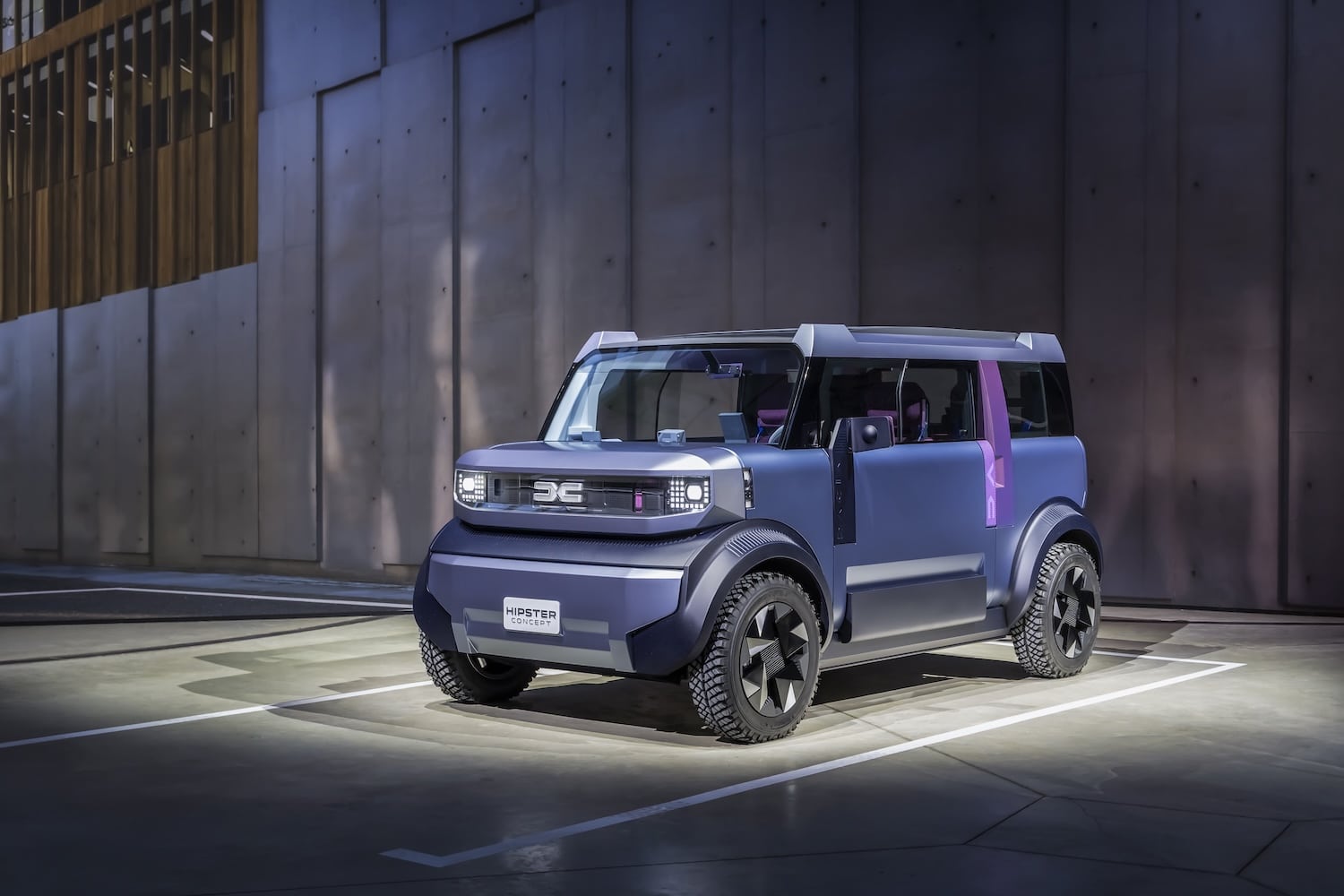
Dacia Hipster Concept exterior view

Dacia is preparing a new offensive in the automotive market with a concept that could revolutionize access to electric mobility. The Romanian manufacturer, a subsidiary of the Renault Group, is working on a mini electric city car named Hipster, capable of comfortably accommodating four passengers while offering an extremely competitive price.

A Bold Vision for Urban Mobility

The Dacia Hipster aligns with the brand’s traditional philosophy: offering simple, reliable, and accessible vehicles. This time, the approach is applied to electric vehicles with a determination that could disrupt industry standards. While electric vehicles generally remain more expensive than their internal combustion counterparts, Dacia seems determined to break this paradigm.

Design and Ergonomics: Smart Minimalism

The Hipster concept features a decidedly modern design while retaining the robust and functional DNA characteristic of the brand. The clean lines and compact proportions suggest a car ideally suited for urban traffic. Despite its reduced dimensions, the interior is designed to optimize space and offer acceptable comfort for four adults.

Performance and Range Adapted for Urban Use

Although the final technical specifications have not been revealed, experts anticipate a range between 200 and 250 kilometers, perfectly suited for daily needs in urban and suburban environments. The power is expected to remain moderate, prioritizing energy efficiency and accessibility over sporty performance.

Disruptive Pricing Strategy

The real strength of the Dacia Hipster lies in its pricing policy. The brand aims for a positioning below €20,000, an important psychological threshold in the automotive industry. This approach could massively democratize electric vehicles among young professionals, students, and low-income households who are still hesitant due to the usual premium cost of electric vehicles.

Potential Market Impact

The arrival of the Dacia Hipster could significantly accelerate the electric transition in France and Europe. By offering a credible and affordable alternative to internal combustion city cars, Dacia is targeting the heart of the automotive market. This strategy recalls the success of the Sandero in the combustion segment, but this time applied to electrification.

Technological Innovation and Simplicity

Unlike some manufacturers that overload their electric vehicles with complex technologies, Dacia seems to opt for a minimalist approach. The focus is on the essentials: a battery sufficient for daily trips, accessible charging on standard stations, and proven reliability. This philosophy perfectly matches the expectations of consumers primarily seeking a practical and economical vehicle.

Commercialization Prospects

If the concept materializes, the Dacia Hipster could arrive on the market by 2026. Its success will depend on the brand’s ability to keep its promise: a truly accessible electric car without compromising on safety and reliability. Pre-orders could open as early as next year, according to industry observers.

Conclusion: An Announced Revolution

The Dacia Hipster represents much more than just a new model. It embodies a democratic vision of electric mobility, where technology is no longer reserved for a financial elite. By directly addressing the main barrier to electric vehicle adoption – price – Dacia could once again transform the European automotive landscape and accelerate the energy transition in transportation.

Modern Electronic Problem: This Jeep Compass Displays a Fiat Logo

An Electronic Identity Issue in the Jeep Compass

When the first rumors of a merger between Fiat and Chrysler emerged in the early part of the previous decade, the jokes came naturally. Although each company has had moments of brilliance, neither has necessarily been known for its build quality or reliability over the years. It is in this context that we present this particularly amusing situation, showing what appears to be a Jeep Compass in the midst of an identity crisis.

The Screen That Forgets Its Brand

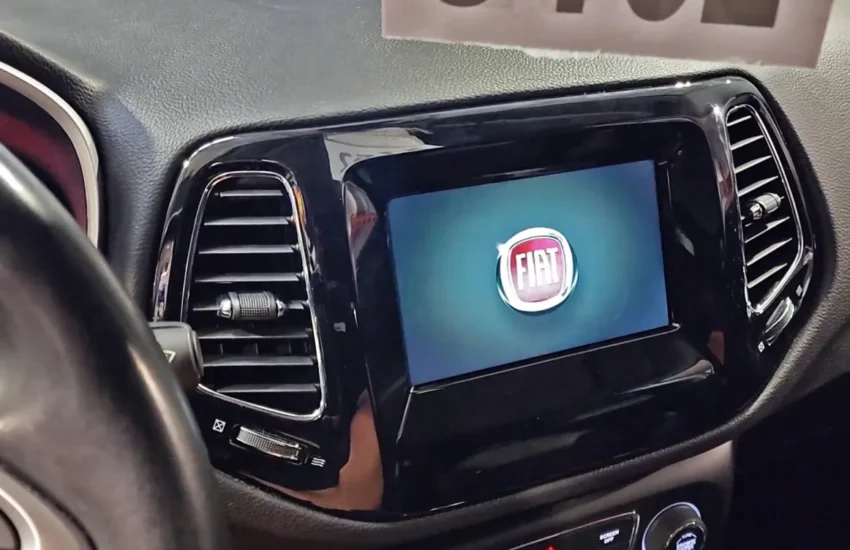
According to the original testimony, the customer brought in this Compass complaining that the radio display was incorrect. This rather vague description of the problem, however, did not take the technicians long to understand what the owner meant. The infotainment screen immediately displays the Fiat logo upon startup, rather than the Jeep logo.

A Logical Explanation Behind This Bug

At some level, it’s not hard to understand how something like this is possible. Both Jeep and Fiat belong to Fiat Chrysler, now Stellantis, and their products use the group’s Uconnect infotainment platform. Not to mention that the Compass, Renegade, and 500X all shared the same assembly line. If you compare the software of vehicles from two different Stellantis brands built around the same time, there’s a good chance they look almost identical, except for a few basic changes regarding colors and fonts. Just a light reskin to fit the brand in question.

The Complexity of Modern Electronic Systems

Contemporary vehicles operate with increasing electronic complexity that can sometimes lead to this type of software confusion. Computers, screens, and infotainment systems often share similar components within the same automotive group. This standardization allows for economies of scale but can occasionally result in anomalies like the one observed with this Jeep Compass.

The Importance of Software Updates

This particular case highlights the importance of regular software updates for modern vehicles. Just like our smartphones and computers, automotive embedded systems require continuous patches and improvements. A simple software bug could potentially affect not only the brand display but also more critical functions of the vehicle.

Outlook for the Automotive Future

As the automotive industry continues to evolve towards electrification and increased connectivity, this type of incident could become more frequent. The deep integration of digital technologies into the driving experience creates new opportunities but also new challenges in terms of reliability and user interface consistency.

Why Porsche cannot equip its electric Macan and Taycan with wireless charging

The Technical Reason Why Porsche Macan and Taycan Lack Wireless Charging

Porsche’s current electric vehicles, despite being recent models, will not benefit from the futuristic wireless charging technology that will equip the 2026 Porsche Cayenne Electric, and this is due to a simple physical reason.

A Technical Space Constraint Issue

Dr. Maximilian Müller, Head of High Voltage Engineering, confirmed that the hardware required for the wireless charging system cannot physically be installed on the Macan Electric and Taycan models. This revelation was made during the presentation of the 2026 Cayenne Electric in Leipzig, Germany.

Vehicle Size, a Determining Factor

The Cayenne Electric surpasses the Taycan and Macan Electric in dimensions. While passengers appreciate the extra space and increased comfort, this characteristic also means that the vehicle’s complete structure is wider than that of Porsche’s current electric models. This difference persists despite sharing the PPE platform with the Macan Electric.

The Space Between the Front Suspensions at Fault

The fundamental problem for the Macan Electric and Taycan lies in the available width between the front suspensions, which is insufficient to accommodate the wireless charging system.

2026 Porsche Cayenne Electric

Automotive Architecture Constraints

Integrating new technologies into existing vehicles always represents a major technical challenge. The architectures of the Macan Electric and Taycan, designed before the development of this wireless charging system, cannot be modified without a complete redesign. Engineers must work with limited spaces and structural constraints inherited from the initial designs.

The Evolution of Electric Platforms

The PPE platform, although shared between different models, shows its limitations when it comes to adapting emerging technologies. This situation illustrates the challenges that automakers face in the rapidly evolving electric vehicle market, where technological innovation sometimes exceeds the adaptation capabilities of existing platforms.

Outlook for Future Porsche Models

This technical limitation will likely only affect the current generation of Porsche electric vehicles. Future models will certainly benefit from redesigned layouts to natively integrate wireless charging and other emerging technologies. The experience gained with the 2026 Cayenne Electric will help optimize the architectures of the next generations of vehicles.

Why are there still no production SUVs capable of 200 mph?

The Mystery of the 200 mph SUV

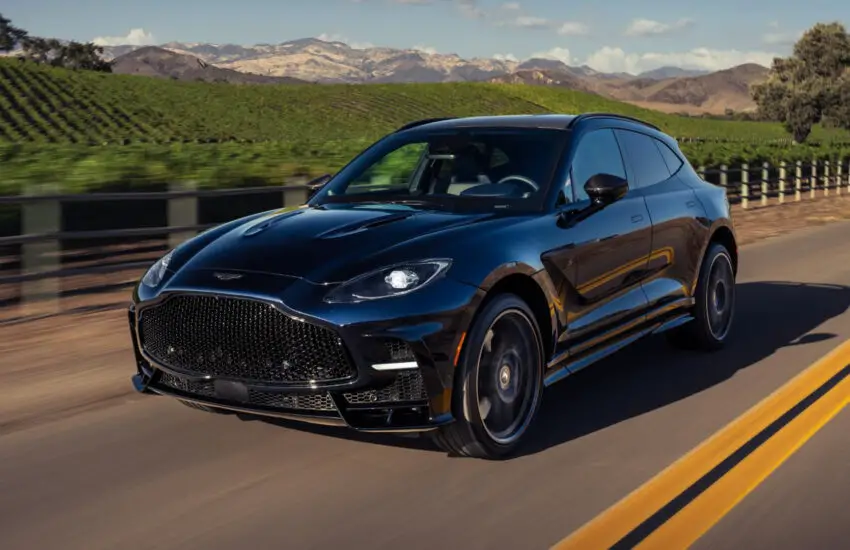
Last week, I had the opportunity to test the 717-horsepower Aston Martin DBX S. This high-performance vehicle is far more agile than its SUV competitors are willing to admit. This agility is partly due to its weight being 555 pounds lighter than the new BMW M5, while delivering exactly the same power. It shares the title of the world’s fastest production SUV with the Bentley Bentayga Speed, both boasting a top speed of 193 mph. Although I didn’t approach this limit, I observed how the vehicle continues to accelerate until it reaches this astronomical vmax.

The Mythical 200 mph Barrier

This naturally led me to a question: where is the SUV capable of reaching 200 mph?

Thirty-seven years ago, the Ferrari F40 became the first production car to cross this mythical line. Decades later, exceeding 200 mph is no longer the exclusive domain of supercars. Today, there are even Dodge Chargers capable of reaching 203 mph. Do we need an SUV in this exclusive club? No, of course not. But in a world where SUVs dominate the market, base power outputs are increasing significantly, and car manufacturers are constantly seeking new marketing arguments, it seems relevant to explore why no one has yet taken on the challenge.

The Aerodynamic Challenge

The biggest challenge, by far, remains aerodynamic drag. While this issue poses an obstacle for streamlined supercars, it’s easy to imagine that it presents an even greater challenge for elevated family vehicles. Without delving into overly technical details, fundamental physics explains why SUVs encounter such significant aerodynamic resistance at high speeds.

The Issue of Weight and Stability

Beyond aerodynamics, weight represents another major obstacle. By their very nature, SUVs are heavier than sedans or supercars. This additional mass requires significantly more power to reach extreme speeds, not to mention the additional challenges related to braking and stability at such velocities.

Practical and Regulatory Considerations

There are also practical and regulatory constraints. Few roads in the world allow for reaching such speeds legally and safely. Manufacturers must therefore balance the pursuit of records with market reality, where very few customers would actually have the opportunity to fully exploit such potential.

Technological Evolution

Automotive technology is constantly evolving. Advances in composite materials, active aerodynamics, and electric powertrains could soon make what seems improbable today possible. Electric SUVs, with their low center of gravity and instant power, may hold the key to breaking this symbolic barrier.

The Ongoing Performance Race

As manufacturers compete with innovations, the quest for ever more extreme performance continues. The day when an SUV breaks the 200 mph barrier may not be far off. This achievement would then represent a new milestone in the evolution of sport utility vehicles, once again demonstrating how technical limits are meant to be pushed.