Engine Oil Pressure Warning – Possible Causes and Tests

Suddenly, an engine oil pressure warning light or a low oil pressure reading appears on your dashboard. At that moment, the engine oil pressure warning should be the only thing on your mind.

Understanding the Oil Pressure Warning

The engine oil pressure warning is a crucial signal that should never be ignored. This warning light indicates that your engine’s lubrication system is not functioning properly.

Main Causes of Low Oil Pressure

Insufficient Oil Level

Low oil level is one of the most common causes. An oil leak or excessive oil consumption can lead to this problem.

Oil Pump Issues

A faulty oil pump can no longer ensure adequate oil circulation in the engine, causing a drop in pressure.

Degraded Engine Oil

Aging or poor-quality oil loses its lubricating properties and can cause pressure problems.

Oil Pressure Testing Methods

Several methods allow for precise diagnosis of oil pressure problems. These tests should be performed by a qualified professional.

Test with Mechanical Gauge

Using a mechanical gauge allows accurate measurement of the actual oil pressure in the circuit.

Pressure Sensor Verification

A faulty oil pressure sensor can send false warning signals to the dashboard.

Immediate Actions to Take

As soon as the warning light comes on, stop the vehicle in a safe place and immediately check the oil level. Do not continue driving with this warning light illuminated.
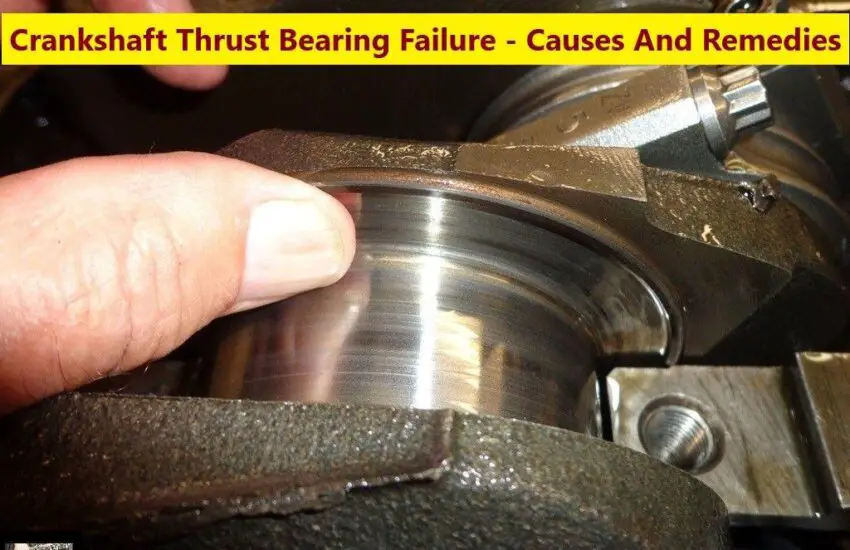
Crankshaft Thrust Bearing Failure – Causes and Solutions

Crankshaft thrust bearing failure has been a major challenge for engine and transmission rebuilders for years. Identifying the exact origin of this failure can sometimes be straightforward but often remains complex to diagnose accurately.

Understanding Thrust Bearing Failure

The crankshaft thrust bearing plays a crucial role in maintaining the axial positioning of the crankshaft. When this essential component fails, the consequences can be severe for the entire engine.

Main Causes of Failure

Several factors can cause thrust bearing failure. Normal wear due to high mileage is the most common cause, but other elements come into play.

Lubrication Issues

Insufficient quality engine oil or inadequate oil level can lead to overheating and premature wear of the bearing.

Excessive Mechanical Stress

Heavy demands on the clutch or transmission generate significant pressure on the thrust bearing.

Solutions and Preventive Measures

Replacing the faulty bearing must be accompanied by precise identification of the root cause to prevent recurrence.

Regular Checks

Periodic inspections of crankshaft axial clearance allow for early detection of wear signs.

Preventive Maintenance

Using quality engine oils and adhering to oil change intervals are essential for extending the bearing’s lifespan.

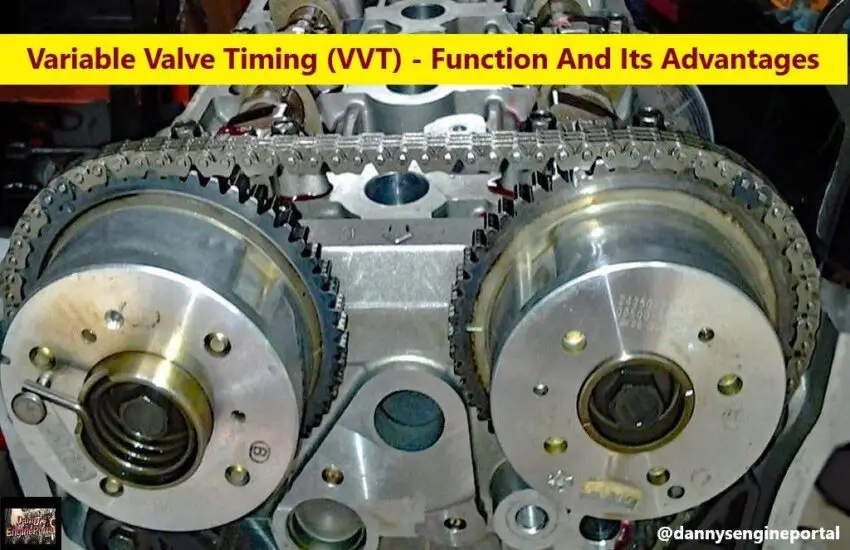
Variable Valve Timing (VVT) – Operation and Benefits for Your Engine

Variable Valve Timing (VVT) is a system that adjusts the timing and lift of valves to adapt to all engine operating conditions. This technology ensures optimal charging cycles across a wide range of engine speeds and loads.

How does the VVT system work?

The VVT system modifies the opening and closing of intake and exhaust valves in real time. This continuous adaptation optimizes cylinder filling according to the engine’s needs.

The main advantages of VVT

Reduced fuel consumption

By optimizing valve timing, the VVT system enables better combustion of the air-fuel mixture, resulting in reduced consumption.

Improved performance

VVT provides higher torque at low speeds and increased maximum power, thus enhancing the vehicle’s overall performance.

Reduction of polluting emissions

More efficient combustion means fewer harmful emissions, allowing vehicles to meet the strictest environmental standards.

Air Injection System (AIS) – Operation, Types, and Air Pump Failures

The air injection system (AIS) is an essential component of the automotive exhaust system. Since no internal combustion engine is 100% efficient, a certain amount of unburned fuel always remains in the exhaust gases.

Main Function of the Air Injection System

The primary mission of the AIS is to reduce polluting emissions by injecting fresh air into the exhaust flow. This air injection enables the combustion of residual unburned hydrocarbons and carbon monoxide, transforming them into less harmful carbon dioxide and water vapor.

Different Types of AIS Systems

Mechanical Air Pump System

This type uses an engine-driven pump that draws in ambient air and directs it directly into the exhaust manifold or catalytic converter.

Pulsed Air Injection System

More modern, this system uses exhaust pulsations to draw air through a check valve, without requiring a mechanical pump.

Common Failure Symptoms

Failures of the air injection system typically manifest as: abnormal noise from worn bearings, illuminated check engine light, increased pollutant emissions, or loss of engine performance.

Maintenance and Troubleshooting

Regular maintenance includes checking hoses, valves, and the pump itself. In case of failure, replacing defective components restores the efficiency of the anti-pollution system.

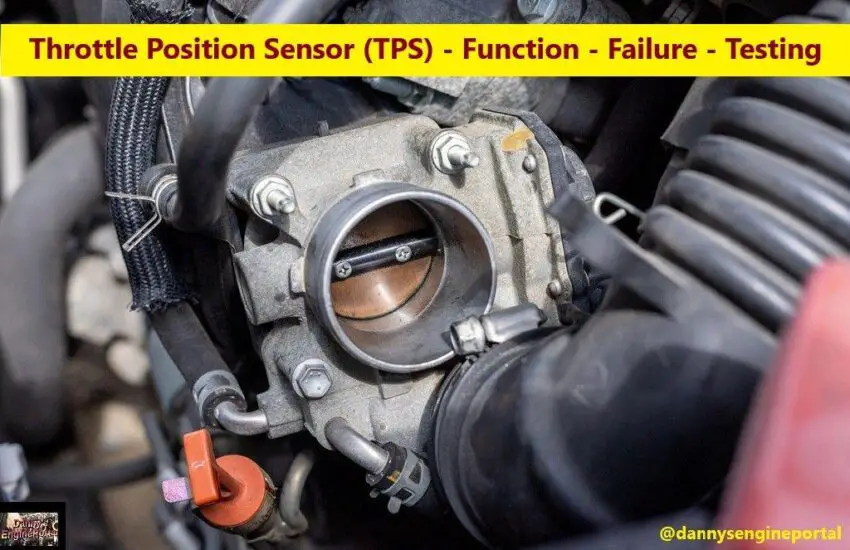
Throttle Position Sensor (TPS) – Operation, Failures and Tests

The throttle position sensor (TPS) has the primary function of providing essential information to the vehicle’s engine control unit (ECU). This crucial data is based on the actual position of the engine’s throttle valve.

Operation of the TPS Sensor

The TPS sensor continuously monitors the opening angle of the throttle valve. It transmits this information in real-time to the engine computer, thereby enabling precise regulation of the air-fuel mixture and ignition timing.

Symptoms of TPS Sensor Failure

A faulty TPS sensor can cause various problems: engine stalling, jerking during acceleration, increased fuel consumption, or even the vehicle entering limp mode.

TPS Sensor Testing Methods

The sensor can be tested using a digital multimeter. The output voltage should be checked, which must vary progressively during throttle opening, without interruptions or sudden jumps.

Diagnostic Procedure

Diagnosis begins by checking the sensor’s power supply and ground, then measuring the output signal at different throttle positions.

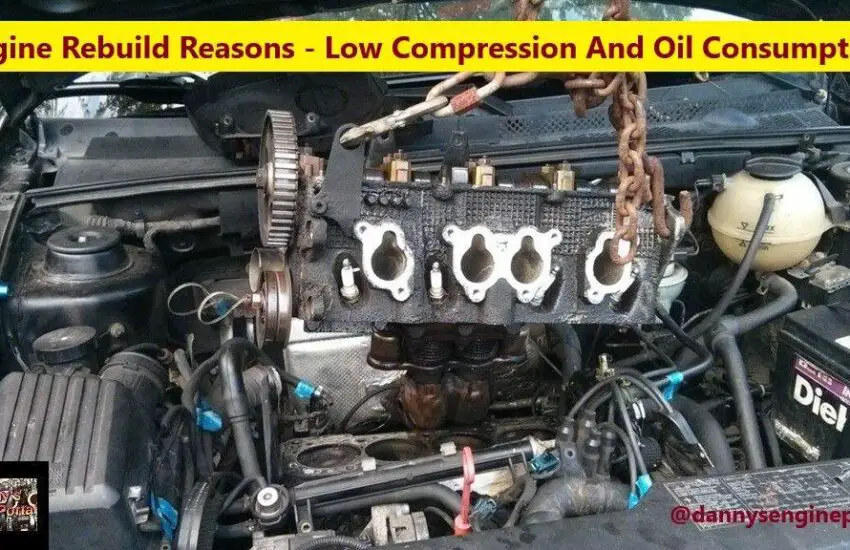
Engine Repair: Causes and Symptoms of Low Compression and Oil Consumption

Engine Repair: Warning Signs

The main reasons for a complete engine repair remain loss of compression and excessive engine oil consumption. It is therefore crucial to recognize the symptoms indicating mechanical problems before the situation worsens.

Low Engine Compression: Causes and Consequences

Reduced compression in the cylinders can result from worn piston rings, faulty valves, or a damaged cylinder head gasket. This drop in performance is manifested by starting difficulties, noticeable power loss, and increased fuel consumption.

Abnormal Engine Oil Consumption

Excessive oil consumption often indicates sealing issues with the rings, valve guides, or gaskets. Bluish smoke from the exhaust and the need to frequently add oil are clear indicators of this mechanical failure.

Preventive Diagnosis and Solutions

Regular cylinder-by-cylinder compression checks and careful monitoring of oil levels help anticipate major repairs. When these symptoms appear, a complete engine overhaul often becomes essential to restore its optimal performance.

Tesla Model Y at a Low Price: The Budget Version Finally Revealed

Tesla Model Y at a Low Price: The automaker is set to unveil a new, more affordable version of its flagship electric SUV. This budget-friendly variant would benefit from a significant price reduction due to simplified equipment and a revised presentation.

New Affordable Tesla Model Y Tesla is preparing to launch a cheaper Model Y with simplified finishes and some optional equipment. Discover the first images and features of this accessible electric vehicle.

An Aggressive Pricing Strategy for Tesla

Tesla continues its strategy of democratizing electric vehicles with this new budget version of the Model Y. The American manufacturer would reduce the selling price by offering a base configuration with only essential equipment.

What Savings for This Affordable Model Y?

The price drop would mainly be explained by:

  • A reduced set of standard equipment
  • Simplified interior finishes
  • Options that have become paid
  • A streamlined commercial presentation

Features of the New Affordable Model Y

Despite its more accessible price position, this affordable Model Y would retain the technical fundamentals that make the model successful: preserved range, respectable performance, and essential onboard technologies.

The commercial launch of this budget version of the Tesla Model Y is expected in the coming months, with prices that could redefine the mass-market electric SUV segment.

Mercedes-AMG GT XX: aerodynamic secrets and performance record

Mercedes-AMG GT XX aerodynamic record Mercedes has just achieved an impressive record. The engineers pushed the potentiometers to the limit to achieve this!

The Aerodynamic Secrets of the Mercedes-AMG GT XX

The Mercedes-AMG GT XX reveals its most closely guarded aerodynamic secrets. This exceptional model pushes the boundaries of automotive engineering with innovative solutions that explain its record-breaking performance.

Revolutionary Aerodynamic Technology

Mercedes-AMG engineers have developed advanced aerodynamic systems enabling the GT XX to achieve unprecedented performance levels. Airflow optimization and drag reduction form the pillars of this technical achievement.

The Record That Demonstrates Excellence

The record recently set by the Mercedes-AMG GT XX confirms the effectiveness of its aerodynamic innovations. Every detail has been refined to maximize performance on both track and road.

This success continues Mercedes-AMG’s tradition of excellence, marking a new milestone in the evolution of high-performance cars.

Hydrogen station in Créteil: France’s first powered by household waste

H2 Créteil Hydrogen Station Local production of renewable hydrogen is innovating in Île-de-France.

The city of Créteil commissions France’s first hydrogen station sourced directly from household waste

This pioneering facility represents a major advancement in France’s energy transition. Located in the heart of Créteil, this unique hydrogen station converts household waste into clean fuel for vehicles.

A major ecological innovation

The revolutionary process enables the production of renewable hydrogen directly from household waste. This innovative technology provides a sustainable solution for waste recovery while promoting clean mobility.

Impact on the Île-de-France region

This hydrogen station already powers several of the community’s clean vehicles. The Créteil initiative serves as a model for the national deployment of renewable energy in urban transport.

Local production of green hydrogen from household waste significantly reduces the territory’s carbon footprint. This circular energy approach represents the future of sustainable mobility in France.

Why the Japanese Are Shunning Toyota’s Electric Cars

Toyota bZ4X electric Even the Japanese don’t want Toyota’s electric cars. The Japanese automaker is facing a crushing failure in its own territory. In August 2025, Toyota delivered only 18 electric vehicles in Japan, representing a staggering 84.9% drop compared to the previous year.

A Japanese market reluctant towards electric vehicles

This revealing statistic highlights Toyota’s difficulties in convincing its compatriots to switch to electric. While the manufacturer traditionally focuses on hybrids, its transition to 100% electric vehicles is encountering unexpected resistance in its domestic market.

Figures that question Toyota’s strategy

The 84.9% drop in deliveries in one year raises questions across the entire automotive industry. Several factors may explain this distrust among Japanese consumers: high prices, limited range, insufficient charging infrastructure, or competition from hybrids.

What future for electric vehicles at Toyota?

Faced with these concerning results, Toyota must review its electric strategy to appeal to the Japanese market. The manufacturer will likely need to adapt its models, pricing, and communication to regain the trust of local drivers.