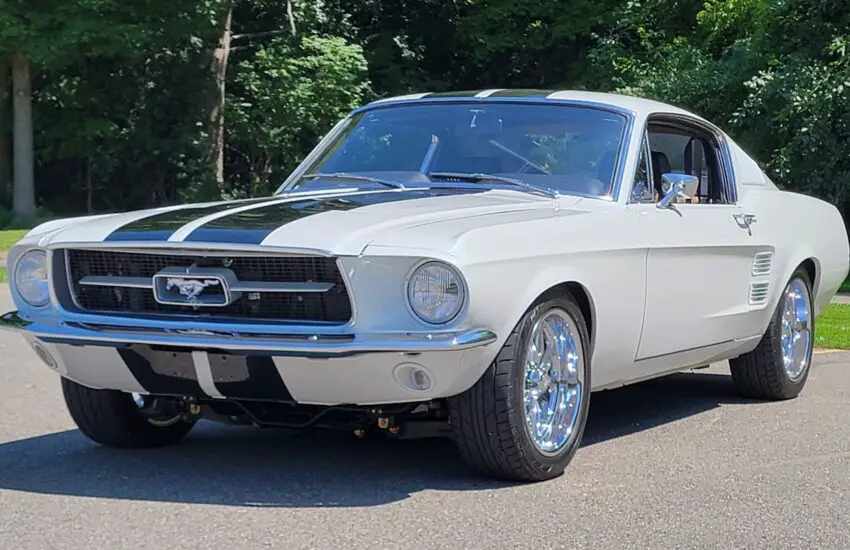
Ghost, a $362,000 1967 Ford Mustang Restomod with an Enchanting Sound

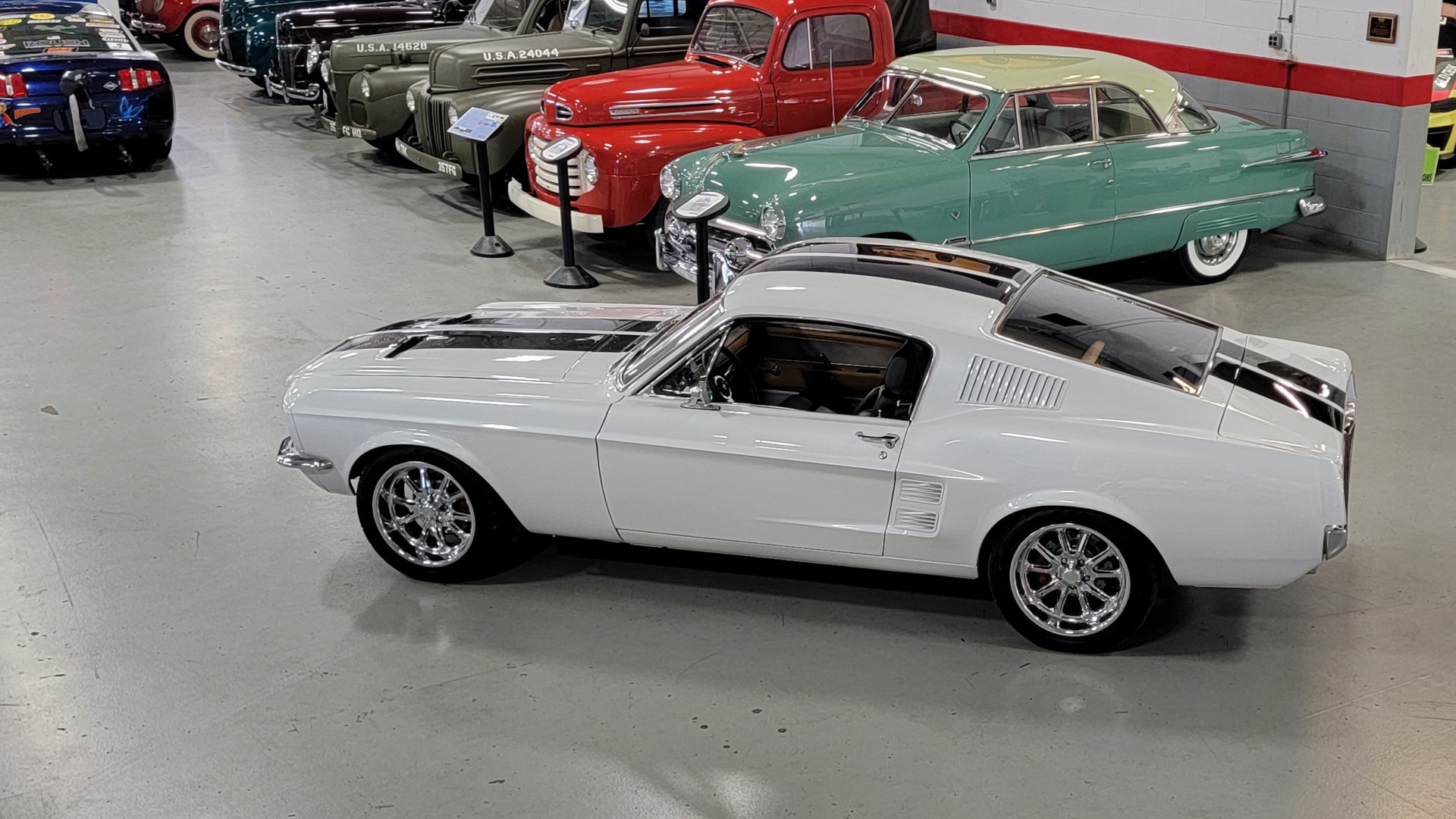
Do you know E.C.D.? Formerly East Coast Defender, a Land Rover specialist, the company has become E.C.D. Automotive Design. This name change is not insignificant. Although it continues to restore Landies, it is now diversifying. This 1967 fastback, nicknamed “Ghost,” is the first customer car from a new line of Ford Mustang restomods.

Technical Basics

This particular car did not start its life as a fastback; it left the factory as a notchback. E.C.D. performed a complete restoration and transformation. Only the original bumper, radiator support, and body are typically retained. The rest of the old 1967 elements are discarded in favor of a Roadster Shop RS Spec chassis, designed to provide modern handling under the sheet metal of an original Mustang.

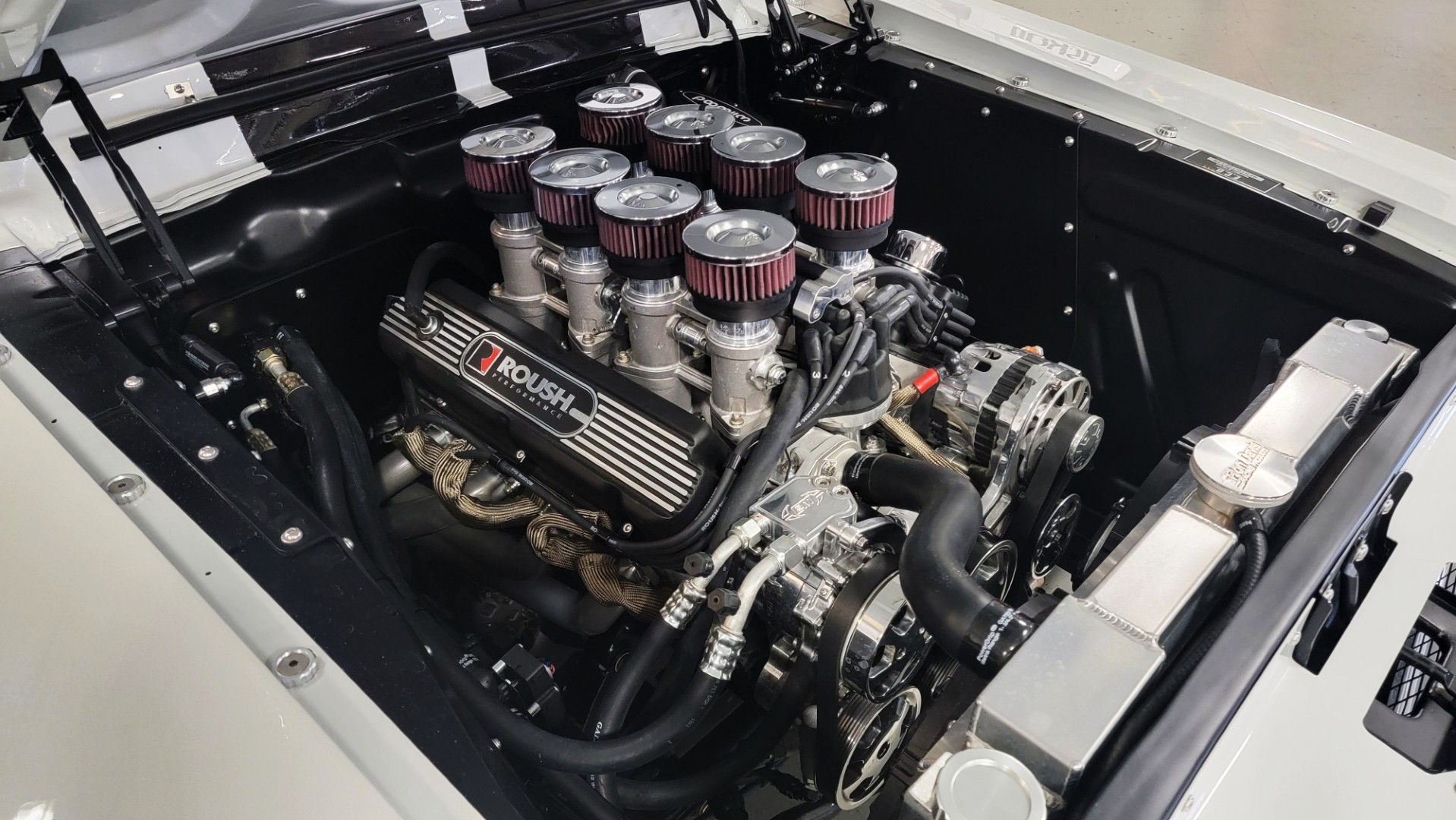
This chassis features independent front suspension, a Ford 9-inch rear axle, Baer 11-inch brakes on all four corners, and a parallel four-bar rear setup. The customer who configured the Ghost opted for a Roush 347 IR V8, a Dart Sportsman block bored to 347 cubic inches and powered by an “8-stack” EFI configuration. It produces a modest 465 horsepower and 425 lb-ft of torque, but its sound is absolutely unique.

Driving Experience and Feel

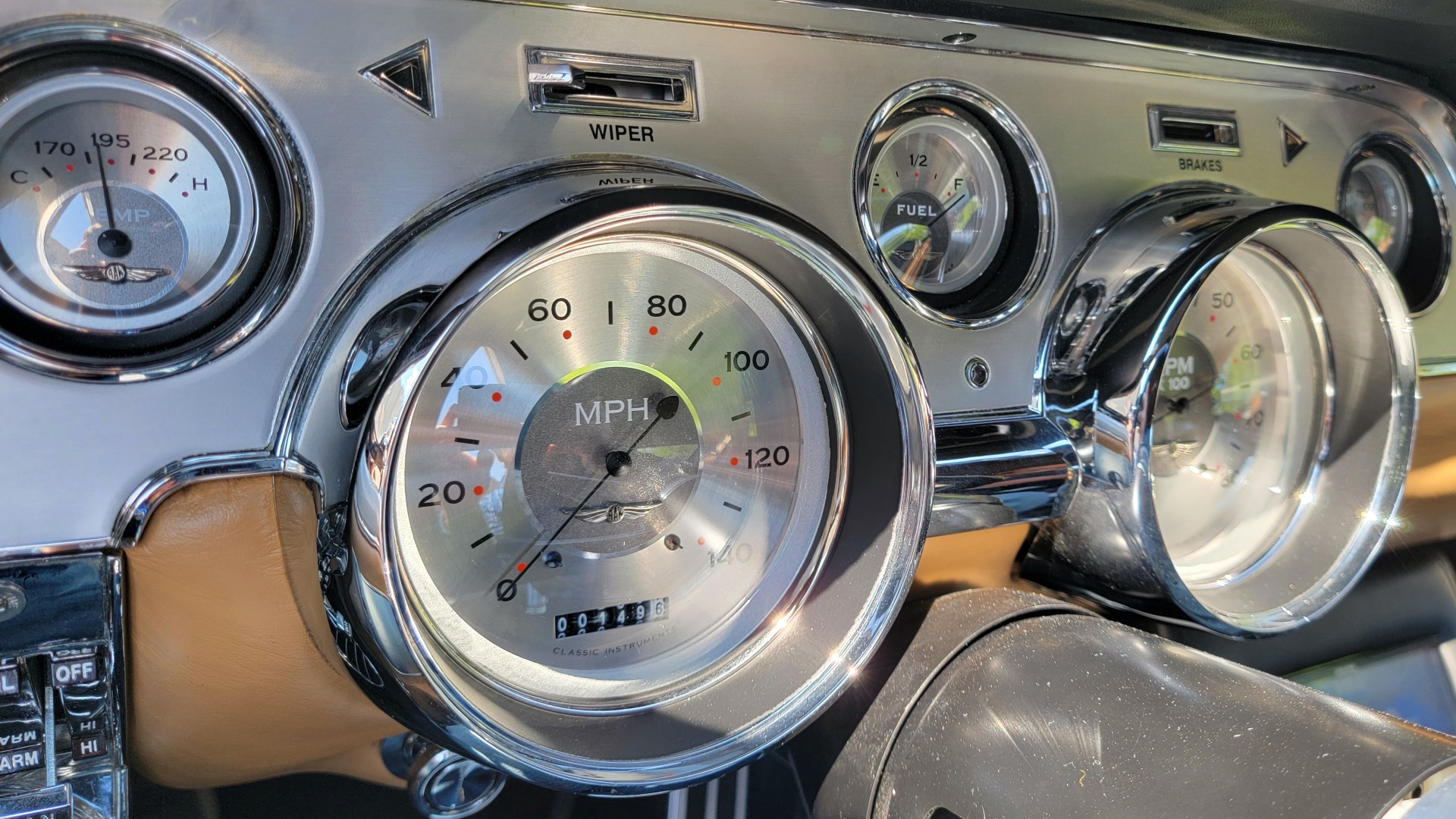
Sliding into the driver’s seat of the Ghost is a reminder of why old cars have… old ergonomics. To reach the accelerator in this fastback, you practically have to sit on the brake pedal. But a brief press of the accelerator instantly erases any sense of superiority for modern cars.

The driving position is low, reminiscent of the era when cars felt truly close to the ground. The brakes, on the other hand, are an old-school unassisted setup, a choice that is immediately noticeable. The Ghost was not designed to be a pure race beast, and that’s perfectly fine. True to its name, it floats over Michigan’s rough roads, providing commendable feedback through the steering wheel.
Byron Hurd

Verdict and Price

The price is the only real obstacle. E.C.D.’s services are not cheap. The base Mustang package starts at $279,999; the Ghost, on the other hand, rings the cash register at $362,000. What you really get for that price is exclusivity. A custom build process and a fully customizable product. E.C.D. has learned this formula so well from restoring old British tractors that it has expanded to Mustangs, as well as Jaguar E-Types, classic Toyota FJs, and soon Porsche 911s.

E.C.D. 1967 Ford Mustang Fastback Specs
Base Price (as built) $279,999 ($362,000)
Powertrain 347 cubic inch (5.7L) EFI V8 | 4-speed automatic transmission | rear-wheel drive
Power 465 horsepower
Torque 425 lb-ft
Seating Capacity 4
Cargo Volume 5.1 cubic feet
In Brief

A premium car with a premium price, but this V8 sounds so good.
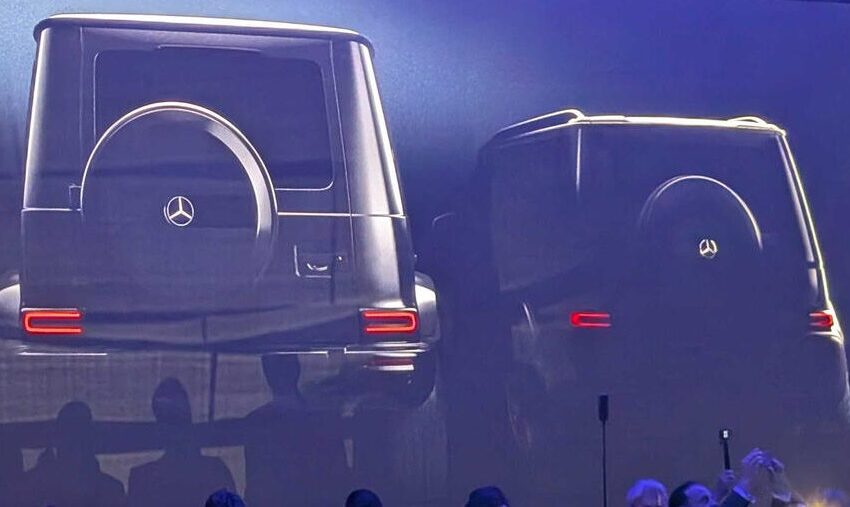
Mercedes-Benz G-Class Baby: A Younger and More Modern SUV Coming Soon

The baby Mercedes-Benz G-Class is on its way and its arrival is imminent, according to the manufacturer’s CEO Ola Källenius. This new iteration of the icon will be an “authentic car” based on a new “miniature ladder frame chassis” with model-specific components and bodywork, which will be “even more modern” than the electric G-Class launched last year. The goal is to make this model “a bit younger,” although it will retain its iconic round headlights.

Today’s Automotive News

🚘 Test in progress: The 2025 Ford Expedition Platinum. The two-spoke steering wheel and new dashboard design eventually grow on you, although opinions remain mixed.

🪦 End of production for the Subaru Legacy. After a 36-year career, the last all-wheel-drive sedan left the Lafayette assembly line on September 12.

🤑 Volkswagen raises prices. After holding out, the German manufacturer is implementing increases of 2.9% to 6.5% depending on the model, a decision attributed to Trump-era tariffs.

🎨 Bentley unveils an exclusive paint finish. The Flying Spur “Ombré by Mulliner” features a gradient effect that costs the modest sum of $68,000.

‼ Ford recalls over 100,000 vehicles. A defect that could cause door trim to detach while driving affects 101,944 Taurus sedans.

🔋 Panasonic announces a revolutionary battery for 2027. The Tesla supplier promises a 25% increase in energy density, offering up to 150 km of additional range for a Model Y.

🙀 The Polestar 4, a polarizing design. According to its CEO, 80% of customers quickly get used to its unique characteristics and end up loving it.
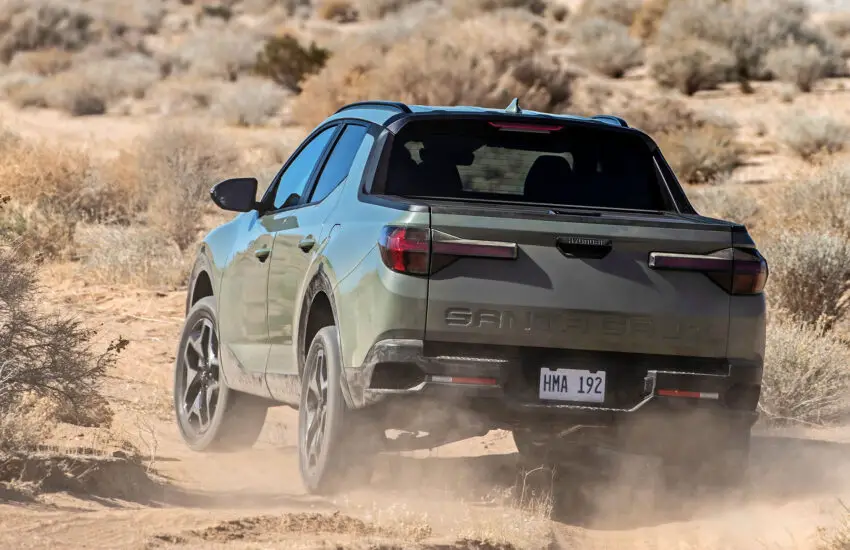
Hyundai is preparing a body-on-frame pickup for the USA by 2030, followed by an SUV

If you are a regular reader of The Drive, you may have noticed information in this morning’s edition of The Downshift regarding the arrival of a mid-size Hyundai pickup truck in the United States by the end of the decade. This announcement, stemming from Hyundai’s investor presentation in New York, actually reveals a multi-faceted offensive in the American market with a body-on-frame platform. We could thus get both a mid-size truck and an SUV.

Hyundai’s Truck Strategy Takes Shape

“Pickups represent an opportunity we are ready to seize,” said CEO José Muñoz during his presentation. “The mid-size truck segment is one of the largest and most profitable in the industry. Since the launch of the Santa Cruz in 2021, we have gained valuable experience and brand presence in this segment.”

“We are now preparing to launch a new body-on-frame model before 2030 to build our truck portfolio, with the potential for an SUV variant,” he continued. “This expansion allows us to broaden our reach and connect directly with customers at the heart of the American market.”

Muñoz then moved on to updates about the company’s electrification efforts, leaving us only with this tantalizing information.

A Competitor for the Toyota 4Runner and Ford Bronco

This means we are not only about to get a new mid-size Hyundai pickup with a body-on-frame structure before 2030, but also very likely an SUV. This would give Hyundai a direct competitor for the Toyota 4Runner and, to a lesser extent, the Jeep Wrangler and Ford Bronco.

A Proprietary Hyundai Platform for the USA

Last year, we learned that GM and Hyundai had formed a partnership to explore joint development opportunities. Although rumors suggested that Hyundai might get a pickup through this deal, it would likely be intended for other global markets. This latest announcement instead indicates a fully proprietary Hyundai platform and vehicle for its trucks aimed at the American market.

Beyond the Santa Cruz

So far, our only example of a Hyundai pickup is the Santa Cruz. It’s a perfectly acceptable small truck, but like the Ford Maverick, it is sometimes limited by the fact that it shares its fundamental underpinnings with a small unibody crossover. Designed more as a lifestyle truck than a practical pickup, the Santa Cruz’s capabilities are not really exceptional.

More importantly, a new mid-size body-on-frame platform would offer Hyundai a starting point for other truck segments, from larger pickups to premium off-road SUVs. Imagine, by the middle of the next decade, Genesis could build its own interpretation of a Geländewagen. What a world, isn’t it?

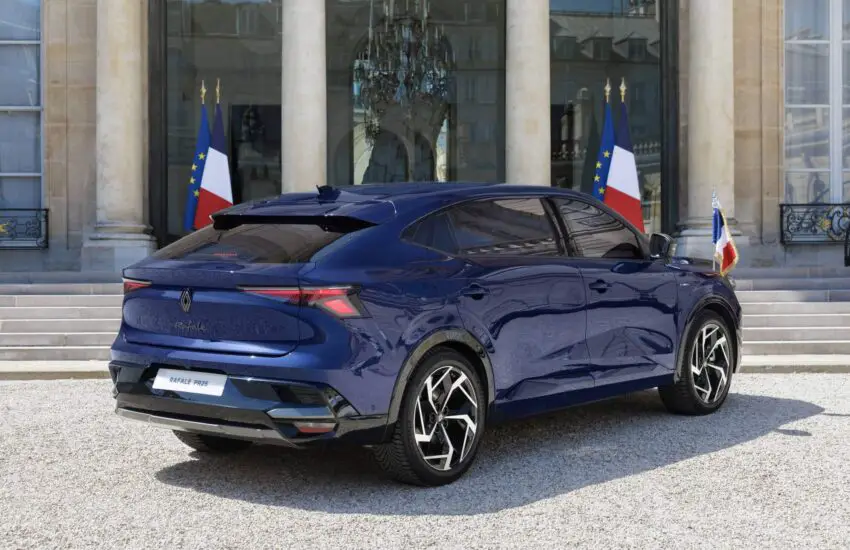
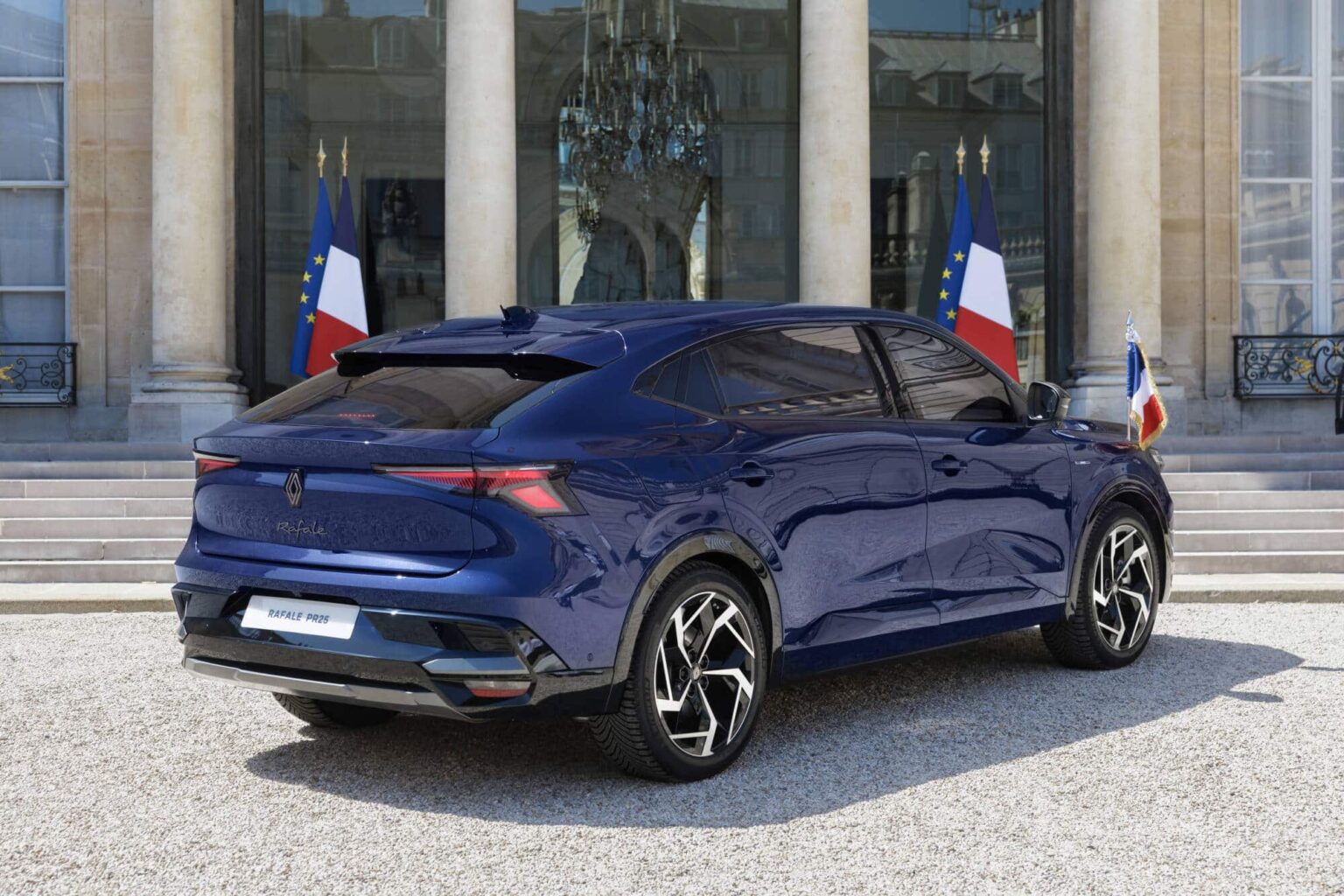
Macron’s official car: the Presidential Renault Rafale displayed at Heritage Days

Emmanuel Macron’s official car will be one of the main attractions of Heritage Days 2025. A unique vehicle will indeed be unveiled in the main courtyard of the Élysée Palace this weekend: the Renault Rafale Presidential.

Renault Rafale Presidential - Emmanuel Macron's official car

The Renault Rafale Presidential, an exceptional vehicle

Specially designed for the official travels of the President of the Republic, this Renault Rafale features a distinctive configuration and equipment that make it much more than just a sedan. Its display during this national event offers a rare opportunity for the public to get close to a symbol of the presidential office and the republican tradition.

A distinguished guest at the Élysée Palace

This presentation is part of the tradition of opening government sites to the public during European Heritage Days. Displaying the presidential car alongside the other treasures of the palace helps democratize access to state symbols and promote French automotive heritage.

Tesla unlocking system: a danger for occupants that will be redesigned

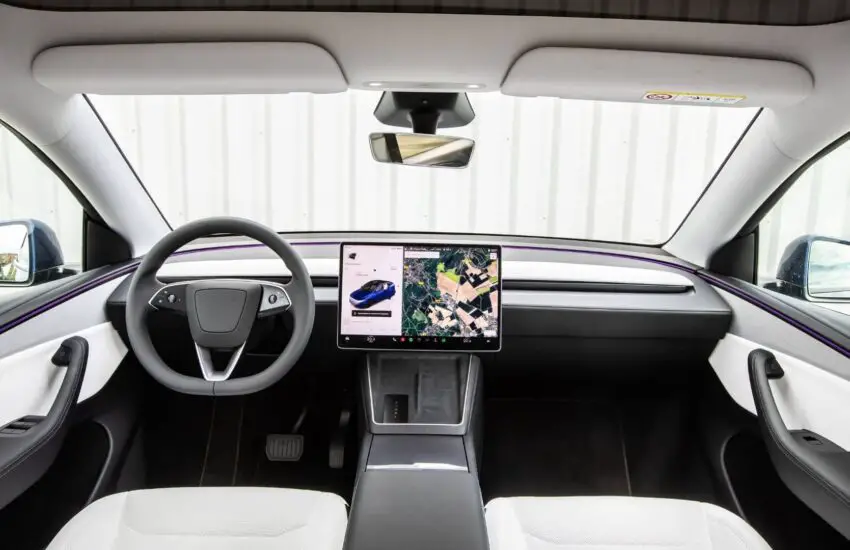
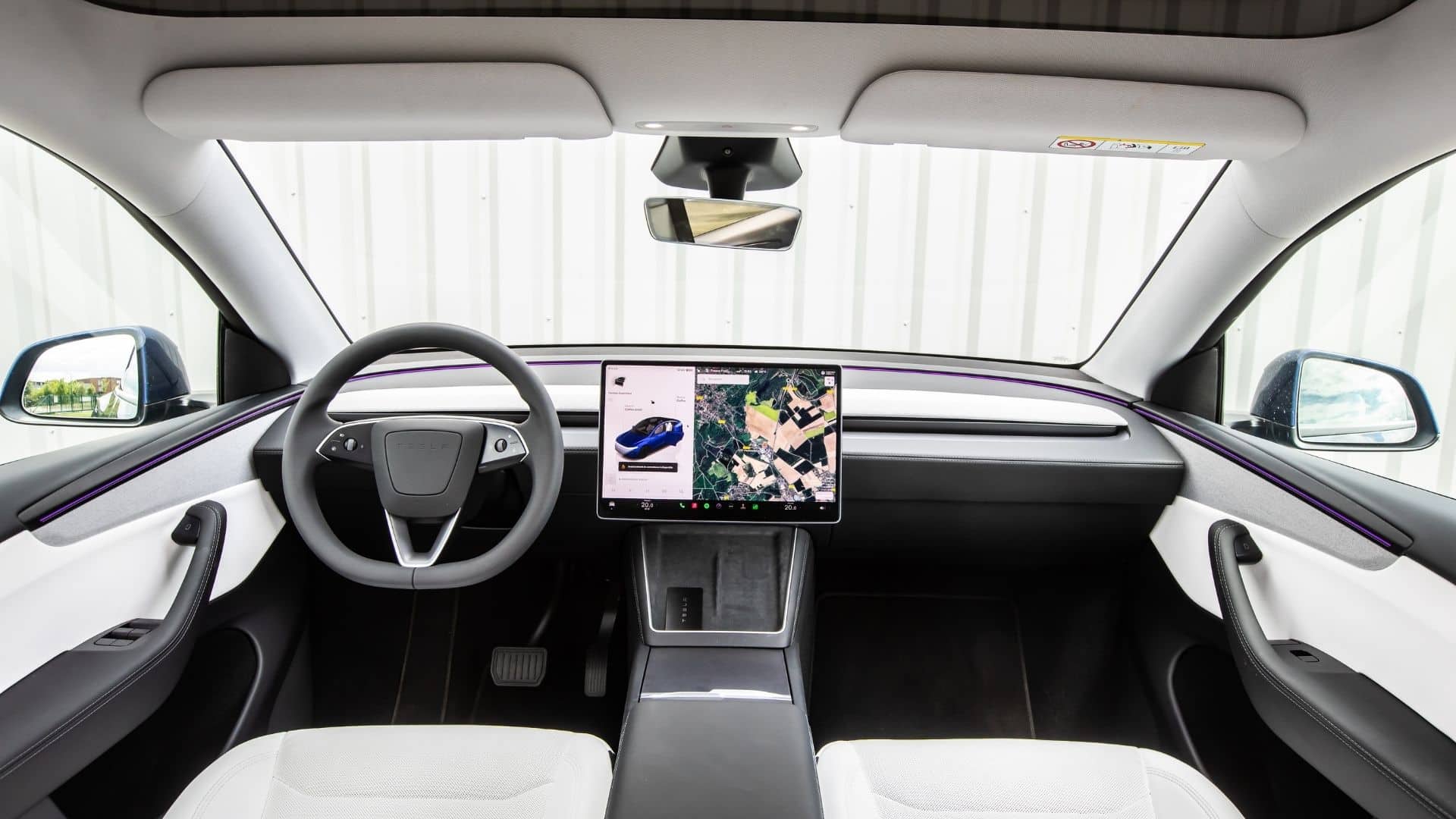
Tesla’s door unlocking system, deemed too dangerous for occupants, is at the center of an investigation in the United States. In response to authorities’ concerns, the Austin-based company has promised significant improvements, including a partial redesign of its famous door handles.

Tesla Model Y 2025

An Investigation Prompting Tesla to Rethink Its Approach

The safety of Tesla vehicle occupants is being questioned. The electronic unlocking system, a cornerstone of the brand’s innovation, is now under scrutiny for its potential danger in emergency situations. American authorities have launched an investigation to assess the actual risks, forcing the manufacturer to act quickly.

Towards a Redesign of Door Handles

In response, Tesla has reportedly already begun work on designing a new mechanism. The goal is clear: maintain the minimalist and futuristic aesthetic while ensuring ease of use and absolute safety, even during an accident or electrical failure. This technical evolution is highly anticipated by owners and industry observers.

Innovation Serving Safety

This situation highlights the ongoing challenge for automakers: balancing innovation and safety. Tesla, often seen as a pioneer, must now demonstrate its ability to adapt its technologies to protect its customers without sacrificing its technological DNA.

European Kei-Car: A Risk of a Gift to Chinese Manufacturers?

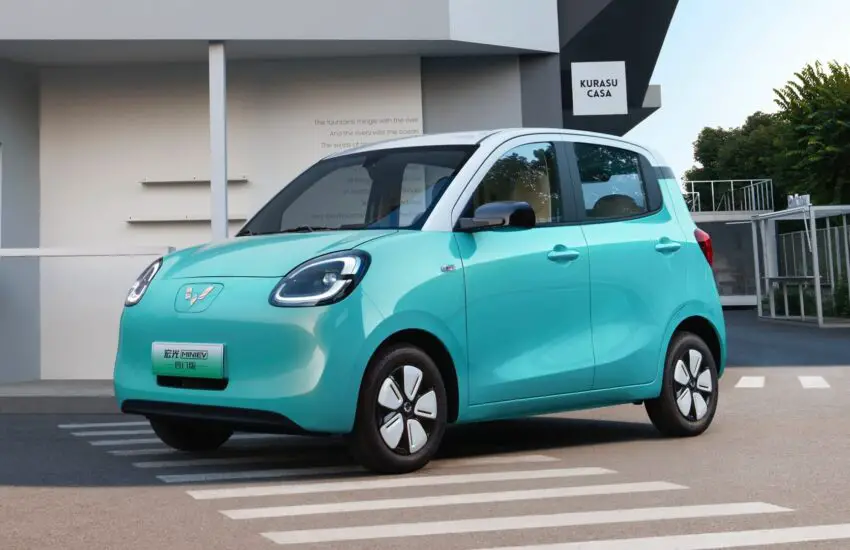
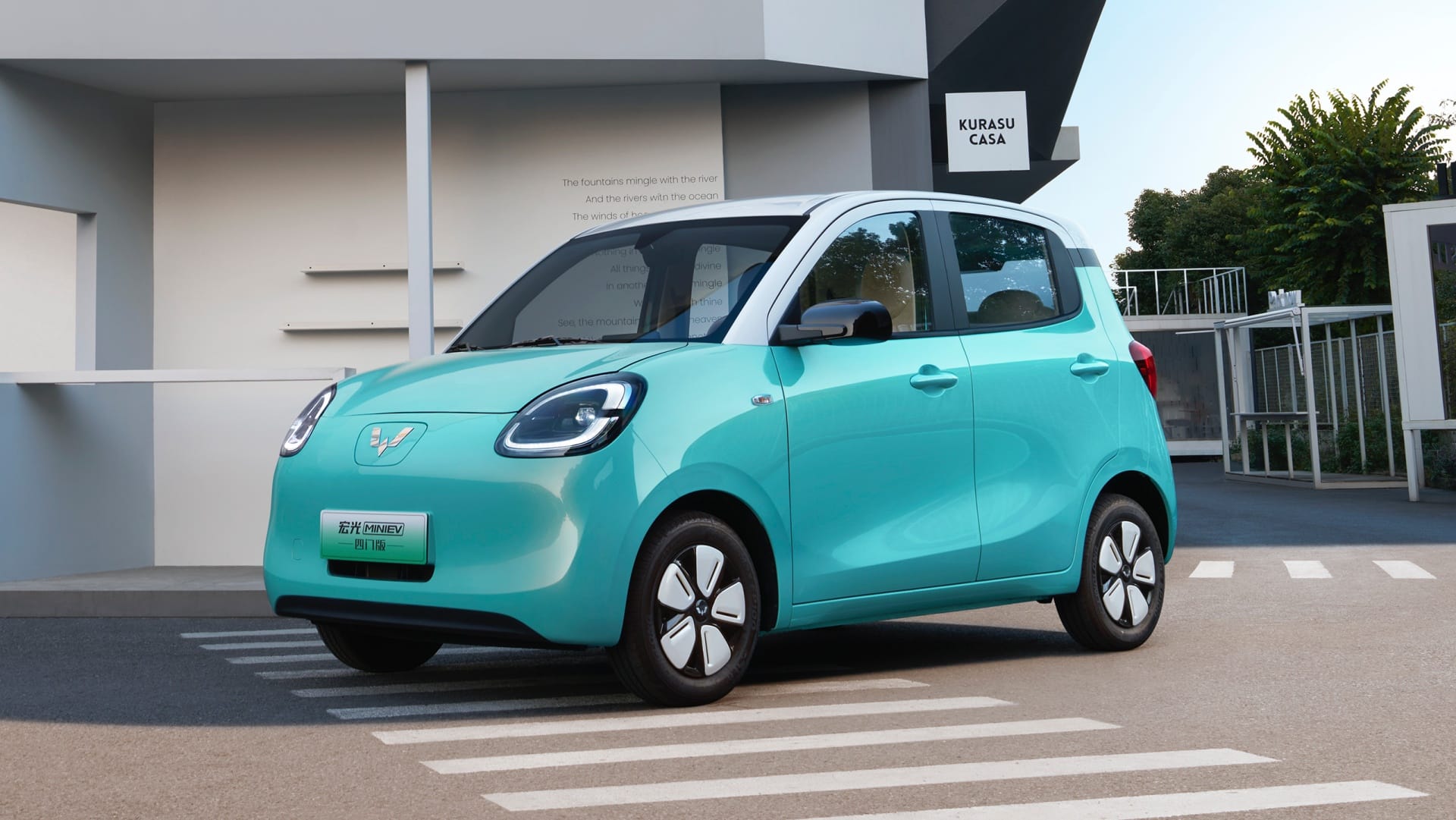
Wuling Hongguang Mini EV

Called for by several European manufacturers looking to revive the urban small car market, a new category of cars could emerge, inspired by Japanese Kei cars. But the opportunity could also benefit Chinese manufacturers.

The European Kei-Car Concept

Several European manufacturers are advocating for the creation of a new category of urban vehicles. Inspired by Japanese Kei-Cars, these mini cars would meet a growing need for sustainable mobility in cities. Their compact size and electric powertrain could appeal to a wide customer base seeking practical and eco-friendly transportation solutions.

A Market Coveted by the Chinese

While the initiative seems beneficial for the European automotive industry, it also presents a significant risk. Chinese manufacturers, already well advanced in developing affordable small electric vehicles, could take advantage of this new regulation. Their expertise and low-cost production capabilities give them a significant competitive advantage in this segment.

The Threat to Local Manufacturers

By opening the door to a less regulated vehicle category, Europe could unintentionally favor Chinese imports. Models like the Wuling Hongguang Mini EV already demonstrate Chinese expertise in this area. Without protective accompanying measures, this new category could turn an opportunity for the European industry into a gift for Asian manufacturers.

Conclusion: An Opportunity to Seize with Caution

The development of a European Kei-Car category represents a real opportunity to revitalize the urban small car market. However, this initiative must be accompanied by protectionist measures to prevent the market from being dominated by Chinese manufacturers. A balanced approach is necessary to support the European industry while meeting consumer needs.

Plug-in hybrid engine for Scania buses: innovation or false good idea?

Scania introduces a plug-in hybrid engine for buses, an innovation that is shaking up the public transport sector. Until now, we were mainly used to seeing either electric, CNG (natural gas), or conventional combustion engine buses. Models operating with plug-in hybrid (PHEV) technology thus represent a new path that the Swedish manufacturer is exploring to decarbonize urban and suburban transport.

A hybrid technology adapted for buses

Scania is betting on an intelligent combination of a combustion engine and electric propulsion. The goal is clear: significantly reduce fuel consumption and CO2 emissions, while offering extended range compared to a 100% electric bus. This plug-in hybrid solution allows the bus to operate in all-electric mode for short distances, ideally in city centers, and then switch to the combustion engine for longer journeys, thereby limiting range anxiety.

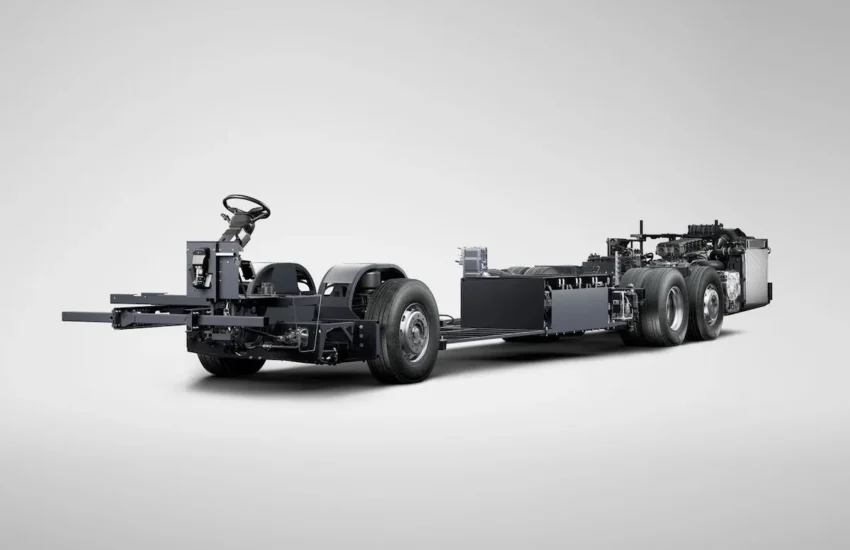
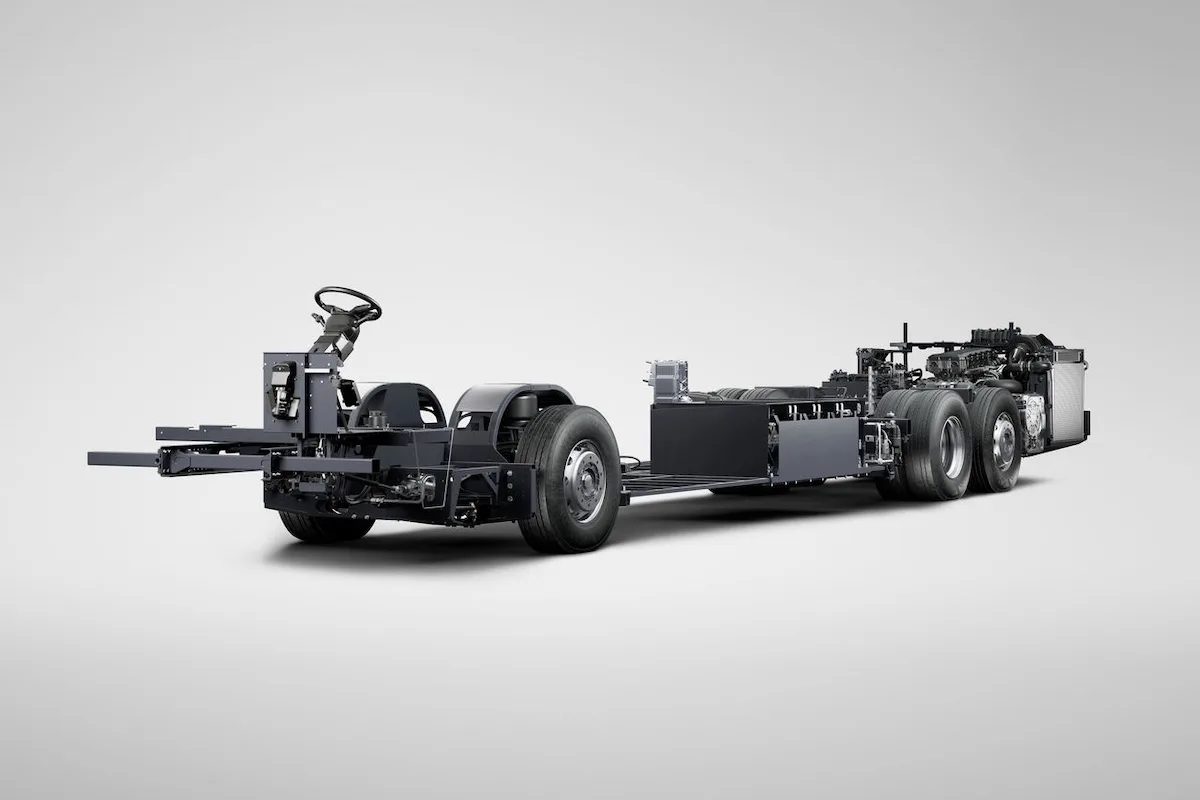
Scania plug-in hybrid bus chassis

The advantages of the Scania plug-in hybrid bus

The main strength of this technology lies in its flexibility. Fleet operators are not constrained by the still sometimes limited charging infrastructure. The Scania plug-in hybrid bus can recharge at dedicated stations, but it can also rely on its combustion engine if needed. This versatility is a strong argument for cities in energy transition.

Emission reduction and savings

In electric mode, the bus emits no fine particles or nitrogen oxides locally, thus helping to improve air quality in urban areas. Economically, the reduction in diesel fuel consumption allows transport operators to achieve substantial long-term savings, despite a likely higher initial investment.

A good or bad idea for the future?

The question is worth asking. Some experts see plug-in hybrids as a necessary step towards full electrification, a pragmatic transitional solution. Others see it as unnecessary technical complexity, arguing for a direct shift to battery-electric or hydrogen. The debate is open, but Scania is providing a concrete answer that could well appeal to many communities.

Hyundai 2030: 60% of Electrified Vehicles in Its Strategy

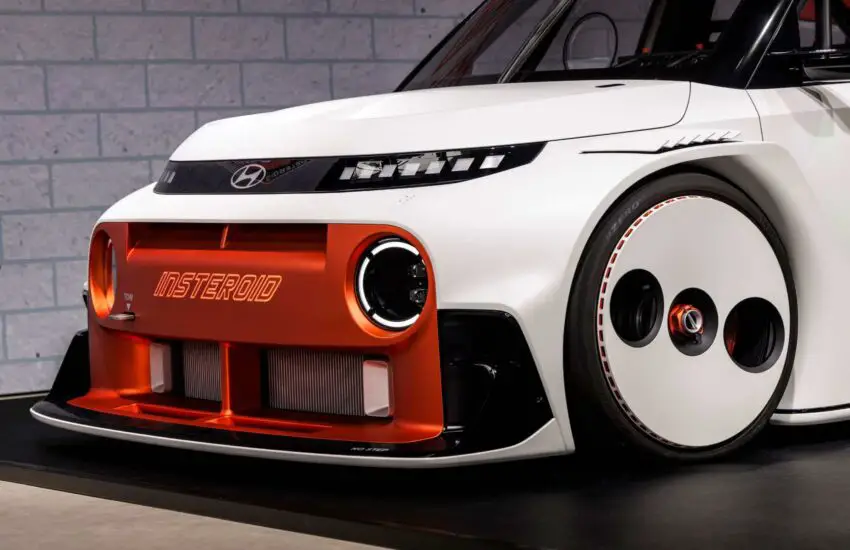
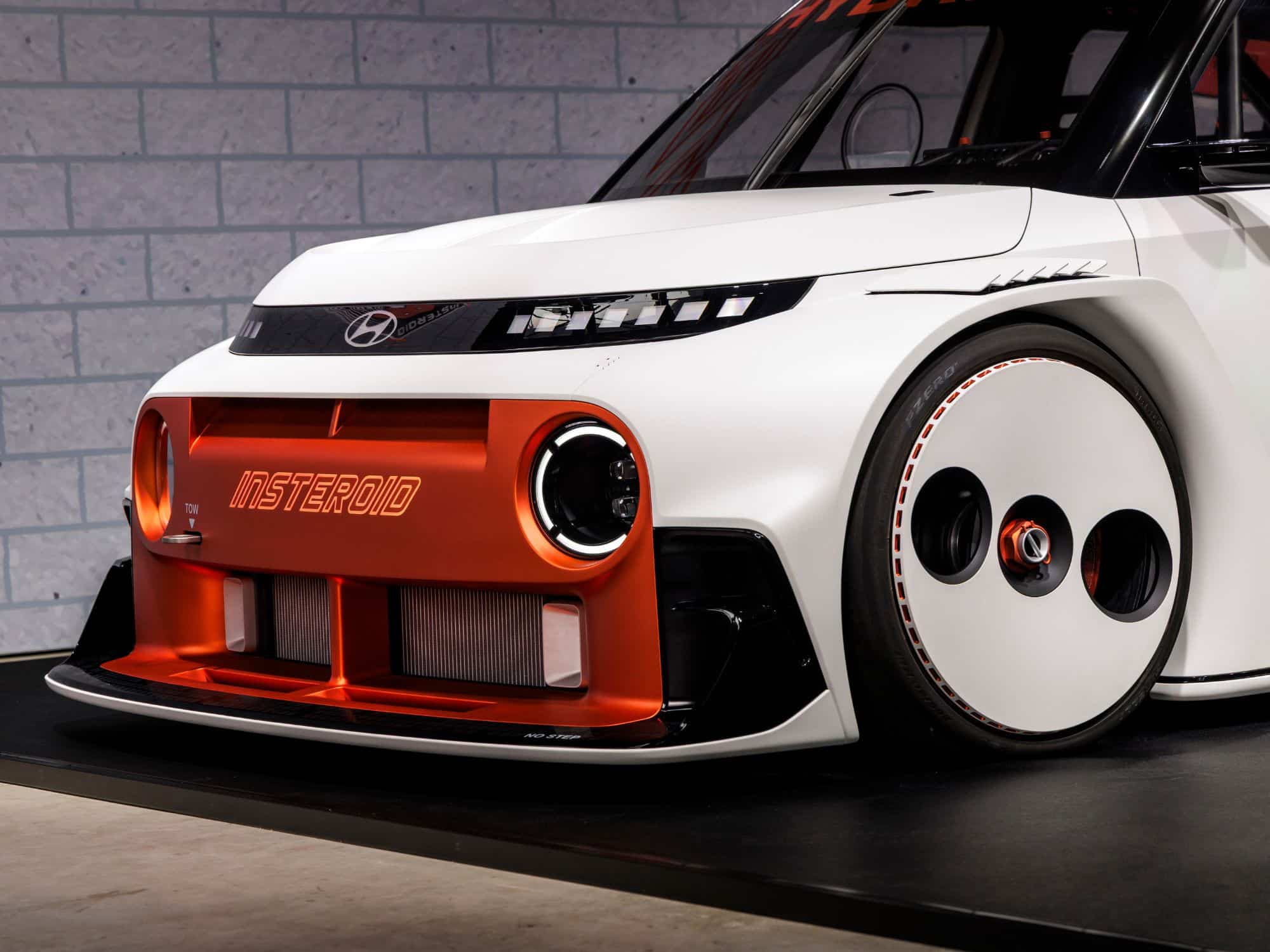
Hyundai Insteroid Electric Vehicle

Hyundai aims for 60% electrified vehicles. The end of the decade is fast approaching, and most automakers are trying to project themselves onto this crucial deadline. The Hyundai Motor Group has unveiled its strategic roadmap for 2030, with an ambitious goal: for electrified models to account for 60% of its global sales.

An Accelerated Transition to Electric

This commitment marks a significant acceleration in the Korean manufacturer’s transition towards more sustainable mobility. The strategy is based on massive investment in the development and production of 100% battery electric vehicles, as well as hybrids and plug-in hybrids.

Innovation and Diversification of the Lineup

To achieve this goal, Hyundai is counting on the launch of many new models and the strengthening of its production capabilities. The manufacturer’s range of electrified vehicles is thus expected to diversify to cover all market segments, from city cars to SUVs.

A Commitment to Sustainable Mobility

This ambition is part of a broader vision of the group, which aims to become a global leader in clean and smart mobility. Beyond vehicles, Hyundai is also investing in charging infrastructure and battery technologies to support this transition.

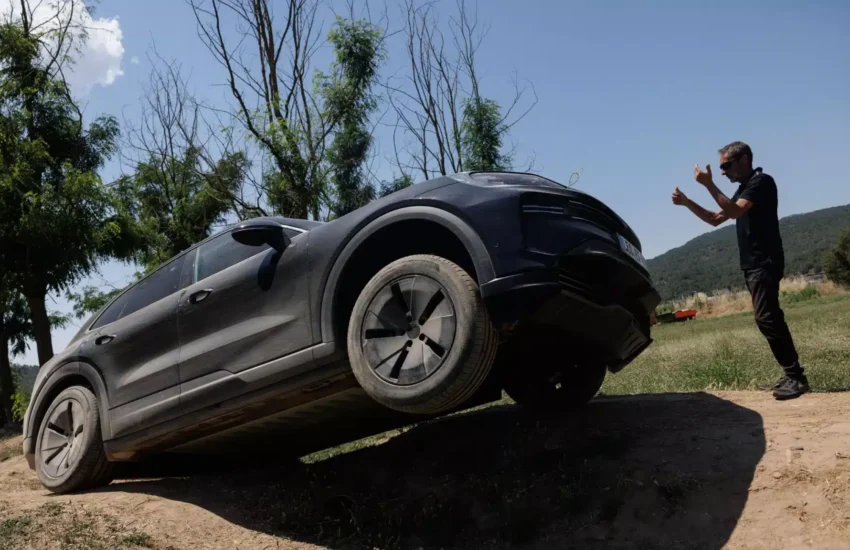
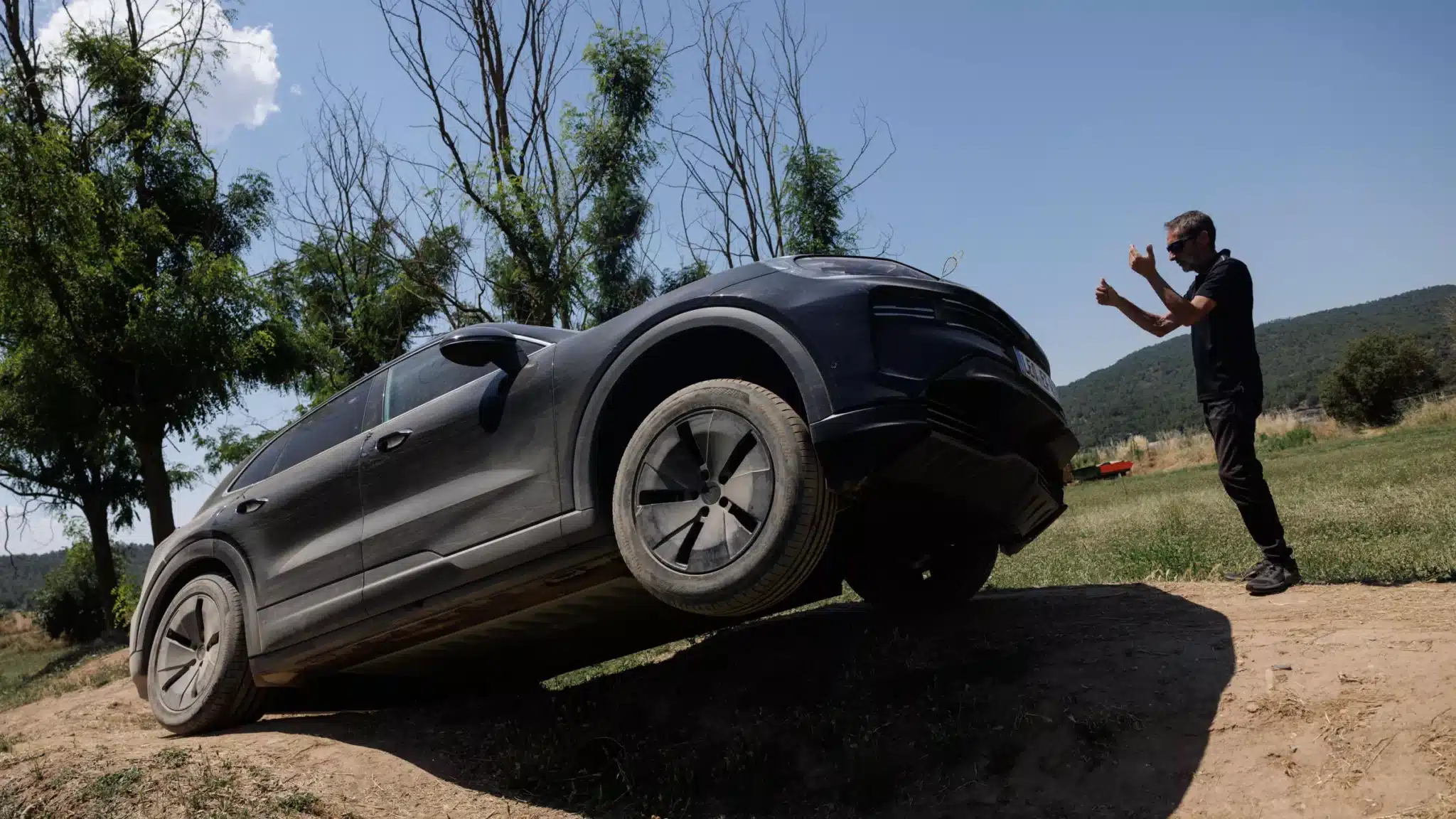
Porsche Electric Cayenne: How AI Achieved Huge Savings

Still wondering if AI can be useful in the automotive production field? Porsche has just demonstrated it by avoiding the manufacturing of dozens of physical prototypes through AI-powered virtual testing.

Artificial Intelligence in the Service of Automotive Engineering

Porsche has demonstrated the power of artificial intelligence in the development of its future Electric Cayenne. The automaker managed to avoid building 120 physical prototypes, achieving substantial savings in time, resources, and production costs.

The Virtual Testing Revolution

Thanks to sophisticated AI-powered virtual simulations, Porsche engineers were able to test and validate many aspects of the vehicle without resorting to physical models. This innovative approach accelerated the development process while maintaining the brand’s high-quality standards.

Multiple Benefits

Beyond financial savings, this method significantly reduces the environmental impact of the development process. The reduction in physical prototype production leads to decreased consumption of raw materials and the energy required for their manufacturing.

The use of artificial intelligence in automotive development represents a significant advancement for the industry, paving the way for more efficient and sustainable production methods.

Mercedes-AMG GT Electric: Rumors, Competition, and the Future of the Sports Coupe

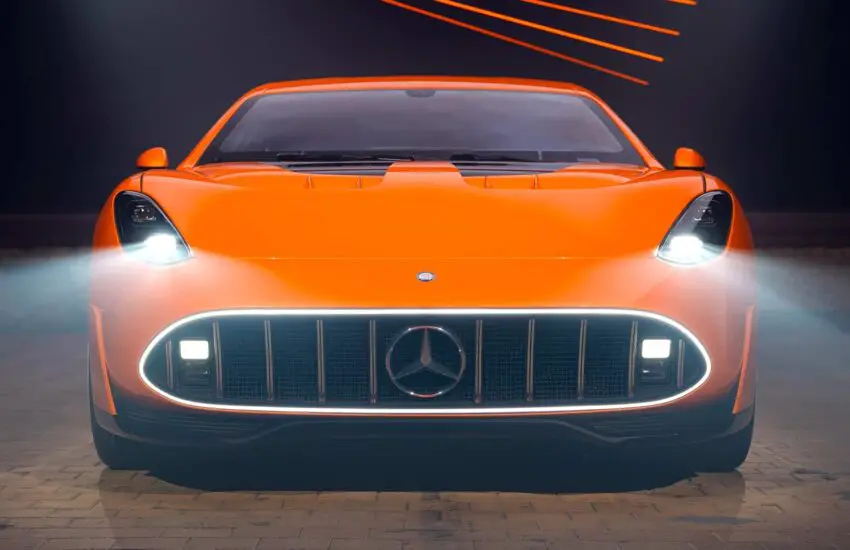
Futuristic Mercedes-AMG GT electric concept car

The electric Mercedes-AMG GT is a topic stirring the automotive world. Rumors of a zero-emission version of the famous sports coupe are circulating persistently. The stakes are high for the German manufacturer: to position itself against the future electric Porsche 911.

A Technically Feasible but Commercially Uncertain Project

Technically, Mercedes-Benz possesses all the necessary expertise through its dedicated platform for high-performance electric vehicles. The group has already unveiled high-performance motor and battery technologies that could equip such a vehicle. The real question is not whether they can do it, but whether they will.

The Challenge of Customer Demand for an Electric AMG

The main obstacle to realizing this project lies in the existence of a sufficient customer base. Buyers of high-end sports cars, traditionally attached to internal combustion engines and the characteristic sound of V8s, represent an audience that might be difficult to convince. Mercedes-AMG must accurately assess the potential of this electrified niche market.

Competition Organizing in the Electric Sports Segment

The automotive landscape is rapidly electrifying, including in the sports car segment. Porsche is actively working on an electric version of its iconic 911, which could force Mercedes-AMG’s hand. The appearance of this concept suggests that the star-branded company does not want to be left behind in this energy transition of the sports segment.