Fastned revolutionizes the electric charging station into a friendly living space

Electric vehicle drivers will soon have access to increasingly sophisticated charging stations. This is clearly the current trend, and Fastned has just demonstrated it again.

Electric charging becomes a premium experience

Fastned is radically transforming the traditional concept of service stations. Far from simple functional charging points, the company is now designing charging spaces that compete with contemporary living spaces. This innovative approach addresses a growing need: transforming mandatory charging time into an enjoyable and productive moment.

A new comfort standard for electric drivers

These next-generation stations offer much more than electricity. They provide modern facilities with air-conditioned spaces, high-speed Wi-Fi, premium amenities, and comfortable work areas. The goal is clear: to attract electric car drivers by offering them an unparalleled experience during the 20 to 30 minutes required to charge their vehicles.

A winning strategy for the future of electric mobility

By investing in comfort and services, Fastned anticipates market evolution. As the number of electric vehicles increases exponentially, differentiation through user experience quality becomes a decisive competitive advantage. These user-friendly stations set a new standard in the charging industry.

New Nissan Leaf 2025: Launch Disrupted by Battery Shortage

New Nissan Leaf – The highly anticipated launch of the third-generation Nissan Leaf has hit a major snag. In Japan, production of the iconic electric vehicle has been cut in half. The reason? An unexpected shortage of lithium-ion batteries, a supply issue that highlights the strains on the electric vehicle production chain.

Production Halved

This reduction in production capacity is a hard blow for Nissan. The Japanese manufacturer was counting on this new model to strengthen its position in the highly competitive electric mobility market. The 2025 Leaf was meant to embody the brand’s renewal with innovative technologies and improved range. This launch incident could delay its strategy and frustrate an eager customer base.

A Key Model for Nissan’s Revival

The new Leaf is not just another car in the manufacturer’s lineup. It represents a central pillar of its revival and fleet electrification plan. Nissan is heavily banking on the success of this vehicle to compete with rivals like Tesla, Volkswagen, or Korean manufacturers. A disrupted launch could therefore have significant financial and strategic consequences.

The Challenges of the Electric Industry

This situation reveals the structural challenges facing the global automotive industry in its transition to electric. Dependence on battery suppliers and the complexity of supply chains make manufacturers vulnerable. The race to electrify is also a race to secure essential resources and technological partnerships.

DS No. 8: Test of the High-End Electric SUV Coupe – Design, Range, Price

DS N°8 electric coupe SUV profile design DS Automobiles’ first 100% electric coupe SUV, the DS N°8 combines refined style, generous range, and cutting-edge technologies. Discover its main strengths.

A bold and aerodynamic design

The DS N°8 immediately asserts its status with a coupe SUV silhouette featuring a sleek and dynamic profile. Its flowing line, a signature of the brand, is enhanced by chrome details and laser-patterned rear lights. This carefully crafted design is not just about aesthetics; it actively contributes to the vehicle’s energy efficiency by optimizing its aerodynamic coefficient.

Long-range electric autonomy

Under the hood, or rather under the floor, the DS N°8 hides a high-capacity battery that provides an announced range exceeding 700 kilometers (WLTP). This performance places the electric SUV at the top of its class, making it perfectly suited for long trips and daily use without requiring frequent recharging.

A premium and high-performance technical platform

The DS N°8 is built on the STLA Large platform dedicated to premium vehicles. This native 100% electric architecture gives it a spacious interior, a low center of gravity for agile handling, and allows for the integration of powerful motors. The dual-motor option offers performance worthy of a GT, with lightning-fast acceleration.

A refined and technological interior

The cabin is a sanctuary of technology and craftsmanship. Noble materials (leather, alcantara, metal), comfortable seating, and impeccable finishes define the ambiance. Technology is omnipresent with a curved panoramic screen, a state-of-the-art infotainment system, and a suite of advanced driving aids for a safe and connected driving experience.

Positioning and competition in the market

The DS N°8 positions itself as a bold French alternative to premium German electric coupe SUVs. It embodies DS Automobiles’ high-end strategy and targets demanding customers seeking design, performance, and range, without compromising on luxury and innovation.

Chinese government intervenes to stabilize its automobile industry amid price war

Chinese Hongqi vehicle at the 2024 Paris Motor Show For three years, a price war has been raging in the Chinese automotive market. The situation is such that Beijing is forced to intervene with unprecedented measures. The government now wants to limit market growth.

A Destructive Price War

The Chinese government is intervening in response to fierce competition that has been shaking its automotive industry for three consecutive years. This relentless price war has created an unstable business environment, prompting authorities to take unprecedented corrective measures.

Unprecedented Government Measures

Beijing has decided to impose regulations to stabilize the market and preserve the economic health of the automotive sector. These interventions aim to regulate business practices and prevent a destructive escalation for all domestic manufacturers.

Objective: Control Market Growth

Unlike traditional stimulus policies, the Chinese government now wishes to moderate the expansion of the automotive market. This cautious approach reflects a desire to prioritize long-term economic stability over immediate quantitative growth.

Implications for the Chinese Automotive Industry

This government intervention marks a strategic turning point in the management of the automotive sector. The measures under consideration could include production caps, investment regulation, and supply rationalization to balance the market.

Enedis Electric Utility Vehicles: Retrofit Innovation by Qinomic

Enedis Qinomic Qinomic Mobilities provides Enedis with its first retrofitted utility vehicles, enabling fleet electrification while reducing carbon footprint and extending vehicle lifespan.

Enedis’ Sustainable Strategy

Enedis is taking a major step in its ecological transition with the acquisition of innovative electric utility vehicles. What makes these new assets special? They are combustion vehicles converted to electric using retrofit technology developed by Qinomic Mobilities.

The Benefits of Electric Retrofit

This revolutionary approach allows Enedis to electrify its vehicle fleet while significantly reducing its carbon footprint. Retrofit gives existing vehicles a second life, thus avoiding the manufacturing of new utility vehicles and extending the service life of available assets.

Qinomic Mobilities: Technological Partner

Qinomic Mobilities is establishing itself as a key player in the ecological transformation of vehicle fleets. Their expertise in electric conversion enables companies like Enedis to transition to sustainable mobility without completely renewing their fleet, thus optimizing investments and environmental impact.

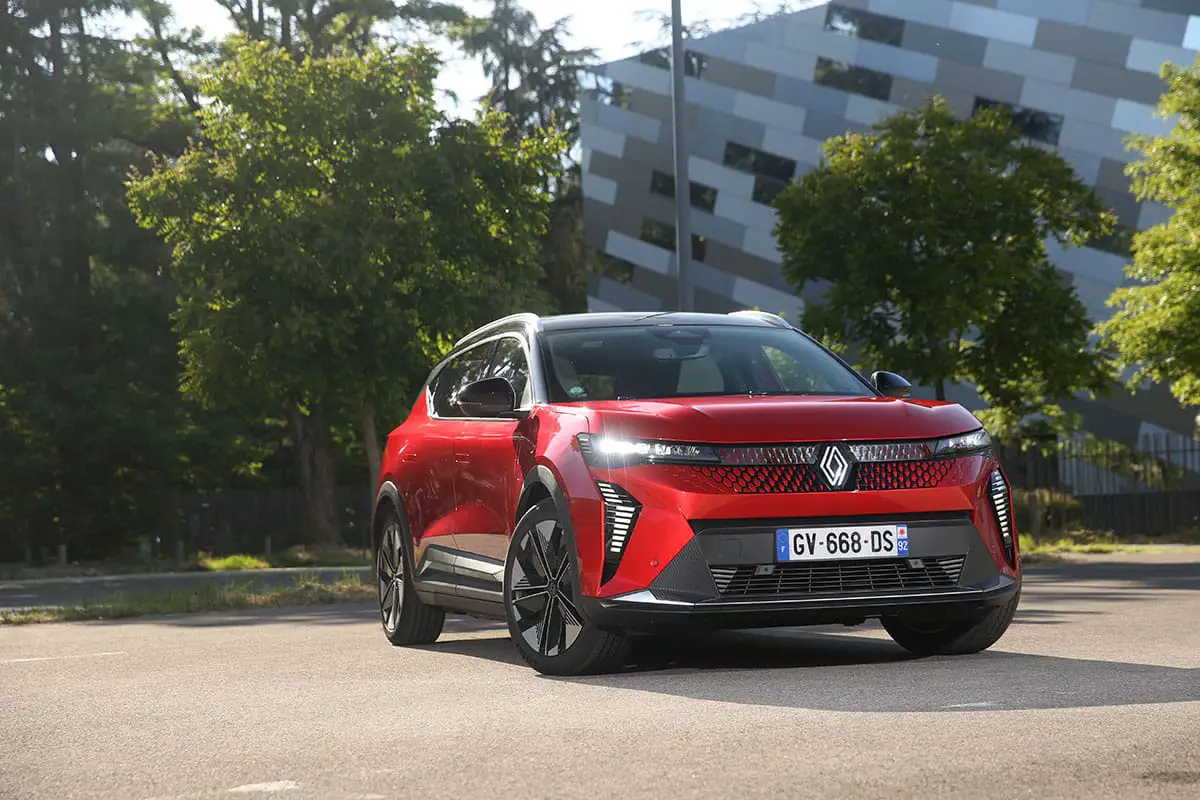
Mitsubishi Eclipse Cross Electric 2025: The Renault Scénic Revisited by Japan

New Mitsubishi Eclipse Cross Electric: Mitsubishi continues rebuilding its European lineup with crucial support from Renault. The Japanese manufacturer introduces a 100% electric version of its compact SUV, built on the technical platform of the Renault Scénic E-Tech. This strategic partnership enables Mitsubishi to quickly offer a competitive zero-emission vehicle while benefiting from European expertise in electric mobility.

A Franco-Japanese Alliance to Conquer the Electric Market

This new chapter in the Renault-Nissan-Mitsubishi alliance collaboration materializes with this hybrid model, blending Mitsubishi’s bold design with Renault’s proven technology. The electric Eclipse Cross thus shares its technical base, motor, and battery with the Scénic E-Tech, promising similar range and equivalent performance.

Design and Technical Features

Although mechanically identical to the French model, the electric Eclipse Cross retains Mitsubishi’s distinctive visual identity. The characteristic grille, angular lines, and assertive SUV style clearly differentiate it from its French cousin. This approach allows Mitsubishi to target customers seeking Japanese aesthetics with European electric technology.

Market Strategy and Positioning

This launch aligns with Mitsubishi’s strategy to reposition itself in the European market with a fully electrified offering. By leveraging Renault’s CMF-EV platform, the manufacturer accelerates its electric transition without massive development investments. This Japanese version of the electric Scénic could thus appeal to fans of Japanese brands looking to switch to electric without compromising on range and performance.

Ecological Bonus 2025: Which Electric Cars Will Receive an Additional €1,000 in Aid?

Ecological bonus: an increased aid of €1,000 will be granted starting October 1, 2025, for certain electric cars. This enhancement will apply to models whose batteries are produced in Europe, adding a new environmental and geographical dimension to the eligibility criteria.

The determining criterion: a battery produced in Europe

The ecological bonus scheme is evolving to incorporate industrial and strategic considerations. The objective is clear: to favor electric vehicles that contribute to the development of a European battery industry and reduce dependence on imported components.

Starting October 1, electric cars with batteries produced in Europe will be eligible for a bonus…

A changing automotive landscape

This new rule complicates the calculation of the ecological bonus but rewards manufacturers invested in local production. Consumers will therefore need to pay attention to the origin of the batteries to benefit from this increased aid, which could influence their purchasing decisions in favor of models meeting this criterion.

What implications for buyers?

For future electric vehicle buyers, this measure means they will need to carefully verify the battery’s origin with dealers. Only vehicles meeting this specific requirement will be eligible for the additional €1,000 starting October 1, 2025.

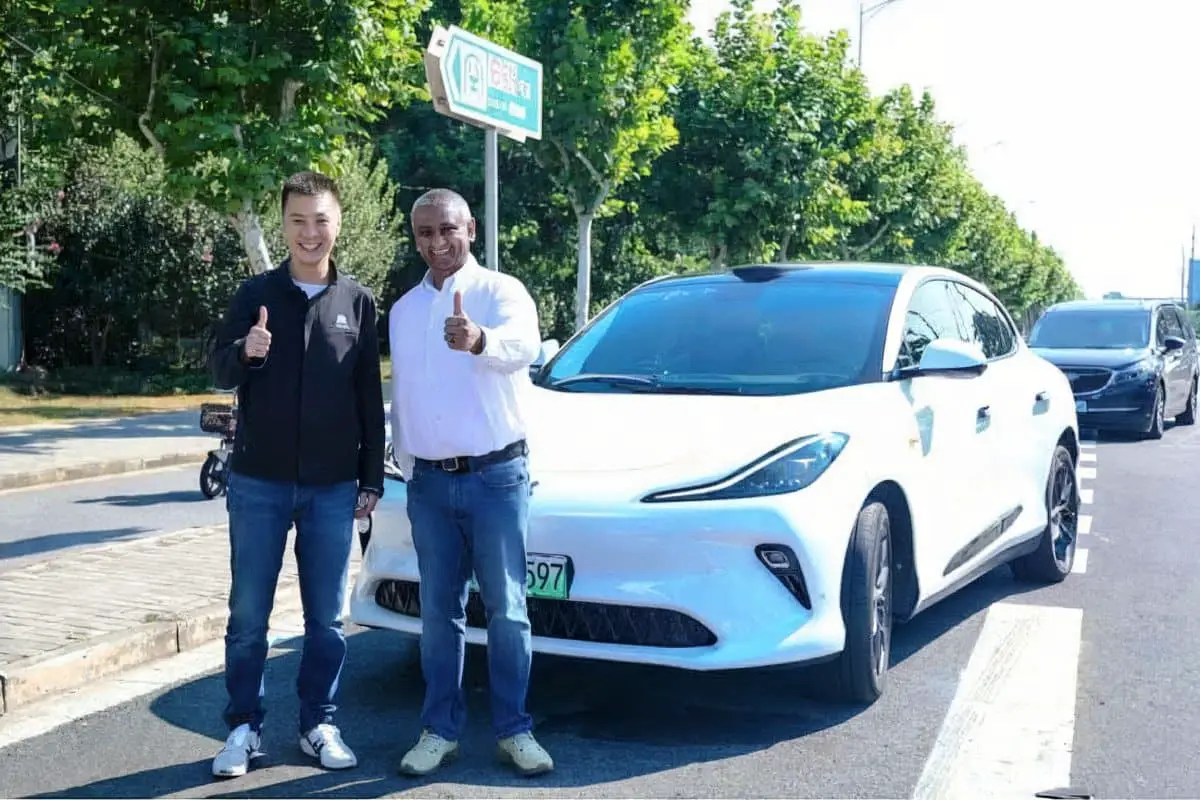
XPeng G6 2025: Real Charging Test and Performance

The XPeng G6 promises lightning-fast charging on sufficiently powerful stations. But how long…

Our real-world test

We put the 2025 XPeng G6 to the test to measure its actual charging speed. Do the manufacturer’s advertised promises hold up in reality? That’s what we verified.

Testing methodology

Our trial was conducted on various fast-charging stations, with variable conditions of temperature and initial battery level. The goal: to obtain concrete data representative of daily use.

Results obtained

The observed performance is impressive. The XPeng G6 displays an optimized charging curve, maintaining high power across a wide range of the battery, which significantly reduces downtime.

Performance analysis

Beyond the raw numbers, it’s the consistency of charging that stands out. The vehicle effectively manages its battery’s thermal conditions, allowing for successive rapid sessions without notable performance degradation.

Uber launches driverless ride-hailing tests in Munich in 2026: Towards an autonomous transport revolution

Uber Momenta autonomous ride-hailing vehicles Uber Technologies and Momenta announce the upcoming launch of Level 4 autonomous vehicle tests in Germany. The goal is to integrate Momenta’s advanced AI-driven autonomous driving technology into Uber’s global platform to offer safe and efficient Robotaxi services on a European scale.

A Strategic Partnership for Autonomous Mobility

Uber Technologies is partnering with technology company Momenta to take a major step in the field of autonomous mobility. This partnership announces the launch of driverless ride-hailing vehicle tests scheduled for 2026 on the streets of Munich. This collaboration aims to integrate Momenta’s cutting-edge technology, specializing in AI applied to autonomous driving, directly into Uber’s global platform.

Level 4 Technology at the Heart of Innovation

The tests will focus on vehicles capable of Level 4 autonomy, meaning fully automated driving under predefined conditions without requiring human driver intervention. This technological advancement represents a significant qualitative leap for the transportation service and places the Uber-Momenta duo at the forefront of this industrial revolution in Europe.

Munich, Testing Ground for European Expansion

The choice of Munich as a test city is not coincidental. Germany, with its advanced regulatory framework and automotive expertise, provides a favorable environment for the development and deployment of these technologies. The success of these tests in Munich would pave the way for a larger-scale expansion of robotaxi services across the European continent.

Objectives: Safety, Efficiency, and Accessibility

The stated ambition is to offer a safe, efficient, and accessible transportation service. By eliminating the driver, Uber aims to optimize its operational costs and provide an innovative and potentially more affordable mobility alternative to its users, while enhancing safety through automated systems that reduce the risk of human error.

Dieselgate: French State Sued for Climate Inaction

Three environmental associations are suing the French State for its persistent inaction ten years after the Dieselgate scandal. The government is accused of wrongful failure in protecting public health and the environment.

Reasons for the Lawsuit Against the State

Ten years have passed since the revelation of the global Dieselgate scandal, where car manufacturers rigged emissions tests for their diesel vehicles. Today, three renowned associations are filing a complaint against the French State for its lack of action and firmness in addressing the consequences of this fraud.

Inaction Denounced by the Associations

The organizations accuse French authorities of not taking sufficient measures to protect citizens and the environment from the harmful effects of polluting emissions. Despite commitments and promises, concrete actions and appropriate sanctions are still lacking, according to the plaintiffs.

Consequences of Dieselgate

The scandal highlighted the use of fraudulent software concealing actual levels of nitrogen dioxide and other fine particles, which are harmful to human health and the planet. The State’s inaction in the face of this problem constitutes, according to the associations, a violation of its legal and moral obligations.