Decoding Dodge P1496: Leak Detection Pump Switch or Mechanical Fault

Understanding the P1496 OBD2 Code in Dodge and Chrysler Vehicles

The illumination of the check engine light, accompanied by diagnostic trouble code (DTC) P1496, is a common occurrence in many Dodge, Chrysler, and Jeep vehicles. This code is manufacturer-specific, meaning its definition is tailored by Stellantis (formerly FCA and DaimlerChrysler). In essence, P1496 stands for “Leak Detection Pump Switch or Mechanical Fault.” This code is intrinsically linked to the vehicle’s Evaporative Emission Control (EVAP) system, a critical network designed to prevent fuel vapors from escaping into the atmosphere. The Leak Detection Pump (LDP) is the heart of a self-diagnostic routine that checks the integrity of this sealed system. When the Powertrain Control Module (PCM) detects an illogical state in the LDP’s switch circuit or its mechanical operation during a test, it triggers P1496.

Primary Symptoms and Common Causes of P1496

Unlike some engine codes that cause immediate drivability issues, P1496 is primarily an emissions-related fault. However, ignoring it can lead to a failed emissions test and potentially mask other problems.

Key Symptoms of a P1496 Fault

  • Illuminated Check Engine Light (MIL): The most universal and immediate symptom.
  • Failed EVAP System Monitor: The vehicle’s onboard diagnostics will be unable to complete the EVAP leak test cycle.
  • Possible Fuel Odor: In some cases, if the fault is related to a larger leak or a stuck-open valve, a faint gasoline smell may be noticeable.
  • No Drivability Issues: The engine will typically run normally, with no loss of power, misfires, or rough idle directly attributable to this code.

Root Causes of the P1496 Diagnostic Trouble Code

The PCM sets P1496 when it cannot reconcile the commanded state of the Leak Detection Pump with the feedback from its internal switch. The causes break down into electrical, mechanical, and control issues.

  • Faulty Leak Detection Pump (LDP): The most common culprit. The internal diaphragm can rupture, the solenoid can fail electrically, or the internal switch can malfunction.
  • Open or Shorted Wiring: Damaged, corroded, or broken wires in the circuit between the LDP and the PCM can prevent proper signal transmission.
  • Poor Electrical Connections: Corrosion or looseness at the LDP connector or the PCM connector.
  • Vacuum Leaks in LDP Hoses: Cracked, disconnected, or pinched vacuum lines attached to the pump will prevent it from building pressure for the self-test.
  • Faulty PCM (Less Common): A rare possibility where the control module itself fails to properly command or interpret the LDP signals.

Step-by-Step Diagnostic Procedure for P1496

Proper diagnosis is key to avoiding unnecessary part replacement. A systematic approach will save time and money. You will need a quality OBD2 scanner capable of reading live data and, ideally, commanding components, along with a digital multimeter (DMM).

Step 1: Preliminary Inspection and Code Verification

Begin with a thorough visual inspection. Locate the Leak Detection Pump (common on wheel well or near the EVAP canister). Check all associated vacuum hoses for cracks, disconnections, or brittleness. Inspect the electrical connector for corrosion, bent pins, or moisture. Clear the code and perform a drive cycle to see if it returns immediately, indicating a hard fault.

Step 2: Checking the Leak Detection Pump Circuit

Using a wiring diagram for your specific model, use a multimeter to check for power and ground at the LDP connector with the key on. Next, check the resistance of the LDP solenoid windings (typically between 10-30 ohms). An open (infinite resistance) or short (near 0 ohms) reading indicates a failed pump. Also, check the continuity of the signal wire back to the PCM.

Step 3: Functional Testing with a Scan Tool

This is the most conclusive test. With a bi-directional scan tool, access the PCM’s output controls. Command the Leak Detection Pump ON and OFF. You should hear a distinct clicking from the pump. Simultaneously, monitor the “LDP Switch” or similar parameter in live data. It should change state (Open/Closed) in sync with your commands. If you can command the pump but the switch state doesn’t change, the internal switch is faulty. If the pump doesn’t activate at all, it’s electrically dead or not receiving the signal.

Step 4: Mechanical and Vacuum Testing

If the pump clicks electrically, the issue may be mechanical. Disconnect the outlet hose from the LDP. With the engine off and key on, command the pump to run. You should feel a strong, pulsating air pressure at the outlet port. Little to no pressure indicates a ruptured internal diaphragm. Also, use a hand vacuum pump to check any check valves in the associated hoses for proper operation.

Repair Solutions, Costs, and Important Considerations

Once the faulty component is identified, the repair is typically straightforward. Addressing P1496 is important for vehicle emissions compliance and overall system health.

Common Repairs and Estimated Cost Range

  • Replacing the Leak Detection Pump: The most common fix. The part cost ranges from $80 to $250 for a quality OEM or aftermarket unit. Labor adds 0.5 to 1.5 hours ($50-$150).
  • Repairing Wiring or Connectors: Cost is minimal for materials but depends on labor time for tracing and repairing harnesses.
  • Replacing Vacuum Hoses: A very inexpensive repair, often under $20 for specialty hoses.
  • PCM Reprogramming or Replacement: A last-resort fix costing several hundred dollars, only after all other possibilities are exhausted.

Critical Notes for a Successful Repair

Always use a torque wrench on the LDP mounting bolts if specified, as over-tightening can crack the housing. When installing new vacuum hoses, use clips designed for EVAP systems to ensure an airtight seal. After repair, clear all codes and perform a complete drive cycle to allow the PCM to run all monitors, especially the EVAP leak test. This is the only way to confirm the repair was successful and that the check engine light stays off.

Bugatti Veyron’s Legacy Reborn in a Unique Tribute

Bugatti Veyron: A Legendary Return

The automotive world is witnessing the triumphant return of an icon. Bugatti, the marque synonymous with ultimate performance and luxury, has masterfully revived the spirit of its groundbreaking Veyron. This is not a new production model, but rather a singular, bespoke masterpiece that honors the car that redefined hypercar benchmarks. The vehicle serves as a profound tribute to the past while showcasing Bugatti’s unparalleled artistry in the present.

More Than a Recreation: A Homage

This exceptional model, known as the “F.K.P. Hommage,” is a deeply personal tribute. The initials honor the visionary Prof. Dr. Ferdinand Karl Piëch, the driving force behind the original Veyron program. His ambition to create the world’s fastest production car materialized in the Veyron, a feat of engineering that captivated a generation. This unique creation is part of Bugatti’s exclusive “Solitaire Program,” dedicated to crafting one-of-a-kind, coachbuilt automobiles for its most discerning clients.

Modern Performance Meets Historical Design

The homage model is a modern reinterpretation, not a simple reproduction. It seamlessly integrates the Veyron’s iconic design language with contemporary Bugatti aesthetics and advanced materials. While specific performance figures for this unique car remain confidential, it inherits the relentless spirit of the original. The legendary quad-turbocharged W16 engine’s legacy of over 1,000 horsepower is echoed in a package that emphasizes bespoke craftsmanship and exclusivity above all else.

The Ultimate Expression of Bespoke Luxury

This project underscores Bugatti’s commitment to its heritage and its “Sur Mesure” program. Every detail, from the curated color scheme to the intricate interior finishes, tells a story of legacy and innovation. It demonstrates that true performance is not solely measured in top speed, but in the ability to create a deeply emotional and personalized automotive artifact. The return of the Veyron’s essence in this form solidifies its status as a perpetual legend, now immortalized in a unique tribute.

OBD2 Code P1496 Chrysler: Leak Detection Pump Switch or Mechanical Fault

Understanding the Chrysler P1496 Diagnostic Trouble Code

The OBD2 diagnostic trouble code P1496 is a manufacturer-specific code primarily associated with Chrysler, Dodge, Jeep, and Ram vehicles. In simple terms, this code indicates a fault within the Evaporative Emission Control (EVAP) system’s Leak Detection Pump (LDP). The Powertrain Control Module (PCM) has detected an illogical or impossible condition with the LDP’s switch circuit or its mechanical operation during a system self-test. The EVAP system is crucial for preventing fuel vapors from escaping into the atmosphere, and the LDP is its heart for leak testing. A P1496 code will illuminate the check engine light and can prevent the vehicle from passing an emissions test.

What is the Leak Detection Pump (LDP)?

The Leak Detection Pump is not a traditional fuel pump. It is an electrically-operated pump used by Chrysler to pressurize the EVAP system for leak testing. During a diagnostic cycle, the PCM activates the LDP to draw in clean air and pump it into the sealed fuel tank and vapor lines. It contains an internal vacuum switch that tells the PCM when a specific pressure threshold has been reached. A P1496 code is set when the PCM’s commanded state of the LDP and the feedback from its internal switch do not logically match.

How the PCM Triggers Code P1496

The PCM runs the EVAP monitor under specific conditions (fuel level, engine temperature, speed). It commands the LDP to run and closely monitors the time it takes for the internal switch to close, indicating pressure build-up. Code P1496 is triggered under two main scenarios:

  • Switch Circuit Fault: The PCM sees the LDP switch closed when it should be open, or open when it should be closed, indicating an electrical problem.
  • Mechanical Fault: The LDP runs but the switch never changes state, indicating the pump cannot build pressure due to a mechanical failure or a massive leak.

This code often points directly at the LDP unit itself, but supporting components must be verified.

Common Symptoms and Causes of P1496

While sometimes the only symptom is an illuminated check engine light (MIL), a faulty Leak Detection Pump or related fault can manifest in other ways. Accurate diagnosis requires understanding the potential root causes.

Primary Symptoms of a P1496 Fault

  • Check Engine Light illuminated with code P1496 stored.
  • Possible failed emissions inspection due to an incomplete EVAP monitor.
  • In rare cases, a faint hissing noise from the LDP area (often behind the rear wheel or under the vehicle) if it is stuck running.
  • Usually, no drivability issues like rough idle or loss of power, as this is an emissions-related code.

Root Causes of Chrysler P1496 Code

The causes range from simple electrical issues to component failure. Here are the most common culprits, ordered by likelihood:

  • Failed Leak Detection Pump (LDP): The most common cause. The internal motor, pump diaphragm, or vacuum switch fails.
  • Faulty or Clogged LDP Filter: The LDP has a small air filter that can become clogged with debris, preventing it from drawing air.
  • Electrical Issues: Damaged wiring, corroded connectors, or poor electrical grounds in the LDP circuit.
  • Severe EVAP System Leak: A large leak (e.g., loose or missing gas cap, broken vapor line) can prevent the LDP from building any pressure.
  • Faulty Purge Solenoid: If the purge valve is stuck open, it creates a permanent leak to the intake manifold, fooling the LDP test.
  • Rare: Faulty PCM: A failed PCM driver for the LDP is possible but should be the last item checked after all else is verified.

Step-by-Step Diagnostic and Repair Procedure

Diagnosing P1496 requires a systematic approach, a quality OBD2 scanner capable of bidirectional controls, and a digital multimeter. Always start with a visual inspection.

Step 1: Preliminary Visual Inspection

Before any electrical tests, perform a thorough visual check. This can often reveal obvious problems.

  • Locate the Leak Detection Pump (common locations: behind the rear wheel well liner, near the fuel tank, or in the engine bay).
  • Inspect the LDP’s electrical connector for corrosion, bent pins, or damage.
  • Check the small air filter on the LDP. Clean or replace it if dirty.
  • Follow the vapor lines from the LDP and charcoal canister for cracks, disconnections, or damage.
  • Ensure the gas cap is present, clicks properly, and its seal is intact.

Step 2: Electrical Circuit Testing

Use a wiring diagram for your specific vehicle. Key tests include:

  • Power and Ground: With the connector disconnected, check for battery voltage (typically 12V) on the power wire with the key on. Check the ground circuit for continuity.
  • Switch Circuit: Using a multimeter in ohms mode, test the LDP’s internal vacuum switch terminals. The resistance should change between an open and closed state when applying light vacuum/suction to the pump’s port (refer to service manual for specs).
  • Wiring Integrity: Check for continuity and shorts to ground or voltage in the wiring harness between the LDP and the PCM.

Step 3: Functional Test with a Bi-Directional Scanner

This is the most conclusive test. Using a professional scanner:

  • Access the PCM’s bidirectional controls or “active tests” menu.
  • Command the Leak Detection Pump “ON.” You should hear and feel the pump click and run.
  • While commanding the pump, monitor the LDP switch status parameter. It should change from “Open” to “Closed” within a few seconds if the pump is working mechanically.
  • If the pump runs but the switch never closes, the LDP is mechanically faulty. If the pump does not run, check power, ground, and the pump motor resistance.

Step 4: Verifying Repairs and Clearing the Code

After replacing a faulty component (most often the LDP assembly):

  • Clear the P1496 code with your scanner.
  • To ensure a complete repair, the vehicle’s PCM must run a full EVAP monitor self-test. This requires a specific drive cycle (varies by model).
  • Use your scanner to check the I/M Monitor status. A “Ready” or “Complete” status for the EVAP monitor confirms the system is functioning and the fault is resolved.
  • If the code returns, re-evaluate for intermittent wiring or a secondary fault like a leaking purge valve.

Conclusion and Professional Recommendation

Code P1496 on Chrysler vehicles is a direct communication from the PCM that the Leak Detection Pump system is not responding as designed. While the LDP itself is a frequent failure point, a proper diagnosis is essential to avoid unnecessary parts replacement. The integrated vacuum switch and pump mechanism make it a wear item, especially on older vehicles. For DIY enthusiasts with a capable scanner and multimeter, this repair is very approachable. However, due to the critical role of the EVAP system in emissions control and the need for precise bidirectional testing, consulting a professional technician is recommended if any diagnostic step is unclear. Addressing a P1496 promptly restores your vehicle’s emissions integrity and ensures it remains compliant with environmental regulations.

The $10,000 1960s Hauler: A Collector’s Dream or Nightmare?

The Allure of a 1960s Articulated Dump Truck

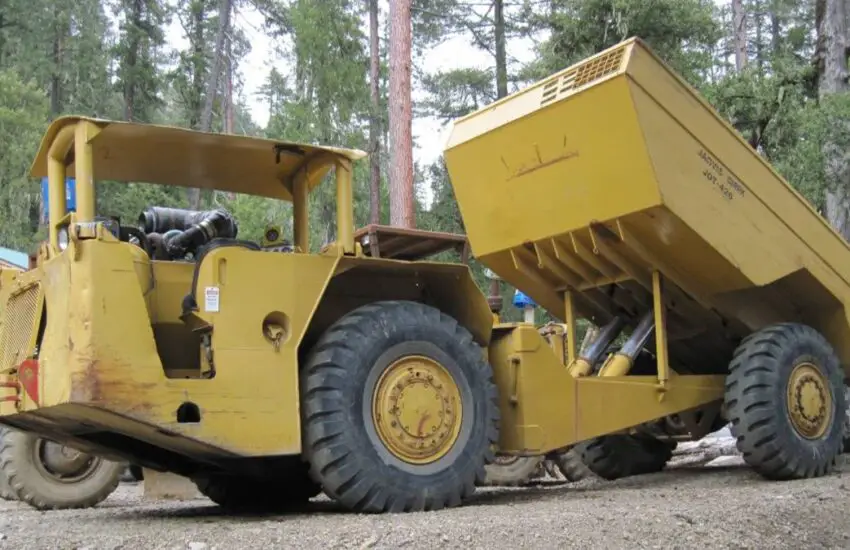
For heavy equipment enthusiasts, owning a classic piece of industrial history holds a unique appeal. The opportunity to acquire a 1960s-era articulated dump truck, like the Jarvis Clark JDT 426 listed for $10,000, presents a tantalizing prospect. These mechanical titans were engineered for the brutal conditions of mining and major earthmoving projects, representing a bygone era of rugged, no-frills machinery. The sheer scale and vintage character of such a vehicle can be a powerful draw for collectors and tinkerers seeking an unconventional project.

A Monumental Restoration Project

Purchasing a 60-year-old hauler is not akin to buying a classic car. The challenges are magnified by the machine’s size, specialized components, and likely hard-working past. Prospective owners must consider the immense costs and logistical hurdles of restoration. Finding replacement parts for obsolete systems, sourcing massive tires, and accessing technical manuals can become a full-time pursuit. The initial purchase price is merely a down payment on the total investment required to return this industrial artifact to working condition.

Practical Considerations and Hidden Costs

Beyond restoration, practical ownership issues abound. Transporting a non-operational truck requires heavy hauling equipment, incurring significant expense. Storage demands a vast, secure outdoor space, as this machine will not fit in a standard garage. Furthermore, the operational costs, from hydraulic fluids to potential engine rebuilds, are on an industrial scale. The romantic idea of a vintage hauler must be weighed against the reality of its ongoing demands.

Is This a Wise Investment?

For the vast majority, a 1960s articulated dump truck is not a sensible purchase. It serves little practical purpose outside of a museum display or a highly niche private collection. However, for the individual with extensive resources, space, and a deep passion for preserving industrial heritage, it represents an unparalleled project. The value lies not in financial return, but in the accomplishment of saving a piece of engineering history. For everyone else, admiring from afar is undoubtedly the more prudent course of action.

Volvo’s AI Upgrade Gives Older Cars a Tech Lifeline

Volvo Extends Google’s AI to Its Five-Year-Old Vehicles

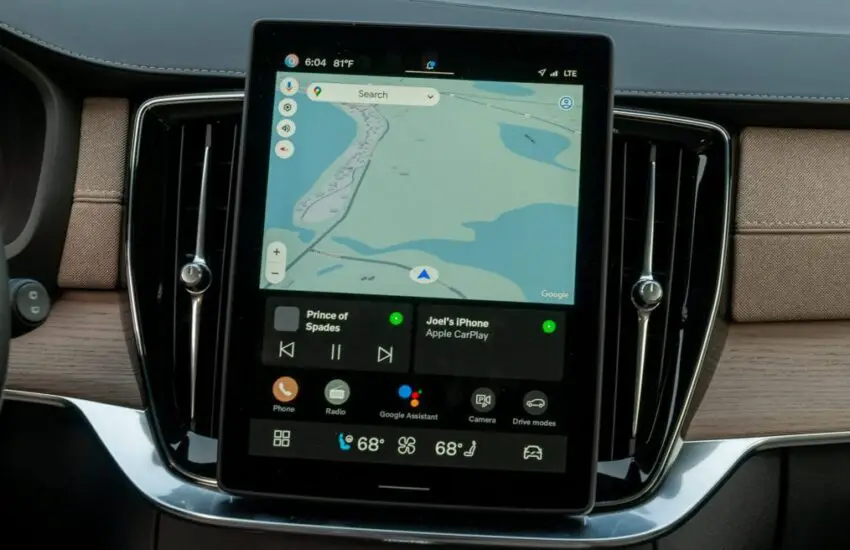
In a significant move for automotive software longevity, Volvo Cars is bringing its latest artificial intelligence technology to vehicles already on the road. The company has announced it will deploy Google’s Gemini AI model into its existing fleet, specifically targeting cars that are up to five years old. This initiative represents a major step in Volvo’s commitment to enhancing the ownership experience over the entire lifecycle of a vehicle.

Bridging the Technology Gap

This deployment follows a precedent set by Volvo in 2024, when it provided a major over-the-air update to cars from model year 2021 onwards. That update delivered a new Google-based infotainment system, effectively giving older models the same digital interface found in the brand’s latest electric vehicles. The integration of Gemini AI is a logical and powerful extension of this strategy, aiming to prevent older cars from becoming technologically obsolete.

Transforming the In-Car Experience

The integration of Google’s advanced AI is expected to significantly upgrade voice assistant capabilities and contextual understanding within the cabin. Drivers and passengers in these updated vehicles can anticipate more natural conversations with their car’s system, receiving smarter assistance with navigation, vehicle settings, and real-time information. This move goes beyond simple map updates, fundamentally enhancing how users interact with their Volvo on a daily basis.

A New Standard for the Industry

Volvo’s policy of extending cutting-edge software to older models challenges the industry norm where new technology is often reserved for new purchases. By actively reducing the digital divide between model years, Volvo strengthens its reputation for customer-centric innovation and sustainability. It demonstrates a view of the modern car as a platform that can evolve, potentially increasing satisfaction and loyalty among existing owners while setting a new benchmark for what consumers should expect from a premium automotive brand.

OBD2 Code P1496: EGR Valve Lift Sensor Circuit High Voltage Explained

Understanding the P1496 Diagnostic Trouble Code

When your vehicle’s check engine light illuminates and a scan tool reveals the OBD2 code P1496, it indicates a specific fault within the Exhaust Gas Recirculation (EGR) system. Technically defined as “EGR Valve Lift Sensor Circuit High Voltage,” this code is set when the Powertrain Control Module (PCM) detects a voltage signal from the EGR valve lift sensor that is consistently higher than the expected normal operating range. This sensor is critical for providing real-time feedback on the EGR valve’s position, allowing the PCM to precisely control the flow of recirculated exhaust gases for optimal emissions and engine performance.

What is the EGR System and Why is it Important?

The Exhaust Gas Recirculation system is a key emissions control component designed to reduce nitrogen oxide (NOx) emissions. It works by recirculating a small, metered amount of inert exhaust gas back into the engine’s intake manifold. This lowers peak combustion temperatures, which in turn inhibits the formation of harmful NOx. The system’s precise operation is managed by the PCM, which relies on input from sensors like the EGR valve lift sensor to ensure the correct amount of gas is introduced under specific engine load conditions.

The Role of the EGR Valve Lift Sensor

The EGR valve lift sensor, often a potentiometer built into the valve assembly, translates the physical position of the EGR valve stem into an electrical voltage signal. As the valve opens, the sensor’s resistance changes, sending a varying voltage back to the PCM (typically between 0.5V and 4.5V). A “high voltage” signal, as flagged by P1496, usually means the sensor is reporting the valve is open or opening further than commanded, or there is an electrical fault causing the signal to be stuck high.

Common Symptoms and Causes of Code P1496

Ignoring a P1496 code can lead to drivability issues and increased emissions. Recognizing the symptoms is the first step toward a diagnosis.

Primary Symptoms of a P1496 Fault

  • Illuminated Check Engine Light (MIL): The most immediate and common indicator.
  • Poor Engine Performance: Hesitation, rough idle, or lack of power, especially under acceleration.
  • Increased Emissions: Potential failure during a state emissions test due to elevated NOx levels.
  • Engine Knocking or Pinging: Incorrect EGR flow can lead to elevated combustion temperatures, causing detonation.
  • Reduced Fuel Economy: The engine management system may enter a “limp” mode, sacrificing efficiency for protection.

Root Causes of a High Voltage Circuit Condition

The P1496 code points to an electrical anomaly. The most frequent culprits include:

  • Faulty EGR Valve Assembly: A failed lift sensor internally or a mechanically stuck valve in an open position.
  • Open or Shorted Wiring: Damage to the sensor signal wire, causing it to short to power (12V) or an open circuit that pulls the voltage high.
  • Poor Electrical Connections: Corrosion, looseness, or damage at the EGR valve connector or PCM connector.
  • Failed Vacuum Solenoid or Control Circuit: On vacuum-operated EGR valves, a stuck solenoid or leak can cause unintended valve opening.
  • Defective Powertrain Control Module (PCM): While rare, an internal fault in the PCM’s sensor reference or signal processing circuit can trigger this code.

Step-by-Step Diagnostic and Repair Guide

A systematic approach is essential to correctly diagnose and resolve a P1496 code. Always begin with a visual inspection before proceeding to electrical tests.

Step 1: Preliminary Visual Inspection

Start with the basics to identify obvious issues. Inspect the EGR valve, vacuum lines (if applicable), and all associated wiring harnesses. Look for:

  • Cracked, disconnected, or collapsed vacuum hoses.
  • Carbon buildup around the EGR valve mounting area, indicating possible leaks.
  • Visible damage, chafing, or burns on the wiring harness.
  • Corrosion or bent pins inside the electrical connector for the EGR valve.

Step 2: Electrical Testing with a Digital Multimeter

This is the core of diagnosing P1496. You will need to back-probe the EGR valve connector with the ignition ON, engine OFF.

  • Reference Voltage (Vref): Check the sensor’s supply wire (usually 5V from the PCM). A missing or low Vref indicates a wiring or PCM issue.
  • Signal Voltage: Measure the voltage on the signal return wire. With the valve commanded closed (ignition on, engine off), a reading at or near 5V confirms the “high voltage” condition. Manually operate the valve (if possible) and observe if the voltage changes smoothly.
  • Ground Circuit: Verify a clean ground connection for the sensor circuit.

Step 3: Testing the EGR Valve and Actuation

Use a scan tool with bidirectional controls to command the EGR valve open and closed while monitoring the lift sensor PID (Parameter ID). If the sensor value does not change or is stuck high, the valve/sensor assembly is likely faulty. For vacuum-operated valves, use a hand vacuum pump to apply vacuum directly to the valve diaphragm and observe both physical movement and the corresponding sensor voltage change.

Step 4: Pinpointing the Fault and Performing the Repair

Based on your tests:

  • If wiring is faulty: Repair or replace the damaged wires. Use solder and heat shrink tubing for a permanent fix.
  • If connectors are corroded: Clean terminals with electrical contact cleaner or replace the connector.
  • If the EGR valve/sensor fails tests: Replace the entire EGR valve assembly. It is often serviced as one unit.
  • If a vacuum solenoid is stuck: Replace the vacuum control solenoid.

Clearing the Code and Final Verification

After completing the repair, clear the P1496 code from the PCM’s memory using your scan tool. The most important step is verification. Perform a test drive that includes various engine loads and speeds to ensure the check engine light does not return. Monitor the EGR valve position PID with your scanner to confirm it is operating within the normal specified range. A successful repair will restore normal engine performance, idle quality, and ensure your vehicle meets emissions standards.

Preventative Maintenance Tips

While EGR system failures can be unpredictable, some maintenance can reduce risk. Using top-tier fuel can minimize carbon deposits. In areas with rigorous emissions testing, periodic inspection of EGR system components during routine service can catch early signs of failure, such as slow sensor response or slight vacuum leaks, before they trigger a diagnostic trouble code.

Tesla Completes Historic Fully Autonomous Cross-Country Drive

A Decade-Long Promise Finally Fulfilled

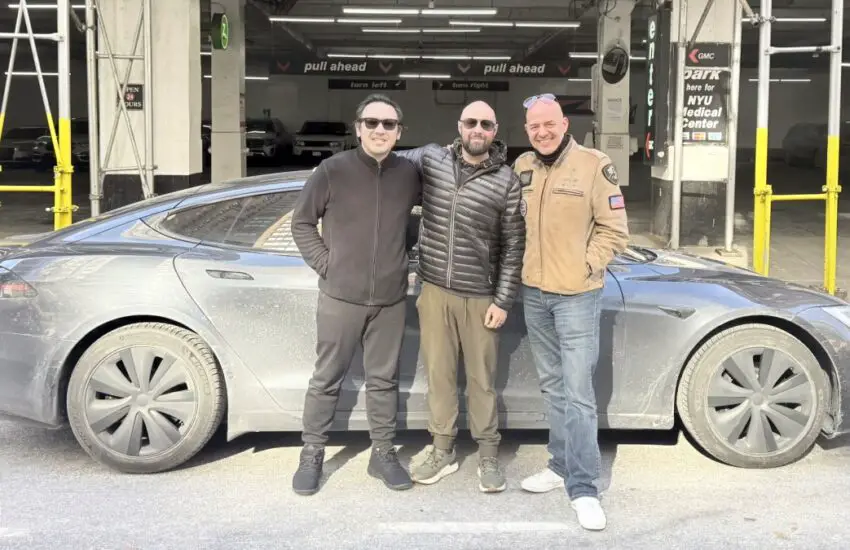
Nearly ten years after Elon Musk first promised a fully autonomous demonstration drive from Los Angeles to New York, a Tesla vehicle has finally achieved the feat. The long-awaited milestone, originally slated for the end of 2017, represents a significant leap for the company’s self-driving technology after years of development and public anticipation.

The Technical Triumph Behind the Journey

This successful cross-country trip was completed using Tesla’s latest Full Self-Driving (FSD) software. The system navigated the entire route without human intervention, handling complex scenarios like urban traffic, highway merges, construction zones, and varied weather conditions. The vehicle’s suite of cameras and sensors processed real-time data to make driving decisions, showcasing a level of reliability and adaptability not previously demonstrated on such a long and diverse route.

What This Means for the Future of Autonomy

This accomplishment is more than a corporate milestone; it is a tangible indicator of progress in the autonomous vehicle industry. Successfully managing nearly 3,000 miles of unpredictable American roads suggests the underlying artificial intelligence and neural networks have reached a new stage of maturity. While regulatory approval and widespread public adoption remain separate challenges, this proof-of-concept journey validates years of software development and real-world data training.

The completion of this drive shifts the conversation from theoretical capability to demonstrated performance. It provides concrete evidence that point-to-point autonomous travel on public roads is achievable with current technology. This event is likely to influence both consumer perception and the ongoing regulatory discussions surrounding the safe deployment of self-driving vehicles.

Forza Horizon 6: Japan’s Ultimate Open-World Driving Playground

Forza Horizon 6 Shifts the Festival to Japan

The wait is finally over. Playground Games has officially announced the next chapter in its celebrated arcade racing series, and it’s heading to a location fans have long requested. Forza Horizon 6 is set to deliver the ultimate driving fantasy across a breathtaking and diverse rendition of Japan, promising an unparalleled blend of high-speed thrills and cultural immersion.

A Vast Map Blending Modern and Traditional Japan

The heart of this new installment is its meticulously crafted open world. Early information confirms a giant map designed to showcase Japan’s iconic contrasts. Drivers will weave through the neon-drenched, densely packed streets of sprawling urban districts, perfect for tight drifts and showcasing hypercars. This will seamlessly transition into serene coastal highways, challenging mountain passes like legendary touge roads, and peaceful rural landscapes dotted with traditional temples and villages.

A Legendary Garage of 550+ Cars

To explore this diverse playground, players will have access to the largest and most varied car roster in Horizon history. With over 550 vehicles confirmed, the garage will span classic Japanese icons from the 90s golden era, modern JDM tuners, cutting-edge supercars, and robust off-road vehicles ready for any terrain. This extensive collection ensures the perfect car is available for every driving style and landscape the Japanese map offers.

Anticipated Gameplay and Release

While Playground Games is saving full details for later reveals, the core Horizon Festival experience is expected to evolve within this new setting. Players can anticipate a vibrant world filled with events, challenges, and seasonal changes that leverage Japan’s unique geography and culture. The community eagerly awaits further news on gameplay innovations that will make navigating this highly anticipated location a fresh and unforgettable experience.

Inside the Dakar Rally: Five Days of Saudi Arabian Dust and Adrenaline

Witnessing the World’s Toughest Race

For five incredible days at the turn of the year, I stood on the sands of Saudi Arabia, immersed in the raw, unfiltered chaos of the Dakar Rally. This event stands alone as arguably the most demanding and audacious motorsport competition still running. Observing the monumental task faced by drivers of cars, trucks, SSVs, and motorcycles, my mind raced through comparisons to legendary feats like the Pikes Peak Hill Climb or the historic Mille Miglia. Yet, nothing truly prepares you for the Dakar’s unique blend of scale, endurance, and sheer madness.

A Landscape Forged for Challenge

The Saudi desert is not a backdrop; it is an active participant. Endless dunes rise like golden waves, while jagged rock formations and vast, empty plains create a navigational nightmare. The terrain is relentlessly punishing, testing every bolt, suspension arm, and human spirit to its absolute limit. One moment, you see a bike rider dancing gracefully across a crest, and the next, a massive truck is launching itself over the same ridge, engulfing everything in a cloud of fine, penetrating dust.

Beyond the Podium: The Real Stories

The true essence of the Dakar unfolds away from the stage winners. It’s in the bivouac at dusk, where mechanics work through the night under floodlights. It’s in the determined eyes of amateur riders, the “privateers,” who have invested everything for this shot at glory. The camaraderie is palpable—a shared understanding of the suffering required just to reach the finish line each day. This race is less about speed and more about survival, a daily battle against the elements, machinery, and one’s own limits.

Leaving the desert, the silence was deafening. The constant roar of engines was replaced by a profound respect for the individuals who choose to contest this insane pilgrimage. The Dakar Rally is not merely a race; it is a primal human endeavor played out on one of the planet’s most epic stages.

OBD2 Code P1495 Subaru: Comprehensive Guide to the Leak Detection Pump Circuit

Understanding the Subaru P1495 Diagnostic Trouble Code

The illumination of the check engine light in your Subaru, accompanied by the retrieval of diagnostic trouble code P1495, signals a specific issue within the vehicle’s Evaporative Emission Control (EVAP) system. Unlike generic codes, P1495 is often manufacturer-specific, and in the context of Subaru vehicles, it is formally defined as “Leak Detection Pump Circuit Malfunction.” This code indicates that the vehicle’s Engine Control Module (ECM) has detected an electrical or functional problem with the Leak Detection Pump (LDP), a critical component responsible for monitoring the fuel vapor system for leaks. Ignoring this code can lead to failed emissions tests, reduced fuel efficiency, and potentially allow harmful hydrocarbons to escape into the atmosphere.

What is the EVAP System and the Leak Detection Pump’s Role?

The EVAP system is designed to capture and store fuel vapors from the fuel tank, preventing them from being released into the air. These vapors are later purged and burned in the engine during normal operation. The Leak Detection Pump (LDP) is the system’s self-diagnostic tool. It doesn’t pump fuel; instead, it creates a vacuum or pressure within the sealed EVAP system. The ECM then monitors the system’s ability to hold this vacuum/pressure. If the pressure decays too quickly, it indicates a leak, triggering a different code (like a P0442 “small leak”). Code P1495, however, means the ECM cannot properly command or monitor the LDP itself.

Technical Definition of Code P1495

Technically, P1495 is set when the ECM detects an unexpected voltage reading or circuit response from the Leak Detection Pump. This could be:

  • An open circuit (broken wire).
  • A short circuit to power or ground.
  • A faulty LDP motor or internal solenoid.
  • A problem with the LDP’s internal pressure switch.

The ECM performs this check during key-on and during specific drive cycles, making it a “hard” electrical fault rather than an intermittent leak detection.

Symptoms and Causes of a P1495 Code in Your Subaru

While sometimes the P1495 code may be present without noticeable drivability issues, certain symptoms often accompany it. Recognizing these signs can help correlate the code with a tangible vehicle behavior.

Common Symptoms of a P1495 Fault

  • Illuminated Check Engine Light (MIL): The primary and most common indicator.
  • Failed Emissions Inspection: The vehicle will not pass a state or local emissions test with an active EVAP system code.
  • Possible Fuel Odor: While not always present, a compromised EVAP system can sometimes lead to a smell of gasoline near the vehicle.
  • No Other Drivability Issues: The engine typically runs normally, as this is an emission control fault, not a fuel delivery or ignition fault.

Primary Causes of the P1495 Code

The root cause of P1495 is always related to the Leak Detection Pump circuit. Diagnosis should follow a logical progression from simple to complex.

  • Faulty Leak Detection Pump (LDP): The most common culprit. The internal electric motor, solenoid, or pressure switch can fail.
  • Damaged Wiring or Connectors: Corroded, broken, or frayed wires in the harness connecting the LDP to the ECM. Pay close attention to the connector at the LDP itself.
  • Poor Electrical Ground: The LDP requires a clean, solid ground. A corroded or loose ground point can cause circuit malfunctions.
  • Blown Fuse: A dedicated fuse in the engine bay fuse box often powers the LDP circuit.
  • Rare: Faulty Engine Control Module (ECM): This is exceedingly rare and should only be considered after all other components and wiring have been thoroughly tested.

Step-by-Step Diagnosis and Repair for Subaru P1495

Proper diagnosis requires a basic multimeter and, ideally, a scan tool capable of activating the LDP for a functional test. Always begin by verifying the code, checking for technical service bulletins (TSBs) for your specific Subaru model and year, and performing a thorough visual inspection.

Step 1: Preliminary Checks and Visual Inspection

Locate the Leak Detection Pump. In most Subaru models (Impreza, Outback, Forester, Legacy), it is a black, cylindrical component mounted near the fuel tank or in the rear quarter panel area. Visually inspect:

  • The LDP electrical connector for corrosion, bent pins, or looseness.
  • The wiring harness for obvious damage, chafing, or rodent chewing.
  • The vacuum hoses connected to the LDP and EVAP canister for cracks, disconnections, or brittleness.
  • The relevant fuse in the under-hood fuse box (consult your owner’s manual).

Step 2: Electrical Circuit Testing with a Multimeter

With the connector disconnected from the LDP, use a multimeter to check:

  • Power Supply: With the ignition ON, check for battery voltage (typically 12V) at the designated power pin in the harness connector.
  • Ground Circuit: Check for continuity between the ground pin in the harness connector and a known good chassis ground. Resistance should be very low (less than 5 ohms).
  • ECM Signal Line: This requires a wiring diagram. Check for continuity on the signal wire back to the ECM connector and check for shorts to power or ground.

If power and ground are correct, the fault likely lies with the LDP itself.

Step 3: Testing the Leak Detection Pump Itself

You can perform a basic bench test. Apply battery voltage and ground directly to the LDP’s motor terminals (using fused jumper wires). A functioning pump will make a distinct clicking or humming sound as it operates. If it does not activate, the pump is faulty. Some advanced scan tools can command the LDP “on” and “off” for a functional test while installed.

Step 4: Repair and Clearing the Code

Based on your findings:

  • Replace the LDP: If the pump fails the bench test. Use a high-quality OEM or reputable aftermarket part.
  • Repair Wiring: Solder and seal any broken wires. Replace damaged connectors.
  • Clean Ground Points: Disconnect, clean with a wire brush, and securely reconnect the ground connection.

After repairs, clear the P1495 code with your scan tool. The ECM will need to complete a full drive cycle to verify the fix. Monitor for the code’s return over the next several days of driving.

Preventative Maintenance and Final Thoughts

While the LDP is not a routine maintenance item, keeping the EVAP system healthy can prevent related issues. Avoid over-tightening the gas cap, which can damage the seal. During undercarriage washes or in snowy regions where salt is used, be mindful of the LDP’s location, as corrosion is a key enemy of electrical components. Addressing a P1495 code promptly not only ensures your Subaru passes emissions tests but also contributes to a cleaner environment by ensuring the EVAP system operates as engineered. For complex electrical diagnosis, consulting a professional Subaru technician with proper diagnostic equipment is always a recommended course of action.