Useful tips for repairing small dents

No matter how carefully you drive a car, there will always be dings. However, ding repairs are simple and easy. You can follow the ding repair guide below and perform ding repair work in no time.

Ding Repair: Is It Necessary?

You might wonder whether dings and dents are the same on a car or not. Dings are classified as small dents that do not penetrate the paint or expose the metal underneath. Ding marks are typically up to 0.5 inches in diameter and do not appear to have effects on your vehicle’s paint.

Unlike dents, dings on cars are less severe damage. Dings are much more insignificant than dents. They often occur as a result of a collision with a shopping cart, a parked car door opening into your car, or possibly small debris thrown up while driving. Hail is also a fairly common cause of dings. Although dings are sometimes just small bumps, this mark can affect the overall appearance of your car. And because of a small thing, it is easy to be overlooked during a maintenance process by drivers.

Over time, unwanted collisions will inevitably occur. Whether it’s an objective or subjective factor, the car body will have slight dings. If you don’t want to waste money, car owners can apply the following methods to handle dings themselves and limit damage to the paint layer…

5 helpful tips for repairing small dings

Car Ding Repair: 5 Tips to Follow

By referring to these tips below to give your car a better exterior:

Tip #1

Inspect the damage carefully. You can repair the ding without leaving traces of previous damage if the metal is not crumpled or bent.

Tip #2

Dry ice is effective against dings. Use a hairdryer to heat an area and push the dry ice against it. Hold it like that for a few seconds. The principle of this method is the same as pouring boiling water then cold water to cause a temperature change and make the plastic pop out and return to its original shape. Once the area is warmed up, gently push the ding from the inside or use a plunger to pull it out from the outside. This method may work for soft dings on plastic or metal surfaces. Follow this procedure over and over, until the ding completely disappears. Before touching dry ice, you must wear safety gloves to avoid injuring your hand.

Tip #3

A suction cup can remove dings and put dents back in order. Clean the area thoroughly before applying a suction cup. Remaining particles can damage the paint and disrupt the suction process.

Car ding repair
Dings are much more insignificant than dents (Photo: info.westerncentralny.aaa.com)

Tip #4

Tapping is another way to rid your car of unsightly dings and scratches. A block of wood and a rubber mallet proportionate to the size of the ding can be used to put it back in place. Use a cloth or padding towel to wrap the device you are going to use.

Tip #5

Paintless repair is another way to eliminate dings without spending a lot of money. A mechanic will use designated tools to repair the damaged areas and restore the design to its smoothness and original appearance.

Although dings on your car are enough to keep you up at night, eliminating them is relatively easy. It’s a DIY job that is easily achievable. But if you find that the dings are more significant, seek professional help to remove them without damaging your car. Getting dings repaired at an auto repair shop shouldn’t cost you a fortune, though.

In cases where you cannot repair the dings yourself, take your car to the mechanic for help:

The steps for treating dings on cars still rely mainly on the thermal impact method.

  • For plastic parts, the repair technician will use enough heat to impact the hardness and elasticity of the plastic to restore them to their original shape, then repaint the surface if there is damage.
  • For high-hardness steel or aluminum parts, the repair will be complicated, requiring specialized equipment to restore them to their original shape.

We hope all these tips can help you handle this issue easily.

What is the relationship between tire pressure and temperature?

Discover the relationship between tire pressure and temperature as well as between tire pressure and altitude, and how these two factors can affect your car’s tires.

Temperature and altitude are the two main factors that can significantly affect tire pressure.

You should have performed regular tire maintenance on your car if you live in a city where you can go up and down hundreds of meters in altitude within a few hours or experience temperatures ranging from 35 to 80 degrees in just one week!

Tire Pressure and Temperature

There is a proportional relationship between tire pressure and temperature. The air inside a tire expands when the temperature rises, leading to an increase in air pressure.

Conversely, a tire deflates at low temperatures because the air pressure decreases.

Thus, temperature changes can result in underinflation or overinflation of your tires, thereby accelerating the tire wear process.

tire pressure and temperature
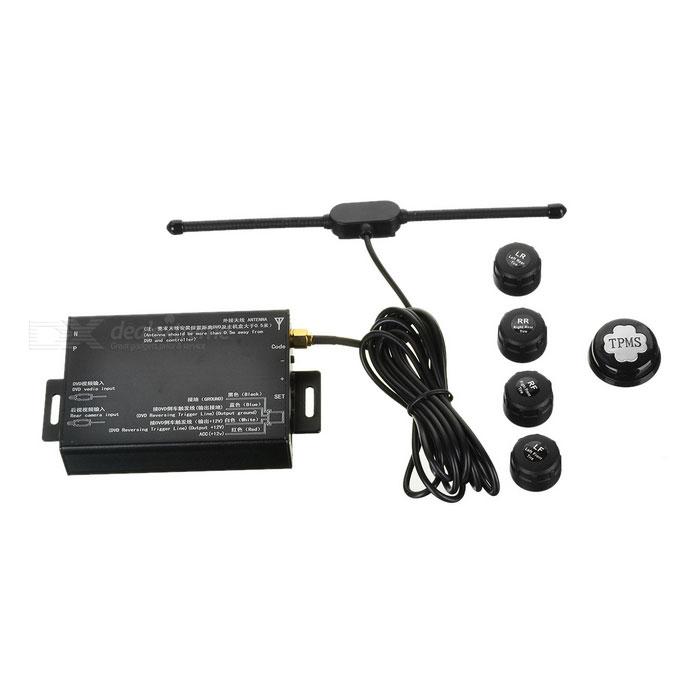
Temperature changes can lead to overinflation or underinflation of your tires. (Photo: AliExpress)

Tire Pressure and Altitude

The proper air pressure inside a tire depends on the air pressure of the external environment. Driving your car in an area at a different altitude means there is a change in the external air pressure around the tires.

Higher altitude means less air resistance, resulting in an increase in the pressure level inside the tires.

Similarly, a decrease in altitude will have the opposite effect. So, remember to adjust the atmospheric pressure to the correct level when traveling to a location with a different altitude.

How to Determine the Correct Tire Pressure?

You can find out the standard tire pressure for your car by measuring the weight and size of the tires. Refer to your vehicle’s manual and check what is stated as the correct tire pressure.

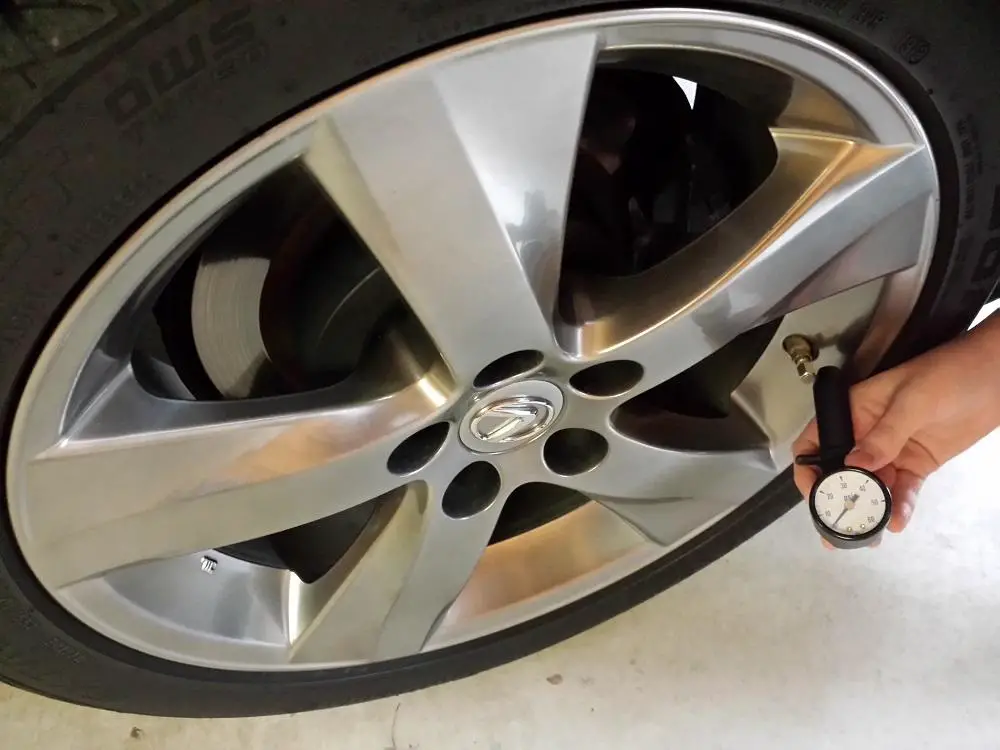
You can measure the pressure yourself using a pressure gauge or take the vehicle to your local service station to have it checked by a mechanic.

The unit of pressure measurement is psi (pounds per square inch), and the standard atmospheric pressure at sea level is 14.7 psi.

tire pressure and temperature
Find your car’s standard tire pressure by measuring the car’s weight and tire size. (Photo: Torque News)

Remember to check the pressure if the temperature suddenly rises or falls, or if you are driving in a location with a different altitude.

You can also use a tire pressure and temperature monitoring system to get real-time data on your car’s tire pressure.

FAQ

  1. How does tire pressure affect tire temperature during long trips?

During long periods of driving, tire pressure can significantly impact tire temperature. Low tire pressure increases the contact area between the tire and the road, leading to greater friction and, consequently, higher tire temperature.

Conversely, properly inflated tires maintain optimal contact with the road, reducing friction and preventing excessive heat buildup.

  1. Can seasonal temperature changes cause significant variations in tire pressure?

Seasonal temperature changes can cause noticeable variations in tire pressure. Cold weather can cause the air inside the tires to contract, leading to a decrease in tire pressure, while hot weather can cause the air to expand, increasing tire pressure.

This is why it is important to regularly check tire pressure, especially during seasonal changes.

  1. Is there an ideal tire temperature for optimal performance?

While the ideal tire temperature may vary depending on tire composition and the vehicle, most tires perform best when maintained within a temperature range that does not excessively exceed the ambient temperature during operation.

Excessive heat can lead to tire degradation and reduced performance, while temperatures that are too low may not provide optimal flexibility and grip.

  1. How does driving speed influence the relationship between tire pressure and temperature?

Driving at high speeds can amplify the effect of tire pressure on tire temperature. High speeds increase the friction between the tire and the road, leading to higher temperatures.

If the tire pressure is not at the recommended level, it can further increase the temperature, risking tire damage and blowouts.

  1. Can Tire Pressure Monitoring Systems (TPMS) adapt to temperature changes?

While TPMS can alert you to significant changes in tire pressure, most systems do not automatically adjust to temperature changes.

They provide real-time monitoring and warnings when tire pressure falls below or rises above the manufacturer’s recommended levels, prompting the driver to manually adjust tire pressure if necessary.

  1. How do professional racing teams manage tire pressure and temperature?

Professional racing teams closely monitor tire pressure and temperature using advanced tools and sensors. They know that optimal tire performance is essential for speed and safety.

Teams often adjust tire pressure based on track conditions, weather, and expected performance needs, aiming to maintain a balance that provides the best grip, speed, and tire longevity.

  1. What role does the sun play in tire pressure and temperature?

The sun can have a considerable impact on tire temperature and, consequently, on tire pressure. Tires exposed to direct sunlight for extended periods can heat up, causing the air inside to expand and increase pressure.

This phenomenon highlights the importance of parking in shaded areas and regularly checking tire pressure on hot days.

Final Words

It is important to maintain a balance between tire pressure and temperature as well as altitude. Remember that an overinflated or underinflated tire wears out very quickly and can also cause accidents because it will be difficult to maintain good road grip.

Why don’t people in cold countries use car covers in winter?

Whether you own a sedan, a classic car, an SUV, or a compact car, the vehicle needs protection from the elements, which is where car covers come into play. With a car cover by your side, you don’t have to worry about dust, strong winds, or bird droppings.

However, when winter hits the roads, it can be difficult not only to protect the car from snow but also to get it running. With a cover, many car owners forget the difficulties they will have removing ice.

Another question many car owners often ask is: why don’t people living in cold regions ever use car covers, especially in winter?

Why People Living in Cold Countries Never Use Car Covers

There have been cases where someone working during the winter season parked their car in front of their house and put on a protective cover.

Unfortunately, when they try to remove the cover in the morning, they find it frozen and stuck to the windshield.

This is where many often wonder what to do when they find the car stuck in such a state. We will look at the reasons why people living in colder countries never use car covers during winter.

You can search online to find the best maintenance tips to ensure your car runs properly during harsh winters.

Now let’s look at the reasons why those who live in colder regions never use a car cover, especially during winters.

The Sun Melts the Snow

During winters in colder regions, when the sun shines, it can melt every inch of ice deposited on the car covers.

Unfortunately, this melts the snow and turns it into ICE, which can quickly penetrate the car door and cause problems. For example, it can lock the door mechanism.

Ice can interfere with the normal operation of the car door
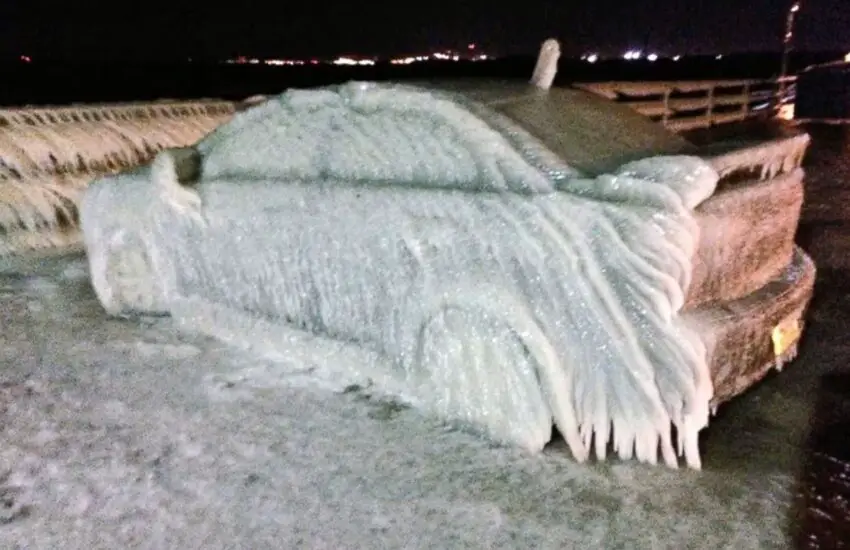
Ice combined with water would make car covers heavy to remove (Photo source: today)

Ground Clearance

If you have a car model that is low to the ground, AKA, is only 4 inches from the ground and ends up embedded in ice.

There is no doubt that removing the car cover under such circumstances would become almost impossible. In short, removing the car cover will take much longer.

Under a Foot

After the snowstorm, if your vehicle is under at least 12 inches of snow or more, there is no doubt that removing the car cover will take forever. In other words, it will become impossible to remove the car cover from the snow.

The Weight

After a snowfall, if the region receives heavy rain and the ice sticks to the protective cover, there is no doubt that the cover will become very heavy and take forever to detach. Therefore, it is pointless to put on a protective cover and then need ten people to remove it.

There is no benefit to using car covers in freezing weather
Ice combined with water would make car covers heavy to remove (Photo source: today)

FAQ

1. Why don’t car covers work well with snow and ice?

Car covers are not always effective against snow and ice, as removing the cover can become a difficult task once it is frozen.

The ice can cause the cover to stick to the car, making it difficult to remove without damaging the vehicle’s exterior or the cover itself.

Furthermore, the moisture trapped between the cover and the car can freeze, which can damage the car’s paint.

2. Can using a car cover in winter actually cause more harm than good?

In some cases, yes. The moisture trapped under the car cover can freeze, leading to ice forming directly on the vehicle’s surface, which can increase the risk of scratches and paint damage when removing the cover.

Moreover, repeated freeze-thaw cycles can exacerbate this risk.

3. Are there specific types of car covers better suited for cold climates?

While traditional car covers are not ideal for freezing temperatures, there are covers designed with materials that prevent moisture buildup and are easier to remove even in cold weather.

These specialized covers often feature waterproof or water-resistant materials with breathable fabrics to minimize condensation.

4. How do people in cold countries protect their cars without using covers?

Many people in cold countries rely on garages or carports to protect their vehicles from the elements.

For those without access to covered parking, frequent cleaning and waxing to protect the paint, using windshield covers to prevent ice buildup, and applying sealants to rubber seals and door edges to prevent freezing are common practices.

5. Is it a good idea to use a car cover during a winter storm if I park outside?

Using a car cover during a winter storm can be a double-edged sword. While it may offer temporary protection from snowfall, it can become problematic if the cover freezes onto the car.

If you are expecting extreme weather conditions, it is more effective to focus on protecting specific areas, for example, by using a windshield cover to simplify ice removal from the windshield.

6. Can heated car covers solve the problem of snow and ice accumulation?

Heated car covers, which are a more recent innovation, can potentially prevent snow and ice from accumulating on the vehicle by maintaining a temperature above freezing.

However, they require a power source and can be more expensive than traditional covers, limiting their practicality and widespread use.

7. Why isn’t there more innovation in car covers for cold weather?

Innovation in car covers for cold weather does exist, but it tends to remain limited due to the availability of simpler solutions like garage parking.

The cost and effort required to develop materials that are both lightweight and effective against cold, snow, and ice can be prohibitive. Market demand also influences the pace and direction of product innovation in this area.

Final Note

These four reasons explain why the car won’t start even after being put under a cover. This is why residents of cold countries avoid using protective covers to protect their vehicle.

Which is more polluting: diesel or gasoline pollution?

Emissions from gasoline and diesel vehicles are increasing at an alarming rate in the environment. Both of these vehicles are composed of hundreds of hydrocarbons.

Whether you own a diesel vehicle or a gasoline vehicle, both typically release harmful gases when they operate.

But the question is, which of the two is more polluting: diesel or gasoline? To help you find the answer, let’s study in more detail the difference between diesel and gasoline pollution.

Diesel and Gas Pollution: Everything You Need to Know!

These two engines – Diesel and gasoline – pollute the ecology in one way or another. If we talk about diesel and gasoline emissions, there are five fundamental gases emitted by diesel and gasoline engines. These are:

1. Carbon Monoxide

Carbon monoxide is produced when fuel is not completely burned. The release of CO is more frequent in gasoline engines than in diesel engines. So, does diesel burn cleaner than gasoline?

The answer is yes! Diesel engines emit less carbon monoxide into the environment. This makes the atmosphere less polluting.

2. Hydrocarbons

Comparison of diesel and gasoline pollution
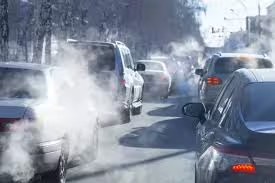
Cars polluting the road. Source: Newsmobile

Any hydrocarbon that escapes as unburned fuel is an HC. It appears due to partial fuel mixing, a lower amount of O2, or a shorter fuel combustion time.

The gasoline engine emits much more benzene than diesel engines. This compound causes cancer, drowsiness, and brain pain.

3. Carbon Dioxide

Unlike gasoline vehicles, diesel vehicles release less CO2 into the environment. This is because diesel cars consume less fuel than other categories. On the other hand, gasoline engines are short-chain compounds.

So, when talking about the environmental impact of diesel versus gasoline in terms of CO2, gasoline engines emit more carbon dioxide, which has a greater impact on the ecology than diesel engines.

4. Nitrogen Oxides

Gaseous nitrogen is one of the main components of the air emitted from vehicle exhaust pipes. The diesel engine emits more N2 than gasoline engines.

Thus, diesel engines are more harmful than gasoline engines. To find out how these harmful emissions affect your vehicle, you can read car experts’ maintenance tips.

5. Particulate Matter

Fine particles are solid elements, like ash. Diesel engines emit more particulate matter than gasoline engines. These particles are known to cause cancer as well as serious respiratory problems.

Learn about diesel and gasoline pollution
Gasoline in diesel cars. Source: Wired

FAQ

  1. Do diesel engines emit more CO2 than gasoline engines?

Actually, diesel engines typically emit less CO2 per kilometer than their gasoline counterparts due to their better energy efficiency.

Diesel fuel contains more energy per liter than gasoline, which means diesel engines often produce less CO2 under similar driving conditions.

  1. How do particulate emissions from diesel engines compare to those from gasoline engines?

Diesel engines are known to emit higher levels of particulates (soot) than gasoline engines. These particulate emissions (PM) are harmful to human health.

However, modern diesel engines equipped with particulate filters have significantly reduced these emissions, making them comparable, or in some cases, even lower than those from gasoline engines.

  1. What about NOx emissions? Are diesel engines worse than gasoline engines?

Diesel engines are closely scrutinized due to their higher emissions of nitrogen oxides (NOx) compared to gasoline engines. NOx emissions contribute to smog and acid rain and have health consequences.

Recent advances in diesel technology, including selective catalytic reduction systems, have helped reduce NOx emissions, but diesel engines generally still emit more NOx than gasoline engines.

  1. Can the type of fuel influence the production of secondary pollutants?

The type of fuel can influence the production of secondary pollutants.

Diesel and gasoline engines emit different hydrocarbon compounds, which can react with other pollutants in the atmosphere to form secondary pollutants, such as ozone.

The composition of these secondary pollutants can vary significantly depending on the emission mix from both types of engines.

  1. Are there differences in lifecycle emissions between diesel and gasoline engines?

When considering emissions throughout the lifecycle—from fuel production to vehicle operation and final disposal—the differences between diesel and gasoline engines can become blurred.

Diesel fuel production is slightly more energy-intensive, which can offset some of the CO2 savings achieved during operation. Comprehensive lifecycle analyses are needed to fully understand the environmental impact of each engine type.

  1. How do modern emission control technologies affect the pollution comparison?

Modern emission control technologies have radically changed the pollution landscape of diesel and gasoline engines.

Technologies such as particulate filters, catalytic converters, and advanced fuel injection systems have narrowed the gap between the two in terms of polluting emissions.

The effectiveness of these technologies under real-world conditions plays a crucial role in determining the overall environmental impact.

  1. Considering future developments, will diesel or gasoline engines be cleaner?

The future cleanliness of diesel and gasoline engines largely depends on ongoing advances in engine technology, fuel formulations, and emission control systems.

Furthermore, regulatory pressures and the trend towards electrification and alternative fuels are likely to influence the environmental footprint of both engine types.

Conclusion

You can now get detailed information on diesel and gasoline pollution. Diesel cars emit particulate matter and nitrogen oxides.

On the other hand, gasoline engines release hydrocarbons, carbon monoxide, carbon dioxide, etc. Both pollute the environment in one way or another.

To reduce emissions of these harmful gases, you can all perform regular maintenance on your vehicle. This will help you control the destructive emissions from these two engines.

How Diesel Engines Work Without Spark Plugs

Nowadays, fuel prices are increasing day by day. Thanks to the incredible invention of diesel fuel, which is not only efficient but also cost-effective. The reason this engine is so affordable is that it doesn’t need a spark plug (as is the case with gasoline engines). Now, a question must come to your mind: “How do diesel engines work without spark plugs?” Well, there’s nothing magical behind it.

A small difference in operation allows this engine to ignite without needing a spark plug and run your car smoothly.

Do Diesel Engines Have Spark Plugs?

Unlike gasoline engines, diesel engines do not need spark plugs to create the ignition that ignites the intake air mixture. At the end of the compression stroke and the beginning of the power stroke, diesel fuel is injected into the diesel engine’s combustion chamber. Under the influence of the high temperature and pressure of the compressed air, self-ignition occurs. Simply put, diesel engines have a high compression ratio, so they don’t need an ignition device (spark plug). However, in fact, self-detonation still occurs in both gasoline and diesel engines at a low compression ratio.

Furthermore, some diesel engines are equipped with an additional glow plug. In winter, the compressed air does not create sufficient temperature and pressure, which can cause self-ignition upon diesel injection. The reason is that the engine’s combustion chamber is too cold. At that point, the glow plug has the effect of heating the combustion chamber before starting the engine.

Thus, there is no ignition step in diesel engines. In conclusion, diesel must have a high flash point and a low auto-ignition temperature. The definition of a fuel’s “flash point” is the lowest point at which it can mix with air to form a flammable mixture. The “high flash point” of diesel fuel means it doesn’t burn as easily as gasoline, which is a safe condition. A flash point that is too low will also damage the engine because the fuel continues to combust and the fuel burns before the explosion.

As we know, the ignition system is an essential component of a vehicle (gasoline engine). If the ignition system doesn’t work, your car won’t start, and that’s why the ignition system is so important. On the other hand, in diesel engines, we don’t see the presence of this system. Let’s find out why diesel engines don’t have an ignition system (spark plugs).

Main Reason Why Diesel Engines Work Without Spark Plugs

A spark plug is used in gasoline engines and vice versa in diesel engines which do not use them. Gasoline and diesel have different properties, one of which is auto-ignition (thanks to pressure and temperature). Diesel has a low auto-ignition temperature. Auto-ignition temperature means the fuel starts to burn automatically at a specified temperature. Due to its low auto-ignition temperature, diesel can easily ignite. To better understand the reasons behind this question, let’s read these reasons below to find out why diesel engines produce sparks without requiring a spark plug at all, right now!

1. Low Volatility

In diesel engines, air and fuel injection occur at different stages. The compression ratio can range from 14:1 to 25:1. The idea behind the diesel engine design is to have higher compression ratios. The less volatile nature of diesel, therefore, tends to have a low auto-ignition temperature.

However, another reason is their power cycle, according to which the higher compression ratio (mentioned above) is not possible to achieve with gasoline, as the risks of self-ignition or engine knocking are high.

But, to include such a high pressure ratio, the cost of the engine will increase, so to keep it commercial, manufacturers found a solution to increase the temperature of the fuel as well as the combustion chamber through glow plugs (drying plugs). This also offers usage comfort, as during low starting temperatures or in cold weather, the glow plug will also provide heat to the cylinder and combustion chamber. Diesel has low volatility, so it cannot be like a gasoline and air mixture to be ignited by a spark plug.

2. Auto-Ignition Temperature

Due to diesel’s auto-ignition properties being lower than those of gasoline and petrol, the temperature generated by compressing air during the compression stroke is sufficient to ignite the atomized diesel fuel. The temperature can be 1000°F or more, which is enough to ignite the fuel. This clearly shows that the diesel engine is an improvement over gasoline engines, as in these engines, only air is compressed during the compression stroke, making them capable of operating even at a much higher temperature ratio.

Main Reasons Why Diesel Engines Work Without Spark Plugs
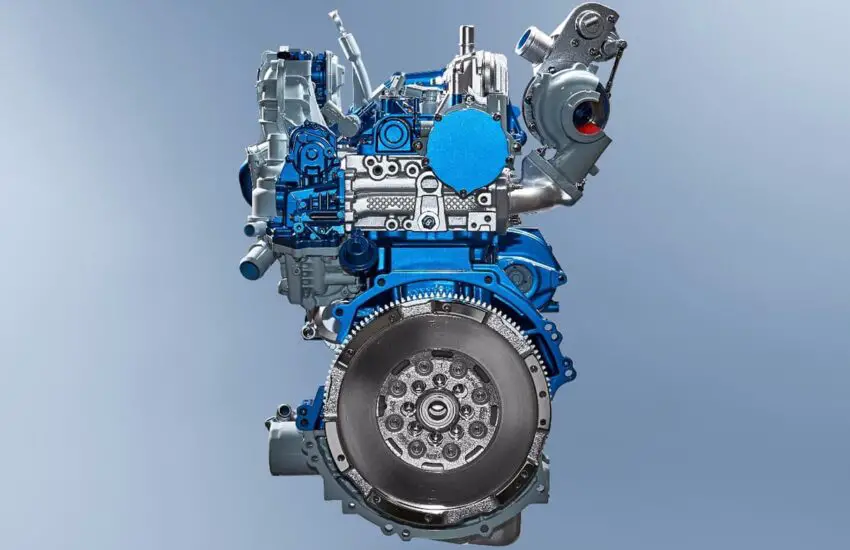
Why Do Diesel Engines Work Without Spark Plugs? (Photo: CarTreatments)

In contrast, gasoline engines have an inability to operate at higher temperature ratios; even if they operate at a high temperature, the air-fuel mixture can ignite. This can lead to knocking and detonation, and for that, you might also need some maintenance tips. That’s why the lower auto-ignition capability makes the diesel engine an improved version of the SI (gasoline) engine.

So, that’s how diesel engines work efficiently and quickly without spark plugs.

3. Negligent Use of Spark Plugs

Atmospheric air is trapped in the diesel engine’s cylinder, which is then compressed at high pressure. This process ultimately increases the temperature, and when the engine goes into action at the end of the compression stroke, ignition occurs and the fuel burns. This naturally eliminates the need for a spark plug to ignite the engine.

Diesel Engines Work Without Spark Plugs to Save Fuel
Diesel engines work without spark plugs due to excessive use of the latter. (Photo: Manas.news)

That’s why the diesel engine does not require a spark plug. Furthermore, these engines have overcome the drawbacks of previous engines, such as noise and spark plug maintenance. Therefore, diesel engines work without spark plugs to save fuel, time, and money simultaneously.

The Different Elements of an AdBlue System and Their Operation

The AdBlue system, also known as SCR (Selective Catalytic Reduction), is used in modern diesel vehicles to reduce emissions of nitrogen oxides (NOx), pollutants harmful to the environment. Although the AdBlue system is unobtrusive for drivers, it relies on key components that work together to ensure effective emission reduction. This article will detail the main components of the AdBlue system and their role in the exhaust gas treatment process.


1. AdBlue Tank

The AdBlue tank is where the AdBlue liquid, a solution composed of urea and demineralized water, is stored. This tank is typically equipped with:

  • Level sensors: They monitor the AdBlue level and alert the driver when a refill is necessary.
  • Heating system: In cold climates, AdBlue can freeze (around -11°C). To ensure optimal operation in winter, some vehicles are equipped with a heating system in the tank to prevent the liquid from freezing.

Role: The tank stores and protects the AdBlue so it is continuously available for the SCR system.


2. Injection Pump

The injection pump, also called the dosing pump, is responsible for transferring AdBlue from the tank to the injection line located in the exhaust system. The injection pump is electronically controlled and operates precisely to inject the appropriate amount of AdBlue based on engine load and vehicle speed.

Role: The pump ensures a constant and appropriate flow of AdBlue, essential for the SCR system to function optimally.


3. Injection Line

The injection line’s task is to deliver AdBlue directly into the exhaust system. Positioned near the SCR catalyst, it is designed to withstand the high temperatures of the exhaust gases.

Role: This line transports AdBlue from the pump to the reaction area in the SCR catalyst, where AdBlue is vaporized into the exhaust gases.


4. AdBlue Injector

The AdBlue injector, located in the exhaust system, sprays AdBlue as fine droplets into the exhaust gas stream. This promotes good distribution and an optimal chemical reaction between AdBlue and the exhaust gases, allowing NOx to be converted into less polluting substances.

Role: The injector transforms AdBlue into fine particles to optimize the NOx reduction reaction.


5. AdBlue Heater

The AdBlue heater is an essential device in regions where temperatures drop below the freezing point of AdBlue (around -11°C). This component, often integrated into the tank or in the supply lines, ensures that AdBlue remains fluid even in cold weather, allowing it to be delivered to the injector without obstruction.

The heater operates using an electrical resistance that warms the liquid when the outside temperature is too low. This prevents the risk of AdBlue freezing, which could hinder the SCR system’s operation and lead to reduced vehicle performance.

Role: The heater ensures the fluidity of AdBlue in cold weather, ensuring the proper functioning of the injection system and the SCR catalyst.


6. SCR Catalyst (Selective Catalytic Reduction)

The SCR catalyst is the heart of the AdBlue system. It is within this component that the chemical reaction reducing NOx takes place. When exhaust gases pass through the SCR catalyst, the vaporized AdBlue decomposes into ammonia, which reacts with nitrogen oxides to convert them into nitrogen and water vapor, harmless components.

Role: The SCR catalyst is the key element where the chemical reaction occurs to convert pollutants into neutral gases.


7. NOx Sensor

The NOx sensor is an essential component of the AdBlue system. Located upstream and downstream of the SCR catalyst, this sensor measures the concentration of NOx in the exhaust gases. It allows the system to calculate and adjust the amount of AdBlue injected based on the measured NOx levels, ensuring maximum efficiency.

Role: The NOx sensor regulates the dosing of AdBlue for optimal reduction of polluting emissions.


8. Electronic Control Unit (ECU)

The Electronic Control Unit (ECU) is the “brain” of the AdBlue system. It monitors signals from sensors, including the NOx sensor and AdBlue level sensors, to adjust the amount of AdBlue injected into the SCR system. Depending on engine speed, load, and driving conditions, the ECU also manages the pump and the AdBlue heating system.

Role: The ECU optimizes the SCR system’s operation by adjusting the AdBlue dosing to ensure compliance with emission standards.


9. Maintenance and Control Elements

In addition to these main components, the AdBlue system also includes control and maintenance elements, such as dashboard warning lights that alert the driver in case of low AdBlue levels or SCR system malfunction.

Role: These devices allow the driver to monitor the AdBlue system’s status and act quickly in case of issues.


Conclusion

The AdBlue system relies on the interaction of several components, including the AdBlue heater, which work in synergy to reduce NOx emissions from diesel vehicles. By understanding the role of each element in the AdBlue system, drivers and technicians can better appreciate its importance and take care of each component for optimal and sustainable operation. With proper maintenance, the AdBlue system can function effectively to limit the environmental impact of modern diesel vehicles.

The 10 essential things to keep in the car that you need to know

Below are 10 essential things to keep in the car that you should always have!

There is a saying that could summarize everything about life: “Hope for the best and prepare for the worst.”

This applies to all areas of our lives, including our cars. Imagine you are looking forward to a pleasant trip in your beautiful car. You’ve been planning this trip for months! On the big day, you pack what you will “need” for the trip and set off.

About 60 kilometers from the city, you realize the car is overheating; you forgot to check the water level. As a result, you spend two or three hours on the side of the road, desperately waiting for help.

Your trip is ruined. This is just one example of the many things that can go wrong on the road. Therefore, it is always important to be prepared.

10 essential things to keep in the car

The 10 things to have in your car listed below can help you save time, reduce discomfort, or even save your life when an emergency occurs.

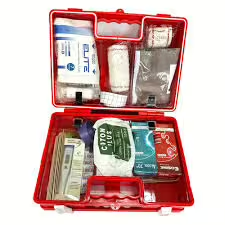
1. First aid kit

Essential things in the car – First aid kit

The first item to have in the car is a first aid kit. As you know, the most important thing is your life, your health, and your well-being.

Therefore, it is very important that you have a first aid kit, in case you or someone else is involved in an accident on the road.

A basic first aid kit can contain: bandages of different sizes and shapes (small, medium, and large), sterile dressings. It should also contain a pair of scissors (or razor blades) and a good amount of cotton.

2. Repair kit

When talking about the essential items to keep in a car, we must take a look at a repair kit. A repair kit or a maintenance kit is a set of items used to repair a device, typically including both tools and spare parts.

It includes different sizes of wrenches, adhesive tape, screwdrivers, etc. This will be useful when you need to perform simple repair work on your car.

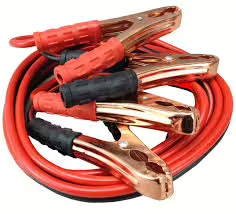
3. Jumper cables

Essential items in the car – Jumper cables

Next, jumper cables are items you should always have in your car. They are used to “jump-start” an engine when the battery is dead.

You connect them from your battery to the battery terminals (of a working one) of another car. This allows you to start your engine. This applies to gasoline engines.

4. Car manual

You should keep the car manual in the dashboard. It contains diagrams (pictures and illustrations) of everything in the car.

This can be useful if you want to repair something, for example, a flat tire. It tells you the bolt sizes and the internal layout of the systems.

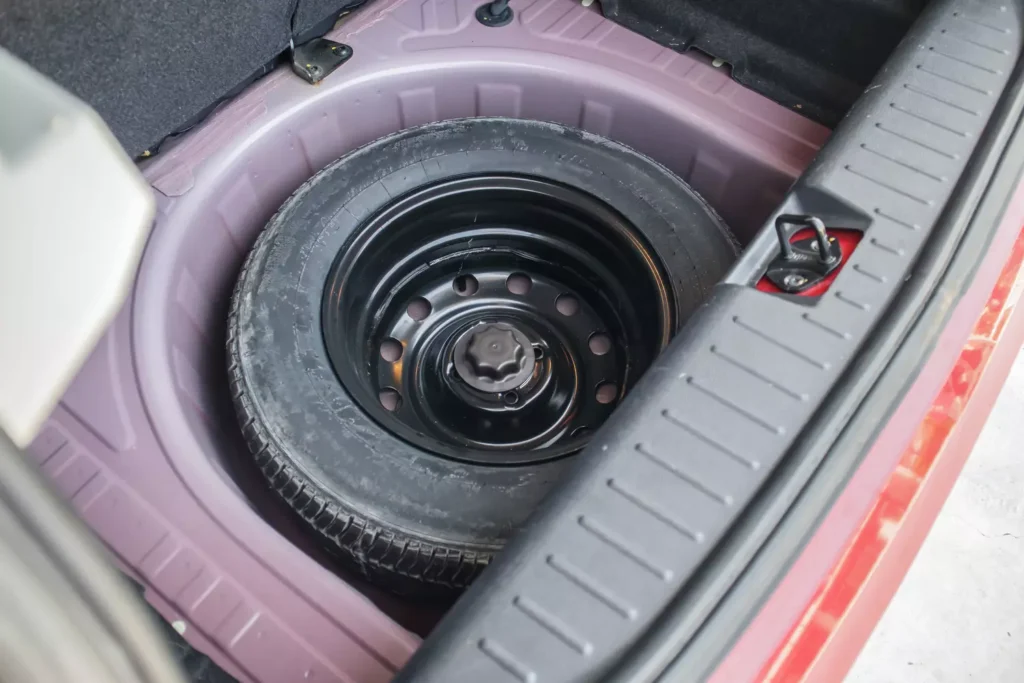
5. Spare tire

It is important to always have a spare tire. (Photo: CFJ)

It is very common for a driver to face a flat tire on the road. Almost every driver has experienced this situation.

That’s why it’s important to always have a spare tire. There is always a designated space to store a spare tire. It is usually located in the trunk or under the vehicle. In SUVs, it is always at the rear.

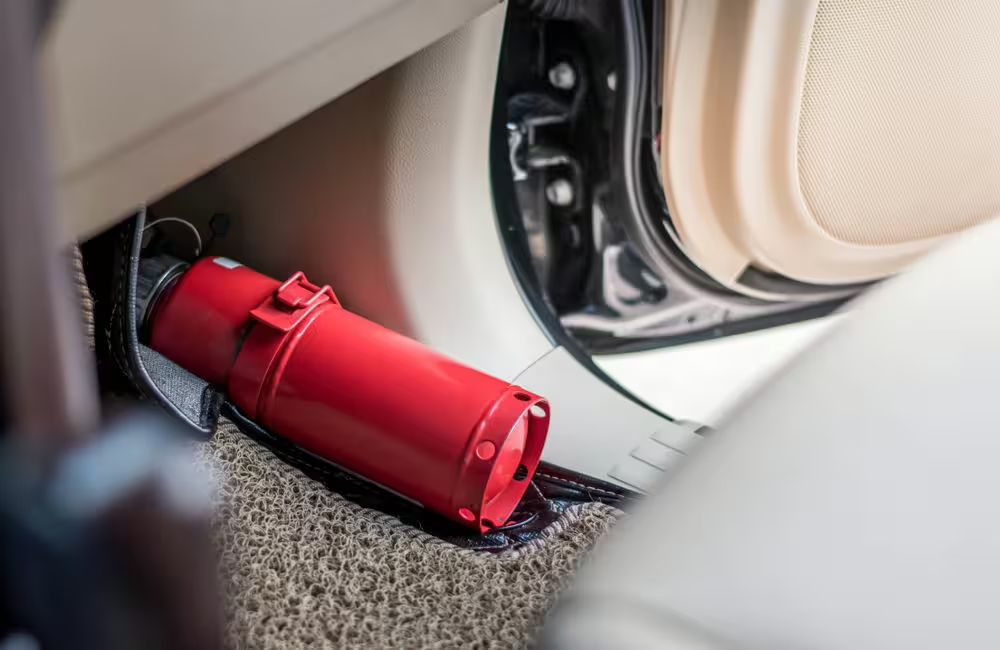
6. Fire extinguisher

Ten things you must always have in your car. (Photo: Cars)

I know what you’re thinking, in your entire driving life, you have never faced a fire. But who knows? It could happen today, tomorrow, or next week.

You can have a small fire extinguisher to put out localized fires that would otherwise spread and cause more damage.

7. Clean towels

Things you should always have in your car. (Photo: Mechanic)

Another essential item to keep in your car is clean towels. Keeping a few clean towels in the car will ensure that the interior is always clean.

You can also use them for repairs, cleaning surfaces and dirt. You should have at least three in your car at all times. Clean cloths are an alternative to clean towels. They can serve the same purpose.

8. Bottled water

Water is one of the 10 essential things to keep in the car
Water is one of the 10 essential things to keep in a car. (Photo: Mechanic)

Yes, water! They say water is life. Water can be used for a great number of things. Of course, you can use it to quench your thirst. God knows that spending a lot of time inside a car cabin can be dehydrating.

Furthermore, you can use it to clean surfaces. For example, you can top up the water if the engine overheats.

In conclusion, you should always keep about 5 liters of bottled water in your car.

9. USB phone charger

It is impossible to predict the possibility of your phone losing its charge. You might forget that an app is open and your battery will be dead after an hour or two.

Therefore, you must always have a USB phone charger in your car. If you are stranded, you will be able to call for help.

10. ID card

Last but not least, to have in the car: your ID card. It tells people who you are, what you do, and where you come from.

You should always have one on you, in case you are involved in an accident and the paramedics want to contact your family.

There you have it. Keep the items above in your car at all times, and you will be able to handle any type of challenge on the road.

They may not completely solve the problem, but they will keep you on the road until you find a repair shop.

Engine Immobilizer System – Symptoms Indicating It Is Faulty

Have you ever thought about how these car manufacturers make our vehicles safer? Well, they have installed an engine immobilizer system in cars, which is an anti-theft device to protect your vehicles from such attacks.

So, if someone tried to steal your vehicle, thieves would only need to perform electrical wiring. That’s where this device comes into play.

It doesn’t allow culprits to make wiring mistakes in your car. Only the owner (or the person with the car keys) will be able to enter the vehicle and drive.

Vehicles are nothing more than simple pieces of metal assembled together. It’s important to know that there are chips installed inside, which facilitate sending signals from the car key to the immobilizer system upon starting.

It first checks the authenticity of the key that started the vehicle before allowing the ignition to turn on. Once confirmed, the fuel supply system and the engine come into action.

Now, I wonder what happens when this system is faulty! What would happen to your vehicle’s security? And how to identify it in the first place to solve the problem?

Engine Immobilizer System – How to Identify When It’s Faulty?

When this system fails, it causes malfunctions in different components of the vehicle. It takes an expert’s eye to identify these symptoms and take the necessary steps to fix them.

Specific symptoms allow you to know in advance that the engine immobilizer system is faulty, and here are some of the most important ones that will help you identify it.

Also keep in mind specific maintenance tips, which could help you better manage your vehicle in the long term.

The Engine Stays Dead

The immobilizer prevents the engine from starting if a proper security token isn’t provided. You can try to start it, but it won’t start if that’s the case. Always check the wiring of the car immobilizer, as you might find the reason why your engine isn’t working there.

Car immobilizer
The engine doesn’t start if the car immobilizer isn’t working. (Photo source: driving)

The Car Doors Misbehave (Locking and Unlocking)

One of the symptoms of a faulty key chip is that you won’t be able to lock or unlock the car doors. So, how can you test it?

Try to lock or unlock the vehicle with a car key, and you’ll see nothing happen. This is one of the symptoms indicating that your car’s immobilizer system is faulty.

What can you do here? Try replacing the car key battery and attempt to lock and unlock the doors again. And if even that doesn’t solve the problem, there’s undoubtedly an issue with your vehicle’s immobilizer system.

The result of a faulty key could be the failure to send the proper signals to the immobilizer, and thus inadequate operation of the car.

Look for a locksmith nearby or have your vehicle towed to a professional to get it back in working order.

Symptoms of a faulty key chip
The car doors don’t open with the keys. (Photo source: freephotos)

Alarm System Malfunctions

It’s easy to identify the symptoms of a faulty transponder key; it won’t be able to transmit a message to the immobilizer system, which will lead to certain alarm system malfunctions.

A faulty immobilizer means the vehicle’s alarm system is corrupted. So, if the transponder chip is faulty or the immobilizer isn’t working, the proper functioning of the vehicle will be compromised.

The quality of the installed alarm system also plays a crucial role. If a thief approaches your car or breaks the window in some way, the alarm won’t trigger.

The Wiring Corrodes

So, we’ve explained to you how to tell if your key chip is faulty. Now, how will you know if the engine immobilizer system is faulty? Well, go directly to the system and inspect the wiring.

There will be visible damage, corrosion, or perhaps other signs of wear. If this is also the case with your vehicle, you need to know that the immobilizer system is down.

How to solve this problem? Have it checked by a professional and request the wiring replacement as soon as possible to get your car back to normal operation.

How to tell if your key chip is faulty
Professionals can replace damaged wires. (Photo source: imagup)

What Have We Learned?

Apparently, the immobilizer system is an essential device that keeps the vehicle safe even when there’s a risk of theft or other issues. Who wouldn’t want to secure their vehicle with a few payments and modifications?

It’s better to have an immobilizer system that can offer the highest security for your car.

Certainly, it will require some investments from time to time, but it’s an integral part of securing your vehicle. So, why not invest in an immobilizer system rather than regretting thefts later.

Just keep these symptoms in mind, inspect the vehicle properly when necessary, and make your vehicle a safe one to drive thereafter.

Understanding Shock Absorbers

What Are Shock Absorbers?

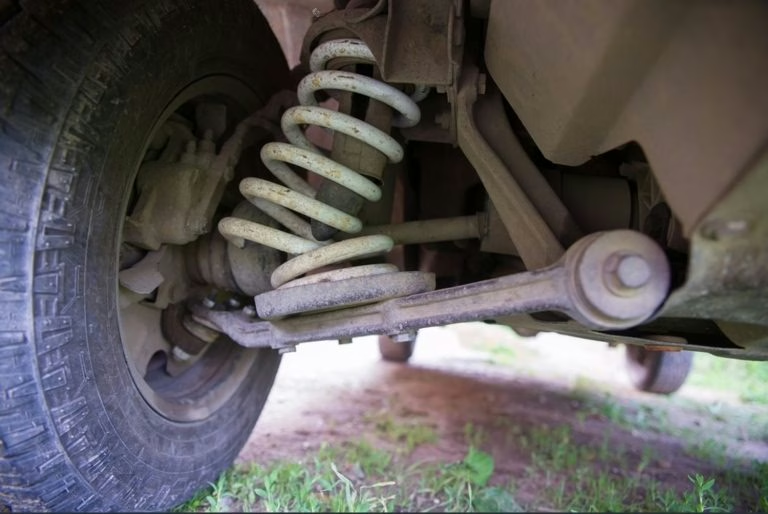
Shock absorbers, often referred to as car shock absorbers, are essential components of your vehicle’s suspension system. Their main function is to control the impact and rebound movement of your car’s springs and suspension, thereby helping to maintain stability, comfort, and control on the road. Without these car shock absorbers, driving would be bumpy and unpredictable.

Role of Front and Rear Shock Absorbers

Both front and rear shock absorbers have the essential function of managing the stability, comfort, and control of your vehicle. Although they work similarly, the demands on front and rear suspensions differ slightly, making each set of shock absorbers crucial for optimal performance.

Front shock absorbers are designed to absorb the initial impact and prevent excessive forward pitching of the vehicle, allowing for smooth and controlled steering and handling.

Rear shock absorbers primarily manage the movement of the vehicle’s rear suspension. These shock absorbers are essential for stabilizing the rear of the vehicle, especially when the car is under load or encounters bumps and uneven surfaces.

How Do They Work?

Shock absorbers operate on the principle of hydraulic damping. When your vehicle drives over bumps or uneven surfaces, the springs compress and expand. Car shock absorbers manage this movement in several ways:

  1. Fluid Mechanics: Inside each car shock absorber, a piston moves within a cylinder filled with hydraulic fluid. When the piston moves upward (compressing the spring), it forces the fluid through small valves. This controlled flow creates resistance, reducing the rapid movement of the spring and preventing it from rebounding uncontrollably.
  2. Damping: They can be classified into two main types: gas and oil. Gas shock absorbers contain pressurized gas that helps maintain consistent damping performance, while oil shock absorbers rely solely on hydraulic fluid. Both types work to absorb energy and dissipate it as heat, ensuring a smoother ride.
  3. Rebound Control: When the suspension rebounds after hitting a bump, it controls the upward movement to prevent excessive bouncing. This is essential for maintaining tire contact with the road, ensuring better traction and handling.

Why Shock Absorbers Are Important

  1. Ride Quality: Effective vehicle shock absorbers significantly enhance your driving comfort. Worn or ineffective shock absorbers can lead to a bumpy and uncomfortable ride, making it difficult to control the vehicle, especially on uneven surfaces.
  2. Safety: Properly functioning shock absorbers improve your vehicle’s stability and control. They help prevent skidding and maintain tire contact with the road, which is crucial for effective braking and cornering.
  3. Tire Health: Worn shock absorbers can cause uneven tire wear, leading to premature tire replacement. Ensuring your car’s shock absorbers are in good condition helps preserve tire longevity and fuel efficiency.
  4. Road Handling: Good shock absorbers enhance your vehicle’s road handling, allowing for better road holding and maneuverability. This is particularly important for high-performance vehicles or those used in challenging driving conditions.
  5. Preventive Maintenance: Regularly checking your shock absorbers as part of your vehicle’s maintenance routine can help you identify potential issues before they worsen. Signs that you may need to replace shock absorbers can include excessive bouncing, difficulty steering, and visible fluid leaks.

Understanding how shock absorbers work and their importance in your vehicle’s suspension system is essential for maintaining safety, comfort, and performance on the road. By ensuring your shock absorbers are functioning correctly, you can enhance your driving experience and extend the lifespan of your vehicle’s components.

If you suspect your shock absorbers are worn or damaged, it is crucial to have them inspected and replaced by a qualified technician to ensure optimal performance and safety. Proper maintenance of your shock absorbers and car dampers can improve your driving experience and extend the life of your vehicle’s suspension system.

How to brake properly on a steep slope

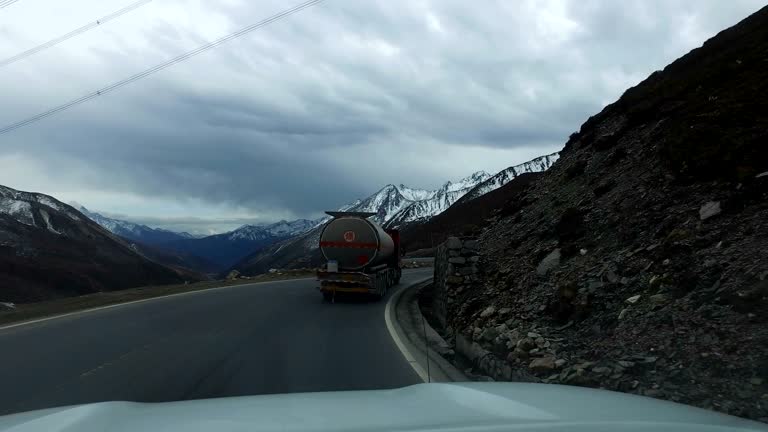
Most beginners need help going down a steep slope because in this situation, gravity becomes a powerful force, which puts extra pressure on your brakes and increases the risk of losing control. So, how do you brake safely downhill? This article will provide you with the necessary skills to conquer any winding descent.

Potential Risks When Driving Downhill

what should you avoid when riding downhill
What to avoid when going downhill (Photo: iStock)

Driving a car downhill requires a lot of technique and presents challenges, but sometimes we don’t pay attention or do it incorrectly, leading to the risk of damaging the car or endangering our lives. Here are some potential risks you may encounter when driving downhill:

  • When we go down a slope faster than expected, we brake intuitively. The more we brake, the more the brake pads heat up, leading to them burning out and losing braking effectiveness.
  • Downhill, your car moves fast and by inertia. The heavier the car, the greater the weight, the higher the speed, the greater the car’s inertia. If you are driving in a higher gear, the car’s inertia downhill is greater. Old, worn, poor quality, or defective brake pads can cause the pads to detach during sudden braking, which can be dangerous.
  • Gravity naturally accelerates your vehicle downhill, making it easier to exceed safe speeds. Therefore, it is important to use your brakes carefully to avoid losing control of your car.

For all these reasons, when going downhill, the driver should minimize the use of brakes or use them only in emergencies. However, if we don’t brake, we will lose control, so how do you brake safely downhill?

How to Brake Downhill in the Safest Way?

The most important thing to pay attention to when going downhill is braking. Some drivers make the mistake of constantly keeping their foot on the brake pedal, which generates excessive heat, leading to brake overheating, or even brake failure. Furthermore, when brakes overheat, they lose their effectiveness, leading to unpredictable consequences. That’s why this technique must be applied correctly, so when braking, the correct technique is as follows:

  • Downshifting on a steep slope is the first and smartest thing to do. Only drive in lower gears. Depending on the type of vehicle, it is important to use the correct gear to slow your car down. An automatic transmission will provide less engine braking than a manual one, but it all helps. For manual vehicles, you should not drive in 5th or 6th gear, but mainly in 3rd gear.
  • When driving downhill, you should maintain steady pressure on the brakes rather than pressing them abruptly, which could lock your wheels and cause your car to skid.
  • Ensure the engine RPM is in a range that provides sufficient braking force without over-revving. Don’t be afraid to let the engine RPM rise, it’s designed for that. As long as you don’t hit the redline, it’s fine.
  • Instead of constantly applying the brakes, use them intermittently. Brake and reduce your speed to a level lower than what you want/need, then release the brakes completely so they can cool down before braking again.
  • You should brake to slow down by about 5 to 10 km/h, then release and let your car regain speed, then brake again and release. You can repeat this process when driving on long, steep slopes. You can call this technique “pulse braking.” If you are an off-road enthusiast, you will notice that on some steep slopes or mountains, there are even specific areas where drivers can stop and cool their brakes.
  • Additionally, when driving on steep descents, you can lightly apply the parking brake combined with the brake pedal to provide additional braking force.

When descending a steep slope, you must remember that “brakes are for adjusting speed, gears are for maintaining speed.”

Utilize Engine Braking Downhill

When driving downhill, you need to maintain steady pressure on the brake.
When going downhill, you must maintain steady pressure on the brake. (Photo: iStock)

Using engine braking is an effective driving technique, especially when descending with an automatic transmission vehicle.

When the vehicle begins to descend a slope, it is necessary to shift the transmission into L or S mode. This mode allows the vehicle to operate at high engine RPMs, helping to slow down the speed. At that point, the engine acts as a brake, helping to reduce the load on the disc brake system and prevent brake overheating, thereby extending brake life and increasing safety.

Furthermore, engine braking also helps maintain vehicle stability when driving on slippery or rocky roads. This forces the driver to observe and react quickly, especially when weather and road conditions are unfavorable.

Additional Tips for Safe Downhill Driving

Vehicle Control

  • Control of the braking system is the most necessary thing to be able to precisely control the vehicle’s speed. Additionally, the steering system and tires must also be checked to ensure they are in good condition, guaranteeing smooth and safe vehicle control on steep roads.
  • Check tire pressure and tread depth. Properly inflated tires with sufficient tread provide better grip and braking performance.
  • There are usually very few service stations on mountain passes, so before driving, the driver should check whether the vehicle has enough fuel or not.

Pay Attention to Danger Signs

When driving, drivers should pay special attention to danger signs on the road. This allows for proactive control of unexpected situations that may arise, handling them calmly, and ensuring travel safety.

Observe and React Quickly

Observation and flexible reaction are two essential driving qualities, particularly important when going downhill. The driver must always maintain a wide and long field of vision and carefully observe all movements in front of and around the vehicle to quickly handle unexpected situations.

Downhill, early detection of obstacles, potholes, or sudden changes in traffic can help drivers make accurate decisions, allowing them to adjust their speed or route safely.

Flexibility is not limited to controlling speed and direction. Drivers must be ready to modify their driving plans based on weather conditions, road conditions, and other unexpected factors. This requires the driver to have experience and sensitivity to correctly assess the situation and provide appropriate responses.

Like any driving skill, mastering downhill braking requires practice. Find a safe and controlled environment to practice these techniques before tackling difficult descents. By following these tips, you will be able to navigate these winding roads confidently and enjoy a safe and pleasant driving experience.

We hope this article is helpful to you in one way or another! If you have any concerns about downhill braking, let us know in the comments section below!