Renault Captur GPL: Fuel Savings with New 120 HP Engine

The Renault Captur Embraces GPL Technology

The popular Renault Captur compact SUV enters a new era of efficiency with the introduction of a dedicated GPL (LPG) powertrain. This new variant, identified as the Eco-G, marks a strategic move to offer drivers a compelling blend of performance and significantly reduced running costs. By integrating bi-fuel capability, the Captur provides a practical and economical alternative for cost-conscious motorists.

Power and Performance with the TCe 120 Engine

At the heart of this new model lies the proven turbocharged 1.0-liter TCe petrol engine, delivering 120 horsepower. This engine has been specifically adapted for bi-fuel operation, seamlessly switching between petrol and GPL. Drivers benefit from the familiar, responsive performance of the Captur while gaining the primary advantage of substantially lower fuel expenses. The transition between fuels is automatic, ensuring a smooth and uninterrupted driving experience.

Economic and Environmental Benefits

The primary appeal of the Captur GPL is its dramatic reduction in fuel costs. GPL is consistently priced lower than both petrol and diesel, offering immediate savings at the pump. Furthermore, GPL combustion produces fewer nitrogen oxides and particulate emissions compared to conventional petrol, contributing to slightly cleaner urban air quality. For drivers covering high annual mileage, the savings can be considerable, making the Eco-G a financially astute choice.

A Practical Choice for Modern Drivers

This new powertrain option enhances the Captur’s versatile appeal without compromising its core attributes. The vehicle retains its stylish design, spacious interior, and advanced connectivity features. The addition of a GPL tank is engineered to minimize impact on boot space, maintaining the model’s practicality for everyday use and family adventures.

The introduction of the GPL variant solidifies the Renault Captur’s position as a smart, economical contender in the competitive compact SUV segment. It represents a tangible solution for drivers seeking to lower their monthly transport budget while making a more considered environmental choice.

OBD2 Code P14A5: Complete Guide to the Engine Oil Pressure Sensor Circuit

Understanding OBD2 Code P14A5: The Engine’s Vital Pressure Monitor

When your vehicle’s check engine light illuminates and a scan tool reveals the diagnostic trouble code (DTC) P14A5, it points directly to a critical monitoring system: the engine oil pressure sensor circuit. Unlike generic codes, P14A5 is often a manufacturer-specific code, commonly associated with brands like Ford, GM, and Chrysler/Stellantis. This code indicates that the Engine Control Module (ECM) or Powertrain Control Module (PCM) has detected a malfunction within the electrical circuit of the engine oil pressure sensor or switch. The sensor’s primary role is to provide a real-time voltage signal to the ECM correlating to engine oil pressure. A circuit malfunction means the ECM cannot reliably interpret this vital data, potentially masking a serious mechanical issue.

What Does the Engine Oil Pressure Sensor Do?

The engine oil pressure sensor, sometimes called a sender or switch, is a key component for engine protection. It is typically threaded into the engine block or cylinder head, directly in contact with the engine’s oil gallery. Its function is twofold:

  • Provide Data to the ECM: It sends a variable voltage signal (usually 0.5V to 4.5V) that changes with oil pressure. The ECM uses this data for engine management strategies and to inform the driver.
  • Activate the Warning Light: In many designs, it also directly controls the red “oil can” warning light on the dashboard. If pressure drops below a critical threshold, the sensor completes a ground circuit, illuminating the warning light independently of the ECM.

A P14A5 code specifically faults the circuit—the wiring and electrical communication—not necessarily the actual mechanical oil pressure.

Common Symptoms and Causes of Code P14A5

Ignoring a P14A5 code can be risky, as it disables the vehicle’s ability to accurately warn you of low oil pressure. Drivers may experience one or more of the following symptoms.

Primary Symptoms of a P14A5 Malfunction

  • Illuminated Check Engine Light (MIL): The most common and immediate indicator.
  • Erratic or Illuminated Oil Pressure Warning Light: The red oil light may flicker, stay on constantly, or fail to illuminate at all during key-on-engine-off.
  • Inaccurate Oil Pressure Gauge Reading: If equipped, the gauge may read zero, pegged at maximum, or fluctuate wildly.
  • No Obvious Symptoms: In many cases, the engine may run normally, with the code being the only sign of an issue.
  • Other Related Codes: Codes like P0520 (Engine Oil Pressure Sensor/Switch Circuit) or P0521 (Engine Oil Pressure Sensor Range/Performance) may also be present.

Root Causes of the P14A5 Diagnostic Trouble Code

Diagnosis should follow a logical path from simple to complex. The causes fall into three main categories:

  • Electrical & Sensor Failures:
    • Faulty or failed engine oil pressure sensor/sender.
    • Damaged, frayed, or corroded wiring in the sensor circuit.
    • Poor electrical connection at the sensor connector or ECM.
    • Blown fuse supplying the sensor circuit (if applicable).
  • ECM/PCM Software or Hardware Issues:
    • Software glitch requiring an ECM reflash or update.
    • Rare internal failure of the ECM itself (less common).
  • Underlying Mechanical Problems (Critical to Rule Out):
    • Genuinely low engine oil pressure due to wear, pump failure, or blockage.
    • Incorrect oil viscosity or low oil level.

Step-by-Step Diagnostic and Repair Procedure

A systematic approach is essential to correctly diagnose and resolve P14A5. Warning: Before beginning, verify the engine oil level and condition. Top up or change the oil if necessary and clear the code to see if it returns.

Step 1: Preliminary Checks and Visual Inspection

Start with a thorough visual examination. Locate the oil pressure sensor (consult a service manual for its position). Inspect the sensor and its wiring harness for:

  • Obvious damage, chafing, or burns on wires.
  • Corrosion or oil contamination on the electrical connector.
  • Signs of oil leakage from the sensor’s threads or body, which can indicate a failed sensor seal.

Check all related fuses in the engine bay and interior fuse boxes.

Step 2: Electrical Testing of the Sensor and Circuit

This requires a digital multimeter (DMM). Disconnect the sensor’s electrical connector.

  • Check Power and Ground: With the ignition ON (engine off), probe the connector terminals. One should show battery voltage (reference voltage from ECM, typically 5V). Another should show a good ground (continuity to chassis ground).
  • Check Signal Circuit: The third wire (if present) is the signal return to the ECM. Check it for shorts to power or ground.
  • Test the Sensor Itself: Resistance tests vary by sensor type. A simple switch-type sensor should show infinite resistance (open circuit) at rest and near-zero resistance (closed circuit) when pressure is applied (simulated with air). A variable analog sensor will have a specified resistance range. Consult manufacturer data.

Step 3: Live Data and Functional Test

Using a professional-grade scan tool, monitor the live data parameter for “Engine Oil Pressure” or “Oil Pressure Sensor Voltage.” With the engine off (key ON), note the reading. Start the engine. The pressure reading or voltage should rise immediately with engine RPM. If it remains static at zero, max, or an implausible value, the sensor or its circuit is faulty. If the reading seems plausible but you suspect mechanical issues, a mechanical oil pressure gauge must be installed in place of the sensor to verify actual oil pressure against factory specifications.

Step 4: Repair and Clearance

Based on your findings:

  • Replace Faulty Sensor: If the sensor fails electrical tests or shows no change in live data. Use a quality OEM or equivalent part. Apply thread sealant as specified (often not Teflon tape, which can cause electrical grounding issues).
  • Repair Wiring: Splice and solder any damaged wires, using heat-shrink tubing for protection.
  • Clean Connectors: Use electrical contact cleaner on both the sensor and harness connectors.
  • Address Mechanical Issues: If a mechanical test confirms low oil pressure, a deeper engine investigation is required (oil pump, bearings, etc.).

After repair, clear the DTC with your scan tool and perform a test drive to ensure the code does not return.

Conclusion: Safety and Professional Advice

Code P14A5 is a serious warning that should not be dismissed. While the fix is often a straightforward sensor or wiring repair, the critical nature of the oil pressure system demands a thorough diagnosis. Never assume the sensor is bad without first checking the oil level and ruling out a genuine low-pressure condition. Installing a new sensor on an engine with actual oil pressure problems will not fix the underlying mechanical fault and can lead to catastrophic engine failure. If you are not confident in performing these electrical and mechanical tests, seeking assistance from a qualified automotive technician is the safest course of action to protect your engine’s longevity and ensure reliable operation.

Renault Fluence ZE Defies Expectations at 150,000 km

The Enduring Legacy of an Electric Pioneer

Often dismissed for its dated specs and perceived fragility, the Renault Fluence ZE has largely faded from the collective memory of the EV revolution. Yet, a dedicated group of owners continues to prove that this pioneering electric vehicle holds hidden potential, challenging common assumptions about battery longevity and real-world usability.

Mastering Efficiency for Maximum Range

The key to unlocking the Fluence ZE’s capabilities lies in a mastered, efficient driving technique. Owners achieving remarkable results emphasize the importance of smooth acceleration, maximizing regenerative braking, and maintaining a consistent, moderate speed. This mindful approach to driving significantly reduces energy consumption, allowing the vehicle to exceed its original range estimates even after years of service.

Pre-conditioning the cabin while the car is still plugged in is another crucial tactic. This practice preserves the battery’s charge for driving, rather than wasting it on heating or cooling the interior. Together, these strategies transform the driving experience and showcase the vehicle’s enduring engineering.

A Testament to Battery Longevity

Perhaps the most compelling argument for the Fluence ZE’s resilience comes from high-mileage examples. Vehicles with over 150,000 kilometers on the odometer demonstrate that the original battery packs can remain healthy and functional far beyond typical warranty periods. This longevity contradicts early fears about rapid battery degradation and speaks to the robustness of the foundational technology.

While public charging infrastructure and speeds have evolved dramatically since its launch, the Fluence ZE serves as a powerful reminder that the core principles of electric vehicle efficiency and durability were present from the start. Its continued presence on the road is a testament to thoughtful ownership and the surprising longevity of early EV design.

Mercedes S-Class Redefines Luxury with Autonomous Taxi Vision

Mercedes-Benz Charts a New Course for Autonomous Luxury

Autonomous Mercedes S-Class in an urban setting

Mercedes-Benz is strategically positioning its flagship S-Class sedan at the forefront of the autonomous mobility revolution. Moving beyond its traditional role as the pinnacle of chauffeur-driven luxury, the German automaker is developing the S-Class to become a key player in the future of premium, self-driving taxi services.

Engineering the Autonomous Luxury Experience

This initiative involves integrating the highest levels of automated driving technology into the S-Class’s renowned cabin. The vehicle’s advanced sensor suite, including LiDAR, radar, and cameras, is being calibrated to handle complex urban environments while maintaining the serene, isolated driving experience for which the model is famous. The focus is on creating a fully autonomous system that doesn’t compromise the vehicle’s core values of comfort, safety, and refinement.

Transforming the Premium Mobility Landscape

The development signals a significant shift in the luxury automotive sector. By entering the autonomous taxi arena, Mercedes-Benz aims to capture a new segment of the market: premium on-demand mobility. This service would target clients seeking the privacy, space, and prestige of an S-Class without the need for personal ownership or a human driver. It represents a direct challenge to emerging tech companies and a redefinition of what a luxury car brand can offer in an increasingly digital ecosystem.

The autonomous S-Class project underscores Mercedes-Benz’s commitment to leading through innovation. It demonstrates how legacy automakers can leverage their expertise in vehicle dynamics, safety, and interior craftsmanship to shape the future of transportation, ensuring that the luxury experience evolves seamlessly into the age of automation.

Decoding Nissan P14A4: A Technical Guide to the EVAP System Leak Code

Understanding the Nissan P14A4 OBD2 Diagnostic Trouble Code

The OBD2 code P14A4 is a manufacturer-specific diagnostic trouble code (DTC) used primarily by Nissan, Infiniti, and Renault vehicles. This code is not generic; its definition can vary slightly between models and years, but it universally points to a fault within the Evaporative Emission Control (EVAP) system. Specifically, P14A4 indicates a problem detected by the Leak Detection Pump (LDP) or the system it monitors. The EVAP system is crucial for preventing fuel vapors from escaping into the atmosphere, and a P14A4 signals that the vehicle’s computer (ECM) has found an inconsistency in the system’s ability to hold vacuum or pressure during its self-test cycle.

What Does the P14A4 Code Mean?

In technical terms, P14A4 typically stands for “Evaporative Emission System Leak Detection Pump Reference Circuit High.” The ECM runs periodic tests on the EVAP system. It uses the Leak Detection Pump to pressurize the fuel tank and vapor lines, then monitors the pressure decay. If the ECM receives a signal from the LDP or its sensor that is outside the expected range (e.g., a voltage signal that is too high), it will log code P14A4. This often points to an electrical fault with the pump or its circuit, but it can also be triggered by significant physical leaks.

Common Nissan Models Affected by P14A4

This code is frequently encountered in popular Nissan models from the late 2000s to the 2010s. If you drive one of the following, you’re more likely to see P14A4:

  • Nissan Altima (especially 2007-2012 models)
  • Nissan Rogue (2008-2013)
  • Nissan Sentra (2007-2012)
  • Nissan Versa
  • Nissan Cube
  • Infiniti G37, EX35

Symptoms and Causes of the P14A4 Code

Unlike some engine codes that cause immediate drivability issues, P14A4 is often a “silent” code. The primary symptom is the illumination of the Malfunction Indicator Lamp (MIL), commonly known as the check engine light. In most cases, the vehicle will drive normally. However, a persistent EVAP leak can lead to failed emissions tests and, in rare cases, a slight fuel odor.

Primary Symptoms of a P14A4 Fault

  • Check Engine Light: The most common and often the only noticeable symptom.
  • Failed Emissions Test: The vehicle will not pass a state emissions inspection with an active EVAP code.
  • Fuel Odor: A faint smell of gasoline may be present if the leak is substantial.
  • Other EVAP Codes: P14A4 may be stored alongside other codes like P0442 (small leak) or P0455 (large leak).

Root Causes of the P14A4 Diagnostic Trouble Code

Diagnosing P14A4 requires a systematic approach, as the cause can be electrical or mechanical. Here are the most likely culprits, ordered from most to least common:

  • Faulty Leak Detection Pump (LDP): The pump itself can fail internally, becoming stuck or providing an incorrect reference signal to the ECM.
  • Electrical Issues: Damaged wiring, poor connections, or corrosion in the LDP circuit or connector can cause a high signal.
  • EVAP System Vacuum Leaks: A physical leak in hoses, the fuel filler neck, gas cap, or charcoal canister can cause the LDP test to fail, triggering this code.
  • Faulty Vent Control Valve or Purge Valve: These valves manage vapor flow; if stuck open or closed, they can prevent proper system sealing.
  • Defective Engine Control Module (ECM): This is rare, but a malfunctioning PCM/ECM could misinterpret signals from an otherwise functional LDP.

Step-by-Step Diagnosis and Repair for P14A4

Proper diagnosis is key to avoiding unnecessary parts replacement. A professional technician will follow a logical sequence, but a knowledgeable DIYer with the right tools can attempt some steps.

Step 1: Preliminary Checks and Code Confirmation

Begin with the simplest possibilities. Use an OBD2 scanner to confirm the code is P14A4 and check for any other pending codes. Clear the code and see if it returns. Perform a thorough visual inspection of the EVAP system:

  • Check the gas cap for cracks, damaged seal, and ensure it clicks tightly.
  • Inspect all visible EVAP hoses (often black) for cracks, disconnections, or brittleness.
  • Look at the Leak Detection Pump (usually located near the fuel tank or in the rear wheel well) for physical damage.

Step 2: Electrical Circuit Diagnosis

Since P14A4 often indicates an electrical fault, testing the LDP circuit is crucial. You will need a digital multimeter (DMM).

  • Locate the LDP connector and reference a service manual for the pinout.
  • Check for power and ground at the LDP connector with the ignition on.
  • Test the signal wire for continuity and shorts to power or ground.
  • Measure the LDP’s internal resistance and compare it to factory specifications (often between 10-30 ohms).

Step 3: Mechanical Leak and Function Testing

If the electrical checks pass, the issue is likely a mechanical leak or a failing pump. This requires more specialized equipment.

  • Smoke Machine Test: The most effective method. A smoke machine introduces smoke under low pressure into the EVAP system. Any leak will reveal itself as escaping smoke, pinpointing the exact location of cracks or faulty seals.
  • Actuator Test: Many advanced scan tools can command the LDP and other EVAP valves (purge, vent) to activate. Listen for the audible click of the LDP operating.

Repair Procedures and Parts Replacement

Once the faulty component is identified, proceed with the repair:

  • Replacing the Leak Detection Pump: This is a common fix. The pump is usually held by bolts and electrical connectors. Ensure the replacement part is correct for your specific model year.
  • Fixing Hoses and Connectors: Replace any cracked or brittle hoses with OEM-spec tubing. Clean and secure electrical connectors, and repair any damaged wiring.
  • Replacing Valves or Gas Cap: A faulty purge/vent valve or gas cap is a straightforward swap.

After repairs, clear the code with your scanner, perform a drive cycle to allow the ECM to run its self-tests, and verify the check engine light does not return.

Conclusion: Is P14A4 a Serious Concern?

While the P14A4 code will not typically leave you stranded or cause immediate engine damage, it should not be ignored. A persistent EVAP leak harms the environment by releasing hydrocarbons and will cause your vehicle to fail mandatory emissions testing. Furthermore, what starts as a small leak or electrical glitch can develop into a larger issue. Diagnosing P14A4 requires a blend of electrical testing and mechanical leak detection. For most owners, seeking a professional technician with a smoke machine is the most reliable path to a permanent fix, ensuring your Nissan’s emission system operates efficiently and within legal standards.

Citroën ë-Berlingo Van: The Compact Electric Workhorse

The Citroën ë-Berlingo Van: Redefining Compact Electric Mobility

For professionals navigating the demands of modern urban delivery and service, the Citroën ë-Berlingo Van presents a compelling zero-emission solution. This compact electric van combines practical utility with the efficiency and quiet operation of an electric powertrain, making it an ideal partner for daily operations in city centers and suburban areas alike.

Design and Practical Features

Built on a proven platform and updated for the electric era, the ë-Berlingo Van is designed with functionality at its core. It is available in two distinct lengths, allowing businesses to choose the cargo volume that best suits their operational needs. The vehicle features a low loading sill and wide-opening rear and side doors, facilitating quick and easy access to tools and equipment. The cabin is thoughtfully laid out, offering ample storage compartments and a modular interior to keep the workspace organized and efficient.

Performance and Electric Range

Powered by a dedicated electric motor, the ë-Berlingo Van delivers smooth, instant torque, which is particularly advantageous in stop-start traffic. Its battery capacity is engineered to cover a significant daily range on a single charge, sufficient for most urban and regional professional routes. Drivers can benefit from multiple charging options, including standard AC charging for overnight replenishment and support for faster DC charging when quicker turnarounds are necessary.

A Professional Tool for Sustainable Business

Choosing the Citroën ë-Berlingo Van is more than a vehicle purchase; it’s an operational decision. It enables access to low-emission zones, reduces running costs compared to traditional combustion engines, and projects a forward-thinking, environmentally conscious image for any business. Its compact dimensions ensure maneuverability in tight city streets, while its robust construction and electric reliability aim to maximize uptime for professionals across trades, from technical services to last-mile logistics.

Waymo Secures $16 Billion to Scale Autonomous Ride-Hailing

A Monumental Funding Round for Self-Driving Technology

Waymo, the autonomous vehicle subsidiary under Alphabet, has announced a historic $16 billion investment round. This colossal fundraising effort marks one of the largest single infusions of capital ever seen in the self-driving industry. The funds are earmarked to aggressively scale its commercial robotaxi service, Waymo One, and solidify its technological lead in an increasingly competitive market.

Fueling Expansion and Technological Dominance

The primary objective of this capital is to accelerate geographic expansion. Waymo intends to deploy its fleet of fully autonomous Jaguar I-PACE and Zeekr vehicles into new metropolitan areas across the United States. This move is a direct challenge to traditional ride-hailing and emerging competitors, aiming to establish a dominant market presence through widespread availability.

Beyond fleet growth, a significant portion of the investment will be dedicated to advancing its core technology. This includes refining its fifth-generation Waymo Driver, enhancing sensor suites, and developing more robust artificial intelligence systems capable of handling complex urban driving environments. The goal is to improve safety, reliability, and passenger comfort, thereby increasing public trust and adoption rates.

Navigating a Competitive and Evolving Market

This funding arrives at a critical juncture for the autonomous vehicle sector. While technological hurdles remain, the race has shifted toward commercialization and scalable operations. Waymo’s substantial war chest provides it with a formidable advantage to navigate regulatory landscapes, invest in necessary infrastructure, and sustain operations as it progresses toward profitability.

The scale of this investment signals strong investor confidence in Waymo’s business model and long-term vision for transportation. It underscores a belief that autonomous ride-hailing is not a distant future concept but an imminent reality. The deployment of these funds will be closely watched as a benchmark for the industry’s ability to transition from testing phases to a genuine, large-scale mobility service.

OBD2 Code P14A4 MINI: A Comprehensive Technical Guide to the Exhaust Camshaft Position Actuator Circuit

Understanding OBD2 Code P14A4 in MINI Vehicles

Diagnostic Trouble Code (DTC) P14A4 is a manufacturer-specific code prevalent in MINI Cooper models, particularly those equipped with the BMW-sourced turbocharged engines like the N13, N14, and N18. This code signifies a fault within the electrical circuit controlling the exhaust camshaft position actuator, a critical component of the VANOS (Variable Nockenwellen Steuerung) variable valve timing system. When the Engine Control Module (ECM) detects a voltage, resistance, or signal irregularity in this actuator’s control circuit—typically an “open circuit” condition—it stores P14A4 and illuminates the check engine light. Accurate diagnosis is essential, as this system directly influences engine performance, fuel efficiency, and emissions.

The Role of the Exhaust Camshaft Position Actuator

The exhaust camshaft position actuator is an electro-hydraulic solenoid valve. Upon command from the DME (Digital Motor Electronics) engine computer, it directs engine oil pressure to the VANOS unit on the exhaust camshaft. This action physically adjusts the rotational position of the exhaust camshaft relative to the crankshaft, optimizing valve timing for:

  • Low-RPM Torque: Advancing cam timing for better throttle response.
  • High-RPM Power: Retarding cam timing to maximize airflow and horsepower.
  • Emissions Control: Optimizing valve overlap for efficient exhaust gas recirculation.
  • Fuel Economy: Enhancing combustion efficiency across the engine’s operating range.

Common MINI Models and Engines Affected by P14A4

Code P14A4 is most frequently encountered in MINI models from the late 2000s to the 2010s. The primary engines involved are:

  • N14 Engine: Found in MINI Cooper S (R56) models (2007-2010).
  • N18 Engine: The updated version in MINI Cooper S (R56) and Cooper (R55, R57) models (2011+).
  • N13 Engine: Used in MINI Cooper (F56) and other models.

The fault can occur in both manual and automatic transmission variants of these vehicles.

Symptoms and Causes of a P14A4 Fault Code

Ignoring a P14A4 code can lead to degraded drivability and potential long-term engine damage. The symptoms are often noticeable and directly related to the loss of variable valve timing control on the exhaust side.

Primary Symptoms of Code P14A4

  • Illuminated Check Engine Light (MIL): The most immediate indicator.
  • Reduced Engine Performance: Significant loss of power, especially in the mid-to-high RPM range.
  • Poor Fuel Economy: The engine runs in a default, less efficient timing mode.
  • Rough Idle or Unstable Engine Operation: Incorrect valve timing disrupts smooth combustion.
  • Potential Engine Hesitation or Stumbling: During acceleration or under load.

Root Causes of the P14A4 Circuit Malfunction

The code specifically points to an issue in the actuator’s control circuit. Common culprits include:

  • Faulty Exhaust VANOS Solenoid/Actuator: The internal coil can burn out or become mechanically stuck.
  • Damaged Wiring or Connectors: Chafed, broken, or corroded wires in the harness leading to the actuator.
  • Poor Electrical Connections: Corrosion or looseness at the solenoid connector or DME connector.
  • Issues with Engine Oil: Incorrect oil viscosity, low oil level, or sludge buildup can prevent proper actuator operation, though this often sets additional oil pressure-related codes.
  • Failed Engine Control Module (DME): A rare but possible cause where the internal driver circuit fails.

Step-by-Step Diagnostic and Repair Procedure

A systematic approach is key to correctly fixing P14A4. Avoid the common mistake of replacing the VANOS solenoid immediately without verifying the circuit integrity.

Step 1: Preliminary Checks and Code Verification

Begin with basic inspections to rule out simple issues.

  • Check the engine oil level and condition. Ensure the correct BMW LL-01/LL-04 approved oil is used.
  • Use a professional-grade OBD2 scanner to confirm the presence of P14A4. Check for any accompanying codes (e.g., P0015, oil pressure codes).
  • Clear the code and perform a test drive to see if it returns immediately or under specific conditions.

Step 2: Visual and Electrical Inspection of the Actuator Circuit

Locate the exhaust VANOS solenoid (typically mounted on the valve cover towards the front of the engine).

  • Visual Inspection: Examine the wiring harness for obvious damage, burns, or chafing. Check the connector for corrosion, bent pins, or signs of oil ingress.
  • Resistance Test (Ohmmeter): Disconnect the electrical connector from the solenoid. Measure the resistance between the two terminals of the solenoid itself. A typical reading should be between 7 and 12 ohms. A reading of “OL” (open loop) indicates a failed internal coil.
  • Circuit Integrity Test: With the connector still disconnected from the solenoid, back-probe the vehicle harness connector. Check for continuity between each pin and its corresponding pin at the DME connector. Also, check for a short to power or ground.

Step 3: Actuator Function and Control Signal Test

This requires more advanced tools but provides definitive proof.

  • Actuation Test with Scanner: Many advanced bi-directional scanners can command the VANOS solenoid on and off. You should hear a distinct clicking sound from the solenoid when activated.
  • Oscilloscope/Duty Cycle Test: The best method is to monitor the control signal from the DME. Using a scope or a multimeter with duty cycle function, probe the control wire. The DME uses a pulsed signal. A flat line indicates a lack of control signal (pointing to a wiring or DME issue), while a proper pulsed signal with a faulty solenoid confirms the component failure.

Step 4: Repair and Final Verification

Based on your findings:

  • Replace the exhaust camshaft position actuator if it failed the resistance or actuation tests.
  • Repair any damaged wiring or connectors using proper solder and heat-shrink techniques.
  • After repair, clear all fault codes. Perform a thorough test drive, including various engine loads and RPM ranges, to ensure the code does not return and that engine performance is restored.

Technical Considerations and Professional Advice

Successfully resolving P14A4 requires attention to detail and an understanding of the interconnected systems.

Importance of Using OEM or High-Quality Parts

The VANOS system operates under high pressure and precision. Low-quality aftermarket solenoids may have different flow characteristics or failure rates. For long-term reliability, using an OEM or a reputable premium brand (e.g., Bosch, VDO) part is strongly recommended.

The Interplay with Engine Oil and Maintenance

Chronic oil sludge issues, often resulting from extended oil change intervals, can clog the small passages in the VANOS solenoid and mechanism. Addressing a P14A4 code is an excellent opportunity to change the oil and filter with the manufacturer-specified product. In severe cases, an engine oil flush may be considered.

When to Seek Professional Help

If your diagnostic steps point towards a potential DME failure, or if the wiring fault is deep within the main harness, seeking a specialist with MINI/BMW-specific diagnostic software (ISTA) is advisable. They can perform more advanced module tests and programming if a control unit needs replacement.

By methodically following this technical guide, you can accurately diagnose and repair the OBD2 code P14A4, restoring your MINI’s variable valve timing system to optimal function and ensuring peak engine performance and efficiency.

BYD Unveils Revolutionary 1.5MW Ultra-Fast EV Charging Technology

BYD Charges Ahead with 1.5MW Ultra-Fast Charging Stations

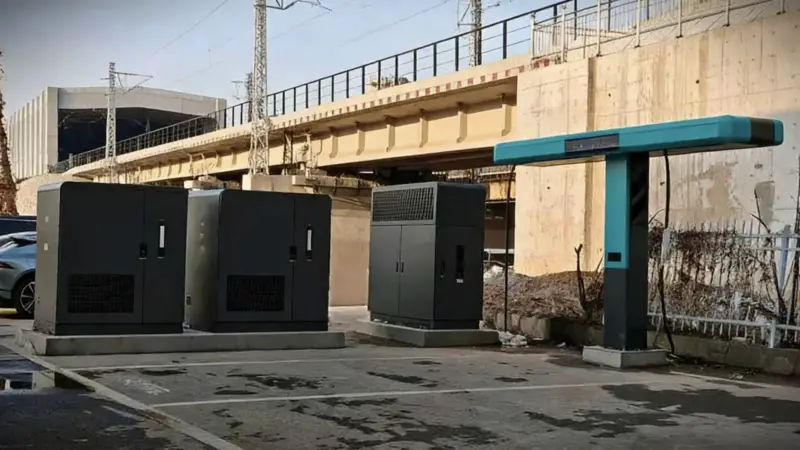
BYD 1.5MW ultra-fast electric vehicle charging station

The race for electric vehicle charging supremacy has entered a new phase. Chinese automotive giant BYD has begun deploying its next-generation ultra-fast charging stations, capable of delivering a staggering 1500 kW (1.5 MW) of power. This move signals a major technological leap aimed at making EV charging times comparable to refueling a conventional car.

Redefining the EV Charging Experience

BYD’s new 1.5MW chargers represent a significant step beyond the current industry benchmarks. While today’s fastest public chargers typically offer between 350 kW and 400 kW, BYD’s technology multiplies that capacity nearly fourfold. This immense power is engineered for the brand’s upcoming electric vehicle platforms, which are expected to feature advanced battery systems capable of accepting such high charge rates without compromising longevity or safety.

The primary promise of this technology is the drastic reduction of downtime. For compatible vehicles, adding several hundred kilometers of range could become a matter of minutes, effectively eliminating one of the last major perceived disadvantages of electric mobility compared to internal combustion engines.

Strategic Implications for the Global Market

BYD’s aggressive push into ultra-fast charging infrastructure is a strategic play with multiple objectives. Firstly, it serves as a powerful showcase of the company’s vertical integration, highlighting its expertise not just in vehicle manufacturing but also in core EV technologies like batteries and energy management. Secondly, it positions BYD as a leader in charging technology ahead of its expanded European rollout, offering a compelling ecosystem to potential customers.

This development is likely to accelerate competition across the entire EV sector. Other manufacturers and charging network operators will be pressured to advance their own high-power charging roadmaps. The introduction of 1.5MW charging could catalyze new standards for battery technology, thermal management, and grid integration, pushing the entire industry toward a faster, more convenient electric future.

Decoding GMC P14A4: A Technical Guide to the Engine Oil Pressure Sensor Circuit

Understanding the GMC P14A4 Diagnostic Trouble Code

When your GMC Sierra, Yukon, Acadia, or other model’s check engine light illuminates and a scan tool reveals code P14A4, you’re dealing with a specific electrical fault within the engine management system. Technically defined as “Engine Oil Pressure Sensor Circuit,” this generic OBD2 code indicates that the Powertrain Control Module (PCM) or Engine Control Module (ECM) has detected an irregular voltage signal or an implausible reading from the engine oil pressure sensor circuit. Unlike a simple mechanical oil pressure problem, P14A4 points directly to the sensor’s electrical communication with the computer. This sensor is critical, as it provides real-time data that influences engine protection strategies and driver information via the oil pressure gauge or warning light.

What Does the Engine Oil Pressure Sensor Do?

The engine oil pressure sensor, often called a sender or switch, is a transducer that converts mechanical oil pressure into an electrical signal. Modern GMC vehicles typically use a 3-wire sensor:

  • Reference Voltage (5V): Supplied by the PCM.
  • Signal Return (Ground): Provides a dedicated ground path back to the PCM.
  • Signal Wire: Carries a variable voltage or frequency signal back to the PCM, proportional to the oil pressure.

The PCM monitors this signal. A signal that is too high (open circuit), too low (short to ground), or illogical (e.g., high pressure at idle) will trigger the P14A4 code after failing multiple drive cycles.

Common Symptoms and Causes of P14A4 in GMC Vehicles

Ignoring a P14A4 code can be risky, as it may mask a genuine low oil pressure condition or lead to incorrect engine management. Recognizing the symptoms is the first step in diagnosis.

Primary Symptoms of Code P14A4

  • Illuminated Check Engine Light (MIL): The most common and immediate indicator.
  • Erratic or Inoperative Oil Pressure Gauge: The gauge may peg at zero, max, or fluctuate randomly.
  • False Low Oil Pressure Warning: The dashboard may display a red oil can warning light despite normal mechanical oil pressure.
  • No Start or Engine Protection Mode: In some advanced systems, a faulty signal may inhibit starting or limit engine performance to prevent damage.
  • Other Related Codes: Codes like P0521 (Engine Oil Pressure Sensor/Switch Range/Performance) may also be present.

Root Causes of the P14A4 Fault

The trigger for P14A4 is always within the sensor’s electrical circuit. The most frequent culprits include:

  • Faulty Engine Oil Pressure Sensor: The sensor itself has failed internally. This is the most common cause.
  • Damaged Wiring or Connectors: Chafed, broken, or corroded wires in the sensor harness, especially near hot engine components.
  • Poor Electrical Connections: Corrosion, loose pins, or moisture in the sensor connector or PCM connector.
  • Short to Power or Ground: The signal wire may be shorted to another 12V circuit or to the vehicle chassis.
  • Open Circuit: A break in the reference voltage, signal, or ground wire.
  • Faulty PCM (Less Common): An internal failure of the control module is rare but possible after other causes are eliminated.

Step-by-Step Diagnostic Procedure for P14A4

A systematic approach is essential to correctly diagnose P14A4. Avoid the temptation to simply replace the sensor without testing the circuit, as wiring issues are prevalent.

Initial Preparation and Visual Inspection

Tools Needed: Digital Multimeter (DMM), scan tool with live data capability, wiring diagrams, basic hand tools.
Begin with a thorough visual inspection. Locate the oil pressure sensor (usually near the oil filter housing or cylinder head). Check the connector for:

  • Corrosion or moisture.
  • Bent or pushed-out pins.
  • Heat damage or melted plastic.

Trace the wiring harness back from the sensor, looking for obvious damage, rubbing, or burnt sections.

Electrical Circuit Testing with a Multimeter

With the engine OFF and the sensor connector disconnected, perform these key tests:

  • Test for Reference Voltage: Set the DMM to DC Volts. Back-probe the reference voltage pin (consult wiring diagram) with the ignition ON, engine OFF. You should read a steady 5 volts from the PCM.
  • Test for Ground Circuit: Set DMM to Ohms (resistance). Place one probe on the ground pin of the connector and the other on the battery negative terminal. You should have very low resistance (less than 5 ohms), indicating a good ground path.
  • Test Sensor Resistance (if applicable): Consult the service manual for specific resistance values across the sensor terminals. An open circuit (infinite resistance) or a short (zero resistance) indicates a bad sensor.

If reference voltage or ground is missing, the fault is in the wiring or PCM. If power and ground are good, the sensor is likely faulty.

Using Live Data and Functional Tests

Connect your scan tool and monitor the live data parameter for engine oil pressure. With the engine off, ignition on, pressure should read 0 psi or kPa. Start the engine. The reading should rise immediately to a normal idle pressure (typically 20-40 psi, varies by engine). A reading that is stuck at zero, max, or is completely implausible confirms the circuit fault. You can also perform a mechanical oil pressure test with a gauge screwed into the sensor port to rule out an actual lubrication system failure, which would not cause P14A4 alone.

Repair Procedures and Final Verification

Once the faulty component is identified, proceed with the repair.

Replacing the Oil Pressure Sensor

If testing confirms a bad sensor:

  • Disconnect the negative battery cable for safety.
  • Disconnect the electrical connector.
  • Use the appropriate socket or wrench to remove the sensor. Be prepared for some oil spillage; have a drain pan ready.
  • Apply a small amount of thread sealant (if specified) to the threads of the new, OEM-quality sensor and install it, torquing to specification.
  • Reconnect the electrical connector and battery cable.

Repairing Wiring Harness Damage

For damaged wires:

  • Cut out the damaged section of wire.
  • Use solder and heat-shrink tubing or high-quality crimp connectors to splice in a new section of wire of the same gauge.
  • Secure the repaired harness away from heat and moving parts.

Always address the root cause of the damage (e.g., add a protective loom or re-route the harness).

Clearing the Code and Performing a Drive Cycle

After repairs, clear the P14A4 code with your scan tool. The Check Engine Light will turn off. To ensure the repair is complete and the monitor is ready, perform a complete drive cycle. This involves driving the vehicle under specific conditions (cold start, various speeds, idle) to allow the PCM to re-test the oil pressure sensor circuit. Use your scan tool to confirm that the code does not return and that the live oil pressure data now reads normally across all engine operating conditions.