Lexus Reinvents Luxury with LS Van and SUV Concepts

Lexus LS Evolution at Japan Mobility Show 2025

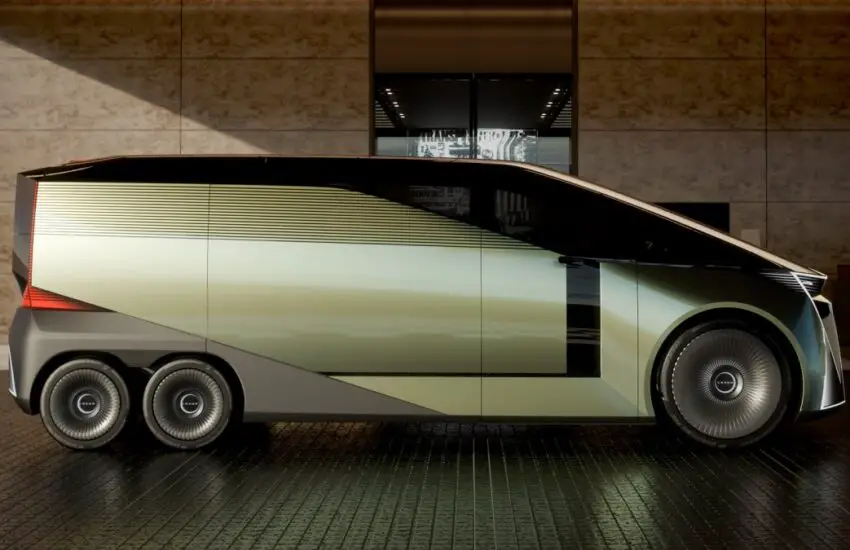
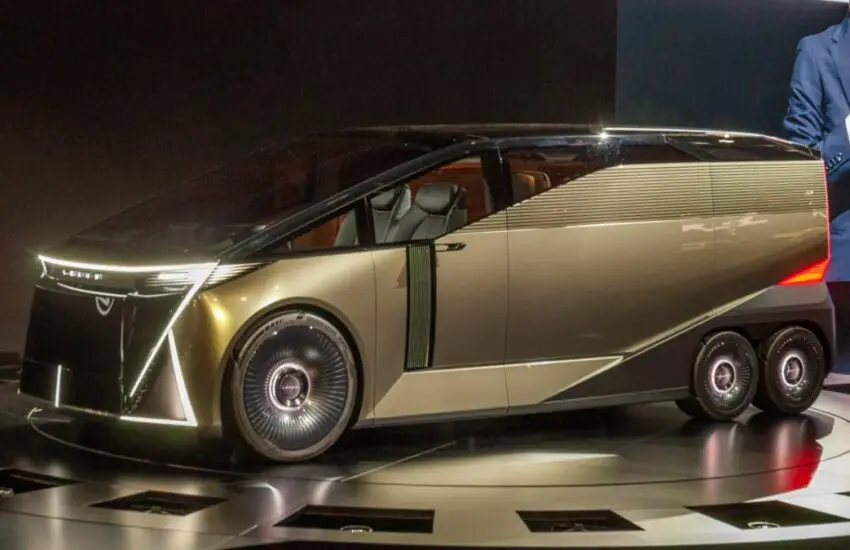
The automotive world witnessed a groundbreaking transformation as Lexus unveiled radical new interpretations of its flagship LS sedan. Departing from traditional luxury sedan design, the brand presented two innovative concepts: a six-wheeled luxury van and a sleek crossover coupe. This strategic shift responds directly to declining consumer interest in four-door luxury sedans, particularly in key markets like the United States.

Redefining Luxury Mobility

Lexus’s dramatic redesign represents more than just aesthetic changes. The six-wheeled van concept features unprecedented interior space with premium materials and modular seating arrangements. Meanwhile, the crossover coupe maintains sporty proportions while offering elevated ground clearance and versatile cargo capacity. Both vehicles incorporate Lexus’s latest hybrid powertrain technology and autonomous driving capabilities.

Market Forces Driving Change

Industry analysts note this transformation reflects broader automotive trends where traditional sedans have lost significant market share to SUVs and crossovers. Luxury buyers increasingly prioritize versatility, commanding driving positions, and lifestyle compatibility over traditional sedan silhouettes. Lexus’s bold move signals potential permanent changes in how luxury automakers approach flagship vehicle development.

Future of Luxury Vehicles

While the concepts maintain the LS nameplate’s premium positioning, their radical departure from sedan architecture suggests luxury transportation is entering a new era. The emphasis has shifted from formal elegance to functional sophistication, with manufacturers prioritizing interior experience and adaptability over exterior tradition. This evolution could potentially influence other luxury brands reconsidering their flagship strategies.

Lexus Six-Wheel Luxury Van Revolution

Redefining Automotive Luxury with Six Wheels

Lexus is making waves in the automotive world by seriously considering a six-wheel luxury van, a concept that challenges conventional vehicle design. This ambitious project showcases the brand’s commitment to innovation and its willingness to explore uncharted territories in the luxury segment. With the prestigious “LS” badging, this van is positioned to offer unparalleled comfort and sophistication.

Japanese Market Influence and Design Philosophy

In Japan, vans hold a status far beyond their utilitarian reputation in other markets, often serving as symbols of luxury and versatility. This cultural appreciation makes the six-wheel van concept a logical step for Lexus, aligning with local preferences while pushing global boundaries. The additional wheels not only enhance stability but also open up new possibilities for interior space and advanced features, setting the stage for a truly revolutionary vehicle.

Engineering Innovations and Potential Benefits

The six-wheel configuration promises significant advantages, including improved weight distribution, enhanced traction, and a smoother ride over varied terrains. By incorporating cutting-edge technology, such as adaptive air suspension and all-wheel drive systems, Lexus aims to deliver a driving experience that combines luxury with practicality. The extended wheelbase could accommodate lavish amenities, from reclining seats to integrated entertainment systems, redefining what a van can offer.

Future Implications for the Automotive Industry

If realized, this six-wheel luxury van could inspire a new category of vehicles, blending the opulence of high-end sedans with the functionality of larger transports. It underscores Lexus’s role as a pioneer in automotive design, potentially influencing competitors to explore similar innovations. As the industry shifts towards electrification and autonomous driving, this concept may integrate eco-friendly powertrains and smart technologies, further cementing its place as a forward-thinking marvel.

Ultra-Rare GM EV1 Sells for $104,000 at Surprise Auction

Historic GM EV1 Commands Premium Price

A remarkably preserved General Motors EV1, one of the few surviving examples of this groundbreaking electric vehicle, has been sold for an impressive $104,000. The sale occurred during an unannounced auction event near Atlanta, catching collectors and EV enthusiasts by surprise. This sale underscores the vehicle’s legendary status and the intense desire among collectors to own a piece of automotive history that was nearly lost forever.

A Glimpse into Automotive History

The GM EV1 was a pioneer, representing one of the first mass-produced electric vehicles from a major automaker in the modern era. Launched in the 1990s, it was a technological marvel for its time, offering impressive range and performance. However, its story is also marked by controversy. Most of the vehicles were recalled and subsequently destroyed by General Motors, making any surviving unit exceptionally rare. The example sold was reportedly in excellent, original condition, having been preserved away from public view for years.

Why This Auction Was Significant

The unexpected nature of the auction added to the vehicle’s mystique and final price. Unlike typical classic car auctions, this event was not widely publicized, creating an air of exclusivity. The high selling price reflects not only the EV1’s rarity but also its symbolic importance as a forerunner to today’s electric car revolution. It serves as a tangible reminder of the early potential of EVs and the path not taken by the industry for many years.

This sale demonstrates that the EV1 has transcended its role as a mere car to become a highly sought-after artifact. Its value lies in its history, its technological significance, and the compelling narrative of its creation and near-total destruction. For the new owner, it represents an irreplaceable piece of the electric vehicle’s origin story.

2027 Range Rover Sport SV Spotted with Central Exhaust

Spy Photos Reveal Central Exhaust Design

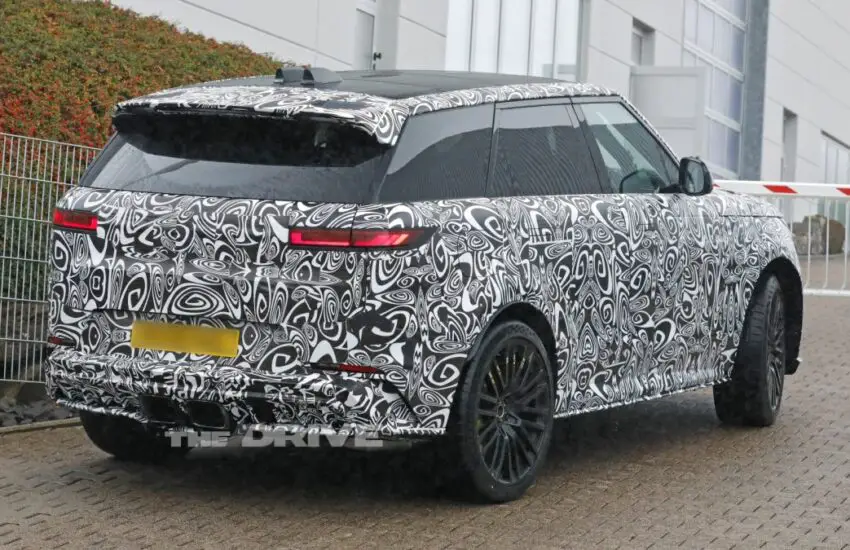
Recent spy shots have unveiled a significant design evolution for the upcoming 2027 Range Rover Sport SV, showcasing a new centrally mounted exhaust system. This bold styling cue, reminiscent of high-performance sports cars, signals a potential shift in Land Rover’s approach to its flagship performance SUV. The prototype, caught during testing, features a redesigned rear diffuser that accommodates the twin tailpipes positioned prominently in the center.

Performance Enhancements Expected

While the current Range Rover Sport SV already delivers impressive performance with its 626 horsepower 4.4-liter V8 engine, capable of accelerating from 0-100 km/h in approximately 3.5 seconds, the new exhaust configuration suggests further powertrain refinements. The central exhaust layout typically allows for improved exhaust flow and reduced backpressure, which could translate to enhanced engine efficiency and potentially increased power output. This modification might also contribute to weight distribution improvements and aerodynamic benefits.

Design Language Evolution

The adoption of a center-exit exhaust represents more than just a functional upgrade—it’s a statement of intent from Land Rover’s design team. This positioning has traditionally been associated with track-focused vehicles and premium sports cars, indicating that the 2027 Range Rover Sport SV will emphasize its performance credentials even more strongly. The integration appears seamless with the vehicle’s overall athletic proportions, maintaining the model’s signature sophisticated yet aggressive stance.

As Land Rover continues its comprehensive Range Rover lineup overhaul, this prototype suggests the Sport SV variant will receive particularly significant attention. The central exhaust configuration joins other visible updates including revised bumper designs and potentially new wheel options. While full technical specifications remain undisclosed, these spy photos provide compelling evidence that the next-generation Range Rover Sport SV will push boundaries in the luxury performance SUV segment when it arrives in 2027.

Infiniti QX80 R-Spec: 1000-PS-GT-R-SUV für SEMA

Vom Luxus-SUV zum Hochleistungsmonster

Der Infiniti QX80 R-Spec stellt eine radikale Neuinterpretation des luxuriösen SUVs dar. Speziell für die SEMA Show entwickelt, kombiniert dieses Einzelstück die Pracht eines Full-Size-SUVs mit der ungebändigten Kraft einer Nissan GT-R Nismo. Das Ergebnis ist ein Fahrzeug, das in keiner Kategorie Kompromisse eingeht.

GT-R-Herz in SUV-Body

Das spektakulärste Merkmal des QX80 R-Spec ist zweifellos sein Antriebsstrang. Statt des serienmäßigen V8-Motors schlägt hier das Herz einer GT-R Nismo – ein 3,8-Liter-V6-Biturbo-Motor, der für diesen Einsatz auf sagenhafte 1000 PS getunt wurde. Diese Leistungssteigerung transformiert das schwere SUV in einen Hochleistungssportler, der selbst erfahrene Fahrer in Erstaunen versetzen dürfte.

Design mit Botschaft

Äußerlich verrät bereits die lackierung die Herkunft der Technik: Das ikonische Midnight Purple, bekannt von speziellen GT-R-Modellen, verleiht dem SUV eine mystische Anmutung. Kombiniert mit einem aggressiven Karosserie-Kit und einer deutlich abgesenkten Fahrwerkshöhe entsteht eine Präsenz, die sowohl Eleganz als auch pure Performance ausstrahlt.

Technische Meisterleistung

Die Integration eines Hochleistungssportwagentriebs in ein SUV-Chassis erforderte umfangreiche Modifikationen. Neben der Anpassung des Fahrwerks für die erhöhten Kräfte wurden auch Bremsanlage und Kühlsystem den extremen Leistungswerten angepasst. Jedes Detail wurde optimiert, um der gewaltigen Leistung Herr zu werden.

Statement für die Zukunft

Dieses Projekt demonstriert eindrucksvoll das technische Potenzial der Nissan-Motorsport-Abteilung. Obwohl es sich um einen Showcar handelt, zeigt der QX80 R-Spec visionäre Möglichkeiten auf, wie Performance und Alltagstauglichkeit in neuen Dimensionen vereint werden können.

Mercedes-Benz Revives Classic Sedan Design for 2027 E-Class EV

A Return to Timeless Elegance

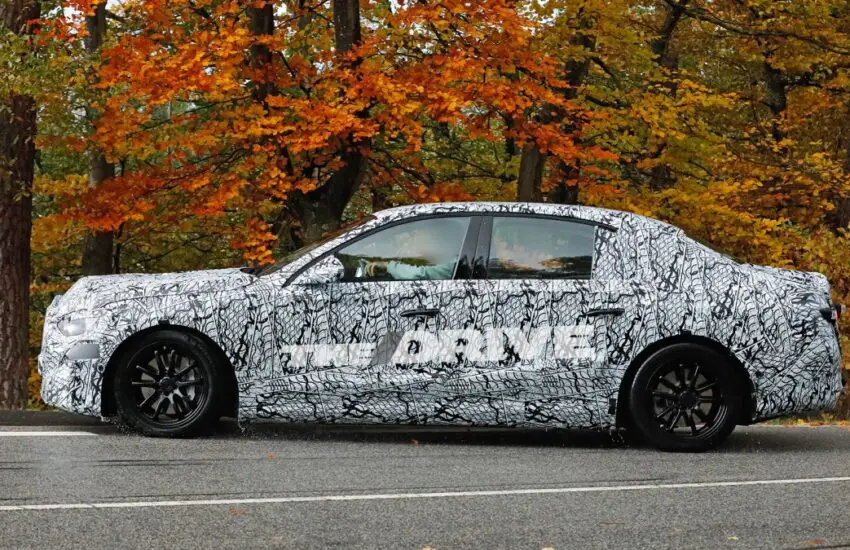
Mercedes-Benz is making a strategic pivot in its electric vehicle strategy by abandoning the divisive EQ design language for its upcoming 2027 E-Class Electric. The German automaker is returning to its roots with a classic sedan silhouette that honors the brand’s storied heritage while embracing electric propulsion. This marks a significant departure from the rounded, aerodynamic-focused “blob” design that characterized previous EQ models.

Unified Platform Strategy

The shift coincides with Mercedes-Benz’s move to a multi-energy platform capable of accommodating both electric and combustion powertrains. This unified approach allows the company to maintain consistent design language across its vehicle lineup while reducing development costs. The platform’s flexibility enables engineers to optimize interior space without compromising the classic proportions that have defined Mercedes-Benz sedans for decades.

Design Philosophy Evolution

Mercedes-Benz design chief Gorden Wagener has emphasized the importance of “sensual purity” in the brand’s future electric vehicles. The 2027 E-Class Electric will feature cleaner lines, more formal rooflines, and traditional sedan proportions that evoke the brand’s most iconic models. The design team is focusing on creating electric vehicles that are immediately recognizable as Mercedes-Benz products rather than radical departures from tradition.

Market Response and Future Implications

Industry analysts see this design reversal as a response to consumer feedback requesting more conventional styling in premium electric vehicles. The move could position Mercedes-Benz favorably against competitors who have maintained traditional design elements in their electric offerings. This strategic shift likely signals similar design evolutions across Mercedes-Benz’s entire electric lineup in coming years.

Why Car Brands Revive Classic Model Names

The Automotive Name Recycling Phenomenon

Over the past decade, automotive enthusiasts have witnessed a curious trend: manufacturers digging through their archives to resurrect retired model names. From electric SUVs bearing legendary sports car badges to modern crossovers carrying historic station wagon monikers, this practice has become increasingly common across the industry. While these new vehicles often share little beyond their nameplates with their predecessors, the strategy reveals sophisticated marketing approaches that transcend simple nostalgia.

Beyond Mere Sentimental Value

At first glance, reviving old model names might appear to be a straightforward appeal to consumer nostalgia. However, the reality involves calculated business decisions with multiple strategic advantages. Established names carry built-in recognition that can shortcut years of brand-building efforts. When consumers already possess positive associations with a name, manufacturers can leverage this existing emotional capital to accelerate market acceptance.

Marketing Efficiency and Instant Recognition

Launching a new vehicle requires massive marketing investment to establish name recognition. By resurrecting a familiar name, automakers bypass this initial hurdle. Names like “Blazer” or “Bronco” immediately evoke specific imagery and emotional responses in target demographics, creating marketing efficiency that new names cannot match. This recognition provides an immediate competitive advantage in crowded market segments.

Bridging Heritage and Innovation

As automakers transition to electric vehicles and new technologies, familiar names help maintain brand continuity. Using historic names on innovative products creates a psychological bridge between trusted heritage and unfamiliar technology. This strategy reassures consumers that while the technology may be new, it comes from a brand with proven legacy and reliability.

Global Market Considerations

Some revived names work better internationally than others. Manufacturers carefully select names that translate well across cultures and languages, avoiding unintended meanings. Previously successful global names often get priority for revival since they already have established international recognition and positive connotations in multiple markets.

The Future of Automotive Naming

As the automotive industry continues evolving toward electrification and autonomy, we can expect more classic names to return. However, manufacturers must balance nostalgia with relevance, ensuring that resurrected names align with contemporary values and technological capabilities. The successful revival of these names demonstrates how automotive history can be leveraged to drive future success.

Sleeping Tesla Driver Crashes into Police Car on Autopilot

Autopilot Under Scrutiny After Illinois Incident

A Tesla driver in Illinois reportedly asleep at the wheel has brought renewed attention to the capabilities and limitations of semi-autonomous driving systems. According to claims, the vehicle was operating on Autopilot when it collided with the rear of a parked police car. This event adds to a growing list of incidents involving Tesla’s driver-assistance technology and emergency vehicles, raising questions about system reliability and user responsibility.

Understanding the Technology’s Limits

Tesla’s Autopilot is designed as a suite of advanced driver-assistance features, not a fully autonomous system. It combines adaptive cruise control with lane-keeping assistance to support drivers on highways. However, Tesla explicitly states that drivers must remain engaged, with hands on the wheel and attention on the road at all times. The system uses cameras and sensors to detect obstacles, but it can struggle with stationary objects, especially in complex traffic scenarios.

Pattern of Similar Occurrences

This is not the first time Autopilot has been implicated in collisions with first-response vehicles. Several past incidents have involved Teslas failing to recognize parked emergency vehicles with flashing lights. The National Highway Traffic Safety Administration has opened investigations into these cases, focusing on how the system handles such situations and whether it adequately alerts drivers to take control.

Driver Responsibility in the Age of Automation

While technology advances, the role of the driver remains critical. Relying on Autopilot while asleep or otherwise inattentive violates Tesla’s usage guidelines and basic safety principles. This incident underscores the need for clearer public understanding of what semi-autonomous systems can and cannot do, and the legal and safety implications of misuse.

As investigations proceed, this case may influence future regulations and technological improvements aimed at preventing similar events. It serves as a stark reminder that until fully autonomous vehicles are perfected, human vigilance cannot be optional.

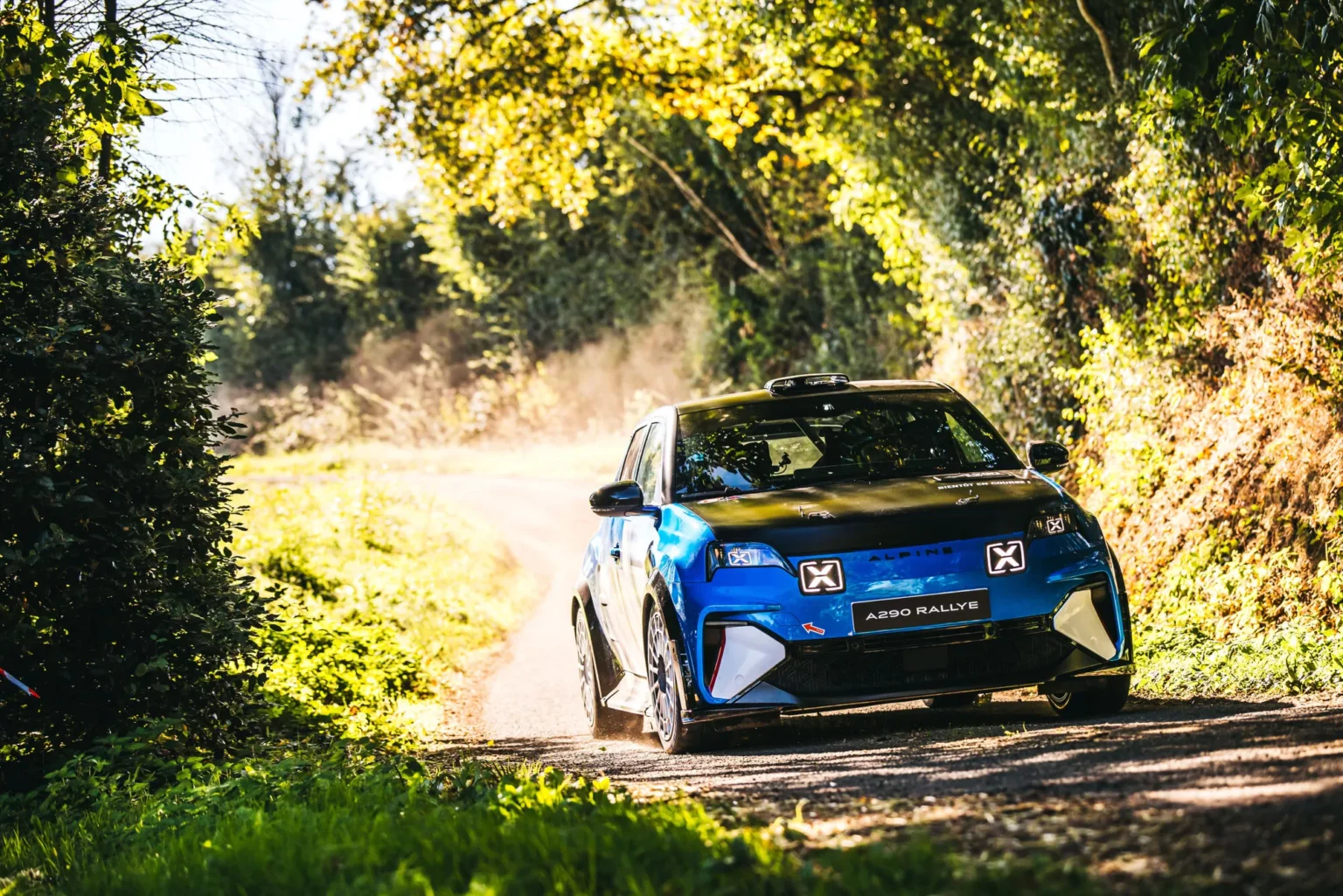
Alpine A290 Rallye: Electric Rally Revolution

Alpine’s Electric Rally Masterpiece

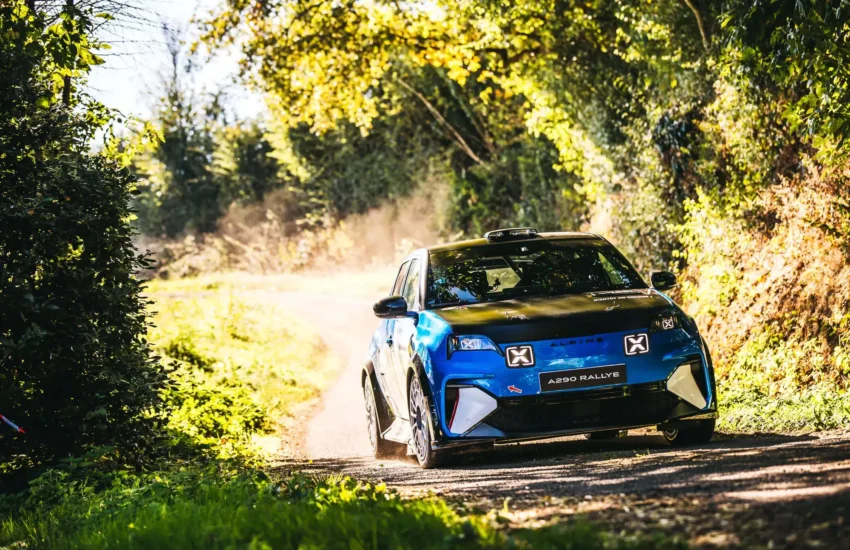
Alpine A290 Rallye electric rally car

Alpine has unveiled its groundbreaking A290 Rallye, marking a significant milestone in motorsport history. This electric rally car represents a bold step forward in automotive technology while honoring the brand’s rich racing heritage. The vehicle combines cutting-edge electric propulsion with traditional rally performance characteristics.

Revolutionary Electric Performance

The A290 Rallye features an advanced electric powertrain designed specifically for rally competition. Unlike conventional rally cars, this electric variant delivers instant torque and precise power distribution across all terrains. The battery system has been engineered for optimal weight distribution and rapid charging capabilities between stages.

Advanced Rally Technology

This electric rally car incorporates sophisticated energy recovery systems that harness braking energy to extend competition range. The chassis has been specially developed to handle the unique demands of electric powertrain while maintaining the agility and responsiveness required for competitive rally driving. Advanced thermal management ensures consistent performance in varying climate conditions.

Design and Aerodynamics

The A290 Rallye maintains Alpine’s distinctive design language while incorporating aerodynamic enhancements specific to electric vehicle efficiency. The bodywork features optimized airflow management to reduce drag and improve battery cooling. The interior has been stripped to competition specifications with integrated safety systems meeting FIA standards.

This electric rally car represents a new chapter in motorsport, demonstrating that high-performance competition and sustainable technology can coexist. The A290 Rallye sets new standards for what electric vehicles can achieve in demanding rally conditions while paving the way for future innovations in electric motorsport.

Electric Vans Face Business Skepticism

The Reluctant Shift to Electric Commercial Vehicles

Despite global pushes for sustainability, electric vans are encountering significant resistance from businesses and professionals. Market data from Europe and North America shows underwhelming sales figures, indicating a cautious approach to adopting electric mobility in commercial fleets. This hesitation stems from multiple practical concerns that outweigh environmental benefits in daily operations.

Key Barriers to Widespread Adoption

Several factors contribute to this slow uptake. The limited driving range of electric vans remains a primary concern for businesses covering extensive territories. Charging infrastructure, while expanding, still lacks the density and speed required for efficient commercial use. Many companies also report higher upfront costs compared to traditional combustion engines, creating financial hesitation despite potential long-term savings.

Manufacturers Adjust Strategies

Automakers are responding to this market reality with strategic shifts. General Motors recently announced production delays for certain electric van models, reflecting the need to align supply with actual demand. Other manufacturers are reevaluating their electrification timelines, balancing regulatory requirements with commercial viability. These adjustments highlight the complex interplay between ambition and practical business needs.

Industry-Specific Challenges

Different sectors face unique obstacles in transitioning to electric vans. Delivery services worry about payload capacity and route efficiency, while tradespeople express concerns about power drainage from tool usage. The construction industry questions whether current electric models can withstand rigorous daily use across varied terrains and weather conditions. These operational realities must be addressed for broader acceptance.

The Path Forward for Electric Commercial Vehicles

Overcoming current skepticism requires technological advancements and tailored solutions. Battery technology improvements extending range, faster charging capabilities, and total cost of ownership transparency could shift perceptions. As infrastructure expands and operational data accumulates, businesses may gradually recognize the economic and environmental advantages of electric commercial fleets.