GM and Allison Transmission End Historic Partnership

An Era Concludes for GM and Allison Transmission

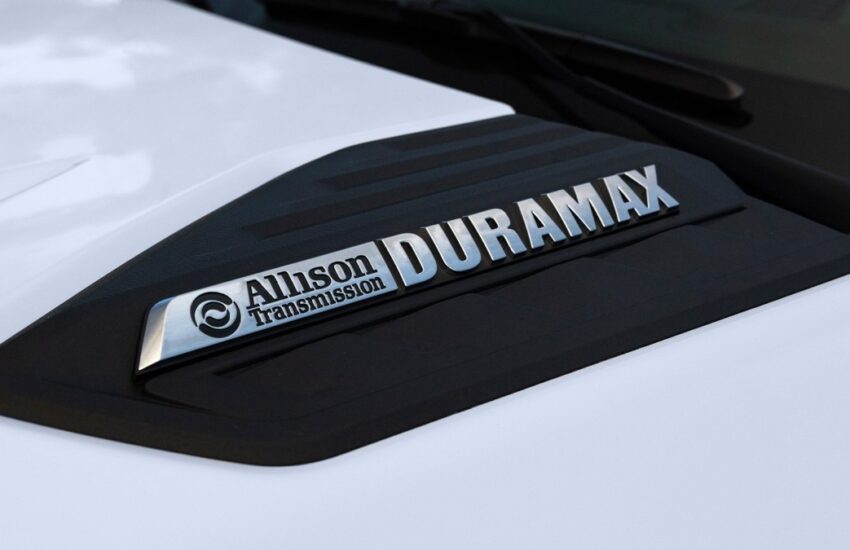
General Motors and Allison Transmission are officially ending their long-standing partnership, a collaboration that has defined heavy-duty truck performance for decades. The iconic Allison badge, a symbol of durability and advanced automatic transmission technology, will be removed from all Chevrolet Silverado HD models after December 31, 2025. This decision marks the conclusion of a licensing agreement that the two industry giants could not renew, signaling a significant shift in the automotive landscape.

Impact on Future Vehicle Lineups

For consumers, the immediate change will be visual—the familiar Allison Transmission branding will no longer appear on future truck models. However, GM has assured that the performance and engineering standards customers expect will be maintained. The company is expected to continue developing and implementing its own in-house transmission solutions for its heavy-duty pickup trucks, building upon the technological foundation established during the partnership.

Legacy of a Powerful Collaboration

The GM-Allison partnership has been instrumental in shaping the commercial and heavy-duty truck market. Allison’s automatic transmissions became synonymous with reliability and power in demanding conditions, contributing significantly to the reputation of vehicles like the Silverado HD. This collaboration not only advanced transmission technology but also set a high benchmark for performance in the segment, influencing competitors and industry standards for years.

Looking Ahead for Both Companies

As the partnership dissolves, both GM and Allison Transmission are poised to pursue independent technological paths. Allison will continue to focus on supplying transmissions for commercial vehicles, defense, and other specialized markets globally. Meanwhile, GM’s strategic move to internalize this critical component highlights its commitment to vertical integration and controlling its supply chain for future electric and internal combustion vehicle programs.

MG Cyberster Performance and Charging Analysis

MG Cyberster: Electric Roadster Performance

MG Cyberster Propulsion testing

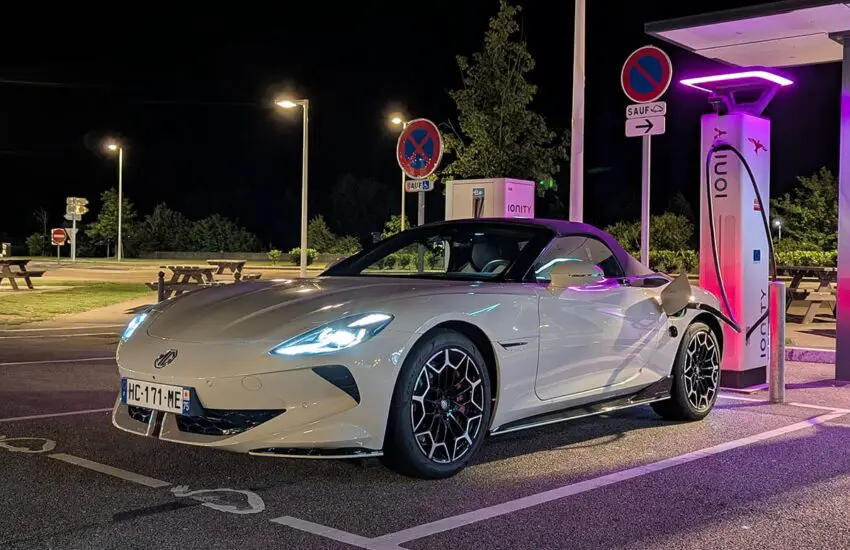
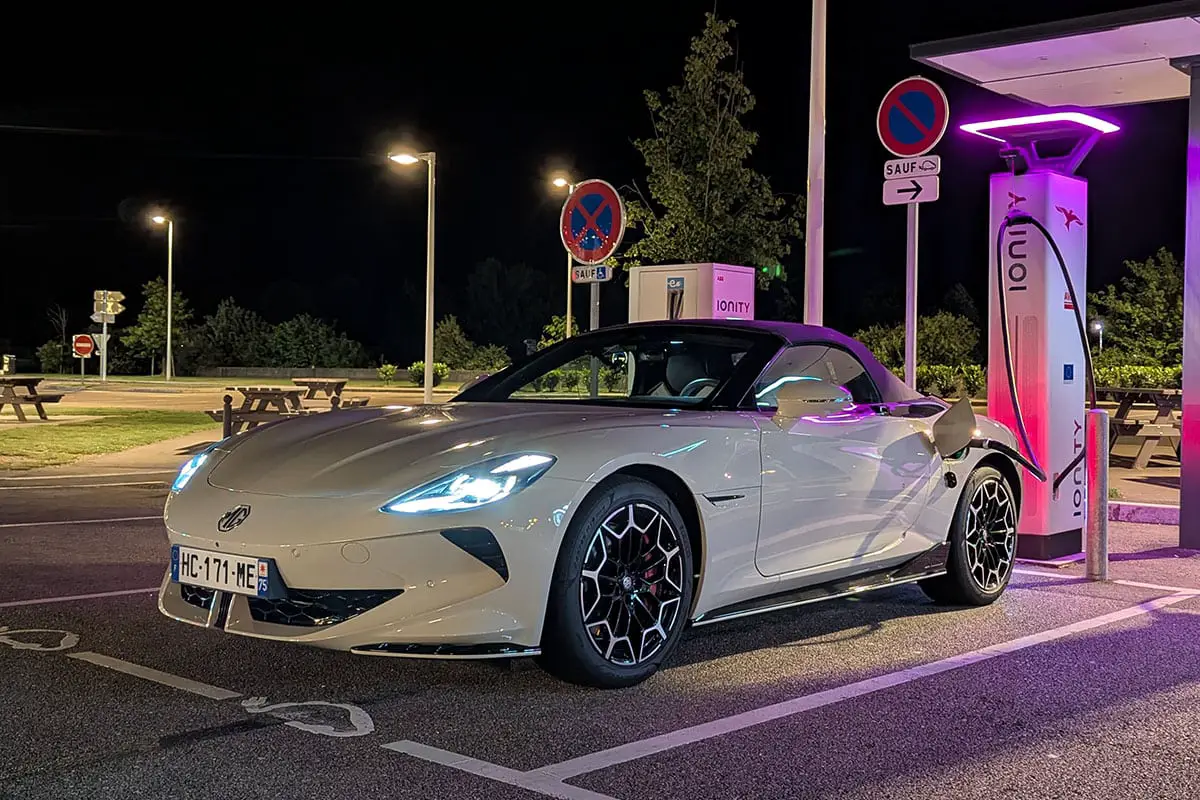
The MG Cyberster represents a significant leap in electric roadster design, combining striking aesthetics with impressive driving dynamics. This two-seater convertible delivers an exhilarating open-air experience while maintaining the practical benefits of electric propulsion.

Acceleration and Driving Dynamics

With instant torque delivery characteristic of electric powertrains, the Cyberster achieves remarkable acceleration figures. The rear-wheel-drive Propulsion model demonstrates balanced handling characteristics, providing confident cornering and stable high-speed performance. The low center of gravity, inherent to its battery placement, enhances road holding capabilities while the precisely tuned suspension ensures comfort during daily driving.

Charging Capabilities and Range

MG has equipped the Cyberster with advanced charging technology that supports both AC and DC charging solutions. The vehicle accepts up to 150kW DC fast charging, enabling battery replenishment from 10% to 80% in approximately 30 minutes under optimal conditions. For overnight charging, the onboard charger accommodates standard home charging stations, making overnight charging convenient for residential use.

Battery Technology and Efficiency

The sophisticated battery management system optimizes energy consumption across various driving scenarios. Regenerative braking captures kinetic energy during deceleration, extending the vehicle’s range while reducing brake wear. The thermal management system maintains optimal battery temperature in diverse climate conditions, ensuring consistent performance and charging speeds.

This electric roadster successfully merges the emotional appeal of open-top motoring with the practical advantages of modern electric vehicle technology, establishing a new benchmark in its category.

Nissan Credits BYD for EU Carbon Milestone

European CO2 Emissions Report Reveals Automotive Shifts

A comprehensive European emissions report has highlighted surprising strategic alignments in the automotive industry. Manufacturers are navigating increasingly stringent environmental regulations set by the European Union, compelling them to forge innovative partnerships to meet collective climate targets.

Strategic Alliances Drive Environmental Progress

Recent data indicates that collaborative efforts between automakers are yielding significant reductions in fleet-wide carbon emissions. Nissan has publicly acknowledged BYD’s role in helping achieve compliance with Europe’s rigorous CO2 standards. This partnership underscores a broader industry trend where technology sharing and supply chain cooperation are becoming essential components of environmental strategy.

Technological Exchange Accelerates Sustainability

The alliance demonstrates how cross-manufacturer technological exchange can rapidly advance sustainability objectives. BYD’s expertise in battery technology and electric powertrains has provided Nissan with crucial components for their electrified vehicle lineup. This symbiotic relationship allows both companies to leverage specialized expertise while accelerating their transition toward zero-emission mobility solutions.

Regulatory Pressure Fosters Unconventional Partnerships

European emissions regulations have created an environment where traditional competitors find mutual benefit in collaboration. Strict penalties for non-compliance with CO2 targets have incentivized automakers to pursue creative solutions beyond internal development. These partnerships not only help meet immediate regulatory requirements but also establish frameworks for long-term technological advancement in sustainable transportation.

Industry-Wide Implications for Electric Transition

This development signals a fundamental shift in how automotive manufacturers approach environmental compliance. Rather than viewing emissions reduction as solely an internal engineering challenge, companies are increasingly recognizing the value of strategic partnerships. This collaborative model may establish a new paradigm for accelerating the industry-wide transition to electric vehicles while managing development costs and technological risks.

Mitsubishi Elevance Concept Previews Brand’s Electric Future

Mitsubishi Elevance Concept: A Glimpse into Sustainable Mobility

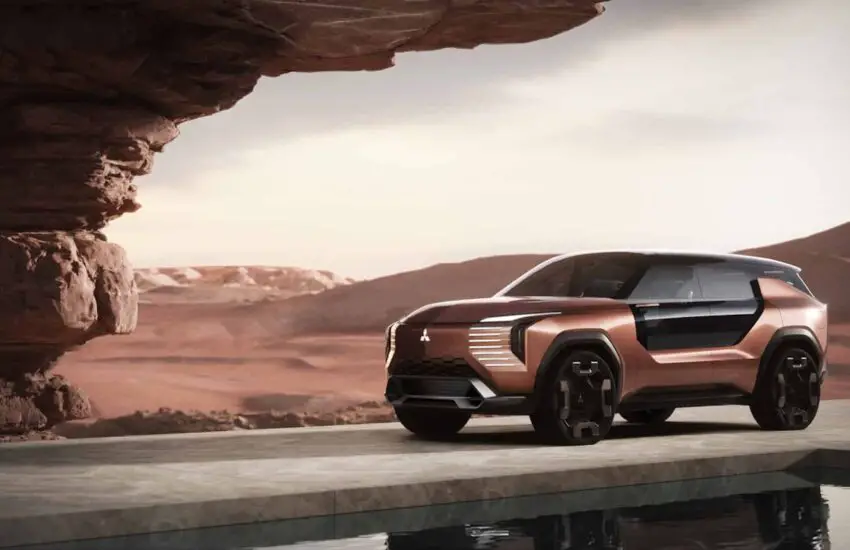
The automotive world witnessed a significant moment at the Japan Mobility Show as Mitsubishi Motors unveiled the Elevance Concept, a plug-in hybrid SUV that charts a new course for the brand’s design and technology. This visionary model represents Mitsubishi’s commitment to innovation and environmental responsibility, blending sophisticated aesthetics with advanced powertrain solutions.

Design and Innovation Highlights

The Elevance Concept showcases a bold, aerodynamic exterior with sleek lines and a dynamic stance, signaling a departure from conventional SUV designs. Its spacious interior is crafted with sustainable materials, emphasizing comfort and a seamless digital experience. The vehicle integrates next-generation connectivity features and driver-assistance systems, positioning it as a smart, future-ready mobility solution.

Advanced Plug-in Hybrid Technology

At the heart of the Elevance Concept is a state-of-the-art plug-in hybrid system that combines electric efficiency with the flexibility of a gasoline engine. This setup aims to reduce emissions while delivering responsive performance, catering to urban commuting and longer journeys alike. Mitsubishi’s focus on enhancing battery capacity and regenerative braking underscores its push toward greater energy sustainability.

Strategic Vision for Mitsubishi’s Lineup

This concept SUV is more than just a prototype; it embodies Mitsubishi’s strategic direction in an evolving automotive landscape. By prioritizing electrification and user-centric design, the brand aims to strengthen its presence in competitive markets. The Elevance Concept hints at future production models that will leverage these innovations to meet consumer demands for eco-friendly and versatile vehicles. As Mitsubishi continues to refine its approach, the Elevance Concept stands as a testament to the brand’s ambition to lead in the era of electrified mobility, offering a compelling preview of what drivers can expect in the years to come.

Audi A8’s Uncertain Future Amid Porsche’s EV Shift

A Strategic Dilemma for Audi’s Flagship

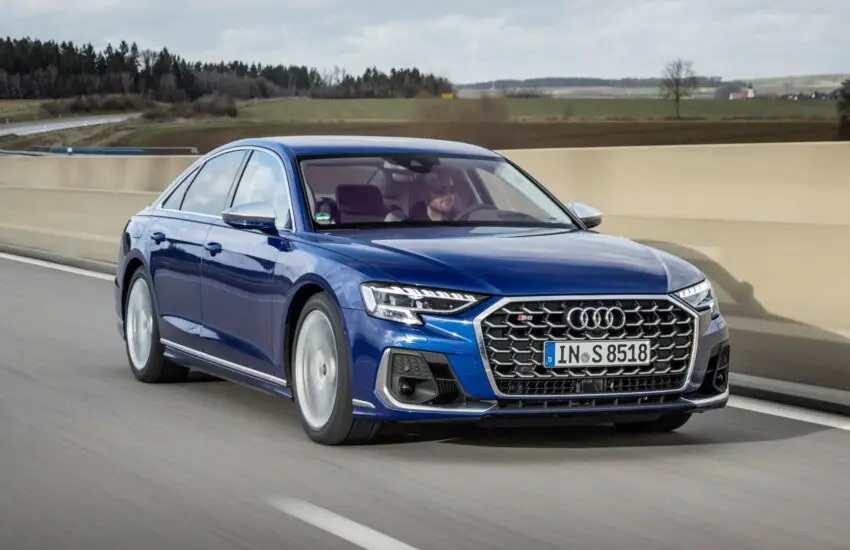
The Audi A8 approaches the end of its lifecycle with its immediate replacement hanging in the balance. At Ingolstadt headquarters, executives face critical decisions about the future direction of this premium model. The central question remains whether to continue production, discontinue it entirely, transition to electric powertrains, or maintain combustion engines. Recent strategic shifts within the Volkswagen Group, particularly Porsche’s electric vehicle recalibration, have significantly complicated this decision-making process.

Porsche’s Influence on Audi’s Roadmap

Porsche’s accelerated electrification strategy has created ripple effects across Volkswagen Group’s luxury divisions. The shared platform strategy that once benefited multiple brands now faces reassessment as Porsche prioritizes its own electric vehicle architectures. This realignment potentially leaves the A8 without its anticipated technical foundation, forcing Audi to reconsider development timelines and resource allocation for their flagship sedan.

Electric Transition Challenges

The automotive industry’s rapid shift toward electrification presents both opportunities and obstacles for the A8’s successor. While consumer demand for premium electric vehicles grows, developing a distinctive electric flagship requires substantial investment and technological innovation. Audi must balance these demands against the competitive landscape where rivals like Mercedes-Benz EQS and BMW i7 have established strong electric footholds in the luxury segment.

Brand Identity Considerations

The A8 has long represented Audi’s technological prowess and design leadership. Discontinuing the model could create a vacuum in Audi’s premium lineup, while transitioning to electric power requires maintaining the luxury and refinement expectations associated with the A8 nameplate. This decision extends beyond mere product planning to fundamental questions about Audi’s positioning within the evolving premium automotive landscape.

Market Positioning Implications

The luxury sedan segment continues to evolve with changing consumer preferences and regulatory pressures. Audi’s hesitation reflects broader industry uncertainty about the pace of electrification and the future of traditional flagship sedans. The final decision on the A8 will signal Audi’s confidence in electric luxury vehicles and its strategic priorities within the Volkswagen Group portfolio.

Mazda Partners with Changan to Boost Electric Vehicle Strategy

Mazda Accelerates Electrification Through Chinese Alliance

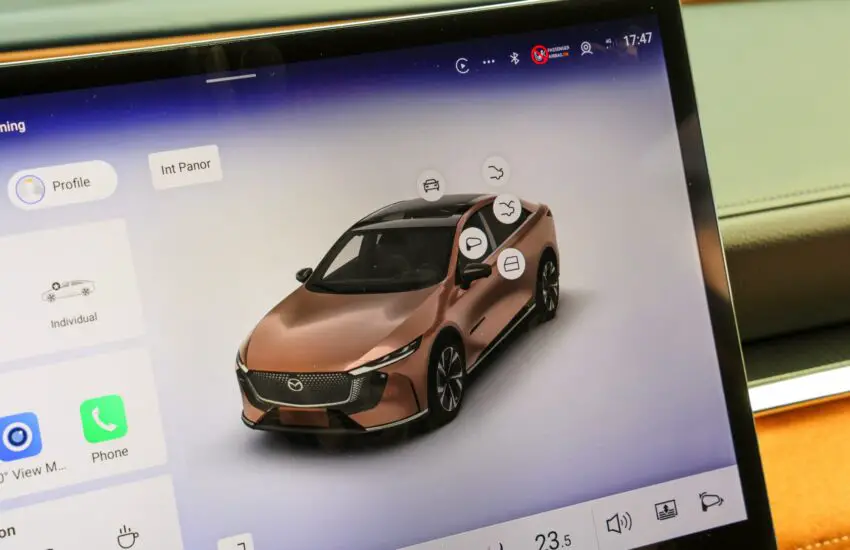
Mazda has announced a strategic partnership with Changan Automobile to strengthen its position in the electric vehicle market. This collaboration marks a significant step for Mazda, which has been slower to electrify compared to competitors. The alliance will focus on joint development of EV platforms and battery technology, enabling Mazda to meet stringent CO2 emission regulations more effectively.

Addressing Regulatory and Market Challenges

The European Union’s upcoming CO2 standards have pressured automakers to accelerate their transition to zero-emission vehicles. Mazda’s current electric offerings, like the MX-30, have seen limited market penetration. By leveraging Changan’s expertise in electric drivetrains and cost-effective manufacturing, Mazda aims to develop more competitive EVs that appeal to global consumers while reducing development costs and time-to-market.

Shared Technology and Future Models

This partnership will combine Mazda’s signature design philosophy and driving dynamics with Changan’s advanced electric powertrain systems. The collaboration is expected to yield multiple new electric models across different segments, including SUVs and sedans, with the first jointly developed vehicles anticipated to launch within the next three years. These models will target key markets in Europe, North America, and Asia, supporting Mazda’s goal of electrifying its entire lineup by 2030.

Environmental Impact and Industry Position

By accelerating its EV rollout, Mazda aims to significantly reduce its carbon footprint and comply with international environmental agreements. The alliance underscores a growing trend of cross-border collaborations in the auto industry, where traditional manufacturers partner with tech-forward companies to bridge innovation gaps. For Mazda, this move is crucial to remaining relevant in an increasingly electric-dominated automotive landscape.

Stellantis Forges Robotaxi Alliance with Tech Giants

Strategic Partnership to Accelerate Autonomous Mobility

Stellantis robotaxi

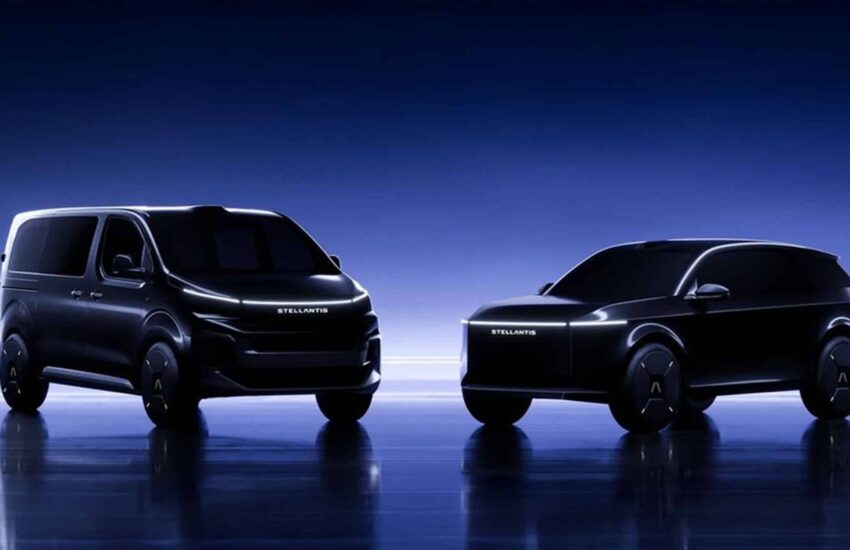
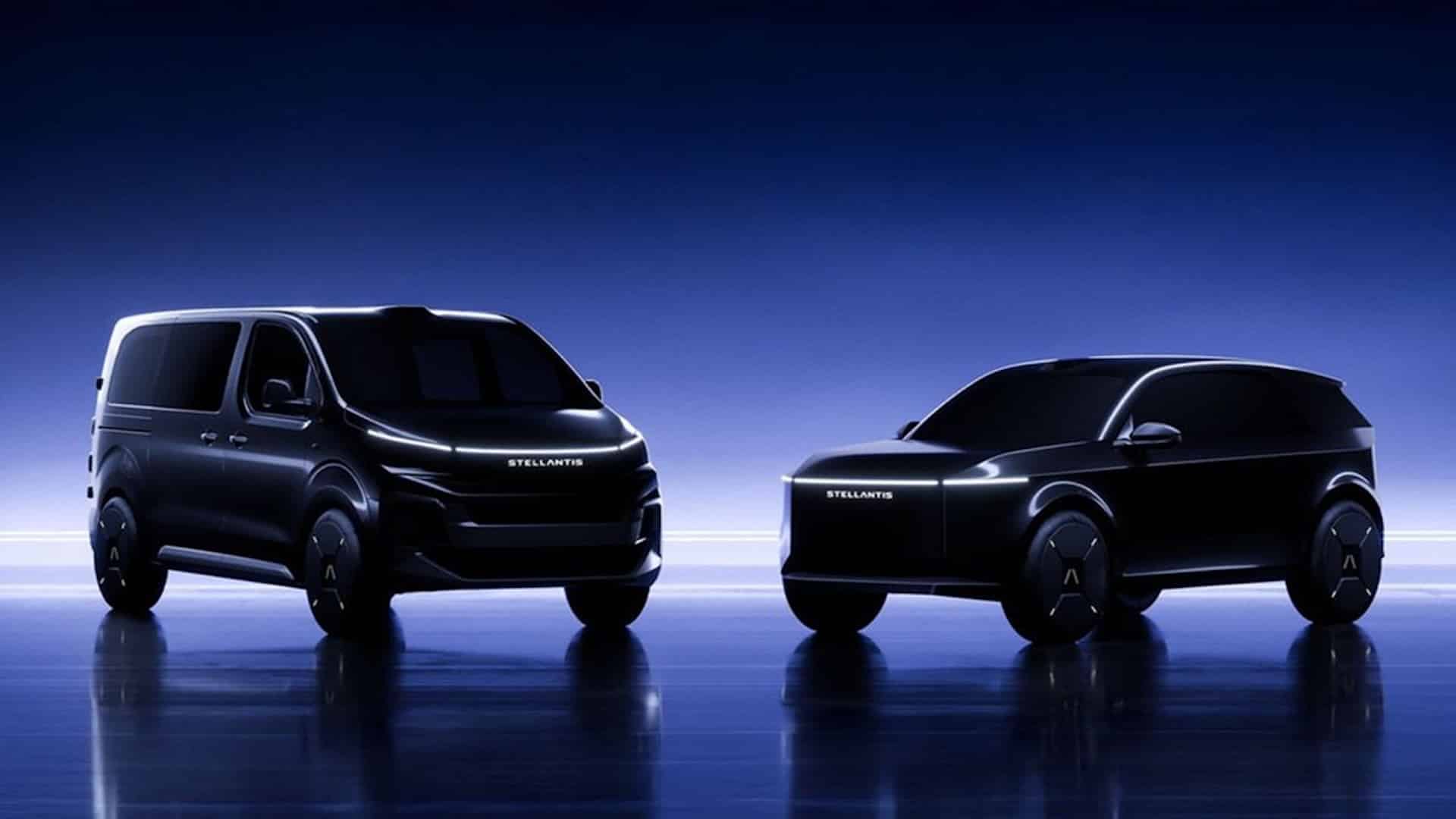
Stellantis is making significant strides in the autonomous vehicle sector by forming a powerful consortium with industry leaders Nvidia, Foxconn, and Uber. This collaboration aims to fast-track the development and deployment of robotaxis, positioning the automaker at the forefront of next-generation mobility solutions.

Leveraging Expertise Across the Board

Each partner brings distinct strengths to the table. Nvidia contributes its advanced AI and computing platforms, essential for processing the vast amounts of data required for safe autonomous driving. Foxconn, a manufacturing powerhouse, will support the scalable production of these specialized vehicles. Uber integrates its extensive ride-hailing network and user experience, ensuring the service meets real-world demands and achieves widespread adoption.

Overcoming Industry Hurdles

The robotaxi market has faced challenges related to technology reliability, regulatory approval, and public acceptance. By uniting forces, the alliance addresses these issues holistically. Stellantis’s automotive engineering, combined with Nvidia’s AI, Foxconn’s manufacturing efficiency, and Uber’s operational platform, creates a robust ecosystem designed to navigate these complexities and deliver a viable commercial service.

Shaping the Future of Transportation

This initiative signals a major shift in the automotive industry’s approach to autonomy. Rather than competing independently, companies are increasingly collaborating to pool resources and expertise. The partnership not only accelerates Stellantis’s timeline for launching autonomous vehicles but also sets a new benchmark for how technology and automotive firms can work together to redefine urban mobility, promising safer, more efficient, and accessible transportation options.

Electric Vehicle Revolution: Japan, BYD, and Charging Networks

Japan’s Electric Awakening

Japan’s automotive sector is undergoing a remarkable transformation as it shifts focus from hybrid dominance to full electrification. Major manufacturers are unveiling ambitious EV lineups and investing heavily in battery technology development. This strategic pivot responds to tightening global emissions standards and evolving consumer preferences favoring zero-emission vehicles.

BYD’s Global Expansion Strategy

Chinese automaker BYD continues its aggressive international expansion, challenging established players with competitive pricing and advanced battery technology. Their latest models feature improved energy density and faster charging capabilities, making electric vehicles more accessible to mass markets worldwide. The company’s vertical integration strategy gives it significant cost advantages in the increasingly competitive EV landscape.

Renault 5 Revival

The iconic Renault 5 makes its return as a fully electric model, blending nostalgic design elements with cutting-edge technology. This compact EV targets urban drivers with its practical dimensions and modern features. The vehicle’s competitive pricing positions it as a strong contender in the growing affordable electric vehicle segment, potentially accelerating EV adoption across European markets.

Charging Infrastructure Development

Global charging networks are expanding rapidly to support the growing EV fleet. Recent developments include higher-power charging stations capable of delivering significant range in minimal time. Both public and private sectors are collaborating to address range anxiety concerns through strategic placement of charging points along major transportation routes and within urban centers.

Future Mobility Trends

The convergence of electrification with autonomous driving technology represents the next frontier in automotive innovation. Manufacturers are developing integrated systems that optimize energy consumption while enhancing safety features. These advancements promise to redefine personal transportation while supporting broader environmental sustainability goals.

Battery Technology Advances

Solid-state battery technology emerges as the potential game-changer for electric vehicles, offering higher energy density and improved safety characteristics. Several manufacturers have announced breakthroughs in production processes that could make this technology commercially viable within the coming years, potentially addressing current limitations around range and charging times.

2025 Cadillac Escalade V: Power Meets Luxury

Unleashing the Beast

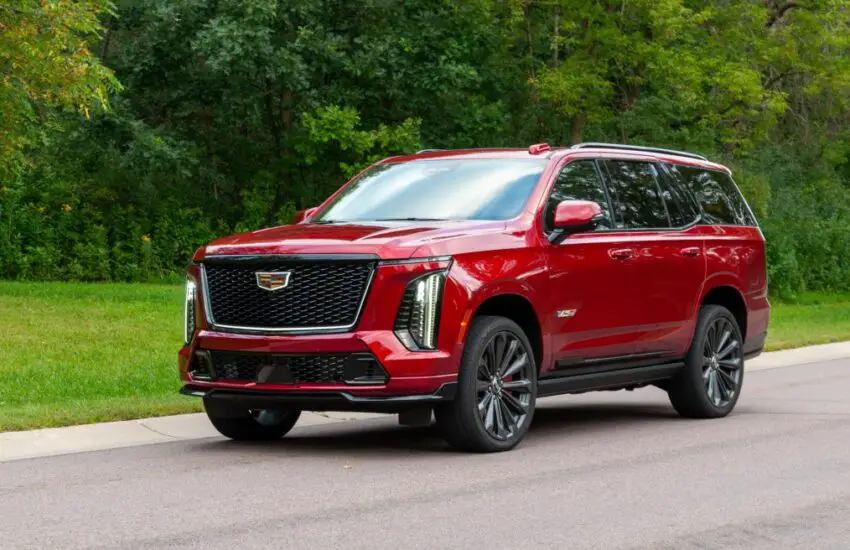
The 2025 Cadillac Escalade V doesn’t just arrive; it announces its presence with an unmistakable roar. Imagine a quiet suburban morning shattered by the deep, guttural growl of its exhaust, a sound that precedes its visual appearance around the bend. This super SUV is engineered to command attention, effortlessly disrupting the silence while cloaked in an impeccably tailored, elegant exterior. It’s a statement of power and prestige that begins before you even lay eyes on it.

Performance That Commands Respect

At the heart of this automotive titan lies a supercharged V8 engine, a powerhouse designed to deliver breathtaking acceleration and relentless power. The 2025 model continues this legacy, offering a driving experience that is both raw and refined. The electronic exhaust system allows the driver to modulate its voice, from a subtle murmur to a full-throated bellow, ensuring the Escalade V’s performance is as versatile as it is potent. Whether navigating city streets or open highways, its dynamic handling and formidable powertrain provide a sense of control and exhilaration that is second to none.

Redesigned Elegance and Advanced Technology

Cadillac has meticulously refined the Escalade V’s aesthetics for 2025, with a significant front-end redesign that enhances its bold and commanding stance. The new grille and lighting elements create a more aggressive and modern face, perfectly complementing its powerful character. Inside, the cabin is a sanctuary of luxury, featuring the latest in automotive technology. A massive OLED curved display seamlessly integrates the digital instrument cluster and infotainment system, providing intuitive control over navigation, entertainment, and vehicle settings. Premium materials, exquisite craftsmanship, and cutting-edge driver-assistance systems ensure every journey is comfortable, connected, and secure.

The Ultimate Statement on Wheels

The 2025 Cadillac Escalade V transcends the conventional SUV category. It is a meticulously crafted machine where uncompromising power coexists with sophisticated luxury. It appeals to those who refuse to choose between exhilarating performance and opulent comfort, offering both in a single, formidable package. This vehicle isn’t just about transportation; it’s about making an unforgettable impression every time you turn the key.

Nissan P1446 Code: Diagnosing and Fixing EVAP Vent Control Valve Issues

Understanding the Nissan P1446 Diagnostic Trouble Code

When your Nissan’s check engine light illuminates and you retrieve the OBD2 code P1446, you’re dealing with a specific issue within the Evaporative Emission Control (EVAP) system. This technical guide provides a comprehensive analysis of code P1446, explaining its meaning, underlying causes, diagnostic procedures, and repair solutions. The P1446 code specifically indicates a malfunction in the Canister Vent Control Valve Circuit, a critical component that manages fuel vapor containment and prevents hydrocarbon emissions from escaping into the atmosphere.

What Does the P1446 Code Mean in Nissan Vehicles?

The P1446 diagnostic trouble code is manufacturer-specific to Nissan and Infiniti vehicles. It signifies a detected fault in the electrical circuit controlling the canister vent control valve. This valve, typically located near the fuel tank, regulates the flow of air and fuel vapors between the charcoal canister and the atmosphere. When the Powertrain Control Module (PCM) detects an abnormal voltage, resistance, or operational pattern in this circuit, it stores the P1446 code and illuminates the check engine light.

How the EVAP System and Vent Control Valve Function

The EVAP system is designed to prevent fuel vapors from escaping into the environment. Here’s how the system components work together:

  • Fuel vapors from the tank are stored in the charcoal canister
  • The vent control valve opens to allow fresh air into the system during purging
  • The purge control valve opens to allow vapors to be drawn into the engine for combustion
  • The PCM monitors pressure and flow through various sensors and switches
  • The system undergoes periodic self-tests to ensure integrity

The vent control valve specifically serves as the atmospheric vent for the entire EVAP system, opening during certain conditions to allow air exchange.

Common Symptoms and Causes of P1446 in Nissan Models

Recognizing the symptoms associated with P1446 can help you identify the issue quickly and prevent potential drivability problems. While some vehicles may show no noticeable symptoms beyond the illuminated check engine light, others may exhibit more pronounced issues that affect performance and emissions compliance.

Primary Symptoms of P1446 Nissan Code

Drivers experiencing a P1446 code may notice one or more of the following symptoms:

  • Illuminated check engine light (MIL) on the dashboard
  • Possible failed emissions test in regions requiring testing
  • Fuel odor around the vehicle, particularly near the fuel tank area
  • Difficulty refueling (clicking off of fuel nozzle prematurely)
  • Decreased fuel economy in some cases
  • Rough idle or occasional hesitation during acceleration

Root Causes of P1446 Diagnostic Trouble Code

The P1446 code can result from various electrical and mechanical issues within the vent control circuit:

  • Failed or stuck canister vent control valve (most common cause)
  • Damaged wiring or connectors in the vent control valve circuit
  • Blown fuse affecting the EVAP system components
  • Corroded electrical connections at the valve or PCM
  • Blocked or pinched vent lines preventing proper airflow
  • Faulty Powertrain Control Module (PCM), though rare
  • Physical damage to the vent valve from road debris or impact

Step-by-Step Diagnostic Procedure for P1446

Proper diagnosis of P1446 requires a systematic approach to identify the root cause accurately. Following this technical procedure will help you pinpoint the specific issue without unnecessary parts replacement. Always begin with visual inspection before proceeding to electrical tests.

Initial Visual Inspection and Preliminary Checks

Start your diagnosis with these essential visual checks:

  • Inspect the vent control valve and surrounding lines for physical damage
  • Check all electrical connectors for corrosion, bent pins, or improper seating
  • Examine EVAP system lines for cracks, disconnections, or blockages
  • Verify the integrity of the fuel cap (though not directly related to P1446)
  • Look for rodent damage to wiring in the undercarriage area
  • Check relevant fuses in the engine compartment and interior fuse boxes

Electrical Circuit Testing and Component Verification

After completing visual inspection, proceed with electrical diagnostics:

  • Using a multimeter, check for power and ground at the vent control valve connector
  • Measure valve resistance and compare to manufacturer specifications (typically 20-40 ohms)
  • Test circuit continuity between the valve connector and PCM terminals
  • Check for short to power or ground in the control circuit wires
  • Activate the valve using a bidirectional scanner to verify mechanical operation
  • Monitor valve operation while gently tapping it to check for intermittent issues

Repair Procedures and Prevention Strategies

Once you’ve identified the specific cause of the P1446 code, implementing the correct repair is essential for restoring proper EVAP system function. This section covers common repair procedures and strategies to prevent recurrence of the issue.

Vent Control Valve Replacement Procedure

Replacing a faulty vent control valve typically follows this process:

  • Disconnect the negative battery terminal for safety
  • Locate the vent control valve (usually near the fuel tank or charcoal canister)
  • Disconnect electrical connector and vacuum lines from the valve
  • Remove mounting bolts or bracket securing the valve
  • Install new valve and reconnect all lines and electrical connections
  • Clear diagnostic trouble codes and perform an EVAP system test
  • Verify repair by monitoring for code recurrence during driving cycles

Wiring Repair and Electrical Connection Restoration

For wiring issues, follow these repair steps:

  • Identify damaged section of wiring using circuit diagrams
  • Repair or replace damaged wires using proper splicing techniques
  • Apply dielectric grease to connectors to prevent future corrosion
  • Secure wiring away from heat sources and moving components
  • Use wire loom and ties to protect repaired sections
  • Test circuit integrity after repairs are complete

Preventive Maintenance and System Longevity

To prevent future P1446 codes and EVAP system issues:

  • Regularly inspect undercarriage components for damage or corrosion
  • Address any check engine lights promptly to prevent secondary issues
  • Keep electrical connections clean and protected from moisture
  • Avoid driving through deep water that could submerge EVAP components
  • Have EVAP system checked during routine maintenance
  • Use quality replacement parts when repairs are necessary

Successfully diagnosing and repairing a P1446 code requires understanding the EVAP system’s function and methodically testing its components. While this code doesn’t typically cause immediate drivability concerns, addressing it promptly ensures your Nissan remains emissions-compliant and prevents potential fuel system issues. Always consult specific service information for your Nissan model year, as component locations and testing procedures may vary between different vehicle platforms and production years.