P1057 AUDI – Bank 1 Camshaft Adjustment Short to Open Circuit

P1057 AUDI Possible Causes

  • Faulty camshaft actuator
  • Camshaft actuator wiring harness is open or short-circuited
  • Poor electrical connection in the camshaft actuator circuit

How is P1057 AUDI Code Repaired?

Start by checking the “possible causes” listed above. Visually inspect the wiring harness and associated connectors. Check for damaged components and look for broken, bent, pushed out, or corroded connector pins.

Possible Symptoms

Check engine light on (or service engine soon warning light)

P1057 AUDI Meaning

Camshaft adjustment row 1 open circuit short circuit is the generic description for Audi P1057 code, but the manufacturer may have a different description for your specific model and vehicle year. Currently, we don’t have more information about Audi P1057 OB10I code.

P1057 BMW – Valvetronic Relay Activation

P1057 BMW Possible Causes

  • Faulty Valvetronic relay
  • Valvetronic relay wiring harness is open or short-circuited
  • Poor electrical connection in the Valvetronic relay circuit

How is BMW P1057 Code Repaired?

Start by checking the “possible causes” listed above. Visually inspect the wiring harness and associated connectors. Check for damaged components and look for broken, bent, pushed out, or corroded connector pins.

Possible Symptoms

Check engine light on (or service engine soon warning light)

P1057 BMW Meaning

Valvetronic relay activation is the generic description for the P1057 BMW code, but the manufacturer may have a different description for your vehicle model and year. Currently, we don’t have more information about the OBDII P1057 BMW code.

Amazon Orders 160 Mercedes eActros 600 Electric Trucks

Amazon’s Major Shift to Electric Freight

Amazon has placed a landmark order for 160 Mercedes-Benz eActros 600 electric trucks, marking a significant step in electrifying its European delivery fleet. This commitment represents the largest single order for electric trucks in the UK to date, underscoring the company’s aggressive pursuit of its climate goals.

Advancing Sustainable Logistics

The integration of these zero-emission vehicles is set to substantially reduce Amazon’s carbon footprint across its European operations. Each eActros 600 boasts an impressive range of up to 500 kilometers on a single charge, making it well-suited for regional freight routes. This move aligns with Amazon’s broader commitment to achieve net-zero carbon emissions by 2040, demonstrating how major corporations can lead the transition to greener supply chains.

Technological Edge in Electric Transport

Mercedes-Benz’s eActros 600 is engineered for high performance and efficiency, featuring advanced battery technology that supports rapid charging capabilities. This allows for quick turnaround times, essential for maintaining the fast-paced logistics that Amazon’s customers rely on. The trucks are designed to handle heavy loads typical in e-commerce logistics, ensuring that sustainability does not come at the expense of operational reliability.

Impact on the Electric Vehicle Market

This large-scale procurement is expected to accelerate the adoption of electric heavy-duty trucks across the logistics industry. By choosing a proven model like the eActros 600, Amazon not only enhances its own fleet but also sets a benchmark for competitors. The deployment of these vehicles will contribute to cleaner urban air quality and reduce noise pollution, benefiting communities throughout Europe. As Amazon rolls out these electric trucks in the coming months, the focus will be on seamless integration into existing logistics networks. This initiative highlights the growing viability of electric freight solutions and reinforces the importance of corporate leadership in driving environmental progress.

P1057 VOLKSWAGEN – Camshaft Adjustment Circuit Row 1 Short to Open

P1057 VOLKSWAGEN Possible Causes

  • Faulty camshaft actuator
  • Camshaft actuator wiring harness is open or short-circuited
    Poor electrical connection in the camshaft actuator circuit

How is P1057 VOLKSWAGEN Code Repaired?

Start by checking the “possible causes” listed above. Visually inspect the wiring harness and associated connectors. Check for damaged components and look for broken, bent, pushed out, or corroded connector pins.

Possible Symptoms

Check engine light on (or service engine soon warning light)

P1057 VOLKSWAGEN Meaning

Bank 1 Camshaft Adjustment Short Circuit is the generic description for Volkswagen code P1057, but the manufacturer may have a different description for your specific vehicle model and year. Currently, we don’t have more information about Volkswagen OBDII code P1057.

P1059 – MAP Sensor Out of Range

How is the P1059 code repair done?

Start by checking the “possible causes” listed above. Visually inspect the wiring harness and associated connectors. Check for damaged components and look for broken, bent, pushed out, or corroded connector pins.

Possible Symptoms

Check engine light on (or service engine soon warning light)

P1059 Meaning

MAP Sensor Out Of Limits is the generic description for code P1059, but the manufacturer may have a different description for your vehicle model and year. Currently, we do not have more information about the OBDII P1059 code.

P105B – Internal VVT Control Module Error Voltage Too Low

P105B Possible Causes

  • Variable valve timing (VVT) control module synchronization
  • VVT control module circuit open or shorted
    Poor electrical connection in VVT control module circuit

How is P105B Code Repaired?

Start by checking the “Possible Causes” listed above. Visually inspect the related wiring harness and connectors. Check for damaged components and look for broken, bent, pushed out, or corroded connector pins.

Possible Symptoms

Check engine light illuminated (or service engine soon warning light)

P105B Meaning

VVT Control Module Internal Error Voltage Too Low is the generic description for P105b code, but the manufacturer may have a different description for your specific vehicle model and year. Currently, we don’t have more information about the OBDII P105b code.

P105D TOYOTA – Heater Circuit Performance Bank 2 Sensor 2

P105D Possible Causes

  • Faulty O2 sensor heater, Bank 2 Sensor 2
  • O2 Sensor Heater Bank 2 Sensor 2 circuit open or shorted
  • Poor electrical connection in Bank 2 Sensor 2 O2 sensor heater circuit
  • Faulty Engine Control Module (ECM)

How is P105D Code Repaired?

Start by checking the “Possible Causes” listed above. Visually inspect the wiring harness and associated connectors. Check for damaged components and look for broken, bent, pushed out, or corroded connector pins.

Possible Symptoms

Illuminated check engine light (or service engine soon warning light)

P105D Meaning

To achieve a high purification rate of carbon monoxide (CO), hydrocarbon (HC), and nitrogen oxide (NOx) components in the exhaust gases, a TWC (three-way catalytic converter) is used. For more efficient use of the TWC, the air-fuel ratio must be precisely controlled so that it is always close to the stoichiometric air-fuel level. To help the ECM provide precise air-fuel ratio control, a heated oxygen sensor is used.
The heated oxygen sensor is located behind the TWC and detects the oxygen concentration in the exhaust gases. Since the sensor is integrated with a heater that heats the sensing portion, it is possible to detect the oxygen concentration even when the intake air volume is low (exhaust gas temperature is low).

When the air-fuel ratio becomes lean, the oxygen concentration in the exhaust gases is high. The heated oxygen sensor informs the ECM that the post-TWC air-fuel ratio is lean (low voltage, i.e., less than 0.45 V).
Conversely, when the air-fuel ratio is richer than the stoichiometric air-fuel level, the oxygen concentration in the exhaust gases is low. The heated oxygen sensor informs the ECM that the post-TWC air-fuel ratio is rich (high voltage, i.e., greater than 0.45 V). The heated oxygen sensor has the property of drastically changing its output voltage when the air-fuel ratio is near the stoichiometric level.
The ECM uses the additional information from the heated oxygen sensor to determine whether the air-fuel ratio after the TWC is rich or lean, and adjusts the fuel injection duration accordingly. Thus, if the heated oxygen sensor does not function properly due to internal malfunctions, the ECM is unable to compensate for deviations in the primary air-fuel ratio control.


P105D – O2 Sensor Heater Circuit Performance, Bank 2 Sensor 2 Stuck ON

P105D Possible Causes

  • Faulty O2 sensor heater, Bank 2 Sensor 2
  • O2 Sensor Heater Bank 2 Sensor 2 circuit open or shorted
  • Poor electrical connection in the O2 sensor heater circuit Bank 2 Sensor 2 circuit
  • Faulty Engine Control Module (ECM)

How is P105D Code Repaired?

Start by checking the “Possible Causes” listed above. Visually inspect the related wiring harness and connectors. Check for damaged components and look for broken, bent, pushed out, or corroded connector pins.

Possible Symptoms

Illuminated engine light (or service engine soon warning light)

P105D Meaning

To achieve a high purification rate of carbon monoxide (CO), hydrocarbon (HC), and nitrogen oxide (NOx) components in the exhaust gases, a TWC (Three-Way Catalytic Converter) is used. For more efficient use of the TWC, the air-fuel ratio must be precisely controlled so that it is always near the stoichiometric air-fuel level. To help the ECM provide precise air/fuel ratio control, a heated oxygen sensor is used.
The heated oxygen sensor is located behind the TWC and detects the oxygen concentration in the exhaust gases. Since the sensor is integrated with a heater that heats the sensing portion, it is possible to detect the oxygen concentration even when the intake air volume is low (exhaust gas temperature is low).

When the air/fuel ratio becomes lean, the oxygen concentration in the exhaust gases is high. The heated oxygen sensor informs the ECM that the post-TWC air-fuel ratio is lean (low voltage, i.e., less than 0.45 V).
Conversely, when the air-fuel ratio is richer than the stoichiometric air-fuel level, the oxygen concentration in the exhaust gases is low. The heated oxygen sensor informs the ECM that the post-TWC air-fuel ratio is rich (high voltage, i.e., greater than 0.45 V). The heated oxygen sensor has the property of drastically changing its output voltage when the air-fuel ratio is near the stoichiometric level.
The ECM uses the additional information from the heated oxygen sensor to determine whether the air/fuel ratio after the TWC is rich or lean, and adjusts the fuel injection duration accordingly. Thus, if the heated oxygen sensor does not function correctly due to internal malfunctions, the ECM is unable to compensate for deviations in the primary air-fuel ratio control.
P1062 – Valvetronic Power Limitation

P1062 Possible Causes

  • Faulty Valvetronic sensor
  • Valvetronic sensor wiring harness open or short circuit
  • Poor electrical connection in Valvetronic sensor circuit

How is code P1062 repaired?

Start by checking the “Possible Causes” listed above. Visually inspect the wiring harness and associated connectors. Check for damaged components and look for broken, bent, pushed out, or corroded connector pins.

Possible Symptoms

Check engine light illuminated (or service engine soon warning light)

P1062 Meaning

Valvetronic Power Limitation is the generic description for code P1062, but the manufacturer may have a different description for your specific vehicle model and year. Currently, we don’t have more information about OBDII code P1062.

Electric Cars: Reviving Driving Passion Daily

How Electric Vehicles Are Fueling Automotive Enthusiasm

Modern electric city car parked in urban setting

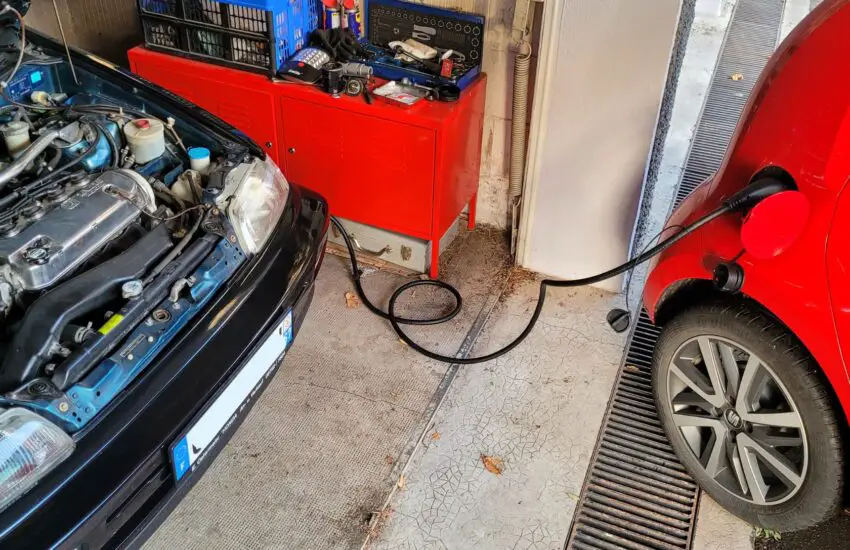
Conventional wisdom suggests electric vehicles diminish automotive passion, but my daily experience proves the opposite. Through regular use of my compact EV, I’ve rediscovered the fundamental joy of driving and reconnected with what makes automobiles special.

The Silent Revolution in Driving Dynamics

Electric propulsion transforms the driving experience in unexpected ways. The immediate torque delivery creates a responsive connection between driver and machine that combustion engines struggle to match. This seamless power delivery makes urban commuting surprisingly engaging while providing a refined highway presence that highlights the engineering sophistication of modern EVs.

Rediscovering Driving Pleasure

Without the noise and vibration of internal combustion, drivers become more attuned to the vehicle’s dynamics and their surroundings. The quiet cabin allows for greater appreciation of road feedback and chassis behavior. This heightened awareness transforms ordinary trips into opportunities to hone driving skills and develop deeper mechanical sympathy with your vehicle.

Sustainable Performance Meets Practicality

Electric vehicles deliver thrilling acceleration while maintaining everyday usability. The low center of gravity from battery placement enhances cornering stability, making even grocery runs feel sporty. Regenerative braking adds an interactive element to driving while extending range, creating a more involved and efficient driving experience.

Reconnecting With Automotive Culture

Far from diminishing automotive passion, electric vehicles have sparked new conversations about vehicle design, technology, and performance. The simplicity of electric drivetrains allows owners to focus on driving enjoyment rather than mechanical maintenance, while the evolving technology keeps the enthusiast community engaged with continuous innovation.