OBD2 Code P1448 Audi: Complete Diagnostic and Repair Guide

Understanding OBD2 Code P1448 in Audi Vehicles

When your Audi’s check engine light illuminates and you retrieve trouble code P1448, you’re dealing with a specific emission control system malfunction. This Diagnostic Trouble Code (DTC) indicates a problem within the secondary air injection system, specifically related to the pump shut-off valve. The P1448 code is manufacturer-specific to Volkswagen Auto Group (VAG) vehicles, including Audi, Volkswagen, and Porsche models.

What Does P1448 Mean for Your Audi?

The P1448 code specifically points to a malfunction in the secondary air injection system’s shut-off valve circuit. This system is designed to reduce harmful emissions during cold starts by injecting fresh air into the exhaust stream, helping the catalytic converter reach optimal operating temperature faster. When this system fails, it can affect your vehicle’s emission performance and potentially lead to more serious issues if left unaddressed.

Secondary Air Injection System Overview

Audi’s secondary air injection system consists of several key components working together to reduce cold-start emissions:

  • Secondary air pump – electric motor that forces air into exhaust
  • Shut-off valve – controls airflow from pump to exhaust
  • Vacuum solenoid valve – operates the shut-off valve
  • Check valves – prevent exhaust backflow
  • ECM (Engine Control Module) – monitors and controls system operation

Common Symptoms of P1448 Code in Audi Models

Recognizing the symptoms associated with P1448 can help you identify the issue early and prevent further damage to your Audi’s emission system. The symptoms may vary in severity depending on the specific cause of the malfunction.

Primary Warning Signs

The most immediate and obvious symptom is the illumination of the check engine light on your dashboard. However, several other symptoms may accompany this warning:

  • Check engine light illuminated (steady or flashing)
  • Possible failed emissions test
  • Reduced engine performance during cold starts
  • Unusual noises from the secondary air pump
  • Increased exhaust emissions
  • Rough idle during initial startup

Performance Impact and Long-term Effects

While some drivers may not notice immediate performance issues, prolonged operation with P1448 can lead to:

  • Increased wear on catalytic converter
  • Higher emission levels
  • Potential damage to oxygen sensors
  • Reduced fuel efficiency over time
  • Storage of additional trouble codes related to emission control

Diagnosing P1448 Code in Audi Vehicles

Proper diagnosis requires a systematic approach to identify the root cause. As a professional automotive technician, I recommend following these diagnostic steps to accurately pinpoint the issue.

Initial Diagnostic Procedures

Begin with basic visual inspection and preliminary checks:

  • Perform complete visual inspection of secondary air system components
  • Check all vacuum lines for cracks, leaks, or disconnections
  • Inspect electrical connectors for corrosion or damage
  • Verify integrity of air hoses and check valves
  • Listen for abnormal pump operation during cold start

Advanced Electrical Testing

Use a digital multimeter and scan tool for comprehensive electrical diagnosis:

  • Test secondary air pump operation and current draw
  • Check voltage supply to pump and control valves
  • Verify ECM signals to vacuum solenoid valve
  • Test shut-off valve functionality and resistance
  • Monitor live data for secondary air system parameters

Common Causes and Repair Solutions for P1448

Based on extensive experience with Audi vehicles, I’ve identified the most frequent causes of P1448 and effective repair strategies for each scenario.

Most Frequent Mechanical Failures

Mechanical issues account for approximately 70% of P1448 occurrences in Audi models:

  • Failed secondary air pump – most common cause
  • Clogged or stuck shut-off valve
  • Leaking or damaged vacuum lines
  • Faulty check valves allowing exhaust backflow
  • Blocked air injection passages in exhaust manifold
  • Corroded electrical connectors or wiring

Electrical and Control System Issues

Electrical problems can also trigger P1448 and require careful diagnosis:

  • Defective vacuum solenoid valve
  • Wiring harness damage or short circuits
  • Blown fuses or faulty relays
  • ECM programming issues or software glitches
  • Poor ground connections
  • Failed sensors within the secondary air system

Step-by-Step Repair Procedures

Successfully resolving P1448 requires methodical repair approaches. Here are proven procedures based on common failure scenarios.

Secondary Air Pump Replacement

When the air pump fails, replacement is typically necessary:

  • Disconnect battery negative terminal for safety
  • Remove necessary components for pump access
  • Disconnect electrical connector and air hoses
  • Remove mounting bolts and old pump
  • Install new pump with fresh gaskets
  • Reconnect all components and test operation

Vacuum System Repair and Testing

Vacuum system issues require comprehensive testing and repair:

  • Perform vacuum leak test on all lines
  • Replace cracked or brittle vacuum hoses
  • Test vacuum solenoid valve operation
  • Verify proper vacuum supply from engine
  • Check shut-off valve diaphragm integrity
  • Test complete system operation after repairs

Prevention and Maintenance Tips

Preventing P1448 recurrence involves regular maintenance and awareness of potential failure points specific to Audi vehicles.

Proactive Maintenance Strategies

Implement these practices to minimize P1448 occurrences:

  • Regular visual inspection of emission components
  • Address check engine lights promptly
  • Use quality replacement parts from reputable suppliers
  • Keep electrical connections clean and protected
  • Follow manufacturer-recommended service intervals
  • Ensure proper ECM software updates are applied

Audi-Specific Considerations

Audi vehicles have particular characteristics that affect P1448 diagnosis and repair:

  • Common in Audi A4, A6, Q5 models with 2.0T engines
  • More frequent in colder climates due to condensation
  • Often requires specialized scan tools for complete diagnosis
  • May need ECM reprogramming after component replacement
  • Factory technical service bulletins may apply

Successfully diagnosing and repairing P1448 in your Audi requires understanding the secondary air injection system’s complexity. While some repairs are straightforward, others may require professional expertise and specialized equipment. Always clear trouble codes after repairs and verify proper system operation through test drives and subsequent scan tool monitoring to ensure complete resolution of the P1448 code.
McLaren’s 2028 P47 SUV: Hybrid Power Meets Aerodynamic Design

McLaren P47 SUV: A New Chapter in Automotive Excellence

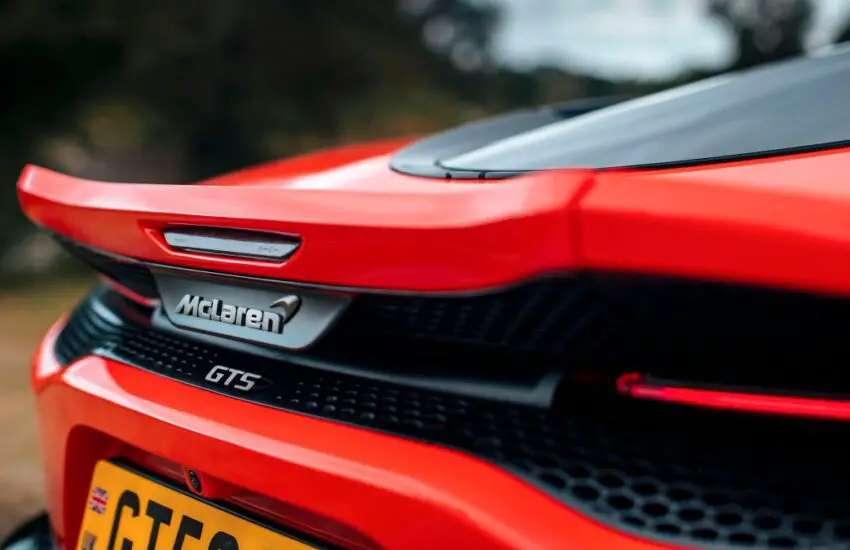
McLaren is set to redefine the luxury SUV segment with its upcoming P47 model, scheduled for a 2028 release. During a recent dealer meeting in the UK, the automaker showcased a full-scale clay model, offering a first look at this highly anticipated vehicle. The P47 represents McLaren’s bold entry into the four-door market, blending the brand’s racing DNA with practical elegance.

Aerodynamic Design and Proportions

The McLaren P47 features a sleek, aerodynamic profile that draws inspiration from the brand’s supercar lineage. Its side silhouette has been compared to the Porsche Cayenne, but with distinct McLaren touches like sharp character lines and a sloping roofline. The design prioritizes downforce and efficiency, incorporating active aerodynamics to enhance stability at high speeds. Every curve and vent is engineered to manage airflow, reducing drag while maintaining the aggressive stance expected from McLaren.

Hybrid Powertrain Performance

At the heart of the P47 is a sophisticated hybrid V8 powertrain, combining a twin-turbocharged internal combustion engine with electric motors. This setup is projected to deliver exceptional power output, targeting over 700 horsepower, and rapid acceleration from 0 to 60 mph in under 3.5 seconds. The hybrid system not only boosts performance but also improves fuel efficiency and reduces emissions, aligning with global sustainability trends without compromising on McLaren’s signature thrill.

Innovative Features and Market Impact

The interior of the P47 is expected to showcase McLaren’s commitment to innovation, with lightweight materials, advanced infotainment, and customizable driving modes. As a four-door SUV, it aims to offer ample space and comfort for passengers, making it suitable for both daily drives and high-performance excursions. The 2028 launch positions McLaren to compete with established luxury SUVs, potentially attracting a broader audience seeking exclusivity and cutting-edge technology in a versatile package.

BMW iX3 M Spied Testing at Nürburgring

BMW’s First Electric M Model Spotted

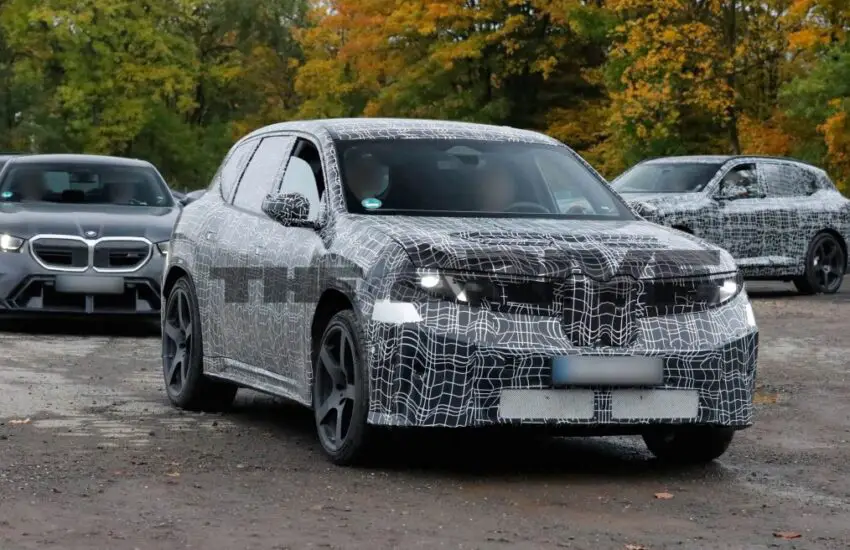
BMW has been spotted testing its first fully electric M performance vehicle, the iX3 M, undergoing rigorous development at Germany’s legendary Nürburgring circuit. These prototype sightings confirm BMW’s commitment to electrifying its high-performance M division while maintaining the driving dynamics that have defined the brand for decades.

Performance Meets Electric Innovation

The camouflaged test vehicle reveals significant aerodynamic enhancements over the standard iX3, including a more aggressive front fascia, larger air intakes, and a prominent rear spoiler. The widened wheel arches suggest a wider track for improved stability, while the performance braking system appears substantially upgraded to handle the increased power output expected from this electric M model.

Neue Klasse Architecture Advancements

Built on BMW’s revolutionary Neue Klasse platform, the iX3 M represents a fundamental shift in the brand’s engineering philosophy. This dedicated electric architecture enables optimized weight distribution, lower center of gravity, and improved structural rigidity – all critical factors for a performance-oriented electric vehicle. The platform also supports BMW’s latest battery technology, promising both extended range and sustained performance during track driving.

Electric M Division Strategy

The development of the iX3 M signals BMW’s strategic direction for its M performance division in the electric era. Rather than simply adding power, BMW M engineers are focusing on integrating instant electric torque with the precise handling characteristics that define M vehicles. The testing at Nürburgring specifically targets thermal management systems, power delivery consistency, and chassis tuning to ensure the electric M model meets the division’s rigorous standards.

As prototype testing continues, the BMW iX3 M represents a crucial bridge between the brand’s performance heritage and its electric future, potentially setting new standards for what drivers can expect from electric performance vehicles.

Jeep Wrangler 392 V8 2026 Price Cut Shakes Market

Substantial Savings for Off-Road Enthusiasts

Jeep is set to make waves in the automotive industry with a significant price reduction for the 2026 Wrangler 392 V8 model. After years of steady increases that saw the vehicle’s cost climb by approximately $25,000 since its debut, this $20,000 decrease marks a pivotal shift in pricing strategy. The move addresses growing concerns about affordability while maintaining the rugged performance the Wrangler is known for.

Market Response and Consumer Impact

The premium attached to the V8-powered Wrangler had reached levels that tested even the most loyal Jeep fans. This price adjustment demonstrates the manufacturer’s commitment to accessibility without compromising on the vehicle’s iconic capabilities. Industry analysts predict this strategic pricing will reinvigorate interest in the model and potentially expand its customer base to include buyers who previously considered it out of reach.

Performance Meets Value

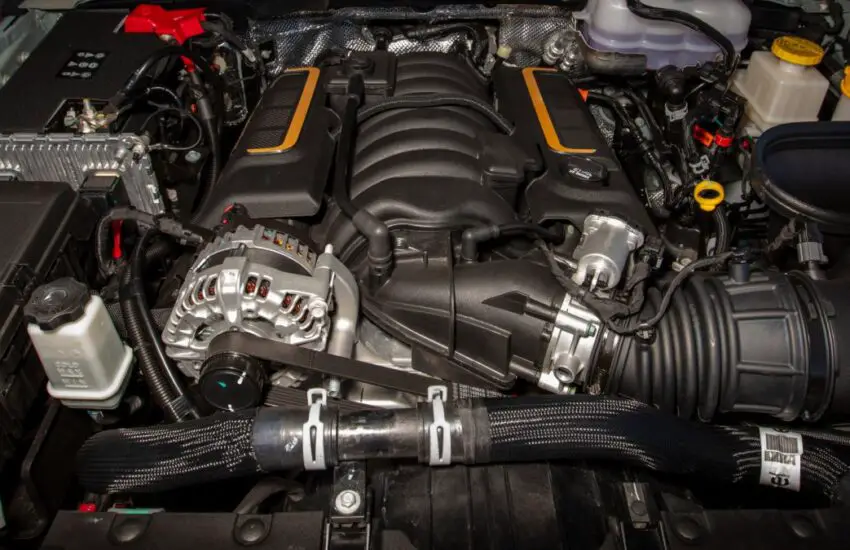
Despite the reduced price, the 2026 Wrangler 392 V8 retains its formidable 6.4-liter Hemi engine, delivering 470 horsepower and 470 lb-ft of torque. The vehicle continues to feature advanced off-road technologies, including heavy-duty axles, specialized suspension, and robust skid plates. This combination of raw power and sophisticated engineering ensures that the driving experience remains uncompromised.

This pricing evolution reflects a broader trend in the automotive sector, where manufacturers are balancing premium features with market realities. The 2026 Wrangler 392 V8 emerges as a compelling option for those seeking high-performance off-road capability at a more accessible price point, potentially setting a new benchmark for the segment.

Jeep’s 12-Month Wrangler Blitz to Challenge Ford Bronco

Jeep’s Counterattack with 12 Limited Wrangler Models

The rivalry between Jeep Wrangler and Ford Bronco is intensifying in the competitive off-road SUV market. After years of unchallenged dominance, the Wrangler faces a narrowing lead as the Ford Bronco experiences rapid sales growth. To defend its top position, Jeep is implementing an aggressive two-pronged strategy aimed at recapturing market momentum.

Limited Edition Offensive

Jeep’s primary tactic involves launching twelve distinct limited-edition Wrangler models over twelve consecutive months. Each edition will feature unique styling cues, special badging, and exclusive color options not available on standard trims. This approach creates constant market freshness and gives consumers recurring reasons to visit dealerships throughout the year.

Pricing Strategy Adjustments

Complementing the limited editions, Jeep is implementing strategic pricing adjustments across the Wrangler lineup. By offering more competitive entry-level pricing while maintaining premium positioning for higher trims, Jeep aims to appeal to both budget-conscious adventurers and enthusiasts seeking premium features.

Market Response and Consumer Impact

Industry analysts note this represents one of the most aggressive product strategies ever seen in the segment. The continuous rollout of special editions creates sustained media attention and showroom traffic. For consumers, it means unprecedented variety within the Wrangler ecosystem, though some worry about potential dilution of the brand’s core identity.

The off-road SUV battle has clearly entered a new phase, with Jeep pulling out all stops to maintain its heritage while fighting off a formidable challenger. How consumers respond to this barrage of limited editions will determine whether Jeep can successfully fend off the Bronco’s advances.

Toyota Hilux Electric Pickup: Tech Specs Analysis

Toyota Hilux Electric Pickup Arrives

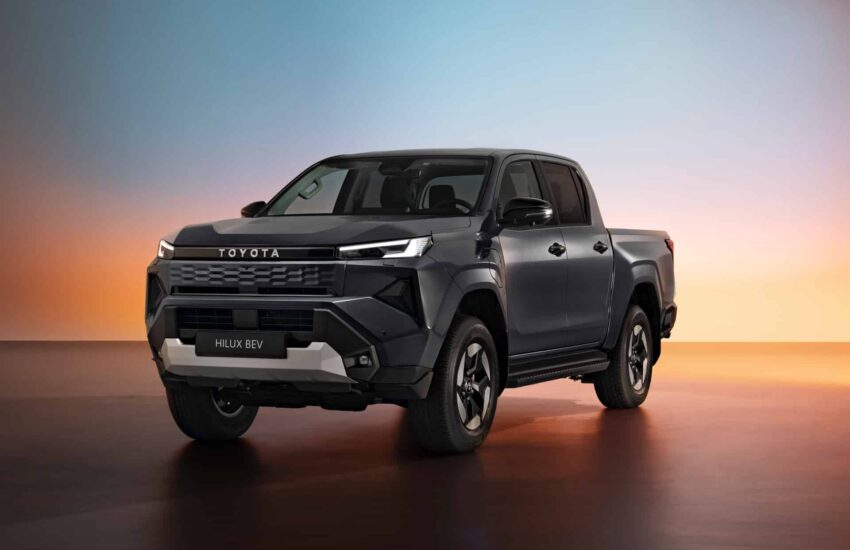
The automotive world witnesses a historic shift as Toyota introduces its first all-electric Hilux pickup. This ninth-generation model represents the most significant update since the vehicle’s 1968 debut, transforming the best-selling global pickup outside North America with zero-emission capabilities.

Mixed Technical Performance

While embracing electrification, the Hilux EV delivers a nuanced technical profile. The powertrain generates competitive acceleration and instant torque characteristic of electric vehicles, providing robust towing capacity. However, the battery range falls short of some rivals, potentially limiting long-distance utility without frequent charging. The payload capacity maintains the Hilux’s workhorse reputation, though the battery weight slightly impacts overall efficiency compared to diesel variants.

Charging and Practicality

DC fast charging capability enables partial battery replenishment in under 30 minutes, while standard charging requires overnight completion. The cargo bed maintains full functionality with integrated power outlets for tools and equipment. Regenerative braking enhances energy recovery during urban driving, though its effectiveness diminishes during heavy load transportation.

Market Position and Challenges

This electric transition positions Toyota against emerging electric pickups while retaining traditional Hilux durability. The vehicle faces the universal electric pickup challenge of balancing range, payload, and price. Early assessments suggest it will appeal to commercial fleets with predictable routes rather than long-haul adventurers, creating a distinctive niche in the evolving electric pickup segment.

UK Electric Car Tax Shocks Eco-Conscious Drivers

Unexpected Tax Shift for Electric Vehicles in Britain

The British government is contemplating a policy that could reshape the electric vehicle landscape. With traditional car sales declining and resulting tax revenue losses, authorities are exploring a specific tax for electric cars. This development arrives as the green transition appeared to be accelerating, potentially altering the financial appeal of zero-emission transport.

Fiscal Pressures Drive New EV Taxation

As combustion engine vehicle sales decrease, the Treasury faces significant shortfalls in fuel duty and road taxes. The proposed electric vehicle tax aims to balance these losses while maintaining infrastructure funding. This move represents a pivotal moment in sustainable transport policy, where environmental incentives meet fiscal reality.

Potential Impact on Consumer Adoption

Electric vehicle owners who previously benefited from tax exemptions now face unexpected costs. Industry analysts suggest this could slow EV adoption rates, particularly among price-sensitive consumers. The timing raises questions about balancing budget requirements with climate commitments during economic uncertainty.

Broader Implications for Green Transition

This tax proposal signals a maturation phase for electric mobility, where governments begin treating EVs as mainstream rather than niche vehicles. The policy shift might influence other nations considering similar fiscal adjustments as electric transportation becomes more widespread.

The final decision will likely consider both environmental targets and economic practicalities, marking a critical juncture in Britain’s journey toward sustainable transportation.

Automotive Icons: Tesla and Citroën DS Compared

Two Eras of Automotive Revolution

Side-by-side comparison of a classic Citroën DS and a modern Tesla vehicle

When examining automotive history, few vehicles have disrupted their respective eras as profoundly as the Citroën DS and Tesla’s modern electric vehicles. Both represent quantum leaps in technology, design philosophy, and consumer expectations, creating benchmarks that competitors struggled to match for years.

Technological Leaps That Defined Generations

The Citroën DS stunned the 1955 Paris Motor Show with hydraulic suspension, self-leveling ride height, and revolutionary aerodynamics. Similarly, Tesla’s introduction of over-the-air updates, autonomous driving capabilities, and all-electric powertrains redefined what consumers expect from modern vehicles. Both manufacturers prioritized technological innovation that wasn’t merely incremental but fundamentally changed the driving experience.

Design Philosophy: Form Following Function

Citroën’s DS broke from conventional automotive design with its streamlined bodywork and futuristic interior, prioritizing aerodynamic efficiency and passenger comfort. Tesla continues this tradition with minimalist interiors dominated by touchscreens and exteriors optimized for range efficiency. Both companies demonstrated that revolutionary technology deserves equally revolutionary design, creating vehicles that looked unlike anything else on the road.

Cultural Impact and Market Disruption

The DS became an instant cultural icon, featured in films and owned by celebrities and politicians, symbolizing French technological prowess. Tesla has achieved similar status as a symbol of innovation and environmental consciousness, creating a brand loyalty rarely seen in the automotive industry. Both vehicles transcended transportation to become cultural statements that reflected their era’s aspirations.

While separated by decades, both Citroën DS and Tesla vehicles share a common legacy: they forced entire industries to reconsider what automobiles could be. Their influence extends beyond sales figures to how engineers, designers, and consumers imagine the future of transportation.

Kia PV5 Electric Van Launch Promotion

Revolutionary Electric MPV Hits Market with Special Offer

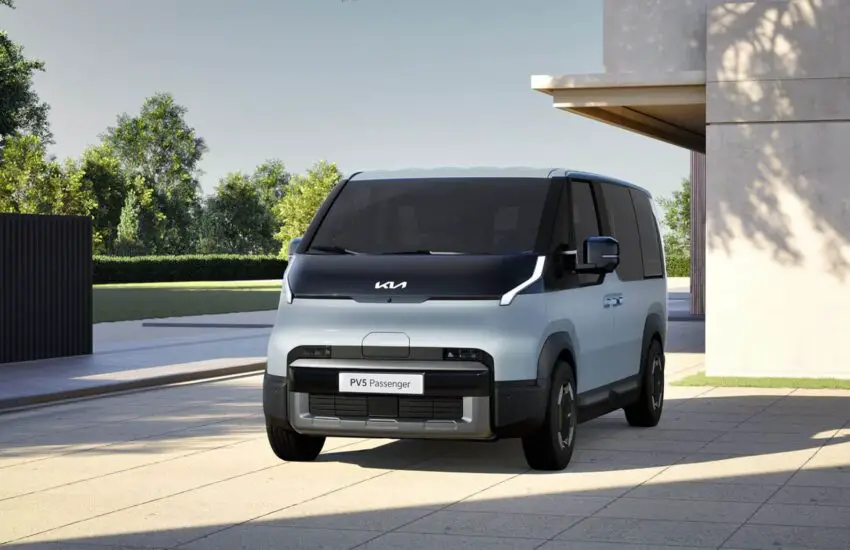
The automotive world is buzzing with the arrival of the Kia PV5, an electric multi-purpose vehicle that’s redefining family transportation. What makes this launch particularly noteworthy is the immediate promotional pricing strategy, making advanced electric mobility more accessible than ever before.

Innovative Design Meets Practical Excellence

Kia’s PV5 represents a significant leap forward in electric vehicle design, combining sleek aesthetics with exceptional functionality. The vehicle features a modular interior that can be configured for various needs, from family transport to commercial applications. With its generous dimensions and clever space utilization, the PV5 offers cabin comfort previously unseen in this vehicle category.

Kia PV5 electric MPV interior

Advanced Electric Performance

Beneath its stylish exterior lies cutting-edge electric technology. The PV5 delivers impressive range capabilities coupled with rapid charging functionality, addressing common concerns about electric vehicle practicality. Its powertrain provides smooth, silent operation while maintaining the versatility expected from a multi-purpose vehicle.

Strategic Market Positioning

The promotional launch pricing demonstrates Kia’s commitment to accelerating electric vehicle adoption. By making the PV5 immediately accessible to a broader audience, the manufacturer is positioning itself at the forefront of the evolving electric MPV segment. This approach not only benefits early adopters but also signals a new direction in how electric vehicles are brought to market.

Comprehensive Standard Features

Despite its attractive pricing, the PV5 doesn’t compromise on equipment. The vehicle comes standard with advanced safety systems, intuitive infotainment technology, and premium comfort features that rival more expensive competitors. This complete package ensures that buyers receive exceptional value without sacrificing quality or innovation.

The Kia PV5’s combination of revolutionary design, practical electric performance, and strategic pricing creates a compelling proposition in the growing electric vehicle market. This launch represents a significant milestone in making sophisticated electric transportation available to a wider range of consumers.

Volvo EX60: Electric SUV at Hybrid Price

Volvo EX60: Electric SUV at Hybrid Price

Volvo EX60 electric SUV

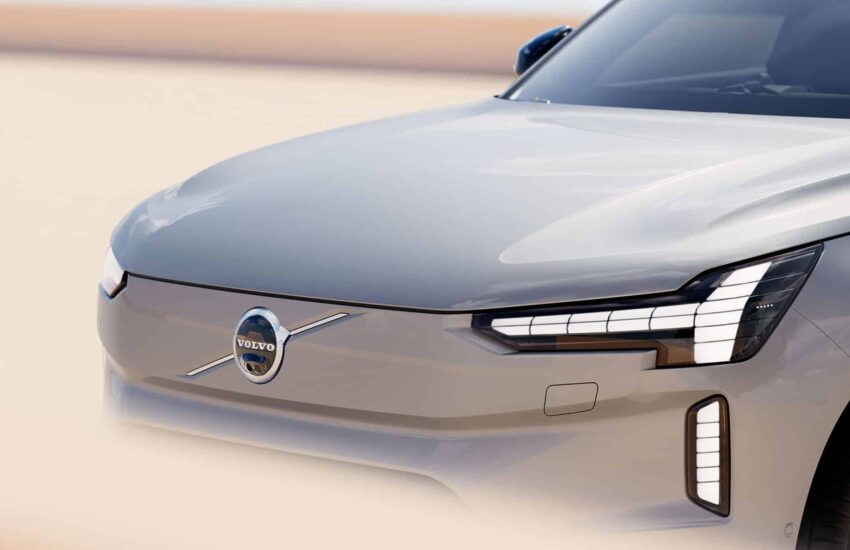
Between the EX30 and EX90, Volvo has accustomed us to premium pricing for electric vehicles in recent years. But with the upcoming EX60, things might shift… in the right direction!

Strategic Pricing Breakthrough

Volvo’s EX60 represents a pivotal moment in electric vehicle accessibility. By positioning this mid-size electric SUV at a price point comparable to plug-in hybrid models, Volvo addresses one of the main barriers to EV adoption: cost. This strategic move could redefine market expectations and accelerate the transition to electric mobility.

Balanced Performance and Range

The EX60 is expected to deliver the perfect balance between daily usability and long-distance capability. With an estimated range of 300-350 miles on a single charge and rapid charging technology, this SUV promises to eliminate range anxiety while maintaining Volvo’s signature performance standards. The vehicle’s battery technology leverages latest-generation cells optimized for both energy density and longevity.

Premium Features Standard

Despite its competitive pricing, the EX60 doesn’t compromise on Volvo’s renowned luxury and safety features. The interior showcases sustainable materials and intuitive technology, including the latest driver assistance systems. The cabin design focuses on creating a serene environment that enhances the electric driving experience.

Market Impact Potential

This pricing strategy could disrupt the premium electric SUV segment, putting pressure on competitors to match Volvo’s value proposition. The EX60 demonstrates that electric vehicles can achieve price parity with conventional alternatives without sacrificing quality or features, marking significant progress toward mainstream EV adoption.