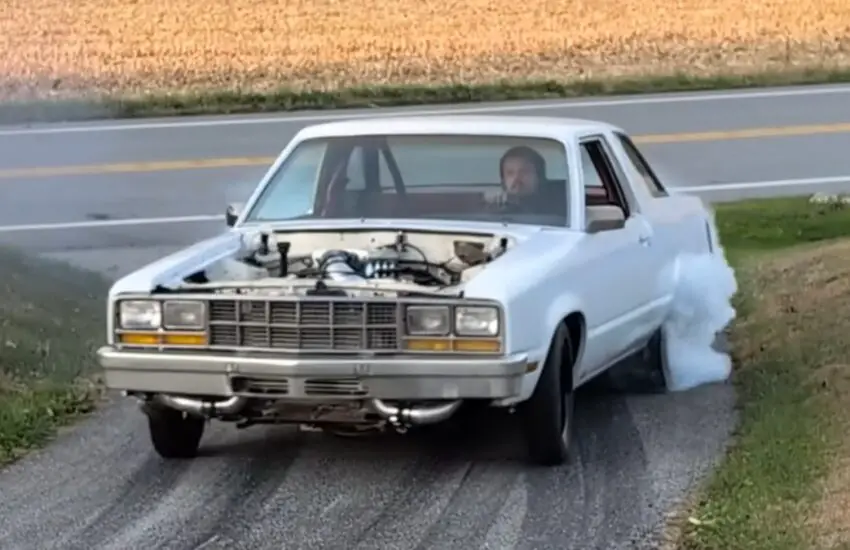
Nissan V8 Junkyard Engine Makes 700HP With Single Turbo

Beyond Mainstream: The Nissan V8’s Hidden Potential

While LS and Coyote engines dominate the performance scene, a formidable alternative is emerging from an unlikely source. The Nissan VK56 V8, often found in Titans and Infiniti SUVs, is proving its worth as a powerhouse capable of remarkable outputs with surprisingly simple modifications. This engine demonstrates that exciting performance projects don’t always require following the crowd.

From Junkyard Jewel to Performance Powerhouse

The VK56 platform offers several advantages for builders seeking something different. Its robust internal components can withstand significant power increases without requiring immediate replacement. The engine’s architecture responds exceptionally well to forced induction, making it an ideal candidate for turbocharging projects. Many builders have discovered that these engines can be sourced affordably from salvage yards, providing an excellent foundation for budget-conscious high-performance builds.

Single Turbo Transformation

The most impressive aspect of the VK56’s performance story is how little modification is required to achieve substantial power gains. With careful tuning and a properly sized single turbocharger, these engines can reliably produce around 700 horsepower while maintaining street-friendly characteristics. The key lies in understanding the engine’s airflow requirements and matching them with appropriate supporting modifications to the fuel and ignition systems.

Why Choose the Road Less Traveled?

Opting for a Nissan V8 build offers several benefits beyond mere uniqueness. These engines provide enthusiasts with an opportunity to explore different tuning approaches and solutions. The learning experience gained from working with a less common platform can be invaluable, and the satisfaction of achieving impressive results with an unconventional choice adds another layer of accomplishment to the project.

The Future of Alternative Performance Builds

As more builders discover the capabilities of engines like the VK56, we’re likely to see increased innovation in the performance community. This trend toward diversification benefits all enthusiasts by expanding the knowledge base and pushing the boundaries of what’s possible with different platforms. The success of these builds proves that with proper research and execution, exceptional results can come from unexpected sources.

Land Rover Defender D7X-R: Dakar’s Ultimate Off-Road Racer

Land Rover Defender D7X-R: Dakar’s Ultimate Off-Road Racer

The Land Rover Defender D7X-R represents a bold new chapter in off-road motorsport, engineered specifically for the World Rally-Raid Championship (W2RC) and the iconic Dakar Rally. This competition vehicle, derived from the robust Defender OCTA, will compete in the W2RC’s newly established “Stock” category. It will be piloted by legendary drivers such as Stéphane Peterhansel, bringing immense expertise to this ambitious project.

Engineering for Extreme Endurance

Built to withstand the harshest terrains, the Defender D7X-R features a massive fuel tank essential for long desert stages. This design minimizes refueling stops, allowing for sustained high-speed performance over vast distances. The vehicle’s architecture is heavily reinforced, incorporating a roll cage and specialized suspension to handle relentless jumps and impacts. Its “jump mode” capability optimizes the chassis and damping system for airborne stability, ensuring control during high-flying maneuvers common in rally-raid events.

Advanced Performance and Design

Under the hood, the D7X-R is powered by a high-output engine tailored for desert racing, delivering exceptional torque and horsepower. The bodywork is crafted from lightweight composite materials, reducing overall weight while maintaining structural integrity. Aerodynamic enhancements improve stability at speed, and all-terrain tires provide maximum grip on sand, rock, and gravel. This combination of power, durability, and agility makes it a formidable contender in the stock class, showcasing Land Rover’s commitment to pushing off-road limits.

A New Competitive Frontier

The introduction of the Defender D7X-R into the W2RC stock category highlights a growing trend of manufacturer-backed entries in production-based racing. This move not only demonstrates the vehicle’s capabilities but also serves as a real-world test for future consumer technologies. With its debut at the Dakar Rally, the D7X-R aims to set new benchmarks for performance and reliability, continuing Land Rover’s legacy in extreme adventure driving.

Logitech Racing Wheels: Massive 42% Discounts Available

Save Up to 42% on Logitech Simulation Racing Wheels

Logitech’s premium simulation racing wheels are currently available with substantial discounts, offering savings of up to 42% on select models. These price reductions make high-end racing peripherals more accessible to both casual gamers and serious simulation enthusiasts.

Premium Racing Experience at Reduced Prices

The discounted lineup includes Logitech’s most advanced racing wheels, featuring force feedback technology that provides realistic driving sensations. These wheels offer precise control and responsive handling, replicating the feel of actual racing vehicles. The current promotions allow racing enthusiasts to upgrade their setup without straining their budget.

Universal Compatibility Across Gaming Platforms

Logitech’s racing wheels maintain full compatibility with multiple gaming systems. Whether you game on PlayStation, Xbox, PC, or Mac, there are optimized options available. The plug-and-play functionality ensures quick setup across different platforms, making these wheels versatile additions to any gaming environment.

Advanced Features for Enhanced Gameplay

The discounted models include professional-grade features such as dual-motor force feedback, responsive pedals with adjustable resistance, and customizable controls. These technical enhancements provide immersive racing experiences that closely mimic real-world driving conditions. The sturdy construction ensures durability during intense gaming sessions.

Perfect Timing for Racing Enthusiasts

These significant discounts present an ideal opportunity for gamers to enhance their racing simulation setup. The price reductions apply to both entry-level and professional-grade models, accommodating various skill levels and budget considerations. The promotion period offers limited-time savings on these popular gaming peripherals.

Lincoln P145B Code: Comprehensive EVAP System Leak Diagnosis Guide

Understanding Lincoln OBD2 Code P145B: The Technical Breakdown

When your Lincoln’s check engine light illuminates and diagnostic tools reveal code P145B, you’re dealing with a specific emissions-related issue that requires immediate attention. This diagnostic trouble code (DTC) indicates a detected leak in the Evaporative Emission Control System (EVAP), specifically related to the vehicle’s ability to maintain proper vacuum pressure. The EVAP system is crucial for preventing fuel vapors from escaping into the atmosphere, making P145B both an environmental concern and potential performance issue.

What Does P145B Mean Exactly?

P145B is defined as “Unable to Bleed Up Fuel Tank Vacuum” and is manufacturer-specific to Ford and Lincoln vehicles. This code triggers when the Powertrain Control Module (PCM) detects that the EVAP system cannot properly release vacuum pressure from the fuel tank during specific diagnostic tests. Unlike generic EVAP codes, P145B specifically points to issues with vacuum release mechanisms rather than general leak detection.

How the EVAP System Works in Lincoln Vehicles

The Evaporative Emission Control System in modern Lincoln vehicles is a sophisticated closed system designed to capture and recycle fuel vapors. Key components include:

  • Fuel tank and filler neck assembly
  • EVAP canister containing activated charcoal
  • Purge control solenoid valve
  • Vent control valve assembly
  • Fuel tank pressure sensor (FTPS)
  • Various hoses and connections throughout the system

During normal operation, the system seals fuel vapors and periodically purges them into the engine intake for combustion, preventing atmospheric release.

Common Causes of P145B in Lincoln Vehicles

Diagnosing P145B requires systematic investigation of multiple potential failure points. The code specifically indicates the system’s inability to release vacuum, which narrows down the possible culprits compared to general EVAP leak codes.

Primary Mechanical Failures

The most frequent physical causes of P145B include malfunctioning components that prevent proper vacuum release:

  • Faulty EVAP Canister Vent Valve: This electronically controlled valve opens to allow fresh air into the system during purge cycles. When stuck closed, it prevents vacuum release.
  • Blocked EVAP Canister: Contamination or saturation can block airflow through the charcoal canister.
  • Restricted or Pinched Vent Hose: Physical damage to the vent line between the canister and atmosphere prevents proper airflow.
  • Defective Fuel Tank Pressure Sensor: Provides inaccurate readings to the PCM, causing false code triggers.

Electrical and Control System Issues

Modern EVAP systems rely heavily on electronic controls, making electrical problems common contributors:

  • Wiring harness damage or corrosion in EVAP system circuits
  • Poor electrical connections at sensor and valve connectors
  • Blown fuses affecting EVAP system components
  • PCM software issues requiring updates or recalibration

Professional Diagnostic Procedure for P145B

Proper diagnosis of P145B requires methodical testing using specialized equipment. Attempting repairs without correct diagnosis often leads to unnecessary part replacement and recurring issues.

Step-by-Step Diagnostic Approach

Begin with visual inspection before proceeding to electronic testing:

  • Perform comprehensive visual inspection of all EVAP system components, hoses, and connections
  • Check for physical damage, corrosion, or obvious disconnections
  • Inspect the fuel filler cap for proper sealing and condition
  • Examine the EVAP canister for physical damage or contamination
  • Verify all electrical connections to EVAP components are secure and corrosion-free

Advanced Testing Techniques

After visual inspection, proceed with electronic diagnostics:

  • Use bidirectional scanner to command vent valve operation and test functionality
  • Monitor fuel tank pressure sensor data in real-time using scan tool
  • Perform smoke test to identify physical leaks in the system
  • Check voltage and resistance at sensor and valve connectors
  • Perform PCM self-tests and monitor for related codes

Repair Procedures and Solutions for P145B

Once diagnosis identifies the specific cause, repairs can address the root problem effectively. The complexity of repairs varies significantly based on the failed component.

Component Replacement Guidelines

Common repair procedures for P145B resolution include:

  • EVAP Vent Valve Replacement: Typically located near the EVAP canister, requiring proper electrical connection testing before replacement.
  • EVAP Canister Service: Replacement necessary when contaminated or physically damaged; requires proper vapor line connection.
  • Fuel Tank Pressure Sensor Replacement: Sensor replacement with recalibration procedures to ensure accurate pressure monitoring.
  • Wiring Repair: Addressing damaged wires, connectors, or corrosion in the EVAP control circuit.

Post-Repair Verification Process

After completing repairs, verification is essential to ensure complete resolution:

  • Clear all diagnostic trouble codes from PCM memory
  • Perform complete drive cycle to allow system self-tests
  • Monitor for code recurrence using scan tool
  • Verify proper EVAP system operation through scanner data
  • Confirm check engine light remains off through multiple drive cycles

Prevention and Maintenance for Lincoln EVAP Systems

Proactive maintenance can prevent P145B and related EVAP system issues, saving significant repair costs and ensuring optimal vehicle performance and emissions compliance.

Routine Maintenance Recommendations

Implement these practices to maintain EVAP system health:

  • Always tighten fuel filler cap until it clicks three times
  • Replace fuel filler cap according to manufacturer intervals
  • Avoid overfilling fuel tank beyond automatic shutoff
  • Keep area around EVAP components clean and free of debris
  • Address check engine lights promptly to prevent secondary issues

Recognizing Early Warning Signs

Watch for these symptoms that may precede P145B:

  • Intermittent check engine light illumination
  • Difficulty refueling (pump shutting off prematurely)
  • Fuel odor around vehicle
  • Slightly reduced fuel economy
  • Other EVAP-related codes appearing in system

Addressing Lincoln P145B promptly with proper diagnosis and repair ensures your vehicle maintains optimal performance, fuel efficiency, and environmental compliance. While some causes are simple fixes, complex issues require professional diagnosis to avoid unnecessary repairs and ensure complete resolution.

Ford P145B Code: EVAP System Leak Detection Pump Control Circuit

Understanding Ford OBD2 Code P145B

Ford-specific diagnostic trouble code P145B indicates a malfunction within the Evaporative Emission Control (EVAP) system, specifically related to the Leak Detection Pump (LDP) control circuit. This code is manufacturer-specific to Ford, Lincoln, and Mercury vehicles, meaning it won’t appear in vehicles from other manufacturers. The EVAP system is crucial for preventing fuel vapors from escaping into the atmosphere, and the leak detection pump plays a vital role in monitoring system integrity.

What is the EVAP System and Leak Detection Pump?

The Evaporative Emission Control system captures fuel vapors from the fuel tank and temporarily stores them in the charcoal canister. These vapors are then purged and burned in the engine during normal operation. The Leak Detection Pump is an electrically-operated pump that creates vacuum or pressure within the EVAP system to test for leaks. When the powertrain control module (PCM) detects an irregularity in the LDP control circuit, it stores code P145B and illuminates the check engine light.

Technical Specifications of P145B

  • Code Type: Manufacturer Specific (Ford)
  • OBD2 Location: Powertrain Codes
  • System Affected: Evaporative Emission Control
  • Component: Leak Detection Pump Control Circuit
  • Severity: Medium – Requires attention but not immediate safety concern
  • Common Vehicles: Ford F-150, Escape, Focus, Fusion, Explorer; Lincoln MKZ; Mercury Mariner

Common Symptoms and Causes of P145B

Recognizing the symptoms and understanding the potential causes of code P145B is essential for accurate diagnosis and repair. While this code may not always cause noticeable driving issues, it can affect vehicle emissions and potentially lead to failed emissions testing in regions with strict regulations.

Primary Symptoms of P145B Code

  • Check Engine Light illumination (steady or flashing)
  • Possible failed emissions test
  • No noticeable driving performance issues in most cases
  • Reduced fuel economy in some instances
  • Other related EVAP codes may be present

Root Causes of P145B Diagnostic Trouble Code

  • Faulty Leak Detection Pump (most common cause)
  • Damaged wiring or connectors in the LDP circuit
  • Blown fuse affecting the EVAP system
  • Poor electrical connections at the LDP connector
  • Failed powertrain control module (PCM) – rare
  • Corroded terminals or damaged harness
  • Vacuum leaks in associated EVAP system components

Professional Diagnostic Procedure for P145B

Diagnosing code P145B requires a systematic approach using proper diagnostic equipment and following manufacturer-recommended procedures. Attempting repairs without proper diagnosis can lead to unnecessary part replacement and increased repair costs.

Initial Diagnostic Steps

Begin with a visual inspection of the EVAP system components and wiring. Check for obvious damage, disconnected hoses, or corroded connectors. Use a professional OBD2 scanner to confirm the code and check for additional codes that might provide context. Clear the code and perform a test drive to see if it returns, which helps determine if the issue is intermittent or constant.

Electrical Circuit Testing

  • Check LDP power supply circuit for proper voltage
  • Test ground circuit continuity
  • Inspect wiring harness for damage or chafing
  • Verify connector integrity and pin fit
  • Test LDP resistance and compare to specifications
  • Check for short circuits or open circuits in control wiring

Advanced Diagnostic Techniques

Using a digital multimeter and oscilloscope, technicians can perform dynamic testing of the LDP control circuit. Monitor the control signal from the PCM while activating the system through a bi-directional scanner. Compare the waveform pattern to known good patterns to identify abnormalities in the control circuit operation.

Repair Solutions and Prevention

Once the root cause has been identified through proper diagnosis, appropriate repair procedures can be implemented. Following manufacturer service information ensures repairs are completed correctly and prevent recurrence of the issue.

Common Repair Procedures

  • Replacing faulty Leak Detection Pump
  • Repairing damaged wiring or connectors
  • Cleaning corroded electrical connections
  • Replacing blown fuses and identifying the cause
  • Addressing any vacuum leaks in the system
  • Updating PCM software if applicable

Preventive Maintenance Tips

Regular maintenance of the EVAP system can help prevent issues that lead to P145B and related codes. Ensure the gas cap is properly tightened after refueling and replace it if damaged or worn. During routine service, have technicians inspect EVAP system components for signs of wear or damage. Address any check engine lights promptly to prevent additional system damage.

Technical Considerations and Professional Insights

Understanding the technical aspects of the EVAP system and leak detection pump operation provides valuable context for diagnosing and repairing P145B. The LDP operates by creating vacuum to test the system for leaks, and any disruption in this process triggers the diagnostic trouble code.

System Operation and Testing Parameters

The PCM monitors the LDP control circuit for proper voltage levels and response times. During system testing, the PCM expects specific resistance values and operational characteristics from the LDP. Deviations from these parameters result in code storage. Understanding these expected values is crucial for accurate diagnosis.

Professional Repair Recommendations

Always consult manufacturer-specific service information for your particular Ford vehicle model, as LDP location and testing procedures can vary significantly between models. Use genuine or high-quality replacement parts to ensure proper system operation. After repairs, always perform a complete system test to verify the fix and clear all codes before returning the vehicle to the customer.

OBD2 Code P145B: Evaporative Emission System Leak Detection Reference Orifice Low

Understanding the OBD2 Trouble Code P145B

When your vehicle’s check engine light illuminates and you retrieve the diagnostic trouble code P145B, you’re dealing with a specific issue within your car’s Evaporative Emission Control System (EVAP). This code indicates that the Powertrain Control Module (PCM) has detected an abnormal condition with the leak detection reference orifice, specifically that it’s operating below expected parameters. The EVAP system is crucial for preventing fuel vapors from escaping into the atmosphere, and understanding this code is essential for proper vehicle maintenance and emissions compliance.

What Does P145B Code Mean?

Code P145B stands for “Evaporative Emission System Leak Detection Reference Orifice Low.” This technical description refers to a component within your vehicle’s onboard refueling vapor recovery (ORVR) and leak detection system. The reference orifice is a precisely calibrated opening that serves as a benchmark for the PCM to compare against potential vacuum leaks in the EVAP system. When the PCM detects that the flow characteristics through this orifice are outside the expected low range, it triggers the P145B code and illuminates the check engine light.

How the EVAP System Works

The Evaporative Emission Control System is designed to capture and store fuel vapors from the fuel tank, preventing them from being released into the atmosphere. Key components include:

  • Fuel tank and cap
  • Charcoal canister
  • Purge valve/solenoid
  • Vent valve/solenoid
  • Leak detection pump or reference orifice
  • Various hoses and connections

During normal operation, the system periodically runs self-tests to ensure there are no leaks that could allow fuel vapors to escape.

Common Causes of P145B Diagnostic Trouble Code

Several issues can trigger the P145B code, ranging from simple fixes to more complex component failures. Accurate diagnosis requires understanding these potential causes and systematically eliminating them through proper testing procedures.

Physical Blockages and Restrictions

The most direct cause of P145B is an obstruction in the reference orifice itself or the associated plumbing:

  • Debris or contamination blocking the reference orifice
  • Pinched or kinked EVAP system hoses
  • Restricted canister vent valve operation
  • Insect nests or foreign material in vent lines
  • Ice formation in cold weather conditions

Component Failures

Various EVAP system components can malfunction and trigger the P145B code:

  • Faulty leak detection pump (LDP) in systems that use one
  • Malfunctioning canister vent valve
  • Failed purge valve sticking open or closed
  • Worn or damaged reference orifice assembly
  • Defective pressure sensors

Electrical and Control Issues

Modern EVAP systems rely on electronic controls that can develop problems:

  • Wiring issues including shorts, opens, or corrosion
  • Poor electrical connections at sensors or solenoids
  • PCM software issues requiring updates
  • Faulty pressure switches or sensors
  • Ground connection problems affecting system operation

Diagnostic and Repair Procedures for P145B

Proper diagnosis of P145B requires a systematic approach using appropriate tools and following manufacturer-specific procedures. Rushing the diagnostic process can lead to misdiagnosis and unnecessary parts replacement.

Initial Inspection and Preliminary Checks

Begin with these basic checks before proceeding to more advanced diagnostics:

  • Verify the fuel cap is properly tightened and in good condition
  • Perform visual inspection of all EVAP system components and hoses
  • Check for obvious damage, cracks, or disconnections in the system
  • Clear the code and perform a drive cycle to see if it returns
  • Check for technical service bulletins (TSBs) for your specific vehicle

Advanced Diagnostic Testing

For persistent P145B codes, more sophisticated testing is required:

  • Use a professional scan tool to monitor EVAP system parameters
  • Perform smoke machine testing to identify vacuum leaks
  • Test solenoid and valve operation using bidirectional controls
  • Measure resistance and voltage at electrical connectors
  • Perform pressure and vacuum tests on the EVAP system

Repair and Verification Steps

Once the root cause is identified, proceed with these repair steps:

  • Replace or clean blocked reference orifice assemblies
  • Repair or replace damaged EVAP system hoses
  • Replace faulty valves, solenoids, or sensors as needed
  • Address any electrical issues in wiring or connectors
  • Clear codes and verify repair with complete drive cycle test

Professional Tips for P145B Resolution

Successfully resolving P145B requires attention to detail and understanding of the complete EVAP system operation. These professional insights can help ensure a permanent fix.

Common Misdiagnosis Points

Avoid these common diagnostic errors when addressing P145B:

  • Replacing the reference orifice without checking for upstream restrictions
  • Overlooking simple issues like a loose gas cap or damaged filler neck
  • Failing to test the complete EVAP system after component replacement
  • Not performing the required drive cycle to verify repair completion
  • Ignoring manufacturer-specific diagnostic procedures and specifications

Preventive Maintenance Recommendations

Prevent future P145B occurrences with these maintenance practices:

  • Always ensure the fuel cap is properly tightened after refueling
  • Have the EVAP system inspected during routine maintenance
  • Address any check engine lights promptly to prevent additional issues
  • Keep the area around fuel system components clean and free of debris
  • Follow manufacturer-recommended service intervals for emission systems

Diagnosing and repairing P145B requires understanding the sophisticated interaction between the reference orifice and the complete EVAP system. While this code indicates a specific component issue, thorough diagnosis should consider the entire system to ensure proper repair. Professional diagnostic equipment and systematic testing procedures are essential for accurate resolution of this technical emission system code.

OBD2 Code P145A Mercury: Complete Diagnostic & Repair Guide

Understanding the Mercury P145A Diagnostic Trouble Code

When your Mercury vehicle’s check engine light illuminates and you retrieve the P145A code, you’re dealing with a specific emissions-related issue that requires immediate attention. This technical guide provides comprehensive information about the P145A code, its implications for your Mercury vehicle, and detailed diagnostic procedures to resolve the problem effectively.

What Does the P145A Code Mean on Mercury Vehicles?

The P145A diagnostic trouble code is defined as “Unable to Bleed Up Fuel Tank Vacuum.” This OBD-II code specifically relates to your vehicle’s Evaporative Emission Control (EVAP) system, which is designed to prevent fuel vapors from escaping into the atmosphere. The code indicates that the Powertrain Control Module (PCM) has detected an inability to properly release vacuum pressure that has built up within the fuel tank system during normal operation.

How the EVAP System Works in Mercury Vehicles

Modern Mercury vehicles utilize a sophisticated EVAP system that captures fuel vapors from the fuel tank and temporarily stores them in a charcoal canister. During specific engine conditions, the PCM opens the purge valve, allowing these stored vapors to be drawn into the engine intake manifold and burned during combustion. The system includes several key components:

  • Fuel tank and cap assembly
  • Charcoal canister for vapor storage
  • Purge valve/solenoid control
  • Vent valve assembly
  • Fuel tank pressure sensor
  • Network of hoses and connections

Common Causes of P145A Code in Mercury Vehicles

Diagnosing the root cause of a P145A code requires systematic troubleshooting. Several components within the EVAP system can malfunction and trigger this specific code. Understanding these potential causes will help you narrow down the issue efficiently.

Faulty EVAP Canister Vent Valve

The EVAP canister vent valve is one of the most common culprits for P145A codes. This valve, typically located near the fuel tank or EVAP canister, is responsible for allowing fresh air into the system during the purge cycle and sealing the system during leak tests. When this valve fails to open properly, it prevents the system from equalizing pressure, leading to the P145A code. Symptoms of a faulty vent valve include difficulty refueling (fuel pump nozzle shutting off repeatedly) and hissing sounds when removing the gas cap.

Restricted or Blocked EVAP System Components

Physical obstructions within the EVAP system can prevent proper vacuum release and trigger P145A. Common restrictions include:

  • Clogged EVAP canister from overfilling the fuel tank
  • Pinched or kinked vapor lines and hoses
  • Debris blocking the vent solenoid filter
  • Damaged or restricted fuel tank pressure sensor lines

Malfunctioning Fuel Tank Pressure Sensor

The fuel tank pressure sensor provides critical data to the PCM about pressure conditions within the fuel tank. If this sensor provides inaccurate readings or fails completely, the PCM may incorrectly interpret normal pressure conditions as a problem, resulting in the P145A code. Testing the sensor requires a scan tool capable of monitoring live data and comparing readings to known good values.

Step-by-Step Diagnostic Procedure for P145A

Proper diagnosis of P145A requires a methodical approach to avoid unnecessary parts replacement. Follow this systematic procedure to identify the root cause accurately.

Initial Visual Inspection and Preliminary Checks

Begin with a thorough visual inspection of the entire EVAP system. Check for obvious issues such as:

  • Damaged, cracked, or disconnected hoses
  • Visible signs of corrosion on electrical connectors
  • Physical damage to the EVAP canister or components
  • Properly sealed fuel filler cap (ensure it clicks multiple times)
  • Check for any recent repair work that might have disturbed EVAP components

Using a Professional Scan Tool for Deeper Analysis

Connect a professional-grade OBD-II scan tool to access more detailed information beyond just retrieving the code. Key steps include:

  • Check for additional codes that might point to related issues
  • Monitor live data from the fuel tank pressure sensor
  • Review freeze frame data to understand conditions when the code set
  • Command the vent and purge valves to verify proper operation
  • Perform system tests if supported by your scan tool

Smoke Machine Testing for Leak Detection

A smoke machine is the most effective tool for identifying leaks in the EVAP system. The procedure involves:

  • Connecting the smoke machine to the EVAP service port
  • Introducing smoke into the system under low pressure
  • Observing for smoke escaping from any connections, hoses, or components
  • Checking the vent valve operation by observing smoke flow
  • Verifying the integrity of the entire system from fuel tank to engine

Repair Procedures and Technical Solutions

Once you’ve identified the specific cause of the P145A code, proper repair procedures are essential for permanent resolution. These repairs range from simple fixes to more complex component replacements.

Replacing the EVAP Canister Vent Valve

If testing confirms a faulty vent valve, replacement is typically straightforward. The procedure generally involves:

  • Locating the vent valve (usually near the fuel tank or EVAP canister)
  • Disconnecting the electrical connector and vapor lines
  • Removing mounting bolts or clips
  • Installing the new valve and reconnecting all components
  • Performing a post-repair system test to verify proper operation

Addressing EVAP System Blockages and Restrictions

Clearing obstructions from the EVAP system requires careful attention to detail. The process includes:

  • Inspecting all vapor lines for kinks, cracks, or damage
  • Checking the EVAP canister for contamination or damage
  • Verifying proper operation of all valves and solenoids
  • Replacing any damaged components with OEM-quality parts
  • Ensuring all connections are secure and properly sealed

Preventive Maintenance and System Verification

After completing repairs for P145A, proper verification and ongoing maintenance are crucial to prevent recurrence and ensure optimal system performance.

Post-Repair Verification and Code Clearing

After addressing the underlying issue, follow these steps to verify the repair:

  • Clear the diagnostic trouble codes using your scan tool
  • Perform a drive cycle to allow the PCM to run complete system monitors
  • Verify that all emissions monitors complete successfully
  • Confirm that the check engine light remains off
  • Recheck for codes after several drive cycles to ensure permanent resolution

Long-Term EVAP System Maintenance Tips

Prevent future EVAP system issues with these maintenance practices:

  • Avoid overfilling the fuel tank beyond the automatic shutoff
  • Ensure the fuel cap is properly tightened after refueling
  • Address any fuel odor issues immediately
  • Include EVAP system inspection in routine maintenance
  • Use quality replacement parts when repairs are necessary

The P145A code in Mercury vehicles represents a specific EVAP system malfunction that requires proper diagnosis and repair. While the issue doesn’t typically affect drivability immediately, it can lead to failed emissions testing and potential damage to other components if left unresolved. By following the systematic diagnostic approach outlined in this guide, you can accurately identify the root cause and implement the correct repair solution, restoring your vehicle’s emissions system to proper operation and ensuring compliance with environmental regulations.

Lincoln P145A Code: Comprehensive EVAP System Leak Diagnosis Guide

Understanding the Lincoln P145A Diagnostic Trouble Code

The P145A diagnostic trouble code is a manufacturer-specific code primarily affecting Lincoln vehicles, indicating a potential issue within the Evaporative Emission Control (EVAP) system. This code specifically points to a “Unable to Bleed Up Fuel Tank Vacuum” condition, which is critical for maintaining proper emissions control and fuel system integrity.

What Does P145A Mean in Lincoln Vehicles?

When your Lincoln’s powertrain control module (PCM) detects an inability to properly bleed vacuum from the fuel tank during specific diagnostic tests, it stores code P145A. The EVAP system is designed to capture and store fuel vapors from the fuel tank, preventing them from escaping into the atmosphere. During normal operation, the system creates vacuum conditions for testing purposes, and the P145A code triggers when the system cannot properly release this vacuum as intended.

How the EVAP System Works in Modern Lincolns

The Evaporative Emission Control system in Lincoln vehicles consists of several key components working together to manage fuel vapors:

  • Fuel tank and cap assembly
  • EVAP canister containing activated charcoal
  • Purge valve/solenoid
  • Vent valve/solenoid
  • Fuel tank pressure sensor
  • Various hoses and connections

This sophisticated system captures fuel vapors and redirects them to the engine for combustion rather than allowing them to escape into the atmosphere, helping your Lincoln meet strict emissions standards.

Common Symptoms and Causes of P145A in Lincoln Models

Recognizing the symptoms and understanding the potential causes of P145A is crucial for effective diagnosis and repair. This code often presents with specific indicators that can help technicians pinpoint the underlying issue more efficiently.

Primary Symptoms of P145A Code

While the P145A code may not always cause dramatic driving symptoms, several indicators commonly appear:

  • Illuminated check engine light (MIL)
  • Potential failed emissions inspection
  • Slight decrease in fuel economy in some cases
  • No noticeable drivability issues in most instances
  • Possible fuel odor if accompanied by physical leaks

Most Frequent Causes of P145A Code

The P145A code typically results from issues within specific components of the EVAP system:

  • Faulty or stuck EVAP vent valve/solenoid
  • Malfunctioning EVAP purge valve
  • Restricted or blocked EVAP system lines
  • Failed fuel tank pressure sensor
  • Damaged or pinched EVAP system hoses
  • Problems with the charcoal canister
  • Issues with the fuel tank or filler neck
  • Faulty powertrain control module (rare)

Professional Diagnostic Procedure for P145A

Proper diagnosis of P145A requires a systematic approach using specialized tools and following manufacturer-recommended procedures. This ensures accurate identification of the root cause without unnecessary part replacement.

Initial Diagnostic Steps and Tools Required

Begin the diagnostic process with these essential steps:

  • Verify the code with a professional OBD2 scanner
  • Check for any additional codes that might provide context
  • Inspect the vehicle’s service history for related repairs
  • Perform visual inspection of all EVAP system components
  • Check the fuel cap for proper installation and seal
  • Inspect all visible hoses and connections for damage

Advanced Diagnostic Testing Methods

For persistent P145A codes, more advanced testing is necessary:

  • Perform EVAP system smoke test to identify leaks
  • Test vent and purge valve operation with scan tool bidirectional controls
  • Monitor fuel tank pressure sensor data during key-on-engine-off tests
  • Check for proper voltage and ground signals to EVAP components
  • Perform mechanical tests on solenoid valves
  • Verify PCM commands and system responses

Repair Solutions and Prevention Strategies

Once the root cause of P145A is identified, appropriate repairs can restore proper EVAP system function. Understanding the repair process and implementing prevention strategies can save time and money in the long term.

Common Repair Procedures for P145A

Depending on the diagnostic findings, repairs may include:

  • Replacing faulty vent or purge valves
  • Repairing or replacing damaged EVAP system hoses
  • Cleaning or replacing restricted components
  • Addressing issues with the charcoal canister
  • Replacing the fuel tank pressure sensor if faulty
  • Updating PCM software if technical service bulletins apply
  • Ensuring proper fuel cap installation and seal

Preventive Maintenance for EVAP System Health

Regular maintenance can help prevent P145A and similar EVAP codes:

  • Always ensure the fuel cap is properly tightened after refueling
  • Replace the fuel cap according to manufacturer recommendations
  • Address any fuel odor concerns immediately
  • Follow recommended service intervals for emissions components
  • Have the EVAP system inspected during routine maintenance
  • Avoid overfilling the fuel tank beyond the automatic shutoff

Technical Considerations for Specific Lincoln Models

The P145A code may present differently across various Lincoln models and model years. Understanding these nuances can significantly improve diagnostic accuracy and repair effectiveness.

Model-Specific Variations and Common Issues

Different Lincoln models may exhibit unique characteristics with P145A:

  • Lincoln Navigator: Often related to vent valve issues due to location
  • Lincoln MKX: Common purge valve failures in certain model years
  • Lincoln MKC: Frequent issues with hose routing and connections
  • Lincoln Continental: Complex EVAP system routing requiring special attention
  • Older Lincoln models: Age-related hose deterioration common

When to Seek Professional Assistance

While some EVAP system repairs are straightforward, certain situations warrant professional service:

  • Multiple EVAP codes present simultaneously
  • Intermittent code recurrence after attempted repairs
  • Lack of proper diagnostic equipment
  • Complex component access requiring special tools
  • Warranty coverage considerations
  • Emissions testing deadlines approaching

Proper diagnosis and repair of P145A not only resolves the check engine light but ensures your Lincoln operates efficiently while minimizing environmental impact. Following manufacturer procedures and using quality replacement parts is essential for long-term reliability of the EVAP system repair.

Ford P145A Code: Comprehensive Diagnostic and Repair Guide

Understanding the Ford P145A Diagnostic Trouble Code

The P1450 code is a manufacturer-specific diagnostic trouble code that indicates an issue within the Evaporative Emission Control (EVAP) system of Ford vehicles. This code specifically points to a problem detected by the leak detection pump or system, which is responsible for monitoring the integrity of the fuel vapor containment system.

What Does P145A Mean in Ford Vehicles?

P145A signifies that the vehicle’s Powertrain Control Module (PCM) has detected an unacceptable leak or pressure anomaly in the EVAP system during its self-test cycle. The EVAP system is designed to prevent fuel vapors from escaping into the atmosphere by capturing and storing them in a charcoal canister, then purging them into the engine for combustion during normal operation.

How the EVAP System Leak Detection Works

Modern Ford vehicles employ sophisticated leak detection systems that use either a leak detection pump or a fuel tank pressure sensor to monitor system integrity. The system creates vacuum or pressure within the fuel tank and EVAP components, then monitors how well this pressure is maintained. If the pressure drops too quickly beyond predetermined thresholds, the PCM triggers the P145A code.

Common Symptoms and Vehicle Behavior with P145A

When the P145A code activates, drivers may notice several symptoms that indicate an issue with the EVAP system. Understanding these symptoms can help in early detection and prevention of more serious problems.

Primary Symptoms of P145A Code

  • Check Engine Light illumination (most common symptom)
  • Failed emissions testing or inspection
  • Fuel odor around the vehicle, particularly near the fuel tank
  • Decreased fuel efficiency in some cases
  • Rough idle or occasional engine performance issues

Secondary Effects on Vehicle Operation

While the P145A code typically doesn’t cause immediate drivability concerns, prolonged neglect can lead to more significant issues. The EVAP system plays a crucial role in maintaining proper fuel system pressure and preventing hydrocarbon emissions. Continuous operation with an active P145A code may result in increased emissions and potential damage to other emission control components.

Comprehensive Diagnostic Procedure for P145A

Proper diagnosis of P145A requires systematic testing and verification of multiple EVAP system components. Following a structured diagnostic approach ensures accurate identification of the root cause and prevents unnecessary part replacement.

Initial Diagnostic Steps and Safety Precautions

  • Verify the code with an OBD2 scanner and check for additional codes
  • Perform visual inspection of EVAP system components and wiring
  • Check fuel cap for proper installation and seal integrity
  • Inspect EVAP lines and connections for physical damage or disconnection
  • Ensure battery voltage is sufficient for proper system operation

Advanced Testing Procedures

For persistent P145A codes, advanced diagnostic procedures are necessary. Using a smoke machine is the most effective method for identifying leaks in the EVAP system. The smoke machine introduces smoke under pressure into the system, making even the smallest leaks visible. Additional testing may include:

  • Fuel tank pressure sensor functionality testing
  • Leak detection pump operation verification
  • EVAP canister purge valve operation check
  • Vacuum line integrity testing
  • PCM software updates and calibration verification

Most Common Causes of P145A in Ford Vehicles

The P145A code can be triggered by various issues within the EVAP system. Understanding the most frequent causes helps technicians prioritize their diagnostic efforts and implement effective repairs.

Primary Mechanical and Component Failures

  • Faulty or stuck leak detection pump
  • Failed fuel tank pressure sensor
  • Defective EVAP canister purge valve
  • Cracked or damaged EVAP lines and hoses
  • Faulty fuel tank cap or improper seal
  • Damaged charcoal canister

Electrical and Control System Issues

  • Wiring harness damage or corrosion
  • Poor electrical connections at sensors and actuators
  • PCM software issues requiring updates
  • Ground connection problems
  • Power supply issues to EVAP system components

Professional Repair Solutions and Cost Considerations

Addressing P145A requires specific repair approaches depending on the identified root cause. Professional technicians follow systematic repair procedures to ensure complete resolution of the issue.

Component Replacement Procedures

When component failure is identified, proper replacement procedures are essential. For leak detection pump replacement, technicians must follow manufacturer-specific calibration procedures. Fuel tank pressure sensor replacement often requires depressurizing the fuel system and following safety protocols. EVAP line repairs demand using OEM-specified materials to ensure proper seal and durability.

Cost Analysis and Repair Time Estimates

Repair costs for P145A vary significantly based on the specific cause and vehicle model. Simple fixes like fuel cap replacement may cost under $50, while more complex repairs involving leak detection pump or fuel tank pressure sensor replacement can range from $200 to $600. Labor time typically ranges from 1 to 3 hours, depending on component accessibility and diagnostic requirements.

Preventive Maintenance and Long-Term Solutions

Preventing recurrence of P145A involves regular maintenance and awareness of common failure points. Implementing preventive measures can save significant time and expense in the long term.

Regular Maintenance Recommendations

  • Always ensure the fuel cap is properly tightened after refueling
  • Regular visual inspections of EVAP system components
  • Address any fuel odor concerns immediately
  • Follow manufacturer-recommended service intervals
  • Use genuine OEM parts for replacements when possible

Technical Service Bulletins and Updates

Ford occasionally releases Technical Service Bulletins (TSBs) addressing common EVAP system issues. Staying informed about relevant TSBs for specific vehicle models can provide valuable insights into known issues and recommended repair procedures. Some P145A occurrences may be resolved through PCM reprogramming or updated calibration files provided by Ford.

Successfully diagnosing and repairing P145A requires thorough understanding of Ford’s EVAP system architecture and proper diagnostic equipment. While some causes may be simple to address, others demand professional expertise and specialized tools. Regular maintenance and prompt attention to emission-related warning lights remain the best strategy for preventing serious EVAP system issues and ensuring vehicle compliance with emission standards.

OBD2 Code P145A: Comprehensive Diagnosis and Repair Guide

Understanding OBD2 Code P145A: EVAP System Leak Detection

OBD2 code P145A is a manufacturer-specific diagnostic trouble code that indicates “EVAP System Leak Detection Reference Orifice Low.” This code primarily affects Nissan and Infiniti vehicles and represents a critical issue within the Evaporative Emission Control (EVAP) system. The EVAP system’s primary function is to prevent fuel vapors from escaping into the atmosphere by capturing and storing them in a charcoal canister, then purging them into the engine for combustion during normal operation.

What Does P145A Code Actually Mean?

The P145A code specifically relates to the EVAP system’s leak detection pump (LDP) or similar component that contains a reference orifice. This orifice serves as a calibrated leak reference point that the vehicle’s powertrain control module (PCM) uses to compare against potential system leaks. When the PCM detects that the system pressure or flow characteristics don’t match the expected values through this reference orifice, it triggers the P145A code, indicating the reference orifice is reading lower than expected or is potentially blocked.

How the EVAP System Leak Detection Works

Modern vehicles employ sophisticated leak detection systems that operate through precise pressure monitoring and flow analysis:

  • The PCM activates the leak detection pump or vent control valve
  • System pressure is monitored through specialized sensors
  • The reference orifice provides a known leak rate for comparison
  • Actual system performance is compared against the reference standard
  • Deviations from expected values trigger diagnostic trouble codes

Common Symptoms and Immediate Effects of P145A

When the P145A code is stored in your vehicle’s computer, you may experience several noticeable symptoms that indicate the EVAP system isn’t functioning properly. While some symptoms might be subtle, others can affect vehicle performance and emissions compliance.

Primary Symptoms of P145A Code

  • Illuminated check engine light (MIL) on dashboard
  • Possible failed emissions test during inspection
  • Fuel odor around the vehicle, particularly near fuel filler area
  • Decreased fuel efficiency in some cases
  • Rough idle or occasional engine performance issues
  • Difficulty refueling (clicking off fuel nozzle prematurely)

Secondary Effects on Vehicle Operation

While the P145A code itself doesn’t typically cause immediate drivability concerns, the underlying issue can lead to:

  • Increased hydrocarbon emissions contributing to environmental pollution
  • Potential damage to other EVAP system components over time
  • Activation of additional trouble codes related to the EVAP system
  • Reduced fuel system efficiency and potential vapor lock situations

Diagnosing P145A Code: Step-by-Step Procedure

Proper diagnosis of P145A requires systematic testing and component verification. Following a structured diagnostic approach saves time and ensures accurate repair.

Initial Diagnostic Preparation and Safety

Before beginning diagnosis, ensure you have the proper tools and safety equipment:

  • Professional OBD2 scanner capable of reading manufacturer-specific codes
  • Digital multimeter for electrical testing
  • Smoke machine for EVAP system leak detection
  • Vehicle service manual for specific wiring diagrams and specifications
  • Safety glasses and gloves for personal protection

Step 1: Code Verification and System Scan

Begin by verifying the code and checking for additional related codes:

  • Connect your OBD2 scanner and record all stored codes
  • Clear the codes and perform a test drive to see if P145A returns
  • Check freeze frame data to understand operating conditions when code set
  • Note any additional EVAP-related codes that may indicate related issues

Step 2: Visual Inspection of EVAP System Components

Thorough visual inspection can often reveal obvious issues:

  • Inspect EVAP canister for physical damage or contamination
  • Check all EVAP hoses for cracks, brittleness, or disconnections
  • Examine fuel filler neck and cap for proper sealing
  • Look for damaged wiring or connectors at EVAP system components
  • Verify proper routing of all vacuum and vapor lines

Common Causes and Repair Solutions for P145A

The P145A code can result from various mechanical, electrical, or control system issues. Understanding the most common causes helps prioritize diagnostic efforts.

Primary Causes of P145A Code

  • Clogged or restricted reference orifice in leak detection pump
  • Faulty leak detection pump (LDP) or assembly
  • Damaged or blocked EVAP vent control valve or solenoid
  • Compromised EVAP canister (contaminated or damaged)
  • Electrical issues in LDP control circuit (wiring, connectors)
  • Software issues or calibration problems in PCM

Advanced Diagnostic Techniques

For persistent P145A codes, advanced diagnostic methods may be necessary:

  • Smoke testing the complete EVAP system to identify leaks
  • Pressure testing the leak detection pump assembly
  • Monitoring real-time EVAP system parameters with advanced scanner
  • Testing electrical circuits for proper voltage, ground, and signal integrity
  • Checking for technical service bulletins (TSBs) for known issues

Professional Repair Procedures and Cost Considerations

Repairing P145A requires specific procedures that vary by vehicle make and model. Following manufacturer-recommended procedures ensures proper repair and prevents recurrence.

Component Replacement Procedures

When replacement is necessary, follow these general guidelines:

  • Always disconnect battery before working on electrical components
  • Relieve fuel system pressure before disconnecting EVAP components
  • Use new gaskets and seals during reassembly
  • Clear codes and perform readiness monitor drive cycle after repair
  • Verify repair with follow-up scan tool monitoring

Cost Estimates and Repair Considerations

Repair costs for P145A vary significantly based on the root cause:

  • Leak detection pump replacement: $200-$500 parts and labor
  • EVAP canister replacement: $150-$400 depending on vehicle
  • Vent solenoid replacement: $100-$250 for most applications
  • Diagnostic time: 1-2 hours at typical shop rates
  • Additional costs if multiple components require replacement

Prevention and Maintenance for EVAP System Health

Regular maintenance and proper usage habits can prevent many EVAP system issues, including P145A codes.

EVAP System Maintenance Best Practices

  • Always tighten fuel cap securely until it clicks multiple times
  • Replace fuel cap according to manufacturer recommendations
  • Avoid overfilling fuel tank beyond automatic shutoff
  • Keep EVAP system components clear of debris and moisture
  • Address any fuel odors immediately rather than ignoring them
  • Follow recommended service intervals for emissions system inspection

Proper diagnosis and repair of P145A requires understanding the sophisticated nature of modern EVAP systems. While the code indicates a specific issue with the leak detection reference orifice, the root cause may involve multiple components. Following systematic diagnostic procedures and using appropriate testing equipment ensures accurate repair and restores proper emissions system function. Regular maintenance and prompt attention to EVAP system issues can prevent more serious problems and maintain optimal vehicle performance and environmental compliance.