BMW P1463 Code: Comprehensive DME Diagnostics & Solutions

Understanding the BMW P1463 Diagnostic Trouble Code

The P1463 diagnostic trouble code is a manufacturer-specific code that appears exclusively in BMW vehicles equipped with the sophisticated Digital Motor Electronics (DME) system. This code indicates a critical communication or operational failure within the engine control unit, specifically related to the DME’s internal monitoring systems. When this code triggers, it signifies that the vehicle’s primary computer has detected an irregularity in its own operation that could potentially affect engine performance, emissions, and overall drivability.

What Does P1463 Mean for Your BMW?

P1463 specifically points to a malfunction within the DME control unit’s internal circuitry or software operations. Unlike generic OBD2 codes that apply across multiple manufacturers, P1463 is BMW-specific and requires specialized knowledge of their engine management architecture. The code typically relates to issues with the DME’s ability to properly manage various engine functions, including fuel injection timing, ignition control, and emissions management systems.

The Critical Role of the DME Control Unit

The Digital Motor Electronics (DME) unit serves as the brain of your BMW’s engine management system. This sophisticated computer continuously monitors and adjusts numerous parameters to ensure optimal engine performance, fuel efficiency, and emissions compliance. When the P1463 code appears, it indicates that this vital component is experiencing internal difficulties that compromise its ability to perform these essential functions effectively.

Common Symptoms of P1463 in BMW Vehicles

Recognizing the symptoms associated with P1463 is crucial for timely diagnosis and repair. BMW owners experiencing this code typically notice several distinct warning signs that indicate underlying issues with the DME system. These symptoms can range from mild drivability concerns to complete engine operational failures, depending on the severity of the DME malfunction.

Engine Performance Issues

  • Rough idling or engine stalling at stop lights
  • Reduced engine power and acceleration response
  • Engine misfires across multiple cylinders
  • Inconsistent throttle response and hesitation
  • Unusual engine vibrations during operation

Warning Lights and System Alerts

  • Check Engine Light illumination (primary indicator)
  • Possible DSC (Dynamic Stability Control) warnings
  • Transmission warning lights in some models
  • Reduced power mode activation in severe cases
  • Multiple system fault messages on the iDrive display

Operational and Drivability Concerns

  • Difficulty starting the engine, especially when warm
  • Poor fuel economy and increased emissions
  • Transmission shifting irregularities
  • Intermittent electrical system malfunctions
  • Complete engine shutdown in extreme scenarios

Professional Diagnostic Procedures for P1463

Proper diagnosis of P1463 requires specialized equipment and systematic troubleshooting approaches. BMW technicians follow specific diagnostic protocols to accurately identify the root cause of the DME malfunction before proceeding with repairs. This comprehensive diagnostic process ensures that the correct solution is applied, preventing unnecessary component replacement and additional expenses.

Advanced Diagnostic Equipment Requirements

Diagnosing P1463 effectively requires more than basic OBD2 scanners. BMW-specific diagnostic tools such as ISTA (Integrated Service Technical Application) or compatible professional scan tools are essential for accessing DME-specific parameters and live data streams. These advanced systems provide detailed information about the DME’s internal operations, including:

  • Real-time DME processor performance metrics
  • Internal voltage regulation monitoring
  • Communication bus activity and error logs
  • Software version verification and integrity checks
  • Component-specific activation tests and adaptations

Step-by-Step Diagnostic Protocol

BMW technicians follow a structured diagnostic approach when addressing P1463 codes. This systematic process begins with verification of the fault code and progresses through comprehensive electrical testing and component validation. The standard diagnostic protocol includes:

  • Code verification and freeze frame data analysis
  • DME power supply and ground circuit testing
  • CAN bus communication network integrity checks
  • DME software version verification and programming status
  • Component activation tests and system adaptation resets
  • Physical inspection of DME connectors and wiring harnesses

Effective Repair Solutions for BMW P1463

Addressing P1463 requires specific repair strategies based on the underlying cause identified during diagnostics. The complexity of DME systems means that repairs can range from simple software updates to complete control unit replacement. Understanding the available repair options helps BMW owners make informed decisions about addressing this critical fault code.

DME Software Reprogramming and Updates

In many cases, P1463 can be resolved through DME software reprogramming using BMW’s official programming systems. This process involves completely rewriting the DME’s operating software to the latest manufacturer-approved version. Software-related repairs typically address:

  • Corrupted software calibration data
  • Programming errors from previous repairs
  • Compatibility issues between software modules
  • Internal memory management faults
  • Communication protocol mismatches

DME Control Unit Replacement Procedures

When internal DME hardware failure is confirmed, replacement becomes necessary. This complex procedure requires careful execution to ensure proper integration with the vehicle’s systems. The DME replacement process involves several critical steps:

  • Component programming and vehicle integration
  • Key memory synchronization and security system adaptation
  • System coding and individualization to specific vehicle
  • Comprehensive functional testing and validation
  • Emissions system readiness verification and coding

Preventive Maintenance and Long-Term Reliability

Preventing P1463 and similar DME-related issues requires consistent maintenance practices and awareness of potential contributing factors. While DME failures can sometimes occur unexpectedly, several maintenance strategies can significantly reduce the risk of experiencing this problematic fault code.

Electrical System Maintenance Best Practices

Proper electrical system maintenance is crucial for DME longevity and reliability. The sophisticated electronics within the DME are sensitive to voltage fluctuations and electrical disturbances. Key maintenance practices include:

  • Regular battery testing and timely replacement
  • Alternator output voltage verification during service
  • Ground connection cleaning and corrosion prevention
  • Proper jump-starting procedures to prevent voltage spikes
  • Professional installation of aftermarket electrical accessories

Professional Service Considerations

Establishing a relationship with a qualified BMW specialist familiar with DME systems can significantly impact long-term reliability. These professionals understand the specific requirements of BMW engine management systems and can provide services that help prevent P1463 occurrences, including:

  • Regular diagnostic system scans during routine maintenance
  • Proactive software updates when manufacturer releases become available
  • Electrical system integrity verification during service intervals
  • Proper repair procedures that prevent secondary DME issues
  • Genuine BMW part installation for critical components

Addressing BMW P1463 promptly with professional diagnostics and appropriate repairs ensures your vehicle maintains optimal performance, reliability, and emissions compliance. This comprehensive approach to DME system maintenance protects your investment and preserves the sophisticated engineering that defines the BMW driving experience.
Alpine A290 Première Édition: Power-Hungry Performer

Alpine A290: An Electron Appetite Unveiled

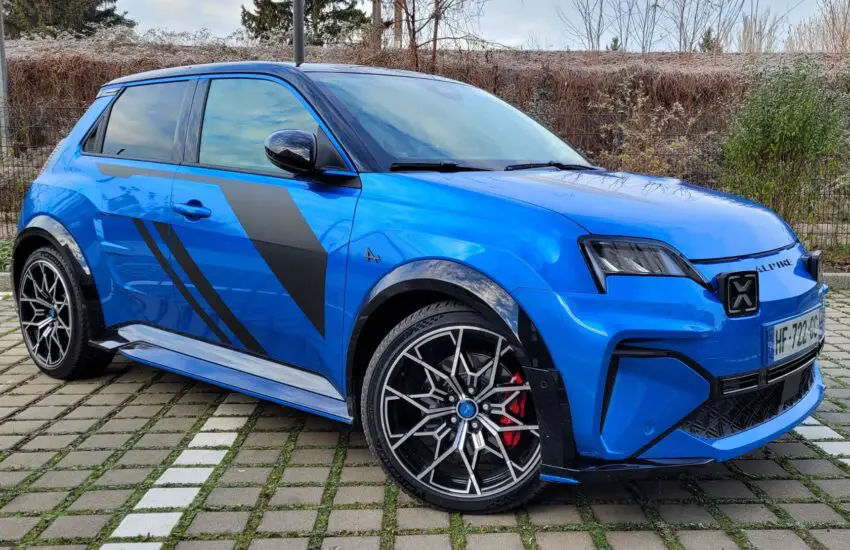
The arrival of the Alpine A290 Première Édition in the automotive world has sparked widespread excitement. This eagerly anticipated electric sports car immediately captivated enthusiasts with its aggressive styling and high-performance credentials, promising a thrilling drive.

Surprising Energy Consumption Figures

Initial real-world testing reveals a surprising aspect of the Alpine A290: its energy consumption. While delivering exhilarating acceleration and sharp handling characteristic of the Alpine brand, the vehicle demonstrates a notable appetite for electrons, especially during spirited driving. This consumption rate places it in a unique position within the electric sports car segment, balancing performance with efficiency in a distinct manner.

Performance Versus Efficiency

The A290’s powertrain is engineered for dynamic response, resulting in higher energy draw under hard acceleration. Its aerodynamic design and low-profile tires contribute to its sporty character but also influence its overall energy usage. Drivers can expect consumption to vary significantly based on driving style, with calm commuting yielding more favorable figures than track-inspired maneuvers.

Charging and Daily Usability

Despite its spirited consumption, the Alpine A290 supports rapid charging capabilities, allowing for quick energy replenishment during longer journeys. For daily use, the battery capacity provides ample range for most urban and suburban needs, making it a practical yet exciting choice for those seeking an engaging electric driving experience without sacrificing everyday functionality.

The Alpine A290 Première Édition stands out as a compelling blend of sporty heritage and electric innovation, defining a new chapter for performance-oriented EVs with its distinctive character.

Fiat’s Electric Kei Car for Europe

Fiat’s Urban Electric Revolution

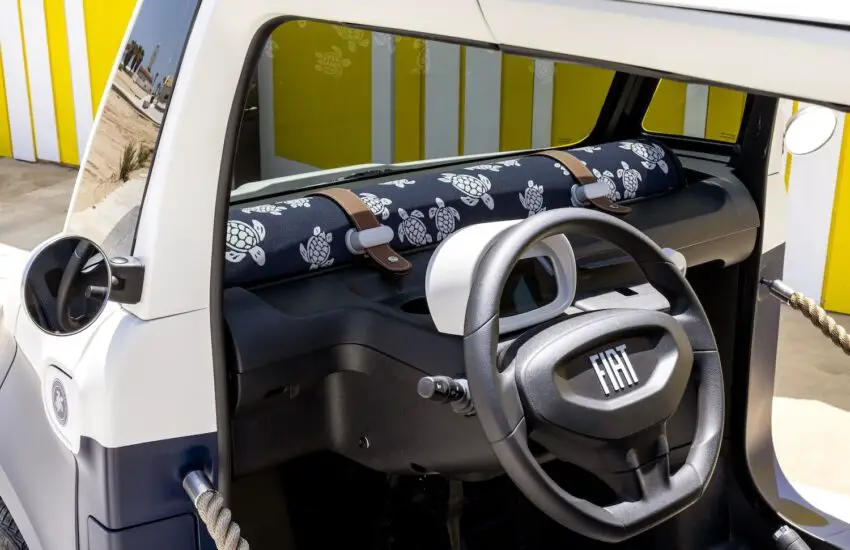
As European cities grow denser and emission regulations tighten, Fiat appears poised to introduce a revolutionary vehicle category to the continent. The Italian automaker is reportedly developing an all-electric vehicle inspired by Japanese kei cars, those remarkably compact urban vehicles that have dominated Japanese city streets for decades. This strategic move aligns perfectly with emerging European Union discussions about creating a new classification for affordable, eco-friendly urban transportation solutions.

The Kei Car Philosophy Adapted for Europe

Japanese kei cars represent a unique approach to urban mobility, featuring strict dimensional limitations and engine displacement requirements that make them ideal for crowded city environments. Fiat’s interpretation would maintain the core principles of compact dimensions and exceptional maneuverability while adapting the concept for European preferences and safety standards. The vehicle would likely measure under 3.4 meters in length, making parking in congested urban centers remarkably straightforward.

Technical Specifications and Market Positioning

The electric kei car from Fiat would probably feature a battery range sufficient for daily urban commuting, potentially between 150-200 kilometers per charge. This range perfectly addresses the typical usage patterns of city dwellers while keeping the vehicle lightweight and affordable. The interior, though compact, would likely utilize space-maximizing designs common in Japanese kei cars, providing surprising practicality within minimal dimensions.

Regulatory Environment and Market Timing

European regulators have been increasingly receptive to creating new vehicle categories that promote sustainable urban mobility. Fiat’s potential kei car electric vehicle could benefit from any new classification that might emerge, potentially receiving incentives similar to those available for other low-emission vehicles. The timing appears strategic, as many European cities implement stricter emission zones and residents seek more practical transportation alternatives.

This development represents Fiat’s recognition of evolving urban transportation needs across Europe. By blending Japanese efficiency with Italian design flair, the manufacturer could create a compelling option for environmentally conscious city dwellers seeking practical, zero-emission mobility solutions.

Zeekr’s European Expansion: French EV Market Entry

Zeekr Accelerates European Market Penetration

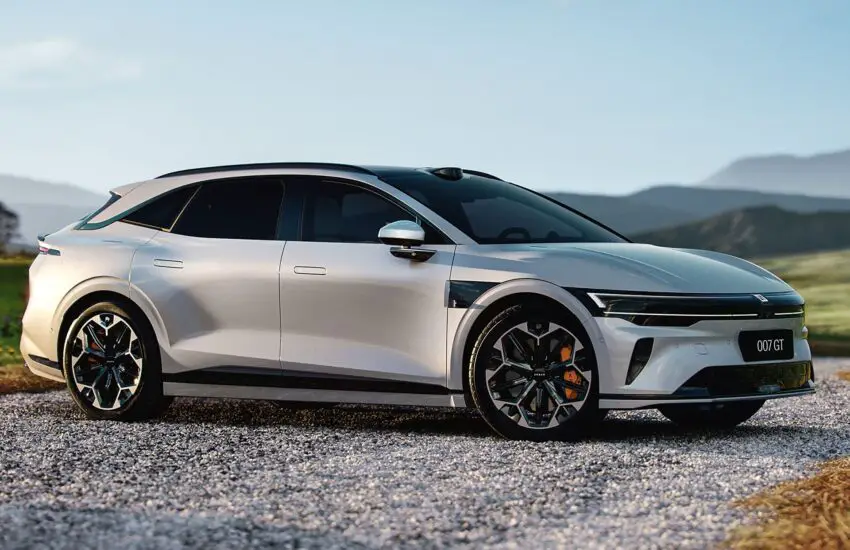
Chinese electric vehicle manufacturer Zeekr is strategically advancing its European expansion with confirmed plans to enter the French automotive market in 2026. As the premium subsidiary of automotive giant Geely, Zeekr represents the latest wave of Chinese EV brands targeting European consumers with competitive technology and sophisticated design.

Premium Electric Vehicles for French Consumers

Zeekr’s market entry will introduce French drivers to a comprehensive lineup of electric vehicles featuring cutting-edge battery technology and advanced autonomous driving capabilities. The brand’s distinctive design philosophy combines aerodynamic efficiency with luxurious interiors, positioning itself as a serious competitor to established European premium manufacturers.

Strategic Market Positioning

The French market entry forms part of Zeekr’s broader European strategy, leveraging Geely’s extensive automotive expertise and global supply chain capabilities. This calculated expansion comes at a pivotal moment as European consumers increasingly embrace electric mobility and seek alternatives to traditional automotive brands.

Technological Innovation and Competitive Advantage

Zeekr vehicles are expected to feature the latest in electric powertrain technology, including ultra-fast charging capabilities and extended driving ranges that address common consumer concerns about EV adoption. The brand’s focus on software-defined vehicles promises regular over-the-air updates that continuously enhance vehicle performance and user experience.

Industry analysts anticipate Zeekr’s arrival will intensify competition in France’s growing EV segment, potentially accelerating the transition to electric mobility through increased consumer choice and technological innovation.

BYD’s Revolutionary Hybrid Engine Breaks New Ground

BYD Unveils Groundbreaking Hybrid Engine Design

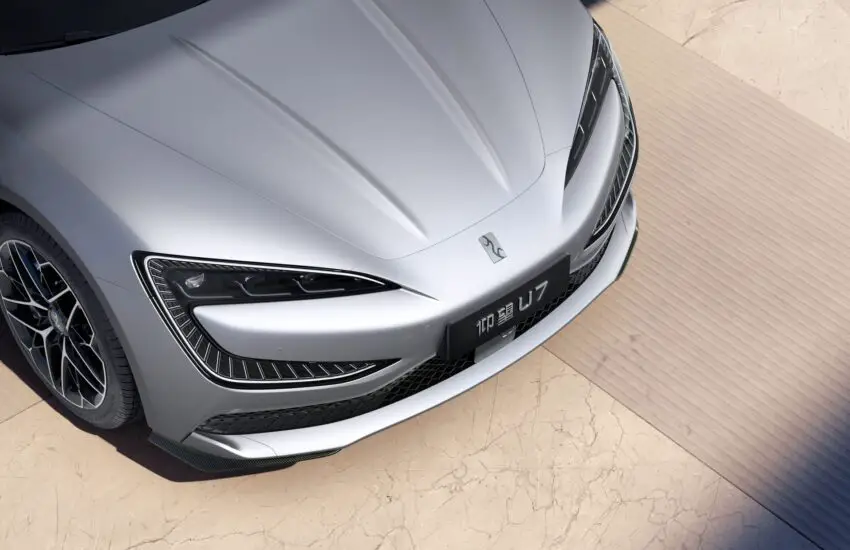
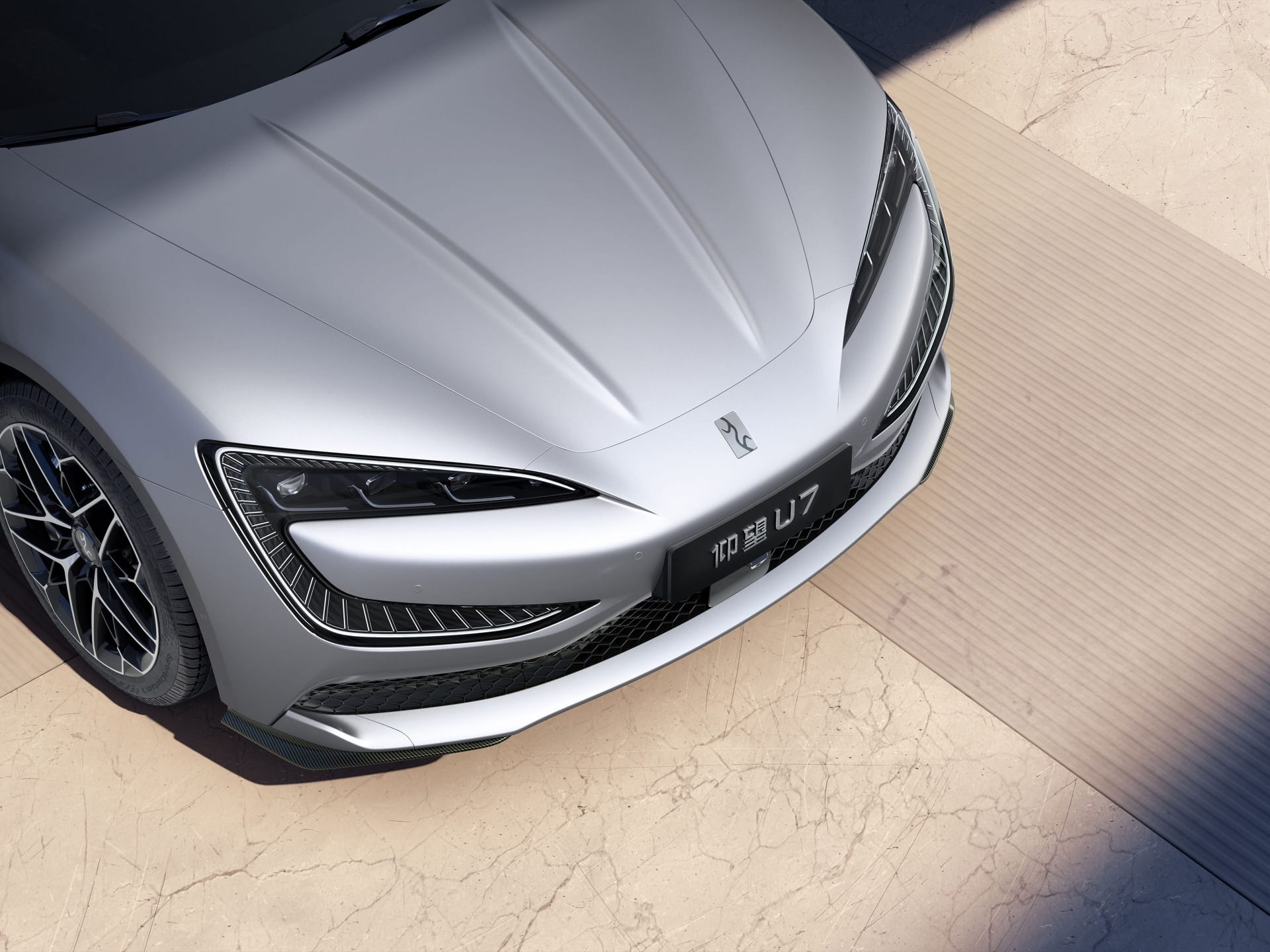
Yangwang U7

In an automotive landscape dominated by conventional three-cylinder turbo and inline-four engines with occasional V6 configurations, the emergence of a completely new engine architecture generates significant technical interest. BYD, the leading Chinese manufacturer primarily known for electric vehicles, has revealed an innovative thermal engine specifically designed for hybrid applications that challenges established engineering paradigms.

Technical Innovation in Hybrid Powertrains

BYD’s new engine represents a departure from traditional internal combustion designs, optimized specifically for hybrid systems rather than standalone operation. The engineering approach focuses on maximizing efficiency within the hybrid ecosystem, where the electric motor handles certain operational ranges while the thermal engine operates at its most efficient points. This strategic design allows for reduced emissions and improved fuel economy compared to conventional engines adapted for hybrid use.

Strategic Implications for the Automotive Industry

This development signals BYD’s ambitious technical strategy to lead in hybrid technology alongside their established electric vehicle expertise. By creating a purpose-built hybrid engine rather than modifying existing designs, the company demonstrates a commitment to optimized performance and efficiency. The engine’s architecture potentially offers advantages in packaging, weight distribution, and thermal management that could influence future hybrid vehicle design across the industry.

As global markets continue to transition between powertrain technologies, BYD’s innovative approach to hybrid propulsion demonstrates how manufacturers can push boundaries in conventional technology categories. This engine development represents a significant step in the evolution of hybrid systems, potentially setting new benchmarks for efficiency and integration in dual-power vehicles.

Audi’s 2026 Electric Evolution: A6 and Q6 e-tron Upgrades

Audi’s 2026 Electric Lineup: What’s New for A6 and Q6 e-tron?

Audi A6 e-tron and Q6 e-tron 2026 models

Audi is rolling out substantial updates for its flagship electric vehicles built on the advanced PPE and PPC platforms. For the 2026 model year, the A6 e-tron and Q6 e-tron are the exclusive recipients of these enhancements, setting new benchmarks in the electric luxury segment.

Enhanced Performance and Efficiency

The 2026 Audi A6 e-tron and Q6 e-tron feature refined powertrains that deliver improved acceleration and smoother power delivery. Battery technology advancements contribute to extended range, allowing drivers to travel farther on a single charge. These models incorporate next-generation thermal management systems to optimize energy use in various driving conditions, ensuring consistent performance whether in city traffic or on long highway journeys.

Next-Level Interior Technology

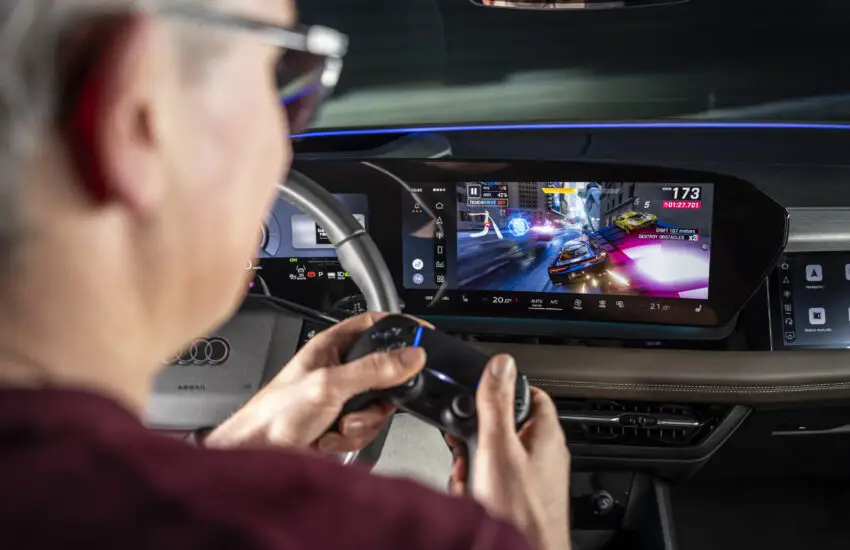
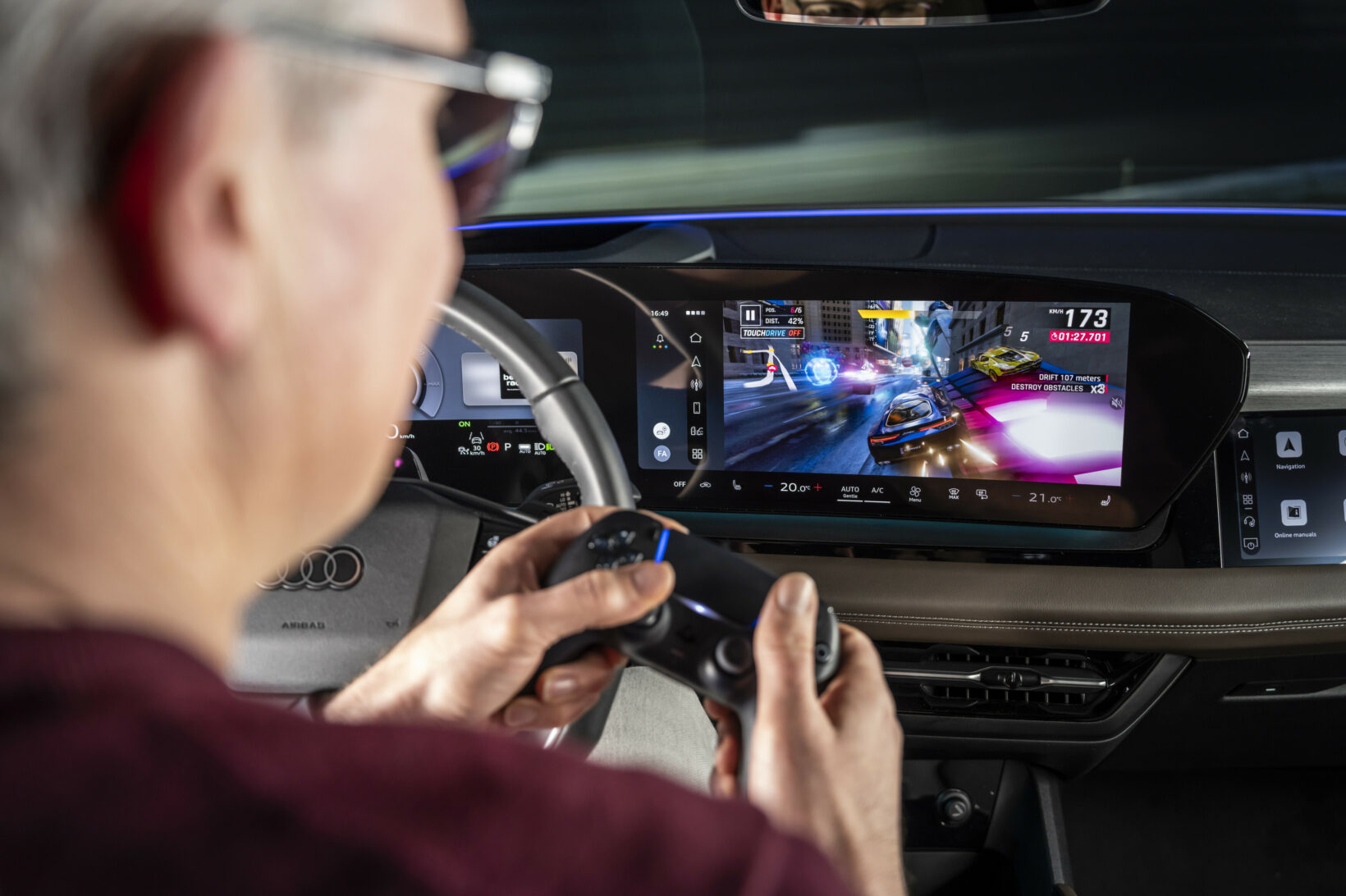
Inside the cabin, occupants will discover upgraded digital interfaces with more intuitive controls and enhanced connectivity features. The infotainment system receives significant processing power increases, resulting in faster response times and more sophisticated voice recognition capabilities. Sustainable materials feature prominently throughout the interior, aligning with Audi’s commitment to environmental responsibility without compromising luxury.

Advanced Driver Assistance Systems

Safety receives a substantial boost with the introduction of more sophisticated driver assistance technologies. The 2026 models incorporate improved sensor suites that provide better object detection and more precise automated emergency braking. Enhanced adaptive cruise control now offers smoother acceleration and deceleration, making long-distance travel more comfortable and less fatiguing for drivers.

These comprehensive updates position the 2026 Audi A6 e-tron and Q6 e-tron as serious contenders in the premium electric vehicle market, offering a compelling combination of performance, technology, and sustainable luxury that appeals to discerning electric vehicle enthusiasts.

Electric Car Sharing Launches at Paris La Défense

Europe’s Premier Business District Embraces Electric Mobility

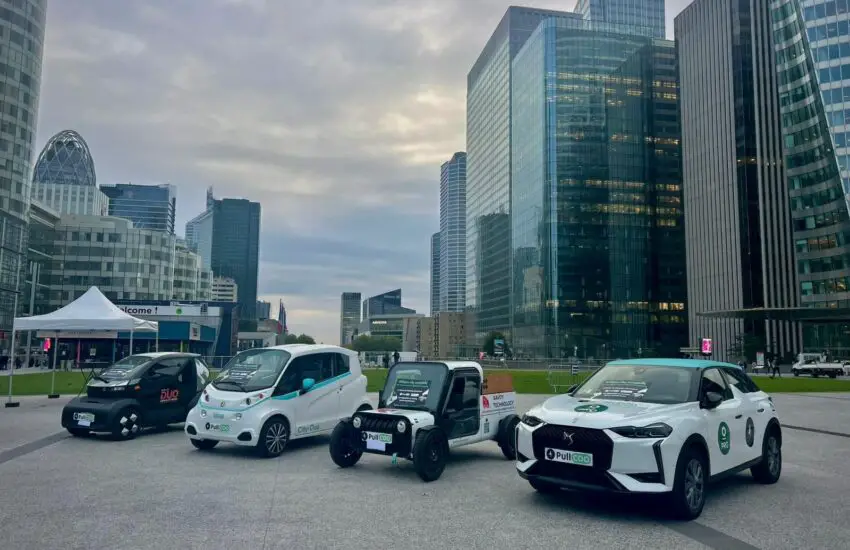
Paris La Défense, Europe’s largest business district, has officially inaugurated a fully electric car-sharing service tailored for corporate needs. This initiative marks a significant step in sustainable urban transportation, offering companies a green alternative for employee travel and business logistics.

Exclusive Electric Fleet for Corporate Use

The service features a modern fleet of 100% electric vehicles, strategically stationed across key locations within La Défense. Designed to support the daily operational requirements of businesses, these zero-emission cars provide a practical solution for meetings, client visits, and inter-office commutes. By integrating cutting-edge technology, the system ensures seamless booking and access, enhancing efficiency for corporate users while contributing to reduced traffic congestion and improved air quality in the area.

Advancing Sustainability in Urban Business Hubs

This electric car-sharing program aligns with broader environmental goals, promoting the adoption of clean energy in one of Europe’s most dynamic economic centers. It enables companies to demonstrate their commitment to corporate social responsibility by minimizing their carbon footprint. The availability of dedicated charging infrastructure within the district supports uninterrupted service, encouraging a shift away from private car ownership and fossil fuel dependence.

Strategic Benefits for Businesses

Organizations operating in Paris La Défense can leverage this service to optimize transport costs and streamline mobility management. The flexibility of on-demand electric vehicles reduces the need for maintaining private fleets, freeing up resources for core business activities. As urban centers worldwide push for greener solutions, this initiative positions La Défense as a forward-thinking model for sustainable business districts, fostering an eco-conscious corporate culture.

Renault’s Neo-Retro Electric Revolution

The Rise of Neo-Retro Automotive Design

Automotive design has always been a polarizing subject, with aesthetic preferences varying dramatically across different demographics. However, the neo-retro movement has emerged as a significant trend in the contemporary automotive industry, particularly within the electric vehicle segment. This design philosophy masterfully blends nostalgic elements with modern technology, creating vehicles that evoke emotional connections while delivering cutting-edge performance.

Renault’s Design Heritage Meets Innovation

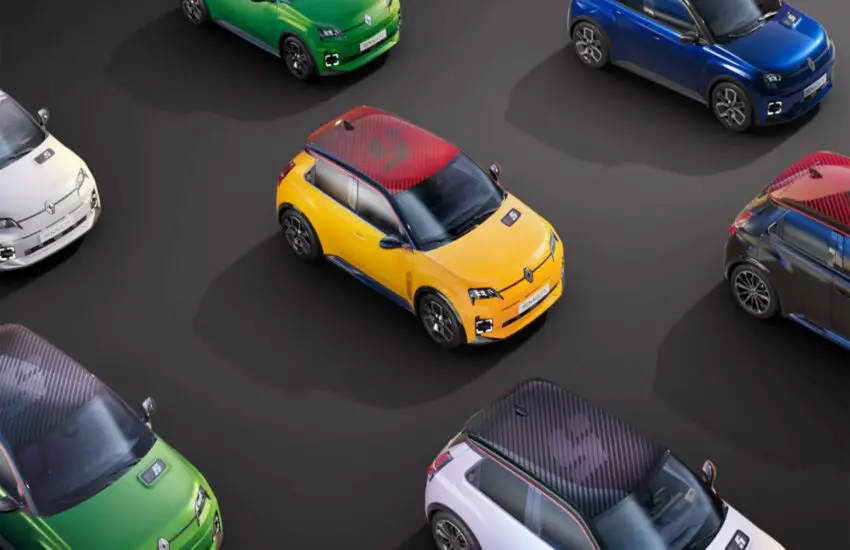
Renault has strategically embraced this neo-retro approach by reimagining its iconic historical models through a contemporary lens. The French automaker’s design team carefully studies classic silhouettes and distinctive features from beloved past models, then integrates them with the unique requirements of electric vehicle architecture. This results in vehicles that feel simultaneously familiar and futuristic, appealing to both traditional enthusiasts and modern EV adopters.

Electric Vehicles as Canvas for Retro Design

The transition to electric powertrains presents unique opportunities for neo-retro styling. Electric platforms offer greater design flexibility with their compact motors and battery placement, allowing designers to recreate classic proportions that were previously constrained by internal combustion engine requirements. Renault leverages this advantage to develop vehicles that capture the spirit of iconic models while incorporating aerodynamic efficiency and sustainable materials essential for modern electric vehicles.

Market Position and Consumer Appeal

This design strategy positions Renault uniquely in the competitive electric vehicle market. While many manufacturers focus exclusively on futuristic aesthetics, Renault’s neo-retro approach creates an emotional bridge between the brand’s rich heritage and its electric future. The visual storytelling through design elements helps consumers connect with electric vehicles on a deeper level, potentially accelerating adoption among those who might otherwise hesitate to transition from traditional automobiles.

Sustainable Innovation Through Retro Inspiration

Beyond aesthetics, Renault’s neo-retro electric vehicles represent a holistic approach to sustainable mobility. The company integrates advanced recycling technologies and eco-friendly production methods while maintaining design elements that celebrate automotive history. This balanced perspective demonstrates how automotive heritage can inspire innovation rather than hinder progress, creating vehicles that honor the past while driving toward a cleaner automotive future.

Range Rover Evoque’s Electric Evolution

The Next Chapter for Range Rover Evoque

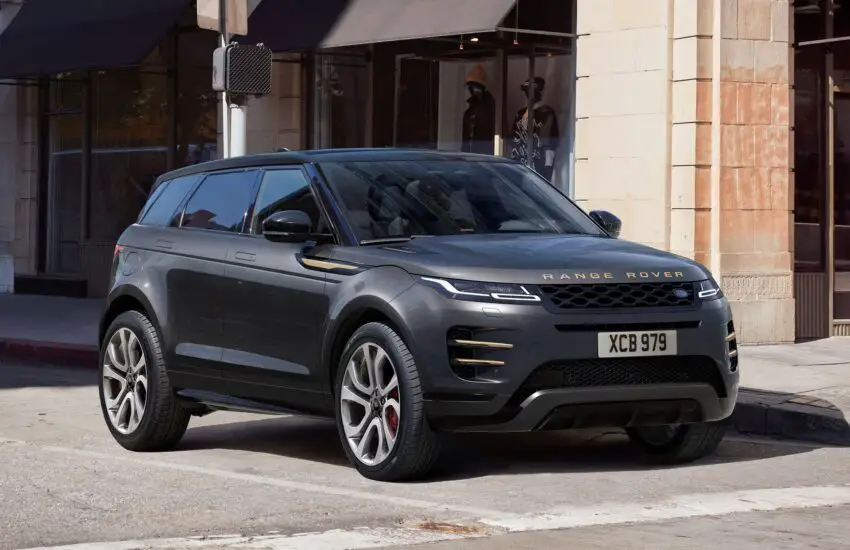
The Range Rover Evoque, a definitive icon in the compact luxury SUV segment, is poised for its most significant transformation yet. The current generation will continue its production run, serving as a bridge to a fully electric future. This strategic move underscores Land Rover’s commitment to innovation while honoring the model’s revolutionary design legacy.

Embracing an Electric Future

Land Rover’s roadmap confirms that the Evoque will transition to a fully electric powertrain. This shift aligns with the automotive industry’s broader move towards sustainability and responds to growing consumer demand for zero-emission luxury vehicles. The upcoming electric Evoque is expected to retain the bold styling and premium interior that defined its success, while integrating next-generation battery technology for impressive range and performance.

Sustaining the Current Generation

While development of the electric model progresses, the existing internal combustion Evoque remains a compelling choice. It continues to offer the sophisticated all-wheel-drive systems, advanced infotainment, and refined ride quality that established its reputation. This extended lifecycle ensures the Evoque remains relevant and available to buyers not yet ready to make the switch to electric.

Legacy of a Compact SUV Pioneer

Since its debut, the Evoque broke new ground by translating Range Rover’s luxury and capability into a compact, urban-friendly form factor. Its design influence is undeniable, inspiring a wave of similar vehicles from competitors. The move to electrification represents the next logical step in its evolution, promising to combine its iconic character with silent, instantaneous electric power and reduced environmental impact.

The journey ahead for the Range Rover Evoque is clear: evolve its iconic essence for a new, electric era without compromising the attributes that made it a landmark vehicle.

Kids’ F1 Racing Jackets: Black Friday Deals

Exclusive Black Friday Savings on Kids’ F1 Jackets

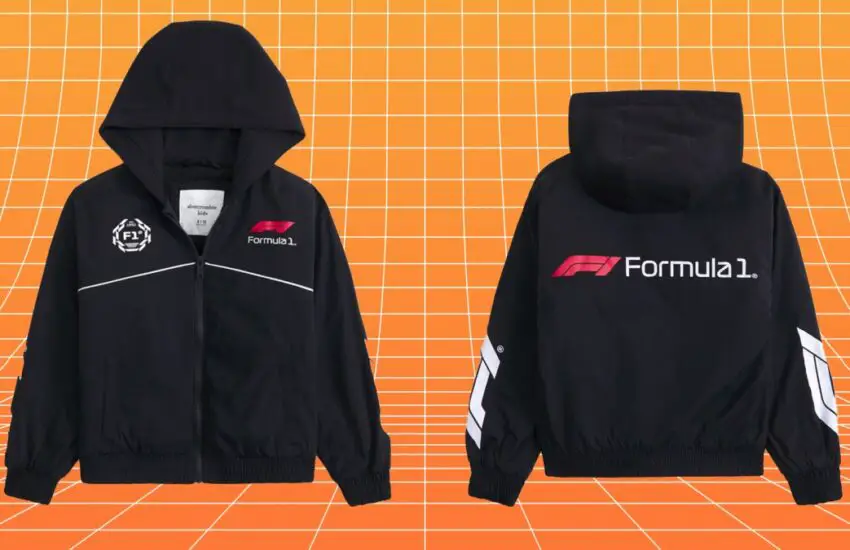
This Black Friday, ignite a passion for motorsports in the next generation with officially licensed F1 jackets for kids. These stylish pieces capture the essence of Formula 1 racing, allowing young fans to showcase their enthusiasm for their favorite teams and drivers. With a limited-time discount of 40%, it’s the perfect opportunity to gear up the little ones in high-quality, comfortable apparel that mirrors the professional racing world.

Why Choose Licensed F1 Apparel for Children?

Officially licensed F1 children’s wear is designed with both style and durability in mind. Made from premium materials, these jackets offer excellent comfort and resilience for active kids. They feature authentic team logos, vibrant colors, and designs that reflect the dynamic world of motorsports. Whether for casual outings or themed events, these garments help children feel connected to the thrilling atmosphere of race days.

Navigating Black Friday and Cyber Monday Offers

During the Black Friday and Cyber Monday sales, retailers like Abercrombie Kids highlight exclusive collections that include F1-themed clothing. Shoppers can find a variety of options, from lightweight jackets to cozy hoodies, all at significant discounts. It’s advisable to browse early, as popular sizes and designs tend to sell out quickly. These promotions make it easier for families to access premium merchandise without stretching their budgets.

Tips for Selecting the Right Fit and Style

When shopping for kids’ F1 jackets, consider factors such as size, material, and design preferences. Look for adjustable features like hoods and cuffs to ensure a snug fit. Many jackets come in unisex styles, making them versatile for all children. Additionally, check for easy-care instructions to maintain the jacket’s appearance through multiple wears and washes, ensuring long-lasting enjoyment.

Embrace the excitement of Formula 1 with these specially curated jackets that blend fashion with fandom. Don’t miss out on these seasonal deals to outfit young racing enthusiasts in gear they’ll love.