Streamlining Home EV Charging Reimbursement for Fleets

The Home Charging Reimbursement Challenge for Businesses

The shift to electric company vehicles introduces a significant administrative hurdle: accurately and fairly reimbursing employees for electricity used to charge at home. Traditional methods, relying on manual mileage logs or flat-rate payments, are often inaccurate, leading to potential overpayment, underpayment, and employee dissatisfaction. This complex process can create friction and slow the adoption of sustainable fleet policies.

An Automated Solution for Fleet Management

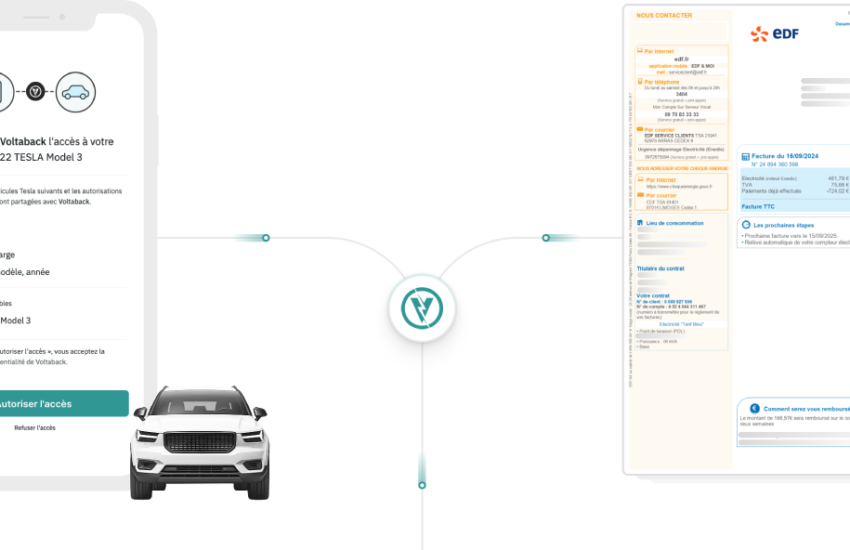
Innovative solutions are emerging to automate this reimbursement process seamlessly. By leveraging existing technology, these platforms can calculate precise energy consumption for each home charging session without requiring any special hardware installation at the employee’s residence. This approach removes the burden of manual tracking from the driver and simplifies payroll integration for the finance department.

Key Benefits for Companies and Employees

Implementing an automated reimbursement system offers clear advantages. For businesses, it ensures precise, auditable cost control, eliminates estimation errors, and provides valuable data on charging patterns and fleet energy usage. It also reinforces a company’s commitment to a smooth green transition. For employees, it guarantees fair compensation for the electricity they provide, enhancing the perceived value of their company vehicle benefit and removing any financial uncertainty associated with home charging.

Driving the Future of Electric Fleets

As electric fleets become the standard, simplifying operational complexities like home charging reimbursement is crucial. Automated technological solutions provide the necessary infrastructure to support this transition efficiently. By addressing this key pain point, companies can accelerate their electrification strategies, improve employee experience, and achieve more transparent and sustainable fleet management.
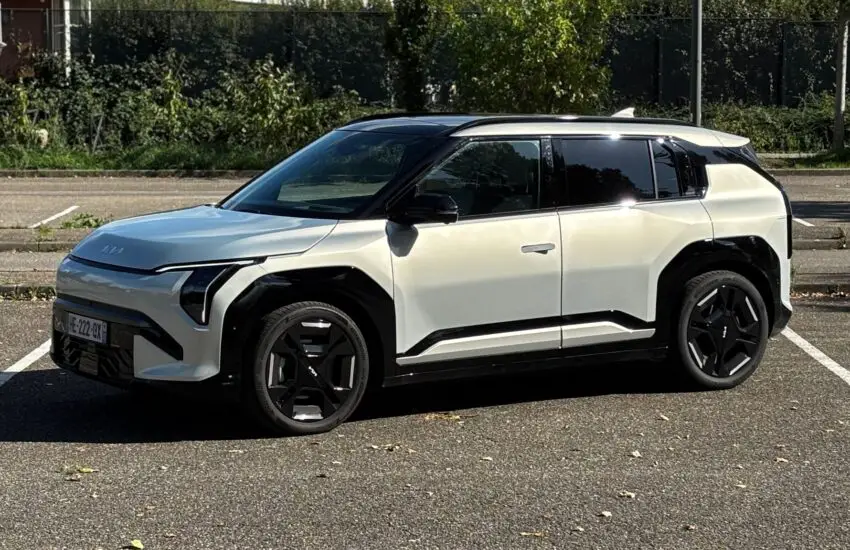
Kia EV3 Real-World Review: Range, Comfort & Value Tested

Putting the Kia EV3 to the Test

The automotive landscape is rapidly shifting, and the new Kia EV3 aims to be a frontrunner in the compact electric SUV segment. Promising a blend of style, technology, and accessible electric mobility, it enters a highly competitive market. This review focuses on its real-world performance, examining how its claimed specifications translate to everyday driving conditions.

Battery Life and Real-World Range

A key selling point for the EV3 is its available long-range battery. Under mixed driving conditions, including highway stretches and urban traffic, the vehicle demonstrated a reliable range. While figures inevitably vary with driving style and climate control use, the EV3’s energy efficiency and regenerative braking system help maximize distance between charges. The accuracy of the onboard range estimator provides drivers with trustworthy planning confidence.

Comfort and Driving Dynamics

Inside, the EV3 offers a thoughtfully designed cabin with ample space for front and rear passengers. The seats provide good support, making it suitable for longer journeys. On the road, the ride quality is composed, effectively absorbing minor road imperfections. The electric powertrain delivers smooth and quiet acceleration, characteristic of EVs, making city driving particularly effortless. Noise insulation is commendable for the category, enhancing overall comfort.

Assessing Value and Practicality

Positioned as a value-oriented EV, the Kia EV3 packages a modern infotainment system, driver-assistance features, and a practical boot space into its compact frame. When evaluating its total cost of ownership against rivals, its combination of range, standard equipment, and Kia’s warranty presents a compelling proposition. It stands out as a practical choice for individuals and families seeking an efficient transition to electric driving without compromising on daily utility.

Stellantis and Bolt Forge Autonomous Vehicle Alliance in Europe

A Strategic Move for Self-Driving Mobility

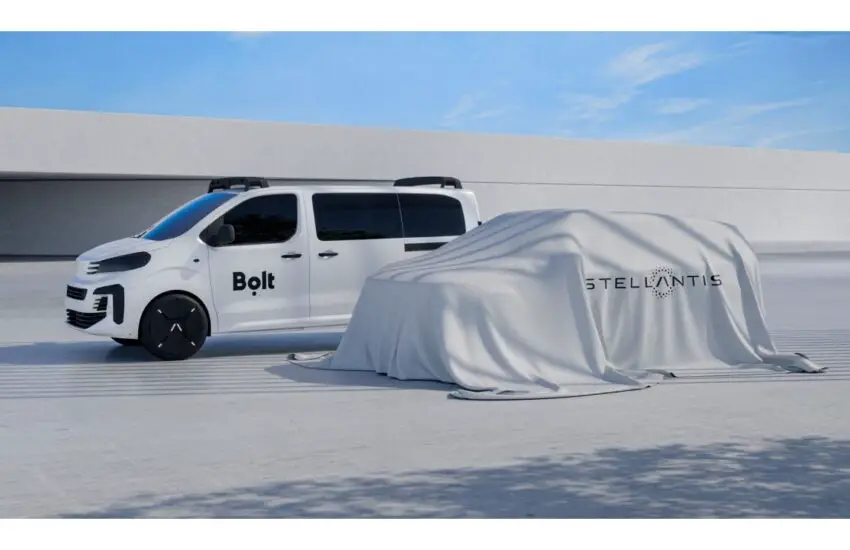
The automotive landscape is shifting towards an autonomous future, and a major new partnership is set to accelerate this transition in Europe. Stellantis, the global automotive manufacturing giant behind brands like Peugeot, Fiat, and Citroën, has joined forces with Bolt, the prominent European mobility platform. This collaboration is strategically designed to develop and deploy Level 4 autonomous vehicle technology across the continent, marking a pivotal step in redefining urban transportation.

Combining Manufacturing Power with Digital Mobility

This alliance brings together complementary strengths from two industry leaders. Stellantis contributes its deep expertise in vehicle design, engineering, and large-scale manufacturing. Bolt adds its vast network and proven platform for on-demand mobility services, which includes ride-hailing and scooter rentals used by millions of customers. By integrating Stellantis’s next-generation autonomous vehicle platforms with Bolt’s extensive digital ecosystem, the partnership aims to create a seamless and scalable service model for self-driving transport.

The Road to Level 4 Autonomy

The core objective is the deployment of Level 4 autonomous vehicles, as defined by the SAE International standards. At this level, the vehicle is capable of performing all driving tasks under specific geographic and environmental conditions without human intervention. This technology promises to enhance road safety, increase accessibility, and optimize the efficiency of shared mobility networks. The European market, with its diverse urban environments and regulatory frameworks, presents a significant testing ground and target for this ambitious rollout.

Implications for Urban Mobility

The partnership signals a profound evolution in how people and goods may move within cities. The integration of autonomous vehicles into a widely-used app like Bolt could make self-driving technology a practical, on-demand service for everyday commuters. This initiative has the potential to reduce urban congestion, lower transportation costs, and contribute to sustainability goals by facilitating more efficient vehicle utilization. As this collaboration progresses, it will be closely watched as a bellwether for the future of smart, automated urban transit in Europe.

Lucid Motors Faces Lawsuit Over Chief Engineer’s Firing

Lucid Motors Confronts Discrimination Allegations

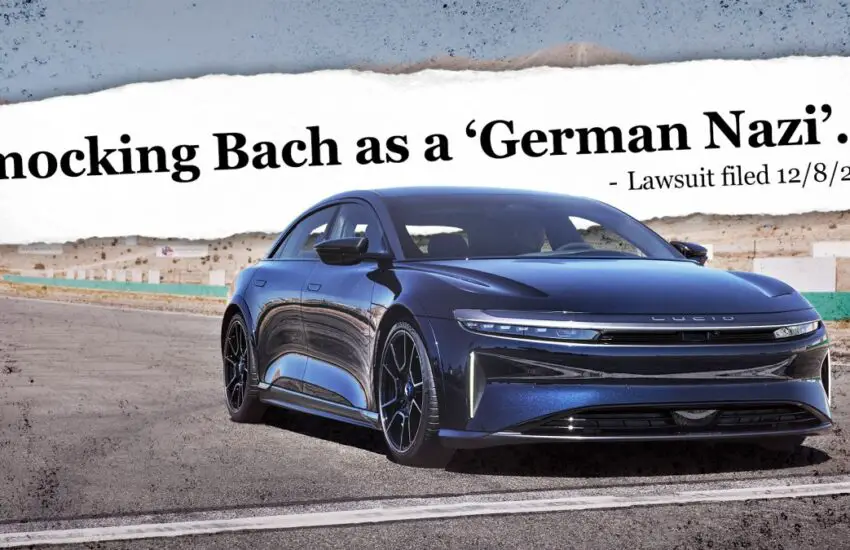
Electric vehicle manufacturer Lucid Motors is embroiled in a significant legal dispute following the termination of a top executive. The company faces allegations of wrongful termination and fostering a discriminatory workplace, casting a shadow over its corporate culture.

Details of the Legal Complaint

The lawsuit was filed by Eric Bach, the former Senior Vice President of Product and Chief Engineer at Lucid. Bach claims his dismissal came as direct retaliation for reporting a hostile work environment. The complaint centers on serious allegations of racist remarks made by a member of the company’s human resources department. According to the filing, after Bach raised these concerns internally, he was subsequently fired from his position.

Broader Implications for the EV Industry

This case emerges during a period of intense competition and scrutiny within the electric vehicle sector. Workplace culture and ethical governance are increasingly under the microscope as companies scale rapidly. Allegations of this nature can impact brand reputation, employee morale, and investor confidence. For Lucid Motors, which positions itself as a forward-thinking luxury brand, navigating this lawsuit will be critical to maintaining its market standing and internal stability.

Corporate Accountability in Focus

The legal action highlights ongoing challenges in corporate accountability and internal reporting mechanisms. It raises questions about the effectiveness of processes for handling serious complaints at the highest levels of management. The outcome of this case may influence policies on workplace conduct and retaliation across the technology and automotive manufacturing landscapes.

Mercedes-Benz CLA EV Shatters 400-Mile Real-World Range Barrier

A New Benchmark for Electric Vehicle Range

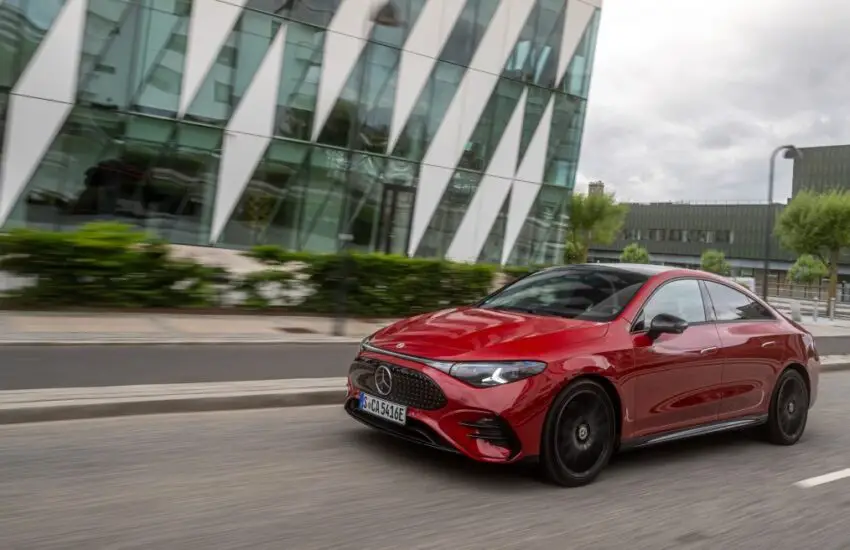
The quest for greater driving range is a central battleground in the electric vehicle market. For many potential buyers, “range anxiety” remains a significant hurdle. The upcoming Mercedes-Benz CLA EV, slated for a 2026 release, has just set a formidable new standard that promises to redefine expectations for compact electric sedans.

Real-World Performance Exceeds Official Ratings

While the CLA EV’s official EPA-estimated range is an impressive 374 miles, recent real-world testing has revealed even more remarkable capabilities. The vehicle successfully completed a journey of 434 miles on a single charge under mixed driving conditions. This achievement demonstrates a critical advancement: the vehicle’s efficiency in everyday use surpasses its already stellar laboratory certifications. This gap between official figures and real-world performance highlights Mercedes-Benz’s focus on holistic engineering, optimizing aerodynamics, thermal management, and powertrain efficiency for practical driving scenarios.

Engineering the Future of Efficiency

This exceptional range is powered by Mercedes-Benz’s next-generation electric architecture. The CLA EV will be one of the first models to utilize the brand’s new MMA platform, designed specifically for electric drivetrains. This platform incorporates an ultra-efficient electric motor and a state-of-the-art battery system with advanced cell chemistry. The vehicle’s sleek, coupe-like silhouette is not just an aesthetic choice; it plays a vital role in reducing drag, directly contributing to its ability to travel further on every kilowatt-hour of energy.

Redefining the Compact EV Segment

The 2026 Mercedes-Benz CLA EV’s landmark range achievement positions it as a leader in the premium compact electric segment. By delivering over 400 miles of real-world driving, it effectively eliminates range concerns for the vast majority of daily commutes and long-distance trips. This milestone is more than a technical specification; it represents a significant step towards making electric vehicles the practical and preferred choice for a broader audience, combining luxury, performance, and unparalleled efficiency.

Toyota GR GT: Where Aerodynamics Dictates Supercar Design

An Engineering Philosophy Reversed

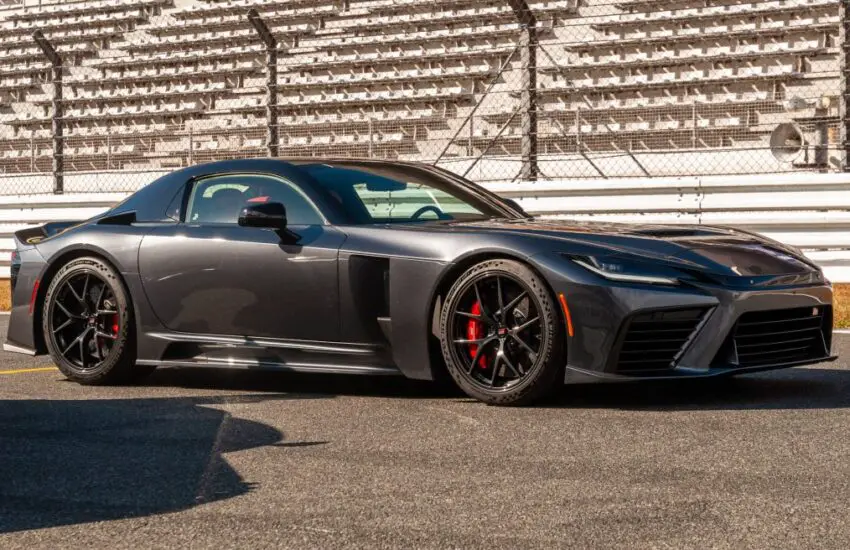
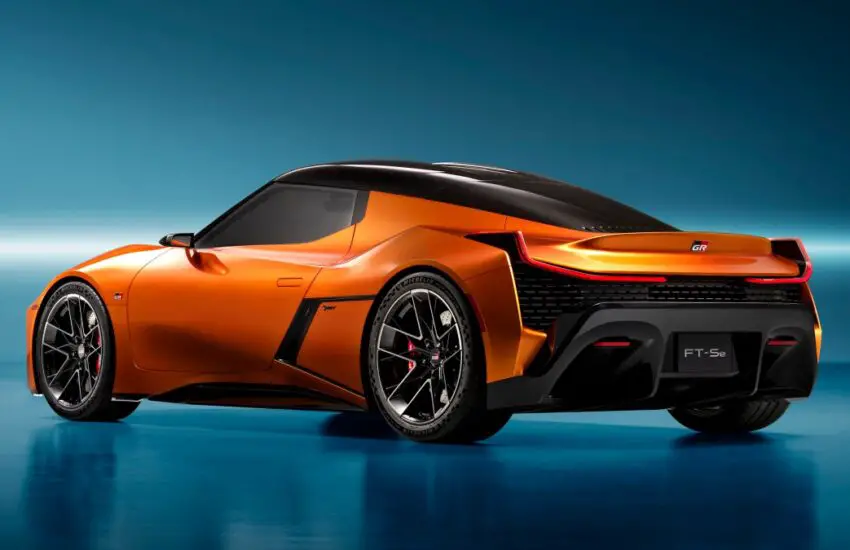
In the realm of high-performance vehicles, the design process typically follows a familiar script: a stunning shape is conceived, and engineers then work to make it functional. The Toyota GR GT project shatters this convention. Its development began not with a sketch, but with computational fluid dynamics. The primary goal was to create a shape of pure aerodynamic efficiency, with the styling team’s role being to artistically clothe this scientifically optimized form. This “function-first” philosophy represents a radical departure, placing ultimate performance above initial aesthetic appeal.

The Demands of a Hybrid V8 Powertrain

This obsessive focus on airflow is not merely for achieving high top speeds. The GR GT is engineered around a potent hybrid V8 powertrain, a configuration that generates immense heat. The aerodynamic design is therefore critically tasked with managing thermal loads, channeling air to cool the combustion engine, electric components, and braking systems with maximum efficiency. Every vent, duct, and surface contour is a calculated element of a complex thermal management system, ensuring the hybrid unit can deliver sustained performance.

From Road to Racetrack: A Direct Lineage

The most compelling validation of this approach is found in motorsport. Toyota’s ambition for the GR GT extends beyond the showroom, with a dedicated GT3 racing version already in development. Crucially, the race car is a direct derivative of the road-going model, not a distant relative. This proves the production car’s core architecture is born from competition-grade aerodynamic thinking. The synergy between the two means advancements on the track can genuinely inform the evolution of the street-legal supercar, creating a feedback loop rooted in pure performance.

A New Benchmark for Hybrid Supercars

By prioritizing aerodynamics from the first line of code, the Toyota GR GT establishes a new paradigm. It promises a driving experience where stability and efficiency are baked into its very essence. This machine is poised to demonstrate that in the hybrid supercar era, ultimate performance is forged not just by power, but by the silent, invisible force of air meticulously harnessed.

Travis Pastrana’s Outback Gymkhana: Subaru Brataroo Unleashed

Gymkhana Finally Conquers the Australian Outback

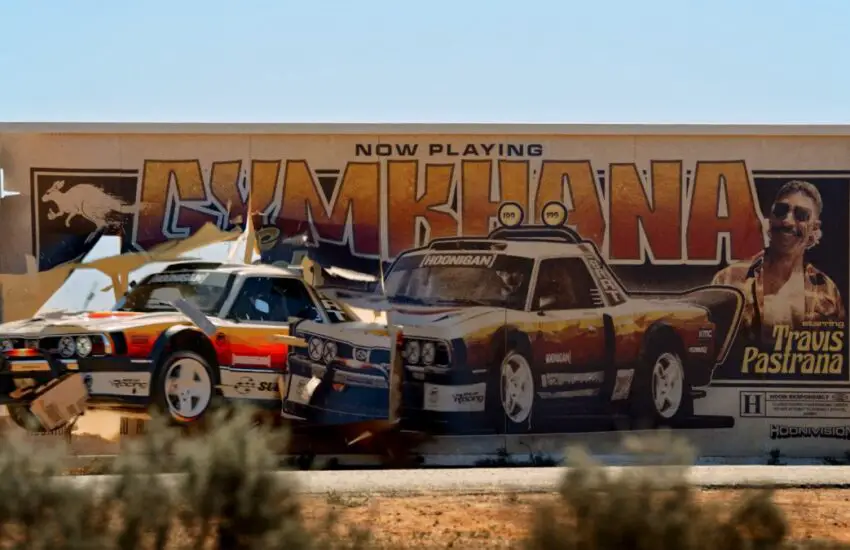
After a decade of anticipation, the iconic Gymkhana series has delivered its Australian debut. Filmed against the breathtaking and brutal backdrop of the Outback, this installment features action sports legend Travis Pastrana pushing a custom-built Subaru Brataroo to its absolute limits. The result is a masterfully edited nine-minute tribute to controlled chaos, celebrating the very birthplace of automotive hooniganism.

A Machine Built for Mayhem: The Subaru Brataroo

Pastrana’s weapon of choice is no ordinary vehicle. Dubbed the “Subaru Brataroo,” this wild creation is based on a classic Subaru Brat but is powered by a monstrous 862-horsepower turbocharged boxer engine. The build combines vintage styling with modern, competition-grade components, creating a unique and unpredictable machine perfectly suited for the dusty, wide-open landscapes of Australia. Its ability to slide, jump, and drift with violent precision is on full display throughout the film.

Pastrana’s Playground: The Spirit of the “Hoon”

The Australian Outback is more than just a scenic location; it’s the spiritual home of the “hoon.” This term, ingrained in Australian car culture, describes the act of driving with exuberant, skilful, and often sideways abandon. Pastrana embodies this spirit completely, threading the powerful Brataroo through rusting car graveyards, across sun-baked plains, and around iconic landmarks. The film is a high-octane love letter to the freedom and raw excitement that defines Australian motorsport passion.

From breathtaking drone shots capturing massive dust clouds to intimate angles of the car’s suspension working overtime, the cinematography is as impressive as the driving. While the concept of playing the entire film in reverse was entertained, the raw, forward-driving action proved more than sufficient. This chapter secures Gymkhana’s legacy by taking its signature style to one of the world’s most epic and demanding environments.

Toyota MR2 Revival Fueled by Global Trademark Activity

New Trademarks Hint at Toyota MR2 Comeback

The iconic Toyota MR2, a beloved mid-engine sports car absent from the market for nearly two decades, is the subject of intense revival rumors. A fresh wave of global trademark filings by Toyota has added significant fuel to the speculative fire, suggesting the Japanese automaker is seriously considering a return for the famous nameplate.

Decoding the Global Paper Trail

Recent trademark applications for the “MR2” designation have been identified in multiple key regions, including New Zealand and intellectual property offices in Europe. This strategic move to secure the name internationally is a classic step taken by automakers when protecting a model name for future use. It strongly indicates that “MR2” is more than just a nostalgic reference in Toyota’s archives and could be destined for a new production vehicle.

Potential Powertrain and Platform Speculation

While Toyota remains officially silent, the rumor mill has been churning with potential specifications. The most compelling theory suggests the new MR2 could serve as a spiritual successor to the mid-engine, rear-wheel-drive formula, potentially slotting below the GR Supra. Speculation points to a possible hybrid powertrain, aligning with Toyota’s broader electrification strategy. Some reports have even hinted at a high-output turbocharged four-cylinder engine, possibly derived from GR performance parts, which could offer an engaging and powerful driving experience reminiscent of the car’s ancestors.

A Strategic Gap in the GR Lineup

The revival of the MR2 would make strategic sense for Toyota’s Gazoo Racing performance division. It would complete a modern sports car trifecta alongside the GR Supra and GR86, catering to a segment of enthusiasts craving a pure, mid-engine layout. A new, accessible MR2 could tap into a growing market for driver-focused vehicles and cement Toyota’s commitment to its performance heritage. As the trademark process unfolds, the automotive world watches closely for an official confirmation.

Tesla Ranks Last in Used Car Reliability Study

Used Car Reliability Rankings Reveal Surprising Results

A new study on used vehicle dependability has delivered unexpected results, placing electric vehicle pioneer Tesla at the very bottom of the list. The rankings, which assessed 26 popular automotive brands, show a significant shake-up in consumer perceptions of long-term reliability.

Established Brands Lead, Tesla Lags Behind

The top of the reliability ranking is dominated by brands with long-standing reputations for building durable vehicles. Japanese manufacturers, in particular, continue to perform strongly, with models known for their robust engineering and lower cost of ownership over time. These results will likely reinforce buyer confidence in certain mainstream marques when shopping the pre-owned market.

Meanwhile, the story at the bottom of the list is generating more discussion. Tesla finds itself ranked last, even trailing behind brands like Jeep, which has historically faced criticism in some reliability surveys. This placement suggests that issues reported by owners—potentially related to complex electronics, build quality, or battery longevity—are impacting the perceived dependability of its older models.

What This Means for Used Car Shoppers

For consumers, this study highlights the importance of looking beyond a vehicle’s powertrain or brand cachet. A car’s reliability history is a critical factor in total cost of ownership, affecting maintenance expenses and potential downtime. While Tesla leads in areas like software innovation and performance, the data indicates that its long-term durability may not yet match that of more conventional automakers.

Shoppers are advised to conduct thorough research on specific model years and review historical data for any vehicle, as brand-wide rankings can sometimes mask the performance of individual models. The evolving technology in both electric and internal combustion vehicles means reliability trends can shift rapidly from one model year to the next.

2026 Subaru Solterra Review: The Refined Electric SUV

The 2026 Subaru Solterra: A Significant Step Forward

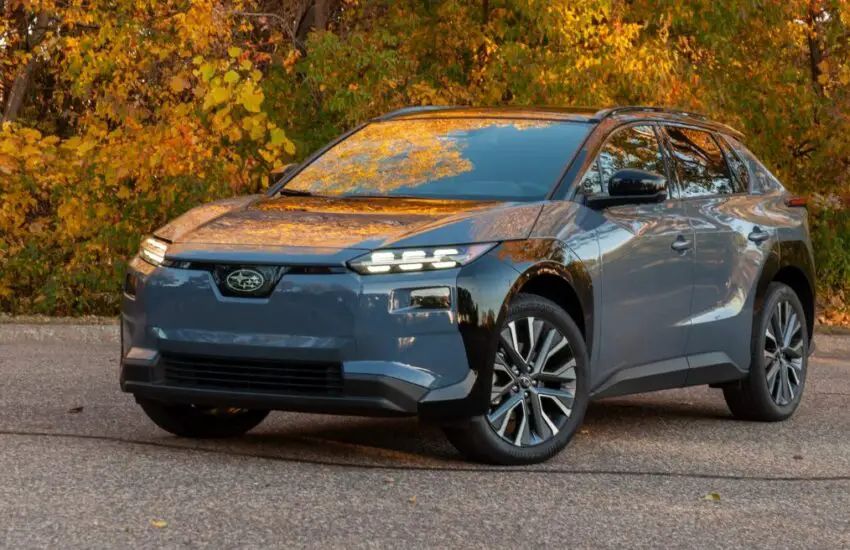
The 2026 Subaru Solterra arrives not as a complete reinvention, but as a precisely calibrated refinement of its original formula. This latest iteration directly addresses the key criticisms of its predecessor, resulting in an electric SUV that confidently steps out from the shadow of its platform siblings, the Toyota bZ4X and Lexus RZ.

Targeted Improvements Deliver Results

Subaru’s engineers focused on three core areas for the 2026 model year. The most welcome change is a tangible increase in driving range, alleviating a primary concern for potential EV buyers. Combined with a subtle boost in power output, the Solterra feels more responsive and capable in everyday driving scenarios.

Exterior and interior design revisions, while evolutionary, enhance the vehicle’s rugged yet modern aesthetic, further solidifying its Subaru identity. These individual updates—more power, greater range, and refined styling—synergize to create a markedly improved ownership proposition.

Standing Out in the Family

Built on a shared architecture, the Solterra, bZ4X, and RZ have fundamental similarities. However, the 2026 Solterra’s updates allow its inherent strengths to shine brighter. Subaru’s renowned symmetrical all-wheel-drive system and elevated ground clearance continue to provide a distinct advantage for drivers seeking confidence in varied conditions, from wet roads to light trails.

The cabin emphasizes practicality and durability, with materials chosen to withstand an active lifestyle. This focus on purposeful design, now paired with improved performance metrics, makes the 2026 Solterra a compelling choice for those prioritizing substance and capability alongside electric propulsion.

The Verdict on the Enhanced Solterra

The 2026 Subaru Solterra successfully rectifies its earlier shortcomings. It emerges as a more complete and competitive package, offering a compelling blend of EV efficiency, standard all-weather capability, and pragmatic design. For shoppers considering this particular trio of related electric SUVs, the refined Solterra presents a uniquely balanced and appealing option.