OBD-II Code P1474 Buick: EVAP System Leak Detection Pump Circuit Explained

Understanding OBD-II Code P1474 in Your Buick

When your Buick’s check engine light illuminates and a scan tool reveals the diagnostic trouble code (DTC) P1474, it indicates a specific fault within the vehicle’s Evaporative Emission Control (EVAP) system. This code is manufacturer-specific to General Motors (GM) vehicles, including Buick models. P1474 is defined as “EVAP Leak Detection Pump Control Circuit High Voltage” or a general “Leak Detection Pump Circuit” malfunction. Unlike generic EVAP codes pointing to a simple gas cap issue, P1474 is a more technical electrical or component-level fault that requires systematic diagnosis to resolve.

What is the EVAP System and the Leak Detection Pump?

The EVAP system is designed to prevent fuel vapors from the gas tank from escaping into the atmosphere. It captures these vapors, stores them in a charcoal canister, and later purges them into the engine to be burned. The Leak Detection Pump (LDP) is a critical component in GM’s enhanced EVAP monitoring strategy. It is not a traditional pump for fluids but rather an electrically-operated pump that creates a vacuum or pressure within the EVAP system. The Powertrain Control Module (PCM) then monitors this pressure/vacuum to determine if the system is sealed or has a leak.

Technical Definition of Code P1474

The PCM monitors the control circuit for the Leak Detection Pump. Code P1474 sets when the PCM detects an unexpected voltage condition on this circuit—typically a voltage that is higher than expected for the commanded state. This signals that the control path for the LDP is compromised, preventing the PCM from properly commanding the pump to perform its leak tests. As a result, the vehicle’s onboard diagnostics cannot verify the integrity of the entire EVAP system.

Common Symptoms and Causes of P1474

While P1474 is an emissions-related code, it can sometimes be subtle in its presentation. Drivers should be aware of the following signs and potential underlying issues.

Primary Symptoms of a P1474 Fault

  • Illuminated Check Engine Light (MIL): This is the most common and often the only symptom.
  • Failed Emissions Test: The vehicle will not pass a state emissions inspection with an active P1474 code.
  • Possible Fuel Odor: In rare cases where the fault affects system sealing, a faint gasoline smell may be noticeable.
  • No Drivability Issues: The engine typically runs normally; this is not a code that affects performance, fuel economy, or starting.

Root Causes of Buick P1474 Diagnostic Trouble Code

  • Faulty Leak Detection Pump (LDP): The internal motor or solenoid within the pump has failed.
  • Damaged Wiring or Connectors: Corroded, broken, shorted, or frayed wires in the LDP control circuit or harness.
  • Poor Electrical Connections: A loose or corroded connector at the LDP or PCM.
  • Blown Fuse: A fuse supplying power to the EVAP system or the LDP circuit may be blown.
  • Faulty Powertrain Control Module (PCM): This is rare, but a malfunction within the PCM itself cannot be ruled out after all other causes are eliminated.

Step-by-Step Diagnostic and Repair Guide

Diagnosing P1474 requires a methodical approach, starting with the simplest checks and progressing to more complex tests. You will need a quality OBD2 scanner and a digital multimeter (DMM).

Step 1: Preliminary Inspection and Visual Check

Begin with a thorough visual inspection. Locate the Leak Detection Pump (common locations include near the charcoal canister, behind a rear wheel well, or under the vehicle). Check for:

  • Physical damage to the pump or its mounting bracket.
  • Obvious corrosion, chafing, or breaks in the wiring harness.
  • Ensure the electrical connector is securely fastened and free of corrosion or bent pins.
  • Inspect the related fuses in the under-hood and interior fuse boxes.

Step 2: Circuit Testing with a Multimeter

This step verifies the integrity of the electrical circuit. Disconnect the connector from the LDP. With the key in the ON position (engine off), use your DMM to check for:

  • Power Supply: One pin should show battery voltage (approx. 12V).
  • Ground Circuit: Another pin should show continuity to a known good ground.
  • Control Signal: The signal wire from the PCM may need to be checked for an active signal during a bi-directional control test with a capable scanner.

If power and ground are present but the pump doesn’t operate when commanded, the pump is likely faulty.

Step 3: Testing the Leak Detection Pump Itself

You can bench-test the LDP. Apply battery voltage and ground directly to the appropriate terminals of the pump (consult a service manual for the pinout). A functioning pump will make a distinct clicking or humming sound as it activates. No sound indicates a failed pump. Also, check the pump’s internal filter; if it’s clogged with dirt or debris, it can cause a failure.

Step 4: Clearing the Code and Verifying the Repair

After replacing a faulty LDP or repairing damaged wiring:

  • Clear the P1474 code from the PCM’s memory using your scan tool.
  • Perform a complete drive cycle. The PCM needs to run its self-tests, which includes multiple EVAP monitor readiness tests. This may require a mix of city and highway driving over several trips.
  • Re-scan the vehicle to confirm the code does not return and that the EVAP monitor shows “Ready” or “Complete.”

Preventive Measures and Professional Advice

While some failures are inevitable, you can minimize the risk of EVAP system issues like P1474.

When to Seek Professional Help

If you are not comfortable with electrical diagnostics or lack the proper tools, seek a certified technician. Modern EVAP systems are complex, and accurate diagnosis saves time and money. A professional will have access to factory service information, advanced scan tools for bi-directional controls, and a smoke machine to perform a definitive leak test after the electrical repair is complete.

Maintenance Tips to Avoid EVAP Problems

  • Always tighten the fuel filler cap until it clicks three times.
  • Address any other check engine lights promptly, as they can interrupt the EVAP monitor.
  • During vehicle service, be careful not to damage wiring or components under the vehicle or near the fuel tank.
  • If your Buick is frequently driven on dusty or muddy roads, periodically inspect the LDP and its filter for debris accumulation.

Resolving a P1474 code restores your Buick’s emissions system to proper function, ensures it will pass inspection, and maintains its environmental efficiency. By following a logical diagnostic process, this circuit-based fault can be accurately identified and repaired.

Ford and Renault Forge Electric Alliance for Europe

A Strategic Shift in the EV Race

The automotive industry is witnessing a significant realignment as Ford and Renault announce a strategic partnership to co-develop a new generation of affordable electric vehicles. This unexpected collaboration marks a pivotal moment, especially for Ford’s European strategy, signaling a move towards shared investment to compete in the critical small EV segment.

Joining Forces for Market Access

This alliance is primarily focused on creating a compact electric car tailored for the European market. By pooling resources, expertise, and platforms, both manufacturers aim to accelerate development timelines and significantly reduce costs. The partnership allows them to share the substantial financial burden of EV engineering while aiming to deliver a competitive product that meets stringent regional demands for range, features, and price.

Ford and Renault strategic partnership meeting

Navigating a Competitive Landscape

The move underscores the intense pressure traditional automakers face from new EV entrants and tightening emissions regulations. Developing a profitable small electric vehicle has proven challenging due to high battery costs. This collaboration is a direct response to that challenge, enabling both Ford and Renault to leverage shared technology and manufacturing scale to achieve viability in a fiercely competitive sector.

Implications for the European Auto Industry

This partnership could reshape the competitive dynamics in Europe’s EV market. A successful joint venture would provide both companies with a stronger foothold against rivals like Volkswagen and Stellantis, as well as growing competition from Asian manufacturers. It represents a pragmatic shift from pure competition to selective cooperation, a trend likely to become more common as the industry’s electrification accelerates.

Electra Powers Chronopost’s Electric Last-Mile Delivery Push

A Strategic Alliance for Sustainable Logistics

The partnership between Electra, a leader in fast-charging infrastructure, and Chronopost, a major player in express parcel delivery, is entering a new phase. This strengthened collaboration is squarely focused on accelerating the electrification of last-mile delivery fleets across France. By combining Electra’s expanding network of ultra-fast charging hubs with Chronopost’s extensive logistics operations, the alliance represents a significant step toward decarbonizing urban delivery networks.

Charging Ahead: Infrastructure Meets Operational Scale

For Chronopost, reliable and rapid charging is the cornerstone of a viable electric vehicle (EV) fleet. Electra’s network provides the essential infrastructure, enabling delivery vans to recharge quickly during drivers’ mandatory breaks or between routes. This operational efficiency is critical for maintaining the tight schedules required in express delivery. The partnership ensures that as Chronopost grows its EV fleet, the necessary charging support scales seamlessly alongside it, removing a major barrier to large-scale adoption.

The Critical Last Kilometer

The “last kilometer” is the final and most complex leg of a parcel’s journey, often occurring in dense urban areas with traffic congestion and strict emissions regulations. Electrifying this segment delivers immediate environmental and social benefits, including reduced noise pollution and improved air quality in city centers. This collaboration directly tackles this challenge, aiming to replace a significant number of traditional diesel vans with clean, electric alternatives, setting a new standard for the industry.

Driving Industry-Wide Change

The Electra-Chronopost model is more than a simple supplier-client relationship; it is a strategic blueprint for the logistics sector. It demonstrates how specialized charging infrastructure providers and large fleet operators can work in tandem to achieve sustainability targets. As regulations on vehicle emissions tighten and corporate social responsibility goals become more pressing, such integrated partnerships are likely to become the norm, paving the way for a cleaner future in urban logistics.

Decoding OBD2 Code P1474: Audi Secondary Air Injection System Malfunction

Understanding the P1474 OBD2 Code in Your Audi

The illumination of the check engine light in your Audi, accompanied by diagnostic trouble code (DTC) P1474, signals a specific issue within the vehicle’s emissions control system. Technically defined as “Secondary Air Injection System – Bank 1,” this code is critical for meeting stringent emissions standards, particularly during a cold engine start. The Secondary Air Injection (SAI) system is designed to reduce hydrocarbon and carbon monoxide emissions by injecting fresh air into the exhaust manifold immediately after starting the engine. This extra oxygen helps the catalytic converter “light off” and reach optimal operating temperature faster. When the Engine Control Module (ECM) detects that the actual airflow or system pressure does not match its expected parameters, it logs code P1474, indicating a malfunction on Bank 1 (the side of the engine containing cylinder #1).

Primary Causes of the P1474 Fault Code

Diagnosing a P1474 code requires a systematic approach, as the fault can originate from several components within the SAI circuit. The issue is commonly found in Audi models like the A4, A6, Q5, and others sharing this emissions platform. The causes range from simple electrical failures to mechanical blockages.

1. Failed Secondary Air Injection Pump

The electric air pump is the heart of the system. Over time, these pumps can fail due to:

  • Motor Brush Wear: Internal electrical contacts wear out, preventing the pump from spinning.
  • Bearing Seizure: Moisture and corrosion can cause the pump’s internals to seize.
  • Internal Valve Failure: Many Audi SAI pumps contain an integrated combi-valve that can stick closed.

2. Faulty or Clogged Secondary Air Injection Valves

These valves, often called combi-valves, control the flow of air from the pump to the exhaust manifold. They can fail mechanically or become clogged with carbon deposits, preventing proper operation. A stuck-closed valve will trigger P1474, while a stuck-open valve can allow exhaust gases to backflow and destroy the air pump.

3. Vacuum System and Solenoid Issues

The SAI valves are typically actuated by engine vacuum, controlled by a solenoid valve. A leak in the vacuum hose, a faulty solenoid, or a lack of vacuum can prevent the valve from opening, causing the ECM to see no airflow.

4. Electrical Problems

This encompasses a wide range of issues, including:

  • Blown fuse or relay for the SAI pump circuit.
  • Damaged, corroded, or broken wiring to the pump, valve, or solenoid.
  • Poor electrical connections at the component plugs.

5. Blocked Air Filter or Hoses

The SAI system has an intake filter and hoses that route air to the pump. If these become clogged with debris or collapse, the pump cannot draw in sufficient air, leading to low flow and triggering the code.

Symptoms and Diagnostic Steps for P1474

While the most obvious symptom is the check engine light, other indicators may be present. A thorough diagnosis is key to an accurate and cost-effective repair.

Common Symptoms

  • Illuminated Malfunction Indicator Lamp (MIL).
  • Possible slight hesitation or rough idle immediately after a cold start (though often not noticeable).
  • Loud whining or grinding noise from the engine bay on cold starts if the SAI pump bearings are failing.
  • Failed emissions test due to elevated hydrocarbon (HC) levels.

Step-by-Step Diagnostic Procedure

Always begin with a visual inspection. Then, using a professional OBD2 scanner with live data capability, follow these steps:

  1. Check Live Data: Monitor the “Secondary Air System” readiness monitor and any available SAI-related data PIDs (like pump activation status) during a cold start cycle.
  2. Listen for the Pump: On a cold engine (below a specific temperature, usually around 40°C/104°F), start the engine and listen near the front fender/wheel well for the distinct sound of the SAI pump running for about 90 seconds.
  3. Test the Pump Electrically: Use a multimeter to check for power and ground at the pump connector when activated. You can also apply direct 12V power to the pump (bench test) to see if it runs.
  4. Check Vacuum and Valves: Verify vacuum is present at the SAI solenoid and that it is routed correctly to the combi-valve. You can apply manual vacuum to the valve to see if it opens and closes.
  5. Inspect Hoses and Filter: Trace the air inlet hose from the pump to its filter, checking for cracks, blockages, or disconnections.

Repair Solutions and Cost Considerations

Once the faulty component is identified, repair can proceed. The complexity and cost vary significantly based on the root cause and your Audi model.

Component Replacement Guide

Replacement parts are often readily available. Key considerations:

  • SAI Pump: Located typically behind the front bumper or fender liner. Replacement involves removing the liner, disconnecting electrical and air hoses, and unbolting the unit. Consider an OEM or high-quality aftermarket pump.
  • Combi-Valve: Mounted on or near the cylinder head/exhaust manifold. This job can be more labor-intensive, often requiring removal of other components for access. Carbon cleaning may be attempted before replacement.
  • Solenoid and Hoses: These are generally the easiest and least expensive parts to replace. Always use vacuum hose rated for high temperatures.

Estimated Repair Costs

Costs are highly variable. A DIY repair for a simple solenoid or hose can be under $100. Professional repair costs can range widely:

  • SAI Pump Replacement: $400 – $900+ (parts and labor).
  • Combi-Valve Replacement: $300 – $700+ (parts and labor).
  • Full System Repair (Pump & Valve): Can exceed $1,500 at a dealership.

Important Note: After repairs, the P1474 code must be cleared with a scan tool. The ECM will then need to complete a full drive cycle, including a cold start, to verify the fix and turn off the readiness monitor.

Conclusion: Is P1474 a Serious Problem?

While a P1474 code does not typically cause immediate drivability issues or engine damage, it should not be ignored. The primary consequence is increased tailpipe emissions, which will cause your vehicle to fail an emissions inspection. In the long term, a stuck-open secondary air valve can lead to backpressure that destroys the new air pump. Furthermore, any underlying issue, like a major vacuum leak, could affect other engine systems. Addressing a P1474 code promptly restores your Audi’s emissions compliance, ensures all systems function as engineered, and prevents potential collateral damage to other components. A methodical diagnosis is the most effective path to a permanent and economical solution.

Your Essential Guide to Buying a Used Peugeot e-208

Navigating the Used Peugeot e-208 Market

The Peugeot e-208 stands as a benchmark in the electric city car segment. On the used market, it presents a compelling opportunity to access stylish and efficient electric mobility. A successful purchase hinges on understanding its unique characteristics and conducting a thorough evaluation. This guide outlines the key technical aspects and inspection points for a savvy acquisition.

Critical Battery Health and Range Assessment

The battery is the heart and most valuable component of any used EV. For the e-208, verifying its State of Health (SoH) is non-negotiable. A professional diagnostic tool can read the battery management system to provide an accurate SoH percentage, indicating remaining capacity. Correlate this with the real-world range. The original WLTP range figures vary by model year; expect actual range to be lower, especially in colder climates. Review the vehicle’s charging history, if available, as frequent use of rapid DC chargers can impact long-term battery longevity more than regular AC charging.

Key Mechanical and Feature Checks

Beyond the powertrain, a standard used car inspection remains vital. Check the condition of the tires, as EVs can wear them faster due to instant torque. Test all electronics thoroughly, including the digital i-Cockpit, infotainment system, and safety aids like lane-keeping assist. Listen for any unusual sounds from the electric motor or braking system, noting that regenerative braking alters brake pad wear patterns. Verify the service history has been maintained, even though e-208s require less mechanical upkeep than petrol models.

Understanding Model Year Updates and Pricing

The e-208 has seen updates since its launch, including software improvements and, in later models, a slight increase in battery capacity and power. Identifying the model year and trim level (like GT Line or Allure) is crucial for evaluating its feature set and fair market value. Compare asking prices against similar models, factoring in mileage, battery health, and optional equipment. A well-maintained example from a conscientious first owner often represents the best value for long-term satisfaction.

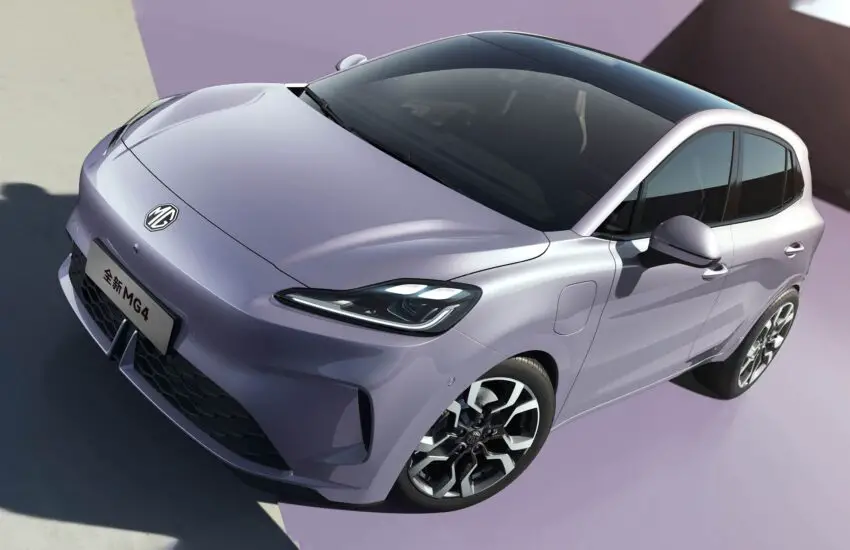
MG 4 Urban Crash Test Hints at Unannounced European EV

EuroNCAP Reveals Mystery MG 4 Variant

A recent publication by EuroNCAP, the European vehicle safety authority, has unexpectedly revealed a new and unannounced electric vehicle variant. The organization listed the crash test results for a model named the “MG 4 Urban,” a version that MG Motor has not officially presented or confirmed for the European market. This discovery raises immediate questions about the brand’s future product strategy and launch plans for the region.

Speculation on Model Strategy

The appearance of the MG 4 Urban in official safety testing suggests that its launch could be imminent, or that plans have recently changed. Industry analysts speculate that this model could represent a new entry-level trim, potentially featuring a smaller battery pack to achieve a lower purchase price. Alternatively, it might be a specific configuration tailored for urban mobility, possibly with a focus on compact dimensions or optimized range for city driving. The “Urban” moniker strongly hints at this latter positioning.

Implications for the European EV Market

The MG 4 has already established itself as a significant contender in Europe’s competitive compact EV segment, praised for its value and performance. The introduction of an Urban variant could allow MG to target an even broader audience, appealing to cost-conscious consumers or those whose driving is predominantly within city limits. This move would intensify competition, putting further pressure on rivals to match its likely aggressive pricing.

Until MG Motor releases an official statement, the MG 4 Urban remains an intriguing mystery. Its confirmed safety rating by EuroNCAP indicates that development is advanced, making a future announcement highly probable. The automotive community will be watching closely for any confirmation that could clarify this model’s role in MG’s expanding European electric lineup.

The Lucid Air’s Side Screen: A New Era for Driver Ergonomics

Beyond the Central Console: Rethinking the Digital Dashboard

The proliferation of screens in modern vehicles is a hotly debated topic. While most manufacturers have relentlessly expanded the central touchscreen, often burying essential functions in sub-menus, a different approach is emerging. The focus is shifting from sheer screen size to intelligent placement and purpose-driven design. This evolution seeks to reduce driver distraction by putting critical information and controls exactly where they are needed most.

The Lucid Air’s Pilot Panel: A Masterclass in Functional Design

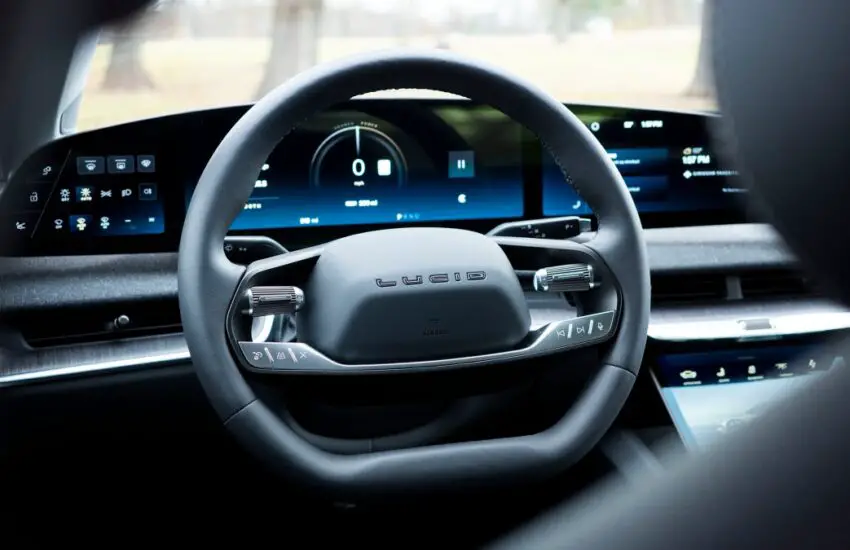
Lucid Motors redefined cabin ergonomics with the Lucid Air’s innovative “Pilot Panel.” This retractable touchscreen, positioned directly in front of the driver and cascading down the center console, is more than just a display; it’s a dedicated command center. Its primary genius lies in its location. By placing it laterally and within perfect reach of the driver’s right hand, it creates an intuitive link between the driver and the vehicle’s core systems without forcing their eyes to wander far from the road.

How Purpose-Built Screens Enhance the Driving Experience

This dedicated side screen handles climate controls, media, navigation details, and vehicle settings. This strategic division of labor allows the main curved Glass Cockpit display to remain focused on driving metrics like speed, safety alerts, and driver-assist information. The result is a cleaner, less cluttered visual field. Drivers can make adjustments through tactile feedback and minimal glance time, moving away from the frustrating hunt through layered menus on a single, overloaded central screen that has become an industry standard.

The Lucid Air’s approach demonstrates that the future of in-car interfaces isn’t necessarily fewer screens, but smarter ones. It proves that ergonomics and digital luxury can coexist when design prioritizes the driver’s focus and ease of use. This philosophy may well set a new benchmark, challenging other automakers to think beyond the monolithic touchscreen and consider how thoughtful integration can truly enhance the human-machine connection.

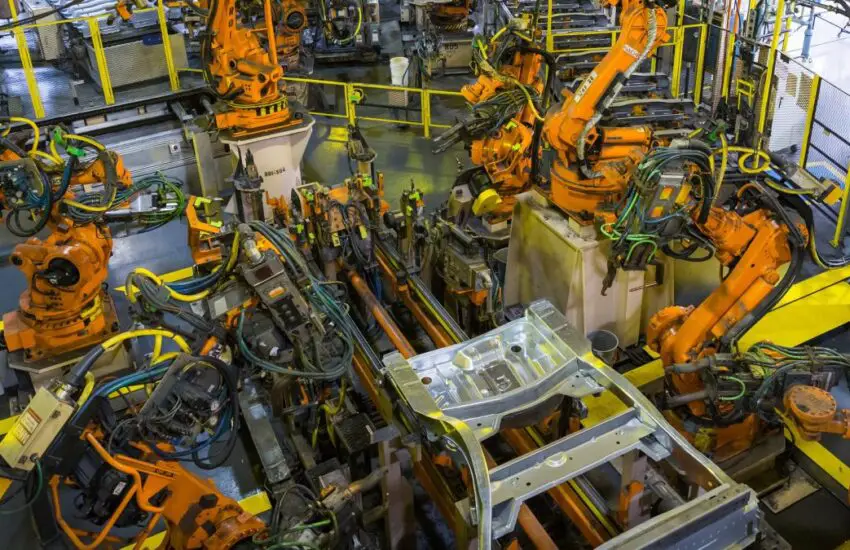
Canada Issues Default Notice to Stellantis Over Jeep Compass Production Shift

Canadian Government Takes Legal Action Against Automaker

The Canadian government has formally served Stellantis with a “default notice,” initiating a significant legal dispute. This action is a direct response to the automaker’s decision to relocate production of the Jeep Compass from its Brampton Assembly Plant in Ontario to a facility in Belvidere, Illinois. Authorities in Ottawa contend that this move constitutes a breach of the terms tied to substantial public subsidies previously granted to the company.

Billions in Subsidies Under Scrutiny

The core of the dispute centers on hundreds of millions of dollars in government assistance that Stellantis received, with the understanding of maintaining specific production volumes and employment levels in Canada. The Brampton plant, a major employer in the region, has long been a cornerstone of Ontario’s automotive manufacturing sector. The shift of the Compass, a key model, is viewed not just as an operational change but as a potential violation of the agreed-upon commitments that justified the significant financial investment from Canadian taxpayers.

Strategic Implications for North American Auto Industry

This confrontation occurs amidst a period of intense transformation and competition within the North American automotive landscape. The transition to electric vehicles and the incentives offered by the U.S. Inflation Reduction Act are prompting automakers to reassess their manufacturing footprints. Canada’s aggressive legal move signals its determination to protect its industrial base and ensure that public funds yield the promised long-term economic benefits, including job retention and supply chain stability.

The outcome of this dispute could set a critical precedent for how governments enforce agreements with multinational corporations receiving state aid. It highlights the growing tension between corporate flexibility in a globalized market and national interests in securing domestic industrial investment. The next steps, potentially involving arbitration or court proceedings, will be closely watched by industry and policy analysts across the continent.

Toyota GR GT vs GR GT3: Road Car Aerodynamics Decoded

The Aerodynamic Philosophy: From Track to Street

The Toyota GR GT and the GR GT3 represent two sides of the same high-performance coin. While one is engineered for daily legality and the other for outright racing dominance, their aerodynamic stories are deeply intertwined. A side-by-side comparison reveals a fascinating translation of circuit-honed principles into a road-legal package.

Form Follows Function: Shared DNA

The visual kinship between the GR GT and the GR GT3 is immediately apparent, and it goes far beyond mere styling. Key aerodynamic elements are directly derived from the race car. The pronounced front splitter, deep side skirts, and the signature rear diffuser are not just for show; they are functional components designed to manage airflow. The GR GT’s rear wing, while potentially less extreme than the GT3’s swan-neck mount, serves the same critical purpose: generating downforce to plant the car firmly on the asphalt at speed.

Key Aerodynamic Divergences

The primary divergence lies in compliance and versatility. The road-going GR GT must adhere to regulations regarding ride height, component protrusion, and pedestrian safety. Its aerodynamic elements are therefore more integrated and less aggressive. Conversely, the GR GT3’s bodywork is a single-minded pursuit of downforce and cooling. Its fenders are wider to accommodate massive slicks and manage turbulent wheel airflow, its dive planes are more pronounced, and its entire underbody is likely a sealed, sculpted work of art to create ground effect. The GT3 can run at a much lower ride height optimized for a smooth track surface, a luxury the road car cannot afford.

The Balancing Act: Road Compliance vs. Race Performance

For the GR GT’s chief engineer, the challenge was to retain the GT3’s core aerodynamic intent while ensuring drivability on public roads. This involves a careful balance. Too much downforce can create excessive drag and hinder top-speed efficiency, while too little compromises high-speed stability. The road car’s aerodynamic setup is therefore a calculated compromise, offering a significant taste of track performance while remaining usable and efficient for road travel, a testament to Toyota Gazoo Racing’s engineering philosophy.

2026 Mercedes-Benz GLE580 Road Trip Review: The Hybrid V8 Experience

Putting the 2026 Mercedes-Benz GLE580 to the Test

Choosing the right vehicle for a multi-generational road trip is a critical decision. The mission was to explore the scenic byways of western Michigan, with comfort for all passengers as the top priority. While a sleek estate car was tempting, the logical choice for space and ease of access was a capable SUV. The solution arrived in the form of the 2026 Mercedes-Benz GLE580, a vehicle promising luxury, power, and the latest in hybrid efficiency.

The Heart of the Matter: A Hybrid V8 Powertrain

The defining feature of this GLE is its sophisticated hybrid system, centered around a potent biturbo V8 engine paired with an integrated electric motor. This combination delivers seamless, prodigious power. Acceleration is both effortless and eerily quiet, with the electric motor filling in the torque gaps for instantaneous response. On long highway stretches, the system intelligently manages energy, allowing for periods of electric-only cruising that contribute to surprisingly respectable fuel economy for a vehicle of this size and performance.

Long-Distance Comfort and Refinement

Where the GLE580 truly shines is in its role as a continent-crossing cruiser. The air suspension glides over imperfections, isolating the cabin from road harshness. The interior is a sanctuary of quiet, with excellent noise suppression allowing for clear conversation at any speed. For passengers, the spacious rear quarters and commanding view of the road enhance the travel experience. Every control, from the intuitive infotainment system to the massaging seats, is designed to reduce fatigue and elevate the journey.

A Balanced Verdict on Capability

This Mercedes is not merely a powerful cruiser; it is a profoundly competent all-rounder. The hybrid system adds a layer of thoughtful efficiency without diminishing the character of the V8. It delivers a compelling blend of muscle-car acceleration and limousine-like composure. While its size is evident in tight urban settings, on the open road it is in its element—confident, luxurious, and technologically adept. The 2026 GLE580 hybrid makes a strong case that performance and responsibility can coexist in a premium package.