
P0324 Knock Sensor System Error

What Does It Mean?

This diagnostic trouble code (DTC) is a generic powertrain code, meaning it applies to OBD-II equipped vehicles (Dodge, Ram, Ford, GMC, Chevrolet, VW, Toyota, etc.). Although generic, specific repair steps may vary by make/model.

A stored P0324 code means the Powertrain Control Module (PCM) has detected a malfunction in the knock sensor control system.

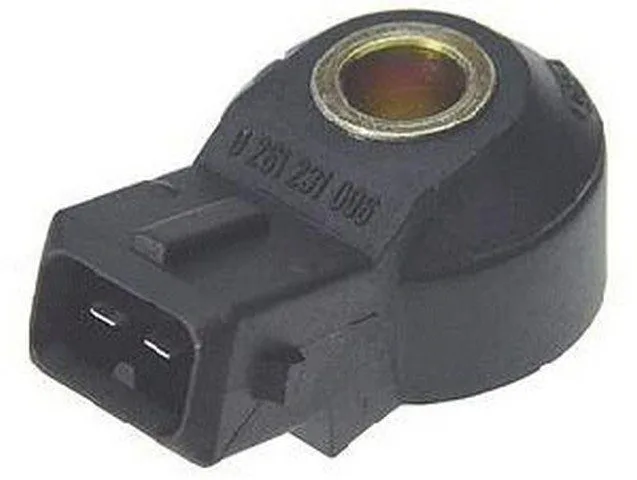
The knock sensor control system typically consists of the knock sensor connector, wiring, and PCM. The knock sensor is a piezoelectric sensor usually screwed directly into the engine block. Sensor location varies by manufacturer, but most are found either on the sides of the block (between cylinder head coolant jacket freeze plugs) or under the intake manifold. Use caution when removing knock sensors located on the sides of the engine block, as they are often threaded directly into engine coolant passages.

Removing these sensors when the engine is hot and the cooling system is pressurized could result in burns from hot coolant. Before removing the knock sensor, allow the engine to cool sufficiently and drain coolant into a suitable container for legal disposal.

The key component of the knock sensor is a piezoelectric sensing crystal. When shaken or vibrated, the piezoelectric crystal produces a small voltage. Since the knock sensor control circuit is normally a single-wire ground circuit, the voltage generated by incidental vibration is recognized by the PCM as engine knock or ping. The voltage level produced depends on the severity of vibration encountered by the piezoelectric crystal inside the knock sensor.

Knock sensor control systems typically feature one knock sensor per engine bank, though some manufacturers use up to one knock sensor per cylinder. Consult a reliable vehicle information source for the knock sensor control system configuration of the specific vehicle.

If the PCM detects a knock sensor voltage level indicating spark knock; it may retard ignition timing to prevent engine damage and no knock sensor control code may be stored (unless very severe). If the PCM detects a knock sensor voltage level indicating more serious engine noise (like a connecting rod contacting the inside of the engine block), it may interrupt fuel delivery and ignition spark to the affected cylinder and a knock sensor code will be stored.

There’s almost always a very small voltage produced by the knock sensor when the engine is running. This is because however smooth the engine, slight vibration is inevitable. If the PCM detects an unexpected signal from the knock sensor, such as battery voltage, full battery ground, or pulsing voltage, a P0324 code will be stored and the MIL may illuminate.

Related knock sensor/circuit malfunction codes include P0325, P0326, P0327, P0328, P0329, P0330, P0331, P0332, P0333 and P0334.
Code Severity and Symptoms

A stored P0324 code could indicate serious internal engine failure. For this reason, it should be addressed with some urgency.

Symptoms of this code may include:

Decreased engine performance
Acceleration hesitation
Loud noises from engine area
Reduced fuel efficiency

Causes

Possible causes for this code being set include:

Faulty knock sensor
Internal engine malfunction
Engine misfire(s)
Contaminated or low-quality fuel
Defective knock sensor control wiring and/or connectors
Faulty PCM or PCM programming error

Diagnostic and Repair Procedures

A diagnostic scanner, digital volt/ohmmeter, and reliable vehicle information source will be needed to diagnose a P0324 code.

If the engine is knocking or excessively noisy in any way, correct this before attempting diagnosis for any knock sensor code.

Consult your vehicle information source for Technical Service Bulletins (TSBs) matching the symptom(s) displayed and code(s) stored in the vehicle in question. If the issue you’re experiencing is common; the correct TSB may aid successful diagnosis. Follow the diagnostic steps contained therein and you’ll likely reach a successful diagnosis.

Begin with a visual inspection of all wiring harnesses and connectors related to the system. Look for scorched, corroded, or otherwise broken wires and connectors that could create an open circuit and repair them. Some automakers place the knock sensor in the lower portion of the engine block. This can make it susceptible to damage during replacement of heavy components (like starters and motor mounts). System connectors, wiring, and fragile knock sensors are frequently broken when repairs are performed nearby. If no discrepancies are noted, proceed to the next step.

Connect the scanner to the vehicle’s diagnostic connector and retrieve all stored codes and freeze frame data. Record this information for use in the subsequent diagnostic process. Clear the codes and test drive the vehicle to see if the code resets.

If the code resets, start the engine and use the scanner to observe knock sensor data. If the scanner indicates knock sensor voltage isn’t within manufacturer specifications, use the DVOM to test live data at the knock sensor connector. If the signal at the connector meets specifications, suspect a wiring problem between the sensor and PCM. If voltage at the knock sensor connector doesn’t meet specifications, suspect a faulty knock sensor.

Additional diagnostic notes:

Knock sensor controller codes are typically limited to wiring, connectors, and controllers
Be cautious of knock sensors threaded into engine coolant passages
P0325 Malfunction in Knock Sensor Circuit 1

What does it mean?

This diagnostic trouble code (DTC) is a generic powertrain code, meaning it applies to vehicles equipped with OBD-II. Although generic, specific repair steps may vary by make/model. Interestingly, this code appears to be more common on Honda, Acura, Nissan, Toyota, and Infiniti vehicles.

A knock sensor tells the engine computer when one or more of your engine’s cylinders are “knocking” – that is, exploding the air/fuel mixture in a way that delivers less power and can damage the engine if prolonged.

The computer uses this information to adjust the engine so it doesn’t knock. If your knock sensor wasn’t working properly, so it was always indicating knock, the engine computer’s response may have been to modify your engine’s ignition timing to prevent damage.

Knock sensors typically bolt or screw into the engine block. This P0325 code may appear intermittently or the Service Engine light may be on continuously. Other DTCs associated with knock sensors include P0330.

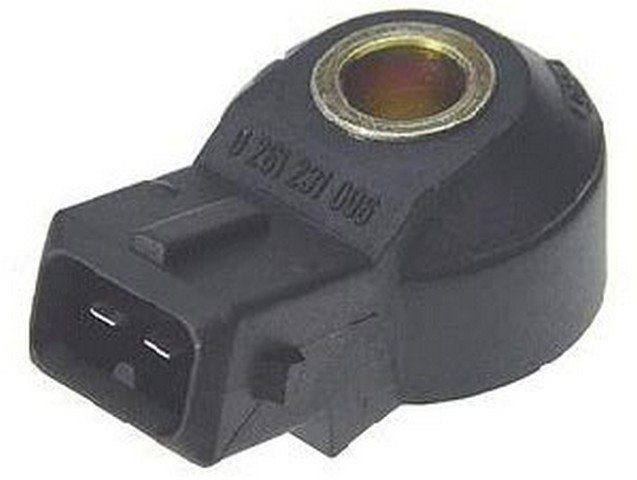
Here’s an example of a typical knock sensor:

What are the symptoms of a bad knock sensor?

Potential symptoms of a bad knock sensor and/or P0325 code may include:

Check Engine light illuminated (malfunction indicator lamp)
lack of power
engine hesitation
engine detonation
audible knocking noise from the engine, particularly during acceleration or under load
reduced fuel efficiency (increased consumption)

What causes a P0325 code?

A P0325 code most likely means one or more of the following events has occurred:

The knock sensor is faulty and needs replacement
There’s a short circuit/wiring fault in the knock sensor circuit
The Powertrain Control Module (PCM) is malfunctioning

Possible solutions

Check the knock sensor’s resistance (compare to factory specifications)
Check for broken/frayed wires leading to the sensor
Check continuity of wiring from PCM to knock sensor wiring connector
Replace the knock sensor

TIP: It may be helpful to use a scan tool to read freeze frame data. This is a snapshot of various sensors and conditions when the code was set. This information could be useful for diagnosis.

We hope you found this P0325 information helpful. If you need further assistance, please browse the related forum discussions below or join the forum to ask a question directly specific to your issue.

P0326 Knock Sensor Circuit Range Performance

Meaning
Code P0326 is a generic OBD-II code related to the powertrain. It indicates a problem in the knock sensor (KS) circuit, which is responsible for detecting abnormal pre-ignition (“knocking” or “pinging”) in the engine. Repair procedures may vary by model.

Sensor Operation

  • The sensor (typically 2-wire) receives a 5V reference voltage from the PCM (Powertrain Control Module).

  • It sends a signal back to the PCM indicating the intensity and frequency of detected impacts.

  • The PCM uses this data to retard ignition timing and prevent detonation.

  • If the PCM detects an abnormally high noise level or uncontrollable knocking even after correction, code P0326 is triggered.

  • Note: The sensor cannot distinguish pre-detonation from abnormal mechanical noise (e.g., faulty bearing).

Common Symptoms

  • Illumination of the malfunction indicator lamp (MIL).

  • Audible knocking from the engine.

  • Noticeable pinging during acceleration.

Possible Causes

  1. Damaged or corroded sensor connector (moisture).

  2. Sensor circuit open or shorted to ground.

  3. Sensor circuit shorted to voltage.

  4. Internal failure of the knock sensor.

  5. Use of fuel with too low octane rating.

  6. Internal mechanical engine problem (source of knocking).

  7. PCM failure (rare).

Diagnostic Procedures

  1. Preliminary Checks:

    • Listen for mechanical knocking (repair the cause first if present).

    • Ensure use of fuel with the recommended octane.

    • Inspect the sensor connector: clean moisture or corrosion. Check for sealing (presence of coolant).

  2. Sensor and Circuit Test:

    • KOEO (Key On, Engine Off):

      • Disconnect the sensor connector.

      • Check for 5V at the reference terminal.

        • If 5V absent: Circuit/power supply problem (see step 3).

        • If 5V present: Measure resistance between the signal terminal and engine ground. Compare to manufacturer specifications.

          • Resistance out of spec → Replace sensor.

          • Resistance OK → Reconnect and proceed to engine test.

    • Engine at Idle:

      • Using a diagnostic tool, observe the sensor signal in the data.

        • Knock signal present at idleReplace sensor.

        • Signal absent → Lightly tap the engine block near the sensor.

          • Signal does not reactReplace sensor.

          • Signal reacts → Check cable routing (avoid spark plug wires).

  3. 5V Power Supply Issue (if absent in step 2):

    • Turn ignition off.

    • Isolate the 5V reference wire at the PCM (disconnect or cut in a repairable area).

    • KOEO: Check voltage on the PCM side of the isolated wire.

      • 5V absent → PCM faulty (suspect).

      • 5V present → Short circuit in the reference circuit.

    • Search for a short circuit on the 5V circuit:

      • This circuit often powers multiple sensors.

      • Disconnect sensors connected to this 5V reference one by one.

      • Reconnect the KS and check if 5V returns after each disconnection.

        • If 5V returns, the last sensor disconnected is shorted.

      • If no sensor is at fault, check the wiring harness for a short to ground.


Key Points to Remember:

  • First correct any obvious mechanical knocking or fuel issues.

  • Visual inspection of connectors is essential.

  • The 5V reference circuit is often shared with other sensors.

  • PCM replacement is an extremely rare solution, considered only after all other causes are eliminated.

P0327 Knock Sensor DTC

What does it mean?

This diagnostic trouble code (DTC) is a generic powertrain code, meaning it applies to vehicles equipped with OBD-II. Although generic, specific repair steps may vary by make/model.

A knock sensor informs the engine computer when one or more of your engine’s cylinders are “knocking,” meaning they ignite the air/fuel mixture in a way that delivers less power and can damage the engine if prolonged.

The computer uses this information to adjust the engine to prevent knocking. If your knock sensor on bank #1 produces a low output voltage (possibly below 0.5V), it will trigger DTC P0327. This P0327 code may appear intermittently, or the Service Engine light may stay on continuously. Other DTCs related to knock sensors include P0325, P0326, P0328, P0329, P0330, P0331, P0332, P0333, and P0334.

Symptoms

You may notice driving issues including engine RPM fluctuations, power loss, and possibly some hesitation. There may also be other symptoms.

Causes

Potential causes of DTC P0327 include (but are not limited to):

The knock sensor is faulty and needs replacement
There is an open/short circuit or fault in the knock sensor circuit
The PCM/ECM has failed

Possible solutions

Check the knock sensor resistance (compare to factory specifications)
Inspect for broken/frayed wires leading to the sensor
Check wiring and connections to/from the knock sensor and PCM/ECM
Verify proper voltage reaches the knock sensor (e.g., 5 volts)
Check proper grounding of the sensor and circuit
Replace the knock sensor
Replace the PCM/ECM

P0328 Knock Sensor Circuit High Input

What does it mean?

This diagnostic trouble code (DTC) is a generic powertrain code, meaning it applies to vehicles equipped with OBD-II. Although generic, specific repair steps may vary by make/model.

Knock sensors are used to detect engine pre-detonation (engine knock or ping). The knock sensor (KS) is typically a two-wire sensor. A 5-volt reference is provided to the sensor, and there is a signal return from the knock sensor to the PCM (Powertrain Control Module).

The sensor’s signal wire informs the PCM when a shock occurs and its severity level. The PCM will retard spark timing to prevent pre-detonation. Most PCMs have the capability to learn spark knock trends in the engine during normal operation.

A P0328 code is a generic DTC, so it applies to all vehicle makes and refers to a high knock sensor output voltage. In many cases, this means the voltage is above 4.5V, but this specific value depends on the particular vehicle make and model. This code refers to the Bank #1 sensor.

Symptoms

Symptoms of a P0328 DTC may include:

MIL (Malfunction Indicator Lamp) illumination
Audible knocks from the engine compartment
Engine ping during acceleration
Power loss
Irregular RPM

Causes

Potential causes of a P0328 code include:

Damaged knock sensor connector
Open or short-to-ground knock sensor circuit
Knock sensor circuit shorted to voltage
Failed knock sensor
Loose knock sensor
Electrical interference in the circuit
Low fuel pressure
Incorrect fuel octane
Mechanical engine problem
Faulty/defective PCM

Possible Solutions

If you hear engine knocking (detonation), first repair the source of the mechanical problem and retest. Ensure the correct octane fuel has been used (some engines require premium fuel, consult the owner’s manual). Beyond that, for this code, the problem will likely lie either with the knock sensor itself or with the wiring and connectors running from the sensor to the PCM.

Realistically, for a DIY vehicle owner, the best next steps are to measure the resistance between the two terminals of the knock sensor wire where they enter the PCM. Also check the voltage of the same terminals. Compare these figures to manufacturer specifications. Also inspect all wiring and connectors leading from the knock sensor to the PCM. Additionally, you should also check the resistance of the knock sensor itself using a digital voltmeter (DVOM), comparing it to the vehicle manufacturer’s specifications. If the knock sensor’s resistance value is out of specifications, it must be replaced.

Other knock sensor DTCs include P0324, P0325, P0326, P0327, P0328, P0329, P0330, P0331, P0332, P0334

P0329 Intermittent Knock Sensor Circuit

What does it mean?

This diagnostic trouble code (DTC) is a generic powertrain code, meaning it applies to OBD-II equipped vehicles (Dodge, Ram, Ford, GMC, Chevrolet, VW, Toyota, etc.). Although generic, specific repair steps may vary by make/model.

When I have encountered diagnosing a stored P0329 code, it has indicated the Powertrain Control Module (PCM) detecting an intermittent knock sensor signal for engine bank two. The knock sensor 1 designation may refer to a specific sensor (in a multi-sensor setup) or the single sensor in a single-sensor setup. Bank 1 refers to the engine bank containing cylinder number one. Consult a reliable vehicle information source for the knock sensor system configuration for the specific vehicle.

Typically threaded directly into the engine block, the knock sensor is a piezoelectric sensor. The location of sensors in a multi-sensor system can vary by manufacturer, but most are located on the sides of the block (between the cylinder head coolant jacket freeze plugs). Knock sensors located on the sides of the engine block are often screwed directly into the engine’s coolant passages. When the engine is hot and the engine cooling system is pressurized, removing these sensors can result in severe hot coolant burns. Before removing any knock sensor, allow the engine to cool and always drain coolant properly.

A piezoelectric sensing crystal is at the heart of the knock sensor. When shaken or vibrated, the piezoelectric crystal produces a small amount of voltage. Since the knock sensor control circuit is normally a single-wire ground circuit, the voltage generated by vibration is recognized by the PCM as engine noise or vibration. The severity of the vibration encountered by the piezoelectric crystal (inside the knock sensor) determines the voltage level produced in the circuit.

If the PCM detects a degree of voltage from the knock sensor indicating spark knock; it may retard ignition timing and no knock sensor control code may be recorded. If the PCM detects a voltage level from the knock sensor indicating more severe engine noise (such as a connecting rod contacting the inside of the engine block), it may interrupt fuel delivery and ignition spark to the affected cylinder and a knock sensor code will be stored.

A very small voltage is always produced by the knock sensor when the engine is running. This is because slight vibration is inevitable, regardless of how smoothly the engine runs. If the PCM detects an unexpected signal from knock sensor 1, such as battery voltage, full battery ground, or pulsing voltage, a P0329 code will be stored and a MIL may be illuminated.

Related knock sensor/circuit malfunction codes include P0324, P0325, P0326, P0327, P0328, P0330, P0331, P0332, P0333 and P0334.
Code Severity and Symptoms

A stored P0329 code could be indicative of a serious internal engine failure. For this reason, it should be addressed with some urgency.

Symptoms of this code may include:

Decreased engine performance
Hesitation during acceleration
Loud noises from the engine area
Decreased fuel efficiency

Causes

Possible causes for this code being set are:

Faulty knock sensor
Internal engine malfunction
Misfire(s)
Contaminated or poor quality fuel
Faulty knock sensor control wiring and/or connectors
Incorrect PCM or PCM programming error

Diagnostic and Repair Procedures

To diagnose a P0329 code, a diagnostic scanner, a digital volt/ohmmeter, and a reliable source of vehicle information will be needed. If the engine seems to be knocking or is excessively noisy, resolve this issue before attempting diagnosis for any knock sensor code.

Consult your vehicle information source for Technical Service Bulletins (TSBs) that coincide with the symptom(s) displayed and the code(s) stored in the vehicle in question. If the problem you are experiencing is common; the correct TSB can help lead to a successful diagnosis. Follow the diagnostic steps in the TSB and you will likely arrive at the correct solution.

I like to start with a visual inspection of all wiring harnesses and connectors related to the system. I look for burnt, corroded, or otherwise broken wires and connectors that could create an open or shorted circuit. Knock sensors are often located on the lower portion of the engine block. This makes them susceptible to damage when heavy components (like starters and motor mounts) are replaced. System connectors, wiring, and fragile knock sensors are frequently broken during nearby repairs.

Connect the scanner to the vehicle’s diagnostic connector and retrieve all stored codes and freeze frame data. Record this information for use in the diagnostic process. Clear the codes and test drive the vehicle to see if they reset.

If the P0329 resets, start the engine and use the scanner to observe the live knock sensor data. If the scanner indicates that the knock sensor voltage is not within manufacturer specifications, use the DVOM to test the live data at the knock sensor connector. If the signal at the connector is within specifications, suspect a wiring problem between the sensor and the PCM. If the voltage at the knock sensor connector is not within specifications, suspect a faulty knock sensor.

Additional diagnostic notes:

Multiple knock sensor systems are arranged differently from vehicle to vehicle. Be careful to address the correct knock sensor for the displayed code
Be cautious of hot, pressurized coolant when removing knock sensors that are threaded into the engine’s coolant passages

Knock Sensor 3 Circuit (Bank 1)

What does it mean?

This diagnostic trouble code (DTC) is a generic powertrain code, meaning it applies to OBD-II equipped vehicles (Dodge, Ram, Ford, GMC, Chevrolet, VW, Toyota, etc.). Although generic, specific repair steps may vary by make/model.

A P032A fault code means the Powertrain Control Module (PCM) detected an unexpected sensor reading from knock sensor #3 on bank 1. On engines with more than one bank, bank 1 is the cylinder bank that contains cylinder #1. Refer to a vehicle-specific repair source to determine which sensor is knock sensor #3.

Typically threaded directly into the engine block, the knock sensor is a piezoelectric sensor. The location of sensors in a multi-sensor system can vary by manufacturer, but most are located on the sides of the block (between the cylinder liner coolant drain plugs). Knock sensors located on the sides of the engine block are often screwed directly into the engine coolant passages. When the engine is hot and the engine cooling system is pressurized, removing these sensors can result in serious burns from hot coolant. Before removing a knock sensor, allow the engine to cool and always dispose of coolant properly.

A piezoelectric sensing crystal is at the heart of the knock sensor. When shaken or vibrated, the piezoelectric crystal produces a small amount of voltage. Since the knock sensor control circuit is normally a single-wire ground circuit, the voltage generated by vibration is recognized by the PCM as engine noise or vibration. The severity of the vibration encountered by the piezoelectric crystal (inside the knock sensor) determines the voltage level produced in the circuit.

If the PCM detects a degree of voltage from the knock sensor indicating spark knock; it may retard ignition timing and no knock sensor control code may be recorded. If the PCM detects a voltage level from the knock sensor that indicates more severe engine noise (such as a connecting rod contacting the inside of the engine block), it may interrupt fuel delivery and ignition spark to the affected cylinder and a knock sensor code will be stored.

Code Severity and Symptoms

A stored P032A code should be considered severe as it could indicate internal engine failure.

Symptoms of this code may include:

Hesitation during acceleration
Below normal engine performance
Abnormal noises from the engine area
Increased fuel consumption

Causes

Possible causes for this code being set are:

Misfires
Faulty knock sensor
Internal engine problem
Contaminated or low-quality fuel used
Faulty knock sensor control wiring and/or connectors
Incorrect PCM or PCM programming error

Diagnostic and Repair Procedures

To diagnose a P032A code, a diagnostic scanner, a digital volt/ohmmeter (DVOM), and a reliable vehicle-specific repair resource will be needed. If the engine seems to be knocking or excessively noisy, address this issue before attempting diagnosis for any knock sensor code.

Check Technical Service Bulletins (TSBs) that may apply to your year/make/model. If the problem is known, there may be a bulletin providing specific diagnostic and repair assistance for your exact issue. This can save you time and money.

Start with a visual inspection of all wiring harnesses and connectors related to the system. Look for corroded, burned, or otherwise damaged wires and connectors that could create an open or short circuit. Knock sensors are often located in the lower part of the engine block. This makes them susceptible to damage when heavy parts (like starters and motor mounts) are replaced. System connectors, wiring, and fragile knock sensors are frequently broken during nearby repairs.

Connect the OBD-II scanner to the vehicle’s diagnostic connector and retrieve all stored diagnostic trouble codes and freeze frame data. Note this information for use in the diagnostic process. Clear the codes and test-drive the vehicle to see if they reset.

If the P032A resets, start the engine and use the scanner to observe the knock sensor data. If the scanner indicates that the knock sensor voltage is not within manufacturer specifications, use the DVOM to test the live data at the knock sensor connector. If the signal at the connector is within specifications, suspect a wiring problem between the sensor and the PCM. If the voltage at the knock sensor connector is not within specifications, suspect a faulty knock sensor. If replacing the sensor is the next step, ensure you do not come into contact with hot coolant. Allow the engine to cool before removing the old sensor.

P032B Knock Sensor Circuit Voltage

What does it mean?

This diagnostic code (DTC) is a generic powertrain code, meaning it applies to vehicles equipped with OBD-II. Although generic, specific repair steps may vary by brand/model.

Knock sensors are used to detect engine pre-detonation (engine knock or pinging). The knock sensor (KS) is typically a two-wire sensor. A 5-volt reference is provided to the sensor, and there is a signal return from the knock sensor to the PCM (Powertrain Control Module). For this DTC, it refers to knock sensor #3; refer to the vehicle-specific service manual for the specific location. If there are multiple engine banks, it is the cylinder bank that contains cylinder #1.

The sensor’s signal wire informs the PCM when a knock occurs and to what degree of severity. The PCM will retard spark timing to prevent pre-detonation. Most PCMs have the capability to learn spark knock trends in the engine during normal operation.

If the PCM determines that the knock is out of the ordinary or the noise level is abnormally high, P032B may be set. If the PCM detects that the knock is severe and cannot be eliminated by retarding spark timing, P032B may set. Keep in mind that knock sensors cannot distinguish between pre-detonation knock and engine mechanical problem noises.

Symptoms

Symptoms of a P032B DTC may include:

    MIL (Malfunction Indicator Lamp) illumination
    Audible knocks from the engine compartment
    Engine pinging under acceleration

Causes

Potential causes of a P032B code include:

    Knock sensor has failed
    Knock sensor connector is damaged
    Knock sensor circuit is open or shorted to ground
    Knock sensor circuit is shorted to voltage
    Moisture in the knock sensor connectors
    Incorrect fuel octane
    PCM has failed

Possible Solutions

If engine knock is audible, first correct the source of the mechanical problem, then retest. Ensure the correct fuel octane has been used in the engine. Using fuel with a lower octane rating than specified can cause knock or detonation and may trigger P032B.

Disconnect the knock sensor and check for water or corrosion in the connector. If the knock sensor has a seal, check that no engine block coolant is fouling the sensor. Repair if necessary.

Turn the ignition to the ON position with the engine off. Ensure 5 volts are present at the KS #3 connector. If so, check the proper resistance between the KS terminal and engine ground. You will need a vehicle specification for this. If the resistance is out of specifications, replace the knock sensor. If the resistance is normal, reconnect the KS and run the engine at idle. Using a scan tool in the data stream, observe the KS value. Does it indicate that a knock is present at idle? If so, replace the knock sensor. If the knock sensor shows no knock at idle, tap on the engine block while observing the knock signal. If it does not show a signal corresponding to the taps, replace the knock sensor. If it does, check that the knock sensor wiring is not routed next to ignition wires. If there were no 5 volts present at the knock sensor connector when it was disconnected with KOEO (Key On Engine Off), go back to the PCM connector. Turn off the ignition and cut the 5-volt knock sensor reference wire in an easy-to-repair location (or remove the wire from the PCM connector). With KOEO, check for 5 volts from the PCM side of the cut wire. If 5 volts is not present, suspect a faulty PCM. If 5 volts are present, repair the short in the 5-volt reference circuit.

Since the reference circuit is a shared circuit, you will need to check all engine sensors that receive a 5-volt reference. Disconnect each sensor one by one until the reference voltage returns. When it returns, the last sensor you disconnected is the shorted sensor. If no sensor is shorted, check that the wiring harness is not shorted on the reference circuit.

P032C Knock Sensor 3 Circuit Low (Bank 1)

What Does It Mean?


This diagnostic trouble code (DTC) is a generic powertrain code, meaning it applies to OBD-II equipped vehicles (Dodge, Ram, Ford, GMC, Chevrolet, VW, Toyota, etc.). Although generic, specific repair steps may vary by make/model.

A P032C fault code means that the Powertrain Control Module (PCM) has detected a lower than expected sensor reading from the #3 knock sensor on Bank 1. Bank 1 is always the engine cylinder bank that contains cylinder #1. Refer to a vehicle-specific repair source to determine which sensor is the #3 knock sensor.

Typically threaded directly into the engine block, the knock sensor is a piezoelectric sensor. The location of sensors in a multi-sensor system can vary by manufacturer, but most are found on the sides of the block (between the cylinder liner coolant drain plugs). Knock sensors located on the sides of the engine block are often screwed directly into the engine coolant passages. When the engine is hot and the engine cooling system is pressurized, removing these sensors can result in severe burns from hot coolant. Before removing a knock sensor, allow the engine to cool and always dispose of coolant properly.

A piezoelectric sensing crystal is at the heart of the knock sensor. When shaken or vibrated, the piezoelectric crystal produces a small amount of voltage. Since the knock sensor control circuit is normally a single-wire ground circuit, the voltage generated by vibration is recognized by the PCM as engine noise or vibration. The severity of the vibration encountered by the piezoelectric crystal (inside the knock sensor) determines the voltage level produced in the circuit.

If the PCM detects a degree of voltage from the knock sensor indicating spark knock; it may retard ignition timing and no knock sensor control code may be recorded. If the PCM detects a voltage level from the knock sensor that indicates more severe engine noise (such as a connecting rod contacting the inside of the engine block), it may interrupt fuel delivery and ignition spark to the affected cylinder and a knock sensor code will be stored.
Code Severity and Symptoms

A stored P032C code should be considered severe as it could indicate internal engine failure.


Symptoms of this code may include:

Hesitation during acceleration
Below normal engine performance
Abnormal noises from the engine area
Increased fuel consumption

Causes


Possible causes for this code being set are:

Misfires
Faulty knock sensor
Internal engine problem
Contaminated or lower quality fuel used
Faulty knock sensor control wiring and/or connectors
Incorrect PCM or PCM programming error

Diagnostic and Repair Procedures


To diagnose a P032C code, a diagnostic scanner, a digital volt/ohmmeter (DVOM), and a reliable vehicle-specific repair resource will be needed. If the engine seems to be knocking or excessively noisy, address this issue before attempting diagnosis for any knock sensor code.

Check for Technical Service Bulletins (TSBs) that may apply to your vehicle’s year/make/model. If the problem is known, there may be a bulletin providing specific diagnostic and repair assistance for your exact issue. This can save you time and money.

Begin with a visual inspection of all wiring harnesses and connectors related to the system. Look for corroded, burned, or otherwise damaged wires and connectors that could create an open or short circuit. Knock sensors are often located in the lower part of the engine block. This makes them susceptible to damage when heavy components (like starters and motor mounts) are replaced. System connectors, wiring, and fragile knock sensors are frequently broken during nearby repairs.

Connect the OBD-II scanner to the vehicle’s diagnostic connector and retrieve all stored diagnostic trouble codes and freeze frame data. Record this information for use in the diagnostic process. Clear the codes and test drive the vehicle to see if they reset.

If the P032C resets, start the engine and use the scanner to observe the knock sensor data. If the scanner indicates that the knock sensor voltage is not within manufacturer specifications, use the DVOM to test the live data at the knock sensor connector. If the signal at the connector is within specifications, suspect a wiring problem between the sensor and the PCM. If the voltage at the knock sensor connector is not within specifications, suspect a faulty knock sensor. If replacing the sensor is the next step, ensure you do not come into contact with hot coolant. Allow the engine to cool before removing the old sensor.

P032D Knock Sensor 3 Circuit High

What does it mean?

This diagnostic code (DTC) is a generic powertrain code, meaning it applies to vehicles equipped with OBD-II. Although generic, specific repair steps may vary by make/model.

Knock sensors are used to detect engine pre-detonation (engine knock or pinging). The knock sensor (KS) is typically a two-wire sensor. A 5-volt reference is provided to the sensor and there is a signal return from the knock sensor to the PCM (powertrain control module).


The sensor signal wire informs the PCM when a knock occurs and to what degree of severity. The PCM will retard spark timing to prevent pre-detonation. Most PCMs have the capability to learn spark knock trends in the engine during normal operation.

If the PCM determines that the knock is out of the ordinary or that the noise level is abnormally high for knock sensor #3 on bank 1, P032D may set. If the PCM detects that the knock is severe and cannot be eliminated by retarding spark timing, P032D may set. Keep in mind that knock sensors cannot distinguish between pre-detonation knock and engine mechanical problem noises.

Symptoms

Symptoms of a P032D DTC may include:

    MIL illumination (malfunction indicator lamp)
    Audible knocking from the engine compartment
    Engine pinging under acceleration

Causes

Potential causes of a P032D code include:

    Knock sensor connector damaged
    Knock sensor circuit open or shorted to ground
    Knock sensor circuit shorted to voltage
    Knock sensor has failed
    Moisture in knock sensor connectors
    Incorrect fuel octane
    PCM has failed

Possible solutions

If engine knocking is audible, first correct the source of the mechanical problem, then retest. Ensure the correct fuel octane has been used in the engine. Using fuel with a lower octane rating than specified can cause knocking or detonation and may trigger P032D.

Disconnect the knock sensor and check for water or corrosion in the connector. If the knock sensor has a seal, check that no engine block coolant is fouling the sensor. Repair if necessary.

Turn the ignition to the ON position with the engine off. Verify that 5 Volts are present at the KS connector. If so, check the proper resistance between the KS terminal and engine ground. You will need a vehicle specification for this. If the resistance is out of specifications, replace the knock sensor. If the resistance is normal, reconnect the KS and run the engine at idle. Using a scan tool in the data stream, observe the KS value. Does it indicate that knocking is present at idle? If so, replace the knock sensor. If the knock sensor shows no knocking at idle, tap on the engine block while observing the knock signal. If it doesn’t show a signal corresponding to the taps, replace the knock sensor. If it does, check that the knock sensor wiring is not routed next to ignition wires. If there were no 5 volts present at the knock sensor connector when it was disconnected with KOEO (key on engine off), go back to the PCM connector. Turn off the ignition and cut the 5-volt knock sensor reference wire in an easily repairable location (or remove the wire from the PCM connector). With KOEO, check for 5 volts from the PCM side of the cut wire. If 5 volts is not present, suspect a faulty PCM. If 5 volts are present, repair the short circuit in the 5-volt reference circuit.

Since the reference circuit is a shared circuit, you will need to check all engine sensors that receive a 5-volt reference. Disconnect each sensor one by one until the reference voltage returns. When it returns, the last sensor you disconnected is the shorted sensor. If no sensor is shorted, check that the wiring harness is not shorted on the reference circuit.