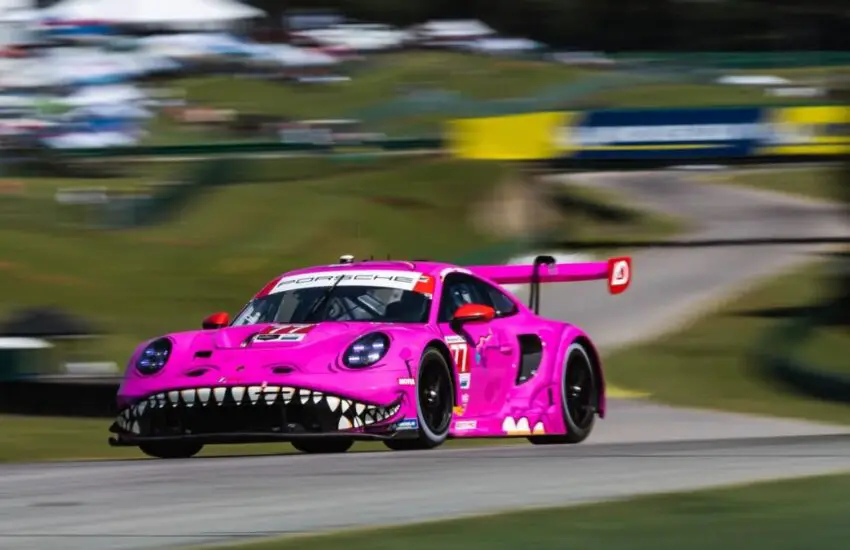
Ice-Cooled DIY Electric Pickup Aims for Cannonball Record

The Ultimate DIY Cannonball EV Challenge

A team of American automotive enthusiasts has embarked on an audacious mission: to shatter the electric vehicle record for the infamous Cannonball Run. This coast-to-coast US dash is the ultimate test of endurance and speed. Their vehicle of choice isn’t a factory hypercar, but a heavily modified Rivian R1T pickup, transformed through radical, home-brewed engineering into a potential record-breaker.

Monstrous Battery Pack and Ice-Bath Cooling

The core of this DIY project is an unprecedented 310 kWh battery pack, far exceeding the original factory specification. This colossal energy reserve is designed to minimize charging stops, the critical factor in any long-distance EV record attempt. However, such immense power density generates significant heat, especially during sustained high-speed driving.

To tackle this thermal challenge, the team devised a remarkably ingenious, yet rudimentary, solution: an ice-cooling system. This involves circulating a coolant through the battery pack, which is then chilled by melting ice stored in a custom-built reservoir. This low-tech, high-impact approach highlights the project’s garage-built philosophy, prioritizing function and rapid cooling capacity over complex OEM systems.

The Strategy for a Cross-Country Sprint

The record attempt strategy hinges on the synergy between the huge battery capacity and the aggressive thermal management. The goal is to drive at maximum sustainable speeds, delay battery degradation from heat, and reduce time spent at charging stations. Each planned stop will not only be for electrons but also for replenishing the ice supply, a unique pit crew operation in the world of modern endurance racing.

This project pushes the boundaries of what is possible with electric vehicle modification. It demonstrates how determined innovators can rethink energy storage and thermal dynamics outside traditional automotive frameworks. The success of this ice-cooled Rivian could inspire new perspectives on EV performance and endurance, proving that sometimes the most creative solutions are also the simplest.

Citroën’s Electric C1: A Game Changer for City Driving

An Affordable Electric Revolution Hits the City Streets

The race to produce a truly affordable electric vehicle is heating up, and Citroën appears poised to make a decisive move. Industry whispers suggest the French automaker is developing a fully electric version of its popular C1 city car, with a bold target price tag under €15,000. This strategic initiative aims to bring zero-emission mobility to a much broader audience, directly addressing one of the main barriers to EV adoption: cost.

Reviving an Icon for the Electric Age

The Citroën C1, long celebrated for its compact dimensions, nimble handling, and frugal running costs, is an ideal candidate for electrification. A new electric C1 would inherit these core virtues while transforming the urban driving experience. Drivers could expect silent operation, instant torque for zipping through traffic, and the ultimate convenience of home charging. This project signifies more than a simple powertrain swap; it’s about reimagining a classic urban companion for a sustainable future.

Specifications and Market Positioning

While official details remain under wraps, a sub-€15,000 EV necessitates smart engineering choices. The electric C1 would likely feature a battery pack optimized for city use, offering a range sufficient for daily commutes and urban errands—somewhere in the region of 200-250 kilometers on a single charge. Its compact footprint would make it perfect for navigating tight city streets and parking in limited spaces. This model would directly compete with other upcoming entry-level EVs and position Citroën as a leader in accessible electrification.

The Impact on the EV Landscape

The potential launch of a sub-€15,000 Citroën C1 électrique represents a significant milestone. It would apply considerable pressure on competitors and accelerate the shift towards electric mobility in the crucial budget-conscious segment. For many first-time EV buyers and urban dwellers, this could be the compelling, cost-effective solution that finally makes the switch from fossil fuels not just desirable, but entirely practical. The future of city driving is looking quieter, cleaner, and surprisingly affordable.

Electric Vince Announces 2026 24-Hour EV Endurance Challenge

Pushing Electric Vehicles to the Extreme

The landscape of electric vehicle endurance is set for a dramatic shift. Vincent Martineau, widely recognized as Electric Vince, has partnered with Bourgogne VE to launch the second edition of the groundbreaking “Défi 24h en VE” (24-Hour EV Challenge). Scheduled for May 29-31, 2026, in Montchanin, Saône-et-Loire, this event promises to redefine the limits of electric mobility with an even more ambitious and physically demanding format.

Two Grueling New Tests of Man and Machine

Building on the success of the inaugural challenge, the 2026 edition introduces a significant evolution: the splitting of the event into two distinct and extreme competitions. This move is designed to cater to different levels of endurance while amplifying the technical and human challenge. The first will be a pure, non-stop 24-hour marathon, testing the absolute limits of vehicle range, charging strategy, and driver stamina. The second is conceived as an even more intense “double or nothing” challenge, pushing participants to cover a staggering 2,000 kilometers within the same 24-hour window.

A Laboratory for Real-World EV Performance

Far from a conventional race, the Défi 24h en VE serves as a unique real-world laboratory. Participants will rely entirely on public charging networks, facing the same conditions as everyday EV drivers. The event meticulously measures not just distance covered, but also total energy consumption, charging time, and overall efficiency. This data provides invaluable, transparent insights into the practical capabilities of current electric vehicles, highlighting both technological advancements and the critical importance of charging infrastructure under extreme use.

The challenge underscores a central message: the future of electric mobility hinges on robust infrastructure and vehicle resilience. By voluntarily submitting to this grueling test, Electric Vince and fellow participants aim to demonstrate the evolving maturity of electric technology while openly identifying areas for progress, setting a new benchmark for what electric vehicles can achieve.

Canoo’s Early Adopters Abandon Electric Vans

From Promise to Abandonment: The Canoo Story

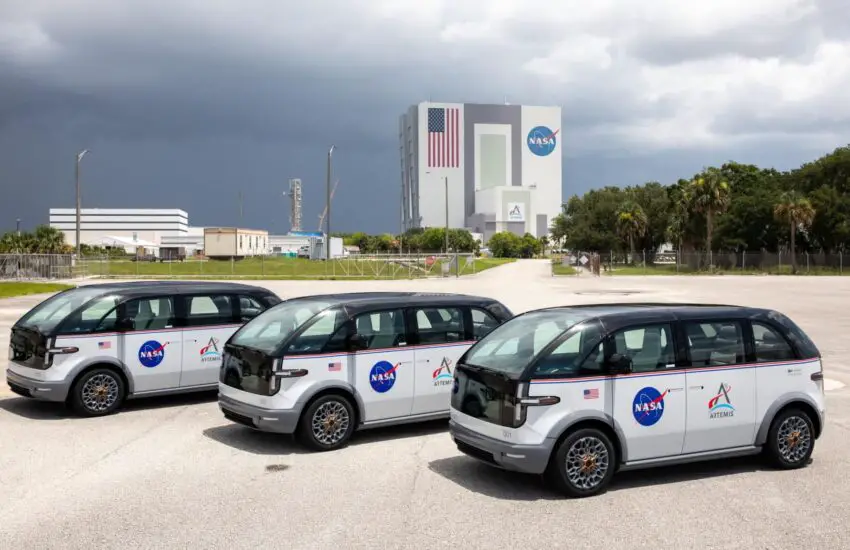
The trajectory of American EV startup Canoo has taken a bewildering turn. After a tumultuous journey that brought it to the brink of collapse, the company managed a few symbolic deliveries to high-profile early clients. However, in a stunning reversal, these pioneering customers are now reportedly stepping back from using the distinctive vans, casting a long shadow over the company’s operational legacy and raising fundamental questions about vehicle viability.

A Retreat of Early Supporters

Initial adopters, which included notable entities in logistics and retail, were seen as crucial validation for Canoo’s unconventional “skateboard” platform and multi-purpose vehicle designs. Their acquisition was a beacon of hope, suggesting the vehicles had passed critical real-world testing. The sudden decision by these clients to sideline the fleet indicates potential unresolved issues that outweigh the benefits of deployment. This retreat is more damaging than mere criticism; it is a silent vote of no confidence from those who had already invested.

Underlying Challenges and Market Perception

This abandonment points to potential deep-seated problems that may range from reliability and serviceability to software integration and overall cost of operation. For a nascent automaker, the sustained, successful use of its vehicles by first clients is paramount for attracting further investment and customer interest. When these reference clients disengage, it severely undermines market confidence and validates the skepticism many industry observers held about Canoo’s rushed production and financial instability.

Implications for the EV Startup Landscape

Canoo’s situation serves as a cautionary tale in the competitive electric vehicle sector. It highlights the immense gap between producing prototype vehicles and delivering a reliable, commercially viable product. The episode underscores that securing initial orders is only the first hurdle; ensuring long-term customer satisfaction and operational dependability is the true test. The silence from former flagship users now speaks volumes about the challenges of transforming innovative design into durable utility.

Smart #6 Debuts, Mercedes SUV Evolves, Fiat’s Compact EV

This Week in Electric Mobility

The electric vehicle landscape continues to shift rapidly, with new model reveals, strategic brand evolutions, and a focus on accessible urban mobility defining the latest news cycle. This weekly overview highlights the key developments pushing the industry forward.

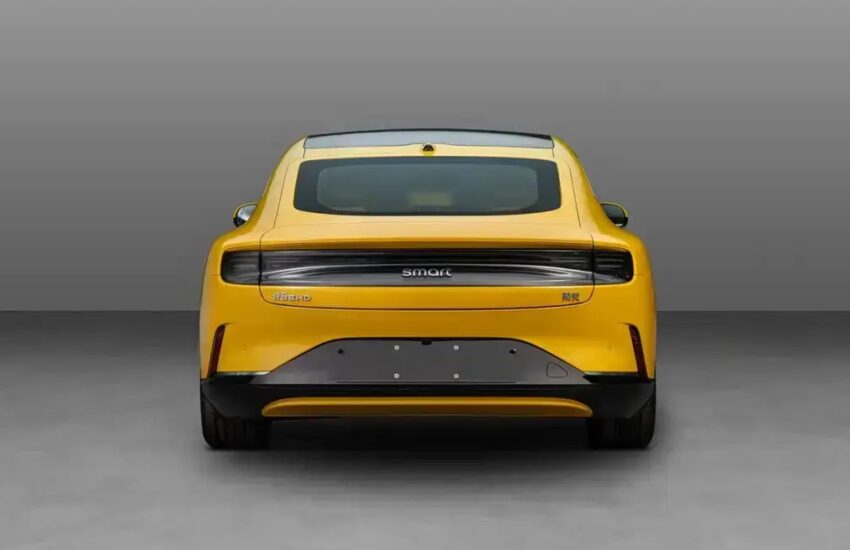
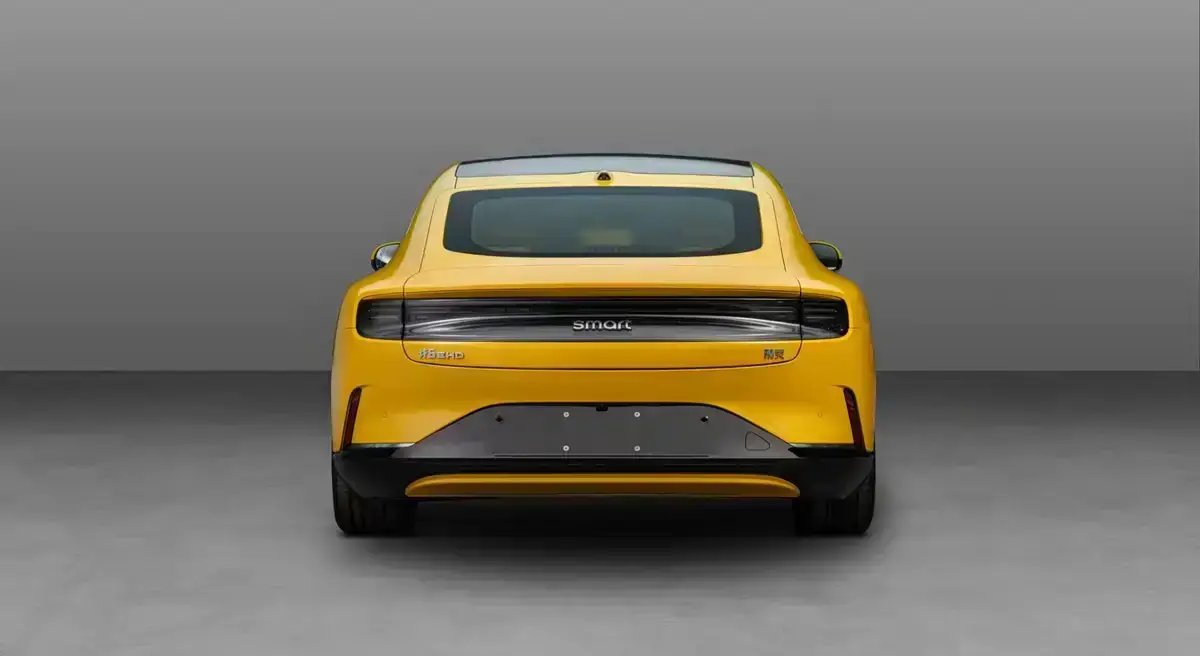
Smart #6 electric SUV coupe on display

New Vehicle Highlights

The most striking debut is the Smart #6, an SUV coupe that marks a significant design departure for the brand. This model represents Smart’s continued transformation under Geely’s influence, focusing on larger, more premium electric vehicles while aiming to retain a distinctive aesthetic.

Mercedes-Benz Electric SUV Strategy

Mercedes-Benz is refining its electric SUV lineup, with updates expected for models like the EQS SUV. The focus appears to be on enhancing range, charging efficiency, and software capabilities to maintain a competitive edge in the luxury segment. This evolution is critical as competition intensifies from both traditional rivals and new entrants.

Fiat’s Urban Electric Proposition

Fiat is reinforcing its commitment to compact city cars with its latest micro-EV concept. This vehicle is designed to address the practical challenges of urban driving and parking, offering a zero-emission solution for dense metropolitan areas. It underscores a market trend towards smaller, more agile electric vehicles tailored for specific use cases.

Industry Trends and Challenges

Beyond new models, the industry is grappling with broader themes. The push for more affordable EVs remains a central challenge, influencing design and manufacturing strategies. Simultaneously, the expansion and reliability of charging infrastructure continue to be a pivotal factor for widespread consumer adoption. These weekly developments collectively sketch the roadmap for the next phase of electric mobility.

Mercedes-Benz Revives Screws for Sustainable Headlight Design

Mercedes-Benz Shifts Gears with Sustainable Manufacturing

In a notable strategic pivot, Mercedes-Benz is looking to the past to build a more sustainable future. The automaker, celebrated for pioneering technologies from the airbag to advanced driver-assistance systems, is fundamentally changing how it manufactures vehicle components. This shift focuses on improving reparability, recyclability, and reducing the environmental footprint of its production processes.

From Adhesive Bonding to Mechanical Fastening

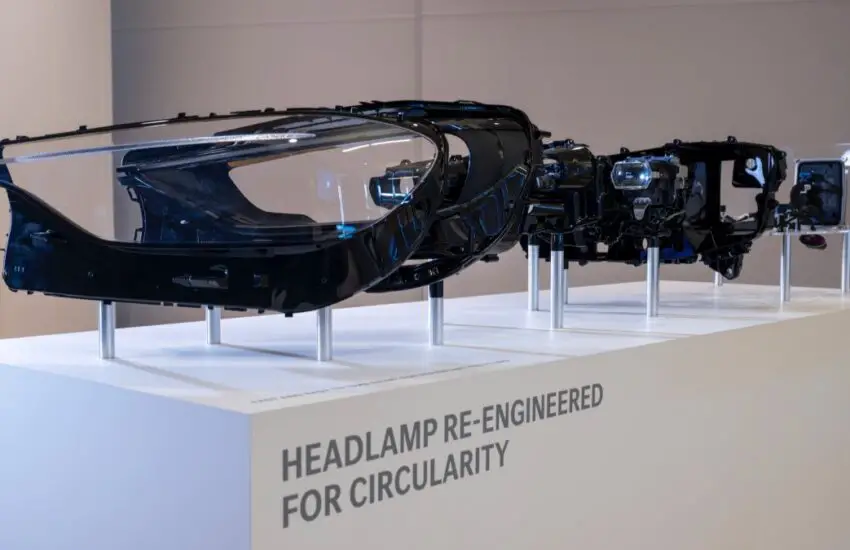
The current industry standard for assembling complex parts like headlights often relies on permanent adhesive bonding. While effective for creating a seamless, waterproof seal, this method presents significant challenges. It makes repairs difficult and complicates the recycling process, as different materials are fused together. Mercedes-Benz is now championing a return to mechanical fasteners—specifically screws and clips—for components such as headlamp housings.

The Core Benefits of a Screw-Based Strategy

This deliberate move away from adhesives offers multiple advantages for sustainability. First, it dramatically enhances repairability. A damaged headlight lens or housing can be disassembled and have individual parts replaced, rather than requiring the entire expensive unit to be discarded. This extends product lifecycles and reduces waste. Second, it streamlines recycling. At a vehicle’s end of life, components can be easily separated into pure material streams, such as plastic, glass, and electronic parts, ensuring higher-quality recycling and supporting a more effective circular economy.

Implementing a Future-Proof Design Philosophy

Mercedes-Benz is implementing this “Design for Disassembly” principle in its new MMA platform, which will underpin future electric models like the CLA. The redesigned headlights serve as a prime example. By using screws and durable seals, the brand maintains its high standards for quality and durability while embedding sustainability into the core of its engineering. This approach reflects a broader industry recognition that true innovation must balance advanced performance with end-to-end environmental responsibility, proving that sometimes the most forward-thinking solution has historical roots.

VIR Secures Future Through Land Acquisition Deal

Virginia International Raceway Gains Permanent Security

In an era where historic racetracks frequently succumb to real estate development, Virginia International Raceway (VIR) has taken a definitive step to protect its legacy. The circuit’s long-term future is now assured following a strategic acquisition of its core property, moving from a tenant to an owner and eliminating a significant historical vulnerability.

From Leasehold to Freehold

For decades, VIR operated on land governed by a long-term lease, a common but precarious arrangement in motorsport. This leasehold status, while functional, always presented a latent risk. The recent transaction to purchase the land outright represents a monumental shift, granting the track permanent control over its 1,300-acre facility. This move provides the stability required for long-term planning and major capital investments.

Implications for Racing and Events

This ownership transition has immediate and profound benefits for the motorsport community. With secured tenure, track management can confidently invest in facility upgrades, safety enhancements, and infrastructure improvements. Event organizers, racing clubs, and driving schools can book dates with the certainty that VIR will remain a cornerstone of American road racing for generations. The preservation of its challenging layout, including iconic sections like the “Roller Coaster,” is now guaranteed.

A Model for Track Preservation

VIR’s successful land acquisition serves as a potential blueprint for other independent circuits facing similar pressures. By securing the underlying asset, the track mitigates the single greatest threat to its existence: the possibility of non-renewal or sale of the lease. This proactive approach safeguards not only a physical track but also the economic ecosystem and thousands of enthusiast events it supports annually.

The move solidifies VIR’s position as a permanent fixture in the motorsports landscape. For drivers, fans, and the industry, it means the legendary challenges of this Virginia circuit will continue to test skill and create memories, its future no longer left to chance.

Luxury Car Sales Defy Market Slowdown

Six-Figure Car Sales Show Resilient Growth

While the average new car price hovers around $50,000, causing many mainstream buyers to hesitate, a surprising trend is accelerating in showrooms. Recent market analysis reveals robust and sustained demand for vehicles with price tags doubling that average or more. This ultra-luxury segment appears largely immune to the economic hesitations currently affecting the broader automotive market, charting its own course of growth.

The Unwavering Allure of High-End Automobiles

This sustained demand is not merely about transportation; it represents a fundamental shift in consumer values within this affluent demographic. For these buyers, a vehicle is an expression of personal achievement, cutting-edge technology, and exclusive craftsmanship. The emotional and symbolic value often outweighs pure financial considerations, insulating the category from broader market fluctuations. Manufacturers have adeptly catered to this by offering unparalleled personalization, bespoke services, and vehicles that are as much rolling art pieces as they are means of conveyance.

Factors Fueling the Premium Segment

Several key drivers are behind this counter-cyclical growth. First, the expansion of global wealth has increased the pool of potential buyers for whom a six-figure purchase is a feasible option. Second, the technological leap in electric and hybrid powertrains has created a new generation of desirable, high-performance luxury EVs that attract both traditional enthusiasts and new, tech-oriented clients. Finally, sustained low inventory for certain exclusive models has created an aura of scarcity, further fueling desire and allowing brands to maintain strong pricing power.

This divergence in the market highlights a growing bifurcation. Mainstream automotive sales may ebb and flow with interest rates and consumer confidence, but the apex of the market continues to operate under a different set of rules, driven by aspiration, innovation, and exclusivity.

Understanding and Fixing OBD2 Code P1478 on GMC Vehicles

What is OBD2 Code P1478 on a GMC?

OBD2 Diagnostic Trouble Code (DTC) P1478 is a manufacturer-specific code for General Motors (GM) vehicles, including GMC Sierra, Yukon, Acadia, and Canyon models. Its generic definition is “EVAP Vent Valve Circuit High Voltage.” This code indicates that the Powertrain Control Module (PCM) has detected an abnormally high voltage signal (or an open circuit) in the electrical control circuit for the Evaporative Emission Control (EVAP) system’s vent valve, also commonly known as the canister vent solenoid.

The EVAP system is crucial for preventing fuel vapors from escaping into the atmosphere. It captures vapors from the fuel tank in a charcoal canister and later purges them into the engine to be burned. The vent valve’s primary job is to manage airflow into and out of the charcoal canister, allowing it to breathe during normal operation and seal during system leak tests and purging events. A malfunction here can lead to failed emissions tests, reduced fuel efficiency, and potential drivability issues.

Common Symptoms and Causes of P1478

Unlike some engine codes that cause immediate performance problems, P1478 is often an electrical or functional fault within an emissions subsystem. Recognizing the symptoms is the first step in diagnosis.

Primary Symptoms of P1478

  • Illuminated Check Engine Light (MIL): This is the most common and often the only initial symptom.
  • Failed Emissions Inspection: The vehicle will not pass a state emissions test with an active EVAP code.
  • Possible Fuel Tank Issues: In some cases, a stuck-closed vent valve can create a vacuum in the fuel tank, leading to difficulty refueling (gas pump shuts off prematurely) or a hissing sound when opening the fuel cap.
  • Rough Idle or Stalling (Less Common): If the purge system is also affected or the PCM enters a restrictive fuel trim strategy.

Root Causes of a P1478 Code

The “Circuit High Voltage” designation points to an electrical problem where the PCM sees voltage where it shouldn’t, typically due to a break in the circuit. Common culprits include:

  • Faulty EVAP Canister Vent Valve/Solenoid: The solenoid itself has failed internally, often with an open coil.
  • Open or Shorted Wiring: Damaged, corroded, or broken wires in the valve’s control circuit or harness. This is a frequent issue due to the valve’s location near the fuel tank and exposure to road debris, salt, and moisture.
  • Poor Electrical Connections: Corroded, loose, or disconnected pins at the vent valve connector or the PCM connector.
  • Blown Fuse: A fuse protecting the EVAP system or related circuits may be blown.
  • Faulty Powertrain Control Module (PCM): This is rare, but a malfunction within the PCM itself cannot be entirely ruled out after all other possibilities are checked.

Step-by-Step Diagnostic Procedure for P1478

Proper diagnosis requires a systematic approach, a digital multimeter (DMM), and possibly a scan tool capable of performing bidirectional controls. Always begin with a visual inspection.

Step 1: Preliminary Visual and Physical Inspection

Locate the EVAP vent valve. On most GMC trucks and SUVs (like the Sierra or Yukon), it is mounted on or near the charcoal canister, which is typically under the vehicle, behind the rear axle or near the fuel tank. Look for:

  • Obvious physical damage to the valve or canister.
  • Disconnected, frayed, or corroded wiring.
  • Signs of rodent damage to the harness.
  • Check the related fuse in the underhood fuse box.

Step 2: Electrical Circuit Testing

With the ignition OFF, disconnect the electrical connector from the vent valve. Using your multimeter:

  • Check for Power (B+): Probe the appropriate wire (refer to a vehicle-specific wiring diagram) with the ignition ON. You should find battery voltage (approx. 12V). If not, trace the circuit back for an open or blown fuse.
  • Check for Ground: Probe the ground wire (again, consult a diagram) and confirm it has a good connection to chassis ground (less than 0.5 ohms resistance).
  • Check the Valve Coil Resistance: Set your multimeter to Ohms (Ω) and measure across the two terminals of the vent valve solenoid itself. Compare your reading to specifications (often between 20-50 Ω for a 12V solenoid). An infinite reading (OL) indicates an open coil and a faulty valve.

Step 3: Functional and Control Signal Test

This step often requires a more advanced scan tool. Reconnect the connector and use the tool’s bidirectional controls to command the vent valve ON and OFF. You should hear a distinct click from the valve. If you don’t hear a click, you can back-probe the control wire with the multimeter set to DC Volts while commanding the valve; you should see the voltage change (typically from 12V to near 0V when activated). No change suggests a PCM or wiring issue.

Repair Solutions and Prevention

Once the faulty component is identified, the repair is typically straightforward. Following proper safety procedures is essential when working near the fuel system.

Common Repairs for P1478

  • Replacing the EVAP Vent Valve: This is the most common fix. The part is usually held by one or two bolts and a quick-connect hose. Ensure you get an OEM or high-quality aftermarket part.
  • Repairing Wiring Harness: Solder and heat-shrink any repaired wires. Never use twist-on connectors for automotive wiring repairs, especially in undercarriage locations.
  • Cleaning Electrical Connectors: Use electrical contact cleaner and a small brush to remove corrosion from connector pins.
  • Replacing a Blown Fuse: Always investigate *why* a fuse blew before replacing it. A short circuit in the wiring or a failing solenoid can cause repeated fuse failures.

Post-Repair Procedure and Prevention Tips

After completing the repair, clear the DTCs with your scan tool. The Check Engine Light should turn off. Drive the vehicle through a complete drive cycle to allow the PCM to run all self-tests, including the EVAP monitor. To prevent recurrence:

  • During vehicle washes or off-roading, be mindful of the components under the vehicle.
  • Address any minor exhaust or fuel system leaks promptly, as they can cause related codes and system strain.
  • Use a dielectric grease on electrical connectors when reassembling to prevent moisture ingress and corrosion.

Diagnosing and repairing a P1478 code on your GMC is a manageable task for a seasoned DIYer with the right tools and a methodical approach. By understanding the EVAP system’s role and following a logical diagnostic path, you can resolve this emissions-related fault, extinguish the check engine light, and ensure your vehicle runs cleanly and efficiently.

Decoding OBD2 Code P1478: Dodge EVAP Leak Monitor Pump Circuit Guide

Understanding OBD2 Code P1478 in Dodge Vehicles

When your Dodge’s check engine light illuminates and a scan tool reveals code P1478, you’re dealing with a specific fault within the Evaporative Emission Control (EVAP) system. This diagnostic trouble code (DTC) is formally defined as “EVAP Leak Monitor Pump Circuit/Open”. Unlike generic EVAP leak codes (like P0442), P1478 points directly to an electrical or functional issue with the system’s active leak detection component. Primarily affecting Dodge, Chrysler, and Jeep vehicles equipped with a Natural Vacuum Leak Detection (NVLD) pump, this code indicates the Powertrain Control Module (PCM) has detected an unexpected voltage condition or circuit malfunction in the leak detection pump’s control circuit. Addressing P1478 is crucial not only for passing emissions tests but also for maintaining proper fuel system integrity and vehicle performance.

What is the EVAP Leak Monitor Pump?

The EVAP leak monitor pump, often called the Leak Detection Pump (LDP) or NVLD pump, is a critical component in modern EVAP systems. Its primary function is to actively test the fuel vapor system for leaks. During a self-test (usually after a cold start under specific driving conditions), the PCM activates this pump. It pressurizes the EVAP system slightly and then monitors the pump’s internal switch. A change in the switch state confirms the system can hold pressure. Code P1478 is set when the PCM commands the pump on but sees an electrical signal that is out of range—either too high (indicating an open or short to power) or too low (indicating a short to ground).

Common Dodge Models Affected by P1478

Code P1478 is prevalent in many Dodge vehicles from the early 2000s through the 2010s that utilize this specific NVLD system. Common models include:

  • Dodge Ram 1500, 2500, 3500 (2002-2012+)
  • Dodge Durango (2004-2009)
  • Dodge Charger (2006-2010)
  • Dodge Challenger (early models)
  • Dodge Caravan & Grand Caravan
  • Related Chrysler and Jeep platforms (e.g., Jeep Grand Cherokee)

Symptoms and Causes of Dodge P1478 Code

Ignoring a P1478 code can lead to a failed emissions inspection and, in some cases, subtle drivability issues. Recognizing the symptoms and understanding the root causes is the first step in an effective repair.

Primary Symptoms of a P1478 Fault

  • Illuminated Check Engine Light (MIL): The most immediate and common symptom.
  • Failed Emissions Test: The vehicle will not pass a state or local smog check due to an active EVAP fault.
  • Possible Fuel Odor: While not always present, a compromised EVAP system can sometimes allow fuel vapors to escape.
  • No Direct Drivability Issues: The engine typically runs normally, as this is an emissions-related fault, not a core engine performance issue.

Root Causes of Code P1478

The causes for P1478 are typically electrical or component-related. A systematic diagnosis is required to pinpoint the exact fault.

  • Faulty Leak Detection Pump (LDP/NVLD): The internal motor or switch within the pump itself has failed. This is a very common cause.
  • Open or Shorted Wiring: Damaged, corroded, or broken wires in the pump’s control circuit or between the pump and the PCM.
  • Poor Electrical Connections: A corroded, loose, or damaged connector at the leak detection pump or PCM.
  • Blown Fuse: A fuse protecting the EVAP system or pump circuit may be blown.
  • Faulty Powertrain Control Module (PCM): Rare, but a malfunction within the PCM’s driver circuit for the pump cannot be ruled out after all other checks.

Step-by-Step Diagnostic and Repair Procedure

A logical diagnostic approach will save time and money. You will need a quality digital multimeter (DMM) and a wiring diagram for your specific Dodge model.

Step 1: Preliminary Checks and Visual Inspection

Begin with the simplest possibilities. Locate the Leak Detection Pump (usually found near the fuel tank or in the rear wheel well). Perform a thorough visual inspection:

  • Check for obvious physical damage to the pump or its housing.
  • Inspect the wiring harness for chafing, cuts, or rodent damage.
  • Examine the electrical connector for corrosion, bent pins, or signs of moisture.
  • Verify the related fuse (check your owner’s manual for location) is intact.

Step 2: Electrical Circuit Testing

With the battery disconnected, use your multimeter to test the circuit.

  • Check for Power and Ground: At the pump connector, verify the presence of a constant battery voltage (reference wire) and a good chassis ground.
  • Check the Control Circuit: Test the resistance of the control wire from the pump connector back to the PCM connector for an open or short.
  • Test Pump Resistance: Unplug the pump and measure its internal motor resistance across the appropriate terminals (refer to service data). An infinite reading (open) or a zero reading (short) confirms a bad pump.

Step 3: Functional Test and Component Replacement

If the wiring checks out, the pump itself is likely faulty. Before replacement:

  • Some advanced scan tools can perform an “EVAP Leak Pump Test” or actuate the pump, allowing you to feel or hear it click and run.
  • If the pump fails the functional or resistance test, replacement is the next step.
  • When installing a new leak detection pump, ensure all connections are clean and tight. It is often recommended to replace the EVAP purge and vent hoses connected to the pump if they are brittle.
  • After repair, clear the code with your OBD2 scanner and perform a drive cycle to allow the PCM to run its self-test and confirm the fix.

Cost, Prevention, and Professional Help

Understanding the potential cost and knowing when to seek professional assistance is important for any Dodge owner.

Estimated Repair Cost for P1478

Costs can vary widely based on the cause and labor rates:

  • DIY Repair (Pump Only): A new Leak Detection Pump typically costs between $80 and $200 for the part.
  • Professional Repair: At a repair shop, total cost (parts and labor) can range from $200 to $500+, depending on the vehicle’s accessibility and diagnostic time.
  • Wiring repairs will add to the cost, while a simple connector clean-up may be minimal.

When to See a Professional Mechanic

Consider professional diagnosis if:

  • You lack the tools (multimeter, scan tool) or confidence for electrical diagnostics.
  • The visual inspection and simple tests do not reveal an obvious fault.
  • You suspect the issue may involve the PCM or complex wiring harnesses.
  • The code returns shortly after you have replaced the pump, indicating a misdiagnosis.

Preventive Maintenance Tips

While electrical failures are hard to predict, you can minimize risks:

  • Keep the area around the leak detection pump (often in the rear fender) free of excessive mud and road debris.
  • Address any other EVAP-related codes (like small leak codes) promptly, as system strain could affect components.
  • During undercarriage washes or repairs, be mindful of the EVAP lines and wiring in the rear of the vehicle.

Successfully diagnosing and repairing a P1478 code restores your Dodge’s emissions system to proper function, ensures compliance with environmental regulations, and extinguishes that persistent check engine light. By following a structured technical approach, this repair is well within the reach of a knowledgeable DIYer or any trusted automotive technician.