P0212 Cylinder 12 Injector Circuit Malfunction

What does it mean?

This diagnostic trouble code (DTC) is a generic powertrain code, meaning it applies to vehicles equipped with OBD-II. Although generic, specific repair steps may vary by make/model.

P0212 means the PCM has detected a fault in the injector or injector wiring. It monitors the injector and when the injector is activated, the PCM expects to see the voltage pulled “low” or near zero.

When the injector is off, the PCM expects to see a voltage near battery voltage or “high.” If it doesn’t see the expected voltage, the PCM will set this code. The PCM also monitors the resistance in the circuit. If the resistance is excessively low or high, it will set this code.

Symptoms

potential

Symptoms of this code will likely include misfiring and rough engine running. Poor acceleration. The MIL will also be illuminated.

Causes

Causes

of a P0212 engine light code may include:

Faulty injector. This is typically the cause of this code but does not rule out the possibility of one of the other causes
Open in the injector wiring
Short in the injector wiring
Faulty PCM

Possible solutions

First, using a DVOM, check the injector’s resistance. If it’s not within specifications, replace the injector.
Check the voltage at the fuel injector connector. It should have 10 volts or more.
Visually inspect the connector for damage or broken wires.
Visually check that the injector is not damaged.
If you have access to an injector tester, activate the injector and see if it operates. If the injector operates, you likely have either an open in the wiring or a stuck injector. If you don’t have access to a tester, replace the injector with another one and see if the code changes. If the code changes, replace the injector.
At the PCM, remove the driver wire from the PCM connector and ground the wire. (Make sure you have the correct wire. If you’re not sure, do not attempt) The injector should activate
Replace the injector

P0213 Cold Start Injector 1 Malfunction

What Does It Mean?

This generic powertrain diagnostic trouble code (DTC) generally applies to OBD-II equipped vehicles that have a cold start injector. Vehicle makes may include, but are not limited to, Ford, Dodge, GMC, Chevy, VW, Volvo, Jaguar, etc.

When a P0213 is stored in your OBD-II vehicle, it means the Powertrain Control Module (PCM) has detected a fault in the main cold start injector (1).


These types of injectors are primarily used in vehicles equipped with diesel engines, but I have personally seen cases where they were also used in gasoline engine applications.

Typically, cold start injectors are placed in a central position so that all engine cylinders can benefit from a “shot” of fuel delivered during cold start conditions. Some vehicles use multiple (I’ve never seen more than two) cold start injectors placed at strategic locations in the engine intake. Others use a single injector that is usually placed near the throttle plate opening or the intake air inlet pipe.

By monitoring engine temperature and intake air temperature, the PCM is able to determine when the cold start injector should be activated. In most vehicles, the cold start injector circuit is evaluated by the PCM to ensure it is operating as expected. If the PCM detects an abnormal level of resistance on the circuit (accompanied by a corresponding voltage drop), a P0213 code will be stored and a Malfunction Indicator Lamp (MIL) may be illuminated. Some vehicles may require multiple ignition cycles with a fault for an MIL to be illuminated.

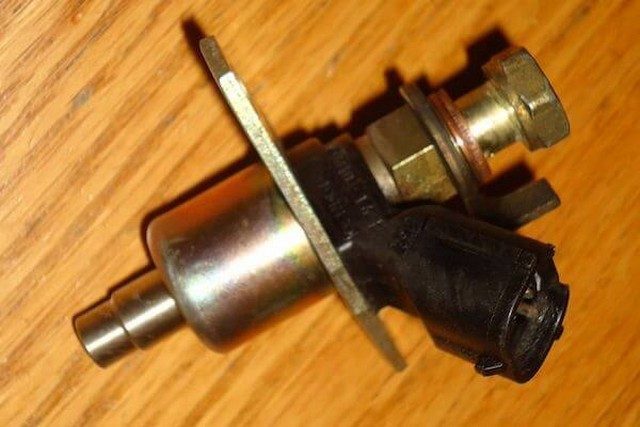
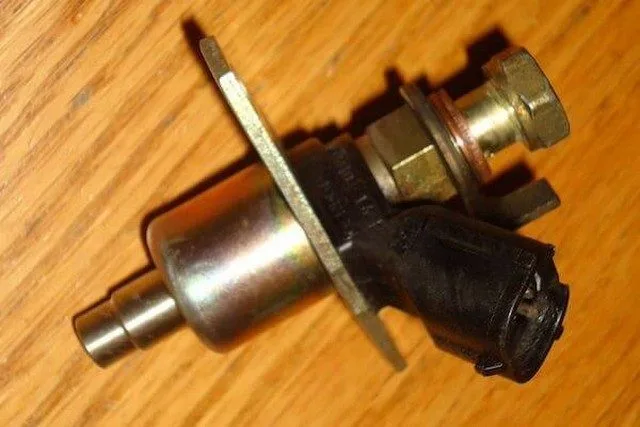
Here is an example of an injector:

Code Severity and Symptoms

A failure of the cold start injector can make starting the engine in unfavorable weather conditions more difficult than usual. A P0213 code should be treated with a certain degree of urgency.

Symptoms of a P0213 trouble code may include:

Delayed engine starting (especially when cold)
No symptoms may be present in warm weather
Engine coolant temperature or intake air temperature codes may also be displayed
Lean exhaust codes
Misfire codes may also be stored

Causes of this DTC Code

Causes

Possible causes of this code may include:

Faulty cold start injector
Faulty engine coolant temperature sensor or circuit
Faulty intake air temperature sensor or circuit
Shorted or open wiring in the cold start injector circuit

Diagnostic and Repair Procedures

A diagnostic scanner, a digital volt/ohmmeter (DVOM), and a reliable source of vehicle information are some of the tools I need to diagnose a P0213 code.

If engine coolant temperature codes or intake air temperature codes are present, diagnose and repair them before diagnosing a P0213 code.
Visual Inspection

A visual inspection of the wiring and connectors related to the system should be performed as a starting point for your diagnosis. Rodent-damaged wiring is not uncommon, especially in cold climates.

Next, I would connect the scanner to the vehicle’s diagnostic connector and retrieve all stored codes and freeze frame data. I like to note this information as it has proven useful as the diagnostic process unfolds. Clear the codes, allow the vehicle to reach a “cold start” condition according to the manufacturer’s specifications, and test the vehicle to see if the P0213 code resets.

If the P0213 does not reset immediately, continue to operate the vehicle normally until the PCM enters a ready state or the code resets. If the ready state is entered, the problem has been corrected. If the code resets, a problem persists.
Step-by-Step Diagnosis

If the code is immediately reset, you can start by testing the cold start injector using the DVOM and following the recommendations found in your vehicle information source. Of course, you will need to replace any cold start injector that does not meet the manufacturer’s specifications.
If the cold start injector in question checks out, test the voltage at the injector connector (using the DVOM). Typically, there should be a constant supply of battery voltage that is joined by a ground pulse from the PCM at the appropriate time. A “noid” light is probably the best tool for simultaneously testing the injector pulse/voltage signal at the injector connector.
If no voltage is discovered at the cold start injector connector, suspect a blown fuse, a faulty relay, or a burned fuse link. Check the system fuses with the circuit loaded to avoid an incorrect diagnosis.
If no ground pulse is detected at the cold start injector connector, suspect a faulty PCM, a PCM programming error, or a malfunction in the circuit between the PCM and the injector connector. Use the DVOM to check for the ground pulse at the appropriate pin in the PCM connector to locate the exact condition and continue from there.
If no ground pulse is detected at the PCM connector, the PCM is likely faulty or has encountered a programming error.
If there is a ground pulse signal at the PCM connector, you have a malfunction in the circuit between the PCM and the cold start injector. After disconnecting all associated controllers (to prevent damage), use the DVOM to check the resistance and continuity of the individual circuits. Repair or replace any circuit that does not meet the manufacturer’s specifications.

Additional Diagnostic Notes

The PCM must recognize that conditions are appropriate for a cold start injection before it can perform diagnostic tests
Be cautious when testing high-pressure fuel systems

P0214 Cold Start Injector 2 Malfunction

OBD-II Code P0214: Secondary Cold Start Injector Malfunction


Meaning of Code P0214

Code P0214 indicates a malfunction in the secondary cold start injector circuit detected by the Powertrain Control Module (PCM). This injector is used to enrich the air-fuel mixture during cold starts, primarily on diesel engines, but sometimes on gasoline engines as well.


Common Symptoms

  • Hard starting in cold weather.
  • No visible symptoms in warm weather.
  • Illumination of the Malfunction Indicator Lamp (MIL).
  • Possible related codes:
  • Abnormal coolant temperature.
  • Incorrect intake air temperature.
  • Misfire or emission-related codes.

Possible Causes

  1. Faulty cold start injector (stuck, leaking, or internal circuit failure).
  2. Electrical problems:
  • Short circuit or open circuit in the injector wiring.
  • Blown fuse or faulty relay.
  1. Faulty sensors:
  • Coolant temperature sensor.
  • Intake air temperature sensor.
  1. PCM failure (rare, but possible due to programming error or internal short circuit).

Diagnostic Procedures

1. Preliminary Visual Inspection

  • Check the injector wiring and connectors for:
  • Damaged, rodent-chewed, or corroded wires.
  • Loose or corroded connectors.
  • Inspect fuses and relays associated with the circuit.

2. Using an OBD-II Scanner

  • Read all stored codes and live data (temperatures, injector voltage).
  • Clear the codes and perform a cold start cycle to check if P0214 reappears.

3. Injector Test

  • Resistance measurement: Use an ohmmeter to compare the injector’s resistance to manufacturer specifications.
  • Voltage test:
  • Check for supply voltage at the injector connector (12V).
  • Use a noid light to confirm ground pulses from the PCM.

4. Sensor Verification

  • Diagnose any codes related to temperature sensors (coolant or intake air) first, as these affect injector activation.

5. PCM Circuit Test

  • If no ground pulse is detected:
  • Check continuity between the PCM and the injector.
  • Test the corresponding PCM pin to rule out an internal fault.

Repair Solutions

  • Replace the faulty injector if resistance or flow rate is out of specification.
  • Repair wiring: Replace damaged wires and secure connectors.
  • Replace faulty sensors (coolant or air temperature).
  • Reset or reprogram the PCM if a software error is suspected (requires specialized equipment).
  • Replace the PCM as a last resort (costly, often requires dealer programming).

Important Precautions

  • Handle high-pressure systems with care (risk of fuel spray).
  • Consult manufacturer data: Vehicle-specific details (e.g., wiring diagrams, resistance values) are critical for accurate diagnosis.
  • Seek professional help if the fault persists after checking simple causes.

Severity and Recommendations

  • Moderate urgency: The vehicle may operate normally in warm weather, but hard starting in winter could leave the driver stranded.
  • Check warranty: Some countries cover emission-related repairs under an anti-pollution warranty.

Conclusion: Code P0214 requires a methodical approach to identify the source of the problem (wiring, injector, sensors, or PCM). Prompt repair prevents complications during extreme cold.

P0215 Engine Stop Solenoid Malfunction

What does it mean?

This generic powertrain diagnostic trouble code (DTC) generally applies to OBD-II equipped vehicles that have a shutdown solenoid. Vehicle makes may include, but are not limited to, Lexus, Peugeot, Citroën, VW, Toyota, Audi, Dodge, Ram, Mercedes Benz, GMC, Chevrolet, etc.

When your OBD-II equipped vehicle has a P0215 code, it means the Powertrain Control Module (PCM) has detected a malfunction in the engine shutdown solenoid.

Most often, the engine shutdown solenoid interferes with the engine’s fuel supply under certain specific circumstances. These circumstances can include (but are not limited to) a vehicle collision, vehicle rollover, extreme engine overheating, or extreme loss of engine oil pressure. The engine shutdown solenoid system is most commonly used in diesel engine vehicles, but not exclusively.

Typically, the engine shutdown solenoid is positioned in the fuel supply system. It consists of an electronically controlled solenoid (which actuates a valve-type actuator) and a method to redirect fuel to the storage tank when the engine shutdown solenoid is activated. The PCM uses inputs from various engine and body position sensors to determine when fuel cutoff is necessary. When this happens, the PCM provides a voltage signal to the engine cutoff relay (which passes it to the solenoid) and the solenoid is activated. Once activated, the valve prevents fuel from reaching the engine and diverts it to the fuel storage tank via a specially designed low-pressure return line.

The PCM continuously monitors the resistance of the engine shutdown solenoid circuit (and resulting voltage changes) when the ignition switch is in the ON position. If the PCM detects a voltage level in the engine shutdown solenoid circuit that differs from what has been programmed, a P0215 code will be stored and a Malfunction Indicator Lamp (MIL) may be illuminated. In some vehicles, multiple failure cycles will be required for MIL illumination.
Code Severity and Symptoms

Since the conditions that contribute to a stored P0215 code can also result in a no-start condition, it should be classified as severe.

Symptoms of a P0215 trouble code may include:

  • There are often no symptoms when a P0215 is stored
  • Engine does not start
  • Other fuel system codes
  • Related exhaust codes

Possible causes of this code may include:

  • Faulty engine shutdown solenoid
  • Faulty engine shutdown relay
  • Faulty tilt angle indicator (if applicable)
  • Open or shorted circuit in the engine shutdown system
  • Faulty oil pressure sending unit
  • Faulty engine temperature sensor
  • PCM programming error or faulty PCM

Diagnostic and Repair Procedures

I would want access to a diagnostic scanner, a digital volt/ohmmeter (DVOM), and a reliable source of vehicle information before attempting to diagnose a P0215 code.

If there are any engine oil pressure or engine overheating codes, diagnose and repair them before addressing this one. Some specialized vehicles (usually off-road focused) use a vehicle tilt angle indicator in the engine shutdown system. If this applies to the vehicle in question, rectify any relevant codes before addressing the P0215 as well.

Engine shutdown systems are very diverse. Many different input signals are used by the PCM to determine if engine shutdown is justified. One car manufacturer may use oil pressure level and another may use vehicle tilt angle. Consult your vehicle information source for the specifics of the engine shutdown system in question.

Connect the scanner to the vehicle’s diagnostic port and retrieve all stored codes and freeze frame data. Record this information as it will likely be useful as you proceed with your diagnosis. Now, clear the codes and test drive the vehicle to see if the code resets.

If the code does not reset immediately, drive normally until the PCM enters readiness mode. If this happens, the problem is likely intermittent or may be attributed to a vehicle collision or tilt angle condition that has been corrected. In any case, if the PCM enters readiness mode, there is nothing left to diagnose
If the code resets before the PCM enters readiness mode, a persistent malfunction exists and will need to be resolved
Use the DVOM to test the engine shutdown solenoid following the specifications located in the vehicle information source. Set the DVOM to the ohms setting to measure continuity and resistance. Disconnect the shutdown solenoid connector and connect the DVOM test leads to the pins as indicated in the vehicle information source. If the solenoid does not meet manufacturer specifications; it must be replaced
If the engine shutdown solenoid meets specifications, use the DVOM to test for voltage and ground at the connector. If neither is found, check for the corresponding pins at the PCM connector. If there are no voltage and ground signals at the (appropriate pins of the) PCM connector, suspect a faulty PCM or PCM programming error. If either is found at the PCM connector but is absent from the solenoid connector, suspect a faulty relay or an open circuit

Additional Diagnostic Notes

If the vehicle in question has been involved in a collision or if the vehicle’s tilt angle has been extreme, clearing the code may be sufficient to correct your malfunction

P0216 Injection Timing Control Circuit Malfunction

What does it mean?

This diagnostic trouble code (DTC) is a generic powertrain code, meaning it applies to vehicles equipped with OBD-II. Although generic, specific repair steps may vary by make/model.

Essentially, it means the diesel fuel injection pump has a timing failure. This could be because the injection pump timing needs adjustment OR the failure is internal to the injection pump and thus not adjustable.


NOTE: If your vehicle is a Dodge Ram with a Cummins engine, be aware that fuel delivery issues frequently cause this code. Prolonged fuel delivery problems can lead to injection pump failure!

Symptoms

Symptoms of a DTC P0216 may include:

Weak battery
Cranks but no start
Hard starting
Displays a failure or intermittent failure
Engine may start then stall
Engine may seem to run fine but idle rough

Causes

The most common cause of this code is a faulty injection pump due to poor fuel supply. Fuel delivery issues could be:

A clogged diesel fuel filter
A blockage in the tank
Air in the fuel due to a fuel leak in the tank above the fuel level
Faulty transfer (lift) pump
Injection pump out of time

Possible Solutions

First, simply check if your injection pump timing is adjustable. If it is, check the timing and adjust if necessary.

If you suspect a fuel delivery problem, check the operation of the lift pump. On a Dodge Ram with the Cummins engine, the lift pump should produce about 45 ounces of diesel in 25 seconds of operation. This can be done by disconnecting the fuel line from the injection pump and pumping fuel into an approved container. Crank the engine but do not start it. Then, the lift pump will operate for 25 seconds. If the fuel is aerated, check/repair the fuel line and recheck.

With the fuel line connected, fuel pressure should be 10 psi. If fuel supply tests fail, replace the diesel fuel filter and recheck.

If it still fails, check for restrictions in the fuel tank.

Then replace the lift (transfer) pump. IT SHOULD BE NOTED that if this code appeared after a routine fuel filter replacement or if you have any of the above symptoms after a routine fuel filter replacement, then suspect the fuel transfer pump. This happens because even a weak transfer pump can still supply enough fuel for the engine to run. But when the fuel system priming is lost due to the fuel filter replacement, it may not restart without addressing the fuel delivery issue.

If you have found your injection pump to be faulty, the lift pump must be checked for operation to protect the new injection pump. This is because low or weak flow from the lift pump is a common cause of injection pump failure. There are aftermarket kits available that can warn the operator when fuel pressure/volume drops to a level that could damage the injection pump.

Engine Overheating

What does it mean?

This diagnostic trouble code (DTC) is a generic powertrain code, meaning it applies to vehicles equipped with OBD-II. Although generic, specific repair steps may vary by make/model.

Having this code stored means your vehicle is equipped with an engine overheating warning light that will illuminate in case of overheating. Most modern vehicles also have a temperature gauge, but some do not.


An overheating condition is typically above 240-250°F (will vary by manufacturer) in the cooling system. The overheating light is designed to come on before the engine sustains damage, but shutting off the engine as soon as possible should be your first priority.

Symptoms

Symptoms of a DTC P0217 may include:

MIL (Malfunction Indicator Light) illumination
Loss of power
Coolant expelled from the reservoir or radiator
Low coolant level
Acrid smell of coolant due to a leak
Inoperative air conditioning (in case of overheating, the PCM (Powertrain Control Module) on some vehicles shuts off the A/C system to reduce engine load).

Causes

Potential causes of a P0217 code include:

Low coolant due to a leak in the cooling system
Restriction/debris in the A/C condenser or radiator
Restriction/debris in the cooling system
Thermostat stuck closed or faulty
Inoperative cooling fan(s)
Cylinder head gasket leaking combustion into the cooling system
Towing an overloaded trailer
Faulty water pump (broken/damaged impeller)

Possible Solutions

Start by checking the coolant level ON A COLD ENGINE. It is never a good idea to check coolant on a hot or overheated engine. Additionally, adding cold water to an empty, overheated cooling system causes thermal shock and is not advisable.

If you find your cooling system is low on coolant and you have a stored P0217, inspect the system for leaks and repair as needed. Then replace the thermostat (see note below) and after refilling the cooling system, restart the engine and verify it does not overheat. Be aware that an overheating engine may expel coolant from the radiator cap to protect the cooling system from overpressure. If you cannot locate a leak, this may be the reason.

Follow the steps below to check cooling system performance. If the coolant level is normal, check the radiator and A/C condenser for any type of restriction that could impede airflow. This step may require removing the radiator and visually inspecting it outside the vehicle. Check between the radiator and condenser for any restrictions or debris. Ensure all plastic panels that direct airflow into the radiator are in place. If you have access to a scan tool, check the operation of the cooling fans or any abnormal noise indicating bearing failure. Look into the radiator tank (if possible) and observe its condition. Is there significant buildup that could restrict coolant flow? If so, replace the radiator.

If you notice no apparent issues and the vehicle continues to overheat, feel the upper radiator hose. Is it hot, indicating coolant is flowing freely? If not, the water pump impeller may be damaged or broken, causing a no-flow condition. If the water pump appears to be functioning correctly, the thermostat may be faulty. Replace it and recheck. If, after the above checks, you still have overheating issues and coolant being expelled from the system, combustion gases may be leaking into the cooling system. This would require a combustion gas leak test on the cooling system. If you have a P0217 but the vehicle is not overheating, there may be a faulty coolant temperature sensor.

Note: An overheated engine can actually damage the thermostat. Therefore, it is always best to replace the thermostat after an overheating event. If you do not, you may successfully repair the original cause of the overheating but still have an overheating condition due to the damaged thermostat.

P0218 Transmission Overheating

What does it mean?

This diagnostic code (DTC) is a generic powertrain code, meaning it applies to vehicles equipped with OBD-II. Although generic, specific repair steps may vary by make/model.

If you have a stored P0218 code, you have a transmission fluid temperature transmitter and likely a transmission overheat warning light on the instrument panel.

If your transmission/transaxle fluid temperature exceeds 290°F, P0218 will be set and the overheat warning light will illuminate. The primary cause of transmission failure is fluid overheating.

Symptoms

Symptoms of a P0218 DTC may include:

Vehicle transmission/transaxle not engaging
Fluid leaking from torque converter seal or other location
Low transmission/transaxle fluid level

Causes

Causes

Potential causes of a P0218 code include:

Overheating from towing an overloaded trailer
Restricted transmission cooler or lines
Restriction/debris in transmission cooler
Low transmission fluid
Inoperative cooling fan/fan clutch
Missing or damaged front air dam/deflector
Faulty transmission fluid temperature sensor

Possible Solutions

If towing a heavy load, ensure the vehicle is rated for that weight. If the load is too heavy, the transmission cooler may not maintain proper fluid temperature. An overheated transmission/transaxle won’t last long.

Next, verify the cooler isn’t obstructed by debris and lines aren’t pinched or leaking. If the transmission cooler has a cooling fan, ensure it operates correctly. If transmission fluid smells burnt or appears dark, perform a transmission fluid flush. If transmission fluid level is low, refill it and check for leaks.

Note: An overheated transmission can expel fluid through the vent or torque converter seal.

Engine Overspeed Condition P0219

What does code P0219 mean?

Code P0219 is a generic diagnostic trouble code (DTC) for the powertrain applicable to OBD-II vehicles. It affects multiple brands such as Ford, Honda, Chevrolet, Mitsubishi, Dodge, Mercedes-Benz, etc. Although this code is universal, repair steps may vary depending on the model, year, and engine of the vehicle.

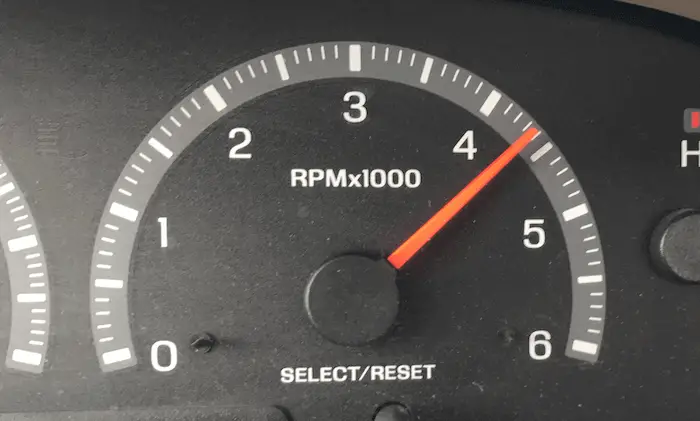
This code is triggered when the Powertrain Control Module (PCM) detects that the engine has exceeded its maximum revolutions per minute (RPM) limit.

PCM Operation and Over-Rev Detection

The PCM monitors engine speed using several sensors:

  • Crankshaft Position Sensor (CKP)
  • Camshaft Position Sensor (CMP)
  • Transmission Output Speed Sensors

In most modern vehicles, a rev limiter prevents the engine from exceeding a critical threshold when in neutral or parked. However, if the engine exceeds this limit and the PCM fails to correct the situation by reducing fuel injection or retarding ignition, the code P0219 is stored and an engine light may illuminate.

Severity of Code P0219

An over-revving engine can cause major damage (pistons, valves, connecting rods, etc.). Therefore, this code should be addressed as a priority to avoid costly repairs.


Symptoms of Code P0219

  • Engine light on (MIL)
  • No noticeable driving symptoms in some cases
  • Possibility of repeated engine over-revving
  • Knock sensor trouble codes stored
  • Clutch slippage (on manual transmission)

Possible Causes of Code P0219

The main causes include:

  • Human error: Engine over-revving due to improper handling (excessive acceleration, harsh downshifting, etc.)
  • CKP or CMP sensor failure
  • Faulty transmission input or output speed sensors
  • Electrical problem: Open or short circuit in CKP, CMP, or transmission sensors
  • Faulty PCM or PCM programming error

How to Diagnose and Repair Code P0219?

  1. Check the vehicle’s usage history

    • Check if the engine has been pushed beyond its limit intentionally or accidentally.
    • If the vehicle has a manual transmission, ensure that the clutch is functioning properly.
  2. Use an OBD-II scanner

    • Retrieve stored codes and freeze frame data to identify the circumstances of the code trigger.
    • Clear the codes and try to drive normally to see if the problem reappears.
  3. Test CKP, CMP, and transmission speed sensors

    • Use a digital multimeter (DVOM) or oscilloscope to check proper operation of the sensors.
    • Replace sensors if they show abnormal values.
  4. Check wiring and connectors

    • Inspect the condition of electrical wires and connectors of the sensors (pinches, burnt wires, corrosion, etc.).
    • Check circuit continuity and resistance using the DVOM.
  5. Consult Technical Service Bulletins (TSB)

    • Some manufacturers publish specific TSBs to resolve known issues related to code P0219.
  6. Test the PCM if necessary

    • If sensors and wiring are in good condition, a programming issue or PCM failure might be the cause.
    • In this case, a PCM software update or replacement may be necessary.

Conclusion

Code P0219 indicates engine over-revving that can severely damage the engine if it occurs frequently. It is essential to act quickly, by checking sensors, wiring, and engine condition to avoid costly repairs. If the problem persists after these checks, it is recommended to consult a professional.

P021A Cylinder 7 Injection Timing

What Does It Mean?

This diagnostic trouble code (DTC) is a generic powertrain code, meaning it applies to most OBD-II equipped vehicles, including but not limited to VW Volkswagen, Dodge, Ram, Kia, Chevrolet, GMC, Jaguar, Ford, Jeep, Chrysler, Nissan, etc. Although generic, the specific repair steps may vary by make/model.

A stored P021A code means the powertrain control module (PCM) has detected a malfunction in the injection timing circuit for a specific engine cylinder. In this case, the cylinder in question is the seventh cylinder. Consult a reliable vehicle information source to determine the exact location of cylinder number seven in the vehicle where P021A was stored.

Based on my experience, a P021A code is stored exclusively in vehicles equipped with diesel engines. Today’s clean-burning (direct injection) diesel engines require extreme levels of fuel pressure.

Due to this high fuel pressure level, only qualified personnel should attempt to diagnose or repair the high-pressure fuel system.

When unit injectors are used, the high-pressure injection pump is driven by the engine’s timing chain and timed based on the crankshaft and camshaft positions. Whenever the engine’s crankshaft and camshafts reach a certain point, the high-pressure injection pump is pulsed; resulting in an extreme degree (up to 35,000 psi) of fuel pressure.

Common rail direct injection systems are timed using a common high-pressure fuel rail and individual solenoids for each cylinder. In this type of application, the PCM or a standalone diesel injection controller is used to control injector timing.

Variations in camshaft and/or crankshaft timing alert the PCM to inconsistencies in the specific cylinder injection timing and prompt a stored P021A code. Some vehicles may require multiple ignition cycles with a failure for this type of code to be stored and a malfunction indicator lamp to illuminate.

Related injection timing codes include cylinders 1 through 12: P020A, P020B, P020C, P020D, P020E, P020F, P021A, P021B, P021C, P021D, P021E, and P021F

Code Severity and Symptoms

All codes related to the high-pressure fuel injection system should be considered severe and treated with a degree of urgency.

Symptoms of a P021A engine code may include:

Engine misfires, sagging, or stumbling
General lack of engine performance
Characteristic diesel fuel odor
Reduced fuel efficiency

Causes

Causes

Possible causes of this P021A code include:

Faulty fuel injection solenoid
Open or shorted wiring and/or connectors in the fuel injector control circuit
Bad fuel injector
Failed engine timing component
Crankshaft or camshaft position sensor (or circuit) failure

Diagnostic and Repair Procedures

I would need a diagnostic scanner, a digital volt/ohmmeter (DVOM), and a reliable vehicle information source to diagnose a P021A code.

Start with a visual inspection of components and wiring harnesses related to the high-pressure fuel system. Look for signs of fuel leaks as well as damage to wiring or connectors.

Check for Technical Service Bulletins (TSBs) related to the vehicle, symptoms, and codes in question. If such a TSB is found, it will provide very useful information for diagnosing this code.

Now, I connect the scanner to the vehicle’s diagnostic port and retrieve all stored trouble codes and freeze frame data. I like to record this information as it may prove beneficial during diagnosis. Next, I would clear the codes and test-drive the vehicle to see if the code resets. If crankshaft and/or camshaft position sensor codes are stored, diagnose and repair them before attempting to diagnose the injector timing code.
If the code resets:

If the vehicle in question is equipped with a common rail injection system, use the DVOM and vehicle information source to test the injector solenoid for the cylinder in question. Any component not meeting manufacturer specifications should be replaced before continuing. Once suspected parts are repaired/replaced, clear any codes that may have been stored during testing and test-drive the vehicle until the PCM enters readiness mode or the code resets. If the PCM enters readiness mode, you know the repair was successful. If the code resets – you can assume you still have a problem.

If the injector solenoid meets specifications, disconnect the controller and use the DVOM to test the system circuits for shorts or opens. Repair or replace system circuits that do not meet manufacturer specifications according to the pinout chart located in your vehicle information source.

Unit injector failure can almost always be attributed to a failed engine timing component or some type of high-pressure fuel system leak.

A P021A should only be diagnosed by a qualified technician due to extreme fuel pressure
Determine the type of high-pressure fuel system the vehicle is equipped with before starting your diagnosis

Cylinder 8 Distribution P021B

What Does It Mean?

This diagnostic trouble code (DTC) is a generic powertrain code, meaning it applies to most OBD-II equipped vehicles, including but not limited to VW Volkswagen, Dodge, Ram, Kia, Chevrolet, GMC, Jaguar, Ford, Jeep, Chrysler, Nissan, etc. Although generic, the specific repair steps may vary by make/model.

A stored P021B code means the powertrain control module (PCM) has detected a malfunction in the injection timing circuit for a specific engine cylinder. In this case, the cylinder in question is cylinder eight. Consult a reliable vehicle information source to determine the exact location of cylinder number eight in the vehicle where P021B was stored.

Based on my experience, a P021B code is stored exclusively in vehicles equipped with diesel engines. Today’s clean-burning (direct injection) diesel engines require extreme levels of fuel pressure.

Due to this high fuel pressure level, only qualified personnel should attempt to diagnose or repair the high-pressure fuel system.

When unit injectors are used, the high-pressure injection pump is driven by the engine’s timing chain and timed according to the crankshaft and camshaft positions. Whenever the engine’s crankshaft and camshafts reach a certain point, the high-pressure injection pump is pulsed; resulting in an extreme degree (up to 35,000 psi) of fuel pressure.

Common rail direct injection systems are timed using a common high-pressure fuel rail and individual solenoids for each cylinder. In this type of application, the PCM or a standalone diesel injection controller is used to control injector timing.

Variations in camshaft and/or crankshaft timing alert the PCM to inconsistencies in the specific cylinder injection timing and prompt a stored P021B code. Some vehicles may require multiple ignition cycles with a failure for this type of code to be stored and a malfunction indicator lamp to illuminate.

Related injection timing codes include cylinders 1 through 12: P020A, P020B, P020C, P020D, P020E, P020F, P021A, P021B, P021C, P021D, P021E, and P021F.
Code Severity and Symptoms

All codes related to the high-pressure fuel injection system should be considered severe and addressed with a degree of urgency.

Symptoms of a P021B engine code may include:

Engine misfires, sagging, or stumbling
General lack of engine performance
Characteristic diesel fuel odor
Reduced fuel efficiency

Causes

Possible causes of this P021B code include:

Faulty fuel injection solenoid
Open or shorted wiring and/or connectors in the fuel injector control circuit
Bad fuel injector
Engine timing component failure
Crankshaft or camshaft position sensor (or circuit) failure

Diagnostic and Repair Procedures

I would need a diagnostic scanner, a digital volt/ohmmeter (DVOM), and a reliable vehicle information source to diagnose a P021B code.

Start with a visual inspection of components and wiring harnesses related to the high-pressure fuel system. Look for signs of fuel leaks as well as damage to wiring or connectors.

Check for Technical Service Bulletins (TSBs) related to the vehicle, symptoms, and codes in question. If such a TSB is found, it will provide very useful information for diagnosing this code.

Now, I connect the scanner to the vehicle’s diagnostic port and retrieve all stored trouble codes and freeze frame data. I like to note this information as it may prove beneficial during diagnosis. Next, I would clear the codes and test-drive the vehicle to see if the code resets. If crankshaft and/or camshaft position sensor codes are stored, diagnose and repair them before attempting to diagnose the injector timing code.
If the code resets:

If the vehicle in question is equipped with a common rail injection system, use the DVOM and vehicle information source to test the injector solenoid for the cylinder in question. Any component not meeting manufacturer specifications should be replaced before continuing. Once suspected parts are repaired/replaced, clear any codes that may have been stored during testing and test-drive the vehicle until the PCM enters readiness mode or the code resets. If the PCM enters readiness mode, you know the repair was successful. If the code resets – you can assume you still have a problem.

If the injector solenoid meets specifications, disconnect the controller and use the DVOM to test the system circuits for shorts or opens. Repair or replace system circuits that do not meet manufacturer specifications according to the pinout chart located in your vehicle information source.

Unit injector failure can almost always be attributed to an engine timing component failure or some type of high-pressure fuel system leak.

A P021B should only be diagnosed by a qualified technician due to extreme fuel pressure
Determine the type of high-pressure fuel system the vehicle is equipped with before starting your diagnosis