Audi Considers Vintage Parts Program for North America

Audi Explores Classic Parts Initiative for U.S. and Canadian Enthusiasts

In a move that could significantly benefit the classic car community, Audi is reportedly evaluating the launch of a vintage parts program in North America. This initiative would mirror similar programs from other manufacturers, aiming to support the preservation and restoration of its iconic heritage models. The potential program signals a growing recognition of the value in catering to dedicated owners of older vehicles.

Gauging Community Interest for a Tailored Program

The discussion was prompted by a social media post from Audi Club North America, which indicated the brand is actively seeking to understand how best to supply correct parts to enthusiasts across the continent. Rather than announcing a ready-made solution, Audi appears to be in a consultation phase, directly asking the community what their most pressing needs are. This collaborative approach suggests a desire to create a program that effectively targets high-demand components for popular classic models like the original Quattro, the Audi Coupe, and the 4000 series.

The Rising Trend of Manufacturer-Supported Restoration

Audi’s exploration places it within an industry-wide trend where automakers are rediscovering their heritage as a valuable asset. By offering authentic reproduction parts, manufacturers help ensure the longevity and authenticity of their classic models. For collectors and restorers, access to factory-approved parts is invaluable, often simplifying complex restoration projects and maintaining vehicle provenance. Such programs can also foster stronger brand loyalty, connecting modern Audi with its storied past.

What This Means for Classic Audi Owners

If implemented, a formal vintage parts program would represent a major shift for North American enthusiasts. Currently, sourcing specific components often involves lengthy international searches, used parts of uncertain quality, or expensive custom fabrication. An official channel could provide reliable access to critical mechanical, trim, and body parts, making ownership of a classic Audi more sustainable and enjoyable for the long term. The final decision will likely depend on the demonstrated demand from the community itself.

Overloaded Truck Strikes Six Oklahoma Bridges in Single Trip

A Costly and Dangerous Journey

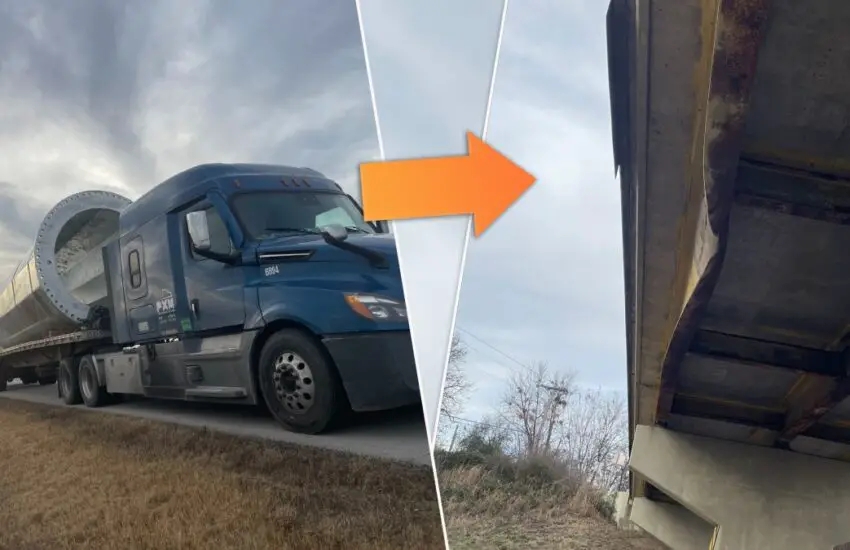
An incident in Oklahoma has starkly highlighted the severe dangers posed by overloaded commercial vehicles. Authorities reported that a single truck, carrying a load far exceeding legal limits, collided with six separate bridges during one trip. The repeated impacts caused significant damage to public infrastructure, creating a serious hazard and prompting a major investigation into the driver’s actions and the responsible company.

The Critical Role of Load Compliance

This extraordinary case underscores a fundamental principle of road safety: compliance with weight regulations is non-negotiable. Overloaded trucks present multiple threats. They are harder to control, require greater distances to stop, and place excessive stress on axles, tires, and brakes. Most critically, as this event proves, an over-height or over-width load can directly collide with overhead structures, endangering the driver and the structural integrity of vital infrastructure like bridges.

Broader Implications for Road Safety

The repercussions of such an event extend far beyond the immediate damage. Each bridge strike necessitates costly inspections and repairs, often funded by taxpayer money. It can lead to traffic delays, lane closures, and detours, disrupting commerce and daily commutes. This incident serves as a serious reminder for the trucking industry about the paramount importance of rigorous pre-trip planning, accurate load measurement, and strict adherence to designated routes that account for clearance heights.

Ensuring road safety is a shared responsibility. While drivers must be vigilant and properly trained, carriers are ultimately accountable for verifying that every shipment is within legal limits and securely fastened. This Oklahoma event is a cautionary tale of what can happen when those protocols fail, demonstrating that the risks of overloading are measured not just in fines, but in potential catastrophe.

OBD2 Code P1479 MINI: Comprehensive Guide to Secondary Air Injection System Malfunction

Understanding OBD2 Code P1479 in Your MINI

When your MINI’s check engine light illuminates and a scan tool reveals code P1479, it indicates a specific fault within the vehicle’s Secondary Air Injection System (SAIS). This system, often referred to as the “secondary air pump” system, is a critical emissions control component mandated on many modern engines, including those in MINI Coopers built by BMW. Code P1479 is formally defined as “Secondary Air Injection System Pump Relay Circuit Malfunction.” In simpler terms, the vehicle’s Engine Control Module (ECM) has detected an electrical problem with the circuit controlling the relay that powers the secondary air pump. This fault prevents the system from operating correctly during a cold start, leading to increased hydrocarbon emissions and potential long-term damage to the catalytic converter.

What is the Secondary Air Injection System (SAIS)?

The SAIS is an emissions reduction system designed to work for a short period (typically 30-90 seconds) immediately after a cold engine start. Its primary function is to inject fresh air into the exhaust manifold, upstream of the catalytic converter. This injection of oxygen helps to rapidly “light off” the catalytic converter by promoting a secondary combustion of unburned hydrocarbons in the exhaust stream. By doing so, it significantly reduces cold-start emissions, helping the vehicle meet stringent environmental regulations. A failure in this system, signaled by P1479, means this process is not occurring as designed.

Common Symptoms of a P1479 Fault Code

Drivers may notice one or more of the following symptoms when code P1479 is stored in the MINI’s ECU:

  • Illuminated Check Engine Light (MIL): The most immediate and common indicator.
  • Rough Idle on Cold Start: The engine may stumble or run unevenly for the first minute after starting.
  • Increased Exhaust Smell: A noticeable smell of unburned fuel or rich exhaust may be present, especially in confined spaces like a garage.
  • Lack of Obvious Symptoms: In many cases, aside from the MIL, the vehicle may drive normally with no perceptible performance issues, making diagnosis reliant on scan tools.
  • Failed Emissions Test: The vehicle will likely fail a state or local emissions inspection due to the malfunctioning emissions system.

Diagnosing the Root Causes of P1479 in MINI Vehicles

Successfully repairing a P1479 code requires a systematic diagnostic approach. The fault is electrical in nature, pointing to the relay control circuit, but the root cause can stem from several components. Here are the primary suspects, ordered from most to least common.

1. Faulty Secondary Air Pump Relay

The relay is the most frequent culprit. This electro-mechanical switch is responsible for delivering high-current battery power to the secondary air pump motor when commanded by the ECM. Over time, the relay’s internal contacts can corrode, weld shut, or fail open. A failed relay will either prevent the pump from receiving any power or cause it to run continuously, both of which can trigger P1479. The relay is often located in the engine bay fuse box (E-box) or the integrated power supply module.

2. Defective Secondary Air Pump

The electric air pump itself can fail. Common failures include a seized motor due to age, moisture ingress, or carbon buildup from exhaust gases, or worn-out motor brushes. You can often test this by applying direct battery power (with appropriate fusing) to the pump’s electrical connector; a functioning pump will run audibly. A silent pump indicates a motor failure.

3. Electrical Issues: Wiring, Connectors, and Fuses

The wiring harness connecting the ECM, relay, fuse, and pump is subject to heat, vibration, and corrosion. Key areas to inspect include:

  • Blown Fuse: Locate and check the specific fuse for the secondary air pump circuit (consult your owner’s manual or repair database for location and amperage).
  • Damaged Wiring: Look for chafed, broken, or melted wires, especially near sharp edges or hot exhaust components.
  • Corroded Connectors: Check the electrical connectors at the pump, relay, and ECM for green corrosion, bent pins, or loose fits.

4. Malfunctioning Air Switching Valve

While P1479 specifically points to the pump relay circuit, a stuck or failed air switching valve (also known as a combi valve) can cause backpressure or system blockage that strains the electrical components. This valve directs the injected air into the exhaust ports and prevents exhaust backflow into the pump. If it’s seized shut, the pump motor may overwork, leading to high current draw and relay/ECM circuit faults.

5. ECM Software Glitch or Rare ECM Failure

In rare instances, a software error in the Engine Control Module can cause an erroneous P1479 code. A simple battery disconnect (to reset the ECU) may temporarily clear it, but it will likely return. A professional scan tool can check for related codes and perform actuator tests on the SAIS. Physical failure of the ECM’s internal driver for the relay circuit is possible but uncommon.

Step-by-Step Repair and Solutions for Code P1479

Once you’ve identified the likely cause through diagnosis, you can proceed with the repair. Always begin with the simplest and most cost-effective solutions.

Step 1: Basic Electrical Checks

Start with a visual inspection. Locate the secondary air pump relay and fuse. Swap the SAIS relay with an identical relay from another circuit in the fuse box (e.g., the horn or fog light relay). If the P1479 code clears and the system works, you’ve found a bad relay. Replace it with a new, high-quality unit. Similarly, check and replace any blown fuses. Inspect all visible wiring for damage.

Step 2: Testing the Secondary Air Pump

If the relay and fuse are good, test the pump. With the vehicle off, disconnect the electrical connector at the pump. Using a fused jumper wire, apply 12 volts directly from the battery to the pump terminals. If the pump does not run, it is defective and requires replacement. Ensure the air inlet hose to the pump is not clogged, as this can also cause failure.

Step 3: Inspecting the Air Switching Valve and Hoses

Remove the hoses connected to the air switching valve and inspect for cracks, brittleness, or leaks. Listen for the valve actuating when the system is commanded on with a professional scan tool. You can also apply vacuum to the valve’s diaphragm (if equipped) to see if it holds. A leaking or stuck valve should be replaced.

Step 4: Advanced Wiring Diagnostics

If components test good, the issue lies in the wiring or ECM. Using a digital multimeter and a wiring diagram, check for:

  • Power and Ground at the Pump Connector: With the relay commanded on, you should see battery voltage.
  • Continuity in Wires: Check for broken wires between the relay socket, fuse box, pump, and ECM.
  • ECM Signal: A bi-directional scan tool is needed to command the relay on/off and monitor the ECM’s control signal.

Step 5: Clearing the Code and Verification

After completing the repair, clear the P1479 code and all related codes from the ECU’s memory using your OBD2 scanner. Perform a complete drive cycle, including a cold start, to allow the ECU to re-monitor the Secondary Air Injection System. The check engine light should remain off, and the code should not return, confirming a successful repair.

Important Note: While diagnosing and fixing a P1479 code is within the capability of a knowledgeable DIYer, the location of components and complexity of wiring on MINI/BMW engines can be challenging. If you are unsure at any step, consulting a professional mechanic with specific MINI/BMW experience is highly recommended to avoid misdiagnosis and unnecessary parts replacement.


Understanding and Fixing OBD-II Code P1479 in Mercury Vehicles

What is OBD-II Code P1479 in a Mercury Vehicle?

OBD-II (On-Board Diagnostics II) code P1479 is a manufacturer-specific diagnostic trouble code (DTC) that is primarily associated with vehicles from the Ford Motor Company family, which includes Mercury and Lincoln brands. The generic definition is “Leak Detection Pump Circuit High.” This code indicates that the vehicle’s Powertrain Control Module (PCM) has detected an electrical fault in the circuit for the Leak Detection Pump (LDP), a critical component of the Evaporative Emission Control (EVAP) system. Specifically, the PCM is reading a voltage signal from the LDP circuit that is higher than the expected normal operating range.

The Role of the EVAP System and Leak Detection Pump

The EVAP system is designed to prevent fuel vapors from the gas tank from escaping into the atmosphere. It captures these vapors, stores them in a charcoal canister, and then purges them into the engine to be burned during normal combustion. The Leak Detection Pump is the system’s self-diagnostic tool. It pressurizes the EVAP system with air and then monitors for a pressure drop, which would indicate a leak. A fault in this pump or its circuit compromises the vehicle’s ability to self-test for emissions leaks.

Why Code P1479 is Specific to Ford/Mercury

While the P1XXX series of codes are manufacturer-specific, P1479 is almost exclusively found on Ford, Mercury, and Lincoln vehicles from the late 1990s through the 2000s. This is because the code relates to the particular design and electrical strategy Ford employed for its EVAP system monitoring, often using a dedicated Leak Detection Pump rather than the more common method of using the fuel tank pressure sensor.

Symptoms and Causes of a P1479 Code

When code P1479 is stored in the PCM, it will illuminate the Check Engine Light (MIL). In many cases, this may be the only noticeable symptom, as the EVAP system fault typically does not affect drivability or fuel economy in a direct, noticeable way. However, a persistent EVAP leak can lead to a faint fuel odor.

Common Symptoms of P1479

  • Illuminated Check Engine Light (MIL): The primary and most common symptom.
  • Failed Emissions Test: The vehicle will not pass a state emissions inspection with an active EVAP system code.
  • Possible Fuel Odor: If the fault is related to an actual leak, you may smell gasoline vapors, especially near the fuel tank or filler neck.
  • Other EVAP Codes: P1479 may appear alongside other codes like P0455 (Large EVAP Leak) or P0442 (Small EVAP Leak) if the LDP failure prevents proper leak testing.

Primary Causes of Code P1479

The “Circuit High” designation points to an electrical problem. The root causes generally fall into three categories:

  • Electrical Faults: A short to power in the LDP control circuit, damaged or corroded wiring/connectors, or a poor electrical ground for the LDP or PCM.
  • Failed Leak Detection Pump (LDP): An internal failure of the pump motor or its integrated solenoid valve. The pump is often located near the EVAP canister, behind a rear wheel well or under the vehicle.
  • Faulty Powertrain Control Module (PCM): While rare, a malfunction within the PCM itself could cause it to misread the circuit voltage. This should only be considered after all other possibilities are eliminated.

Step-by-Step Diagnostic and Repair Procedure

Diagnosing P1479 requires a systematic approach, starting with the simplest checks and moving toward component replacement. You will need a quality OBD2 scan tool and a digital multimeter (DMM).

Step 1: Preliminary Inspection and Code Verification

Begin by performing a thorough visual inspection. Look for obvious issues in the EVAP system area:

  • Check the LDP electrical connector for corrosion, bent pins, or damage.
  • Inspect the wiring harness from the LDP back to the PCM for chafing, cuts, or rodent damage.
  • Examine the EVAP hoses connected to the LDP and canister for cracks, disconnections, or brittleness.
  • Clear the code with your scan tool and perform a drive cycle to see if it returns. An intermittent fault may point to a wiring issue.

Step 2: Electrical Circuit Testing

Consult a vehicle-specific wiring diagram to identify the LDP connector pins. Typically, the LDP will have a power supply wire (often from a relay or fuse), a ground wire, and a control wire from the PCM.

  • With the key on, engine off, use the DMM to check for battery voltage at the LDP power supply pin.
  • Check the ground circuit for continuity to a known good ground.
  • Test the PCM control wire for continuity to the PCM connector and check for a short to battery voltage (which would cause the “Circuit High” condition).

Step 3: Testing the Leak Detection Pump Itself

If the wiring checks out, the LDP itself is likely faulty. You can perform a basic bench test:

  • Disconnect the electrical and vacuum hoses from the LDP.
  • Using fused jumper wires, apply direct battery voltage and ground to the pump’s motor terminals. A functioning pump should run audibly.
  • Listen for the internal solenoid valve to click when voltage is applied to its circuit (if separately accessible).
  • If the pump does not activate, it is confirmed dead and requires replacement.

Step 4: Replacement and System Verification

Replacing the LDP is generally straightforward. Ensure the vehicle is cool and safely supported if working underneath.

  • Disconnect the battery negative terminal.
  • Unplug the electrical connector and carefully label then disconnect the vacuum hoses.
  • Remove the mounting bolts, swap the unit, and reassemble in reverse order, ensuring all hoses are securely connected.
  • Reconnect the battery, clear all codes with your scan tool, and perform a complete drive cycle to allow the PCM to run its EVAP monitor. The monitor should complete without setting P1479 again.

Technical Considerations and Final Thoughts

Successfully repairing a P1479 code restores your Mercury’s emissions integrity and ensures it can pass mandatory inspections. It’s a repair that, while technical, is very achievable for a seasoned DIYer with the right tools.

Importance of Using OEM or High-Quality Parts

The Leak Detection Pump is a precision component. While aftermarket options exist, opting for an OEM (Motorcraft) or high-quality replacement part is highly recommended. Inferior pumps may have a shorter lifespan or not meet the exact flow/pressure specifications of the PCM, potentially leading to other EVAP codes or test failures.

When to Seek Professional Help

If your electrical diagnostics point toward a wiring fault deep in the harness or you suspect a PCM issue, the complexity increases significantly. A professional automotive technician with access to advanced diagnostic software, wiring schematics, and the ability to perform PCM programming or component tests may be required to resolve the issue efficiently and correctly.

In summary, OBD2 code P1479 is a clear call to action for your Mercury’s EVAP system health. By following a logical diagnostic path—inspecting wiring, testing the circuit, and verifying pump operation—you can pinpoint the fault, whether it’s a simple corroded connector or a failed Leak Detection Pump, and restore your vehicle to proper working order.

Mazda P1479 Code: EGR Valve Position Sensor Circuit High Voltage Explained

Understanding the Mazda P1479 Diagnostic Trouble Code

When your Mazda’s check engine light illuminates and a scan tool reveals code P1479, you’re dealing with a specific fault within the Exhaust Gas Recirculation (EGR) system. This On-Board Diagnostics II (OBD2) code is defined as “EGR Valve Position Sensor Circuit High Voltage.” In simpler terms, the vehicle’s Powertrain Control Module (PCM) has detected an electrical signal from the EGR valve position sensor that is consistently higher than the expected normal operating range. This high voltage signal indicates the PCM cannot accurately determine the EGR valve’s pintle position, leading to potential drivability issues and increased emissions. Understanding this code is crucial for proper diagnosis, as it points directly to an electrical fault rather than a simple clogged valve.

What is the EGR System and Why is it Important?

The Exhaust Gas Recirculation system is a critical emissions control component. It works by recirculating a small, metered amount of inert exhaust gas back into the engine’s intake manifold. This process lowers the combustion chamber temperature, which in turn reduces the formation of harmful nitrogen oxides (NOx). The EGR valve, controlled by the PCM, opens and closes to regulate this flow. The EGR valve position sensor, often integrated into the valve assembly, is a potentiometer that provides real-time feedback to the PCM on the valve’s exact pintle position, allowing for precise control.

The Technical Meaning of “Circuit High Voltage”

The PCM supplies a 5-volt reference signal to the position sensor and monitors the return signal on a separate wire. As the valve moves, the sensor’s resistance changes, altering the return voltage. A “high voltage” condition (P1479) means the PCM sees a signal voltage that is at or near the 5-volt reference supply. This typically indicates an open circuit in the sensor’s signal return path or within the sensor itself, as the PCM is essentially reading the full reference voltage with no resistance drop. This is distinct from a “low voltage” code, which would indicate a short to ground.

Common Symptoms of a Mazda P1479 Code

Drivers may experience one or more of the following symptoms when code P1479 is stored. The severity can range from unnoticeable to significant drivability problems, depending on the vehicle’s default fail-safe strategy.

Primary Drivability Issues

  • Illuminated Check Engine Light (MIL): The most common and immediate symptom.
  • Rough Idle or Stalling: Incorrect EGR flow can destabilize the air/fuel mixture at low RPMs.
  • Poor Engine Performance: Hesitation, lack of power, or sluggish acceleration, especially under load.
  • Increased Fuel Consumption: The PCM may enter a rich-running mode to compensate for perceived incorrect data.

Secondary and Emission-Related Symptoms

  • Failed Emissions Test: With the EGR system inoperative, NOx emissions will likely exceed legal limits.
  • Engine Knocking or Pinging: In some cases, without EGR to cool combustion, pre-ignition can occur.
  • No Noticeable Symptoms: In many modern Mazdas, the PCM may simply disable the EGR system and the driver may only see the MIL, a state known as “limp-home” mode.

Diagnosing the Root Causes of P1479 in Mazda Vehicles

Effective diagnosis requires a systematic approach, moving from the simplest and most common checks to more complex ones. Always begin with a visual inspection before performing electrical tests.

Electrical and Wiring Faults (Most Common)

  • Damaged Wiring Harness: Look for chafed, burnt, or broken wires near the EGR valve, especially where the harness may contact sharp edges or hot exhaust components.
  • Poor Electrical Connections: Corrosion, bent pins, or loose terminals at the EGR valve connector or the PCM connector can create an open circuit.
  • Blown Fuse: Although less common, check the relevant engine control or sensor fuse in the under-hood fuse box.

Faulty Components

  • Failed EGR Valve Position Sensor: The internal potentiometer track can wear out or break, causing an open circuit and triggering the high voltage signal.
  • Faulty EGR Valve Assembly: On many Mazda models, the sensor is not serviceable separately and is part of an integrated EGR valve assembly.
  • Defective Powertrain Control Module (PCM): This is rare, but a failed internal driver or circuit within the PCM itself could be the source. Always rule out all other possibilities first.

Step-by-Step Diagnostic and Repair Guide

This guide outlines a logical diagnostic procedure. You will need a digital multimeter (DMM) and a quality scan tool capable of reading live data.

Step 1: Preliminary Checks and Live Data Verification

Clear the code and perform a test drive to see if it returns immediately. If it does, connect your scan tool and navigate to the live data stream. Look for the EGR Valve Position PID (Parameter ID). With the engine off (key on), the reading may be erratic or show 100%. Command the EGR valve open and closed using the scan tool’s bidirectional controls. If the position percentage does not change and is stuck at a high value (or 4.5V+ if viewing voltage), it confirms the circuit fault.

Step 2: Visual and Electrical Inspection

Locate the EGR valve (typically on or near the intake manifold). Disconnect its electrical connector. Perform a thorough visual inspection of the wiring harness back towards the PCM. Check the connector for corrosion or damage. With the connector disconnected, use your DMM to check for 5-volt reference and a good ground at the harness side of the connector (refer to a wiring diagram for pinouts).

Step 3: Testing the EGR Valve/Sensor Assembly

If reference voltage and ground are present at the harness, the fault lies with the valve/sensor assembly. Measure the resistance across the sensor terminals (valve disconnected). Consult a service manual for specific resistance values, but you are typically looking for a smooth, continuous change in resistance as you manually move the valve pintle. An infinite resistance (open) at any point confirms a failed sensor. If the sensor is integrated, replacement of the entire EGR valve assembly is usually required.

Step 4: Repair, Clear Codes, and Test Drive

Based on your findings:

  • Repair Wiring: Solder and seal any broken wires, and secure the harness away from heat and sharp edges.
  • Replace Connector: If corroded, use a weatherproof replacement connector.
  • Replace EGR Valve Assembly: Install a high-quality OEM or reputable aftermarket unit. Ensure the mounting surface and EGR passages in the intake are clean.

After repair, clear all codes with your scan tool and perform a comprehensive test drive, including various engine loads and RPMs, to ensure the code does not return and the EGR system is functioning correctly.

Conclusion and Final Recommendations

Code P1479 on your Mazda is a specific electrical fault within a critical emissions system. While it can cause noticeable drivability problems, it is often a straightforward diagnosis for a technician or a well-equipped DIYer. The key is a methodical approach: verify the fault with live data, inspect the wiring thoroughly, and test the components electrically before replacing parts. Ignoring this code will not only cause your vehicle to fail an emissions inspection but can also lead to reduced fuel economy and potential long-term engine damage from knocking. Addressing a P1479 code promptly restores your Mazda’s performance, efficiency, and environmental compliance.

Lincoln P1479 Code: EVAP Leak Detection Pump Control Circuit Explained

Understanding the P1479 Code in Your Lincoln

When the check engine light illuminates in your Lincoln and a diagnostic scan reveals trouble code P1479, you’re dealing with a specific fault within the vehicle’s Evaporative Emission Control (EVAP) system. Officially defined as “EVAP Leak Detection Pump Control Circuit,” this code is common across many Ford Motor Company vehicles, including Lincoln models. The EVAP system is crucial for preventing fuel vapors from escaping into the atmosphere, and the Leak Detection Pump (LDP) is its primary self-diagnostic component. A P1479 code indicates that the vehicle’s Powertrain Control Module (PCM) has detected an irregularity—typically an electrical fault—in the control circuit for the LDP solenoid. This article provides a detailed, technical breakdown of the causes, diagnostic procedures, and repair solutions to help you resolve this emission-related issue.

Technical Causes of the P1479 Fault Code

The P1479 is an electrical circuit code, not necessarily a mechanical leak code. It signals that the PCM’s commanded state for the LDP does not match the expected electrical feedback from the circuit. The root causes typically fall into three main categories.

1. Faulty Leak Detection Pump (LDP) Assembly

The LDP itself is the most common culprit. This pump, which contains an integrated solenoid valve, is responsible for pressurizing the EVAP system to check for leaks. Internal electrical failures within the solenoid, a seized pump motor, or physical damage from road debris can all trigger a P1479.

2. Wiring and Connector Issues

Given the LDP’s location (often behind a rear wheel well or under the vehicle), its wiring harness is exposed to the elements. Common problems include:

  • Chafed or Broken Wires: Vibration can cause wires to rub against the chassis, cutting through insulation.
  • Corroded or Loose Connectors: Water and salt ingress can corrode the electrical pins at the LDP connector.
  • Short to Ground or Power: Damaged insulation can cause the control circuit to short out.

3. Powertrain Control Module (PCM) Failure

While less frequent, a malfunction within the PCM itself—specifically in the driver circuit that controls the LDP solenoid—can set this code. This is typically considered only after all other components and wiring have been verified as functional.

Symptoms and Diagnostic Procedure for P1479

Unlike some drivability codes, P1479 may not cause obvious performance problems. However, it will prevent the vehicle from completing its mandatory EVAP self-tests, causing it to fail an emissions inspection.

Common Symptoms

  • Illuminated Check Engine Light (MIL)
  • Failed state emissions test
  • Possible slight fuel odor (if related to a concurrent physical leak)
  • No drivability issues are typically present; the vehicle runs normally.

Step-by-Step Diagnostic Approach

A logical diagnostic sequence is essential to avoid unnecessary part replacement. You will need a quality digital multimeter (DMM) and a wiring diagram for your specific Lincoln model.

Step 1: Visual and Physical Inspection

Locate the Leak Detection Pump. On most Lincolns, it’s mounted near the fuel tank or rear suspension. Inspect the LDP for physical damage. Thoroughly examine the wiring harness from the LDP connector back about 12-18 inches for chafing, cuts, or burns. Check the connector for corrosion, bent pins, or loose fit.

Step 2: Electrical Circuit Testing

Disconnect the electrical connector from the LDP. With the key in the ON position (engine off), use your DMM to check for:

  • Power Supply Circuit: One pin should have battery voltage (typically 12V).
  • Ground Circuit: Another pin should show continuity to a good chassis ground.
  • Control Circuit: The third pin is the PCM control wire. A scan tool with bidirectional controls can be used to command the LDP on/off while probing this wire to see if the PCM is switching the ground signal.

Step 3: Component Testing

Test the LDP solenoid’s resistance across its terminals (refer to service manual for specs, often between 10-30 ohms). A reading of infinite resistance (open) or zero resistance (short) confirms a faulty pump. You can also apply 12V directly to the pump terminals (briefly) to see if it clicks or runs, but this must be done carefully.

Repair Solutions and Prevention

Once the faulty component is identified, the repair is generally straightforward. Always clear the code after repairs and perform a drive cycle to ensure the PCM runs all monitors successfully.

Repair 1: Replacing the Leak Detection Pump

If the LDP is faulty, replacement is the only option. The unit is typically held by a few bolts and a quick-connect vapor hose. Ensure you use a high-quality OEM or reputable aftermarket part. Transfer any necessary mounting brackets or sound dampeners from the old unit.

Repair 2: Fixing Wiring Harness Damage

For damaged wires, solder and heat-shrink tubing is the professional repair method. Do not use twist-on connectors or electrical tape alone, as these are prone to future failure and corrosion. For a corroded connector, a pigtail repair kit (new connector with short leads) is the best solution.

Preventive Measures

To avoid a recurrence, ensure any replacement wiring is securely loomed and tied away from moving parts or sharp edges. Applying a dielectric grease to the electrical connector during reassembly can help prevent corrosion.

Clearing the Code and Verification

After repairs, clear the P1479 code with your scan tool. The Check Engine Light will turn off. To ensure a complete fix, the vehicle must complete an EVAP monitor drive cycle. This often involves driving under specific conditions (fuel level between 1/4 and 3/4, varied speeds) over a few trips. Use your scan tool to check the “I/M Monitor” status; a “Ready” or “Complete” status for the EVAP monitor confirms the system is functioning and the repair was successful.

Resolving a Lincoln P1479 code requires a methodical approach focused on the electrical integrity of the Leak Detection Pump circuit. By following a structured diagnostic process—visual inspection, electrical testing, and component verification—you can accurately identify the root cause, whether it’s a failed pump, compromised wiring, or a rare PCM issue, and restore your vehicle’s EVAP system to proper working order.

GMC P1479 Code: EVAP Leak Detection Pump Circuit Explained

Understanding the GMC P1479 Diagnostic Trouble Code

The OBD2 trouble code P1479 is a manufacturer-specific code primarily associated with General Motors (GM) vehicles, including GMC trucks and SUVs. Its official definition is “EVAP Leak Detection Pump Heater Circuit” or sometimes “EVAP Leak Detection Pump Circuit.” This code is directly related to your vehicle’s Evaporative Emission Control (EVAP) system, a critical component for reducing harmful fuel vapor emissions and ensuring optimal engine performance. When the Powertrain Control Module (PCM) detects an electrical fault within the circuit of the Leak Detection Pump (LDP) or its integrated heater, it will log code P1479 and illuminate the Check Engine Light.

The EVAP system’s primary job is to capture fuel vapors from the fuel tank and prevent them from escaping into the atmosphere. The Leak Detection Pump is a smart component used in many GM applications to both create a vacuum for leak testing and to monitor the system’s integrity. A failure in its circuit prevents the PCM from performing this crucial self-test, potentially allowing undetected leaks and causing the vehicle to fail an emissions inspection.

Primary Causes of the P1479 Code in GMC Vehicles

Diagnosing a P1479 code requires a systematic approach, as the root cause can range from a simple blown fuse to a failed pump. The issue is almost always electrical in nature, related to the power, ground, or control signal of the Leak Detection Pump assembly.

1. Faulty Leak Detection Pump (LDP) Assembly

This is the most common culprit. The LDP itself is an electro-mechanical device containing a pump motor, solenoid valves, and often an internal heater element (for cold climate operation). Over time, the internal motor can fail, the solenoid can become stuck, or the heater circuit can short or open. Physical damage or corrosion can also lead to a complete pump failure.

2. Electrical Circuit Problems

Problems in the wiring harness are frequent causes. These include:

  • Open or Shorted Wires: Damaged, corroded, or broken wires in the LDP circuit.
  • Poor Electrical Connections: Corrosion or looseness at the LDP connector or PCM connector.
  • Blown Fuse: The LDP is powered through a dedicated fuse in the underhood fuse block. A blown fuse will immediately disable the pump.

3. Failed or Corroded LDP Connector

The electrical connector that plugs into the Leak Detection Pump is exposed to road debris, moisture, and salt. Pins can become bent, corroded, or the plastic housing can crack, leading to an intermittent or complete loss of electrical connection.

4. Issues with the Powertrain Control Module (PCM)

While less common, a failure within the PCM itself—specifically in the driver circuit that controls the LDP—can trigger a P1479 code. This is typically considered only after all other wiring and component checks have been verified.

5. Vacuum Line or Hose Issues

Although P1479 is an electrical circuit code, physical damage to the vacuum lines connected to the LDP (cracks, disconnections) can sometimes cause related symptoms and should be inspected during diagnosis.

Step-by-Step Diagnostic Procedure for P1479

Proper diagnosis requires a digital multimeter (DMM) and a reliable scan tool. Always begin by verifying the code and checking for technical service bulletins (TSBs) for your specific GMC model year.

Step 1: Preliminary Inspection

  • Visually inspect the Leak Detection Pump (usually located near the fuel tank or in the engine bay rear).
  • Check the associated fuse (refer to your owner’s manual for location and rating).
  • Examine the LDP electrical connector and vacuum lines for obvious damage, corrosion, or disconnections.

Step 2: Electrical Circuit Testing

With the connector disconnected from the LDP and the ignition ON (engine OFF), use your multimeter to check for:

  • Power Supply (B+): One pin should have battery voltage (typically 12V).
  • Ground Circuit: Another pin should show continuity to a good chassis ground.
  • Control Signal: Using a scan tool with bidirectional controls, command the LDP ON/OFF. You should see the voltage on the control pin change accordingly.

If power and ground are present but the control signal is missing, suspect a PCM or wiring issue. If power is missing, trace the circuit back to the fuse.

Step 3: Testing the Leak Detection Pump Itself

If the electrical circuits test good, the LDP itself is likely faulty. You can perform a bench test by applying battery voltage and ground directly to the pump’s terminals (consult a wiring diagram for your model). A functioning pump should audibly click or run. Warning: Do not apply voltage randomly; you risk damaging a good component.

Step 4: Scan Tool Data Monitoring

Use your scan tool to monitor EVAP test status and LDP command parameters. Look for discrepancies or a failure to complete the EVAP monitor due to the LDP circuit fault.

Repair Solutions and Cost Considerations

Once the faulty component is identified, the repair is typically straightforward.

Replacing the Leak Detection Pump

Replacement is the most common fix. The LDP is usually held by a bracket with a few bolts. The process involves:

  • Disconnecting the electrical connector and vacuum lines.
  • Unbolting the pump from its bracket.
  • Installing the new unit and reconnecting everything.

After replacement, clear the codes with your scan tool and perform an EVAP monitor drive cycle to ensure the system passes its self-test.

Repairing Wiring Harness Damage

For damaged wires, solder and heat-shrink tubing provide the most reliable and permanent repair. Avoid using simple crimp connectors or electrical tape in the vehicle’s undercarriage due to exposure elements.

Estimated Repair Costs

Costs can vary widely:

  • DIY Repair: A new Leak Detection Pump typically costs between **$80 and $200** for the part. Add the cost of a fuse or wiring repair materials.
  • Professional Repair: At a shop, total costs (parts and labor) often range from **$200 to $400**, depending on labor rates and the vehicle’s accessibility.

Ignoring a P1479 code will not cause immediate drivability issues, but it will prevent the EVAP system from checking for leaks, potentially leading to increased emissions, a failed state inspection, and a slight decrease in fuel efficiency over time.

Ford P1479 Code: EVAP Leak Monitor Disabled – Diagnosis & Fix

Understanding the Ford P1479 Diagnostic Trouble Code

The OBD2 trouble code P1479 is a manufacturer-specific code primarily associated with Ford, Lincoln, and Mercury vehicles. In simple terms, this code indicates that the vehicle’s Powertrain Control Module (PCM) has disabled the EVAP (Evaporative Emission Control) system leak monitor. This is not a direct report of a leak itself, but rather a flag that the computer cannot complete its self-check for leaks due to an underlying condition. The EVAP system is crucial for capturing fuel vapors from the gas tank and preventing them from escaping into the atmosphere. When P1479 sets, it means this critical emissions monitor is non-operational, which will cause a vehicle to fail an emissions (smog) inspection.

What Does “EVAP Leak Monitor Disabled” Mean?

The PCM runs periodic self-tests on various systems, including the EVAP system. To run the EVAP leak check, specific criteria must be met (e.g., correct fuel level, coolant temperature, vehicle speed). Code P1479 is set when the PCM intentionally prevents this test from running because it has detected a fault in a related component or circuit that would make the test invalid or unsafe. It’s a precursor or companion code that points you toward the root cause.

Common Ford Vehicles Affected by P1479

This code is prevalent across many Ford models from the late 1990s through the 2000s. Commonly affected platforms include:

  • Ford F-150, Ranger, Expedition, Explorer
  • Lincoln Navigator, Town Car
  • Mercury Mountaineer, Grand Marquis
  • Many models equipped with the 4.6L, 5.4L, or 4.0L engines.

Primary Causes of the P1479 Code in Ford Vehicles

Diagnosing P1479 requires a systematic approach, as it is often a symptom of another fault. The most frequent culprits involve components that manage vacuum and vapor flow in the EVAP system.

1. Faulty EVAP Canister Vent Solenoid (CVS) or Valve

This is the most common cause of P1479. The Canister Vent Solenoid, often located near the fuel vapor canister, controls the flow of fresh air into the EVAP system. If it sticks open, sticks closed, or has an electrical fault (open or short circuit), the PCM will disable the leak monitor. A stuck-open solenoid can also cause difficulty refueling (gas pump nozzle constantly clicking off).

2. Issues with the EVAP Canister Purge Solenoid or Valve

The purge solenoid, controlled by the PCM, allows stored fuel vapors from the canister to be drawn into the engine intake manifold to be burned. A malfunction here—such as a leak, clog, or electrical failure—will prevent the EVAP monitor from running, triggering P1479.

3. Existing EVAP Leak Codes (e.g., P0442, P0455)

The PCM will disable the leak monitor if a larger leak has already been confirmed. Always check for other stored codes first. A code like P0455 (large leak) must be repaired before the monitor for P1479 can be re-enabled.

4. Fuel Tank Pressure (FTP) Sensor Problems

This sensor monitors pressure/vacuum in the fuel tank during EVAP tests. An out-of-range signal, a faulty sensor, or a clogged hose connected to it can provide invalid data, causing the PCM to abort the test and set P1479.

5. Wiring Harness and Connector Faults

Corrosion, damaged wires, or poor electrical connections at any of the EVAP system solenoids or sensors (especially the Canister Vent Solenoid) can interrupt the signal to the PCM. This includes issues like chafed wires, rodent damage, or corroded pins in connectors.

Step-by-Step Diagnostic Procedure for Code P1479

Follow this technical diagnostic sequence to accurately pinpoint the cause of P1479. You will need a quality OBD2 scanner and a digital multimeter.

Step 1: Initial Scan and Data Review

Connect your scan tool. Don’t just clear the code. First, check for any other pending or confirmed codes, especially related to the EVAP system (P0440-P0460 series). Record all codes and freeze frame data. If other leak codes are present, diagnose them first.

Step 2: Visual and Physical Inspection

Perform a thorough under-vehicle and under-hood inspection. Look for:

  • Damaged, cracked, or disconnected EVAP hoses (often black or green) leading to the canister, purge valve, and fuel tank.
  • Corroded or loose electrical connectors on the EVAP solenoids.
  • Physical damage to the charcoal canister (often behind a rear wheel).
  • Check the gas cap for a cracked seal or damaged threads.

Step 3: Testing the Canister Vent Solenoid (CVS)

Locate the vent solenoid (refer to a service manual for your model). With the key off, you can often blow through the valve ports to check if it’s stuck open. Electrically, use a multimeter to check resistance across its terminals (typically 20-40 ohms). An infinite reading indicates an open coil. With the engine running, the PCM may command the valve closed; listen/feel for a click. You can also command it on/off with a bi-directional scan tool.

Step 4: Checking Circuits with a Multimeter

Disconnect the connector at the suspect solenoid (e.g., CVS). Check for:

  • Power Supply: Probe the appropriate pin with the key ON (engine off). You should see battery voltage (typically 12V).
  • Ground Circuit: Check continuity to ground on the ground wire.
  • Signal/Control Wire: Check for continuity back to the PCM connector for opens or shorts.

Step 5: Using a Smoke Machine for Leak Detection

If all components test good electrically, a smoke test of the entire EVAP system is the definitive diagnostic step. It can reveal small leaks, a stuck-open vent valve, or clogged lines that are preventing the system from sealing properly for the monitor to run.

Repair Solutions and Clearing the P1479 Code

Once the root cause is identified, the repair is typically straightforward. After completing the repair, the final step is resetting the monitor.

Common Repairs and Part Replacement

  • Replacing the EVAP Canister Vent Solenoid: This is the most frequent fix. Use OEM or high-quality aftermarket parts.
  • Repairing or Replacing EVAP Hoses: Use fuel/emissions-rated hose only.
  • Fixing Wiring Issues: Repair damaged wires with solder and heat shrink, or replace the harness section.
  • Replacing the FTP Sensor or Purge Solenoid: If diagnostics confirm their failure.

How to Properly Clear the Code and Reset the Monitor

Simply clearing the code with a scanner is not enough. The PCM must run and complete the EVAP leak monitor drive cycle. After the repair:

  1. Clear the DTCs with your scan tool.
  2. Perform a specific drive cycle. For most Fords, this involves driving at a steady speed between 40-60 mph for 10-15 minutes under varied conditions (consult your vehicle’s service manual for the exact procedure).
  3. Use your scanner’s “I/M Monitor Status” function to verify the EVAP monitor shows “Ready” or “Complete.” This confirms the P1479 condition is resolved.

Ignoring P1479 will lead to a failed emissions test and potentially reduced fuel efficiency over time.

Volkswagen’s Driverless Electric Taxi Enters Public Testing

A Glimpse into the Future of Urban Mobility

The iconic German automaker Volkswagen is accelerating its journey towards autonomous mobility. In a significant move, the company has initiated advanced public testing of its groundbreaking self-driving taxi, the Gen.Urban, in its hometown of Wolfsburg. This prototype represents a bold vision for urban transport, engineered from the ground up for a future without human drivers.

Designed for Autonomy, Without Compromise

The most striking feature of the Gen.Urban is its complete lack of a traditional driver’s cabin. Volkswagen has removed the steering wheel, pedals, and all associated controls. This radical interior redesign prioritizes passenger space and experience, offering a lounge-like environment. The vehicle’s compact, pod-like exterior is optimized for navigating dense city streets, while its all-electric powertrain ensures zero local emissions.

Rigorous Testing on Home Turf

Wolfsburg serves as the ideal proving ground for this ambitious project. The tests involve real-world public routes, allowing the Gen.Urban’s sophisticated sensor array—including lidar, radar, and cameras—and its AI-driven software to encounter complex traffic scenarios. This phase is critical for validating the vehicle’s safety, decision-making algorithms, and interaction with other road users and pedestrians.

Implications for the Transportation Ecosystem

Volkswagen’s pilot program is more than a technology demonstration; it’s a concrete step towards reimagining urban transit. A successful fleet of autonomous electric taxis could significantly reduce traffic congestion, lower transportation costs, and improve accessibility. The data gathered in Wolfsburg will be invaluable for refining the technology and understanding the infrastructure needs for wider deployment, potentially paving the way for new mobility-as-a-service models.

As this driverless taxi navigates the streets of its maker’s birthplace, it signals a transformative shift not just for Volkswagen, but for the very fabric of city transportation.

Understanding and Fixing OBD2 Code P1479 on Dodge Vehicles

What is OBD2 Code P1479 on a Dodge?

OBD2 diagnostic trouble code P1479 is a manufacturer-specific code primarily associated with Chrysler, Dodge, and Jeep vehicles. Its generic definition is “Leak Detection Pump Switch or Circuit.” This code is directly related to the vehicle’s Evaporative Emission Control (EVAP) system, a critical component for reducing hydrocarbon emissions and preventing fuel vapors from escaping into the atmosphere. When the Powertrain Control Module (PCM) detects an electrical fault within the Leak Detection Pump’s (LDP) switch circuit—such as an open, short to ground, or short to voltage—it will illuminate the Check Engine Light and store code P1479. Unlike codes for large leaks (P0455) or small leaks (P0456), P1479 points to an electrical or functional failure of the pump’s internal switch used during the system’s self-test.

Symptoms and Common Causes of P1479

Identifying the symptoms and root causes is the first step in effective troubleshooting. A P1479 code often presents subtly but can lead to a failed emissions test.

Primary Symptoms of Code P1479

  • Illuminated Check Engine Light (MIL): The most common and often the only noticeable symptom.
  • Failed EVAP System Monitor: The vehicle’s onboard diagnostics will be unable to complete the EVAP system self-test, which is required for emissions readiness.
  • Possible Fuel Odor: While not always present, a compromised Leak Detection Pump can sometimes lead to a faint smell of gasoline near the vehicle.
  • No Driveability Issues: Crucially, engine performance, fuel economy, and drivability are typically unaffected by this code alone.

Most Frequent Causes of P1479

  • Faulty Leak Detection Pump (LDP): The internal switch or motor within the pump itself has failed. This is the most common culprit.
  • Damaged Wiring or Connectors: Corroded, broken, or shorted wires in the LDP circuit, especially near the pump (often located near the fuel tank).
  • Poor Electrical Connections: A loose or oxidized connector at the Leak Detection Pump or the PCM.
  • Blown Fuse: A fuse supplying power to the LDP or the EVAP system solenoid control circuit.
  • Rarely, a Faulty PCM: An internal failure of the Powertrain Control Module is possible but should be considered only after all other causes are ruled out.

Step-by-Step Diagnostic and Repair Guide

Diagnosing P1479 requires a systematic approach, starting with the simplest checks. You will need a quality OBD2 scanner, a digital multimeter (DMM), and basic hand tools.

Step 1: Preliminary Inspection and Code Verification

Begin with a thorough visual inspection. Locate the Leak Detection Pump (common on many Dodge/Jeep models near the spare tire or fuel tank). Check its electrical connector for corrosion, bent pins, or looseness. Follow the wiring harness from the pump, looking for chafing, cuts, or burn marks. Clear the code with your scanner, perform a drive cycle, and see if P1479 returns immediately or after the EVAP monitor runs. An immediate return suggests a hard fault.

Step 2: Electrical Circuit Testing

Using a wiring diagram for your specific model is highly recommended. With the connector disconnected from the LDP and the ignition OFF, use your multimeter to check for continuity between the suspected ground wire and chassis ground. Next, with the ignition ON, check for reference voltage (typically 5V or 12V) at the appropriate pin. Check for short-to-power or short-to-ground in the signal wire back to the PCM. Any readings outside specification indicate a wiring fault that must be repaired.

Step 3: Testing the Leak Detection Pump Itself

Resistance checks can often determine pump health. Consult a service manual for the exact specifications for your vehicle’s LDP. Typically, you will measure the resistance across the pump motor terminals and across the switch terminals. An open circuit (infinite resistance) or a short (zero or very low resistance) indicates an internal failure of the pump. Some advanced scanners can also command the LDP on and off for an operational test.

Step 4: Repair and Clearance

Based on your findings:

  • Repair Wiring: Solder and seal any repaired wires, and ensure connectors are clean and tight.
  • Replace the LDP: If the pump fails electrical tests, replacement is necessary. Use an OEM or high-quality aftermarket part.
  • Address Fuses/Connections: Replace any blown fuses and ensure all connections are secure.

After the repair, clear all codes. The critical final step is to perform a complete drive cycle to allow the PCM to run all monitors, especially the EVAP monitor, to ensure the code does not return and the system is “Ready” for emissions testing.

Vehicle-Specific Notes and Importance of Repair

Common Dodge, Chrysler, and Jeep Models Affected

Code P1479 is prevalent across many FCA (Stellantis) vehicles from the late 1990s through the 2010s. Common models include the Dodge Ram 1500/2500, Dodge Durango, Dodge Charger, Dodge Challenger, Jeep Grand Cherokee, Jeep Liberty, Chrysler 300, and Chrysler Town & Country. The diagnostic process is similar, but the physical location of the Leak Detection Pump may vary.

Why You Should Not Ignore Code P1479

While your vehicle may run fine, ignoring P1479 has consequences. First, you will fail any state or local emissions inspection, as the EVAP monitor will be in a “Not Ready” state. Second, a malfunctioning EVAP system can allow harmful fuel vapors to pollute the air. Third, what starts as an electrical fault (P1479) could be related to or mask an actual physical vapor leak, potentially leading to a lingering fuel smell. Addressing P1479 promptly restores your vehicle’s full emissions compliance and ensures all systems are functioning as designed.